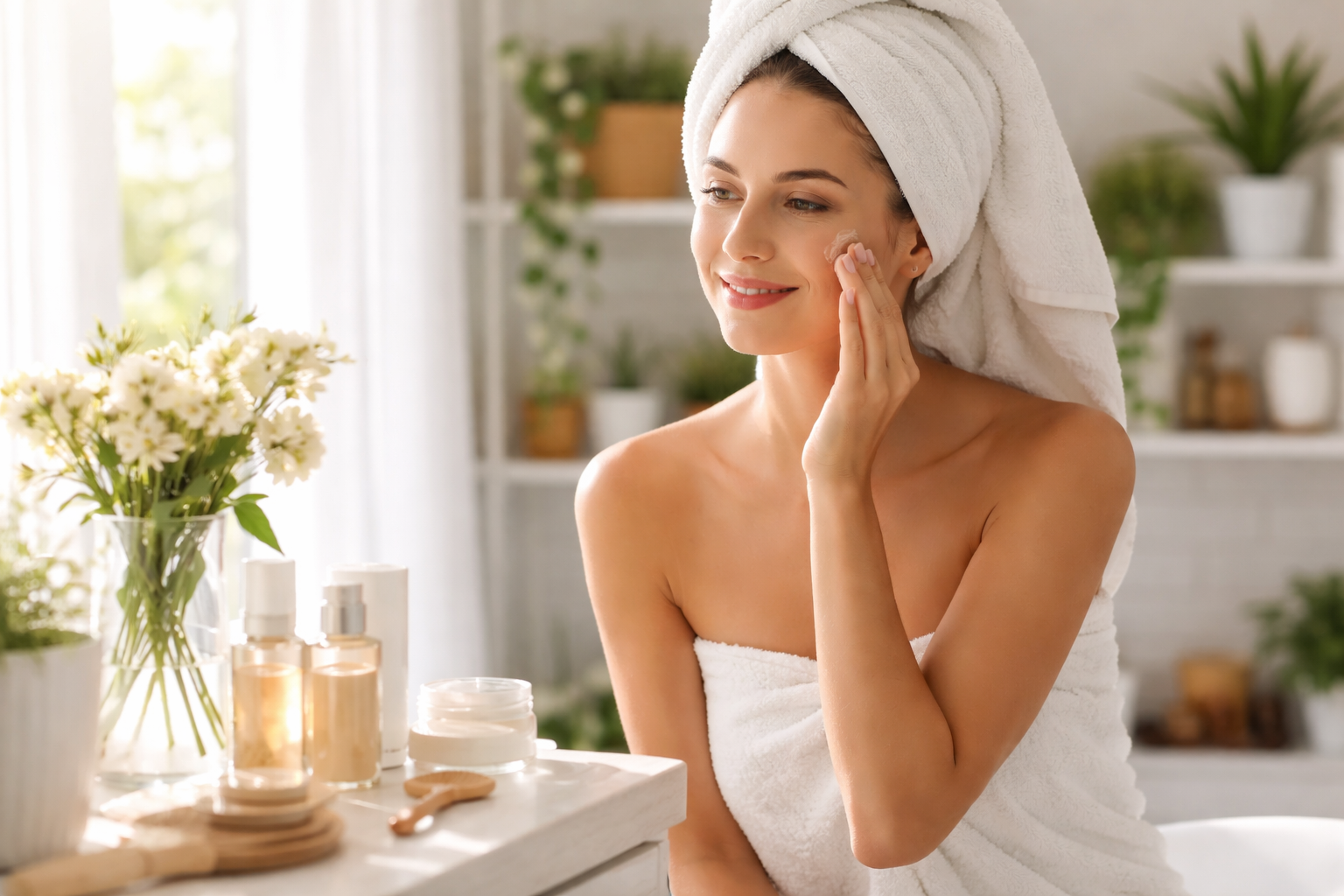
The quest for radiant, healthy skin is a timeless pursuit, often leading individuals down a labyrinth of topical treatments, advanced skincare technologies, and an endless array of promises bottled in elegant jars. While these external solutions undoubtedly play a role, the profound truth lies beneath the surface, woven into the very fabric of our daily lives. The secret to truly glowing skin isn’t just found in a bottle but in the mindful choices we make, the habits we cultivate, and the way we nourish our bodies from within. Our skin, the largest organ, acts as a reflective canvas, mirroring our internal state and external exposures. Understanding this intricate relationship between our lifestyle and our skin’s health is the first crucial step toward achieving lasting beauty.

Our daily routines, often seemingly insignificant in isolation, coalesce into a powerful force that dictates the vitality and appearance of our skin. From the moment we wake to the time we lay our heads down, every decision, every indulgence, and every omission leaves an imprint. This intricate dance between our environment, our internal systems, and our skin is a constant, dynamic interaction. Ignoring this fundamental connection is akin to painting a beautiful portrait on a crumbling canvas; the superficial artistry will inevitably falter without a strong foundation. Prioritizing skin health means recognizing its deep-seated connection to our overall well-being, understanding that true radiance emanates from a harmonious internal environment.
Environmental Factors and Skin Resilience
Beyond the personal choices, the environment we inhabit significantly shapes our skin’s resilience and appearance. Exposure to pollutants, harsh weather conditions, and UV radiation can accelerate aging, trigger inflammation, and disrupt the skin’s natural barrier function. Living in urban environments often means contending with airborne particulate matter and smog, which can clog pores, dull the complexion, and contribute to oxidative stress. Understanding these external aggressors allows for proactive protection, incorporating antioxidants into our diet and skincare, and consistently using sun protection to mitigate their damaging effects. The internal strength of a healthy lifestyle directly influences the skin’s ability to defend itself against these environmental challenges. While sun exposure provides the benefit of vitamin D synthesis, it also poses significant risks, as unprotected exposure can lead to premature aging, hyperpigmentation, and an increased risk of skin cancer. Therefore, mindful sun protection is not just a cosmetic choice but a crucial health imperative.
Unveiling the Impact of Hydration
Water is the essence of life, and its profound impact on skin health cannot be overstated. Dehydration manifests externally as dry, flaky skin, reduced elasticity, and a more pronounced appearance of fine lines and wrinkles. Adequate hydration, conversely, plumps up skin cells, enhancing their turgor and lending a youthful, dewy glow. It’s not merely about quenching thirst but about consistently providing the body with the necessary fluids to support all cellular functions, including those vital for skin regeneration and repair. The skin’s natural barrier, composed of lipids and proteins, relies on sufficient water content to maintain its integrity, preventing moisture loss and protecting against external irritants. Ignoring the simple act of drinking enough water can undermine even the most sophisticated skincare routine, demonstrating once again the foundational role of internal health in external beauty.
The adage “you are what you eat” holds profound truth when it comes to the complexion. Our diet provides the raw materials our skin needs to function optimally, repair itself, and maintain its youthful glow. A diet rich in nutrient-dense foods can transform dull, lackluster skin into a vibrant, healthy canvas, while a diet lacking essential nutrients can lead to a myriad of skin concerns, from acne to premature aging.
The Power of Antioxidants and Vitamins
Antioxidants play a crucial role in protecting the skin from the harmful effects of free radicals, unstable molecules that cause cellular damage and premature aging. Berries, leafy greens, colorful vegetables, and green tea are brimming with these protective compounds. Vitamins, too, play a crucial role. Vitamin C, for instance, is essential for collagen production, the protein that provides skin with its structure and elasticity. It’s also a powerful antioxidant that brightens the complexion and helps reduce hyperpigmentation. Vitamin A (retinoids), found in carrots, sweet potatoes, and leafy greens, is known for its ability to promote cell turnover and improve skin texture. Vitamin E protects cell membranes from oxidative damage and contributes to skin hydration. Ensuring a diverse intake of these vital nutrients through a balanced diet is more effective than relying solely on supplements, as the synergistic effects of whole foods are often unparalleled.
The Role of Healthy Fats and Proteins
Healthy fats, particularly omega-3 fatty acids found in fatty fish, flaxseeds, and walnuts, are fundamental for maintaining the skin’s lipid barrier, which locks in moisture and keeps irritants out. These fats also possess anti-inflammatory properties, which can calm irritated skin and reduce redness. A deficiency in healthy fats can lead to dry, flaky skin and increased sensitivity. Proteins, the building blocks of life, are equally vital. Collagen and elastin, the structural proteins responsible for skin firmness and elasticity, are constantly being broken down and rebuilt. Adequate protein intake ensures a steady supply of amino acids, the precursors to these crucial proteins, supporting skin repair and regeneration. Lean meats, fish, beans, lentils, and nuts are excellent sources of protein, contributing to a robust and resilient complexion.
Beyond muscular toning and cardiovascular health, regular physical activity is a powerful ally in the pursuit of luminous skin. Exercise stimulates blood flow, delivering oxygen and nutrients to skin cells while simultaneously carrying away waste products. This enhanced circulation gives the skin a healthy, rosy glow, often referred to as the “post-workout flush.”
Enhanced Oxygenation and Nutrient Delivery
During exercise, the heart pumps blood more efficiently, increasing circulation throughout the body, including to the skin. This surge of blood brings with it a fresh supply of oxygen and essential nutrients, which are vital for cell regeneration and repair. Well-oxygenated skin cells function more effectively, contributing to a brighter, more vibrant complexion. The increased blood flow also aids in the efficient removal of toxins and waste products from skin cells, preventing dullness and promoting clarity. This internal cleansing process is a key component of maintaining healthy skin from the inside out.
Stress Reduction and Detoxification through Sweat
Exercise is a remarkable stress reliever. Physical activity releases endorphins, natural mood elevators that counteract the negative physiological effects of stress, which can manifest on the skin as breakouts, dullness, and exacerbated inflammatory conditions. While the primary benefit of sweating is temperature regulation, it also aids in the detoxification process, expelling some impurities through the pores. However, it’s crucial to cleanse the skin promptly after sweating to prevent bacteria and dirt from settling into pores and leading to breakouts. The combination of stress reduction and improved circulation makes exercise an indispensable part of a holistic skincare regimen.
The mind-body connection is undeniable, and stress is a potent antagonist to skin health. Chronic stress triggers a cascade of hormonal responses, primarily an increase in cortisol, known as the “stress hormone.” This hormonal imbalance can cause significant damage to the skin, leading to various undesirable manifestations.
Hormonal Imbalance and Skin Concerns
Elevated cortisol levels can stimulate oil production, leading to clogged pores and breakouts, particularly in individuals prone to acne. Cortisol also breaks down collagen and elastin, accelerating the aging process and making the skin appear less firm and more prone to wrinkles. Furthermore, stress can exacerbate inflammatory skin conditions such as eczema, psoriasis, and rosacea, causing flare-ups and increasing sensitivity. Stress can also compromise the skin’s barrier function, rendering it more vulnerable to environmental damage and moisture loss. Stress management is crucial for maintaining a clear, calm, and youthful complexion, not just for emotional well-being.
Techniques for Calming the Mind and Skin
Cultivating effective stress management techniques is paramount for skin health. Practices such as meditation, yoga, deep breathing exercises, and spending time in nature can significantly reduce cortisol levels and promote a sense of calm. Engaging in hobbies, nurturing social connections, and prioritizing self-care activities also contribute to a balanced emotional state, which in turn reflects positively on the skin. A relaxed mind fosters a relaxed body, and this internal tranquility translates into a more serene and radiant appearance. Even short bursts of stress-reducing activities throughout the day can make a substantial difference in mitigating the cumulative effects of daily stressors on the skin.
Sleep is often referred to as “beauty sleep” for a very good reason. During slumber, our bodies enter a crucial repair and regeneration phase, and the skin is no exception. Depriving ourselves of adequate sleep has immediate and often visible consequences for our complexion.
The Skin’s Nightly Repair Cycle
While we sleep, the skin’s cellular turnover rate increases, meaning it’s actively repairing damage from the day’s environmental exposures and producing new, healthy skin cells. This is when collagen production peaks, and the skin’s natural healing processes are in full swing. Growth hormones are released, contributing to cellular regeneration and youthful skin. Insufficient sleep disrupts these vital processes, hindering the skin’s ability to repair itself and leading to a dull, tired, and aged appearance. Consistent, quality sleep is not a luxury but a fundamental necessity for maintaining dermal health and vibrancy.
Consequences of Sleep Deprivation
One of the most noticeable signs of sleep deprivation is the appearance of dark circles and puffiness under the eyes, caused by dilated blood vessels and fluid retention. The skin also becomes more sallow and loses its natural radiance, appearing fatigued and lacking vitality. Prolonged sleep deprivation can also compromise the skin’s barrier function, leading to increased moisture loss, dryness, and heightened sensitivity. It can also exacerbate inflammatory conditions and slow down the healing of blemishes. Prioritizing 7-9 hours of quality sleep each night is analogous to providing the skin with its most potent rejuvenating treatment, allowing it to perform its essential overnight repair work and emerge refreshed and radiant.
While internal factors lay the groundwork, a consistent and appropriate skincare routine provides external support, protecting, nourishing, and enhancing the skin’s natural beauty. A well-designed routine complements a healthy lifestyle, creating a powerful synergy for optimal skin health.
The Foundation of Cleansing and Moisturizing
Cleansing is the cornerstone of any effective skincare routine, removing impurities, makeup, and excess oil that can clog pores and dull the complexion. However, over-cleansing or using harsh cleansers can strip the skin’s natural oils, compromising its barrier function. Opting for gentle, pH-balanced cleansers is key. Moisturizing is equally critical, replenishing hydration and sealing in moisture, particularly after cleansing. A good moisturizer helps maintain the skin’s barrier, keeping it plump, supple, and protected from environmental aggressors. Even oily skin types benefit from moisturizing, as dehydration can paradoxically trigger increased oil production.
Targeted Treatments and Sun Protection
Beyond the basics, targeted treatments address specific skin concerns. Serums infused with active ingredients like hyaluronic acid, vitamin C, retinoids, or peptides can tackle issues such as fine lines, hyperpigmentation, or loss of firmness. Sun protection, however, remains the undisputed champion of anti-aging and skin health. Daily application of a broad-spectrum sunscreen with an SPF of 30 or higher is non-negotiable, shielding the skin from damaging UV rays that lead to premature aging, sunspots, and skin cancer. This external protective layer works in tandem with internal defenses fostered by a healthy lifestyle, ensuring comprehensive care for the skin.
Ultimately, the secret to radiant skin is not found in a single product or a fleeting trend, but in the sustained commitment to a holistic lifestyle that supports overall well-being. Beautiful skin is a byproduct of a healthy body and a calm mind. Cultivating positive habits that nourish from within and protect from without creates a virtuous cycle, leading to long-term radiance.
Consistency and Patience
Achieving healthy skin is a journey, not a quick fix. Consistency in our lifestyle choices, from diet and exercise to sleep and stress management, yields gradual yet profound improvements. Patience is equally vital, as skin cells regenerate over several weeks, and the full benefits of positive changes may take time to manifest. Expecting instant results can lead to frustration and abandonment of beneficial habits.
A Holistic Approach to Beauty
Embracing a holistic approach means recognizing that every facet of our lives contributes to our skin’s health and appearance. It’s about viewing the skin not as an isolated entity but as an integral part of the entire body. When we treat our bodies with respect, nourish them with wholesome foods, provide adequate rest, manage stress effectively, and offer consistent external care, our skin reflects this inner harmony with a natural, luminous glow. This synergistic approach is the true key to unlocking enduring beauty and vitality for our skin.
FAQs
1. How do diet and nutrition affect skin radiance?
A balanced diet rich in vitamins, minerals, and antioxidants can contribute to healthy and radiant skin. Nutrients like vitamins C, E, and A, as well as omega-3 fatty acids, can help maintain skin health and improve its appearance.
2. What is the role of exercise in achieving glowing skin?
Regular exercise can improve blood circulation, which helps deliver oxygen and nutrients to the skin. It also promotes the production of collagen, which can contribute to skin elasticity and radiance.
3. How does stress management impact skin beauty?
Chronic stress can lead to increased inflammation in the body, which may exacerbate skin conditions such as acne, eczema, and psoriasis. Managing stress through relaxation techniques and mindfulness can help maintain skin health.
4. Why is sleep important for healthy and radiant skin?
During sleep, the body repairs and regenerates cells, including skin cells. Lack of sleep can lead to dull skin, dark circles, and fine lines. Getting adequate sleep is essential for maintaining healthy and radiant skin.
5. How do skincare routines influence skin appearance?
A consistent skincare routine that includes cleansing, exfoliating, moisturizing, and sun protection can help maintain skin health and improve its appearance. Using products suitable for one’s skin type and concerns is essential for achieving beautiful skin.