The quest for radiant, healthy skin frequently leads us into a maze of serums, creams, and intrusive treatments. However, the most profound and sustainable path to a radiant complexion doesn’t begin in a beauty aisle but on our plates. Every cell in our body is fundamentally shaped by our diet, and the skin, being our largest organ, is particularly sensitive to the nutrients we consume. Understanding the intricate connection between what we eat and the health of our skin is the first step toward unlocking a natural, consistent, and vibrant glow. This comprehensive guide will delve deep into the science behind diet and skin health, highlight the best foods to incorporate for a luminous complexion, and provide practical strategies for cultivating a truly skin-nourishing lifestyle.
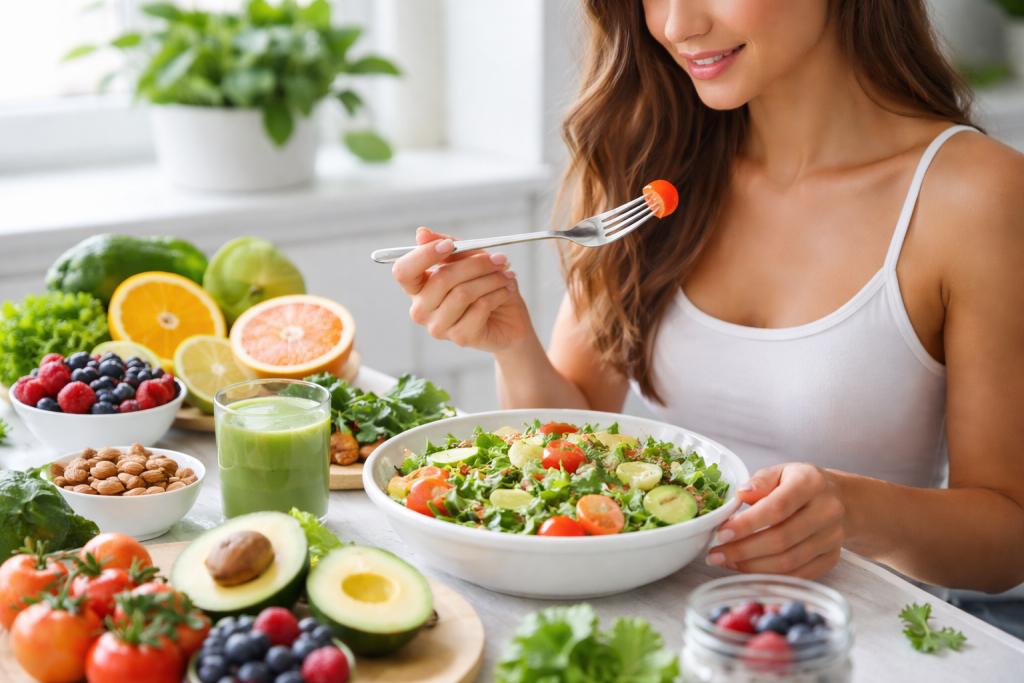
The availability of essential nutrients directly influences the health of the skin, which is a dynamic, ever-regenerating organ. Think of your skin as a complex ecosystem that requires a steady supply of building blocks, protectors, and repair agents. When we provide our bodies with a diverse and nutrient-rich diet, we are essentially fueling this ecosystem for optimal function. Conversely, a diet lacking in vital vitamins, minerals, and healthy fats can lead to a compromised skin barrier, increased inflammation, and a dull, lackluster appearance.
Cellular Regeneration and Repair
New skin cells are constantly being produced, and old ones are shed. This process of cellular turnover requires ample protein, which serves as the fundamental building material for skin cells. Without sufficient protein, this regeneration process can slow down, leading to a less vibrant and potentially rougher skin texture. Furthermore, various vitamins and minerals act as cofactors and catalysts for the enzymes involved in DNA repair and cell division, ensuring that damaged cells are efficiently replaced with healthy ones.
Inflammation as a Key Culprit
Chronic inflammation is a silent saboteur of skin health, contributing to a multitude of issues, including acne, redness, premature aging, and conditions like eczema and psoriasis. Certain dietary choices can exacerbate inflammation, while others possess powerful anti-inflammatory properties. Processed foods, high sugar intake, and unhealthy fats often trigger inflammatory responses within the body, which can manifest on the skin. Conversely, a diet rich in whole, unprocessed foods can help to quell these inflammatory fires, leading to a calmer, clearer complexion.
The Gut-Skin Axis
Emerging research highlights a fascinating connection between our gut microbiome and the health of our skin, often referred to as the “gut-skin axis.” A healthy gut, teeming with beneficial bacteria, plays a crucial role in nutrient absorption, immune system regulation, and reducing inflammation throughout the body. When the gut is imbalanced, it can lead to systemic inflammation that readily impacts the skin, potentially triggering acne breakouts or worsening existing skin conditions. Therefore, nurturing your gut health through diet is an integral part of achieving radiant skin.
To achieve a truly luminous complexion, we need to focus on a diet rich in specific nutrients known for their skin-benefiting properties. These are not fad ingredients but rather time-tested powerhouses that contribute to cellular health, protection, and repair. Prioritizing these foods will lay the foundation for naturally resilient, vibrant skin.
The Power of Antioxidants: Your Skin’s Cellular Shield
Antioxidants are the unsung heroes in the fight against skin aging and damage. They are molecules that neutralize harmful free radicals, unstable atoms that can damage cells and contribute to oxidative stress. Oxidative stress is a major driver of premature aging, leading to wrinkles, fine lines, and a loss of skin elasticity. By bombarding your body with antioxidants, you are essentially building a protective shield around your skin cells, allowing them to function optimally and maintain their youthful vitality.
Incorporating Antioxidant-Rich Foods into Your Daily Meals
Making antioxidant-rich foods a staple in your diet is a simple yet incredibly effective strategy for glowing skin. This involves embracing a colorful palette of fruits and vegetables, each offering a special blend of these protective compounds. Berries, in particular, are nutritional powerhouses packed with anthocyanins and vitamins. Think blueberries, raspberries, strawberries, and blackberries, which can be enjoyed in smoothies, as part of breakfast, or as a healthy snack. Leafy green vegetables like spinach, kale, and Swiss chard are brimming with vitamins A, C, and E, as well as lutein and zeaxanthin, all of which contribute to skin health and protection. Vibrant orange and yellow vegetables such as carrots, sweet potatoes, and bell peppers are excellent sources of beta-carotene, which the body converts into vitamin A, essential for cell growth and repair.
The Underrated Heroes: Herbs and Spices
Beyond fruits and vegetables, don’t overlook the antioxidant potential of herbs and spices. Turmeric, with its potent anti-inflammatory compound curcumin, is a remarkable addition to your diet. Incorporate it into curries, soups, or even a golden milk latte. Green tea, rich in polyphenols, is another exceptional beverage that offers significant antioxidant benefits. Even common herbs like parsley, cilantro, and basil are surprisingly rich in various antioxidants and can elevate the flavor of your meals while simultaneously boosting your skin’s health.
The Crucial Role of Hydration: Water, Glorious Water
Hydration is a non-negotiable element for achieving and maintaining radiant skin. Water is essential for numerous bodily functions, and its impact on skin health is particularly pronounced. Dehydrated skin can appear dull, dry, and more prone to fine lines and wrinkles. Proper hydration ensures that your skin cells are plump and functioning optimally, contributing to a smoother, more supple, and luminous complexion.
Beyond Drinking Water: Hydrating Foods
While direct water intake is paramount, certain foods can also contribute to your overall hydration levels. Water-rich fruits and vegetables like watermelon, cucumber, and celery are not only refreshing but also provide a significant amount of water and electrolytes. These hydrating options can be incorporated into salads, snacks, or juices, adding an extra layer of moisture to your internal system.
The Foundational Importance of Omega-3 Fatty Acids
Omega-3 fatty acids are essential fats that our bodies cannot produce on their own, making them crucial components of a healthy diet. Their role in skin health is multifaceted, primarily revolving around their anti-inflammatory properties and their ability to maintain the skin’s natural oil barrier. This barrier is vital for keeping moisture in and irritants out, leading to calmer, more hydrated, and resilient skin.
Fatty Fish: A Rich Source of Omega-3s
Fatty fish like salmon, mackerel, sardines, and anchovies are exceptional sources of the long-chain omega-3 fatty acids EPA and DHA. Aim to incorporate these into your diet at least two to three times a week. The anti-inflammatory effects of these fatty acids can help to calm conditions like acne, eczema, and rosacea, while also promoting a smoother skin texture and a healthy glow.
Plant-Based Omega-3s and Their Benefits
For vegetarians and vegans, or those who simply don’t enjoy fish, there are excellent plant-based sources of omega-3s. Flaxseeds, chia seeds, hemp seeds, and walnuts are all good sources of alpha-linolenic acid (ALA), a precursor to EPA and DHA. While the conversion rate from ALA to EPA and DHA is not as efficient as consuming fatty fish directly, incorporating these seeds and nuts into your diet regularly can still provide significant benefits for skin health. Enjoying them sprinkled on yogurt, added to smoothies, or as part of baked goods is a delicious way to boost your omega-3 intake.
Achieving consistently glowing skin is not about restrictive fad diets or chasing fleeting trends. It’s about adopting a holistic, balanced approach to nutrition that supports your skin from the inside out. This means ensuring that your meals are not only rich in skin-loving nutrients but also provide the body with the broad spectrum of vitamins, minerals, and macronutrients it needs to function optimally.
The Foundation of Whole Foods
The cornerstone of a skin-wellness diet is a commitment to whole, unprocessed foods. This includes an abundance of fruits, vegetables, lean proteins, and healthy fats. These foods are naturally packed with the vitamins, minerals, fiber, and antioxidants that your skin craves. By prioritizing these nutrient-dense options, you are providing your body with the building blocks it needs for healthy skin cell production and repair.
The Pitfalls of Processed Foods and Refined Sugars
Conversely, a diet heavily reliant on processed foods, refined sugars, and unhealthy fats can actively work against your skin’s health. These items often contribute to inflammation, disrupt hormone balance, and provide little in the way of beneficial nutrients. The high glycemic index of many processed foods can lead to blood sugar spikes and subsequent crashes, which can trigger acne breakouts and accelerate the aging process. Limiting your intake of sugary drinks, pastries, white bread, and fried foods is a crucial step towards clearer, more radiant skin.
The Importance of Lean Proteins for Skin Structure
Protein is not just for building muscle; it’s also essential for the structural integrity of your skin. Amino acids, the building blocks of protein, are crucial for the production of collagen and elastin, the proteins that give your skin its firmness and elasticity. Including lean protein sources like chicken, turkey, fish, legumes, tofu, and tempeh in your meals ensures that your body has the necessary materials to repair and regenerate skin tissue, contributing to a smoother and more youthful appearance.
Healthy Fats: Essential for Skin Barrier Function
As mentioned with omega-3s, healthy fats are indispensable for maintaining a healthy skin barrier. Beyond omega-3s, monounsaturated fats found in avocados, olive oil, and nuts are also beneficial. These fats help keep the skin hydrated from within, reducing dryness and flakiness. They also play a role in reducing inflammation and supporting the absorption of fat-soluble vitamins.
Embracing a diet rich in nutrient-dense, whole foods is the most powerful investment you can make in your skin’s long-term health and radiance. By understanding the intricate dance between what you eat and how your skin looks and feels, you can unlock a natural, sustainable glow that emanates from within. This journey is not about perfection but about mindful choices and cultivating a relationship with food that nourishes your entire being, starting with your most visible asset.
FAQs
1. How does diet affect skin health?
A balanced diet plays a crucial role in maintaining healthy, glowing skin. Nutrient-rich foods provide essential vitamins, minerals, and antioxidants that support skin health and help combat signs of aging and inflammation.
2. What are the best foods for promoting healthy, glowing skin?
Foods rich in antioxidants, such as berries, leafy greens, and nuts, can help protect the skin from damage caused by free radicals. Additionally, incorporating omega-3 fatty acids from sources like salmon and chia seeds can help maintain skin hydration and elasticity.
3. How does hydration impact skin radiance?
Proper hydration is essential for maintaining skin radiance. Drinking an adequate amount of water helps flush out toxins, maintain skin elasticity, and prevent dryness and dullness.
4. What foods should be avoided for clear, radiant skin?
Foods high in refined sugars, processed carbohydrates, and unhealthy fats can contribute to inflammation and skin issues such as acne and premature aging. Limiting the intake of these foods can help promote clear, radiant skin.
5. How can I create a balanced diet for overall skin wellness?
Incorporating various fruits, vegetables, lean proteins, whole grains, and healthy fats into your diet can help support overall skin wellness. Additionally, reducing the consumption of processed and sugary foods can further contribute to a balanced and healthy diet for glowing skin.