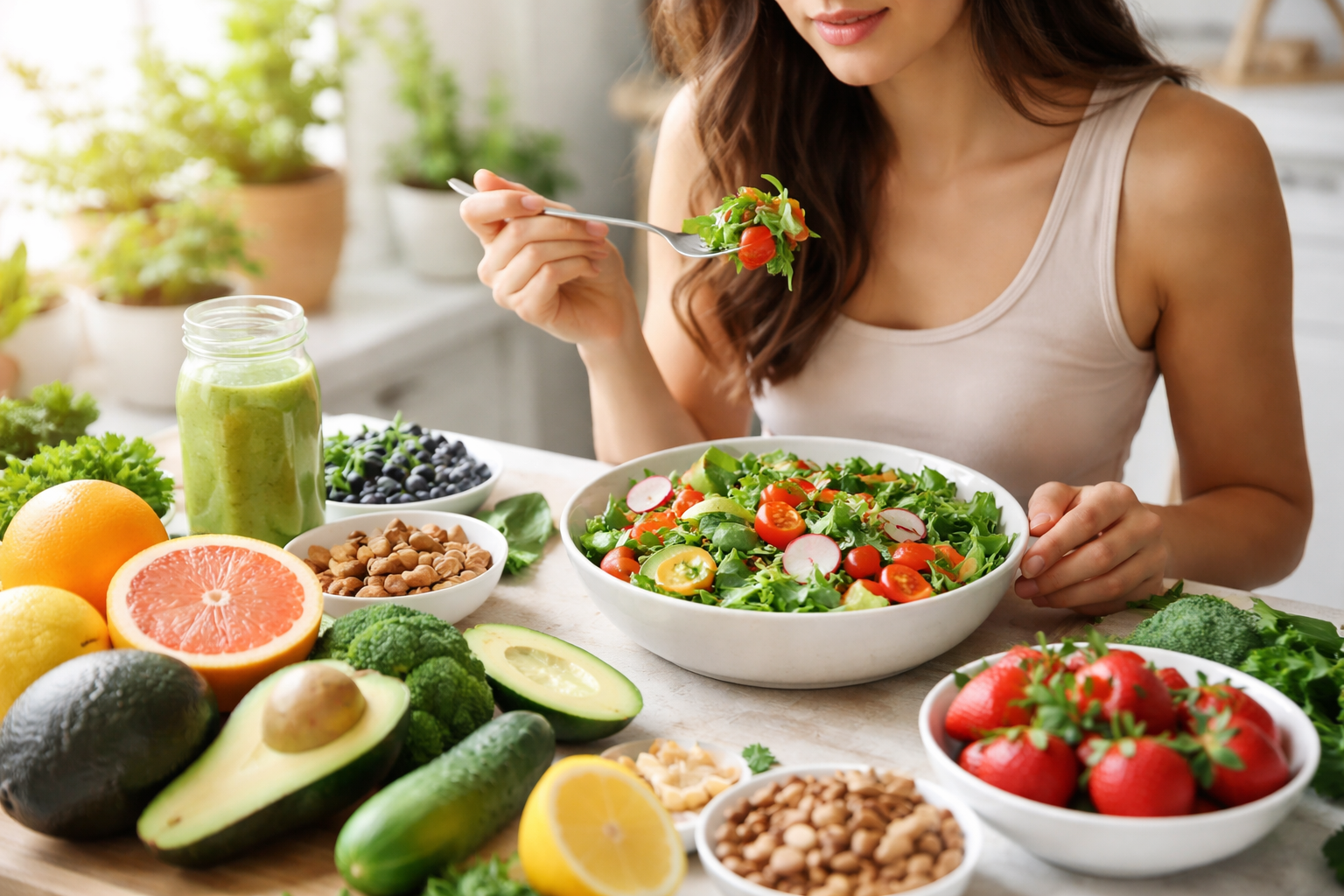
The mirror often tells a superficial story, reflecting the immediate rather than the underlying processes shaping our faces and forms. Yet, beneath the surface, a remarkable transformation is constantly underway, dictated not by cosmetic creams alone, but by the very fuel we choose to consume. Our plates hold a power far exceeding simple sustenance; they are the architects of our long-term beauty, crafting the health of our skin, the luster of our hair, and the resilience of our nails. This journey of aesthetic evolution, fueled from within, reveals a profound connection between our dietary choices and the vibrant glow we present to the world.

Our skin, the body’s largest organ, acts as a protective barrier and a window into our internal well-being. Its health and appearance are inextricably linked to the nutrients it receives. A vibrant, clear complexion isn’t just about topical applications; it’s a direct reflection of cellular nourishment and renewal.
Building Blocks for a Flawless Canvas
Proteins, often hailed as the fundamental building blocks of life, are equally crucial for skin integrity. Collagen and elastin, the two most abundant proteins in our skin, are responsible for its firmness, elasticity, and youthful bounce. Without adequate protein intake, particularly essential amino acids, our bodies struggle to synthesize and repair these vital structures, leading to sagging and a loss of suppleness. Lean meats, fish, eggs, legumes, and nuts provide the necessary components for a resilient dermis.
Antioxidants, those remarkable compounds that combat oxidative stress, play a pivotal role in protecting skin cells from environmental damage. Free radicals, generated by sun exposure, pollution, and even normal metabolic processes, can degrade collagen and elastin, accelerating aging. Vitamins C and E are potent antioxidants, with vitamin C also being essential for collagen synthesis. Berries, citrus fruits, leafy green vegetables, and nuts are rich sources of these protective agents, acting as internal sunscreens and cellular guardians.
Healthy fats, particularly omega-3 and omega-6 fatty acids, are fundamental for maintaining the skin’s lipid barrier. This barrier is crucial for retaining moisture, preventing dryness, and protecting against irritants. A compromised barrier can lead to inflammation, sensitivity, and a dull appearance. Fatty fish like salmon and mackerel, flax seeds, chia seeds, and walnuts are excellent sources of omega-3s, which possess anti-inflammatory properties that can soothe irritated skin.
Beyond the epidermis, our diet significantly impacts the strength and appearance of our hair and nails. These often-overlooked indicators of health can reveal a wonderful deal about our nutritional status. Brittle nails and lackluster hair often signal deficiencies that go beyond superficial concerns.
Essential Nutrients for Lustrous Locks
Hair, largely composed of a protein called keratin, thrives on a steady supply of high-quality protein. Similar to skin, a protein-deficient diet can result in weakened strands, increased breakage, and even hair loss. Biotin, a B vitamin, is another superstar for hair health, often associated with promoting growth and strengthening the hair shaft. Eggs, nuts, salmon, and sweet potatoes are excellent sources of biotin.
Iron, a vital mineral, plays a crucial role in oxygen transport to hair follicles. Iron deficiency, or anemia, can lead to hair shedding and thinning. Red meat, spinach, lentils, and fortified cereals are excellent sources of iron. Vitamin C is also important here, as it enhances iron absorption.
Zinc, an essential trace mineral, is involved in hair tissue growth and repair, and low levels can contribute to hair loss. Oysters, beef, pumpkin seeds, and legumes provide ample zinc. Selenium, another trace element found in Brazil nuts, tuna, and whole grains, also contributes to hair health by protecting cells from oxidative damage.
Fortifying Finger and Toe Foundations
Nails, also primarily made of keratin, benefit from many of the same nutrients as hair. Biotin, again, stands out for its role in strengthening brittle nails. Protein intake is paramount, as a lack of it can lead to ridges and slow growth. Iron deficiency can manifest as spoon-shaped nails or vertical ridges, while zinc deficiency can result in white spots on the nail plate.
Silica, though not as widely recognized as other nutrients, contributes to the structural integrity of nails, promoting strength and preventing splitting. Foods like cucumbers, bell peppers, and oats contain this beneficial mineral. Regular consumption of these nutrient-rich foods provides the raw materials for strong, healthy nails that are less prone to breakage and more resilient to daily wear and tear.
The inexorable march of time leaves its undeniable marks, but the pace and depth of these marks are significantly influenced by our dietary choices. While we cannot stop aging, we can certainly nourish our bodies to age gracefully, minimizing the appearance of wrinkles and maintaining skin elasticity.
The Anti-Aging Power of an Antioxidant-Rich Plate
Oxidative stress, as mentioned earlier, is a major contributor to skin aging. Chronic exposure to free radicals damages cellular structures, leading to the breakdown of collagen and elastin, which in turn results in fine lines, wrinkles, and a loss of skin firmness. A diet abundant in antioxidants acts as a powerful defense mechanism, scavenging these damaging free radicals and protecting cellular integrity.
Vitamins C and E, beta-carotene (found in carrots, sweet potatoes, and mangoes), and polyphenols (present in green tea, dark chocolate, and red wine in moderation) are all potent antioxidants. Their consistent presence in our diet helps to preserve the youthful structure of our skin, slowing the visible signs of aging.
The Role of Essential Fatty Acids in Maintaining Youthful Suppleness
Beyond their role in the skin barrier, omega-3 fatty acids possess anti-inflammatory properties that can reduce inflammation associated with skin aging. Chronic inflammation contributes to the degradation of collagen and elastin, leading to premature wrinkling. By incorporating sources of omega-3s, such as fatty fish, flax seeds, and walnuts, we can help calm internal inflammation and support a more youthful complexion.
Hydration, while not a nutrient itself, is inextricably linked to maintaining skin elasticity and plumpness. Dehydrated skin can appear dull and crepey, which emphasizes the appearance of fine lines. Water, of course, is paramount, but water-rich fruits and vegetables also contribute significantly to overall hydration and provide a plethora of vitamins and minerals.
Beyond simply preventing visible signs of aging, specific nutrients contribute directly to that coveted “glow”—a complexion that radiates health and vitality from within.
Illuminating the Skin from Within
B vitamins, often hailed as the “energy vitamins,” play a crucial role in cellular metabolism, including that of skin cells. Riboflavin (B2), niacin (B3), and pantothenic acid (B5) are particularly important for healthy skin function, contributing to cell regeneration and wound healing. Whole grains, legumes, nuts, and leafy greens are excellent sources of these complex vitamins.
Vitamin A, in its various forms (retinol, carotenoids), is essential for cell turnover and repair. Retinoids, derived from vitamin A, are widely used in skincare for their ability to promote cell renewal and reduce wrinkles. Consuming foods rich in vitamin A, such as sweet potatoes, carrots, spinach, and liver (in moderation), supports a healthy rate of skin cell turnover, leading to a fresher, more radiant appearance.
Copper, a trace mineral, is involved in the synthesis of both collagen and elastin. It also plays a role in melanin production, the pigment responsible for skin and hair color. A deficiency in copper can lead to a dull complexion and even premature graying. Shellfish, nuts, seeds, and leafy greens are excellent sources of copper.
Dietary factors can significantly influence acne, a common and often frustrating skin condition. Certain foods, while not solely a dietary issue, can either exacerbate or alleviate breakouts.
Taming Inflammation and Balancing Hormones
Foods with a high glycemic index (processed sugars, refined carbohydrates) can lead to rapid spikes in blood sugar and insulin levels, which in turn can stimulate oil production and inflammation, contributing to acne. Opting for a diet rich in whole grains, fruits, and vegetables helps stabilize blood sugar and reduce inflammatory responses.
Dairy products, for some individuals, can also be a trigger for acne due to the hormones and growth factors they contain. Experimenting with reducing or eliminating dairy can be beneficial for those struggling with persistent breakouts.
Zinc, in addition to its role in hair and nail health, has anti-inflammatory properties and can help regulate oil production. Studies have shown that zinc supplementation can improve acne symptoms.
Omega-3 fatty acids, with their powerful anti-inflammatory effects, can help reduce the redness and swelling associated with acne lesions. Incorporating fatty fish, flax seeds, and chia seeds can be a valuable part of an acne-fighting diet. Probiotic-rich foods like yogurt (if dairy is tolerated) or fermented vegetables can also support a healthy gut microbiome, which is increasingly recognized for its connection to skin health and reduced inflammation.
Often overlooked in the pursuit of beauty, adequate hydration is perhaps the simplest yet most profoundly effective strategy for achieving a truly glowing complexion.
Water: The Elixir of Life and Luster
Water constitutes a significant portion of our body weight and is essential for virtually every physiological process, including those that contribute to skin health. When we are adequately hydrated, our skin cells are plump and full, making lines and wrinkles less noticeable. Dehydration, conversely, can lead to a dull, taut, and flaky complexion, emphasizing imperfections.
Water also plays a crucial role in flushing out toxins from the body, including those that can negatively impact skin clarity. It supports efficient circulation, ensuring that essential nutrients reach skin cells and waste products are effectively removed.
Beyond simply drinking water, consuming water-rich fruits and vegetables, such as watermelon, cucumbers, oranges, and leafy greens, contributes significantly to overall hydration. These foods provide fluid and deliver a wealth of vitamins, minerals, and antioxidants that further enhance skin health. Aiming for at least eight glasses of water daily, adjusted for activity level and climate, is a fundamental step toward a radiant and truly beautiful appearance.
FAQs
1. How does nutrition impact skin health and appearance over time?
Nutrition plays a crucial role in maintaining healthy skin and promoting a youthful appearance. A balanced diet rich in vitamins, minerals, and antioxidants can help protect the skin from damage, improve its elasticity, and promote a radiant complexion.
2. What are some foods that promote healthy hair and nails?
Foods rich in protein, such as lean meats, fish, eggs, and dairy products, are essential for promoting healthy hair and nails. Additionally, foods high in omega-3 fatty acids, like salmon, walnuts, and flaxseeds, can also contribute to strong, shiny hair and nails.
3. How can diet impact aging and wrinkles?
A diet high in antioxidants, such as fruits, vegetables, and green tea, can help protect the skin from oxidative stress and reduce the appearance of aging and wrinkles. Additionally, consuming foods rich in collagen, like bone broth and gelatin, can support skin elasticity and reduce the signs of aging.
4. What role do nutrients play in achieving a radiant complexion?
Nutrients like vitamin C, vitamin E, and beta-carotene are essential for promoting a radiant complexion. These nutrients help protect the skin from damage, promote collagen production, and improve skin tone and texture.
5. What are some nutritional strategies for clearing up acne and blemishes?
Incorporating foods with anti-inflammatory properties, such as turmeric, ginger, and green tea, can help reduce acne and blemishes. Additionally, consuming foods rich in zinc, like pumpkin seeds and chickpeas, can support skin healing and reduce the occurrence of breakouts.