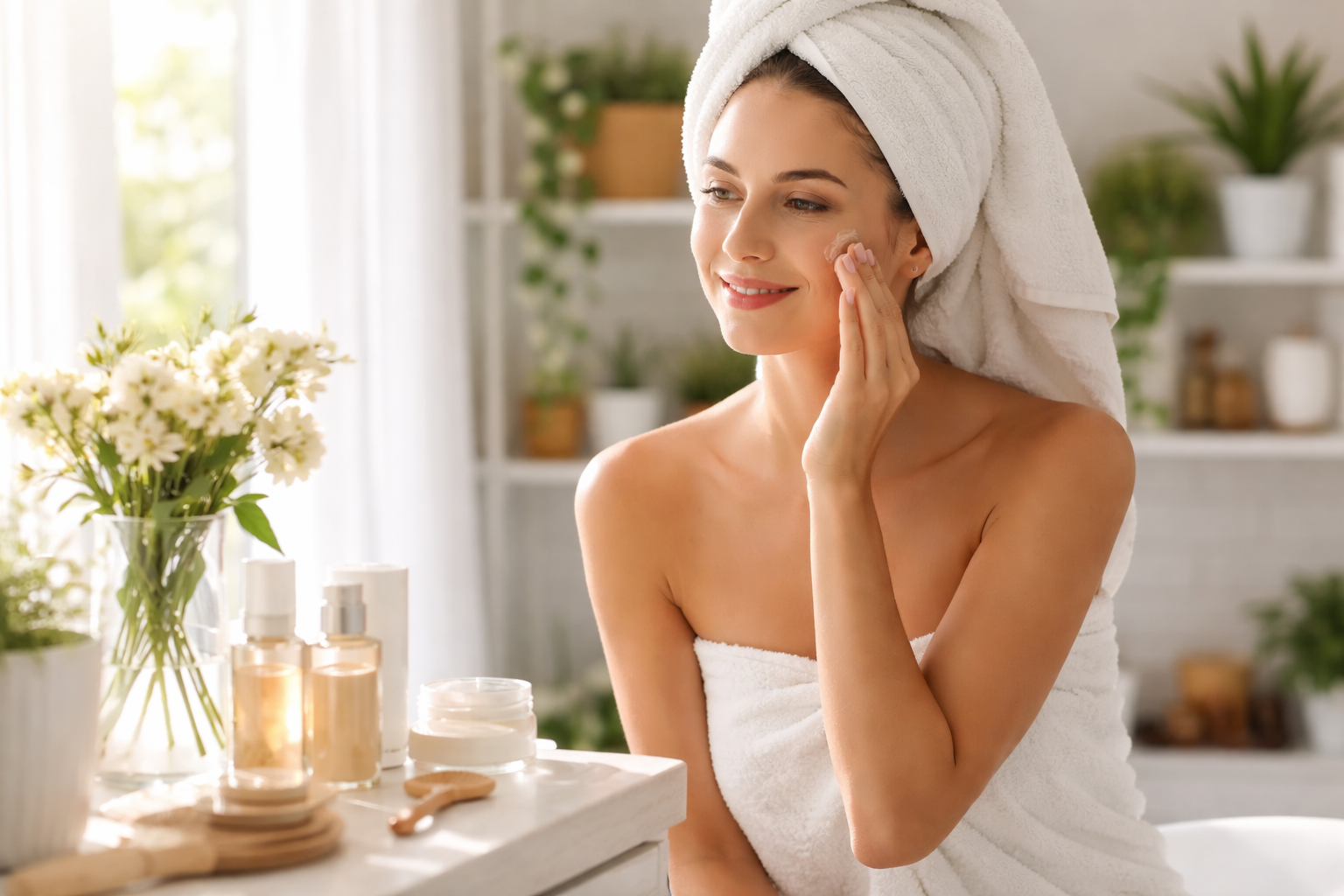
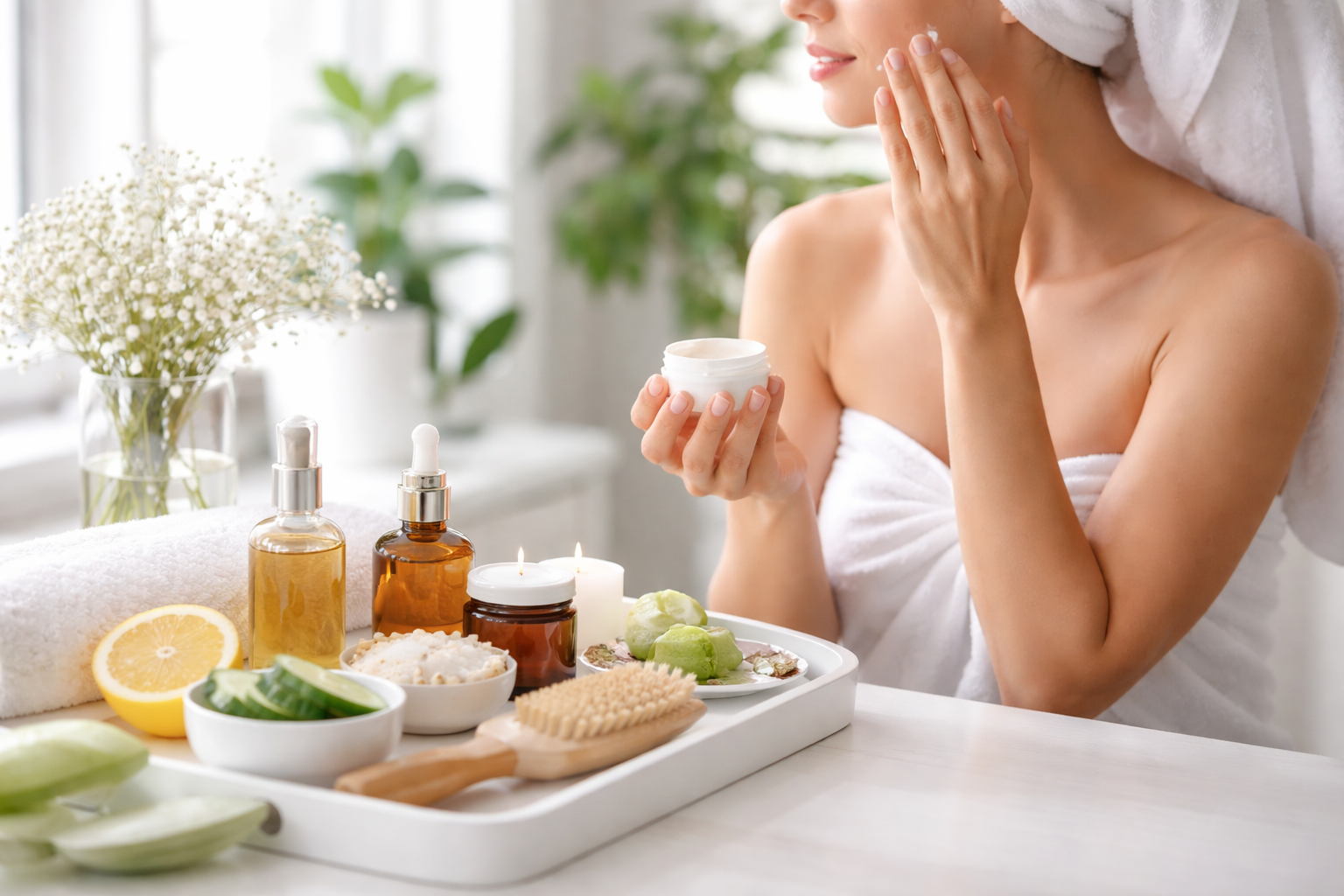
Embarking on a journey toward radiant skin and lustrous hair often begins with a deeper understanding of what we consume. While topical treatments and elaborate skincare routines play a significant role, the true foundation of beauty is often built from within. Beauty nutrition, a concept that bridges the gap between diet and appearance, emphasizes that the foods we eat are not just fuel for our bodies but also vital building blocks for our skin and hair. This guide provides a comprehensive overview of beauty nutrition, enabling you to cultivate your most vibrant self from within.
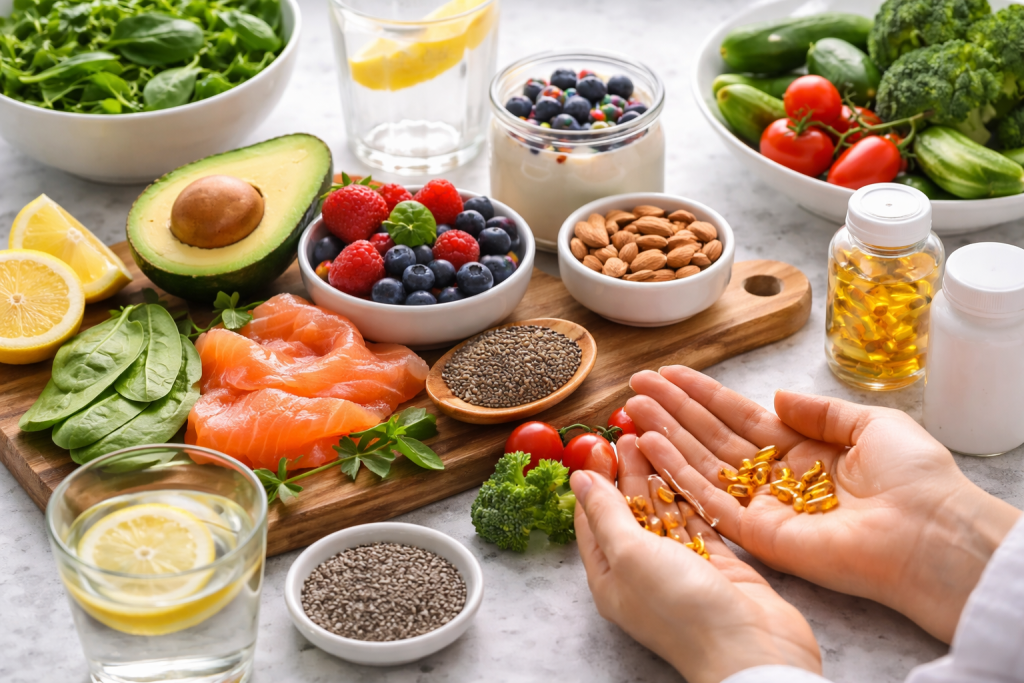
Fundamentally, beauty nutrition acknowledges that our skin and hair cells, akin to all other cells in our body, necessitate a continuous flow of specific nutrients for optimal function, self-repair, and regeneration. When these needs are met, the results are often visible: smoother, clearer skin, reduced inflammation, stronger, shinier hair, and healthier nails. Conversely, deficiencies can manifest as dullness, dryness, breakouts, brittle hair, and slow growth. It’s not about quick fixes or magic pills, but rather a holistic approach that prioritizes long-term health and vitality, which naturally reflects in our outward appearance.
The Ecosystem of Our Skin and Hair
Our skin, the largest organ in our body, is a dynamic and complex ecosystem. It’s constantly shedding, renewing, and protecting us from external aggressors. For this intricate renewal process to occur efficiently, it requires a steady intake of proteins, vitamins, minerals, and healthy fats. Similarly, our hair follicles are active sites of production, constantly growing new strands. This growth is fueled by the same fundamental nutrients that support our overall health, with specific ones playing more pronounced roles in hair structure and strength.
The Mind-Body Connection in Beauty
It’s crucial to acknowledge that beauty nutrition isn’t solely about physical consumption; it’s also deeply intertwined with our mental and emotional well-being. Chronic stress, for instance, can wreak havoc on our skin and hair by disrupting hormonal balance and increasing inflammation. Therefore, a holistic beauty nutrition approach often incorporates stress management techniques and mindful eating practices, recognizing that a calm and balanced mind contributes significantly to a radiant appearance.
Certain nutrients stand out as particularly crucial for cultivating a healthy, vibrant complexion and strong, lustrous locks. These are the workhorses of beauty from within, participating in everything from collagen production to cellular repair. Understanding their roles will help you make informed dietary choices.
The Power of Protein for Structure and Repair
Protein is the fundamental building block for both skin and hair. Keratin, the primary protein that makes up hair and nails, and collagen and elastin, which give skin its structure and elasticity, are all synthesized from amino acids, the components of protein. Adequate protein intake ensures that your body has the raw materials to repair damaged skin cells and build new, healthy hair.
Sources of High-Quality Protein
Prioritize lean proteins like chicken, turkey, fish, eggs, and legumes such as lentils and beans. For vegetarians and vegans, incorporating a variety of plant-based protein sources helps ensure you receive all the essential amino acids.
Vitamins: The Multifaceted Beautifiers
Vitamins are micronutrients that perform a vast array of functions essential for beauty. Different vitamins play distinct yet complementary roles in maintaining skin and hair health.
Vitamin A: The Cell Turnover Champion
Vitamin A, particularly in its beta-carotene form found in many plant foods, is vital for cell turnover and renewal. It helps to slough off old, dead skin cells and promotes the growth of new ones, contributing to a smoother, brighter complexion. It also plays a role in sebum production, which helps to keep skin and hair moisturized.
Vitamin C: The Antioxidant and Collagen Builder
Vitamin C is a potent antioxidant that helps to protect skin cells from damage caused by free radicals, which can accelerate aging. Furthermore, it is absolutely essential for the synthesis of collagen, the protein responsible for skin’s firmness and elasticity. Its antioxidant properties also benefit hair by protecting follicles from damage.
Vitamin E: The Protective Shield
Vitamin E is another powerful antioxidant that helps to protect skin cells and the scalp from oxidative stress. It can also improve blood circulation to the scalp, promoting healthier hair growth. Its moisturizing properties can also help to combat dryness in both skin and hair.
B Vitamins: The Energy and Growth Catalysts
The B vitamin complex, particularly biotin (B7), plays a significant role in hair and nail growth and strength. Other B vitamins, like B12 and folate, are crucial for red blood cell formation, which ensures oxygen and nutrient delivery to hair follicles and skin cells.
Minerals: The Structural Supports and Regulators
Minerals, though required in smaller amounts than macronutrients, are equally critical for unlocking your beauty potential.
Zinc: The Repair and Growth Enabler
Zinc is vital for cell growth and repair, making it indispensable for healthy skin and hair. It plays a role in wound healing, helps to regulate oil production, and is essential for the proper functioning of hair follicles. Its deficiency can lead to hair loss and skin issues like acne.
Iron: The Oxygen Carrier for Vitality
Iron is crucial for transporting oxygen throughout the body, including to hair follicles and skin cells. Iron deficiency anemia can lead to dull skin and hair thinning, as the cells are not receiving sufficient oxygen to function optimally.
Selenium: The Antioxidant Powerhouse
Selenium is a mineral with potent antioxidant properties that helps protect cells from damage. It’s also involved in thyroid hormone metabolism, which can indirectly impact hair growth.
Healthy Fats: The Moisture Keepers and Anti-inflammatories
Don’t shy away from healthy fats; they are the unsung heroes of supple skin and strong hair.
Omega-3 Fatty Acids: The Hydration and Inflammation Fighters
Omega-3 fatty acids, found in fatty fish, flaxseeds, and walnuts, are important for preserving skin hydration and reducing inflammation. This can lead to calmer, less irritated skin and may contribute to shinier, more resilient hair.
Monounsaturated and Polyunsaturated Fats: The Cell Membrane Supporters
These healthy fats are integral components of cell membranes, ensuring that skin and hair cells remain supple and functional. They also aid in the absorption of fat-soluble vitamins.
Often overlooked in the pursuit of specific nutrients, water is arguably the most fundamental element of beauty nutrition. Our bodies are composed of a significant percentage of water, and every cell, including those in our skin and hair, relies on it for optimal function.
Water: The Internal Moisturizer
Proper hydration ensures that your skin remains supple, elastic, and less prone to dryness and fine lines. Dehydrated skin can appear dull, worn out, and accentuated by existing imperfections. Internally, water helps to flush out toxins that can contribute to skin congestion and breakouts.
Hydration and Hair Health
For hair, water is essential for maintaining its structure and shine. When you’re dehydrated, your hair can become brittle, dry, and more susceptible to breakage. Adequate water intake supports the scalp’s health, which in turn promotes robust hair growth.
Signs of Dehydration
Beyond thirst, key indicators of dehydration affecting your beauty can include dry, flaky skin, dull-looking hair, brittle nails, and even chapped lips. Upping your water intake can address these concerns remarkably.
While maintaining a balanced diet is crucial, some “superfoods” offer an especially potent dose of nutrients that enhance beauty. Incorporating these nutrient-dense powerhouses into your diet can accelerate your journey to glowing skin and healthy hair.
Berries: Antioxidant Powerhouses for Skin Protection
Berries, such as blueberries, strawberries, and raspberries, are loaded with antioxidants, particularly vitamin C and anthocyanins. These compounds combat free radical damage, which contributes to premature aging and skin dullness, while also supporting collagen production.
Leafy Greens: Vitamin and Mineral Rich for Overall Vitality
Dark leafy greens like spinach, kale, and collard greens are nutritional giants, providing a wealth of vitamins A, C, E, and K, as well as iron and zinc. This potent combination supports cell regeneration, antioxidant defense, and oxygen transport, all crucial for vibrant skin and strong hair.
Fatty Fish: Omega-3s for Hydration and Anti-inflammation
Salmon, mackerel, and sardines are excellent sources of omega-3 fatty acids. These essential fats help to keep skin moisturized from within, reduce inflammation that can trigger skin conditions, and contribute to hair’s natural shine and resilience.
Avocados: Healthy Fats and Vitamins for Nourishment
Avocados are a fantastic source of monounsaturated fats, vitamin E, and vitamin C. The healthy fats contribute to skin hydration and elasticity, while the vitamins act as antioxidants and support collagen synthesis, leading to smoother, more youthful-looking skin.
Nuts and Seeds: Minerals and Healthy Fats for Strength
Almonds, walnuts, chia seeds, and flaxseeds are packed with vitamin E, zinc, selenium, and omega-3 fatty acids. These nutrients work synergistically to protect skin against damage, promote hair strength, and contribute to a healthy scalp.
Understanding the principles of beauty nutrition is the first step; the next is to integrate them practically into your daily life. This doesn’t require a drastic overhaul but rather thoughtful, sustainable adjustments.
Assessing Your Current Diet and Needs
Before making changes, take an honest look at your current eating habits. Are you consistently meeting your protein needs? Are you getting enough fruits and vegetables? Are you drinking enough water? Identifying gaps will help you target specific areas for improvement. Consider if you have any specific concerns, such as acne, hair thinning, or dry skin, and research the nutrients that can best address them.
Gradual Integration, Not Overhaul
The most effective approach is to make gradual, sustainable changes. Instead of cutting out entire food groups, focus on adding more nutrient-dense foods. Swap a processed snack for a handful of almonds, or add extra spinach to your morning smoothie. Small, consistent additions are more likely to stick than drastic, overwhelming shifts.
Meal Planning and Preparation Strategies
Organizing your meals in advance can significantly improve your health. Dedicate a small amount of time each week to outline your meals and snacks. This reduces the likelihood of impulsive unhealthy choices and ensures you have nutrient-rich options readily available. Prepping ingredients, like chopping vegetables or cooking a batch of lean protein, can save time during busy weekdays.
Understanding Your Body’s Cues and Adjusting
Pay attention to how your body responds to different foods. Some individuals might find that certain foods exacerbate skin issues, while others might notice a significant improvement in their hair after increasing their intake of specific nutrients. Learning to listen to your body is an integral part of personalized beauty nutrition.
Making beauty nutrition a natural part of your day doesn’t have to be complicated. Here are some simple, actionable tips to help you weave these healthy habits into your life seamlessly.
Start Your Day with a Nutrient Boost
Begin your morning with a breakfast that prioritizes protein and healthy fats. A smoothie with protein powder, spinach, berries, and a tablespoon of chia seeds is a fantastic example. Alternatively, opt for scrambled eggs with avocado and whole-grain toast.
Smart Snacking for Sustained Beauty
Midday energy dips can lead to poor food choices. Stock up on healthy snacks like a small handful of nuts, a piece of fruit with a spoonful of nut butter, or Greek yogurt with berries. These options provide sustained energy and valuable nutrients.
Hydration Stations Everywhere
Keep a reusable water bottle with you at all times. Make it a habit to refill it throughout the day. You can also infuse your water with fruits like lemon, cucumber, or mint for added flavor and a touch of visual appeal.
Sneak in Veggies and Fruits Whenever Possible
Add spinach or kale to smoothies, stir-fries, or pasta sauces. Top your meals with fresh herbs and colorful vegetables. Keep a fruit bowl visible as a constant reminder to grab a healthy snack.
Mindful Eating and Digestion
Practice mindful eating by savoring your food and paying attention to your body’s hunger and fullness cues. This not only aids digestion but also helps you appreciate the nourishing qualities of the foods you are consuming.
The pursuit of glowing skin and healthy hair through nutrition is not an isolated endeavor; it is inextricably linked to your overall health and well-being. What nourishes your body from the inside out for cosmetic benefits also fundamentally supports your internal systems.
A Foundation for Energy and Vitality
The same nutrients that promote healthy skin and hair—vitamins, minerals, protein, and healthy fats—are also essential for energy production, immune function, and mood regulation. When your body is well-nourished, you inherently feel better, have more energy, and are better equipped to handle daily challenges.
Reduced Inflammation and Disease Prevention
Many of the foods that contribute to beauty, such as fruits, vegetables, and fatty fish, are rich in anti-inflammatory compounds. Chronic inflammation is a root cause of many diseases, so by adopting a beauty-focused diet, you are inadvertently contributing to your long-term health and potentially reducing your risk of developing chronic conditions.
Improved Mood and Self-Confidence
There is a powerful psychological link between how we look and how we feel. When our skin is clear, our hair is healthy, and our bodies are functioning well, our self-confidence naturally increases. This positive feedback loop can lead to a more optimistic outlook and a greater sense of overall well-being, creating a harmonious synergy between your inner health and outer radiance. Embracing beauty nutrition is not just about aesthetics; it’s about cultivating a holistic sense of health that shines from the inside out.
FAQs
1. What is beauty nutrition, and why is it important?
Beauty nutrition refers to the practice of consuming specific nutrients and foods that promote healthy skin, hair, and overall well-being. It is important because the nutrients we consume play a crucial role in the health and appearance of our skin and hair.
2. What are some essential nutrients for glowing skin and healthy hair?
Essential nutrients for glowing skin and healthy hair include vitamins A, C, and E, as well as omega-3 fatty acids, biotin, and zinc. These nutrients support collagen production, protect against oxidative damage, and promote hair strength and growth.
3. How does hydration contribute to beauty nutrition?
Hydration is essential for maintaining the health and appearance of the skin and hair. Adequate water intake helps to keep the skin hydrated, plump, and radiant, while also supporting the delivery of nutrients to the hair follicles.
4. What are some superfoods that promote radiant skin and lustrous hair?
Superfoods for radiant skin and lustrous hair include avocados, berries, fatty fish, nuts and seeds, and leafy greens. These foods are rich in essential nutrients and antioxidants that support skin and hair health.
5. How can I incorporate beauty nutrition into my daily routine?
You can incorporate beauty nutrition into your daily routine by including various nutrient-dense foods in your meals, staying hydrated, and minimizing the consumption of processed and sugary foods. Additionally, you can consider taking supplements to fill any nutrient gaps in your diet.