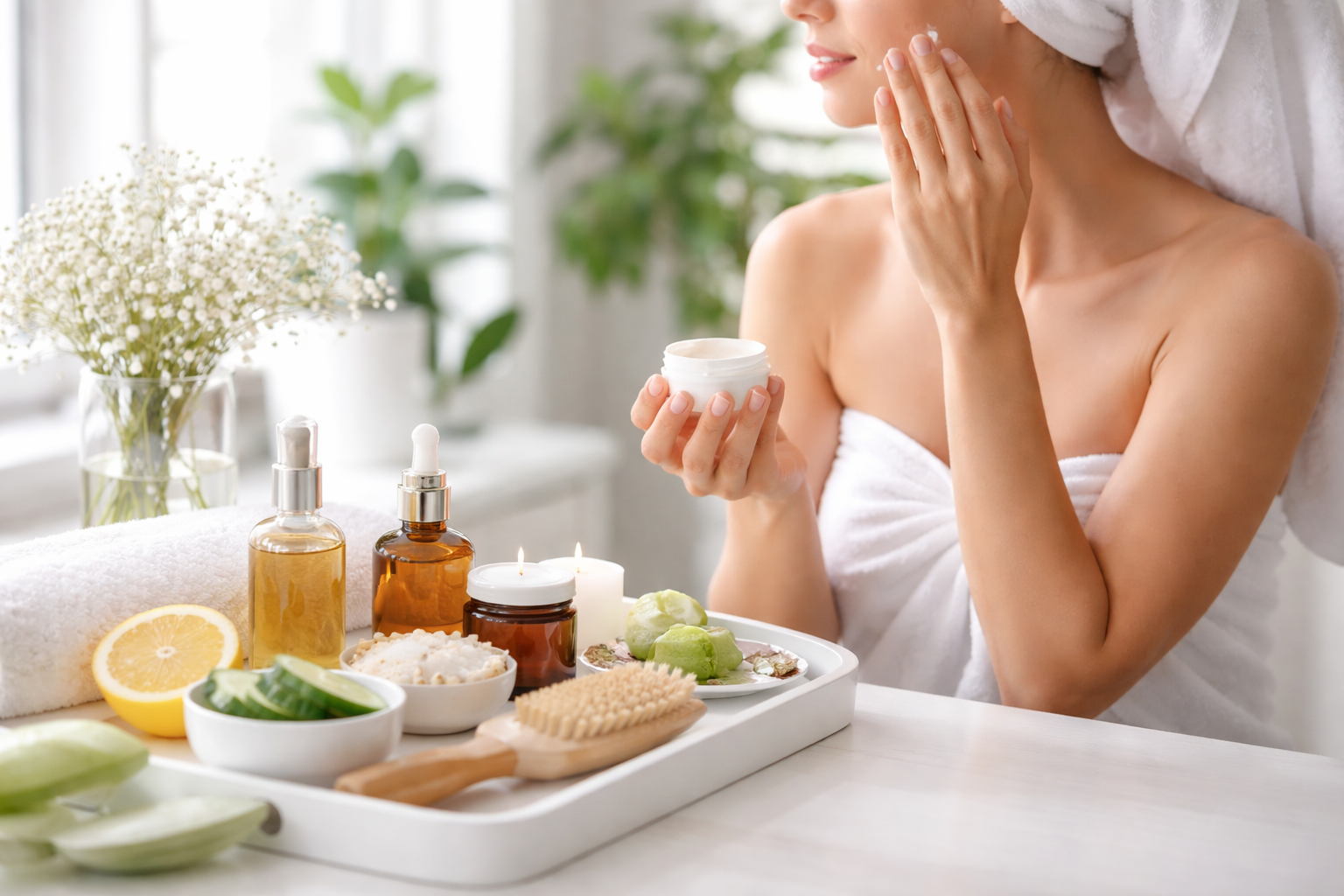
The adage “you are what you eat” resonates deeply, especially when we consider the profound impact of our dietary choices on our outward appearance. The journey from our plate to our dazzling skin and lustrous hair is a remarkable one, often underestimated yet undeniably potent. What we consume directly fuels the cells responsible for skin regeneration, collagen production, hair growth, and overall radiance. This isn’t just about superficial beauty; it’s about the foundational health of our largest organ, our skin, and the crowning glory of our hair.
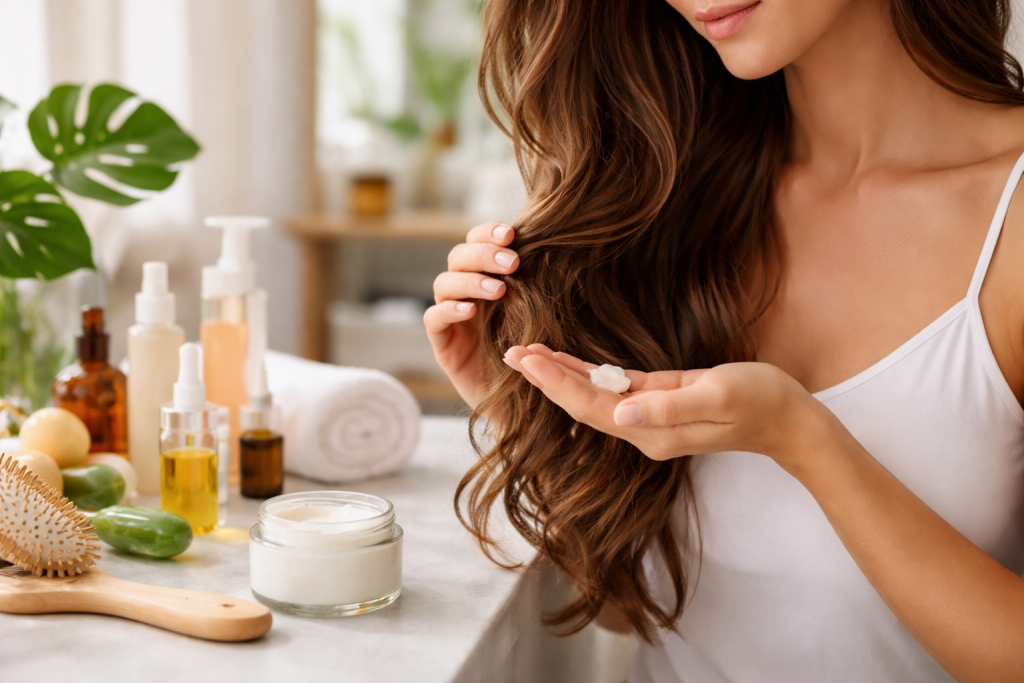
Our skin is a dynamic, living organ that constantly renews itself. This complex process requires a steady supply of essential nutrients, much like a well-maintained garden needs regular nourishment. When we provide our bodies with the right building blocks through our diet, our skin reaps the benefits in tangible ways. A deficiency in certain vitamins or minerals can manifest as dryness, dullness, premature aging, acne, and compromised barrier function, making us more susceptible to environmental damage and irritation. Conversely, a nutrient-rich diet supports optimal skin function, promoting elasticity, hydration, a clear complexion, and a healthy glow. It’s a visible testament to our internal well-being.
The Skin’s Inner Workings and Dietary Needs
The epidermis, our outermost layer of skin, is composed of tightly packed cells that act as a protective barrier. These cells are constantly shed and replaced, a cycle that takes approximately 28 days. This regeneration process is heavily reliant on proteins, particularly amino acids, which are the building blocks of skin cells. Insufficient protein hinders the skin’s ability to repair and renew, resulting in slower healing and a less resilient complexion. Furthermore, a matrix of collagen and elastin, proteins that provide strength and flexibility, supports the skin’s structure. Nutrients like vitamin C are crucial for collagen synthesis, while omega-3 fatty acids play a role in maintaining cell membrane integrity and reducing inflammation, contributing to a smoother, plumper appearance.
Impact on Skin Conditions
Beyond general skin health, diet can significantly influence common skin conditions. For instance, dietary triggers often exacerbate inflammatory conditions like eczema and psoriasis. On the other hand, a diet abundant in anti-inflammatory foods can alleviate these conditions and minimize their flare-ups. Similarly, the glycemic index of our food can influence acne, a complex condition involving oil production, pore blockage, and bacteria. High-glycemic foods, which cause rapid spikes in blood sugar, can lead to increased sebum production and inflammation, potentially worsening acne. Conversely, a diet focused on whole, unprocessed foods and low-glycemic options can help regulate these factors.
The quest for healthy skin and hair isn’t about a magic potion or a one-time fix; it’s about a consistent, holistic approach to nutrition. Certain micronutrients and macronutrients act as the fundamental building blocks and activators for optimal cellular function in both our skin and hair. Understanding these key players allows us to make informed dietary choices that translate directly to a more radiant complexion and stronger, shinier hair.
Vitamins: The Powerhouses of Skin and Hair Health
Vitamins are essential organic compounds that our bodies need in small amounts to perform vital functions. For skin and hair, several vitamins are particularly crucial. Vitamin A, in its various forms (retinoids and carotenoids), is vital for cell turnover and repair, helping to maintain a smooth and even skin tone. It also plays a role in sebum production, which keeps hair moisturized. Vitamin E, a potent antioxidant, protects skin cells from damage caused by free radicals, contributing to a youthful appearance and shielding hair from environmental stressors. B vitamins, especially biotin (B7), are famously linked to hair health, promoting keratin production, the primary protein in hair. Other B vitamins, like niacin (B3) and pantothenic acid (B5), support healthy skin barrier function and can improve hydration. Vitamin C, as mentioned, is indispensable for collagen synthesis, the protein that gives skin its firmness and elasticity, and it also aids in iron absorption, which is crucial for hair growth.
Minerals: The Structural and Functional Supporters
Minerals are inorganic elements that play critical roles in a multitude of bodily processes. Zinc, for example, is a powerhouse mineral involved in wound healing, immune function, and cell growth—all vital for healthy skin. It also plays a role in hair follicle health and can help regulate oil production, making it beneficial for those prone to acne. Iron is essential for transporting oxygen throughout the body, including to hair follicles, and its deficiency is a common cause of hair loss. Selenium, another important mineral, acts as an antioxidant and supports thyroid function, which can indirectly affect hair growth and skin health.
Healthy Fats: The Lubricators and Protectors
Our bodies require a balance of fats, and certain types are highly beneficial for skin and hair. Omega-3 fatty acids, found in fatty fish, flaxseeds, and walnuts, are prized for their anti-inflammatory properties. They help to keep skin hydrated, supple, and less prone to redness and irritation. They also contribute to a healthy scalp, which is the foundation for strong hair growth. Omega-6 fatty acids are also important, but a proper balance with omega-3s is key. Monounsaturated fats, found in olive oil and avocados, also contribute to skin hydration and a supple feel. These fats help to create a protective barrier on the skin, preventing moisture loss and keeping it looking plump and healthy.
Protein: The Fundamental Building Blocks
As the primary structural component of skin and hair, protein is non-negotiable. Collagen, elastin, and keratin directly utilize amino acids, the smaller units that make up proteins. When our diet is insufficient in protein, our bodies may draw from existing protein stores, potentially impacting the very structures that give us our youthful appearance and lustrous locks.
Transforming your diet from a source of mere sustenance to a potent beauty elixir is achievable through mindful food choices. Incorporating a spectrum of nutrient-dense foods into your daily meals can directly contribute to a complexion that glows and hair that shines with health. The key lies in variety and prioritizing whole, unprocessed ingredients that offer a broad spectrum of vitamins, minerals, healthy fats, and antioxidants.
Embracing the Power of Fatty Fish
Fatty fish, such as salmon, mackerel, and sardines, are nutritional powerhouses, particularly for their abundant omega-3 fatty acid content. These essential fats are important for preserving skin hydration, reducing inflammation, and promoting a supple, smooth complexion. They are also instrumental in supporting a healthy scalp, creating an optimal environment for robust hair growth. Incorporating these fish into your diet two to three times a week can make a noticeable difference in skin elasticity and reduce dryness.
The Colorful World of Fruits and Vegetables
vitamin A. A diverse range of fruits and vegetables provides a wealth of vitamins, minerals, and antioxidants crucial for the vitality of skin and hair. Berries, rich in antioxidants like anthocyanins, combat cellular damage and inflammation, contributing to a youthful appearance. Citrus fruits, bursting with vitamin C, are vital for collagen production, which underpins the skin’s firmness and elasticity, and they also support the immune system. Leafy greens like spinach and kale are packed with vitamins A, C, and E, as well as iron and zinc, all of which are critical for healthy skin cell regeneration and hair strength. Bell peppers, especially red and yellow varieties, are excellent sources of vitamin C and beta-carotene, which the body converts to vitamin A. Avocados, with their healthy monounsaturated fats and vitamin E, provide deep moisturization from within and protect skin cells from oxidative stress.
The Mighty Nut and Seed Ensemble
Nuts and seeds are concentrated sources of essential nutrients, making them valuable additions to a beauty-focused diet. Walnuts, a notable source of omega-3 and omega-6 fatty acids, contribute to skin hydration and scalp health. Almonds are rich in vitamin E, a powerful antioxidant that safeguards skin from environmental damage and promotes a healthy glow. Pumpkin seeds are an excellent source of zinc, a mineral crucial for skin repair and collagen synthesis, and are also beneficial for hair growth. Chia seeds and flaxseeds serve as excellent plant-based sources of omega-3s, providing holistic support for both skin and hair.
The Humble Legume and Whole Grain Heroes
Lentils, beans, and chickpeas are not only excellent sources of plant-based protein but also provide important minerals like iron and zinc, which are vital for hair growth and skin repair. Whole grains, such as oats, quinoa, and brown rice, offer complex carbohydrates for sustained energy, along with B vitamins that support healthy skin and hair cell metabolism. They also provide fiber, which aids in digestion and can indirectly contribute to clearer skin by helping to eliminate toxins from the body.
Water plays a crucial role in maintaining the health and appearance of both our skin and hair. Dehydration, even mild, can manifest as dry, dull skin; fine lines appearing more prominent; and hair that is brittle and lacks shine. Adequate hydration is not merely about quenching thirst; it’s about ensuring that our cells have the essential fluid environment they need to function optimally.
Water’s Role in Skin Elasticity and Function
Our skin is composed of a significant percentage of water, which contributes to its plumpness, elasticity, and overall suppleness. When we are well-hydrated, the skin’s barrier function is strengthened, effectively preventing moisture loss and protecting us from environmental irritants. This internal hydration allows for efficient nutrient transport to skin cells and waste removal, promoting a clearer, more radiant complexion. Conversely, when dehydrated, the skin can appear parched, less firm, and more prone to the development of fine lines and wrinkles.
Hydration for Healthy Hair Strands
Similar to skin, hair is also largely composed of water. Proper hydration ensures that the hair shaft remains flexible and moisturized, preventing dryness, breakage, and split ends. A well-hydrated scalp is also crucial for healthy hair growth, as it supports the optimal function of hair follicles. When the body is adequately hydrated, it can better deliver nutrients to the scalp and hair, resulting in stronger, shinier, and more manageable hair. Insufficient water intake can lead to dry, brittle hair that is prone to damage and a dry, itchy scalp.
How Much Is Enough?
The amount of water needed can vary based on individual factors like activity level, climate, and overall health. However, a general guideline is to aim for at least eight 8-ounce glasses of water per day. Listening to your body’s thirst signals is paramount, and incorporating hydrating foods like fruits and vegetables can also contribute to your daily fluid intake.
Beyond simply enhancing the appearance of healthy skin, a well-structured, balanced diet can act as a powerful catalyst in managing and improving various skin conditions. What we consume has a direct impact on our body’s internal inflammatory processes, hormonal balance, and detoxification pathways, all of which are intricately linked to skin health. By making strategic dietary adjustments, individuals can often experience significant relief and improvement in conditions ranging from acne and eczema to rosacea and dermatitis.
Calming Inflammation for Clearer Skin
Inflammation characterizes many common skin conditions. For example, eczema, psoriasis, and rosacea all involve an inflammatory response that leads to redness, itching, and discomfort. A diet rich in anti-inflammatory foods, such as fatty fish, berries, leafy greens, and turmeric, can help to mitigate these inflammatory processes. Conversely, a diet high in processed foods, sugar, and unhealthy fats can exacerbate inflammation, making these conditions worse. By reducing pro-inflammatory foods and increasing anti-inflammatory ones, we can create a more serene internal environment, which often translates to calmer, clearer skin.
Hormonal Harmony and Skin Clarity
Hormonal fluctuations can significantly impact skin health, particularly in conditions like acne. Certain dietary choices can influence hormone levels. For instance, diets high in refined sugars and dairy products have been linked to increased androgen levels and insulin resistance, both of which can contribute to acne breakouts. Conversely, a balanced diet rich in fiber, lean proteins, and healthy fats can help regulate blood sugar and promote hormonal balance, resulting in improved skin clarity.
Supporting Gut Health for Radiant Skin
The gut microbiome, the vast community of microorganisms residing in our digestive tract, plays a surprisingly significant role in skin health. A healthy gut can reduce systemic inflammation and improve nutrient absorption, both of which benefit the skin. Conversely, an imbalanced gut microbiome, often due to poor diet or antibiotic use, can lead to increased intestinal permeability, allowing toxins to enter the bloodstream and potentially trigger inflammatory responses in the skin. Incorporating probiotic-rich foods like yogurt, kefir, and fermented vegetables, as well as prebiotic-rich foods like onions, garlic, and bananas, can help foster a healthier gut environment, which can then radiate outward to improve skin conditions.
Environmental stressors, such as pollution, UV radiation, and free radicals generated by metabolic processes, constantly assault our skin and hair in our modern world. Antioxidants are nature’s shield against this cellular damage. They are powerful compounds that neutralize free radicals, unstable molecules that can damage cells and accelerate the aging process, leading to wrinkles, dullness, and hair thinning. By liberally incorporating antioxidant-rich foods into our diet, we bolster our body’s natural defense system, safeguarding our skin and hair from premature aging and environmental harm.
The Free Radical Fight
External factors such as cigarette smoke, air pollution, and sunlight can significantly increase free radicals, which are byproducts of normal bodily functions. When these free radicals outnumber the body’s antioxidants, a state of oxidative stress occurs, leading to cellular damage. This damage can manifest on our skin as premature wrinkles, age spots, and a loss of elasticity. For our hair, oxidative stress can lead to weakened follicles, increased breakage, and a dull appearance.
Vitamins as Antioxidant Champions
Several vitamins act as crucial antioxidants. Vitamin C, found abundantly in citrus fruits, berries, and bell peppers, is a water-soluble antioxidant that protects skin cells from UV damage and is vital for collagen production, which keeps skin firm and youthful. Vitamin E, a fat-soluble antioxidant found in nuts, seeds, and vegetable oils, protects cell membranes from oxidative damage, contributing to a smoother, more supple complexion and protecting hair from environmental stressors. Beta-carotene, found in orange and yellow fruits and vegetables like carrots and sweet potatoes, is converted to vitamin A in the body and also possesses antioxidant properties that protect skin cells.
The Power of Phytochemicals
Beyond vitamins, a vast array of plant-based compounds, known as phytochemicals, act as powerful antioxidants. Flavonoids, abundant in berries, apples, and dark chocolate, have potent anti-inflammatory and antioxidant effects. Lycopene, found in tomatoes and watermelon, is a potent antioxidant that may help protect skin from sun damage. Resveratrol, present in grapes and red wine, is another powerful antioxidant with anti-aging properties. These plant-derived compounds work synergistically to protect our cells and contribute to a vibrant appearance.
Protecting Our Hair’s Integrity
The antioxidant power extends to our hair. By neutralizing free radicals that can damage hair follicles and the hair shaft itself, antioxidants help to maintain hair’s strength, prevent premature graying, and reduce breakage. Foods rich in these protective compounds contribute to healthier, more resilient hair that appears fuller and more lustrous.
Embracing a diet that nourishes your skin and hair doesn’t require a radical overhaul; it’s about making consistent, smart choices that gradually become ingrained habits. The aim is to make these nutrient-dense foods an enjoyable and integral part of your everyday meals, transforming your relationship with food into one that supports your outward radiance.
Breakfast Brilliance: Starting Your Day with Glow
Begin your day with a breakfast that sets the stage for vibrant skin and hair. Consider a bowl of oatmeal topped with berries, chia seeds, and a handful of almonds. The oats provide complex carbohydrates for sustained energy, berries offer antioxidants, chia seeds deliver omega-3s, and almonds contribute vitamin E and healthy fats. Alternatively, a smoothie packed with spinach, banana, protein powder, and a spoonful of flaxseed oil can be a quick and effective way to ingest a wealth of nutrients. Scrambled eggs, rich in protein and biotin, served with a side of avocado, provide essential building blocks and healthy fats.
Lunchtime Luminosity: Powering Through the Afternoon
For lunch, focus on meals that provide a good balance of protein, healthy fats, and fiber. A large salad with grilled salmon or chicken, loaded with colorful vegetables like bell peppers, cucumbers, and leafy greens, drizzled with an olive oil-based dressing, is an excellent choice. Alternatively, a lentil soup with a whole-grain roll or a quinoa bowl packed with roasted vegetables and chickpeas can provide sustained energy and essential nutrients. Incorporating avocado into sandwiches or wraps adds healthy fats and vitamin E.
Dinner Delights: Nourishment for Regeneration
Your evening meal is an opportunity to replenish your body and support cellular repair overnight. Baked chicken or fish served with steamed broccoli and sweet potato provides lean protein, essential vitamins, and healthy carbohydrates. A hearty vegetable curry with brown rice, featuring turmeric and other spices known for their anti-inflammatory properties, can also be a delicious and beneficial option. Tofu stir-fries with various colorful vegetables and a sauce made with soy sauce, ginger, and garlic offer plant-based protein and a range of micronutrients.
Snacking Smart: Bridging the Gaps
Smart snacking can help you maintain consistent nutrient intake throughout the day. A handful of walnuts, a small apple with almond butter, a cup of Greek yogurt with berries, or a hard-boiled egg are all excellent choices that provide essential nutrients without derailing your health goals. Keeping pre-portioned portions of nuts and seeds readily available can prevent impulsive, less healthy choices.
Hydration Throughout the Day: The Constant Companion
Remember that staying consistently hydrated is paramount. Keep a reusable water bottle with you and sip throughout the day. Infuse your water with slices of cucumber, lemon, or mint for added flavor and a refreshing boost. Herbal teas also contribute to your daily fluid intake and can offer additional benefits depending on the chosen blend. By consciously incorporating these skin-boosting foods and prioritizing hydration, you embark on a delicious and effective journey toward transforming your skin and hair from the inside out.
FAQs
1. What is the link between diet and skin health?
A balanced diet that includes essential nutrients such as vitamins, minerals, and antioxidants can have a positive impact on skin health. Nutrients like vitamin C, vitamin E, and omega-3 fatty acids can help nourish the skin and improve its overall appearance.
2. What are some nutrients that nourish the skin and hair?
Nutrients such as vitamin A, vitamin C, vitamin E, zinc, and omega-3 fatty acids are known to nourish the skin and hair. These nutrients can help promote collagen production, protect against sun damage, and improve overall skin and hair health.
3. What foods should be included in the diet for healthy skin and hair?
Foods such as fatty fish, avocados, nuts, seeds, fruits, and vegetables are beneficial for skin and hair health. These foods are rich in essential nutrients like omega-3 fatty acids, vitamins, and antioxidants that can help improve the appearance and texture of the skin and hair.
4. How does hydration impact skin and hair health?
Proper hydration is essential for maintaining healthy skin and hair. Drinking an adequate amount of water helps keep the skin hydrated, improves elasticity, and flushes out toxins. Dehydration can lead to dry, dull skin and brittle hair.
5. How can a balanced diet improve skin conditions?
A balanced diet that includes various nutrients can help improve skin conditions such as acne, eczema, and psoriasis. Nutrients like vitamin A, zinc, and antioxidants can help reduce inflammation, promote healing, and support overall skin health.