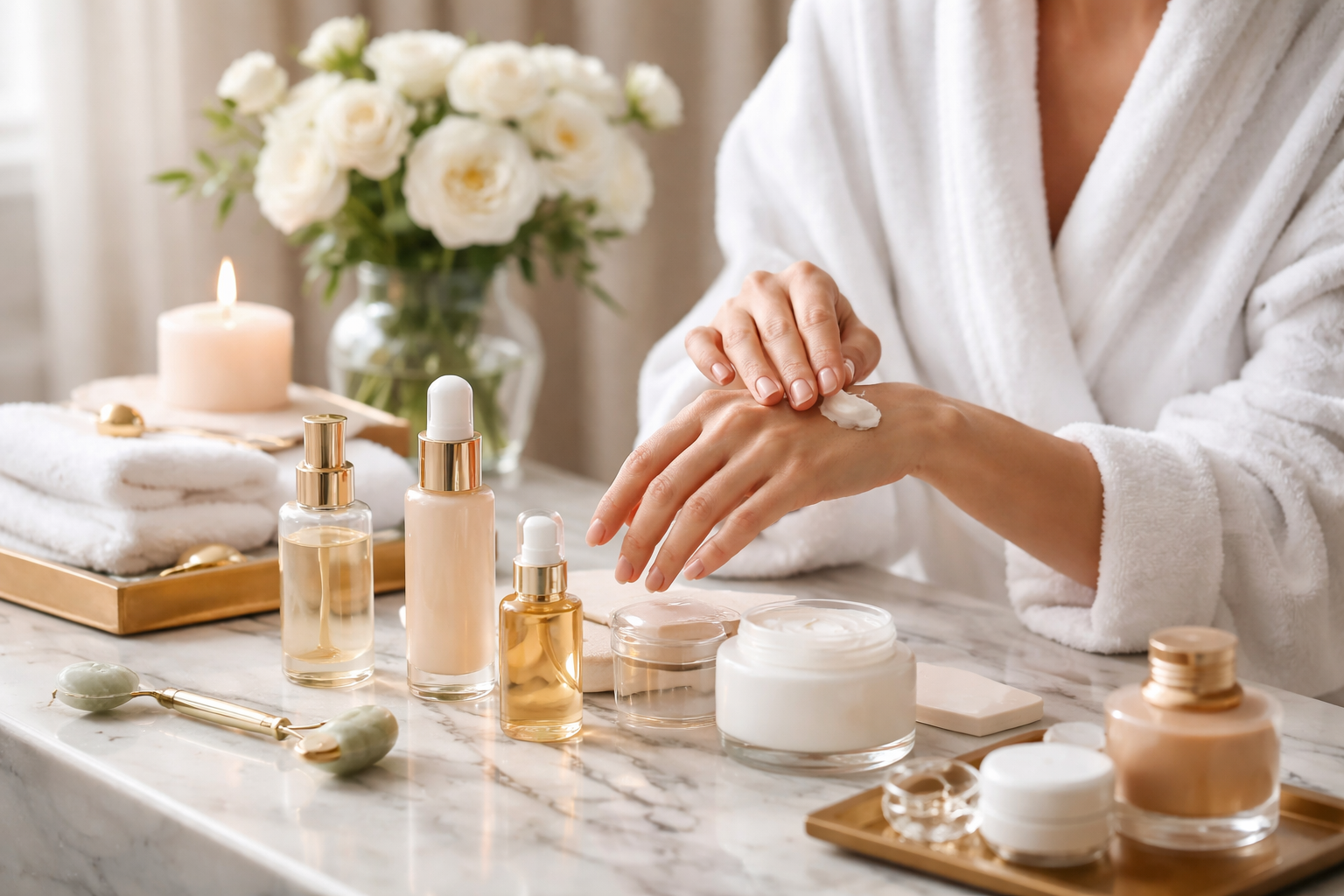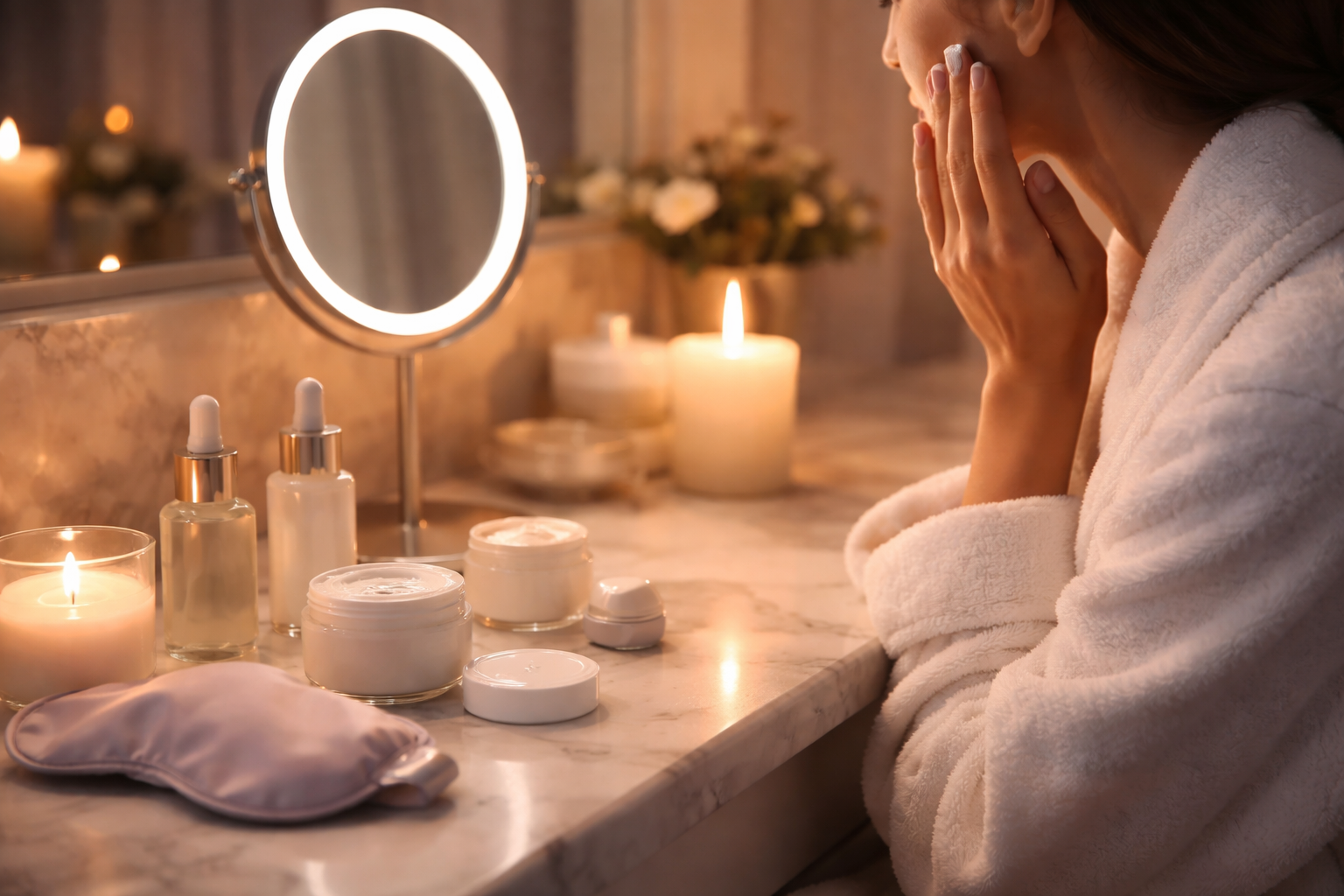
The pursuit of radiant, healthy skin often feels like an unending quest, and for many, the journey into skincare begins with a healthy dose of confusion. While daytime routines focus on protection, the night offers a sanctuary for repair and rejuvenation. This guide aims to demystify the art of night skincare, transforming it from a perplexing chore into a cherished ritual, especially for those just starting out.

During our waking hours, our skin acts as a shield, battling environmental stressors like pollution, UV radiation, and free radicals. The skin’s primary function then is protection. However, once the sun sets and we drift into sleep, a remarkable transformation occurs. Our skin switches into repair mode. This nocturnal period is when cellular regeneration significantly increases, blood flow to the skin becomes more robust, and the production of collagen, a vital protein for skin elasticity and firmness, is at its peak.
Neglecting a night skincare routine means missing out on this crucial window of opportunity for cellular renewal and repair. It’s akin to depriving your skin of the necessary tools and recovery time each day. Over time, this delay can lead to premature aging, dullness, uneven skin tone, and a compromised skin barrier. Moreover, many active ingredients achieve their best results when applied at night, as they have ample time to penetrate the skin without interference from makeup or environmental factors. Think of your night routine as a dedicated spa session for your skin, allowing it to heal, replenish, and prepare for the challenges of the next day. This reparative phase is indispensable for maintaining a youthful, resilient complexion.
The Science Behind Skin’s Nighttime Repair
Our circadian rhythm, the body’s natural 24-hour cycle, plays a significant role in skin function. At night, the skin’s barrier function is slightly more permeable, which can sometimes lead to increased trans-epidermal water loss (TEWL) but also allows for better absorption of beneficial ingredients. Melatonin, the sleep hormone, also acts as an antioxidant, contributing to the skin’s defense against oxidative stress. Furthermore, the skin experiences peak cell division between 11 PM and 4 AM, making this window crucial for products that support cell turnover.
Long-Term Benefits of Consistent Nightly Care
Regular nighttime skincare can dramatically improve skin concerns ranging from fine lines and wrinkles to hyperpigmentation and acne. By consistently nourishing and treating the skin during its most active repair phase, you are investing in its long-term health and appearance. This dedication helps maintain skin hydration, improves elasticity, promotes an even skin tone, and strengthens the skin barrier, leading to a more resilient and youthful complexion over time.
Navigating the vast world of skincare products can be overwhelming, especially for beginners. The key is to select products that are gentle, effective, and tailored to your specific skin type and concerns. It’s not about accumulating the most expensive or trendiest products but rather about building a foundational routine that truly benefits your skin.
Essential Product Categories to Consider
A well-rounded night skincare routine typically includes a cleanser, a treatment product (like a serum or an exfoliant), and a moisturizer. For some, an eye cream might also be an invaluable addition.
Understanding Active Ingredients
For newcomers, it’s wise to start with gentler formulations and gradually introduce more potent active ingredients as your skin acclimates. Common beginner-friendly actives include hyaluronic acid for hydration, niacinamide for barrier support and brightening, and gentle retinoids (like retinaldehyde or bakuchiol) for anti-aging and acne prevention. Vitamin C is often used in the morning, but it can also be used at night for its brightening and antioxidant properties. The concentration of these ingredients matters; always start low and go slow.
Patch Testing and Ingredient Sensitivities
Before applying any new product all over your face, perform a patch test on a small, inconspicuous area of your skin, like behind your ear or on your inner arm. Wait 24-48 hours to check for any adverse reactions, such as redness, itching, or irritation. If you have known allergies or sensitivities, carefully scrutinize ingredient lists and consult a dermatologist if unsure.
Embarking on a night skincare routine doesn’t have to be complicated. This simplified, step-by-step approach ensures you cover all the essentials without feeling overwhelmed. Consistency is paramount, so aim to make this procedure a daily practice.
Step 1: Double Cleansing—The Foundation
Begin by thoroughly cleansing your face. For a truly effective clean, especially if you wear makeup or sunscreen, double cleansing is highly recommended. Start with an oil-based cleanser or balm to dissolve makeup, sunscreen, and excess sebum. Follow with a gentle, water-based cleanser to remove any remaining impurities and cleanse the skin itself. This two-step process ensures a clean canvas for subsequent products.
Step 2: Toning—Balance and Prep
After cleansing, apply a toner. For beginners, an alcohol-free, hydrating toner is ideal. Toners help to balance the skin’s pH, remove any lingering traces of cleanser, and prepare the skin to better absorb the active ingredients that follow. Gently pat it into your skin or apply with a cotton pad.
Step 3: Targeted Treatments—Serums and Actives
This is where you address specific skin concerns. Apply a serum or treatment product tailored to your needs. For general beginners, a hyaluronic acid serum is a fantastic starting point for hydration. If you’re looking to gently address signs of aging or uneven texture, a low-concentration retinoid can be introduced a few times a week, gradually increasing frequency. Always apply serums to slightly damp skin for better absorption.
Step 4: Eye Cream – Delicate Care
The skin around our eyes is thinner and more delicate, making it prone to showing the first signs of aging. A dedicated eye cream can provide targeted hydration and address concerns like fine lines, dark circles, or puffiness. Gently tap a small amount around your orbital bone with your ring finger.
Step 5: Moisturizing – Seal and Protect
The final and crucial step is to lock in all the goodness with a nourishing moisturizer. This step creates a protective barrier, preventing trans-epidermal water loss and ensuring your skin remains hydrated throughout the night. Choose a moisturizer that is rich enough to provide ample hydration but not so heavy that it clogs pores. For drier skin types, a cream-based moisturizer is excellent, whereas oily or combination skin might prefer a gel-cream.
To truly unlock the potential of your night skincare routine, consider these additional tips that go beyond product application.
Consistency is Key
The most powerful “product” in your routine is consistency. Skipping nights diminishes the opportunity for your skin to repair and rejuvenate effectively. Make your night routine a non-negotiable part of your evening. Even on nights when you’re worn out, a quick cleanse and moisturizer are better than nothing.
Listen to Your Skin
Your skin is unique, and its needs can change based on climate, stress, diet, and even your menstrual cycle. Pay attention to how your skin responds to products and adjust accordingly. If you experience irritation, scale back on active ingredients or opt for gentler alternatives.
The Power of Gentle Application
Be gentle with your skin. Avoid harsh scrubbing or pulling, especially around the delicate eye area. When applying products, use gentle, upward strokes and keep in mind that a small amount can have a significant impact. Aggressive application can lead to irritation and even damage the skin barrier.
Even with the best intentions, certain missteps can hinder your progress. Being aware of these pitfalls can help you navigate your journey to healthier skin.
Not Cleansing Thoroughly
Going to bed with makeup or sunscreen still on is one of the biggest skincare sins. It clogs pores, prevents your skin from breathing, and obstructs the penetration of any subsequent products. Always perform a double cleanse to guarantee a fresh start.
Over-Exfoliating
While exfoliation is beneficial for removing dead skin cells and promoting cell turnover, over-exfoliating can strip your skin’s natural oils, compromise its barrier, and lead to redness, irritation, and increased sensitivity. For beginners, limit exfoliation to 1-2 times a week.
Introducing Too Many New Products at Once
The temptation to try every promising product is real, but introducing too many new formulations simultaneously makes it impossible to identify which product might be causing an issue or providing a benefit. Introduce one new product at a time and allow a few weeks to see how your skin reacts.
While the foundational steps remain similar, tailoring your product choices to your specific skin type is crucial for optimal results.
Routine for Oily and Acne-Prone Skin
For those with oily or acne-prone skin, focus on lightweight, non-comedogenic (non-pore-clogging) formulas. Gel cleansers, toners with salicylic acid, and lightweight serums with niacinamide or a gentle retinoid are excellent choices. Opt for oil-free or gel-cream moisturizers to provide hydration without adding excess oiliness. Clay masks can be incorporated once a week for deeper cleansing.
Routine for Dry and Dehydrated Skin
Dry skin benefits from rich, hydrating products. Creamy cleansers, hydrating toners with hyaluronic acid, and nourishing serums (like those with ceramides or peptides) are ideal. A thicker, emollient moisturizer is essential to prevent moisture loss throughout the night. Consider adding a facial oil for an extra layer of hydration and nourishment.
Routine for Sensitive Skin
Sensitive skin requires a gentle touch and fragrance-free, hypoallergenic products. Avoid harsh active ingredients, alcohol, and essential oils. Opt for milky or balm cleansers, soothing toners, and serums designed to calm and strengthen the skin barrier (e.g., centella asiatica, ceramides). A rich, barrier-supporting moisturizer is paramount. Patch testing is even more critical for sensitive skin.
Once you’ve mastered the basics and your skin is happy and healthy, you might consider integrating more advanced techniques to boost your routine’s effectiveness.
The Role of Facial Tools
Facial tools like gua sha stones, jade rollers, or microcurrent devices can enhance product absorption, promote lymphatic drainage, and provide a relaxing massage. Introduce these gradually and ensure you follow hygienic practices. For instance, a gua sha tool used at night can help reduce puffiness and tension while enhancing the absorption of your evening serums and oils.
Overnight Masks and Targeted Treatments
Overnight masks offer a concentrated dose of active ingredients, acting as a “booster” for your routine a few times a week. These can range from hydrating masks to those targeting specific concerns like brightening or exfoliation. Similarly, targeted spot treatments for acne or hyperpigmentation can be applied after your serums but before your moisturizer, directly to the problem areas. These advanced additions can elevate your night skincare routine, offering customized solutions for your evolving skin needs.
By embracing the power of nighttime skincare, even as a beginner, you embark on a journey toward a healthier, more radiant complexion. Remember, consistency, gentle care, and listening to your skin are the cornerstones of any successful skincare regimen.
FAQs
What is the importance of a night skincare routine?
A night skincare routine is important because it allows your skin to repair and regenerate while you sleep. It helps to combat the effects of environmental stressors and aging and can improve the overall health and appearance of your skin.
How do I choose the right products for my night skincare routine?
When choosing products for your night skincare routine, consider your skin type and any specific concerns you may have, such as acne, aging, or sensitivity. Look for products with ingredients like retinol, hyaluronic acid, and antioxidants, and consider consulting a dermatologist for personalized recommendations.
What is a step-by-step guide to the ultimate night skincare routine?
A basic step-by-step night skincare routine typically includes cleansing, exfoliating (if needed), applying a serum, moisturizing, and using a targeted treatment like an eye cream or spot treatment. It’s important to follow this routine consistently to see the best results.
How can I maximize the benefits of my night skincare routine?
To maximize the benefits of your night skincare routine, make sure to cleanse your skin thoroughly, use products with active ingredients that target your specific concerns, and consider incorporating techniques like facial massage or using a jade roller to enhance product absorption.
What are common mistakes to avoid in a night skincare routine?
Common mistakes to avoid in a night skincare routine include using products with harsh or irritating ingredients, over-exfoliating, neglecting to moisturize, and not being consistent with your routine. It’s also important to avoid using products that may counteract each other’s effects, such as mixing certain active ingredients.