In our relentlessly fast-paced world, the concept of “beauty sleep” often feels like a luxurious indulgence rather than a fundamental necessity. Yet, the truth is, a good night’s rest is not merely about feeling refreshed; it’s a powerful and profoundly impactful component of our beauty and well-being. From the lustrous sheen of healthy hair to the vibrant glow of clear skin, sleep plays an indispensable role in maintaining and enhancing our aesthetic appeal. Neglecting this vital bodily function can lead to a cascade of undesirable effects, making us look and feel older, duller, and more fatigued than we truly are. Understanding the intricate connection between sleep and our external appearance is the first step toward unlocking a more radiant, healthier self.
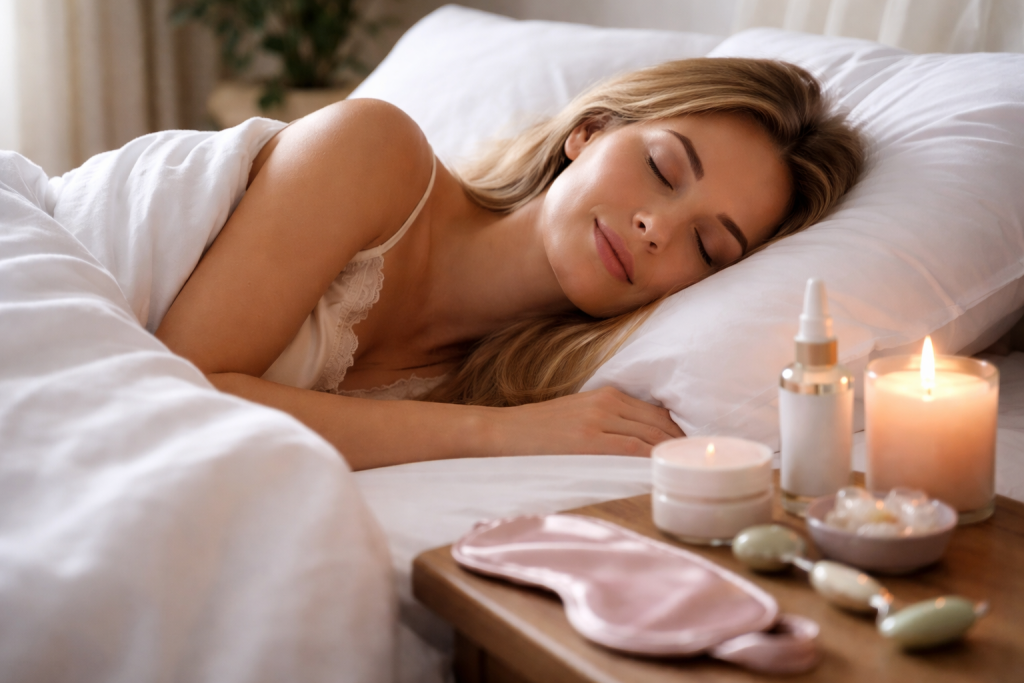
The Science of Beauty Sleep: How Sleep Affects Your Skin and Hair
The term “beauty sleep” isn’t just a catchy phrase; it’s rooted in a deep physiological understanding of how our bodies repair and rejuvenate themselves during slumber. This nightly recovery period is crucial for both cellular regeneration and the optimal functioning of various biological processes that directly impact our skin and hair.
Cellular Regeneration and Repair During Sleep
When we sleep, our bodies don’t simply shut down; they enter a highly active state of restoration. This is particularly true for our skin cells. During deep sleep stages, the body significantly increases its production of growth hormone, which is vital for cellular repair and renewal. Old, damaged skin cells are shed, making way for new, healthy cells to emerge. This continuous cycle of regeneration helps to maintain skin elasticity, firmness, and a youthful appearance. Without adequate sleep, this process is hampered, leading to a buildup of damaged cells and a less vibrant complexion.
Collagen Production and Skin Elasticity
Collagen and elastin are the foundational proteins that give our skin its structure, firmness, and elasticity. During sleep, especially in the later stages, our bodies ramp up collagen production. This nocturnal collagen synthesis is crucial for repairing daily damage from environmental aggressors like UV radiation and pollution. A consistent lack of sleep disrupts this vital process, leading to a decrease in collagen and elastin, which manifests as fine lines, wrinkles, and sagging skin. The result is a complexion that appears older and less resilient.
Blood Flow and Nutrient Delivery
Sleep also plays a critical role in increasing blood flow to the skin. This enhanced circulation delivers essential nutrients and oxygen to skin cells, aiding in their repair and regeneration. It also helps to flush out toxins and waste products, contributing to a clearer, more radiant complexion. When sleep-deprived, blood flow is reduced, leading to dull, sallow skin that lacks its natural luminosity.
Hair Follicle Health and Growth
The benefits of sleep extend beyond the skin to our hair. Hair follicles, like skin cells, undergo a restorative process during sleep. Optimal blood flow to the scalp ensures that hair follicles receive the necessary nutrients and oxygen for healthy hair growth. Sleep deprivation can lead to reduced nutrient delivery, weakening hair follicles and potentially contributing to hair thinning, increased shedding, and a dull, lackluster appearance.
Sleep Deprivation and Its Effects on Skin and Hair
The consequences of consistently skimping on sleep are far-reaching and become visibly etched on our skin and hair. The telltale signs of sleep deprivation transform our appearance, making us look tired, unwell, and ultimately, older.
Under-Eye Circles and Puffiness
Perhaps the most immediate and recognizable sign of inadequate sleep is the appearance of dark circles and puffiness around the eyes. Sleep deprivation causes blood vessels under the thin skin of the eyelids to dilate, making them more prominent and creating a shadowed effect. Simultaneously, a lack of sleep can lead to fluid retention, causing the delicate skin around the eyes to swell and appear puffy.
Increased Inflammation and Acne Breakouts
Sleep deprivation triggers a stress response in the body, which elevates cortisol levels. This surge in cortisol can increase inflammation throughout the body, including the skin. For individuals prone to acne, this heightened inflammation can exacerbate breakouts and hinder the skin’s ability to heal existing blemishes effectively.
Dullness, Dryness, and Compromised Skin Barrier
Without sufficient sleep, the skin’s natural barrier function becomes compromised. This vital barrier protects the skin from environmental irritants and helps to retain moisture. When weakened, the skin becomes more susceptible to dehydration, leading to a dull, dry, and flaky appearance. It also makes the skin more vulnerable to damage from external factors, accelerating signs of aging.
Hair Loss and Weakened Strands
Just as sleep impacts skin cells, it also affects the health of our hair follicles. Chronic sleep deprivation can put stress on the body, leading to a condition called telogen effluvium, where more hair follicles enter the resting phase and shed prematurely. Moreover, reduced nutrient delivery to the scalp weakens hair strands, making them more brittle, prone to breakage, and lacking in natural shine.
Tips for Improving Your Beauty Routine Through Better Sleep Habits
Recognizing the crucial link between sleep and beauty is the first step; actively incorporating strategies to optimize your sleep is the next. Adopting healthy sleep habits can significantly enhance the efficacy of your beauty routine from within.
Establishing a Consistent Sleep Schedule
One of the most effective ways to improve sleep quality is to establish and adhere to a consistent sleep schedule. Going to bed and waking up at the same time each day, even on weekends, helps to regulate your body’s natural circadian rhythm. This consistent routine signals to your body when it’s time to wind down and when to be alert, leading to more restful and restorative sleep.
Optimizing Your Sleep Environment
Your bedroom should be a sanctuary for sleep. Ensure it’s dark, quiet, and cool. Blackout curtains can block out external light, and earplugs or a white noise machine can minimize disruptive sounds. The ideal room temperature for sleep is typically between 60 and 67 degrees Fahrenheit (15-19 degrees Celsius). A comfortable mattress and pillows also contribute significantly to sleep quality.
Mindful Evening Practices
The hours leading up to bedtime significantly influence your ability to fall asleep and stay asleep. Avoid stimulants like caffeine and nicotine in the late afternoon and evening. Limit alcohol consumption, as it can disrupt sleep cycles. Instead, engage in relaxing activities such as reading a physical book, taking a warm bath, practicing gentle stretching, or meditating. Avoiding screen time (phones, tablets, computers, and TVs) at least an hour before bed is crucial, as the blue light emitted from these devices can interfere with melatonin production, the hormone that regulates sleep.
The Role of Sleep in Repairing and Rejuvenating Skin and Hair
Sleep is not just about resting; it’s an active period of intense repair and rejuvenation that directly translates to a more youthful and vibrant appearance. Our bodies utilize this downtime to perform essential maintenance tasks that are critical for healthy skin and hair.
Growth Hormone and Cellular Turnover
During deep sleep, the pituitary gland releases growth hormone, which is instrumental in the repair and regeneration of cells throughout the body, including those in the skin and hair follicles. This hormone stimulates the production of new skin cells, replacing damaged ones and contributing to a smoother, more even complexion. It also supports the healthy growth cycle of hair, promoting stronger, more resilient strands.
Melatonin’s Antioxidant Power
Melatonin, the hormone primarily known for regulating sleep, is also a powerful antioxidant. During sleep, melatonin helps to combat free radical damage caused by environmental stressors like pollution and UV radiation. This protective action helps to prevent premature aging of the skin and hair, maintaining their vitality and integrity. Its anti-inflammatory properties further aid in calming irritated skin and supporting overall skin health.
Blood Flow and Nutrient Delivery for Optimal Health
As discussed earlier, increased blood flow during sleep is vital. This enhanced circulation ensures that every skin cell and hair follicle receives a steady supply of oxygen, vitamins, and minerals essential for their health and function. Nutrients like vitamins A, C, and E, as well as various B vitamins, are crucial for collagen production, antioxidant defense, and healthy hair growth. Insufficient sleep compromises this vital delivery system, resulting in cellular nutrient deficiencies.
Creating a Nighttime Beauty Routine to Enhance Your Sleep and Beauty Goals
Integrating a mindful nighttime beauty routine can not only enhance the restorative power of sleep for your skin and hair but also signal to your body that it’s time to unwind. This ritual can become a powerful tool for both beauty enhancement and a better night’s sleep.
Cleansing and Preparing the Skin
The first step in any effective nighttime routine is thorough cleansing. Removing makeup, dirt, and impurities accumulated throughout the day is crucial to allow your skin to breathe and regenerate. Use a gentle cleanser suited to your skin type. Following cleansing, consider a toner to balance pH, and then apply targeted treatments.
Layering Serums and Moisturizers
Nighttime is the ideal time to apply potent serums and richer moisturizers, as your skin is in a regenerative phase. Serums containing ingredients like retinoids (vitamin A derivatives), hyaluronic acid, peptides, and antioxidants can address specific concerns such as fine lines, dehydration, and uneven skin tone. Follow with a nourishing night cream to lock in moisture and support the skin’s barrier function throughout the night. Look for ingredients like ceramides, shea butter, and squalane for intense hydration.
Hair Care for Overnight Rejuvenation
Don’t forget your hair! Overnight hair masks or treatments can work wonders. Applying a leave-in conditioner, hair oil (such as argan or jojoba oil), or a protein-rich treatment can deeply nourish and strengthen strands while you sleep. Consider sleeping on a silk pillowcase to reduce friction and minimize hair breakage and frizz. For those with long hair, tying it in a loose braid or bun can prevent tangles and damage.
The Power of Aromatherapy and Relaxation
Incorporate aromatherapy into your routine to promote relaxation. Essential oils like lavender, chamomile, or frankincense can be diffused in your bedroom, added to a warm bath, or diluted and applied to pulse points. Creating a calming atmosphere helps to ease your mind and prepare your body for a restful night, maximizing the beauty benefits of your sleep. This holistic approach ensures that your journey to better skin and hair is supported by a foundation of restorative sleep, leading to a truly radiant awakening.
FAQs
1. How does sleep affect skin and hair health?
Sleep plays a crucial role in repairing and rejuvenating the skin and hair. During sleep, the body’s production of collagen and elastin increases, helping to maintain skin’s firmness and elasticity. Lack of sleep can lead to increased cortisol levels, which can break down collagen, leading to dull skin and hair.
2. What are the effects of sleep deprivation on skin and hair?
Sleep deprivation can lead to a decrease in blood flow to the skin, resulting in a dull complexion and under-eye circles. It can also disrupt the body’s ability to repair and regenerate skin cells, leading to premature aging and hair loss. Additionally, lack of sleep can contribute to increased stress levels, which can exacerbate skin conditions such as acne and eczema.
3. How can I improve my beauty routine through better sleep habits?
To improve your beauty routine through better sleep habits, it’s important to prioritize getting 7-9 hours of quality sleep each night. Establishing a consistent bedtime and wake-up time, creating a relaxing nighttime routine, and optimizing your sleep environment can all contribute to better sleep and, in turn, healthier skin and hair.
4. What are some tips for maximizing the benefits of sleep for skin and hair?
Some tips for maximizing the benefits of sleep for skin and hair include using silk or satin pillowcases to reduce friction and prevent hair breakage, applying a nighttime moisturizer to hydrate and repair the skin while you sleep, and sleeping on your back to prevent sleep lines and wrinkles.
5. How can I create a nighttime beauty routine to enhance my sleep and beauty goals?
Creating a nighttime beauty routine to enhance sleep and beauty goals involves incorporating calming activities such as meditation or gentle stretching, using soothing skincare products, and avoiding stimulating tasks and screens before bed. Additionally, practicing excellent sleep hygiene, such as keeping your bedroom cool and dark, can further enhance the benefits of your nighttime beauty routine.