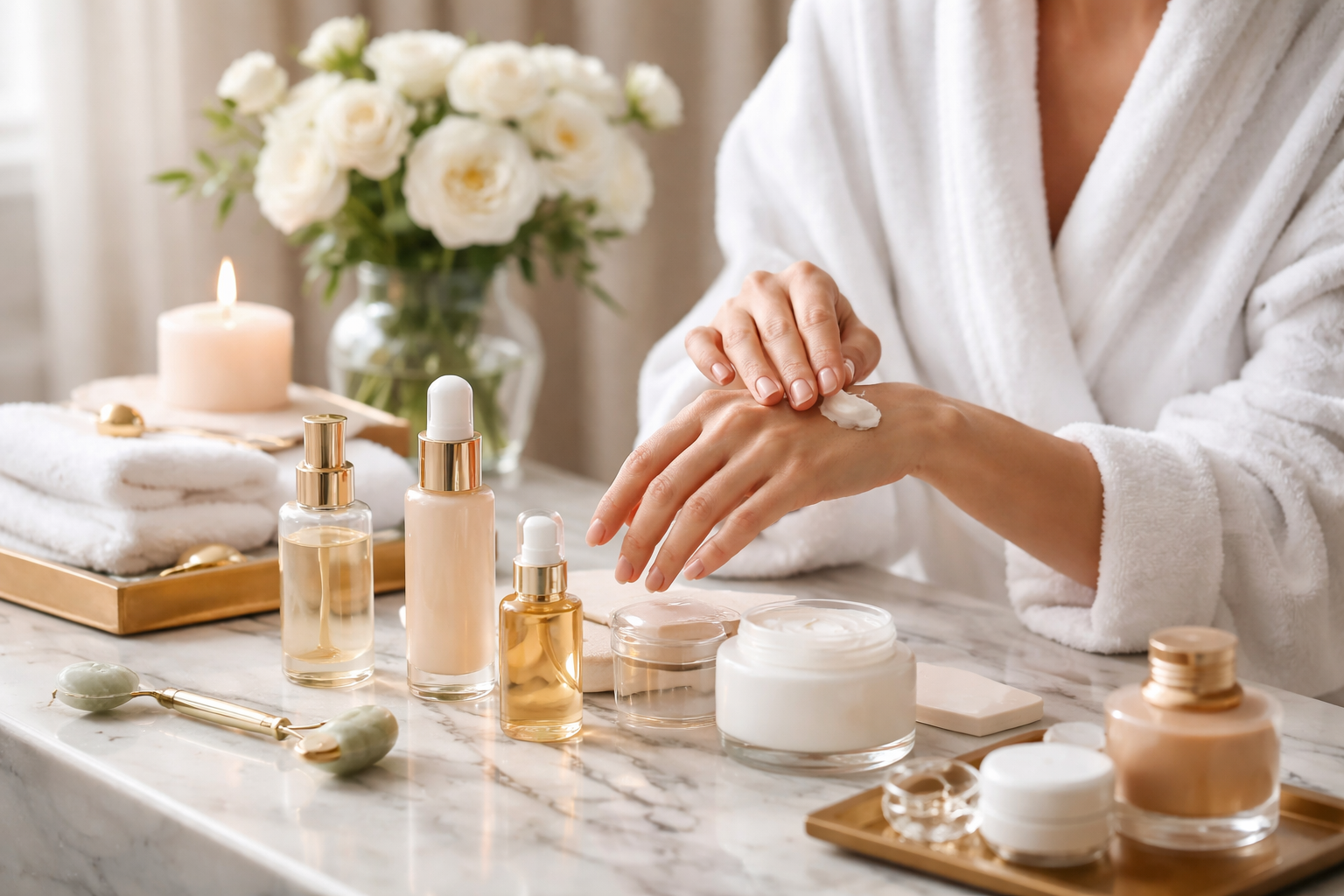
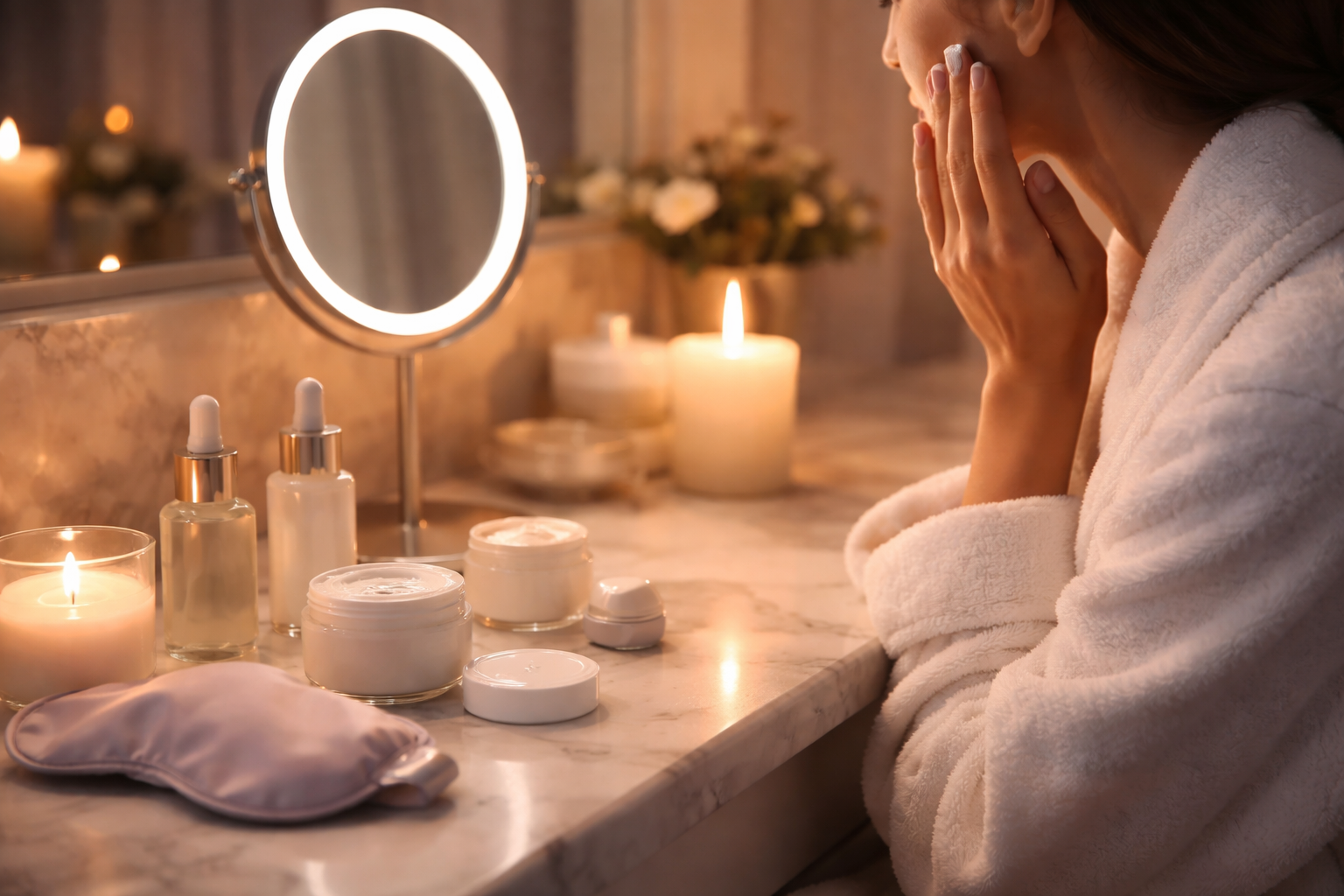
The quest for silky-smooth skin is a universal one, a desire rooted in both aesthetics and comfort. Rough, uneven skin can be a source of frustration, impacting confidence and even causing physical discomfort. But the good news is that achieving a refined skin texture is entirely within reach, often through a thoughtful return to nature’s gentle yet powerful remedies. This article delves into the intricacies of rough skin, explores the profound benefits of natural solutions, and guides you through the creation of a skincare routine that promises not just improvement but a luminous transformation.
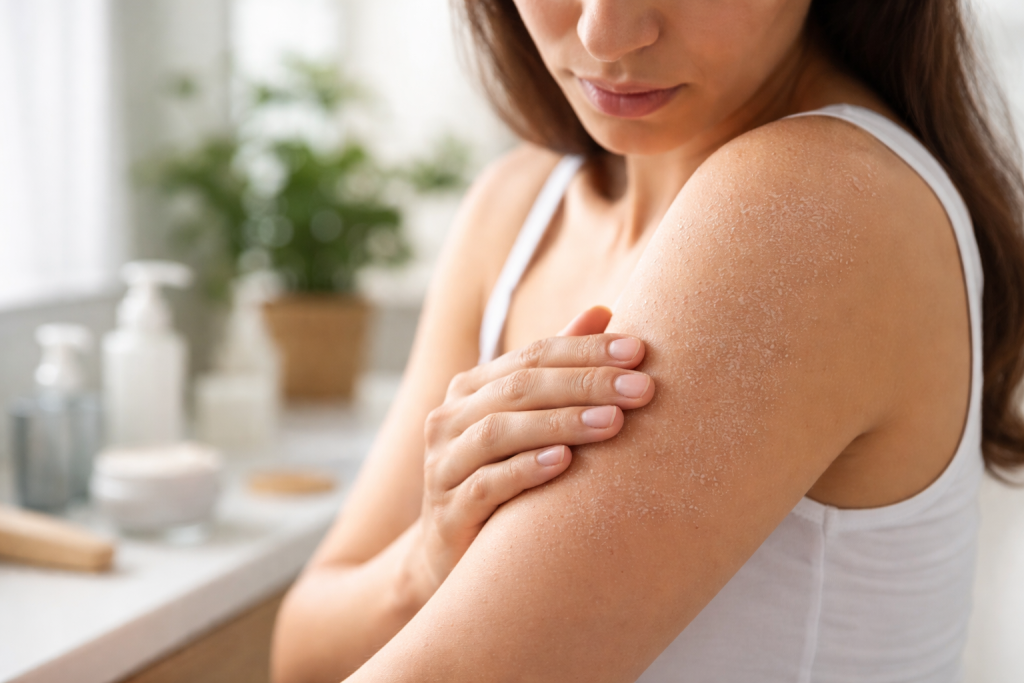
Before embarking on a journey to smoother skin, it’s crucial to understand why your skin might feel rough to begin with. This condition isn’t a singular ailment but rather a symptom of various underlying factors, often manifesting as dryness, flakiness, or a generally uneven feel.
Dehydration vs. Dryness
Often used interchangeably, dehydration and dryness are distinct. Dehydrated skin lacks water and can feel tight and look dull, often exacerbated by environmental factors, caffeine, or insufficient water intake. Dry skin, on the other hand, lacks natural oils (sebum) and can be genetically predisposed, often characterized by flakiness, irritation, and even cracking. Both contribute significantly to a rough texture, as the skin’s protective barrier is compromised.
Environmental Stressors
Our skin is constantly exposed to external aggressors. Harsh weather conditions, such as extreme cold, low humidity, or excessive sun exposure, can strip the skin of its natural moisture and lipids, leading to a compromised barrier and, consequently, a rough texture. Windburn, for instance, can quickly leave skin feeling chapped and uneven. Pollution, with its microscopic particles, can also contribute to oxidative stress, hindering the skin’s ability to repair itself and maintain a smooth surface.
Product-Induced Irritation
The products we use on our skin can have both positive and negative effects. Some conventional skincare products contain harsh chemicals, fragrances, or alcohol that can strip the skin’s natural oils, disrupt its pH balance, and trigger irritation. This irritation can manifest as redness, flakiness, and a noticeably rougher texture. It’s a common mistake to think that a strong, stripping cleanser will lead to cleaner, smoother skin when, in fact, it can do the opposite.
Accumulation of Dead Skin Cells
One of the primary culprits behind rough skin is the buildup of dead skin cells on the surface. Our skin constantly regenerates, shedding old cells to make way for new ones. However, if this natural exfoliation process slows down or becomes inefficient, these dead cells can accumulate, forming a thick, dull layer that feels rough to the touch and can even clog pores. This is particularly noticeable on areas like elbows, knees, and feet.
Turning to nature for skincare solutions isn’t merely a trend; it’s a return to time-tested wisdom. Natural ingredients offer a holistic approach to healing and nurturing the skin, often without the harsh side effects associated with synthetic chemicals.
Gentler on the Skin
One of the most significant advantages of natural ingredients is their inherent gentleness. Unlike many conventional products that can contain irritating sulfates, parabens, or artificial fragrances, natural remedies are typically formulated with biocompatible compounds that work in harmony with the skin’s natural physiology. This minimizes the risk of allergic reactions, redness, and further irritation, making them ideal for sensitive skin types.
Nutrient-Rich Formulations
Nature’s pantry is brimming with ingredients packed with vitamins, antioxidants, and essential fatty acids. These nutrients are vital for skin health, supporting cellular regeneration, protecting against environmental damage, and maintaining the skin’s elasticity and suppleness. For instance, ingredients like avocado oil are rich in vitamin E, a potent antioxidant, while shea butter provides a wealth of fatty acids crucial for barrier repair.
Sustainable and Eco-Friendly
Choosing natural skincare often aligns with environmental consciousness. Many natural ingredients are sourced sustainably, reducing the ecological footprint associated with their production. The absence of synthetic chemicals means fewer pollutants entering our water systems, contributing to a healthier planet. This appeals to those who care about their own and the environment’s well-being.
Exfoliation is non-negotiable in the pursuit of smooth skin. It’s the process of removing the dead, dull skin cells that obscure the vibrant, healthy skin underneath, revealing a fresher, more even complexion.
Mechanical Exfoliation Techniques
Mechanical exfoliation involves physically scrubbing away dead skin cells. This can be achieved through various methods, from gentle facial brushes to grainy scrubs. Natural options include finely ground oats, sugar, or salt mixed with a nourishing oil. The key is to be gentle; vigorous scrubbing can cause micro-tears and irritation. For the body, loofahs or exfoliating gloves can be effective. Always follow with a moisturizer to soothe and protect the newly exposed skin.
Chemical Exfoliation with Natural Acids
Chemical exfoliation, while sounding intense, can also be achieved naturally and gently. Alpha Hydroxy Acids (AHAs) and Beta Hydroxy Acids (BHAs) are naturally occurring acids found in fruits, milk, and willow bark. AHAs, such as glycolic acid (from sugar cane) and lactic acid (from sour milk), work by dissolving the glue that holds dead skin cells together, revealing brighter skin. BHAs, like salicylic acid (from willow bark), are oil-soluble and can penetrate deeper into pores, making them excellent for congested or acne-prone skin that contributes to rough patches. These can be found in various natural toners and masks.
Exfoliation reveals new skin, but hydration and moisturization are what keep it supple, plump, and truly smooth. These two components work synergistically to maintain the skin’s optimal health and barrier function.
The Role of Humectants and Emollients
Humectants, like hyaluronic acid (naturally occurring in the skin) and glycerin, are hydrophilic molecules that attract and bind water from the atmosphere and deeper layers of the skin to the surface. This plumps up skin cells, reducing the appearance of fine lines and enhancing smoothness. Emollients, such as shea butter, jojoba oil, and coconut oil, work by filling in the gaps between skin cells, smoothing the skin’s surface and preventing water loss. They create a protective barrier, making the skin feel soft and supple.
Layering for Maximum Benefit
To achieve optimal hydration and moisturization, a layering approach is often most effective. After cleansing, apply a hydrating toner or essence to prep the skin. Next, a serum rich in humectants can draw moisture into the skin. This is followed by a moisturizer, which should contain a blend of humectants and emollients to lock in the hydration and provide a protective barrier. For very dry or rough areas, an occlusive, like petroleum jelly or thicker balms, can be applied as the final step to seal everything in.
Skincare isn’t just about what you apply topically; it’s profoundly influenced by what you consume. A balanced diet rich in essential nutrients provides the building blocks for healthy, resilient, and smooth skin.
The Power of Antioxidant-Rich Foods
Antioxidants combat free radicals, which are unstable molecules that can damage skin cells and contribute to premature aging and a rough texture. Incorporating brightly colored fruits and vegetables like berries, leafy greens, and bell peppers into your diet provides a wealth of these protective compounds. Vitamin C, found in citrus fruits and broccoli, is also crucial for collagen production, which gives skin its structure and elasticity.
Essential Fatty Acids for Skin Barrier Health
Omega-3 and omega-6 fatty acids are essential for maintaining a healthy skin barrier function. They help to strengthen the skin’s lipid layer, preventing moisture loss and protecting against irritants. Foods rich in omega-3s include fatty fish like salmon and mackerel, flaxseeds, chia seeds, and walnuts. Avocado and olive oil are excellent sources of monounsaturated fatty acids, which also contribute to skin hydration and suppleness.
The Importance of Adequate Water Intake
While seemingly obvious, adequate water intake is perhaps the simplest and most profound dietary tip for improving skin texture. Water keeps the skin cells plump and hydrated, improving their elasticity and overall smoothness. Aim for at least eight glasses of water a day, and even more if you’re active or in a dry climate. Herbal teas and water-rich foods like cucumber and watermelon also contribute to your daily fluid intake.
The world of natural remedies offers a bounty of ingredients specifically tailored to soothe, heal, and smooth rough skin. These time-honored remedies leverage the inherent properties of plants and natural substances to deliver impressive results.
The Calming Touch of Aloe Vera
Aloe vera is a powerhouse of healing and hydration. Its gel contains vitamins, enzymes, minerals, and amino acids that are highly beneficial for the skin. As an anti-inflammatory, it soothes irritated, rough patches, while its humectant properties draw moisture to the skin, promoting a smoother texture. Apply fresh aloe vera gel directly to rough areas, or look for products with pure aloe vera as a primary ingredient.
The Deep Hydration of Coconut Oil
While some debate its comedogenic nature for facial skin, coconut oil is an exceptional emollient for the body. Its rich fatty acid profile provides intense moisturization, creating a protective barrier that seals in hydration and softens rough skin. It’s particularly effective for dry, flaky patches on elbows, knees, and feet. Warm a small amount and massage it into the skin after a shower for maximum absorption.
Nourishing Power of Oats
Oatmeal isn’t just for breakfast; it’s a phenomenal skin soother and exfoliator. Colloidal oatmeal, finely ground oats, has anti-inflammatory and antioxidant properties that calm irritated skin and create a protective barrier. Used as a paste or added to a bath, it can gently exfoliate while deeply moisturizing, leaving skin feeling soft and smooth.
The Regenerative Properties of Honey
Honey is a natural humectant, drawing moisture into the skin and acting as a gentle exfoliant thanks to its natural alpha-hydroxy acids. It also boasts antibacterial and anti-inflammatory properties, making it excellent for troubled skin that contributes to rough patches. A simple honey mask can leave skin feeling incredibly soft and hydrated.
Transforming rough skin into a smooth, radiant canvas requires consistency and a well-structured skincare routine. This isn’t about complexity but about thoughtful product selection and mindful application.
Gentle Cleansing and Toning
Start with a gentle, non-stripping cleanser. Look for cream- or oil-based cleansers that remove impurities without disturbing the skin’s natural moisture barrier. Follow with a hydrating toner, preferably one with natural humectants like rosewater or witch hazel (alcohol-free), to balance the skin’s pH and prepare it for subsequent steps. Avoid harsh toners that can strip the skin and exacerbate dryness.
Targeted Treatments and Exfoliation Frequency
Incorporate targeted treatments based on your skin’s needs. If dryness is the primary concern, a hyaluronic acid serum is invaluable. For persistent roughness, a natural AHA or BHA serum can be used 2-3 times a week, depending on sensitivity. Exfoliation should be done judiciously; over-exfoliating can lead to irritation and further roughness. Listen to your skin and adjust the frequency accordingly.
The Importance of Consistent Moisturization and Protection
Consistent moisturization is paramount. Apply a rich, natural moisturizer morning and night, immediately after cleansing and toning, to lock in hydration. For daytime, always finish with a broad-spectrum sunscreen, even on cloudy days. UV radiation is a significant contributor to skin damage, dryness, and a rough texture. A well-hydrated and protected skin barrier is the cornerstone of smooth, radiant skin.
By understanding the causes of rough skin and embracing nature’s potent remedies, you can embark on a transformative journey. With a consistent, gentle approach both internally and externally, the dream of smooth, supple, and radiant skin is not just a possibility but an attainable reality.
FAQs
What are the common causes and symptoms of rough skin?
Common causes of rough skin include dryness, dehydration, environmental factors, and certain skin conditions. Symptoms may include flakiness, redness, itchiness, and a lack of smoothness.
What are the benefits of using natural solutions for rough skin?
Natural solutions for rough skin can provide gentle and effective care without the use of harsh chemicals. They can help to nourish and hydrate the skin, reduce inflammation, and improve overall skin texture.
Why is exfoliation important for smoother skin?
Exfoliation helps to remove dead skin cells, unclog pores, and promote cell turnover, resulting in smoother and softer skin. It can also enhance the effectiveness of moisturizers and other skincare products.
How do hydration and moisturization contribute to improved skin texture?
Proper hydration and moisturization are essential for maintaining skin health and improving texture. They help to replenish moisture, strengthen the skin barrier, and prevent dryness and roughness.
What are some natural remedies and dietary tips for improving rough skin?
Natural remedies such as aloe vera and coconut oil can help soothe and nourish rough skin. Additionally, incorporating a balanced diet rich in vitamins, antioxidants, and healthy fats can support overall skin health and texture.