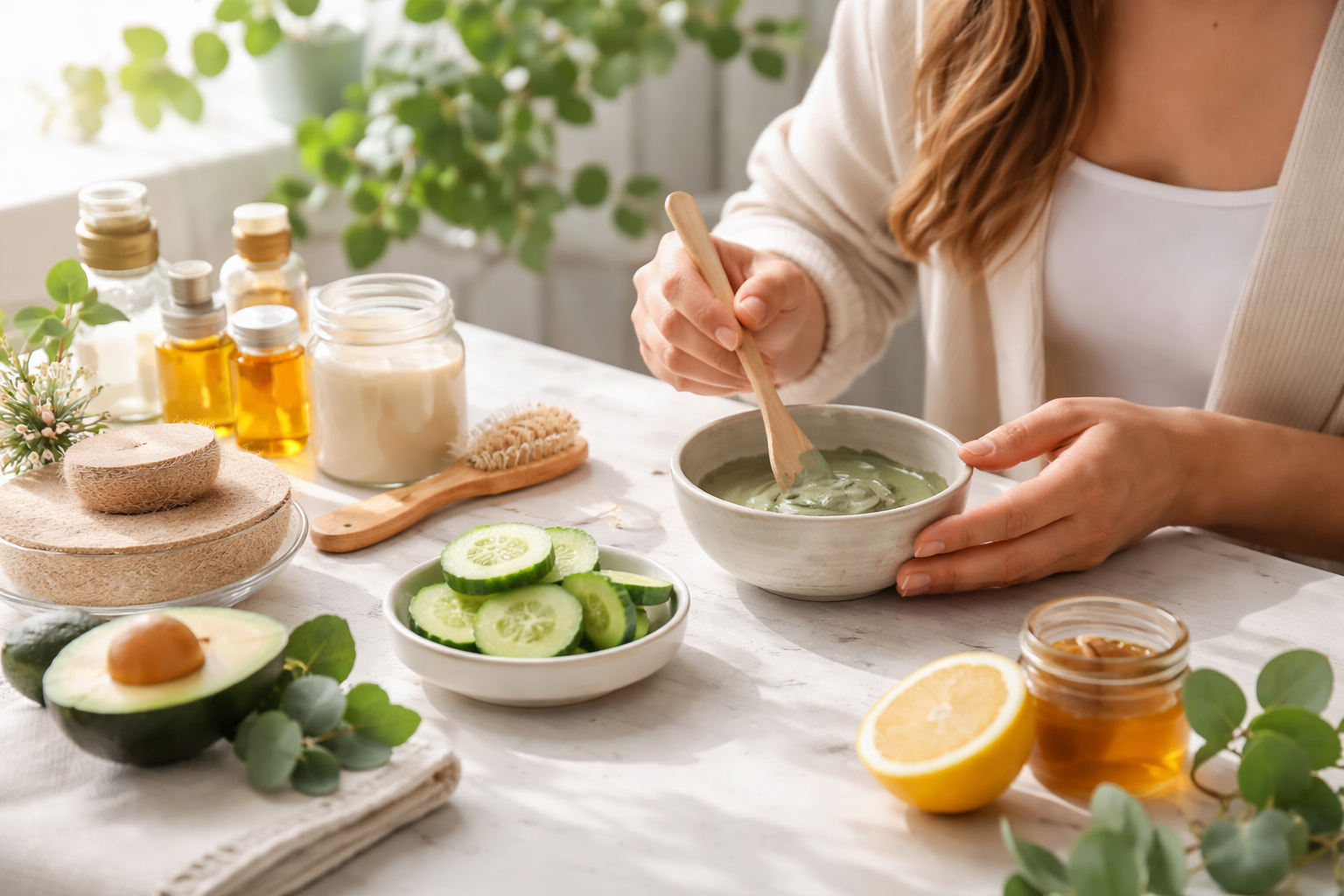
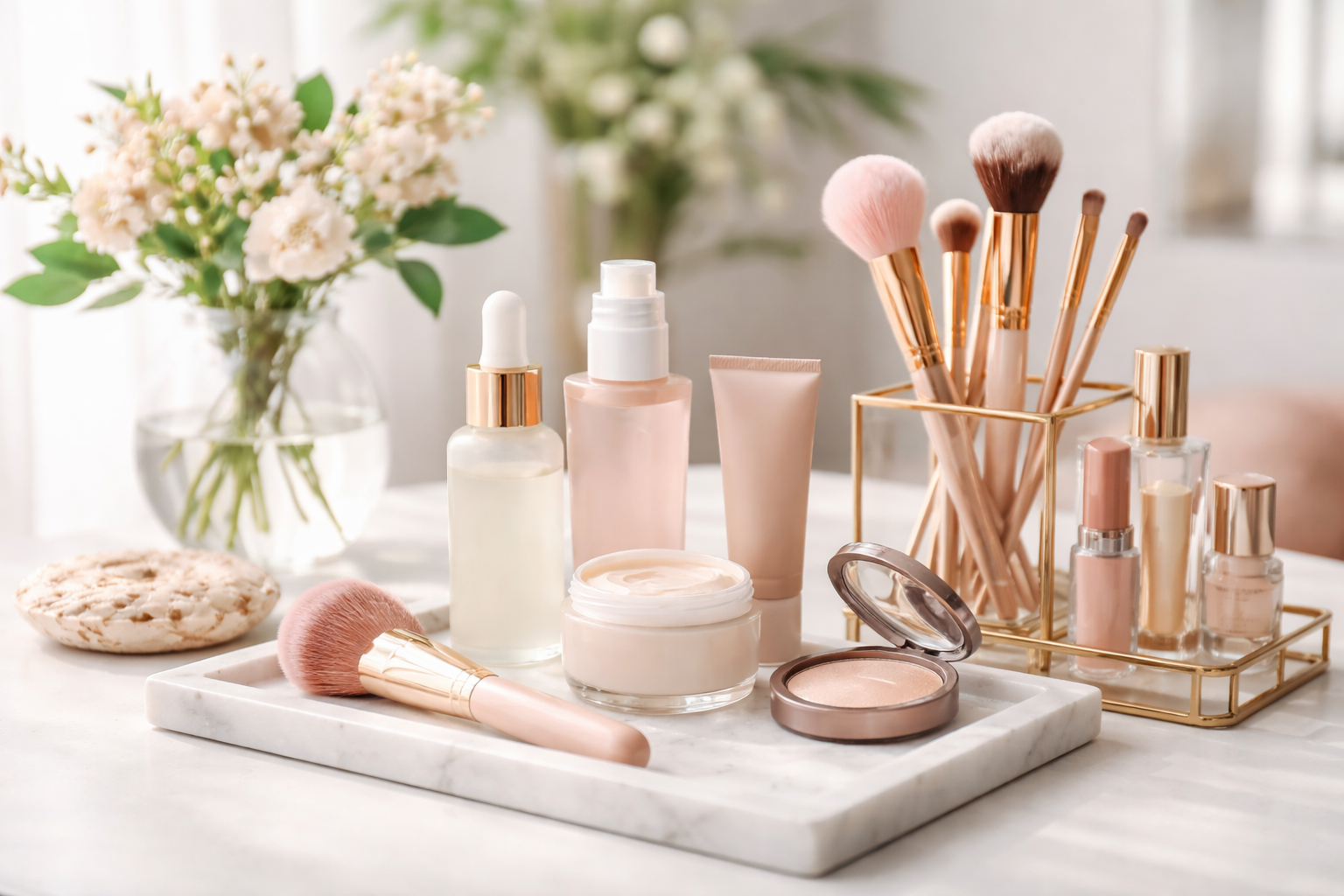
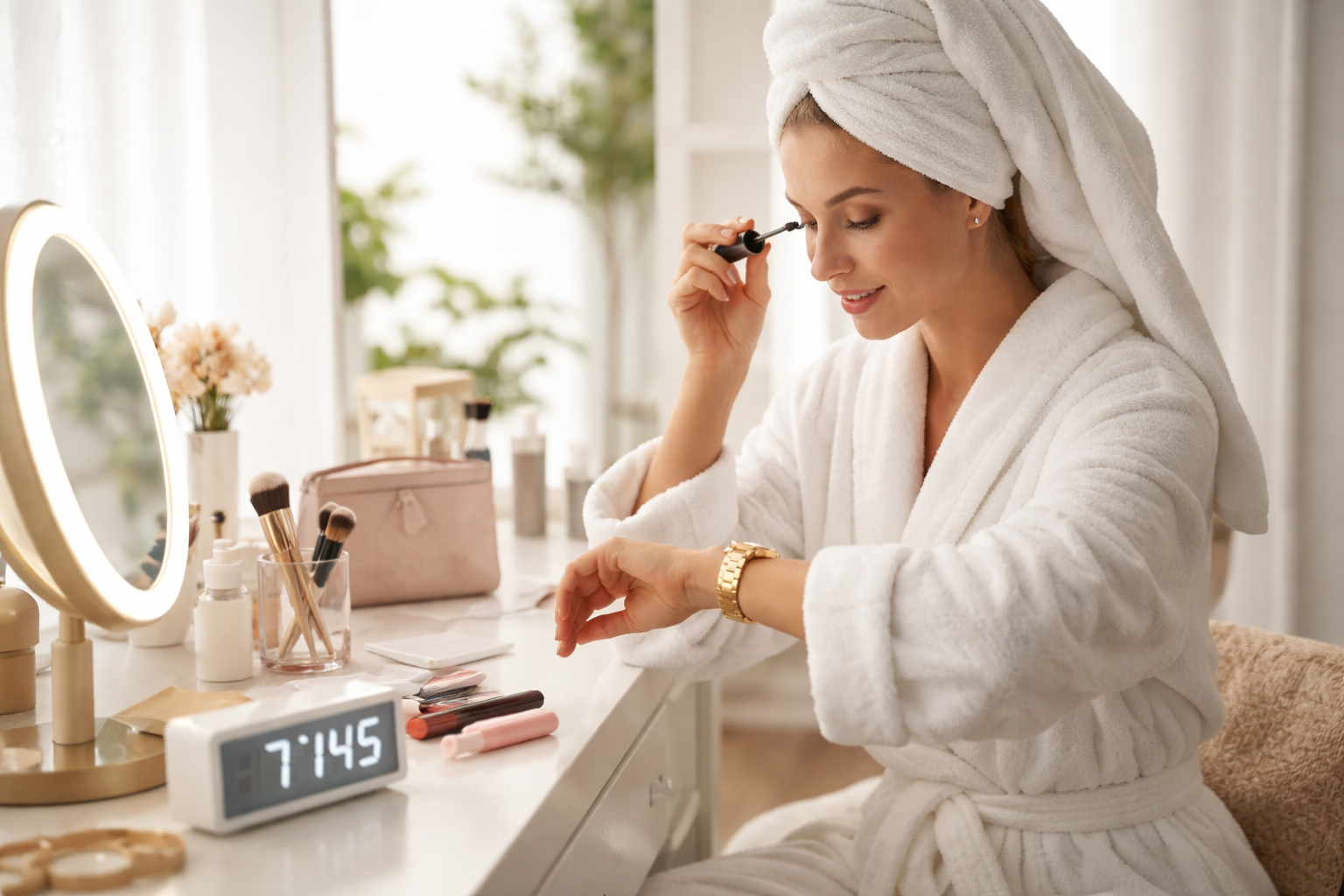
Embarking on the journey of beauty care can feel daunting, especially when faced with an overwhelming array of products and conflicting advice. However, achieving healthy, radiant skin and hair doesn’t require a complicated, time-consuming regimen. At its core, effective beauty care is about understanding your individual needs and employing simple, consistent practices. This guide is designed to demystify the process, offering a foundational understanding and actionable steps for beginners to build a simple yet powerful routine that enhances your natural beauty and promotes overall well-being.
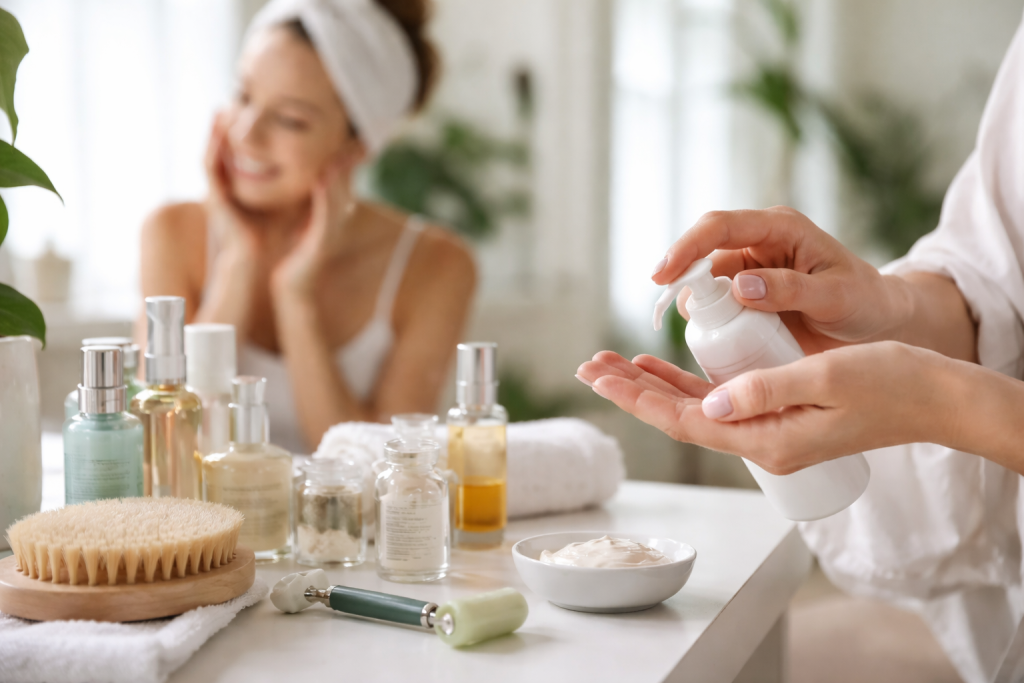
The first step in any successful beauty regimen is to learn the basic principles that govern healthy skin and hair. This isn’t about chasing fleeting trends; it’s about establishing a solid foundation that supports your body’s natural processes. Think of it as building a house—you need a strong base before you can add the decorative elements. Understanding your skin type is paramount. Is it oily, dry, combination, or sensitive? Knowing this will dictate the types of products you choose. Oily skin may benefit from lightweight, oil-free formulations, while dry skin will crave richer, more emollient products. Combination skin requires a dual approach, often addressing different areas with specialized treatments. Sensitive skin demands gentle, fragrance-free ingredients to avoid irritation. Similarly, understanding your hair type—fine, coarse, straight, wavy, curly, or coily—is crucial for selecting appropriate shampoos, conditioners, and styling products.
Identifying Your Skin Type: The Foundation of Effective Care
The process of identifying your skin type is a detective game. After cleansing your face, wait about an hour without applying any products. Observe how your skin feels and looks. If it feels tight and flaky, you likely have dry skin. If it appears shiny all over, especially in the T-zone (forehead, nose, and chin), it’s probably oily. If your T-zone is oily but your cheeks are dry or normal, you have combination skin. If your skin feels comfortable and balanced, you’re likely blessed with normal skin. For sensitive skin, you might notice redness, itching, or stinging reactions to products or environmental factors.
Understanding Hair Types and Needs
Much like skin, hair exhibits a diverse range of types, each with unique requirements. Fine hair can easily be weighed down, necessitating volumizing products. Coarse hair often benefits from moisturizing treatments to combat dryness and frizz. Straight hair tends to be more oily, while wavy, curly, and coily hair patterns can be prone to dryness due to the natural oils having a harder time traveling down the hair shaft. Recognizing these characteristics will help you make informed choices about your hair care arsenal.
Cleansing is the bedrock of any skincare routine. It’s about removing dirt, oil, makeup, and impurities that accumulate on your skin throughout the day. Neglecting this crucial step can lead to clogged pores, breakouts, and dull-looking skin. Exfoliation, when done correctly, complements cleansing by removing dead skin cells that can prevent newer, healthier cells from reaching the surface.
The Art of Cleansing: Removing Impurities Effectively
The primary goal of cleansing is to purify the skin without stripping it of its natural moisture barrier. For most people, a gentle cleanser used twice daily—once in the morning and once before bed—is sufficient. If you wear makeup, a double-cleansing method is highly recommended. This involves using an oil-based cleanser or micellar water first to break down makeup and SPF, followed by a water-based cleanser to remove any remaining residue. Always use lukewarm water, as hot water can be drying and irritating. Gently massage the cleanser into your skin, moving in upward, circular motions. Rinse thoroughly and pat your face dry with a clean, soft towel. Avoid rubbing, which can cause friction and irritation.
Exfoliation: Unveiling Smoother, Brighter Skin
Exfoliation helps to slough away dead skin cells, revealing a smoother, brighter complexion and improving the absorption of other skincare products. There are two main types of exfoliants: physical and chemical. Physical exfoliants, like scrubs containing finely ground particles, provide a more immediate, tactile exfoliation. Chemical exfoliants, which often contain ingredients like alpha-hydroxy acids (AHAs) or beta-hydroxy acids (BHAs), work by dissolving the bonds between dead skin cells. For beginners, it’s best to start with gentle exfoliants, using them only once or twice a week. Over-exfoliation can damage the skin barrier, leading to increased sensitivity, redness, and breakouts. Pay attention to your skin’s response; if you experience any irritation, reduce the frequency or switch to a milder formula.
Once your skin is cleansed and free of impurities, it’s time to replenish and protect it. Moisturizing is essential for all skin types, as it helps to maintain hydration and support the skin’s natural barrier function. Serums, on the other hand, are potent formulations designed to target specific skin concerns with concentrated active ingredients.
The Importance of Hydration: Choosing Your Perfect Moisturizer
A good moisturizer acts like a protective shield, preventing water loss and keeping your skin supple and comfortable. For oily or acne-prone skin, look for lightweight, oil-free, non-comedogenic lotions or gels. These formulations provide hydration without feeling heavy or clogging pores. Dry skin will benefit from richer creams and ointments that are packed with emollients and humectants to deeply hydrate and nourish. Combination skin might do well with a lighter moisturizer for the T-zone and a slightly richer one for drier areas. Sensitive skin requires moisturizers with minimal ingredients, free of fragrance, parabens, and harsh chemicals. Always apply moisturizer to slightly damp skin to maximize its hydrating benefits.
Unlocking Potency: The World of Serums
Serums are your concentrated shot of skincare goodness. Their lightweight texture allows them to penetrate deeper into the skin, delivering active ingredients where they are most needed. Vitamin C serums are popular for their antioxidant and brightening properties. Hyaluronic acid serums are excellent for boosting hydration. Niacinamide serums can help improve pore appearance, regulate oil production, and strengthen the skin barrier. Retinol (a form of vitamin A) is a powerful ingredient for anti-aging and acne treatment, but it requires a gradual introduction due to its potential for irritation. When incorporating serums, apply them after cleansing and before moisturizing. Start with one or two key ingredients that address your primary concerns and introduce new serums slowly to gauge your skin’s reaction.
Sun protection is arguably the most critical step in any beauty care routine. The sun’s ultraviolet (UV) rays are a primary cause of premature aging, hyperpigmentation, and, most importantly, skin cancer. Consistent sun protection goes far beyond preventing sunburn.
The Daily Shield: Mastering Sunscreen Application
Wearing sunscreen every single day, regardless of the weather or whether you’re indoors, is non-negotiable. Opt for a broad-spectrum sunscreen with an SPF of 30 or higher. “Broad-spectrum” means it protects against both UVA (aging) and UVB (burning) rays. Apply it generously as the last step in your morning skincare routine, at least 15 minutes before sun exposure. Don’t forget often-missed areas like your ears, neck, and the backs of your hands. Reapply sunscreen every two hours when outdoors, or more frequently if you’re swimming or sweating. There are various formulations available, including chemical and mineral sunscreens, as well as tinted options that can offer light coverage. Experiment to find one that suits your skin type and preference.
Beyond Sunscreen: Additional Protective Strategies
While sunscreen is paramount, other measures further safeguard your skin. Protective clothing, such as wide-brimmed hats and UV-protective clothing, offers an additional layer of defense. Seeking shade during peak sun hours (typically between 10 am and 4 pm) is also a wise strategy. Antioxidant-rich skincare ingredients, like Vitamin C in your serums, can help neutralize free radical damage caused by UV exposure, offering an internal boost to your skin’s resilience. Avoiding tanning beds altogether is crucial, as they emit harmful UV radiation that significantly increases the risk of skin cancer.
Makeup, when used thoughtfully, can enhance your natural features and boost your confidence. The key to a simple and polished look is to focus on enhancing what you have, rather than masking it. This approach favors a “less is more” philosophy.
The Everyday Canvas: Preparing Your Skin for Makeup
Before applying any makeup, ensure your skin is clean, moisturized, and has sunscreen applied. A well-prepped canvas is crucial for smooth makeup application and longevity. If you have uneven skin tone or redness, a primer can help create a uniform base and improve makeup adherence. For those with dry skin, a hydrating primer can add an extra layer of moisture. An illuminating primer can impart a subtle glow for a dewy finish.
Effortless Elegance: Building a Minimalist Makeup Routine
Start with a lightweight foundation or tinted moisturizer to even out your skin tone without feeling heavy. If you prefer more coverage, a concealer can be used strategically to cover blemishes or under-eye circles. For blush, opt for cream or liquid formulations for a natural, dewy flush of color. A touch of bronzer can add warmth to the complexion, while a subtle highlighter can bring light to the high points of your face. For eyes, a simple coat of mascara can open up your eyes. Consider a neutral eyeshadow or a subtle winged eyeliner for added definition. For lips, a tinted balm or a neutral lipstick can complete the look. The goal is to look like a more polished, refreshed version of yourself.
Just like your skin, your hair requires consistent care to remain healthy, strong, and vibrant. The right hair care routine can prevent damage, promote growth, and enhance your hair’s natural texture and shine.
The Foundation of Cleanliness: Washing and Conditioning Wisely
The frequency of washing your hair depends on your individual needs. Overwashing can strip the hair of its natural oils, leading to dryness and breakage. Under-washing can result in a greasy scalp and buildup. Experiment to find what works best for you. When you do wash, choose a shampoo and conditioner formulated for your hair type. For example, color-treated hair needs sulfate-free shampoos to prevent the color from fading. Curly hair often benefits from moisturizing conditioners and co-washing (washing with conditioner only). Always rinse your conditioner thoroughly to prevent any residue buildup.
Beyond the Wash: Treatments and Styling for Healthy Strands
Deep conditioning treatments and hair masks can provide intense nourishment and repair damaged hair. These are typically used once a week or as needed. Heat styling—blow-drying, straightening, or curling—can cause significant damage. Always use a heat protectant spray before applying any heat. Air-drying when possible is ideal. Avoid excessive brushing, especially when hair is wet, as this can lead to breakage. Gentle styling techniques, like using wide-tooth combs and satin scrunchies, can minimize damage. Regular trims are also essential to remove split ends and keep your hair looking healthy and well-maintained.
True beauty radiates from within, and this interconnectedness between our internal state and external appearance cannot be overstated. Integrating self-care and mindfulness into your beauty routine elevates it from a superficial task to a ritual of self-love and rejuvenation.
The Power of Presence: Mindfulness in Your Routine
Mindfulness involves paying attention to the present moment without judgment. When you’re cleansing your face, focus on the sensation of the water, the lather of the cleanser, and the feel of your skin. When applying moisturizer, take a moment to appreciate the texture and aroma. This practice transforms mundane tasks into opportunities for sensory awareness and stress reduction. It allows you to disconnect from external pressures and reconnect with yourself.
Nourishing the Soul: Relaxation Techniques for Beauty
Beyond mindfulness, actively incorporating relaxation techniques can significantly impact your overall well-being and, consequently, your appearance. This could involve deep breathing exercises before bed, a warm bath with Epsom salts, gentle stretching, or listening to calming music while you do your hair. Even a few minutes of quiet reflection can help to de-stress, which can manifest in calmer, more radiant skin. Consider dedicating specific times for these activities, making them a non-negotiable part of your week. These practices are not just about physical pampering; they are fundamental to nurturing a healthy mind and body, which ultimately underpins your natural beauty.
FAQs
What are the basic steps of a beauty care routine?
A basic beauty care routine typically includes cleansing, exfoliating, moisturizing, and protecting the skin, as well as incorporating hair care and self-care practices.
How do I choose the right moisturizer and serums for my skin?
When choosing a moisturizer and serum, it’s important to consider your skin type and any specific concerns you may have, such as dryness, aging, or acne. Look for products with ingredients that address your specific needs, and consider consulting with a dermatologist for personalized recommendations.
Why is sunscreen important for skin health?
Sunscreen is important for protecting the skin from harmful UV rays, which can lead to sunburn, premature aging, and an increased risk of skin cancer. It’s essential to use sunscreen daily, even on cloudy days, and to reapply it every two hours when spending time outdoors.
What are some simple makeup tips for enhancing natural beauty?
Simple makeup tips for enhancing natural beauty include using a tinted moisturizer or BB cream for light coverage, defining the eyebrows, adding a touch of blush for a healthy glow, and applying a natural-looking lipstick or lip gloss.
How can I maintain healthy and beautiful hair?
To maintain healthy and beautiful hair, it’s important to use a gentle shampoo and conditioner suitable for your hair type, minimize heat styling and use heat protectant products when styling, and incorporate regular deep conditioning treatments and trims to keep hair looking its best.