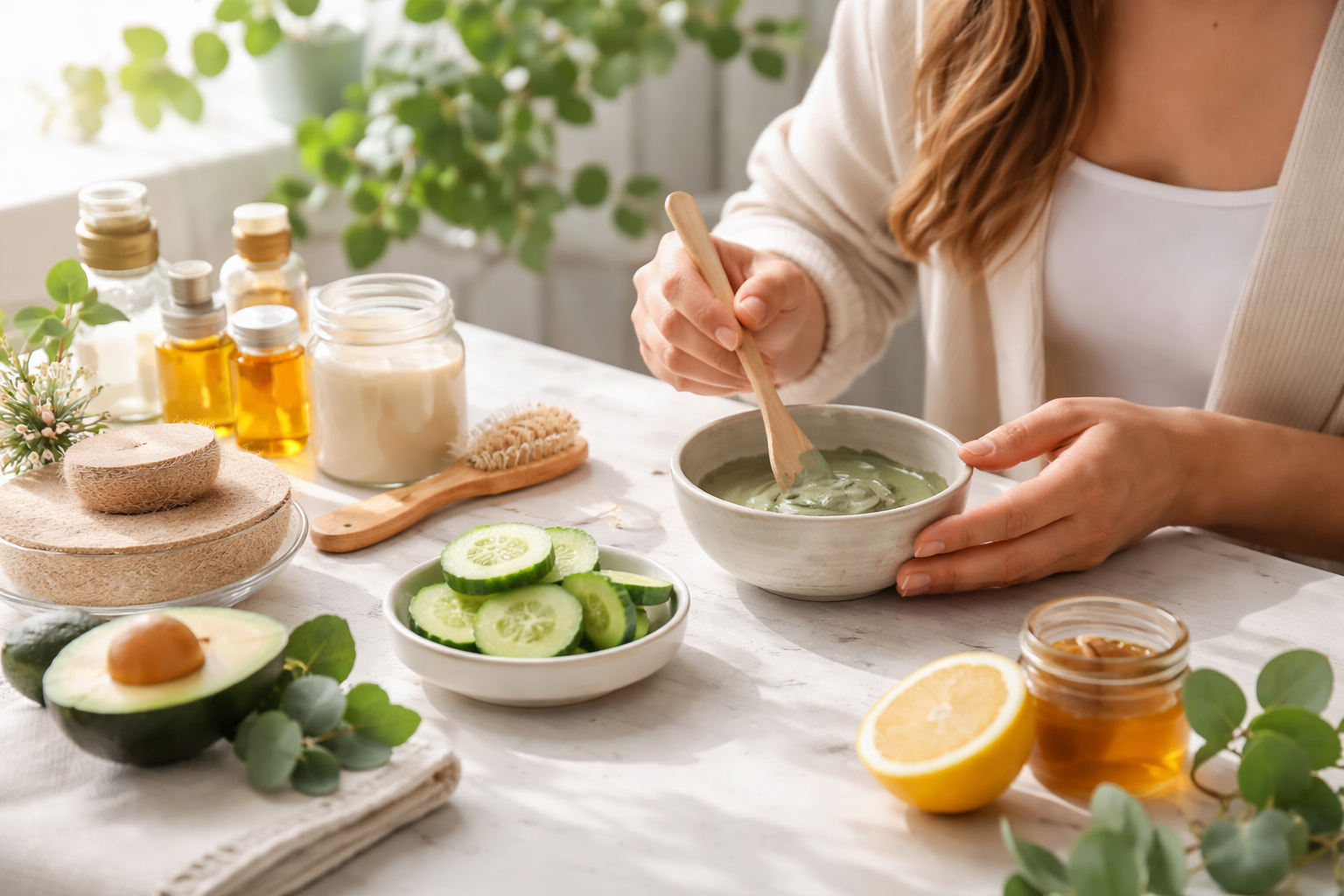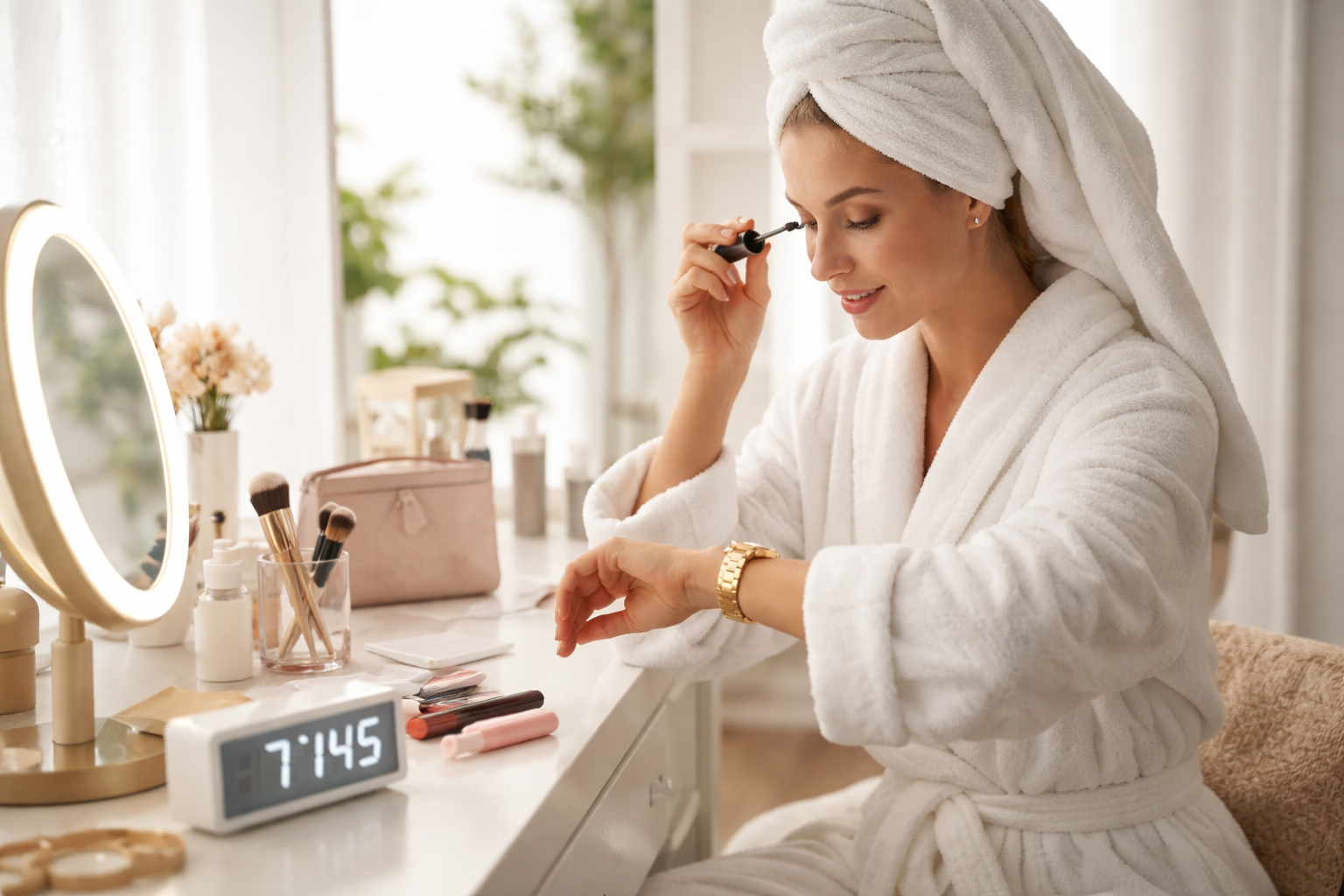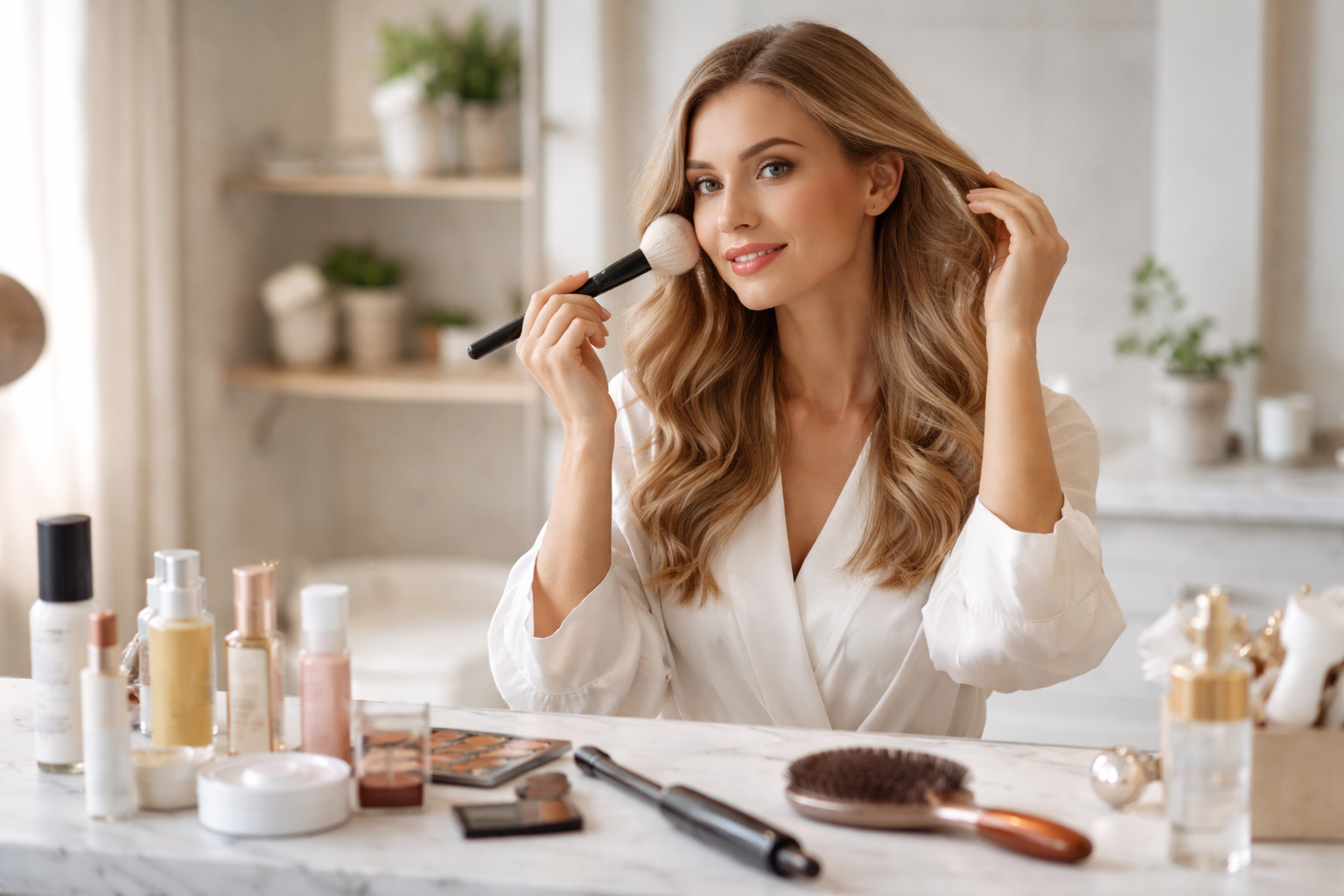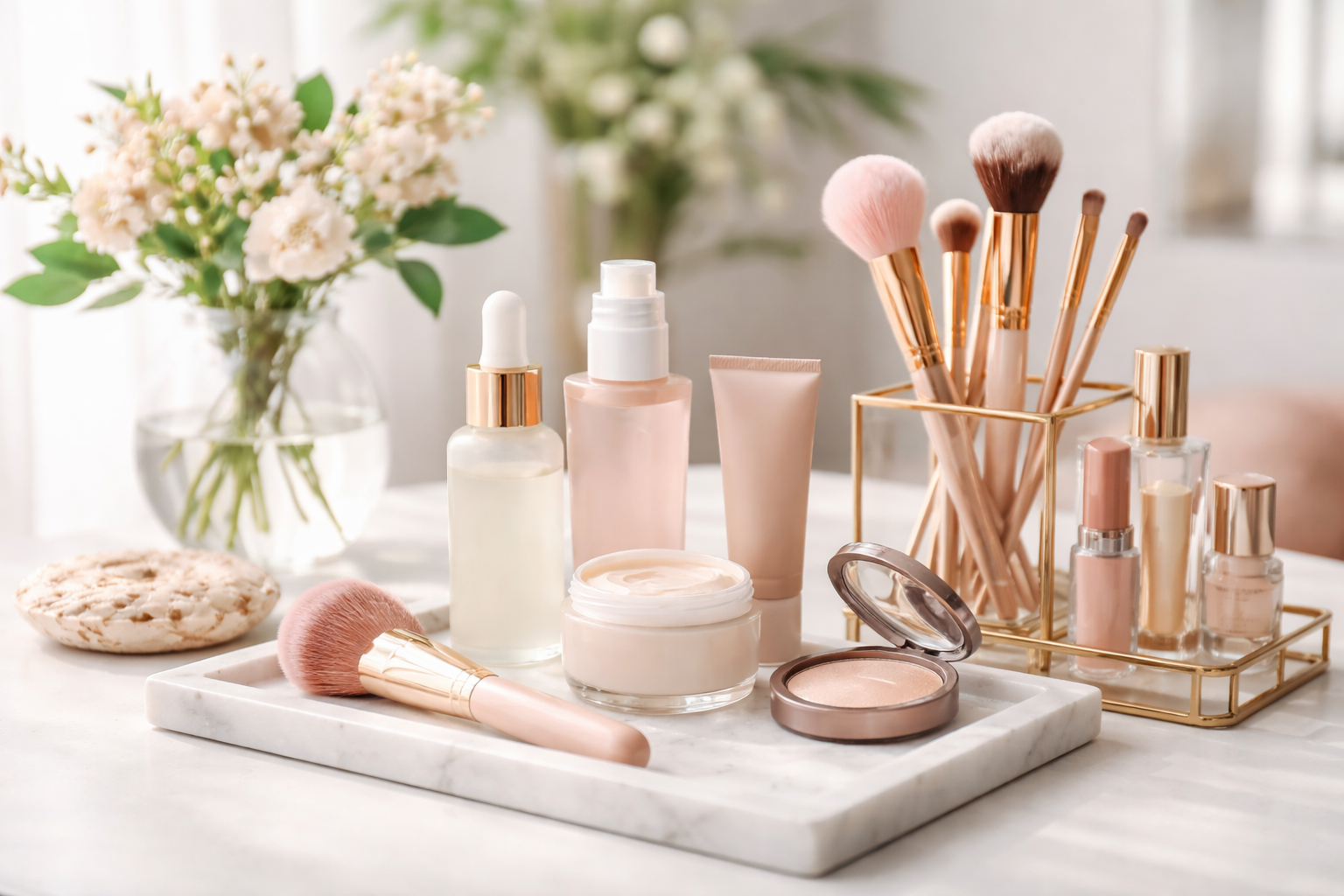
Embarking on the journey of beauty is an exciting adventure, and for beginners, it can feel a bit overwhelming with the sheer volume of products and techniques available. This comprehensive guide aims to demystify the world of beauty essentials, breaking down each category into manageable, actionable steps. From understanding your unique skin to mastering basic makeup application and nurturing healthy hair and nails, this resource provides a solid foundation for anyone looking to enhance their natural radiance. We’ll cover everything you need to know to start building a personalized beauty repertoire without breaking the bank, ensuring you feel confident and empowered every step of the way.

The cornerstone of any effective beauty routine lies in understanding and caring for your skin. Your skin is your largest organ, and giving it the attention it deserves will not only improve your appearance but also promote long-term health and vitality. Before diving into products, it’s crucial to identify your skin type, as this will dictate which ingredients and formulations will be most beneficial for you.
Identifying Your Skin Type
Several common skin types exist, and recognizing yours is the first, most important step.
Oily Skin
If your skin tends to look shiny, especially in your T-zone (forehead, nose, chin), and you frequently experience breakouts or enlarged pores, you likely have oily skin. This type is characterized by an overproduction of sebum, the natural oil produced by your skin.
Dry Skin
Conversely, dry skin often feels tight, flaky, and can appear dull. You might experience redness or irritation more readily. This skin type lacks sufficient sebum and can struggle to retain moisture.
Combination Skin
Many people fall into the combination skin category, where different areas of the face have different needs. Typically, the T-zone will be oily, while the cheeks may be normal or dry. This requires a more nuanced approach to product selection.
Normal Skin
Consider yourself lucky if you have normal skin! This type is well-balanced, not too oily and not too dry, with a smooth texture and minimal imperfections. Pores are usually small, and the skin rarely experiences sensitivity.
Sensitive Skin
Sensitive skin is more reactive than other types. It can easily become red, itchy, or inflamed in response to certain ingredients, environmental factors, or even stress. Even if you have oily or dry skin, you might also have sensitivity.
The Pillars of a Skincare Routine
Once you’ve identified your skin type, you can begin to build a foundational skincare routine. This typically involves three key steps: cleansing, toning, and moisturizing.
Cleansing: Removing Impurities
Cleansing is essential to remove dirt, oil, makeup, and pollutants that accumulate on your skin throughout the day. The goal is to cleanse thoroughly without stripping the skin of its natural oils, which can lead to dryness or an overproduction of oil in response.
Facial Cleansers for Every Type
For oily and acne-prone skin, gel or foaming cleansers are often effective as they help to cut through excess oil. Dry and sensitive skin types might prefer gentle, hydrating cream or lotion cleansers that are less likely to cause irritation. Combination skin can benefit from a gentle cleanser that balances oil and hydration, or even a two-step cleansing process where you use a more targeted cleanser for specific areas.
Toning: Rebalancing and Preparing
Toners were once known for being harsh and alcohol-heavy, but modern formulations serve a different purpose. Today’s toners are designed to rebalance the skin’s pH after cleansing, remove any residual impurities, and prepare the skin to better absorb subsequent products.
Hydrating and Exfoliating Toners
For dry and sensitive skin, hydrating toners containing ingredients like hyaluronic acid or glycerin can provide an extra boost of moisture. Those with oily or acne-prone skin might find toners with salicylic acid or witch hazel beneficial for their exfoliating and pore-clearing properties.
Moisturizing: Hydration and Protection
Moisturizing is a non-negotiable step for all skin types. It helps to replenish lost moisture, strengthen the skin’s barrier, and protect it from environmental damage. Properly moisturized skin appears plumper, smoother, and more radiant.
Choosing the Right Moisturizer
The consistency of your moisturizer should align with your skin type. Lightweight, oil-free lotions or gels are best for oily and combination skin. Richer creams are ideal for dry skin, providing a more occlusive barrier to prevent moisture loss. Sensitive skin should opt for fragrance-free, hypoallergenic formulas.
Moving beyond skincare, makeup offers a fun and creative way to enhance your natural features and express yourself. For beginners, the key is to start with a curated collection of versatile products that can create simple yet polished everyday looks. Investing in a few high-quality basics will give you more mileage than a vast array of less-than-ideal items.
Essential Base Products
The canvas of your makeup is your skin, and these products aim to create a smooth, even base.
Foundation or Tinted Moisturizer
The goal of a foundation or tinted moisturizer is to even out skin tone and provide a subtle coverage. Tinted moisturizers offer a lighter, more natural finish and are often preferred for everyday wear, especially for those who don’t require heavy coverage.
Finding Your Match
The most crucial aspect of foundation or tinted moisturizer is finding the correct shade. It should seamlessly blend into your jawline without leaving a distinct line. Test shades in natural light to ensure an accurate match. Consider formulas that suit your skin type, such as oil-free options for oily skin or hydrating formulas for dry skin.
Concealer
Concealer is a more potent product designed to cover specific imperfections like blemishes, dark circles, or redness. It offers targeted coverage where foundation might not be enough.
Strategic Application
A little goes a long way with concealer. Apply it sparingly to areas that need extra attention. For under-eye circles, choose a shade slightly lighter than your skin tone to brighten the area. For blemishes, opt for a shade that matches your foundation perfectly to camouflage effectively.
Enhancing Your Features
Once your base is set, these products help to define and accentuate your best features.
Blush
Blush adds a healthy flush of color to your cheeks, mimicking a natural glow. It can instantly make you look more awake and vibrant.
Choosing a Shade and Formula
Cream blushes tend to look more natural and are easy to blend, making them excellent for beginners. Powder blushes offer more buildable coverage. For everyday looks, soft pinks, peaches, and rosy tones are universally flattering.
Mascara
Mascara is a transformative product that lengthens, thickens, and defines your eyelashes, opening up your eyes and making them appear more awake.
The Power of Black and Brown
Black mascara is a classic choice for adding drama and definition. Brown mascara offers a softer, more natural look, ideal for fair-haired individuals or those who prefer a subtler enhancement. Look for formulas that offer your desired effect, whether it’s volume, length, or curl.
Lipstick or Lip Gloss
A touch of color on your lips can complete any makeup look. Whether you prefer a subtle sheen or a bold statement, lipstick and lip gloss are easy ways to add personality.
Everyday Nudes and Pinks
For everyday wear, neutral shades like nudes, soft pinks, and rosy browns are extremely versatile. These shades enhance your natural lip color without being overwhelming. Glosses offer a sheer wash of color and a hydrating feel, while lipsticks provide more pigment and longer-lasting wear.
Just like skincare, hair health is paramount to achieving beautiful results. A consistent haircare routine focused on nourishment and protection will lead to stronger, shinier, and more manageable hair.
Understanding Your Hair Type and Concerns
Similar to skin, hair has varying needs based on its texture and condition.
Hair Texture: Straight, Wavy, Curly, Coily
Your hair’s natural curl pattern influences how it behaves and what products it responds best to. Straight hair is often prone to oiliness, while curly and coily hair can be drier and more prone to frizz.
Hair Concerns: Dryness, Oiliness, Damage, Frizz
Identifying any specific issues, such as dryness, breakage, or excessive oiliness, will help you target your haircare efforts more effectively.
The Foundations of Healthy Hair
A basic haircare routine involves regular washing, conditioning, and occasional treatments.
Shampoo: The Cleansing Act
Shampoo is designed to cleanse the scalp and hair of dirt, oil, and product buildup. The frequency of washing depends on your hair type and lifestyle.
Gentle Cleansing for All
For most hair types, using a sulfate-free shampoo is recommended as sulfates can be stripping and drying. If you have oily hair, you might need to shampoo more frequently, perhaps daily or every other day. Dry or color-treated hair may only need washing a couple of times a week.
Conditioner: Hydration and Smoothness
Conditioner is vital for most hair types as it replenishes moisture, detangles, smooths the hair cuticle, and makes hair more manageable.
Targeted Conditioning
Apply conditioner from the mid-lengths to the ends of your hair, avoiding the roots if your hair tends to get greasy. For very dry or damaged hair, a deep conditioner or hair mask used weekly can provide intense nourishment.
Drying and Styling for Health
How you dry and style your hair significantly impacts its health and appearance.
Air Drying vs. Heat Styling
Whenever possible, allow your hair to air dry. When using heat styling tools like blow dryers, curling irons, or straighteners, always use a heat protectant spray to minimize damage.
Brushing Basics
Use a wide-tooth comb or a brush with flexible bristles to detangle your hair, starting from the ends and working your way up to minimize breakage. Avoid brushing wet hair vigorously, as it is more prone to snapping.
Often overlooked, healthy and well-maintained nails can significantly contribute to your overall polished appearance. Simple, consistent care can prevent common issues like breakage and hangnails.
The Essentials of Nail Health
Basic nail care involves regular cleaning, shaping, and moisturizing.
Hygiene First: Cleaning and Filing
Keeping your nails clean is the first step. Gently push back your cuticles using an orange stick or cuticle pusher, but avoid cutting them, as they protect your nail bed from infection. File your nails in one direction to prevent splitting.
Moisturizing for Strength
Dry cuticles can lead to hangnails and a less-than-an-ideal nail appearance. Regularly applying hand cream or cuticle oil will keep your nails and the surrounding skin hydrated and supple.
Basic Polish Application
For those who enjoy color, a simple polish application can add a finishing touch.
Base Coat, Color, Top Coat
Begin with a base coat to protect your natural nail from staining and to help polish adhere better. Apply one or two thin coats of your chosen nail polish. Finish with a top coat to add shine, protect the color from chipping, and extend the life of your manicure.
Having the right tools can elevate your beauty routine from good to great, making application smoother, more precise, and more enjoyable. For beginners, a few key tools will suffice to achieve professional-looking results.
Brushes for Flawless Application
Makeup brushes are designed to apply products seamlessly and create a more blended and even finish than fingertips alone.
Essential Face Brushes
A foundation brush or a dense buffing brush can help you achieve an airbrushed-looking finish with liquid or cream foundations. A fluffy powder brush is essential for setting liquid products with powder or applying bronzer.
Eye Makeup Brushes
A few key eye brushes can make a big difference. A flat shader brush is perfect for packing eyeshadow onto the lid, while a fluffy blending brush is crucial for softening harsh lines and creating seamless transitions in the crease. A small angled brush can be used for precise eyeliner application or filling in brows.
Other Handy Tools
Beyond brushes, a few other items can streamline your routine.
Makeup Sponges
For those who prefer a dewy finish or a more natural application of foundation and concealer, a damp makeup sponge is a game-changer. It buffs products into the skin for a sheer, natural-looking coverage.
Applicators for Precision
Q-tips are invaluable for cleaning up any makeup mistakes, such as smudged eyeliner or lipstick. They are also useful for applying precise amounts of product, like concealer to a small blemish.
The effectiveness of any beauty product or technique is amplified by consistency. Establishing a simple, daily regimen, both morning and night, will yield the best long-term results for your skin, hair, and nails.
The Morning Ritual: Preparing for the Day
Your morning routine should focus on preparing your skin and hair for the day ahead, as well as applying minimal makeup for a fresh appearance.
Skincare Wake-Up Call
Start by cleansing your face with a gentle cleanser to remove any overnight buildup. Follow with a hydrating toner and then apply a moisturizer with SPF. Sun protection is arguably the most critical step in preventing premature aging and skin damage.
Hair and Makeup Refresh
If needed, a quick brush-through of your hair will suffice. For makeup, focus on concealer where needed, a swipe of mascara, a touch of blush, and a hydrating lip balm or a neutral lipstick.
The Evening Wind-Down: Repair and Replenish
Your nighttime routine is dedicated to removing the day’s impurities and allowing your skin and hair to repair and regenerate overnight.
Deep Cleanse and Treatment
Begin by thoroughly cleansing your face to remove all makeup, dirt, and oil. If you wear heavy makeup, consider a double-cleansing method, starting with an oil-based cleanser to break down makeup, followed by a water-based cleanser. Apply your regular toner and then a nourishing night cream or serum.
Haircare for Overnight Health
If you wash your hair at night, ensure it is fully dry before going to bed. Consider applying a leave-in conditioner or hair oil to the ends to prevent frizz and dryness.
Achieving a beautiful look doesn’t require a hefty investment. Many drugstore brands offer excellent quality products that rival their high-end counterparts, making beauty accessible to everyone.
Smart Shopping Strategies
Making informed choices can help you maximize your beauty budget.
Research and Reviews
Before purchasing, read online reviews from reputable beauty bloggers and websites. This will help you identify effective products and avoid duds.
Multi-Use Products
Opt for products that can serve multiple purposes. For instance, a tinted lip balm can double as a cream blush in a pinch, and a sheer bronzer can sometimes be used as an eyeshadow.
Affordable Product Recommendations
Many drugstore brands offer fantastic options.
Skincare Staples
Look for basic cleansers, moisturizers, and sunscreens from brands known for their gentle formulations and effective ingredients. Hyaluronic acid serums and gentle chemical exfoliants are often available at affordable price points.
Makeup Must-Haves
Many drugstore brands have expanded their makeup lines to include high-performing foundations, concealers, mascaras, and lipsticks at budget-friendly prices. Look for their “dupes” of popular high-end products, as they often offer a similar performance.
By focusing on these foundational beauty essentials and understanding your unique needs, beginners can confidently build a personalized routine that enhances natural beauty, fosters self-care, and brings joy to the process. Experimentation is key, and with this guide, you’re well-equipped to embark on your exciting beauty journey.
FAQs
1. What are the essential skincare basics every beginner should know?
– Understanding your skin type and its specific needs – Cleansing, exfoliating, and moisturizing as the foundation of a skincare routine – The importance of sunscreen for protection against UV rays – Incorporating serums and treatments for targeted concerns
2. How can I build a makeup starter kit for everyday looks?
– Investing in quality foundation, concealer, and powder for a flawless base – Choosing versatile eyeshadow palettes and neutral lip colors for everyday wear – Including mascara, eyeliner, and brow products for defining the eyes – Adding blush and highlighter for a healthy, radiant complexion
3. What are some tips for maintaining healthy and beautiful hair?
– Using the right shampoo and conditioner for your hair type – Limiting heat styling and using heat protectant products when necessary – Regular trims to prevent split ends and maintain hair health – Incorporating deep conditioning treatments and hair masks for added nourishment
4. What are simple steps for maintaining beautiful nails?
– Keeping nails clean and well-trimmed – Moisturizing cuticles to prevent dryness and hangnails – Using a base coat, nail polish, and top coat for a polished look – Regularly removing old nail polish and allowing nails to breathe
5. What are some must-have beauty tools for effortless application?
– Makeup brushes for precise and seamless application – Beauty sponges for blending foundation and concealer – Eyelash curler for lifting and defining lashes – Tweezers for grooming eyebrows and removing stray hairs