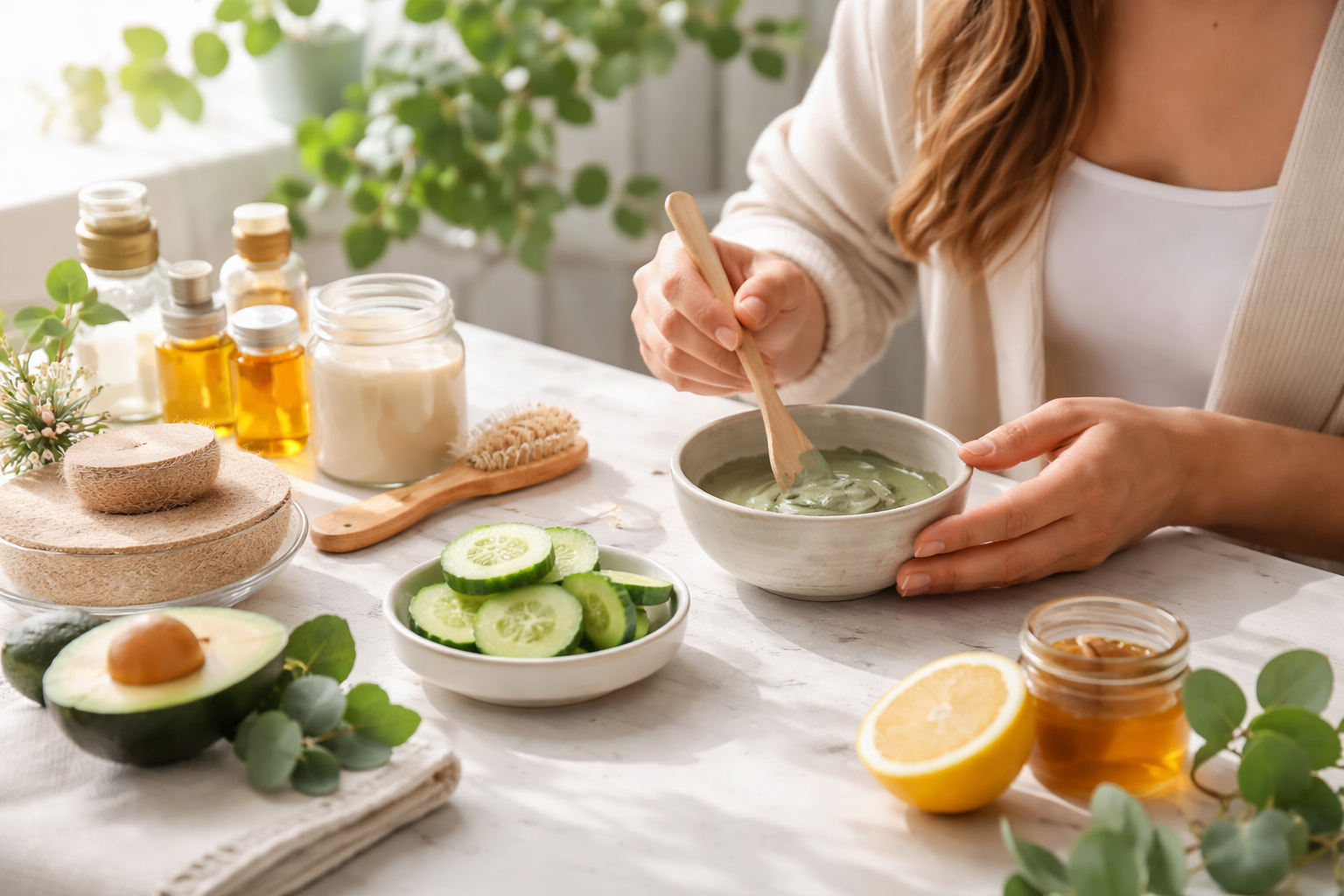
True radiance emanates from a holistic approach to beauty, one that integrates mindful practices with informed care. It’s not just about using products; it’s about knowing your skin and hair’s needs and developing habits that nurture them from within. This guide explores both the art and science of creating a truly elevated beauty care routine, transforming it from a chore into a cherished ritual that fosters enduring health and breathtaking beauty.
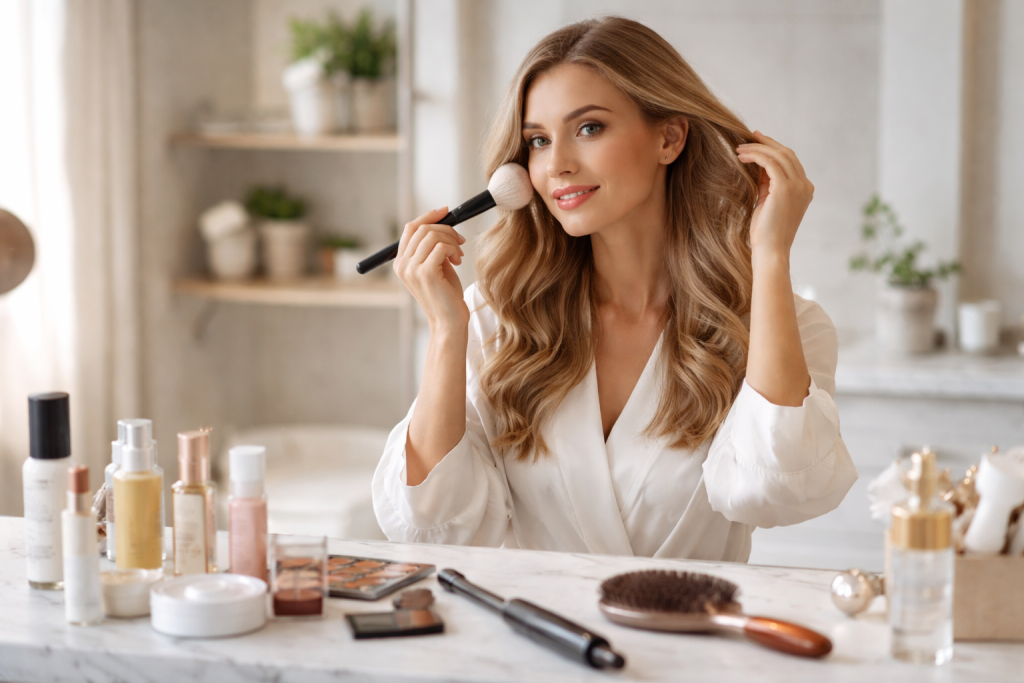
The journey to flawless skin and lustrous hair begins with a deep and honest assessment of what you’re working with. Generic advice can only go so far; true efficacy lies in recognizing the individual characteristics of your skin and hair type. This self-awareness is the cornerstone upon which all successful beauty care routines are built, preventing wasted effort and ensuring that your chosen methods yield the best possible results.
Decoding Your Skin Type: Oily, Dry, Combination, or Sensitive?
The diversity of our skin necessitates a personalized approach to its care. Is your skin prone to a midday shine, leaving you feeling greasy and congested? You might have oily skin, which requires a focus on balancing sebum production and preventing clogged pores. Perhaps you experience tightness, flakiness, and a lack of suppleness, pointing towards dry skin; in this case, hydration and barrier reinforcement are paramount. Many individuals find themselves a blend of both, with an oily T-zone (forehead, nose, and chin) and drier cheeks—this is combination skin, demanding a nuanced application of products to address disparate needs. Lastly, some skin is inherently reactive, prone to redness, itching, and irritation with even mild stimuli. This sensitive skin requires gentle formulations and a mindful avoidance of common triggers. Taking the time to observe your skin’s behavior throughout the day and under different conditions is crucial for accurate identification.
Unraveling Your Hair’s True Nature: Texture, Porosity, and Concerns
Similarly, hair is far from uniform. Its texture—whether fine, medium, or coarse—dictates how it responds to styling and the weight of products. Fine hair can easily be weighed down, while coarse hair may benefit from richer, more emollient treatments. Hair porosity, a less commonly understood but vital factor, refers to the hair’s ability to absorb and retain moisture. Low porosity hair has tightly closed cuticles, making it difficult for moisture to penetrate, but once in, it tends to stay. High porosity hair has open cuticles, allowing moisture to enter easily but also escape quickly, leading to dryness. Normal porosity hair falls in between. Beyond these fundamental characteristics, consider your hair’s specific concerns: is it prone to frizz, breakage, thinning, or lack of shine? Identifying these issues will guide your product selection and treatment strategies.
Once you possess a solid understanding of your skin and hair’s unique profiles, you can begin to construct a beauty care routine that is tailor-made for your needs. This isn’t about following trends; it’s about creating a system that addresses your specific concerns and enhances your natural beauty. A well-designed routine is consistent, considerate of your lifestyle, and ultimately, effective.
The Pillars of a Daily Regimen: Cleansing, Toning, Moisturizing
At the core of any effective beauty care routine lie three fundamental steps. Cleaning is an essential step that removes impurities, excess oil, and environmental pollutants that can cause significant damage to your skin. The choice of cleanser is critical; a harsh, stripping formula can exacerbate dryness and even trigger increased oil production in an attempt to compensate. Toning, often overlooked, plays a vital role in rebalancing the skin’s pH, preparing it to better absorb subsequent treatments. For hair, this stage might involve a fortifying or moisturizing rinse. Moisturizing is the final, crucial step, replenishing lost hydration and creating a protective barrier to seal in moisture and shield the skin from external aggressors. For hair, this phase translates to conditioners, leave-in treatments, and oils.
Introducing Targeted Treatments: Serums, Masks, and Exfoliants
Beyond the daily essentials, incorporating targeted treatments can significantly amplify your results. Serums, with their concentrated active ingredients, are designed to address specific concerns like fine lines, hyperpigmentation, or dehydration. These potent formulations penetrate deeper into the skin, delivering powerful benefits. Masks offer a more intensive, episodic treatment, providing a concentrated boost of hydration, nourishment, or purification. Exfoliants, whether physical or chemical, are essential for shedding dead skin cells, revealing brighter, smoother skin, and promoting better product absorption. For hair, such therapies might involve deep conditioning treatments, protein masks, or scalp scrubs to invigorate the scalp and improve hair health.
Navigating the vast landscape of beauty products can feel overwhelming. The key to success lies not in possessing the most expensive items, but in selecting those that are formulated with ingredients beneficial to your specific skin and hair type and concerns. This requires a discerning eye and a willingness to do a little research.
Ingredient Intelligence: What Your Skin and Hair Crave
Understanding key ingredients is paramount. For oily or acne-prone skin, look for salicylic acid, niacinamide, and tea tree oil, known for their clarifying and anti-inflammatory properties. Dry skin will benefit from hyaluronic acid, ceramides, glycerin, and shea butter, which attract and retain moisture and strengthen the skin barrier. Mature skin can be revitalized with retinoids, vitamin C, and peptides, which promote collagen production and fight free radical damage. For hair, ingredients like keratin, biotin, argan oil, and various botanical extracts can address issues like damage, dryness, and thinning. Conversely, be mindful of ingredients that might irritate your skin or hair, such as sulfates, parabens, and artificial fragrances, especially if you have sensitive skin or a delicate scalp.
Beyond the Shelf: Considering Formulations and Lifestyle
The formulation of a product matters as much as its ingredients. Lightweight, oil-free lotions might be ideal for oily skin, while richer creams are perfect for dry skin. For hair, consider the texture of your chosen products; a heavy cream might be too much for fine hair, while a light serum might not provide enough hydration for coarse, dry strands. Your lifestyle also plays a role. If you’re constantly on the go, you’ll want products that are quick and easy to use. If you have more time, you might enjoy longer, more elaborate routines. Consider your budget, too. Effective beauty care doesn’t always equate to high prices; many affordable brands offer excellent, ingredient-driven formulations.
The beauty of your skin and hair is a reflection of your internal well-being. While topical treatments are important, they are only part of the equation. Embracing a holistic approach that prioritizes healthy habits is essential for achieving and maintaining that coveted, luminous glow.
The Power of Nutrition: Fueling Your Beauty from Within
What you eat directly impacts the health of your skin and hair. A diet rich in antioxidants, found in fruits and vegetables, helps combat cellular damage and inflammation, promoting a clearer complexion and stronger hair. Healthy fats, present in avocados, nuts, and fatty fish, are key to preserving skin hydration and suppleness while also supporting hair growth. Adequate protein intake is vital for building and repairing tissues, including the keratin that forms your hair. Staying hydrated by drinking plenty of water is paramount for both skin and hair, ensuring they remain plump, supple, and well-nourished. Limiting processed foods, excessive sugar, and unhealthy fats can significantly reduce inflammation and contribute to a clearer, more radiant appearance.
The Importance of Sleep and Stress Management
Sleep’s restorative power is undeniable for your skin, hair, and physical and mental health. During sleep, your body repairs and regenerates cells, a process that is crucial for healthy skin renewal and hair growth. Chronic stress, on the other hand, can trigger hormonal imbalances that lead to breakouts, dull skin, and even hair loss. Incorporating stress-reducing practices into your daily life is therefore not just beneficial for your mental health but also for your aesthetic goals. Techniques like meditation, yoga, deep breathing exercises, or simply spending time in nature can help mitigate the damaging effects of stress.
The most sophisticated beauty routine is rendered ineffective if it’s not practiced consistently. Building habits that you can realistically maintain is the secret to unlocking the full potential of your efforts and achieving lasting, visible improvements in your skin and hair health.
Setting Realistic Goals and Scheduling Your Rituals
It’s important to be honest with yourself about how much time and energy you can realistically dedicate to your beauty care routine. Instead of aiming for an overly ambitious, multi-step regimen that you’ll quickly abandon, start small and gradually introduce new steps. Schedule your morning and evening routines like any other important appointment. Even dedicating just a few minutes each day to mindful skincare and hair care can yield significant results over time.
The Power of Small Wins and Adaptability
Celebrate the small victories. Notice how your skin feels softer after consistent moisturizing or how your hair appears shinier after regular conditioning. These positive reinforcements can be powerful motivators. Furthermore, acknowledge that your needs may change. Lifestyle shifts, seasonal changes, or even hormonal fluctuations can necessitate minor adjustments to your routine. Be prepared to adapt, but maintain the core principles of cleansing, moisturizing, and targeted treatments. Embrace occasional slip-ups and simply recommit to your routine the next day.
True beauty care is more than just applying products; it’s a chance to reconnect with yourself and rejuvenate. Integrating self-care practices deeply into your routine transforms it from a task into a cherished act of self-love, enhancing both your inner state and your outer radiance.
The Mindful Application: Turning Routine into Ritual
Approach the application of your skincare and haircare products with intention. Instead of rushing, take a moment to appreciate the products’ textures, scents, and sensations on your skin and hair. Gentle massage techniques during application can boost circulation, promote lymphatic drainage, and foster a deeper connection with your body. This mindful approach transforms a mundane task into a calming, sensory experience.
Beyond the Bathroom: Holistic Self-Care Practices
Extend self-care beyond your beauty rituals. Engage in activities that bring you joy and relaxation, such as reading, listening to music, spending time with loved ones, or pursuing a hobby. Regular exercise benefits your physical health and improves circulation, which is essential for healthy skin and hair. Adequate hydration, mindful eating, and sufficient sleep are also fundamental pillars of self-care that directly impact your external appearance.
While self-education and a personalized routine are invaluable, there are times when professional advice can unlock remarkable improvements in your skin and hair health. Dermatologists and trichologists possess specialized knowledge that can address persistent concerns and optimize your care.
When to Consult a Dermatologist
A dermatologist is your go-to expert for a wide range of skin concerns, from persistent acne and rosacea to eczema and suspicious moles. They can diagnose underlying dermatological conditions, prescribe topical or oral medications, and recommend advanced treatments like chemical peels or laser therapy. If you’re experiencing significant breakouts, changes in moles, or persistent skin irritation, seeking professional guidance is a crucial step towards achieving healthy, clear skin.
Understanding the Role of a Trichologist
For hair-related concerns, a trichologist is an invaluable resource. They specialize in the health of the scalp and hair, diagnosing and treating issues such as hair loss, thinning hair, dandruff, and scalp conditions. A trichologist can help identify the root cause of your hair problems, whether it’s genetic, hormonal, nutritional, or stress-related, and develop a targeted treatment plan to restore your hair’s vitality and promote healthy growth. Investing in professional advice can elevate your beauty care routine from satisfactory to truly exceptional, ensuring you achieve your desired results with confidence and expertise.
FAQs
1. What is the importance of understanding your skin and hair type in creating a personalized beauty care routine?
Understanding your skin and hair type is crucial in creating a personalized beauty care routine because different skin and hair types have different needs. Knowing your specific type allows you to choose products and treatments that are most effective for your individual needs, resulting in healthier and more radiant skin and hair.
2. How can I choose the right products for my skin and hair?
When choosing products for your skin and hair, it’s important to consider your specific skin and hair type, as well as any specific concerns or issues you may have. Look for products that are formulated for your type, and consider seeking professional advice if you’re unsure. Additionally, reading product labels and understanding the ingredients can help you make informed choices.
3. What are some healthy habits that can enhance the health of my skin and hair?
Incorporating healthy habits into your daily routine can greatly enhance the health of your skin and hair. This includes staying hydrated, eating a balanced diet rich in vitamins and nutrients, getting enough sleep, and protecting your skin and hair from sun damage. Regular exercise and managing stress levels can also contribute to overall skin and hair health.
4. What are some self-care practices that can enhance my beauty care routine?
Self-care practices can enhance your beauty care routine by promoting relaxation and reducing stress, which can have a positive impact on your skin and hair. Practices such as meditation, aromatherapy, and indulging in a skincare or haircare routine can help you unwind and improve your overall well-being, which can reflect in the health of your skin and hair.
5. When should I seek professional advice for optimal skin and hair health?
If you have specific skin or hair concerns that you’re unable to address with over-the-counter products, it’s advisable to seek professional advice. Dermatologists and hair specialists can provide personalized recommendations and treatments tailored to your individual needs, helping you achieve optimal skin and hair health. Additionally, if you experience any persistent or concerning issues with your skin or hair, it’s important to consult a professional for proper evaluation and guidance.