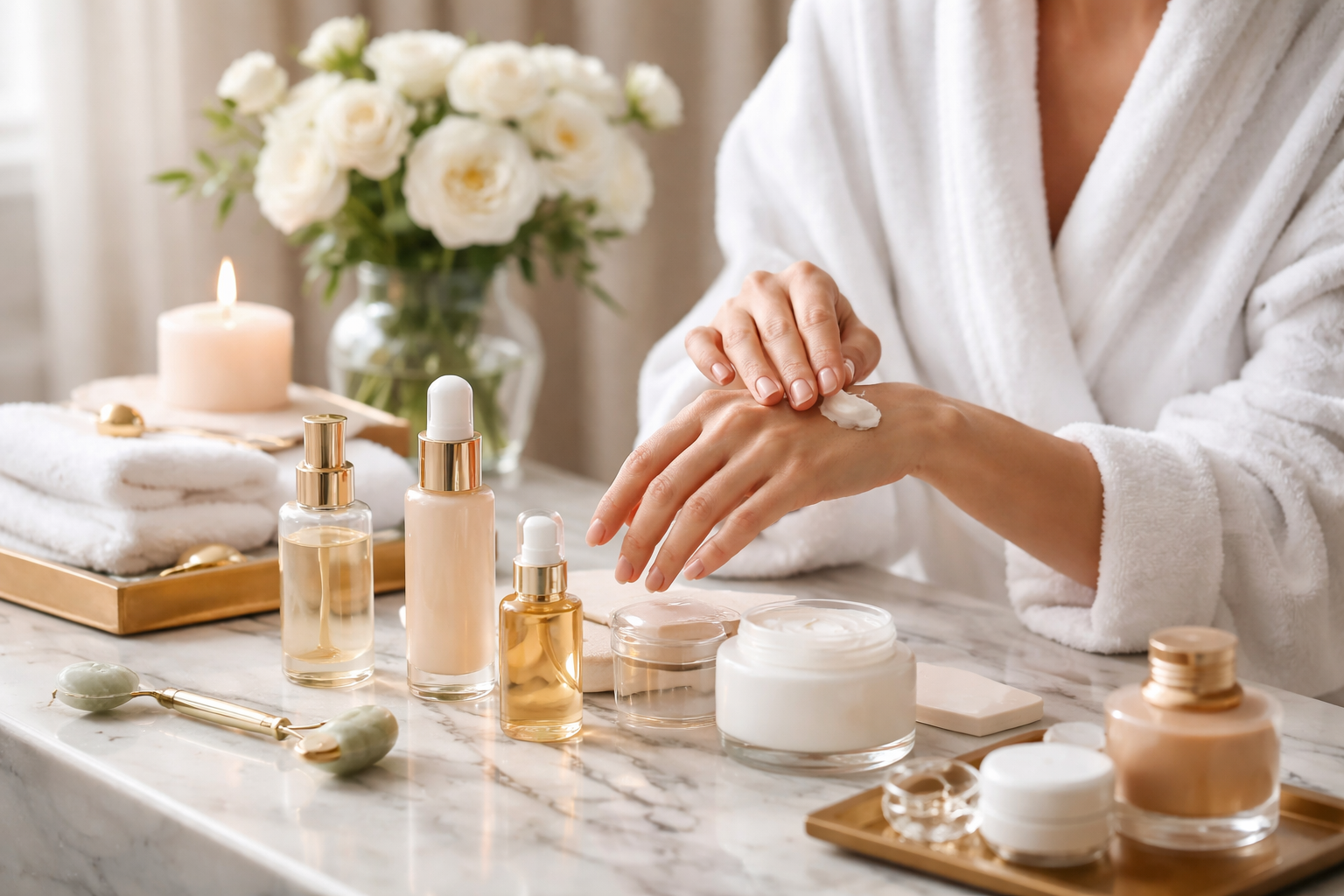
Embarking on a skincare journey can feel overwhelming, a labyrinth of products and jargon that leaves many beginners feeling lost before they even begin. The desire for healthier, more radiant skin is universal, but knowing where to start is the crucial first step. This guide is designed to demystify the process, breaking down the essential elements of a beginner-friendly skincare routine. We’ll explore the foundational steps, understand why they matter, and learn how to tailor them to your unique needs.
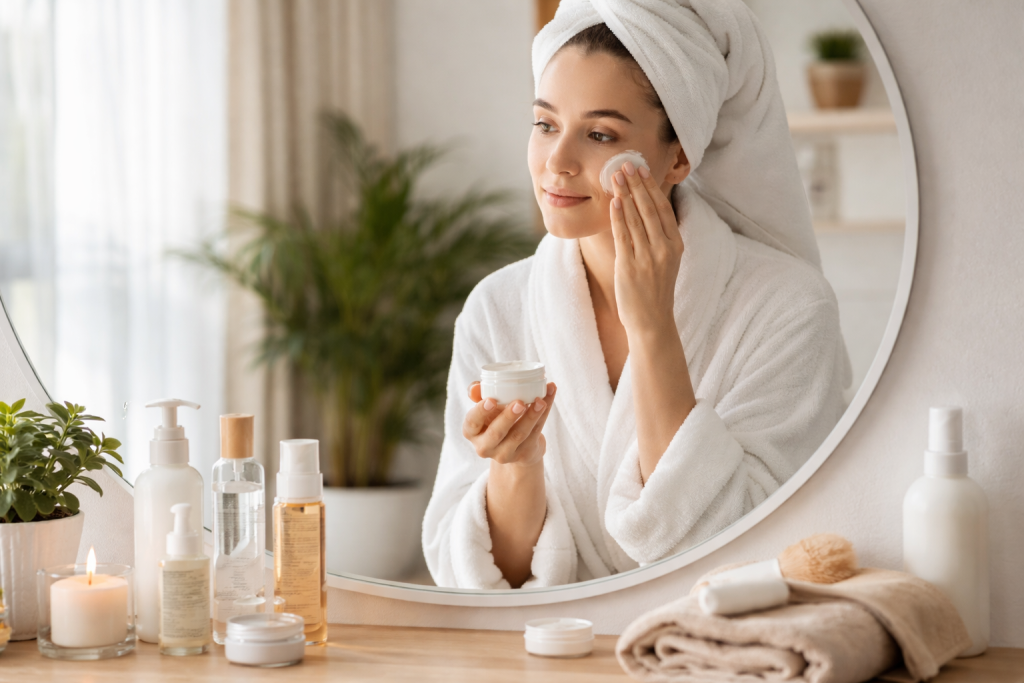
Before you even think about purchasing a single product, understanding your individual skin type is paramount. Understanding your individual skin type serves as the foundation for all successful skincare routines. Without this knowledge, you risk using either ineffective products or, worse, detrimental to your skin’s health. Identifying your skin type isn’t about labels; it’s about recognizing how your skin behaves and what it needs. This understanding allows you to make informed choices, leading to a routine that truly works for you.
Dry Skin: The Thirsty Complexion
Dry skin often feels tight, especially after washing, and may appear dull or flaky. It lacks sufficient sebum, the natural oil produced by the skin, which is critical to maintaining its moisture barrier. Individuals with dry skin are more prone to fine lines and wrinkles because the skin’s suppleness is compromised. This type of skin often benefits from richer, more emollient formulations that help to replenish lost moisture and reinforce the skin’s natural defenses against environmental stressors.
Oily Skin: The Shine Factor
Oily skin is characterized by excess sebum production, leading to a shiny appearance, particularly in the T-zone (forehead, nose, and chin). This can contribute to enlarged pores and a higher propensity for blemishes like blackheads and acne. While excess oil might seem problematic, it also provides a natural protective barrier. The key with oily skin is to balance oil production without stripping the skin entirely, which can paradoxically lead to even more oil production.
Combination Skin: The Best of Both Worlds (and Challenges)
Combination skin presents a special challenge as it exhibits characteristics of both dry and oily skin. Typically, the T-zone is oily, while the cheeks and other areas of the face tend to be normal or dry. This feature means a single approach may not suffice. Skincare for combination skin often involves using different products or targeted treatments for different areas of the face, requiring a more nuanced and adaptable strategy to address the varied needs of the complexion.
Normal Skin: The Balanced Canvas
Normal skin is characterized by a good balance of oil and moisture. It’s typically not too oily or too dry, with small pores and a smooth texture. This skin type is often less prone to breakouts and sensitivity, making it the most straightforward to manage. Even with normal skin, a consistent routine is essential to maintain its healthy state and prevent future issues from developing. Prevention and maintenance are just as important as treating problems.
Sensitive Skin: The Delicate Touch
Sensitive skin is easily irritated, reacting to certain ingredients, environmental changes, or even friction. This can manifest as redness, itching, burning, or stinging. Individuals with sensitive skin need to be particularly cautious about product formulations, opting for gentle, fragrance-free, and hypoallergenic options. Patch testing new products is highly recommended to avoid adverse reactions. The focus is on soothing and fortifying the skin barrier.
Cleansing is arguably the most fundamental step in any skincare routine, serving as the essential groundwork for all subsequent treatments. Skipping this crucial stage means applying products onto a surface laden with dirt, oil, makeup, and pollutants. This condition not only hinders the efficacy of your treatments but can also lead to clogged pores, breakouts, and a dull complexion. A proper cleanse removes impurities without stripping the skin of its natural moisture, leaving it refreshed and ready to receive beneficial ingredients.
The Purpose of Cleansing
At its core, cleansing is about removing unwanted elements from your skin’s surface. This includes the day’s accumulation of environmental pollutants, excess sebum, residual makeup, and dead skin cells. Without this methodical removal, these substances can accumulate, leading to a host of skin concerns. It’s not merely about making your skin look clean; it’s about creating a healthy foundation for cellular function and regeneration.
Choosing the Right Cleanser for Your Skin Type
The market offers a dizzying array of cleansers, each designed for different needs. For dry or sensitive skin, cream- or oil-based cleansers are often ideal. These formulations are rich in emollients and humectants that cleanse effectively while helping to retain moisture, and prevent that tight, stripped feeling. Gel-based cleansers are a beneficial option for oily and acne-prone skin. They are effective at cutting through excess oil and impurities without being overly harsh, often containing ingredients like salicylic acid. For normal or combination skin, a gentle foaming cleanser can provide a balanced cleansing experience, effectively removing impurities without causing dryness or excess oiliness.
The Proper Cleansing Technique
The way you cleanse is as important as the product you choose. Start by wetting your face with lukewarm water; avoid hot water, which can strip the skin of its natural oils and exacerbate dryness or irritation. Apply a small amount of cleanser to your fingertips and gently massage it onto your face in circular motions. Focus on areas that tend to accumulate more oil or makeup. Avoid harsh scrubbing, as the chemicals can cause micro-tears in the skin and lead to inflammation. Rinse thoroughly with lukewarm water and gently pat your face dry with a clean, soft towel. Never rub your skin dry, as this can be abrasive.
Moisturizing is often misunderstood as a step solely for dry skin. However, every skin type, even oily skin, benefits immensely from proper hydration. Moisturizers are not just about adding water; they are about replenishing and reinforcing the skin’s natural moisture barrier, a critical defense mechanism against environmental damage and moisture loss. A healthy moisture barrier keeps skin hydrated, supple, and resilient.
Maintaining the Skin’s Moisture Barrier
The skin’s outermost layer, the stratum corneum, acts as a protective barrier, preventing water from escaping the skin and keeping irritants out. This barrier is composed of lipids, ceramides, and natural moisturizing factors. When this barrier is compromised, either through harsh cleansing, environmental factors, or natural aging, the skin becomes dry, irritated, and more susceptible to damage. Moisturizers help to restore and strengthen this vital barrier, ensuring the skin remains healthy and functional.
Choosing the Right Moisturizer
Similar to cleansers, the world of moisturizers is vast. For dry skin, richer creams and lotions with ingredients like hyaluronic acid, ceramides, and shea butter are beneficial. These ingredients attract and retain moisture, creating a protective emollient layer. Oily skin can benefit from lightweight, oil-free, or gel-based moisturizers. Look for formulations that are non-comedogenic, meaning they won’t clog pores. Ingredients like glycerin and hyaluronic acid are excellent for providing hydration without heaviness. For combination skin, a balanced approach might involve using a lighter moisturizer on oily areas and a richer one on drier patches or opting for a medium-weight, all-purpose moisturizer.
When and How to Moisturize
The ideal time to moisturize is immediately after cleansing, while your skin is still slightly damp. Applying a moisturizer to damp skin helps lock in that residual moisture, enhancing its hydrating effects. This two-to-three-minute window after cleansing is considered the golden hour for optimal absorption. Apply a pea-sized amount of moisturizer and gently massage it into your skin using upward strokes. Don’t forget to extend your moisturizing routine to your neck and décolletage, as these areas also show signs of aging.
Sun protection, often considered the most critical step in any skincare routine, is non-negotiable, yet it is frequently overlooked. The sun’s ultraviolet (UV) radiation is a powerful aggressor, contributing to premature aging, hyperpigmentation, and, most importantly, skin cancer. Incorporating daily sunscreen into your routine is an investment in your skin’s long-term health and appearance.
The Damaging Effects of UV Radiation
UV radiation penetrates the skin’s layers, causing significant damage. UVA rays, which are present year-round and can penetrate clouds and glass, are primarily responsible for premature aging, contributing to wrinkles, fine lines, and sagging skin. UVB rays, more prominent during summer months, are the main culprits behind sunburn and are a primary cause of skin cancer. Both types of UV rays can lead to DNA damage in skin cells, which can eventually develop into cancerous growths.
Understanding SPF and Broad-Spectrum Protection
When choosing a sunscreen, look for “broad-spectrum” protection. This indicates that the product protects against both UVA and UVB rays. SPF, or Sun Protection Factor, primarily measures protection against UVB rays, the kind that cause sunburn. An SPF of 30 is generally recommended for daily use, blocking approximately 97% of UVB rays. Higher SPFs offer slightly more protection but are not proportionally more effective. For extended outdoor exposure, an SPF of 50 or higher is advisable. It’s crucial to remember that no sunscreen can block 100% of UV rays.
Daily Application and Reapplication
Sunscreen should be applied every single day, regardless of the weather or whether you’re indoors or outdoors. UV rays can penetrate windows, so even spending time near them requires protection. Apply a generous amount to all exposed skin for at least 15–20 minutes before going outside. For prolonged sun exposure, remember to reapply sunscreen every two hours, or more frequently if sweating or swimming. Make it a habit; once it’s integrated into your morning routine, it becomes second nature.
Once you have the foundational steps of cleansing, moisturizing, and sun protection firmly established, you can begin to explore the world of serums and specialized treatments. These potent formulations are designed to deliver concentrated active ingredients to address specific skin concerns, offering targeted solutions for everything from fine lines to dark spots.
The Power of Active Ingredients
Serums are typically formulated with a higher concentration of active ingredients than moisturizers, allowing them to penetrate deeper into the skin and deliver more potent results. These ingredients can include antioxidants like vitamin C to brighten and protect against free radicals, hyaluronic acid for intense hydration, retinoids to combat aging and acne, and niacinamide to improve skin texture and reduce inflammation. Understanding the function of different active ingredients is key to selecting serums that align with your skin’s needs.
Targeting Specific Concerns
If your primary concern is uneven skin tone or dullness, a vitamin C serum can work wonders. For signs of aging, a retinoid serum is often recommended, though it requires careful introduction due to its potency. If you struggle with dehydration, a serum rich in hyaluronic acid can provide a significant boost. For acne-prone skin, a serum containing salicylic acid or benzoyl peroxide can help to clear pores and reduce breakouts. It’s important to introduce new serums gradually, one at a time, to monitor your skin’s reaction and avoid overwhelming it.
Applying Serums Correctly
Serums are typically applied after cleansing and before moisturizing. Dispense a few drops onto your fingertips and gently press them into your skin. Allow the serum to absorb completely before applying your moisturizer. This ensures maximum efficacy of the serum’s active ingredients. For potent ingredients like retinoids, start by using them a few times a week and gradually increase frequency as your skin builds tolerance.
Exfoliation is a crucial step in maintaining healthy, radiant skin. It involves the removal of dead skin cells from the surface of your skin, which can accumulate and lead to a dull, uneven complexion, clogged pores, and reduced product absorption. By sloughing away these dead cells, exfoliation reveals fresh, new skin cells underneath, promoting a brighter, smoother, and more youthful appearance.
Chemical vs. Physical Exfoliation
There are two primary types of exfoliation: physical and chemical. Physical exfoliants, like scrubs with fine granules, work by manually buffing away dead skin cells. Chemical exfoliants, on the other hand, use acids like alpha-hydroxy acids (AHAs) or beta-hydroxy acids (BHAs) to dissolve the bonds that hold dead skin cells together. AHAs, such as glycolic and lactic acid, are water-soluble and work on the skin’s surface, ideal for dry and mature skin. BHAs, like salicylic acid, are oil-soluble and can penetrate pores, making them beneficial for oily and acne-prone skin.
The Benefits of Regular Exfoliation
Regular exfoliation offers a multitude of benefits. It improves skin texture, making it feel smoother to the touch. It brightens the complexion by removing dull, lifeless cells, revealing a more radiant glow. Exfoliation also plays a vital role in preventing breakouts by keeping pores clear and unclogged. Furthermore, by removing the top layer of dead skin cells, it allows subsequent skincare products, like serums and moisturizers, to penetrate more deeply and effectively. This enhances the overall performance of your skincare routine.
How Often Should You Exfoliate?
The frequency of exfoliation depends on your skin type and the type of exfoliant you are using. For most beginners, starting with once or twice a week is a safe bet. Over-exfoliation can lead to redness, irritation, and a compromised skin barrier. If you are using a gentle chemical exfoliant, you might be able to exfoliate more frequently than with a harsh physical scrub. Always listen to your skin; if it feels irritated or sensitive, reduce the frequency or take a break from exfoliation altogether.
The best skincare routine is the one you can stick to, not the most complex or costly. Building a routine that fits your lifestyle, your budget, and your skin’s specific needs is paramount. This means starting simple, being patient, and adapting as your skin’s needs evolve.
Start with the Essentials
When first starting, focus on the core pillars of skincare: cleansing, moisturizing, and sun protection. Use these consistently for at least a month to see how your skin responds. This foundational regimen will establish healthy habits and allow you to assess your skin’s baseline. Once you are comfortable with these steps, you can gradually introduce targeted treatments like serums or exfoliants.
Listen to Your Skin and Adapt
Your skin is a dynamic organ, and its needs can change due to factors like hormones, diet, weather, and stress. Be observant and pay attention to how your skin feels and looks. If you notice increased dryness, consider a richer moisturizer. Examine your cleansing routine and think about using a BHA exfoliant if you get breakouts. Don’t be afraid to adjust your routine as needed. What works for you today might need a slight modification in a few months.
Patience and Persistence
Skincare is a journey, not a quick fix. It takes time to see significant results, especially when addressing long-term concerns like aging or hyperpigmentation. Be patient with the process and persistent with your routine. Avoid the temptation of constantly switching products in the hope of a quick fix. Give your chosen products time to work, and trust that consistent effort will yield the desired outcomes for healthier, more radiant skin.
FAQs
1. What are the basic steps of a skincare routine for beginners?
A basic skincare routine for beginners typically includes cleansing, moisturizing, sun protection, and possibly incorporating serums, treatments, and exfoliation.
2. How do I determine my skin type?
You can determine your skin type by observing how your skin feels throughout the day. Common skin types include oily, dry, combination, and sensitive.
3. Why is cleansing the first step in a skincare routine?
Cleansing is the first step in a skincare routine because it helps to remove dirt, oil, and impurities from the skin, preparing it for the application of other skincare products.
4. What is the importance of moisturizing in a skincare routine?
Moisturizing is important in a skincare routine because it helps to hydrate the skin, maintain its barrier function, and prevent dryness and irritation.
5. How do I create a skincare routine that works for my skin?
To create a skincare routine that works for your skin, it’s important to consider your skin type, concerns, and preferences. Experiment with different products and observe how your skin responds to them to find the best routine for you.