Embarking on the journey to a radiant complexion can feel overwhelming, especially when you’re starting from scratch. The world of beauty is vast, filled with an endless array of products and promises. However, demystifying skincare and makeup isn’t as complicated as it might seem. With a foundational understanding and a step-by-step approach, anyone can cultivate a personalized beauty routine that delivers visible, lasting results. This guide is designed to equip you with the knowledge and tools to move from zero to a confident glow, transforming your daily ritual into a source of self-care and empowerment.
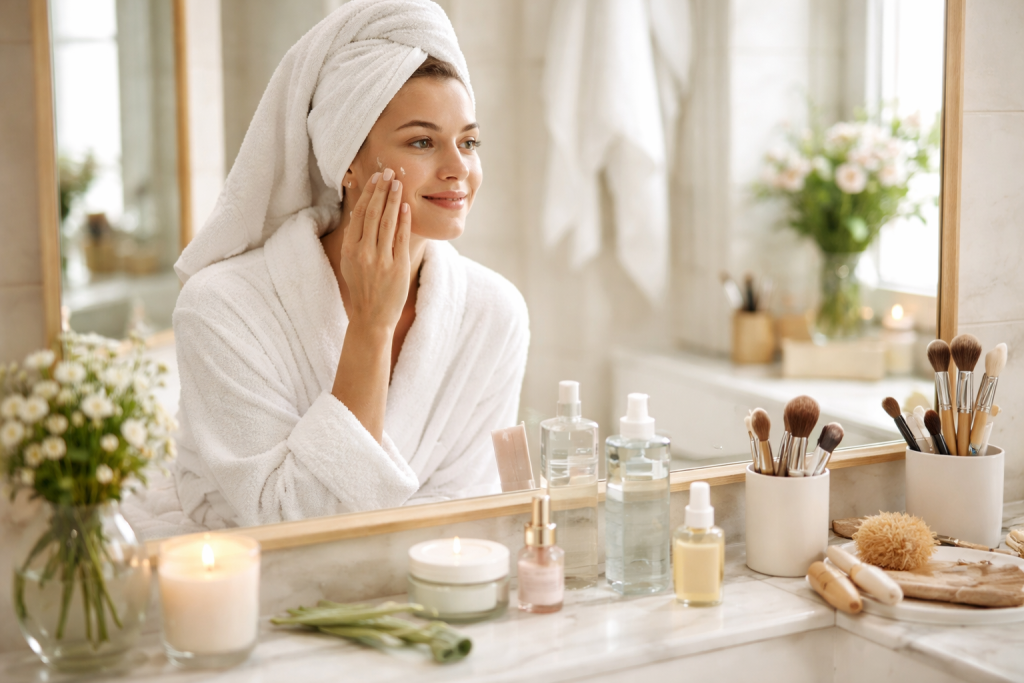
The foundation of any effective beauty routine lies in understanding the fundamental needs of your skin. Before diving into product aisles, it’s crucial to grasp the essential functions and principles of skincare.
Knowing Your Skin Type: The First Crucial Step
Identifying your skin type is paramount to selecting products that will actually benefit you, rather than potentially causing irritation or exacerbating existing issues. There are generally five main skin types: normal, dry, oily, combination, and sensitive. Normal skin is well-balanced, not too oily or too dry, with few imperfections. Dry skin often feels tight, can appear dull, and may flake or feel rough. Oily skin is characterized by excess sebum production, leading to a shiny appearance and a tendency for breakouts. Combination skin presents a mix of characteristics, often oily in the T-zone (forehead, nose, and chin) and normal or dry on the cheeks. Sensitive skin reacts easily to products, the environment, or stress, often showing redness, itching, or burning. To determine your skin type, cleanse your face thoroughly and wait for about an hour without applying any products. Observe how your skin feels and looks. If it feels tight and flaky, it’s likely dry. If it’s shiny all over, it’s oily. If only your T-zone is shiny, it’s combination. If your skin feels comfortable and looks clear, you likely have normal skin. If your skin easily becomes red or irritated, it’s on the sensitive side.
The Non-Negotiable Pillars of Skincare: Cleansing, Moisturizing, and Protecting
At the core of every effective skincare regimen are three non-negotiable steps: cleansing, moisturizing, and sun protection. Cleansing removes impurities, dirt, oil, and makeup, preventing clogged pores and allowing subsequent products to penetrate effectively. Moisturizing replenishes hydration, strengthens the skin barrier, and prevents dryness and irritation. Sun protection is arguably the most critical step, safeguarding your skin from the damaging effects of ultraviolet (UV) radiation, which can lead to premature aging, hyperpigmentation, and skin cancer. Neglecting any of these pillars can significantly hinder your progress towards healthy, radiant skin.
Understanding Ingredients: Decoding Labels for Smarter Choices
The ingredient list on a skincare product can appear daunting, but understanding a few key components can empower you to make informed decisions. Water is often the first ingredient, serving as a base. Humectants like hyaluronic acid, glycerin, and ceramides attract and bind moisture to the skin. Emollients, such as shea butter, squalane, and various plant oils, smooth and soften the skin. Active ingredients, present in smaller concentrations, target specific concerns. For instance, salicylic acid and benzoyl peroxide are common in acne treatments, while retinol and vitamin C are known for their anti-aging and brightening properties. Reading labels and researching common ingredients can help you avoid potential irritants and choose formulations that align with your skin’s needs.
Starting your beauty routine doesn’t require an elaborate collection of expensive products. Focus on acquiring a few key items that address the fundamental needs of your skin. This curated approach ensures you’re not overwhelmed and can effectively manage your initial investment while still achieving great results.
The Cleanser: A Gentle and Effective Start
Your first essential purchase should be a gentle cleanser. The type of cleanser depends on your skin type. For dry or sensitive skin, a creamy or oil-based cleanser is ideal as it cleanses without stripping natural oils. For oily or acne-prone skin, a foaming cleanser or one containing salicylic acid can help to deeply cleanse pores and control excess oil. Avoid harsh soaps or cleansers with high alcohol content, as these can disrupt the skin’s natural balance and lead to dryness or irritation. Look for terms like “gentle,” “hydrating,” or “balancing” on the product packaging.
The Moisturizer: Quenching Your Skin’s Thirst
Next on the list is a moisturizer. Like cleansers, the right moisturizer is dictated by your skin type. For dry skin, opt for richer creams or lotions that provide deep hydration. Oily skin types might prefer lightweight, oil-free gel or lotion formulas that won’t clog pores. Combination skin can benefit from a moisturizer that balances hydration without being too heavy. Look for key ingredients like hyaluronic acid, ceramides, or glycerin, which are excellent for retaining moisture. Moisturizing twice daily, after cleansing, helps to keep your skin supple, plump, and protected.
The Sunscreen: Your Daily Shield of Defense
Sunscreen is arguably the most important product you can incorporate into your routine, regardless of your skin type or the weather. A broad-spectrum sunscreen with an SPF of 30 or higher protects your skin from both UVA and UVB rays, which are responsible for premature aging, sunspots, and an increased risk of skin cancer. Many moisturizers now contain SPF, offering a convenient two-in-one solution. However, for optimal protection, consider a dedicated sunscreen. Look for formulas that are non-comedogenic if you have acne-prone skin. Reapplication throughout the day, especially during prolonged sun exposure, is crucial for maintaining adequate protection.
Developing a consistent skincare routine is more about discipline and understanding the order of application than about using a multitude of products. By following a simple, structured approach, you can maximize the efficacy of each product and build healthy habits.
The Morning Ritual: Preparing Your Skin for the Day Ahead
Your morning routine should focus on cleansing, hydrating, and protecting your skin. Start by gently cleansing your face to remove any impurities accumulated overnight and to prepare your skin for the day’s environmental stressors. If you have dry or sensitive skin, a simple rinse with lukewarm water might suffice in the morning, followed by your moisturizer. After cleansing, apply your chosen moisturizer to replenish hydration. This step is vital to create a barrier against moisture loss and environmental factors. The final, crucial step of your morning routine is applying sunscreen. Even on cloudy days, UV rays can penetrate and cause damage. By making sunscreen a non-negotiable part of your morning, you are actively protecting your skin’s long-term health and appearance.
The Evening Ritual: Repair and Rejuvenation While You Sleep
The evening routine is dedicated to thorough cleansing and targeted treatment to allow your skin to repair and regenerate overnight. Begin with a more thorough cleanse to remove makeup, sunscreen, and the day’s accumulated grime. If you wear makeup, consider a double cleansing method: first, use an oil-based cleanser or micellar water to break down makeup, followed by your regular facial cleanser. After cleansing, apply your moisturizer. If you’ve identified specific concerns, your evening routine is the ideal time to incorporate targeted treatments, such as serums or spot treatments, before your moisturizer. This allows these potent ingredients to work their magic on clean skin without competing with sunscreen.
The Importance of Timing: Product Absorption and Efficacy
The order in which you apply your skincare products matters. Generally, you’ll want to apply products from thinnest to thickest consistency. This allows lighter formulations to penetrate the skin effectively before heavier ones create a barrier. For example, toners applied after cleansing are typically water-based and prepare the skin to better absorb subsequent products. Serums, which are concentrated treatments, should come next, followed by your moisturizer, which seals in all the beneficial ingredients. Sunscreen, if applied separately, usually goes last in the morning routine. Understanding this layering principle ensures that each product can perform at its optimal level.
While a basic routine is essential, you can elevate your skincare by incorporating targeted treatments to address specific concerns. By understanding the ingredients and product types that address issues like acne, aging, or sensitivity, you can fine-tune your regimen for personalized results.
Battling Breakouts: Ingredients for Acne-Prone Skin
For those struggling with acne, incorporating ingredients like salicylic acid and benzoyl peroxide can be highly beneficial. Salicylic acid, a beta-hydroxy acid (BHA), is oil-soluble, allowing it to penetrate pores and exfoliate dead skin cells, preventing clogs. Benzoyl peroxide is an antibacterial agent that kills acne-causing bacteria. Niacinamide is another excellent ingredient as it helps to reduce inflammation and regulate oil production. Look for non-comedogenic cleansers, toners, and moisturizers to avoid worsening breakouts. Spot treatments can be used directly on blemishes for targeted action.
Turning Back Time: Key Ingredients for Anti-Aging
The journey to combating the signs of aging often involves ingredients that promote cell turnover, boost collagen production, and protect against free radical damage. Retinoids (like retinol and prescription tretinoin) are considered the gold standard for anti-aging, working to smooth fine lines, improve skin texture, and fade hyperpigmentation. Vitamin C is a potent antioxidant that brightens the skin, stimulates collagen synthesis, and protects against environmental damage. Peptides are another group of ingredients that can signal the skin to produce more collagen. Always remember that consistent sunscreen use is paramount for preventing further signs of aging.
Soothing Sensitivity: Gentle Approaches for Reactive Skin
Individuals with sensitive skin need to approach product selection with caution. The key is to opt for gentle, fragrance-free, and hypoallergenic formulas. Look for ingredients known for their calming properties, such as centella asiatica (cica), chamomile, aloe vera, and oatmeal. Avoid harsh exfoliants, high concentrations of active ingredients, and known irritants like alcohol and artificial fragrances. Patch testing new products on a small area of skin before applying them to your entire face is a wise precaution. A simple, minimalist routine focused on hydration and barrier support is often best for sensitive complexions.
The most effective skincare products and strategies will render little impact if not used consistently. Building a beauty routine is not a sprint; it’s a marathon. Cultivating the habit of regular skincare is crucial for seeing and maintaining the transformative benefits.
Making It a Habit: Integrating Skincare into Your Daily Life
The easiest way to ensure consistency is to make your skincare routine a natural part of your day. Attach it to existing habits, such as brushing your teeth or getting ready for bed. Keeping your products visible and easily accessible can also serve as a constant reminder. Automating the process, like setting morning and evening alarms, can be helpful in the initial stages. The goal is to reach a point where applying your skincare feels as automatic as taking a shower.
Patience is a Virtue: Understanding Skin’s Regeneration Cycle
Skin cells have a natural regeneration cycle, typically lasting around 28 days for younger individuals, but this can extend with age. This means that visible results from skincare products often take time to manifest. Don’t get discouraged if you don’t see dramatic changes overnight or even within the first week. Give your products at least a month to work their magic before evaluating their effectiveness. Patience and consistent application are key to allowing your skin to heal, repair, and visibly improve.
Adapting to Change: When to Adjust Your Routine
While consistency is vital, your skin’s needs can change over time due to factors like seasons, hormonal fluctuations, diet, and environmental exposure. It’s important to remain observant of your skin and be willing to adapt your routine accordingly. If you notice your skin becoming drier in winter, you might switch to a richer moisturizer. If you experience increased breakouts during a certain time of the month, you might temporarily incorporate a more targeted acne treatment. Listening to your skin and making informed adjustments will ensure your routine continues to serve you effectively.
Once you have a solid foundation in skincare, you can explore how makeup and haircare can complement your efforts, further enhancing your overall appearance and confidence. These additions can be a fun and creative way to express yourself while still prioritizing skin health.
The Art of Enhancement: Makeup Basics for Beginners
For many, makeup is an extension of a beauty routine, used to enhance natural features. Start with a few multi-tasking products. A tinted moisturizer or a light-coverage foundation can even out your skin tone without feeling heavy. Concealer is invaluable for spot-treating blemishes or under-eye circles. A multi-purpose cream for cheeks and lips can add a natural flush of color. Understanding your undertones (warm, cool, or neutral) can help you select shades of foundation, blush, and lipstick that best complement your complexion. Remember to always remove makeup thoroughly before bed to prevent pore-clogging and breakouts.
Healthy Hair, Healthy You: Basic Haircare for Beginners
Just as your skin requires care, your hair also needs attention. Begin with understanding your hair type (straight, wavy, curly, coily) and porosity (how well your hair absorbs moisture). Choose a shampoo and conditioner that are suitable for your hair type and concerns, such as dryness, oiliness, or damage. Regular conditioning is essential for maintaining moisture and preventing breakage. Gentle styling techniques, avoiding excessive heat, and protecting your hair from environmental damage will contribute to its overall health and appearance. A good haircut is also a fundamental aspect of haircare, framing your face and making styling easier.
The Synergy of Skincare, Makeup, and Haircare
The true power of a comprehensive beauty regimen lies in the synergy between skincare, makeup, and haircare. Healthy skin provides a beautiful canvas for makeup, allowing products to sit better and look more natural. Similarly, healthy hair frames your face and enhances your overall appearance. By prioritizing these three pillars, you cultivate a holistic approach to self-care that boosts both your internal and external confidence. Remember that makeup should enhance, not mask, your natural beauty, and your hair should be treated with the same care and attention as your skin.
Embarking on a beauty journey is rarely without its minor setbacks. Understanding how to navigate common challenges can prevent frustration and ensure you stay on track toward achieving your desired results.
Dealing with Breakouts or Irritation: What to Do When Things Go Wrong
If you experience unexpected breakouts or skin irritation, resist the urge to panic or try a multitude of new products. First, assess your recent product usage. Have you introduced anything new? Consider simplifying your routine back to the basics: a gentle cleanser and a basic moisturizer. Avoid picking or touching irritated areas, as this can worsen inflammation and lead to scarring. If the irritation persists or is severe, it’s always advisable to consult a dermatologist or a qualified skincare professional.
Product Overload and Confusion: Simplifying Your Approach
It’s easy to fall into the trap of buying every trendy product you see. If you find yourself with a cabinet full of half-used items and are feeling overwhelmed, take a step back. Re-evaluate your current needs and focus on a few core products that serve their purpose effectively. Organize your products logically and consider decluttering anything that hasn’t been used in over six months or that you know irritates your skin. Remember, a few well-chosen, consistently used products are far more beneficial than a vast collection of unused items.
Budgeting for Beauty: Smart Spending for Effective Results
The perception that effective skincare and makeup must be expensive is a common misconception. Many drugstore brands offer high-quality formulations at a fraction of the cost of high-end products. Focus your budget on a few key, high-impact items, such as a good sunscreen or a proven anti-aging serum if that’s your concern. Look for sales, subscribe to newsletters for discounts, and read reviews to find affordable gems. Investing in knowledge and understanding what your skin truly needs will lead to more strategic and cost-effective purchasing decisions in the long run. Your beauty journey is a personal one, and by understanding the fundamentals, building a curated collection, practicing consistency, and addressing challenges with knowledge, you can confidently progress from zero to a radiant glow.
FAQs
What is a basic skincare routine for beginners?
A basic skincare routine for beginners typically includes cleansing, moisturizing, and applying sunscreen during the day. It’s important to cleanse the skin to remove dirt and impurities, moisturize to keep the skin hydrated, and apply sunscreen to protect against sun damage.
What are the essential products for a beginner’s beauty routine?
Essential products for a beginner’s beauty routine include a gentle cleanser, moisturizer, sunscreen, and a basic exfoliant. These products form the foundation of a good skincare routine and help to keep the skin clean, hydrated, and protected from the sun.
How can a beginner establish a daily beauty routine?
A beginner can establish a daily beauty routine by starting with the basics – cleansing, moisturizing, and applying sunscreen. It’s important to be consistent with these steps and gradually introduce additional products as needed, such as serums or treatments for specific skin concerns.
How can a beginner tailor their beauty routine to address specific skin concerns?
Beginners can tailor their beauty routine to address specific skin concerns by identifying their skin type and any specific issues they want to target, such as acne, aging, or sensitivity. They can then choose products and treatments specifically designed to address those concerns.
What are some tips for sticking to a beauty routine for long-term results?
Some tips for sticking to a beauty routine for long-term results include setting a consistent schedule, keeping products visible and easily accessible, and finding a routine that works for your lifestyle. It’s also important to be patient and give products time to show results.