Maintaining long-term beauty isn’t about chasing fleeting trends or relying on expensive, quick fixes. True radiance, the kind that emanates from within and endures over decades, stems from a consistent commitment to simple yet powerful daily habits. It’s a holistic approach, a carefully woven tapestry of beneficial choices that nourish your body, mind, and spirit. This journey toward lasting beauty is accessible to everyone, requiring only dedication and a deeper understanding of how our everyday actions profoundly impact our appearance and overall well-being.
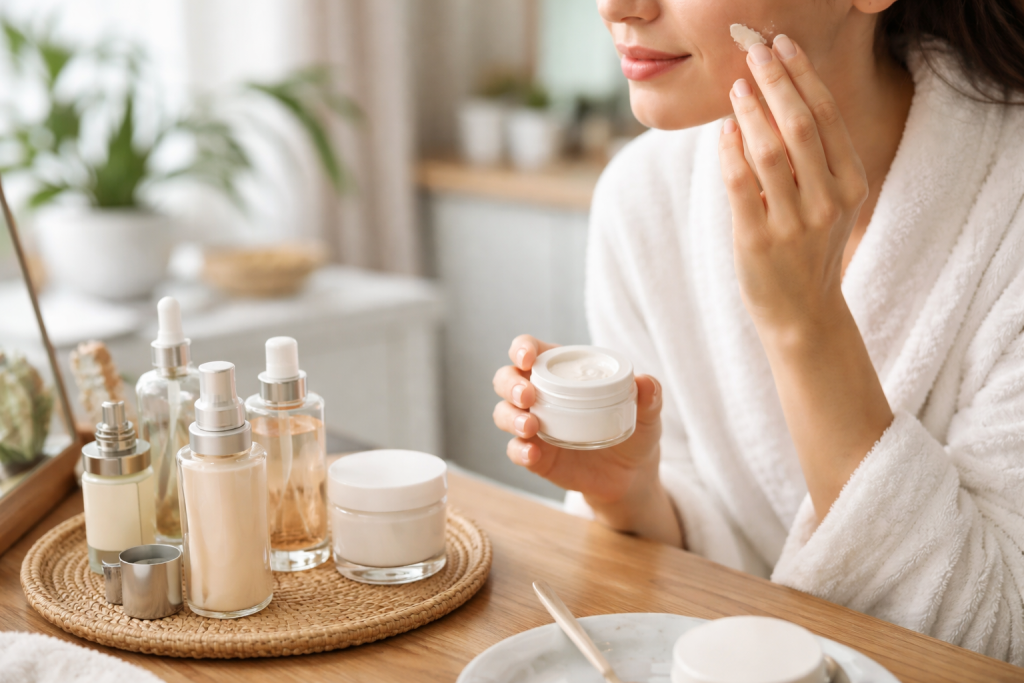
beauty,The foundation of any enduring beauty regimen lies in a consistent and thoughtful skincare routine. It’s not about elaborate, multi-step processes, but rather about understanding your skin’s needs and providing it with the essential care it deserves.
Cleansing: The First Step to a Clear Canvas
Proper cleansing is paramount. Throughout the day, our skin accumulates dirt, oil, makeup, and environmental pollutants. Failing to remove these impurities can lead to clogged pores, breakouts, and a dull complexion. Choose a gentle cleanser appropriate for your skin type—a hydrating cream cleanser for dry skin, a foaming wash for oily or combination skin, and a micellar water for sensitive types. Cleanse twice daily, in the morning to remove overnight residue and in the evening to thoroughly remove the day’s accumulation. Avoid harsh scrubbing, which can irritate the skin barrier and lead to premature aging.
Moisturizing: Hydration is Key
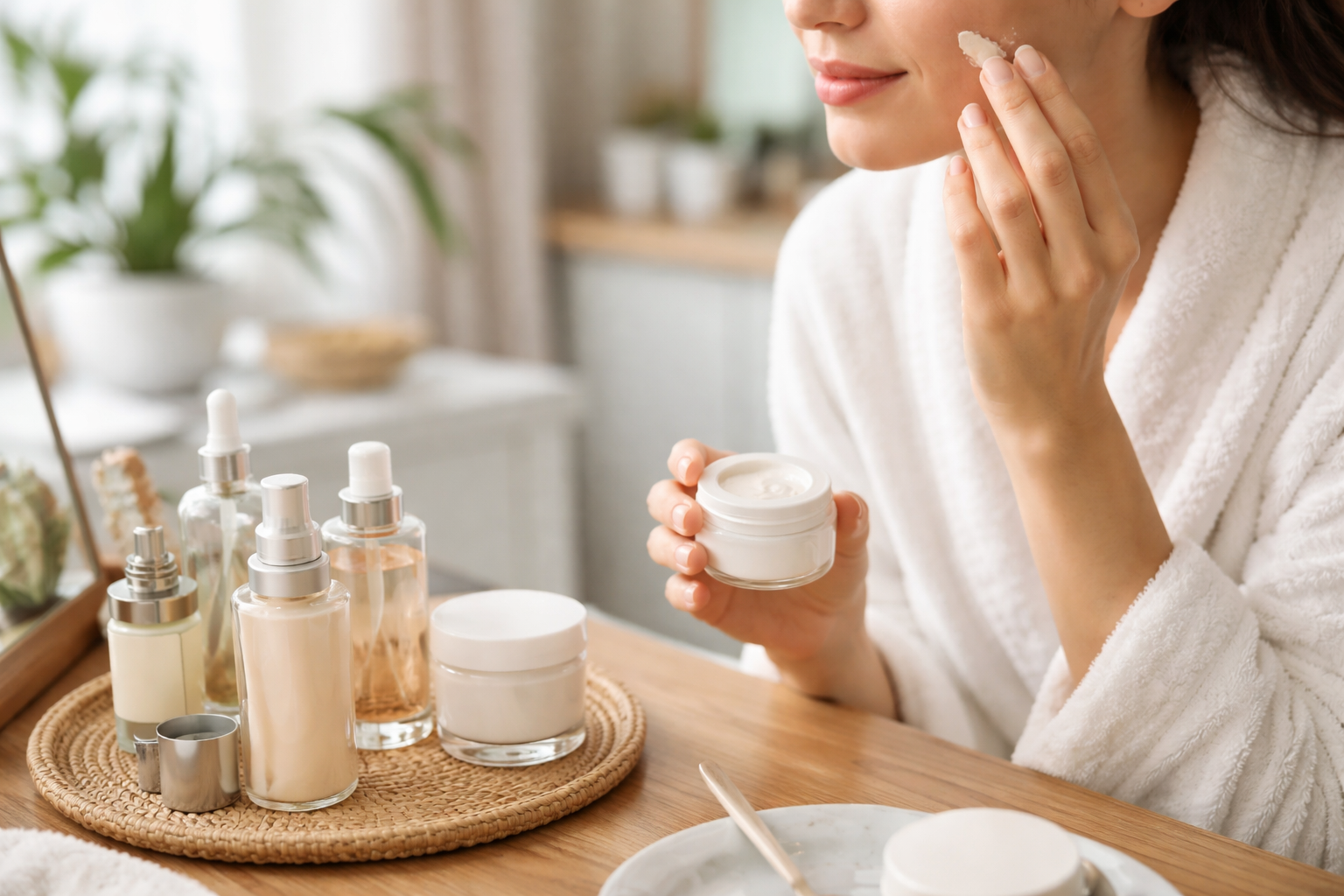
After cleansing, moisturizing is non-negotiable. A good moisturizer acts as a protective barrier, locking in hydration and preventing moisture loss. Dehydrated skin can appear fine, develop fine lines more readily, and feel tight and uncomfortable. Look for ingredients like hyaluronic acid, glycerin, and ceramides that attract and retain moisture. Even oily skin needs moisturizer; often, oily skin overproduces oil to compensate for a lack of hydration. Choose a lightweight, non-comedogenic formula for oily or acne-prone skin. Applying moisturizer while your skin is still slightly damp after a cleansing helps seal in that extra boost of hydration.
Targeting with Serums and Treatments
Serums are concentrated formulations designed to deliver potent active ingredients deep into the skin to address specific concerns. For long-term beauty, incorporating an antioxidant serum, such as one containing vitamin C, is highly beneficial. Vitamin C helps to neutralize free radicals caused by sun exposure and pollution, brightens the complexion, and stimulates collagen production. Retinoids (vitamin A derivatives) are another powerful tool, known for their ability to promote cell turnover, reduce fine lines and wrinkles, and improve skin texture. Introduce retinoids slowly to allow your skin to adjust, and always use them in conjunction with daily sun protection.
The adage “you are what you eat” holds profound truth when it comes to skin health. What we consume directly impacts the vitality and appearance of our skin. A nutrient-rich diet can make a significant difference in achieving and maintaining a radiant complexion.
The Power of Antioxidants
Antioxidants are crucial for protecting skin cells from damage caused by free radicals, which contribute to premature aging. Incorporate a wide variety of colorful fruits and vegetables into your diet. Berries, leafy greens, bell peppers, and tomatoes are excellent sources of vitamin C, vitamin E, and beta-carotene, all powerful antioxidants. These nutrients help to maintain collagen integrity, reduce inflammation, and promote an even skin tone. Think of them as internal shields against environmental stressors.
Essential Fatty Acids for Supple Skin
Omega-3 and omega-6 fatty acids are essential for maintaining the skin’s natural oil barrier, keeping it hydrated, plump, and supple. They also have anti-inflammatory properties, which can help to soothe conditions like acne and eczema. Good sources include fatty fish (salmon, mackerel), flaxseeds, chia seeds, walnuts, and avocados. Incorporating these healthy fats into your diet can lead to a noticeable improvement in skin texture and elasticity.
Hydration from Within: Beyond Water
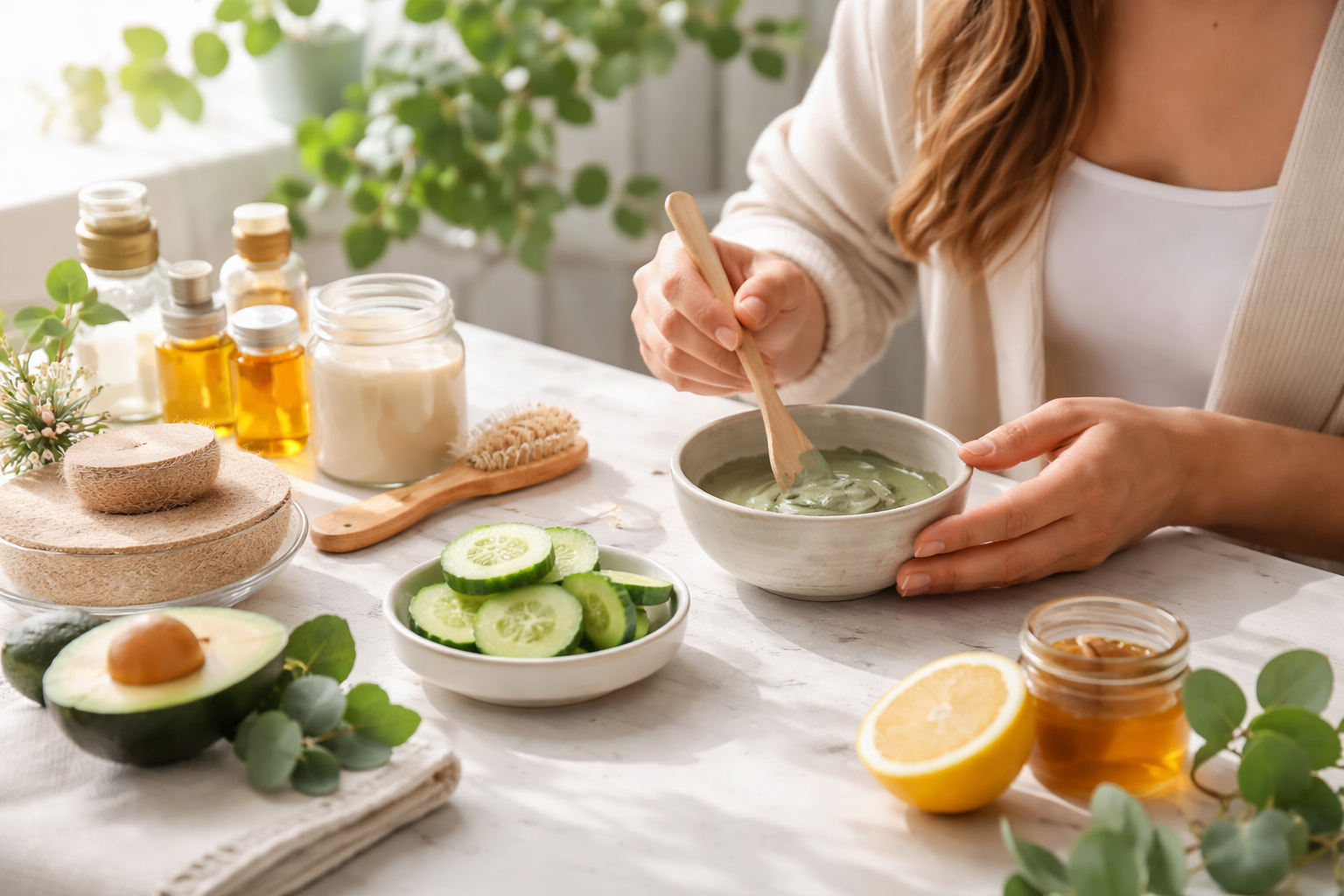
While pure water is fundamental, many fruits and vegetables also boast high water content, contributing to your overall hydration levels. Cucumbers, watermelon, celery, and oranges not only provide essential vitamins and minerals but also help to keep your body and skin adequately hydrated. Remember, well-hydrated skin appears plumper and smoother and has a healthy glow. Limit sugary drinks and excessive caffeine, as these can contribute to dehydration.
Beyond the obvious benefits for physical fitness, regular exercise profoundly impacts long-term beauty. It’s a natural glow enhancer that works from the inside out, improving circulation and promoting cellular rejuvenation.
Boosting Circulation and Nutrient Delivery
When you exercise, your heart rate increases, pumping blood more efficiently throughout your body, including to your skin. This enhanced circulation delivers vital oxygen and nutrients to skin cells, promoting their health and vitality. It also helps to carry away waste products and toxins, contributing to a clearer, more radiant complexion. Think of it as an internal detoxification process that leaves your skin looking refreshed and vibrant. Regular physical activity can give your skin a natural, healthy flush that no amount of makeup can truly replicate.
Reducing Inflammation and Promoting Cell Renewal
Exercise has anti-inflammatory effects, which can be beneficial for skin conditions like acne and rosacea, reducing redness and swelling. Furthermore, physical activity has been shown to stimulate the production of growth hormones, which play a role in cell renewal and repair. This means older, damaged skin cells are replaced more efficiently with new, healthy ones, leading to a more youthful and even-toned appearance over time. Consistent movement can also help maintain muscle tone, providing structural support beneath the skin.
Chronic stress is a silent enemy of beauty, manifesting physically in various ways, from accelerated aging to dull skin and breakouts. Learning to manage stress effectively is a vital component of maintaining a youthful and vibrant appearance for the long term.
The Impact of Cortisol on Skin
When you’re under stress, your body releases cortisol, the primary stress hormone. Elevated cortisol levels can trigger inflammation, break down collagen and elastin (the proteins responsible for skin firmness and elasticity), and disrupt the skin’s barrier function. This can lead to increased fine lines, wrinkles, dullness, and a greater susceptibility to skin conditions like acne and eczema. Managing stress is not just about feeling better; it’s about protecting your skin from these damaging hormonal effects.
Practicing Mindfulness and Relaxation
Incorporating mindfulness and relaxation techniques into your daily routine can significantly mitigate the negative effects of stress. Practices like meditation, deep breathing exercises, and yoga help to calm the nervous system, reducing cortisol levels. Even a few minutes of focused breathing each day can make a difference. Engaging in hobbies, spending time in nature, or connecting with loved ones are also powerful stress-reducers that contribute to a calmer mind and, consequently, more radiant skin.
Sleep is not a luxury; it’s a biological necessity, and its impact on our appearance is profound. Adequate, quality sleep is often referred to as “beauty sleep” for a very good reason—it’s when our body and skin undergo crucial repair and rejuvenation processes.
Cellular Repair and Regeneration
During sleep, your body enters a repair mode. Skin cells regenerate faster, and the production of hormones like human growth hormone, which is essential for collagen production, increases significantly. This cycle is also when your skin’s barrier function strengthens, helping to prevent moisture loss and protect against environmental damage. Deprive yourself of sleep, and you’re essentially robbing your skin of its ability to heal and renew itself, leading to a duller complexion, more prominent dark circles, and an exacerbation of fine lines.
Reducing Inflammation and Puffiness
Lack of sleep can lead to increased inflammation throughout the body, which can manifest as puffiness and redness, particularly around the eyes. Sleep deprivation also impairs the body’s ability to regulate fluid balance, contributing to under-eye bags. Aim for 7-9 hours of uninterrupted sleep each night. Establishing a consistent sleep schedule, creating a relaxing bedtime routine, and ensuring your bedroom is dark, quiet, and cool can all contribute to better sleep quality and, in turn, a more rested and youthful appearance.
Although we discussed hydration through diet, we cannot overstate the importance of directly consuming water. It is the fundamental building block for all bodily functions, and its impact on skin health is undeniable.
Maintaining Skin Elasticity and Plumpness
Your skin is approximately 64% water. When you’re adequately hydrated, your skin cells are plump and full, which translates to a smoother, more elastic, and vibrant complexion. Dehydrated skin, on the other hand, appears dull, is more prone to flaking, and can emphasize the appearance of fine lines and wrinkles. Think of grapes versus raisins—proper hydration keeps your skin looking like the former. Drinking sufficient water throughout the day helps your body maintain a healthy moisture balance within the skin.
Flushing Toxins and Aiding Nutrient Absorption
Water plays a crucial role in the body’s detoxification processes, helping to flush out waste products and toxins that can negatively impact skin health. It also aids in the efficient transport of nutrients to the skin cells, ensuring they receive the nourishment they need to function optimally. While the exact amount varies based on individual factors like activity level and climate, aiming for at least eight glasses of water daily is a beneficial general guideline. Keep a water bottle handy and sip throughout the day to ensure consistent hydration.
If there’s one single most important habit for long-term beauty, it is unwavering sun protection. The sun’s rays are the primary external culprit behind premature aging and skin damage.
Preventing Photoaging and Skin Damage
Ultraviolet (UV) radiation from the sun is responsible for the vast majority of visible signs of aging, collectively known as photoaging. This includes fine lines, wrinkles, sunspots, uneven skin tone, and a loss of elasticity. UVA rays penetrate deep into the skin, damaging collagen and elastin, while UVB rays are the primary cause of sunburn. Daily, year-round sun protection is non-negotiable, even on cloudy days or when indoors near windows. Without it, all other beauty efforts would be futile.
Daily Sunscreen Application
The cornerstone of sun protection is daily application of a broad-spectrum sunscreen with an SPF of 30 or higher. “Broad-spectrum” means it protects against both UVA and UVB rays. Apply it generously as the last step in your morning skincare routine, before makeup, and reapply every two hours if you’re outdoors, swimming, or sweating. Don’t forget often-neglected areas like the neck, chest, and hands. Combining sunscreen with other protective measures, such as wearing wide-brimmed hats, sunglasses, and protective clothing, further enhances your defense against sun damage. This consistent vigilance is the most powerful anti-aging tool at your disposal.
FAQs
1. What are some simple daily habits to maintain long-term beauty?
Some simple daily habits to maintain long-term beauty include following a consistent skincare routine, eating a healthy diet, exercising regularly, managing stress, getting quality sleep, staying hydrated, and protecting your skin from the sun.
2. What should be included in a skincare routine for long-term beauty?
A skincare routine for long-term beauty should include cleansing, exfoliating, moisturizing, and applying sunscreen daily. Additionally, using serums and treatments tailored to specific skin concerns can also be beneficial.
3. How do healthy eating habits contribute to radiant skin?
Healthy eating habits contribute to radiant skin by providing essential nutrients, antioxidants, and hydration that support skin health. Foods rich in vitamins, minerals, and omega-3 fatty acids can help maintain a youthful and glowing complexion.
4. What is the importance of regular exercise for beauty?
Regular exercise is important for beauty as it improves blood circulation, promotes the delivery of oxygen and nutrients to the skin, helps in detoxification, and reduces stress levels, all of which contribute to a healthy and radiant appearance.
5. How does stress management impact youthful appearance?
Effective stress management techniques such as meditation, deep breathing, yoga, and mindfulness can help reduce the production of stress hormones like cortisol, which can contribute to premature aging and skin issues. Managing stress can help maintain a youthful appearance.