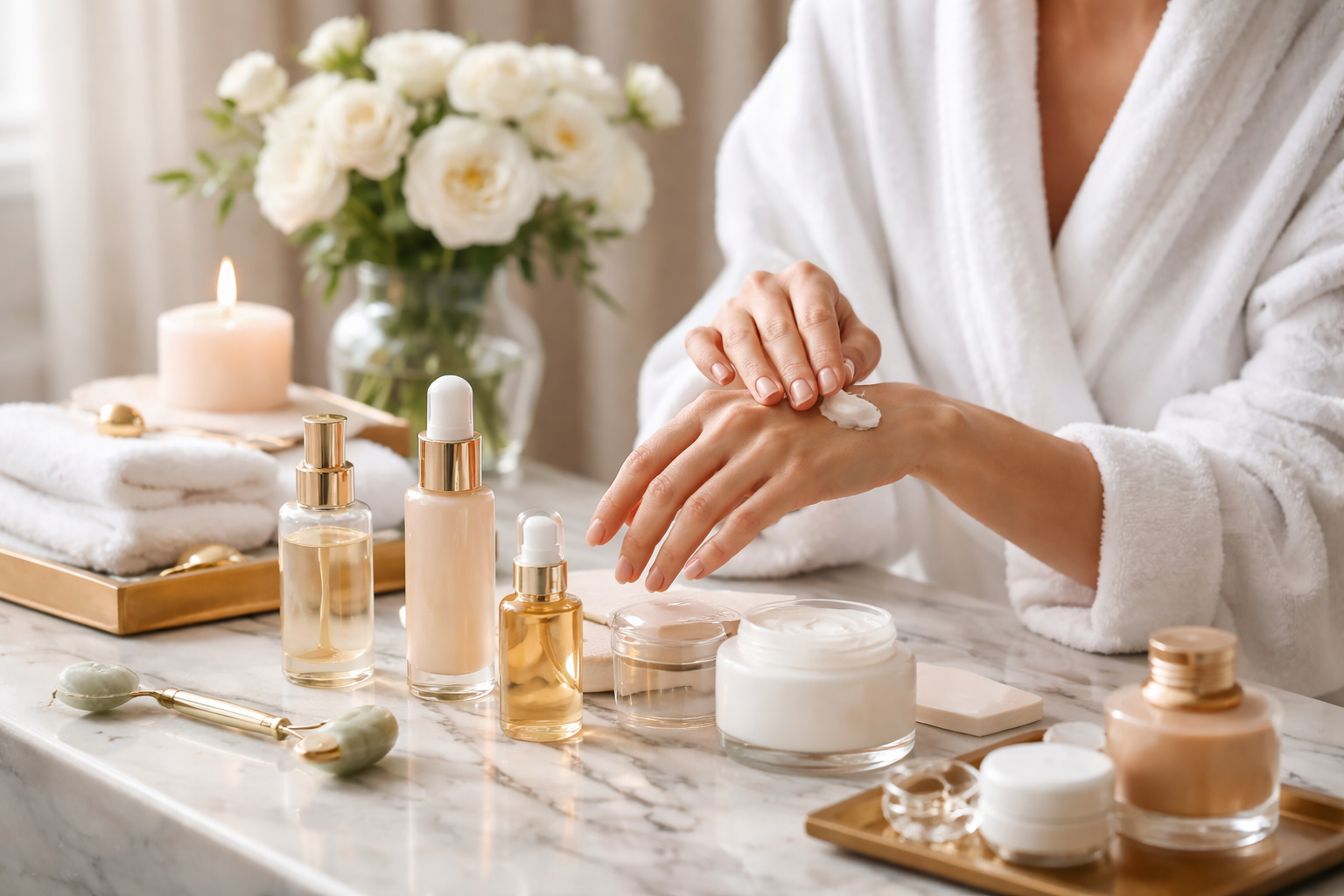
The journey to radiant, healthy skin is not an overnight transformation but a consistent practice of mindful care. Mastering the art of daily skincare is about understanding your skin’s unique needs and implementing a routine that nourishes, protects, and rejuvenates. This comprehensive guide will equip you with the knowledge and tools to achieve that coveted glow, transforming your bathroom into a sanctuary of self-care.

At its heart, daily skincare is a commitment to skin health. It’s about more than just applying products; it’s about learning the basic processes that keep your skin functioning optimally and defending it against the daily onslaught of environmental stressors. The skin, our body’s largest organ, acts as a protective barrier, and its health directly influences our overall well-being and appearance. Embracing a consistent routine provides the support this vital organ needs to thrive.
The Skin’s Natural Defenses and How Skincare Supports Them
Your skin possesses remarkable natural defenses, including its lipid barrier, which helps retain moisture and prevent irritants from entering. Daily skincare practices aim to work in harmony with these natural mechanisms, reinforcing them rather than disrupting them. Cleansing, when done correctly, removes impurities without stripping away essential oils. Moisturizing replenishes lost hydration, supporting the skin’s natural barrier function. Exfoliation, in moderation, helps shed dead skin cells that can impede cellular turnover and dull the complexion.
The Science Behind Healthy Skin
Understanding the basic science of skin is empowering. Skin is composed of three main layers: the epidermis, dermis, and hypodermis. The epidermis is the outermost layer, constantly renewing itself through a process of cell division and shedding. The dermis lies beneath, containing collagen and elastin fibers that provide structure and elasticity. The hypodermis is the deepest layer, composed of fat and connective tissue. Skincare products work on various levels, from superficial exfoliation of the epidermis to deeper penetration that can stimulate collagen production.
Environmental Factors and Their Impact
Environmental aggressors constantly battle our skin. Environmental aggressors such as pollution, UV radiation, stress, and even diet can cause premature aging, inflammation, and breakouts. A robust daily skincare routine acts as a shield, mitigating these negative impacts and promoting skin resilience.
The most effective skincare routine is not a one-size-fits-all prescription but a carefully curated regimen tailored to your individual skin type, concerns, and lifestyle. This personalized approach ensures that you are providing your skin with exactly what it needs to flourish, avoiding unnecessary products or potentially irritating ingredients.
Identifying Your Skin Type: The Foundation of Personalization
The first and most crucial step in building a personalized routine is accurately identifying your skin type. This will dictate the types of products and ingredients that will be most beneficial.
Oily Skin Characteristics
Oily skin is characterized by excess sebum production, often leading to a shiny appearance, enlarged pores, and a tendency toward breakouts like blackheads and pimples.
Dry Skin Characteristics
Dry skin lacks sufficient moisture and oil, resulting in a tight, flaky, or rough texture. It may also appear dull and be more prone to irritation and fine lines.
Combination Skin Characteristics
Combination skin presents a mix of oily and dry areas, typically with an oily T-zone (forehead, nose, and chin) and drier cheeks.
Normal Skin Characteristics
Normal skin is well-balanced, neither too oily nor too dry, with small pores and a smooth, even texture.
Sensitive Skin Characteristics
Sensitive skin reacts easily to products and environmental factors, showing redness, itching, or burning, learning the basics or stinging sensations.
Setting Realistic Goals for Your Skin
Before embarking on your skincare journey, define what you hope to achieve. Are you aiming to reduce acne, combat signs of aging, improve hydration, or achieve a more even skin tone? Setting clear, achievable goals will help you select appropriate products and track your progress.
The Essential Steps: Morning and Evening Rituals
A comprehensive daily routine typically involves a morning and an evening regimen, each serving distinct purposes.
The Morning Routine: Protection and Preparation
The morning routine focuses on preparing your skin for the day ahead and protecting it from environmental damage. This usually involves cleansing, applying targeted treatments, and most importantly, sun protection.
The Evening Routine: Repair and Renewal
The evening routine is dedicated to cleansing away the day’s grime and applying treatments that support skin repair and regeneration while you sleep. This often includes more potent treatments.
These three pillars form the bedrock of any effective daily skincare routine. Neglecting one or more can significantly hinder your progress toward healthy, glowing skin. Understanding their purpose and performing them correctly is paramount.
The Art of Cleansing: More Than Just Removing Makeup
Cleansing is the first and arguably most critical step. It removes impurities, pollutants, excess oil, and makeup without stripping your skin of its natural moisture barrier. The goal is to effectively cleanse while maintaining the skin’s delicate balance.
Choosing the Right Cleanser for Your Skin Type
- For Oily or Acne-Prone Skin: Look for foaming cleansers or those with salicylic acid, which can help unclog pores.
- For Dry or Sensitive Skin: Opt for gentle, creamy, or oil-based cleansers that are hydrating and non-stripping.
- For Combination Skin: You might benefit from a mild foaming cleanser or even different cleansers for different areas.
The Double Cleansing Method: A Deeper Cleanse
This popular technique involves using an oil-based cleanser or micellar water first to break down makeup and sunscreen, followed by a water-based cleanser to wash away remaining impurities. It’s particularly effective for those who wear heavy makeup or sunscreen regularly.
Exfoliation: Unveiling Your Radiant Complexion
Exfoliation is the process of removing dead skin cells from the surface of your skin, revealing fresher, brighter skin underneath. It can improve skin texture, unclog pores, and enhance the absorption of other skincare products. However, over-exfoliation can lead to irritation and damage.
Chemical Exfoliation vs. Physical Exfoliation
- Chemical Exfoliants: These use acids like AHAs (alpha-hydroxy acids, such as glycolic and lactic acid) and BHAs (beta-hydroxy acids, such as salicylic acid) to dissolve the bonds between dead skin cells. They are generally gentler and more effective for many.
- Physical Exfoliants: These involve using scrubs with small particles like sugar, salt, or microbeads to manually slough off dead skin cells. Care must be taken to avoid harsh scrubbing and opt for finely milled particles.
Frequency and Considerations for Exfoliation
The frequency of exfoliation depends on your skin type and the strength of the product. Oily and resilient skin might tolerate exfoliation a few times a week, while dry and sensitive skin might only need it once a week or even less. Always pay attention to how your skin feels.
Moisturizing: The Hydration Necessity
Moisturizing is essential for all skin types, even oily skin. It replenishes water content, reinforces the skin’s natural barrier, and prevents it from becoming dry, flaky, or irritated. Well-hydrated skin appears plumper, smoother, and more youthful.
Understanding Different Moisturizer Formulations
- Lotions: Lighter in consistency, suitable for normal to oily skin.
- Creams: Thicker and richer, ideal for dry or normal-dry skin.
- Ointments: The heaviest, often petrolatum-based, used for extremely dry or compromised skin.
- Gels: Lightweight and oil-free, perfect for oily or acne-prone skin.
Key Ingredients to Look For in Moisturizers
Humectants (like hyaluronic acid and glycerin) draw moisture into the skin, emollients (like ceramides and fatty acids) smooth and soften, and occlusives (like dimethicone and shea butter) create a barrier to seal in moisture.
Sun protection is not merely a recommendation; it is a cornerstone of healthy aging and skin cancer prevention. UV radiation from the sun is a primary contributor to premature aging, including wrinkles, fine lines, and dark spots, as well as increasing the risk of skin cancer.
The Spectrum of Sun Protection: UVA and UVB Rays
It’s crucial to understand that the sun emits different types of ultraviolet (UV) radiation. UVB rays are the primary cause of sunburn, while UVA rays penetrate deeper into the skin and contribute to premature aging and skin cancer. A broad-spectrum sunscreen protects against both.
Understanding SPF: What Does It Mean?
Sun Protection Factor (SPF) primarily measures protection against UVB rays. An SPF of 30 blocks about 97% of UVB rays, while SPF 50 blocks about 98%. While higher SPFs offer slightly more protection, consistent application is more important than chasing extremely high numbers.
Choosing the Right Sunscreen for Your Needs
The best sunscreen is one you will use consistently.
Mineral vs. Chemical Sunscreens
- Mineral Sunscreens (Physical Blockers): Contain zinc oxide and titanium dioxide, which sit on the skin’s surface and physically block UV rays. They are often better tolerated by sensitive skin.
- Chemical Sunscreens: Absorb UV rays and convert them into heat, which is then released from the skin. They are often more sheer and easier to blend.
Daily Application: Beyond Beach Days
Sunscreen should be applied every single day, regardless of the weather or whether you’ll be indoors or outdoors. Even on cloudy days, UV rays can penetrate the clouds. Reapplication is key, especially after sweating or swimming.
Once you have a solid foundation of cleansing, exfoliating, and moisturizing, you can begin to address specific skincare concerns that may be bothering you. This might involve incorporating targeted treatments into your routine.
Tackling Acne and Breakouts
Acne is a common concern, ranging from occasional pimples to more persistent pustules and cysts.
Key Ingredients for Acne Treatment
- Salicylic Acid: Helps to unclog pores and reduce inflammation.
- Benzoyl Peroxide: Kills acne-causing bacteria and helps to reduce redness.
- Retinoids (Prescription or Over-the-Counter): Promote cell turnover and prevent clogged pores.
Lifestyle Factors that Influence Acne
Diet, stress management, and proper hygiene can all play a role in managing acne breakouts. Avoid touching your face unnecessarily.
Fighting the Signs of Aging: Wrinkles and Fine Lines
As we age, our skin naturally produces less collagen and elastin, leading to wrinkles and a loss of firmness.
Powerhouse Anti-Aging Ingredients
- Retinoids: Stimulate collagen production and improve cell turnover.
- Vitamin C: A potent antioxidant that brightens the skin and protects against free radical damage.
- Peptides: Signal the skin to produce more collagen.
- Hyaluronic Acid: Plumps the skin by attracting and retaining moisture.
Managing Hyperpigmentation and Uneven Skin Tone
Specific treatments can address dark spots, sun spots, and general unevenness in skin tone.
Ingredients for Brightening and Evening Tone
- Vitamin C: Helps to inhibit melanin production and brighten the complexion.
- Niacinamide: Reduces inflammation and can help to fade dark spots.
- Alpha Arbutin and Kojic Acid: Also recognized for their skin-brightening properties.
Soothing Sensitive and Irritated Skin
For those with sensitive skin, the focus shifts to gentle, calming ingredients and avoiding potential irritants.
Calming Ingredients to Seek
- Chamomile and Green Tea Extract: Possess anti-inflammatory properties.
- Centella Asiatica (Cica): Known for its healing and soothing benefits.
- Oat extract can help calm redness and irritation.
The most effective skincare routine is one that is practiced diligently and consistently. Patience is key, as it takes time for your skin to respond to new treatments and changes.
The Power of Consistency
Skipping steps or being inconsistent with your routine will significantly hinder your progress. Think of your daily skincare as a marathon, not a sprint. Regular application of products allows them to work effectively and build up their benefits over time.
Listening to Your Skin and Making Adjustments
Your skin’s needs can change due to factors like seasons, hormones, stress, and age. Regularly assess how your skin is feeling and looking, and don’t be afraid to adjust your routine or products accordingly. If a product causes irritation, discontinue use.
Patience and Realistic Expectations
It often takes weeks, if not months, to see significant improvements from a new skincare routine. Be patient with yourself and your skin. Celebrate small victories and understand that managing skin health is an ongoing journey.
Seeking Professional Advice When Needed
For persistent or severe skin concerns, consulting a dermatologist or a qualified esthetician is invaluable. They can provide expert diagnoses and recommend more targeted treatments and prescription-strength products.
Embarking on this journey of mastering the art of daily skincare is an investment in your present and future self. By understanding the basics, personalizing your routine, and committing to consistency, you will unlock the potential for healthy, radiant skin that truly glows from within.
FAQs
1. What are the basics of daily skincare?
Daily skincare basics include cleansing, exfoliating, moisturizing, and applying sun protection. These steps help to remove impurities and dead skin cells and protect the skin from environmental damage.
2. How can I create a personalized skincare routine?
To create a personalized skincare routine, it’s important to identify your skin type and specific concerns. This will help you choose the right products and establish a routine that addresses your individual needs.
3. How do I choose the right products for my skin type?
Choosing the right products for your skin type involves understanding whether you have dry, oily, combination, or sensitive skin. Look for products that are formulated to address your specific skin concerns and avoid ingredients that may irritate your skin.
4. Why are cleansing, exfoliating, and moisturizing important for skincare?
Cleansing helps to remove dirt, oil, and makeup, while exfoliating removes dead skin cells and promotes cell turnover. Moisturizing helps to hydrate the skin and maintain its barrier function, keeping it healthy and glowing.
5. How can I incorporate sun protection into my daily skincare routine?
Incorporating sun protection into your daily skincare routine involves using a broad-spectrum sunscreen with at least SPF 30 every day, even on cloudy days. This helps to protect the skin from harmful UV rays and prevent premature aging and skin damage.