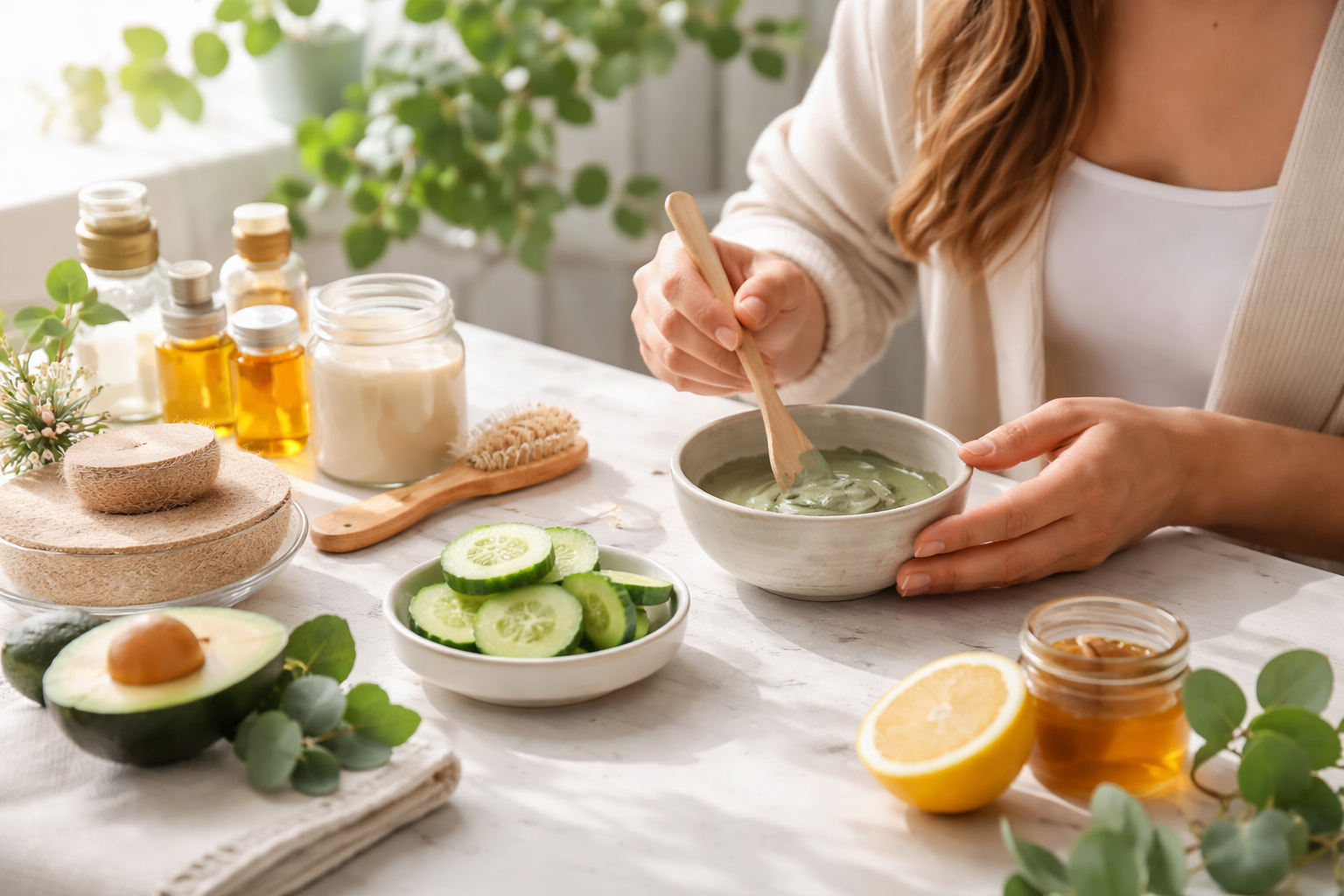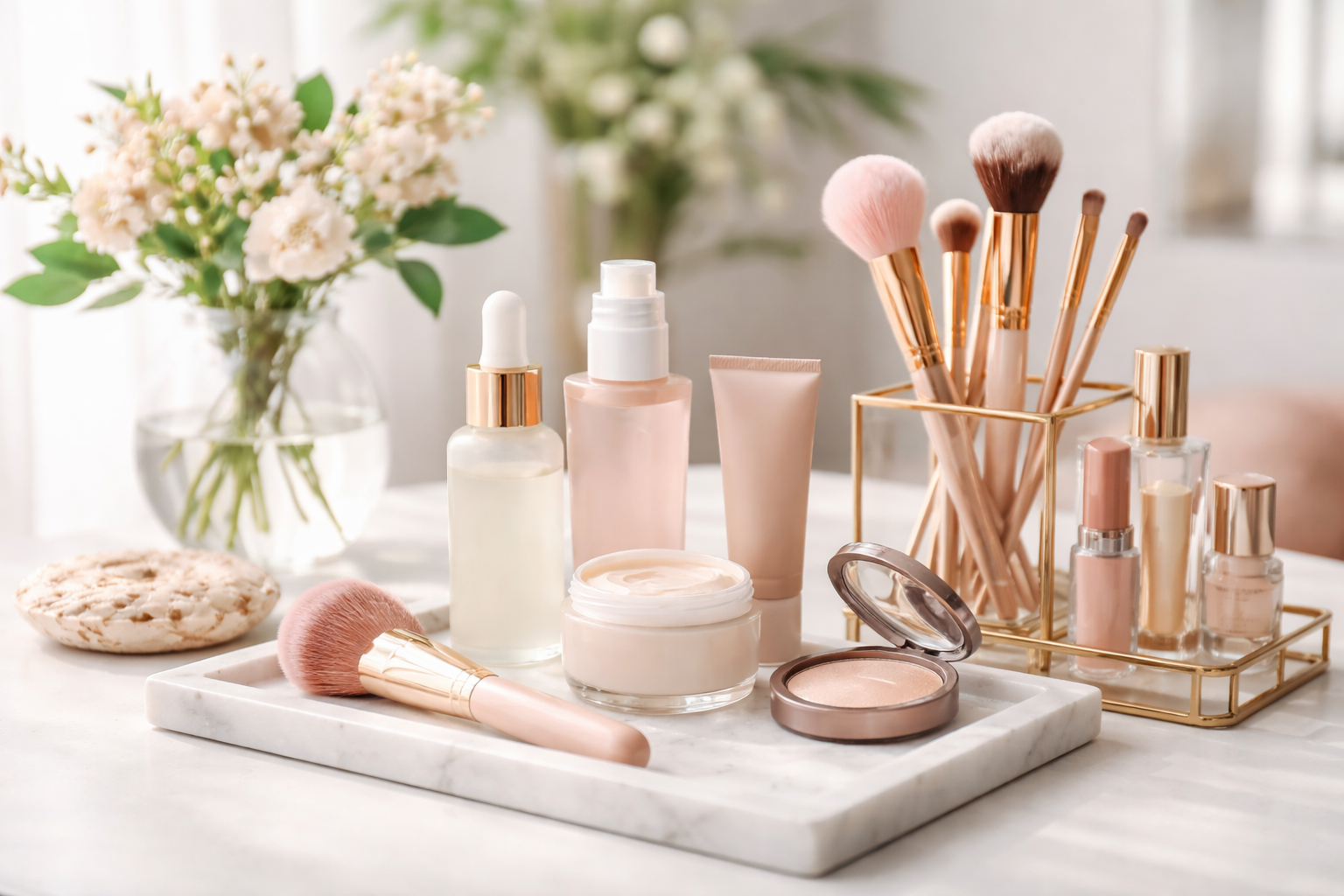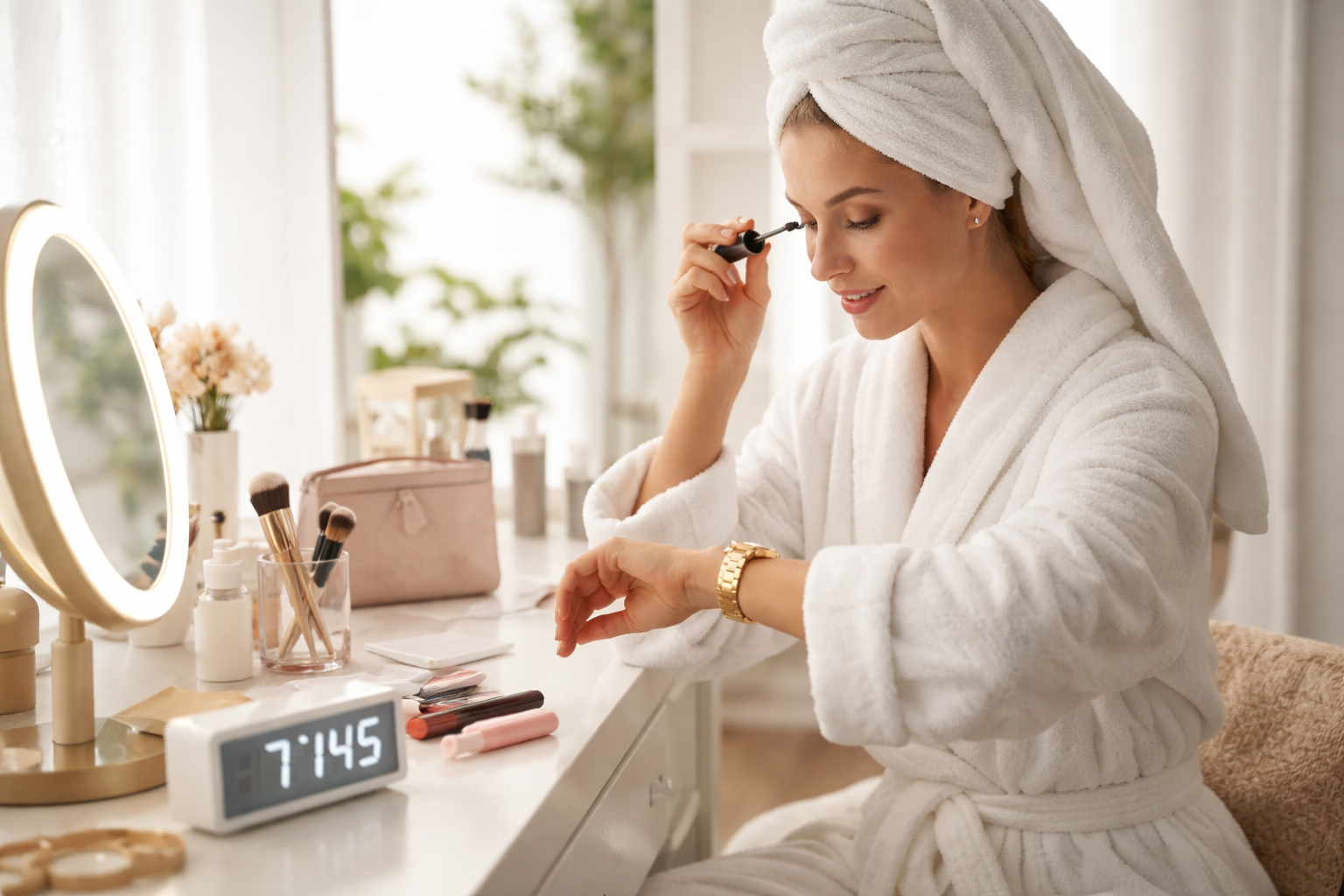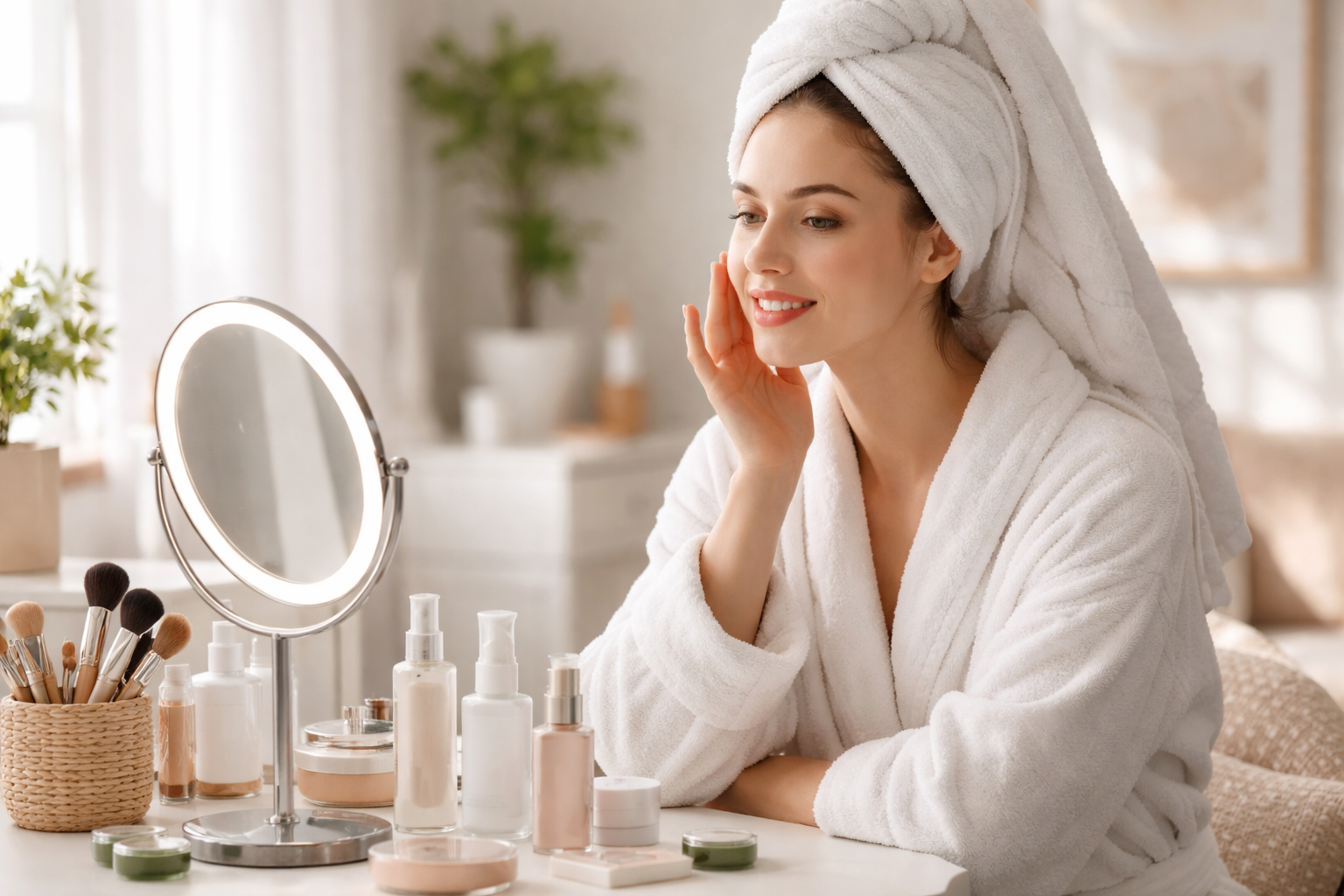
Embarking on the world of beauty can feel a little overwhelming with the sheer volume of products, techniques, and advice available. But fear not, aspiring beauty enthusiasts! This comprehensive guide is designed to equip you with the foundational knowledge and practical tips you need to confidently begin your personal beauty journey. From understanding your unique skin to exploring makeup and hair care, and ultimately embracing self-care, we’ll break down each step into manageable, beginner-friendly sections.
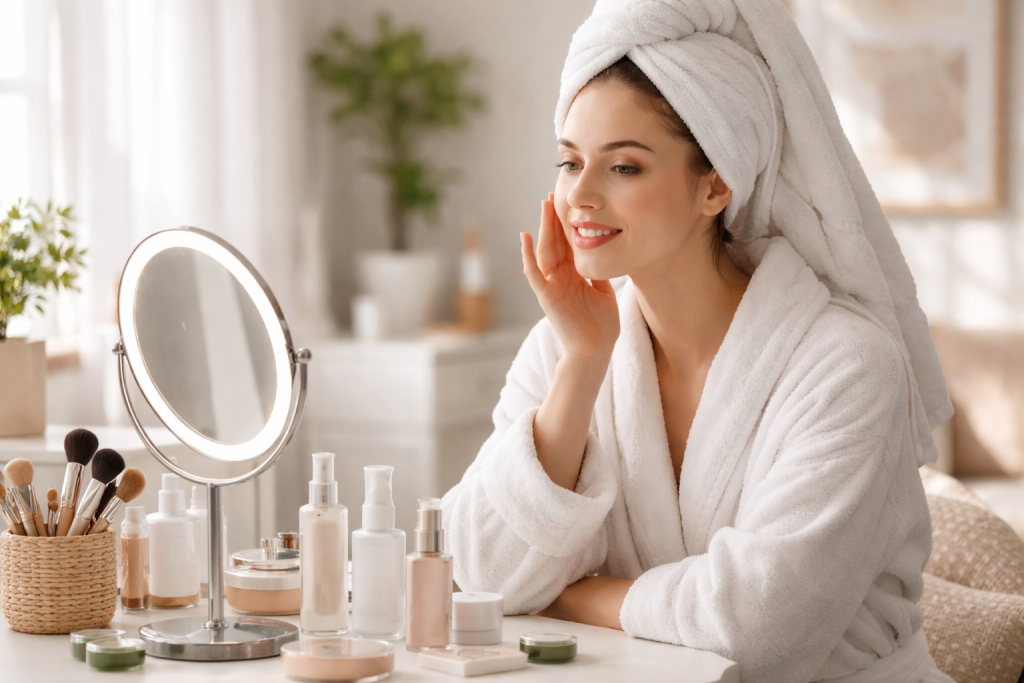
The cornerstone of any effective beauty routine, whether it’s skincare or makeup, lies in a deep understanding of your skin type. Knowing your skin’s inherent characteristics will guide you in selecting the right products that nourish, protect, and enhance its natural beauty. It’s not about chasing trends, but about working with your skin, not against it.
Identifying Your Dominant Skin Type
There are typically five main skin types, and understanding which one (or combination) you have is the first crucial step.
Oily Skin
Characterized by excess sebum production, oily skin often appears shiny, especially in the T-zone (forehead, nose, and chin). It can be prone to enlarged pores and breakouts.
Dry Skin
Dry skin lacks sufficient moisture and natural oils. It often feels tight, flaky, and can appear dull. Fine lines may be more noticeable.
Combination Skin
This is perhaps the most common skin type, where different areas of the face exhibit different characteristics. Usually, the T-zone is oily, while the cheeks are normal to dry.
Normal Skin
Lucky you! Normal skin is well-balanced, neither too oily nor too dry. It has a smooth texture, small pores, and is generally less prone to imperfections.
Sensitive Skin
Sensitive skin is more reactive and prone to irritation, redness, and stinging when exposed to certain ingredients or environmental factors. It often requires gentle, fragrance-free products.
The Simple Wash-and-Wait Test
A straightforward method to help determine your skin type involves a simple test after cleansing. Wash your face with a gentle cleanser and pat it dry. Then, wait for about 30 minutes without applying any products. Observe your skin:
- If your face feels tight and dry all over, you likely have dry skin.
- If your face appears shiny and oily everywhere, you probably have oily skin.
- If your T-zone is shiny but your cheeks feel tight, you have combination skin.
- If your skin feels comfortable and balanced with no noticeable shine or tightness, you likely have normal skin.
- If your skin becomes red, itchy, or stings during this process or after applying any product, you have sensitive skin.
Understanding these characteristics will be your compass as you navigate the vast world of skincare and makeup.
Once you understand your skin type, you can begin to build a foundational skincare routine. This doesn’t need to be complicated or involve dozens of products. A few key steps, consistently followed, can make a significant difference. The goal is to cleanse, treat, and protect your skin, keeping it healthy and well-maintained.
The Essential Trio: Cleanse, Moisturize, Protect
These three steps form the bedrock of any effective skincare routine.
Step 1: Cleansing – The Daily Reset
Cleansing removes impurities, excess oil, makeup, and environmental pollutants that can clog pores and dull your complexion. The key is to choose a cleanser appropriate for your skin type.
- For Oily Skin: Look for foaming or gel cleansers that effectively remove excess oil without stripping the skin completely, which can lead to overproduction of oil.
- For Dry Skin: Opt for cream or lotion cleansers that are hydrating and gentle, avoiding anything that leaves your skin feeling tight.
- For Combination Skin: A gentle, balancing cleanser will work well. You might consider a mild foaming cleanser.
- For Sensitive Skin: Fragrance-free, hypoallergenic, and sulfate-free cleansers are your best bet to avoid irritation.
Step 2: Moisturizing – The Hydration Station
Moisturizing is vital for all skin types, even oily skin. It replenishes lost moisture, strengthens the skin barrier, and keeps your skin looking plump and healthy.
- For Oily Skin: Choose lightweight, oil-free, or gel-based moisturizers. Ingredients like hyaluronic acid can provide hydration without greasiness.
- For Dry Skin: Richer creams or lotions with ingredients like ceramides, shea butter, or glycerin will provide much-needed moisture and nourishment.
- For Combination Skin: A lightweight lotion or gel moisturizer for the T-zone and a slightly richer one for drier areas can be an option, or a single product that balances well.
- For Sensitive Skin: Again, fragrance-free, hypoallergenic formulas are paramount. Look for soothing ingredients like aloe vera or chamomile.
Step 3: Sun Protection – Your Daily Shield
This is arguably the most crucial step for long-term skin health and preventing premature aging. Sunscreen should be applied every single day, regardless of the weather or whether you’re indoors.
- Choose a Broad-Spectrum SPF 30 or Higher: Broad-spectrum protects against both UVA (aging) and UVB (burning) rays.
- Apply Generously: Don’t skimp on sunscreen application.
- Reapply: If you are spending extended time outdoors, reapply every two hours.
Expanding Your Routine (Optional for Beginners)
As you become more comfortable, you can gradually introduce additional steps.
Serums – Targeted Treatments
Serums are concentrated treatments with potent active ingredients designed to address specific concerns like acne, fine lines, dark spots, or dullness. For beginners, a hydrating serum with hyaluronic acid or a vitamin C serum for brightening can be excellent starting points.
Exfoliation – The Renewal Process
Exfoliation sloughs off dead skin cells, revealing brighter, smoother skin. This can be done with chemical exfoliants (like AHAs or BHAs) or physical exfoliants (gentle scrubs). It’s important not to over-exfoliate, especially for beginners. Start once or twice a week and see how your skin responds.
Remember, consistency is key. Stick to your basic routine for at least several weeks to see tangible results before considering major changes.
Stepping into the realm of makeup can be exciting, and a few well-chosen essentials will set you up for success without creating an overwhelming collection. The goal is to enhance your natural features and learn the basics of application.
The Non-Negotiable Basics
These are the foundational products that will allow you to create a polished look for everyday wear.
Foundation or Tinted Moisturizer – Your Base
Choosing the right base product is important for creating an even complexion.
- Tinted Moisturizer: Offers a sheer wash of color and hydration, perfect for a natural, dewy finish. It’s a fantastic starting point for beginners.
- Lightweight Foundation: Provides a bit more coverage than a tinted moisturizer, but still looks natural. Look for formulas described as “sheer-to-medium coverage” or “natural finish.”
When selecting your shade, test it on your jawline in natural light to ensure it blends seamlessly with your skin tone.
Concealer – The Spot Corrector
Concealer is your secret weapon for targeting specific areas, like under-eye circles or blemishes. Choose a shade that closely matches your foundation or is slightly lighter for brightening the under-eye area. A creamy formula is often easiest for beginners to blend.
Blush – Adding a Healthy Flush
Blush brings life and color back to your face, mimicking a natural flush. Cream blushes are often more forgiving and easier for beginners to blend into the skin for a seamless look. Powder blushes can also work well, but require a slightly different application technique. Experiment with peachy, rose, or berry tones to see what complements your complexion.
Mascara – Opening Up Your Eyes
Mascara is a transformative product that instantly makes your eyes appear larger and more awake. Look for a lengthening or volumizing mascara that is easy to apply without clumping. Many beginners start with black mascara to define their lashes.
Lip Balm or Tinted Lip Balm – Hydration and a Hint of Color
Keeping your lips hydrated is essential, and a tinted lip balm offers both moisture and a subtle touch of color. This is an effortless way to add a polished feel to your look without the commitment of lipstick. Natural pinks, peaches, or clear balms are excellent beginner choices.
Essential Tools
Having a few basic tools will greatly improve your makeup application.
- Fingers: For many beginners, your clean fingertips are your best makeup tools, especially for blending tinted moisturizers, cream blushes, and concealer.
- Makeup Sponge: A damp makeup sponge is excellent for applying and blending foundation and concealer for a smooth, airbrushed finish.
- Blush Brush: A soft, fluffy brush is ideal for applying powder blush. For cream blushes, your fingers or a dense brush can work.
Start with these essentials, and as you gain confidence, you can explore other products like eyeshadow, eyeliner, and lipstick. Practice makes perfect, so don’t be afraid to experiment!
We’ve touched on it in skincare, but the importance of sun protection cannot be overstated, especially when you’re beginning your beauty journey. It’s an investment in your skin’s future, preventing not only sunburns but also the visible signs of aging and significantly reducing the risk of skin cancer.
Understanding the Threats: UVA and UVB Rays
The sun emits ultraviolet (UV) radiation, which is broadly categorized into two types that affect your skin differently:
UVB Rays – The Burners
These rays are the primary cause of sunburn. They penetrate the outer layer of your skin and can damage skin cells.
UVA Rays – The Age Accelerators
UVA rays penetrate deeper into the skin and are responsible for premature aging, such as wrinkles, fine lines, and sunspots. They also contribute to skin cancer.
Making Sunscreen Your Daily Ritual
Integrating sunscreen into your daily routine is the single most effective step you can take to protect your skin.
Choosing the Right Sunscreen
- Broad-Spectrum Protection: Always select a sunscreen that states it offers broad-spectrum protection, meaning it guards against both UVA and UVB rays.
- SPF 30 or Higher: For adequate protection, aim for an SPF of 30 or higher. SPF (Sun Protection Factor) measures how well a sunscreen protects against UVB rays.
- Consider Your Skin Type: Many brands now offer sunscreens formulated for specific skin types, such as oil-free for oily skin or hydrating for dry skin. Sensitive skin types may benefit from mineral sunscreens containing zinc oxide and titanium dioxide, which are generally less irritating.
Application is Key
- Apply Generously: Don’t underestimate the amount of sunscreen needed. A good rule of thumb is about a shot glass full for your entire body. For your face, aim for a nickel-sized amount.
- Apply Last: In your skincare routine, sunscreen should be the final step before applying makeup.
- Don’t Forget Hidden Spots: Remember to apply sunscreen to often-missed areas like your ears, neck, the tops of your feet, and the backs of your hands.
- Reapplication: If you’re swimming, sweating heavily, or spending extended periods outdoors, reapply your sunscreen at least every two hours.
Beyond Sunscreen: Additional Protective Measures
While sunscreen is paramount, other measures can further protect your skin from the sun’s harmful rays.
- Seek Shade: During peak sun hours (typically between 10 a.m. and 4 p.m.), seek natural shade or use umbrellas.
- Wear Protective Clothing: Wide-brimmed hats, sunglasses that block UV rays, and clothing made from tightly woven fabrics can provide a physical barrier against the sun.
Making sun protection a non-negotiable part of your routine will pay dividends for your skin’s health and appearance for years to come.
Just like your skin, your hair has its own unique needs. Navigating the world of shampoos, conditioners, and styling products can seem daunting, but understanding your hair type and following a few basic principles will keep your locks looking their best.
Understanding Your Hair Type and Texture
Hair types can vary based on thickness, texture, and how it behaves naturally.
Hair Thickness: Fine, Medium, or Coarse
This refers to the diameter of a single strand of hair.
- Fine hair is thin and can easily become weighed down.
- Medium hair is the most common and generally behaves well.
- Coarse hair is thick and resilient, but can sometimes be prone to dryness or frizz.
Hair Texture: Straight, Wavy, Curly, or Coily
This describes the natural pattern of your hair.
- Straight hair falls without any natural bend.
- Wavy hair has a gentle S-shaped bend.
- Curly hair forms distinct spirals or ringlets.
- Coily hair has tight coils or zig-zag patterns.
Concerns: Dryness, Oiliness, Dandruff, or Damage
Beyond texture, consider any specific issues you might be experiencing with your scalp or strands.
The Foundation: Cleansing and Conditioning
The most fundamental step in hair care is using the right shampoo and conditioner.
Shampoo – The Cleanse
Your shampoo’s primary job is to remove dirt, oil, and product buildup from your scalp and hair.
- For Oily Scalps: Look for clarifying shampoos or those formulated for oily hair to remove excess sebum. Avoid over-shampooing, which can strip your scalp and lead to more oil production.
- For Dry Scalps/Hair: Opt for moisturizing or hydrating shampoos with ingredients like argan oil, shea butter, or glycerin.
- For Fine Hair: Volumizing shampoos are designed to lift hair at the root without weighing it down.
- For Curly/Coily Hair: Sulfate-free and moisturizing shampoos are often preferred to prevent stripping natural oils, which are essential for curl definition and hydration.
Conditioner – The Nourishment
Conditioner replenishes moisture, smooths the hair cuticle, and makes hair easier to manage.
- Apply to Mid-Lengths and Ends: Unless you have a very dry scalp, focus conditioner on the mid-lengths and ends of your hair, as applying it directly to the roots can weigh fine hair down.
- Rinse Thoroughly: Ensure all product is rinsed out to prevent buildup.
Beyond the Basics: Styling and Treatment
As you become more comfortable, you might explore styling products or treatments.
Heat Styling Protection
If you use blow dryers, curling irons, or straighteners, heat protectant sprays are essential to minimize damage. Apply before using any heat tool.
Deep Conditioning Treatments
For extra hydration and repair, a weekly or bi-weekly deep conditioning treatment can be beneficial, especially for dry or damaged hair.
Gentle Brushing
Use a wide-tooth comb or a brush designed for your hair type. Start detangling from the ends and work your way up to the roots to minimize breakage.
Experimentation is key in hair care. What works for one person may not work for another. Pay attention to how your hair responds to different products and adjust your routine accordingly.
Beyond the tangible routines of skincare and makeup, the beauty journey is intrinsically linked to self-care. Embracing self-care isn’t about indulgence; it’s a fundamental aspect of well-being that directly impacts your appearance and overall happiness. It’s about nurturing yourself from the inside out.
Redefining Self-Care
Self-care encompasses any intentional action you take to care for your physical, mental, and emotional health. For beginners, it means starting small and incorporating moments of intentional rest and rejuvenation into your daily life.
Linking Self-Care to Your Beauty Routine
Your beauty routine can become a powerful form of self-care.
Mindful Moments
When applying your skincare or makeup, try to be present. Instead of rushing, take a moment to appreciate the ritual. Notice the textures, the scents, and how the products make your skin feel. This mindful approach transforms a task into an act of self-love.
Creating a Sanctuary
Designate a space in your home where you feel relaxed and comfortable to perform your beauty rituals. This could be your bathroom, your bedroom, or even a small corner. Making this space inviting can enhance the self-care experience.
Prioritizing Sleep
Adequate sleep is crucial for skin rejuvenation. During sleep, your body repairs itself, and your skin cells regenerate. Aim for 7-9 hours of quality sleep per night. A consistent sleep schedule can do wonders for both your appearance and your energy levels.
Healthy Habits
A balanced diet rich in fruits, vegetables, and water contributes significantly to healthy skin and hair. Regular physical activity also boosts circulation, which can give your skin a healthy glow. These habits are foundational to your overall well-being and, consequently, your beauty.
Setting Boundaries
Learning to say no and setting boundaries in your personal and professional life can reduce stress, which often manifests on your skin. Prioritizing your mental and emotional health is a vital aspect of self-care with visible benefits.
The Holistic Approach
Remember, true beauty radiates from within. When you prioritize your well-being, your outer appearance naturally reflects it. Don’t view self-care as an optional extra, but as an integral part of your beauty journey. Even five minutes of intentional self-care each day can make a significant difference.
While this guide offers a solid foundation, there will be times when you encounter specific concerns, have complex skin issues, or simply want expert guidance. Seeking professional advice is a smart and often necessary step for beginners.
When to Consult a Professional
There are several instances where professional input can be invaluable.
Persistent Skin Concerns
If you are struggling with acne that doesn’t improve with over-the-counter treatments, persistent redness, eczema, or other chronic skin conditions, a dermatologist is the best resource. They can diagnose the issue and recommend effective medical treatments.
Personalized Product Recommendations
While general advice is helpful, a skincare professional can assess your skin in person and provide tailored recommendations for products and routines that are best suited to your unique needs.
Makeup Application Learning
If you’re interested in mastering specific makeup techniques, whether it’s winged eyeliner or contouring, consider booking a makeup lesson with a professional artist. They can teach you techniques and recommend products that fit your skill level and desired look.
Hair Care Solutions
If you have persistent scalp issues like dandruff, excessive oiliness, or hair loss, a trichologist or a knowledgeable hairstylist can offer expert advice and solutions. They can also help you identify the best cutting and styling techniques for your hair type.
Who to See
- Dermatologist: A medical doctor specializing in skin, hair, and nail conditions. They are essential for diagnosing and treating skin diseases and can offer expert skincare advice.
- Esthetician: A licensed skincare professional who can perform facials, offer advice on skin treatments, and recommend skincare products. Their focus is on cosmetic skincare.
- Hairstylist: A professional who cuts, styles, colors, and treats hair. A good hairstylist can assess your hair’s health and recommend appropriate care.
- Makeup Artist: A professional trained in applying makeup for various occasions and individuals. They can provide lessons and personalized recommendations.
What to Ask
When visiting a professional, be prepared to share your current routine, any products you’ve used, your concerns, and your goals. Don’t hesitate to ask questions.
- “What is my skin type, and what products do you recommend for it?”
- “What ingredients should I look for or avoid?”
- “Can you recommend a basic skincare routine for me?”
- “How can I address [specific concern like acne, dryness, wrinkles]?”
Professional advice is not a sign of weakness but a sign of intelligent self-care. It can save you time, money, and frustration by helping you avoid ineffective products and incorrect techniques.
FAQs
1. What are the different skin types and how can beginners identify their own?
There are five main skin types: normal, dry, oily, combination, and sensitive. Beginners can identify their skin type by observing how their skin feels throughout the day, how it reacts to different products, and any specific concerns they may have such as dryness, oiliness, or sensitivity.
2. How can beginners build a basic skincare routine and where should they start?
Beginners can start by cleansing their skin twice a day, using a moisturizer suitable for their skin type, and applying sunscreen in the morning. They can then gradually introduce additional products such as serums, exfoliants, and treatments based on their specific skin concerns.
3. What are the essential makeup products that beginners should have in their collection?
Beginners should start with essential makeup products such as foundation or tinted moisturizer, concealer, mascara, neutral eyeshadow palette, blush, and lipstick or lip gloss. These products can help beginners create a natural and polished look.
4. Why is sun protection important for beginners and what are some tips for incorporating it into a daily routine?
Sun protection is important for beginners to prevent sun damage, premature aging, and reduce the risk of skin cancer. Beginners can incorporate sun protection into their daily routine by using a broad-spectrum sunscreen with at least SPF 30, seeking shade during peak sun hours, and wearing protective clothing and accessories.
5. When should beginners seek professional advice for their beauty and skincare journey?
Beginners should seek professional advice if they have specific skin concerns, persistent skin issues, or if they are unsure about which products or treatments are suitable for their skin type. A dermatologist or skincare professional can provide personalized recommendations and guidance for a successful beauty journey.