Embarking on your beauty journey can feel like navigating a labyrinth of products, techniques, and seemingly endless advice. But fear not, aspiring beauty enthusiasts! This guide is designed to demystify the world of beauty care, providing you with a solid foundation and the confidence to cultivate your own radiant look. We’ll break down the essentials of skincare, build a fuss-free beauty routine, understand how to choose products tailored to your unique skin, master basic makeup application, unlock the secrets to luscious hair, appreciate the vital link between self-care and beauty, and finally, highlight common pitfalls to swiftly sidestep.
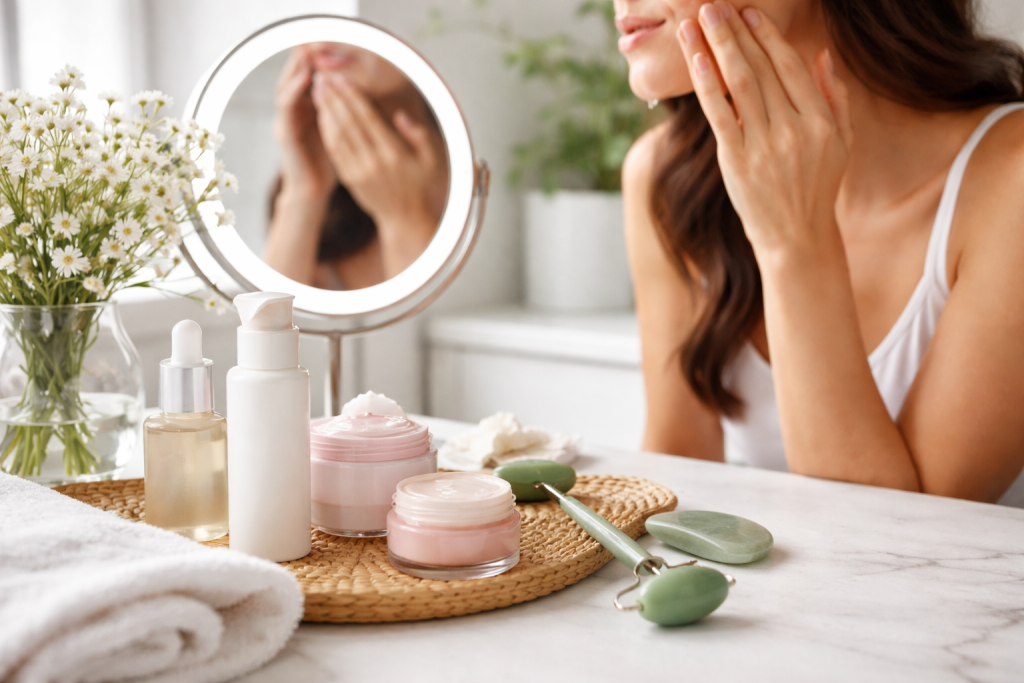
Skincare is the bedrock of any effective beauty regimen. Prior to skillfully applying makeup or attempting intricate hairstyles, it is crucial to nurture your skin from within. Understanding your skin’s fundamental needs—cleansing, moisturizing, and protection—is the first step towards achieving a healthy and glowing complexion.
Cleansing: The Essential First Step
Cleansing is not just about removing makeup; it’s about purifying your skin from environmental pollutants, excess oil, and impurities that can clog pores and lead to breakouts. The key is to cleanse gently. Harsh scrubbing can strip your skin of its natural oils, leading to dryness, irritation, and even prompting your skin to overcompensate by producing more oil. The goal is to remove what you don’t want without disturbing what you do want—your skin’s natural balance.
Choosing the Right Cleanser
The type of cleanser you choose should align with your skin type and concerns. For a beginner, keeping it simple is often best. Creamy or milky cleansers are generally good for dry or sensitive skin, as they provide hydration while cleansing. Gel or foam cleansers are excellent for oily or acne-prone skin, offering a deeper, more refreshing cleanse. Micellar water is a fantastic no-rinse option, especially for makeup removal, and it is suitable for most skin types. Always look for sulfate-free formulas, as sulfates can be drying and irritating.
The Art of Cleansing
When cleansing, use lukewarm water—never hot, as it can be detrimental to your skin. Massage the cleanser gently into your skin using upward, circular motions. Avoid tugging or pulling. Rinse thoroughly with lukewarm water and pat your face dry with a clean, soft towel. Never rub your face dry.
Moisturizing: Replenishing Hydration
Moisturizing is crucial for all skin types, even oily skin. Depriving your skin of moisture can lead to it becoming dehydrated, which can manifest as dullness, fine lines, and increased sensitivity. Moisturizers work by creating a barrier on the skin’s surface, preventing water loss and keeping your skin supple and plump. Properly hydrated skin also appears smoother, making it a better canvas for makeup.
Understanding Moisturizer Types
Moisturizers come in various forms, from lightweight lotions and gels to richer creams. Lotions and gels are ideal for oily or combination skin, as they are less likely to clog pores. Creams are better suited for dry or mature skin, providing more intense hydration. Look for ingredients like hyaluronic acid, glycerin, and ceramides, which are excellent humectants and emollients, meaning they attract and retain moisture.
When and How to Moisturize
The best time to moisturize is immediately after cleansing, while your skin is still slightly damp. This helps to lock in the moisture. Apply a pea-sized amount to your face and neck, gently massaging it in. Don’t forget your neck, as it’s an often-neglected area that can show signs of aging.
Sun Protection: The Non-Negotiable Step
Sun protection is arguably the most critical step in any skincare routine, at any age. UV radiation from the sun is a primary cause of premature aging, including wrinkles, dark spots, and sagging. Furthermore, it significantly increases the risk of skin cancer. Applying sunscreen daily, regardless of the weather or season, is an investment in your skin’s long-term health and appearance.
Choosing the Right Sunscreen
Opt for a broad-spectrum sunscreen with an SPF (Sun Protection Factor) of 30 or higher. “Broad-spectrum” means it protects against both UVA (aging rays) and UVB (burning rays). Mineral sunscreens, containing zinc oxide and titanium dioxide, are often recommended for sensitive skin, as they sit on top of the skin and are less likely to cause irritation. Chemical sunscreens are absorbed into the skin and convert UV rays into heat.
Daily Application is Key
Apply sunscreen generously to all exposed skin for at least 15–20 minutes before going outdoors. Reapply every two hours, especially if you’ve been sweating or swimming. Even on cloudy days, up to 80% of the sun’s UV rays can penetrate the clouds, so sun protection should be a year-round habit.
For beginners, the idea of a complex, multi-step beauty routine can be overwhelming. The truth is, a simple and consistent routine that addresses your skin’s core needs is far more effective than an elaborate one you struggle to maintain. The key is to find a few essential steps and stick with them religiously.
The Core Components of a Beginner Routine
Your foundational beauty routine should include cleansing, moisturizing, and sun protection. These three steps form the pillars of healthy skin. Consistency is more important than the number of products you use. Dedicating just a few minutes each morning and evening to these basic steps will yield significant results over time.
Morning Ritual: Prep and Protect
Your morning routine should focus on preparing your skin for the day and protecting it from environmental aggressors.
Morning Routine
- Cleanse: A gentle cleanse to refresh your skin and remove any impurities that may have accumulated overnight.
- Moisturize: Apply a lightweight moisturizer to keep your skin hydrated throughout the day.
- Sunscreen: This is the final and most vital step. Apply your broad-spectrum SPF 30+ sunscreen to all exposed areas.
Evening Ritual: Repair and Renew
Your evening routine is the time to cleanse away the day’s grime and allow your skin to repair and regenerate overnight.
Evening Routine
- Cleanse: A thorough cleanse to remove makeup, sunscreen, and pollutants. This might involve a double cleanse if you wear heavy makeup or waterproof sunscreen (using an oil-based cleanser or micellar water followed by your regular cleanser).
- Treat (Optional): If you have specific concerns like acne or dryness, this is where you might introduce a targeted treatment serum, but for beginners, keeping it simple is best.
- Moisturize: Apply a slightly richer moisturizer to replenish and nourish your skin while you sleep.
Consistency is Your Best Friend
The most effective beauty routine is the one you actually do. Don’t get discouraged if you miss a step occasionally, but strive for consistency. Even on days when you’re exhausted, completing your basic evening cleanse and moisturizing can make a big difference. Over time, your skin will thank you for this dedication.
Understanding your skin type is paramount to selecting products that will benefit you rather than cause issues. Dermatologists broadly categorize skin into four main types: normal, dry, oily, and combination. Many people also experience sensitivity or acne as a skin concern that can overlap with these types.
Identifying Your Skin Type
The easiest way to determine your skin type is to observe your skin after cleansing, without applying any products.
- Normal Skin: Feels balanced, neither too oily nor too dry. Pores are usually small, and the skin has a smooth texture.
- Dry Skin: Feels tight, sometimes rough, and may appear flaky or dull. It often lacks oil and can be prone to irritation.
- Oily Skin: Appears shiny, especially in the T-zone (forehead, nose, and chin). Pores are typically enlarged, and you may be prone to blackheads and breakouts.
- Combination Skin: Exhibits characteristics of both oily and dry or normal skin. Typically, the T-zone is oily, while the cheeks are drier or normal.
Tailoring Products to Your Needs
Once you’ve identified your skin type, you can begin to choose products specifically formulated to address its needs.
For Dry Skin
Look for creamy cleansers, hydrating toners, and rich moisturizers containing ingredients like shea butter, hyaluronic acid, glycerin, and ceramides. Avoid products with alcohol, which can be drying.
For Oily Skin
Opt for lightweight, oil-free, and non-comedogenic (meaning they won’t clog pores) cleansers, toners, and moisturizers. Gel-based formulas can be very effective. Ingredients like salicylic acid can help control oil production and deepen clean pores.
For Combination Skin
You might need to use different products for different areas of your face. For instance, you may need to use a gentle cleanser all over, a lightweight moisturizer on your T-zone, and a slightly richer one on your cheeks. Alternatively, many “balancing” formulas are designed to address the needs of combination skin.
For Sensitive Skin
This is less of a “type” and more of a condition that can affect any skin type. Look for products labeled “hypoallergenic,” “fragrance-free,” and “for sensitive skin.” Ingredients like chamomile, calendula, and oat extract can be soothing. Always patch-test new products on a small area of your skin, like behind your ear, before applying them to your entire face.
The Importance of Patch Testing
Before slathering a new product all over your face, always perform a patch test. Apply a small amount of the product to a discreet area of your skin, such as behind your ear or on your inner forearm. Wait 24—48 hours to check for any signs of redness, itching, or irritation. If you experience any adverse reactions, discontinue use.
Makeup is a wonderful tool for self-expression and enhancing your features. As a beginner, the goal is to learn fundamental techniques that create a polished and natural look. Over time, you can explore more advanced applications, but starting with the basics will build your confidence and skill.
Essential Makeup Tools for Beginners
You don’t need a vast collection of brushes to start. A few key tools can make a significant difference.
- Foundation Brush or Sponge: For even application of foundation.
- Concealer Brush: For targeted application of concealer.
- Blush Brush: For applying blush to the apples of your cheeks.
- Powder Brush: For applying setting powder or bronzer.
- Eyeshadow Blending Brush: For softening harsh eyeshadow lines.
The Everyday Makeup Look: A Step-by-Step Approach
This routine focuses on a natural, “your-skin-but-better” aesthetic.
Step 1: Prep Your Canvas
Start with clean, moisturized, and sun-protected skin. If you use a primer, apply a thin layer now to create a smooth base and help your makeup last longer.
Step 2: Even Out Your Base
If you opt for foundation, apply it starting from the center of your face and blend outwards. Use a brush or damp sponge for a seamless finish. If you prefer, a tinted moisturizer or BB cream can offer lighter coverage.
Step 3: Conceal Imperfections
Use a concealer that matches your skin tone to cover blemishes, redness, or under-eye circles. Pat it gently into the skin with your finger or a small brush.
Step 4: Add a Touch of Color
Apply blush to the apples of your cheeks, blending upward toward your temples for a natural flush.
Step 5: Define Your Eyes
Start with a neutral eyeshadow and a single coat of mascara to open up your eyes. You can experiment with a thin line of eyeliner if you feel comfortable.
Step 6: Enhance Your Lips
A tinted lip balm or a neutral lipstick can add a final touch of polish.
Understanding Basic Makeup Products
- Foundation/BB Cream/Tinted Moisturizer: Evens out skin tone.
- Concealer: Covers specific imperfections.
- Blush: Adds a healthy flush of color.
- Mascara: Darkens and lengthens eyelashes.
- Eyeshadow: Adds dimension and color to the eyelids.
- Lipstick/Lip Balm: Enhances the lips.
Practice Makes Perfect
Don’t be afraid to experiment! Watch tutorials, practice different techniques, and discover what works best for your features and preferences. The most beautiful makeup is the kind that makes you feel confident and radiant.
Healthy hair is beautiful hair. Just like your skin, your hair requires consistent care to thrive. Understanding the basics of hair washing, conditioning, and protection will set you on the path to luscious locks.
The Fundamentals of Hair Washing
Washing your hair regularly is essential for removing excess oil, product buildup, and dirt. However, over-washing can strip your hair of its natural oils, leading to dryness and breakage.
How Often to Wash
The frequency of washing depends on your hair type and lifestyle. Fine or oily hair may need to be washed more often, perhaps every other day, while coarse or dry hair might only need washing once or twice a week. Listen to your hair; if it feels greasy, it’s time for a wash.
Choosing the Right Shampoo and Conditioner
Select shampoos and conditioners tailored to your hair type and concerns.
- For Dry/Damaged Hair: Look for moisturizing formulas with ingredients like argan oil, shea butter, and keratin.
- For Oily Hair: Opt for clarifying or volumizing shampoos that remove excess oil without over-drying.
- For Color-Treated Hair: Use color-safe shampoos and conditioners that are free of sulfates, which can strip color.
The Importance of Conditioning
Conditioner is not optional; it’s vital for restoring moisture, detangling, and smoothing the hair cuticle. Applying conditioner to the mid-lengths and ends of your hair is usually sufficient, as applying it directly to the scalp can weigh down fine hair or contribute to greasiness. Leave the conditioner on for a few minutes before rinsing thoroughly.
Deep Conditioning Treatments
Periodically indulging in a deep conditioning treatment or hair mask can provide an extra boost of hydration and nourishment, especially for dry, damaged, or chemically treated hair. Aim to do this once a week or every few weeks, depending on your hair’s needs.
Protecting Your Hair from Damage
Heat styling, chemical treatments, and even harsh brushing can all contribute to hair damage.
Minimize Heat Styling
Whenever possible, air-dry your hair. If you must use heat styling tools like blow dryers, straighteners, or curling irons, always apply a heat protectant spray beforehand. Use the lowest effective heat setting.
Gentle Brushing Techniques
Always use a wide-tooth comb or a brush designed for detangling. Start brushing from the ends of your hair and work your way up to the roots to avoid breakage. Never brush wet hair aggressively.
Protect Your Hair from the Elements
Sun, chlorine, and saltwater can all dry out and damage your hair. Wear a hat when in direct sunlight, and consider rinsing your hair with fresh water before and after swimming in chlorinated pools or the ocean.
True beauty extends far beyond the products we use or the techniques we employ. Authentic radiance stems from a holistic approach that embraces self-care and overall wellness. When you feel good on the inside, it shines through on the outside.
Nourish Your Body from Within
A balanced diet rich in vitamins, minerals, and antioxidants plays a crucial role in skin and hair health.
- Hydration: Drinking plenty of water is fundamental for keeping your skin hydrated and plump. Aim for at least eight glasses of water a day.
- Nutrient-Rich Foods: Incorporate plenty of fruits, vegetables, lean proteins, and healthy fats into your diet. Foods rich in omega-3 fatty acids, such as fatty fish and flaxseeds, can contribute to a healthy glow. Antioxidant-rich foods like berries and leafy greens help protect your cells from damage.
- Limit Processed Foods and Sugar: These can contribute to inflammation, which can negatively impact your skin and overall health.
Prioritize Sleep and Stress Management
Chronic stress and sleep deprivation can significantly impact your appearance.
- Quality Sleep: Aim for 7-9 hours of quality sleep per night. Sleep is when your body repairs and regenerates, including your skin cells. Chronic sleep deprivation can lead to dull skin, dark circles, and increased breakouts.
- Stress Reduction Techniques: Find healthy ways to manage stress, such as meditation, yoga, deep breathing exercises, spending time in nature, or engaging in hobbies you enjoy. Chronic stress can trigger hormonal imbalances that manifest as skin issues and can even impact hair growth.
The Power of Movement
Regular physical activity has numerous benefits for both your physical and mental well-being, which in turn contribute to your beauty.
- Improved Circulation: Exercise boosts blood circulation, delivering oxygen and nutrients to your skin cells, which can give your complexion a healthy glow.
- Detoxification: Sweating during exercise helps to flush toxins from your body.
- Mood Enhancement: Physical activity releases endorphins, which can improve your mood and reduce stress, contributing to a more positive outlook and appearance.
As you navigate the world of beauty, it’s helpful to be aware of common mistakes that beginners often make. Avoiding these can save you frustration, wasted money, and potential skin or hair issues.
Over-Exfoliation: The Damaged Barrier
While exfoliation is beneficial for removing dead skin cells and revealing brighter skin, doing it too often or too aggressively can damage your skin’s natural barrier. This can lead to redness, irritation, dryness, and increased sensitivity. Stick to exfoliating 1-3 times per week, depending on your skin type and the product you’re using, and always follow up with moisturization.
Skipping Sunscreen: The Unseen Enemy
Many beginners underestimate the importance of daily sun protection. UV damage is cumulative and can lead to premature aging, hyperpigmentation, and an increased risk of skin cancer. Make sunscreen a non-negotiable part of your morning routine every single day, regardless of the weather.
Using the Wrong Products for Your Skin Type: A Recipe for Disaster
As discussed earlier, using products that are too harsh for dry skin or too heavy for oily skin can cause more problems than they solve. Take the time to understand your skin type and choose products accordingly. Products designed for oily skin can strip and irritate dry skin, while heavy creams can clog pores on oily skin, leading to breakouts.
Neglecting Your Neck and Décolletage: The Age Revealers
The skin on your neck and chest is often thinner and more delicate than the skin on your face, making it more prone to showing signs of aging. Don’t forget to extend your skincare routine—including cleansing, moisturizing, and sunscreen—all the way down to your décolletage.
Heavy-Handed Makeup Application: Less is Often More
For beginners, it’s easy to go overboard with makeup, resulting in a cakey or unnatural look. Begin with a light touch and gradually increase the coverage or intensity. It’s easier to add more product than it is to take it away. When in doubt, err on the side of subtlety for a more polished and sophisticated appearance.
Not Removing Makeup Before Bed: A Dermatologist’s Nightmare
Sleeping in your makeup is one of the worst things you can do for your skin. It clogs pores, prevents your skin from breathing and regenerating, and can lead to breakouts, dullness, and premature aging. Always, always remove your makeup thoroughly before going to sleep, even if you’re exhausted.
By understanding these fundamental principles of skincare, building a simple yet effective beauty routine, choosing products wisely, mastering basic makeup application, caring for your hair, embracing self-care, and avoiding common mistakes, you’ll be well on your way to a confident and radiant beauty journey. Remember, beauty is about enhancement and self-expression, and with the right knowledge and a little practice, you can unlock your own unique glow.
FAQs
1. What are the basic skincare steps for a beginner’s beauty routine?
The basic skincare steps for a beginner’s beauty routine include cleansing, exfoliating, moisturizing, and applying sunscreen. These steps help to keep the skin clean, hydrated, and protected from the sun’s harmful rays.
2. How do I choose the right products for my skin type?
To choose the right products for your skin type, it’s important to first determine whether you have dry, oily, combination, or sensitive skin. Once you know your skin type, look for products that are specifically formulated for that type, and consider seeking advice from a dermatologist or skincare professional.
3. What are some common makeup application techniques for beginners?
Common makeup application techniques for beginners include properly blending foundation, applying eyeshadow, using eyeliner, and mastering the art of lipstick application. It’s important to start with the basics and practice regularly to improve your skills.
4. What are some tips for maintaining healthy and beautiful hair?
Tips for maintaining healthy and beautiful hair include using the right shampoo and conditioner for your hair type, minimizing heat styling, getting regular trims, and using hair masks or treatments to keep your hair nourished and strong.
5. Why are self-care and wellness important in the context of beauty?
Self-care and wellness are important in the context of beauty because they contribute to overall well-being, which can have a positive impact on your skin, hair, and overall appearance. Taking care of your mental and physical health can also help you feel more confident and beautiful.