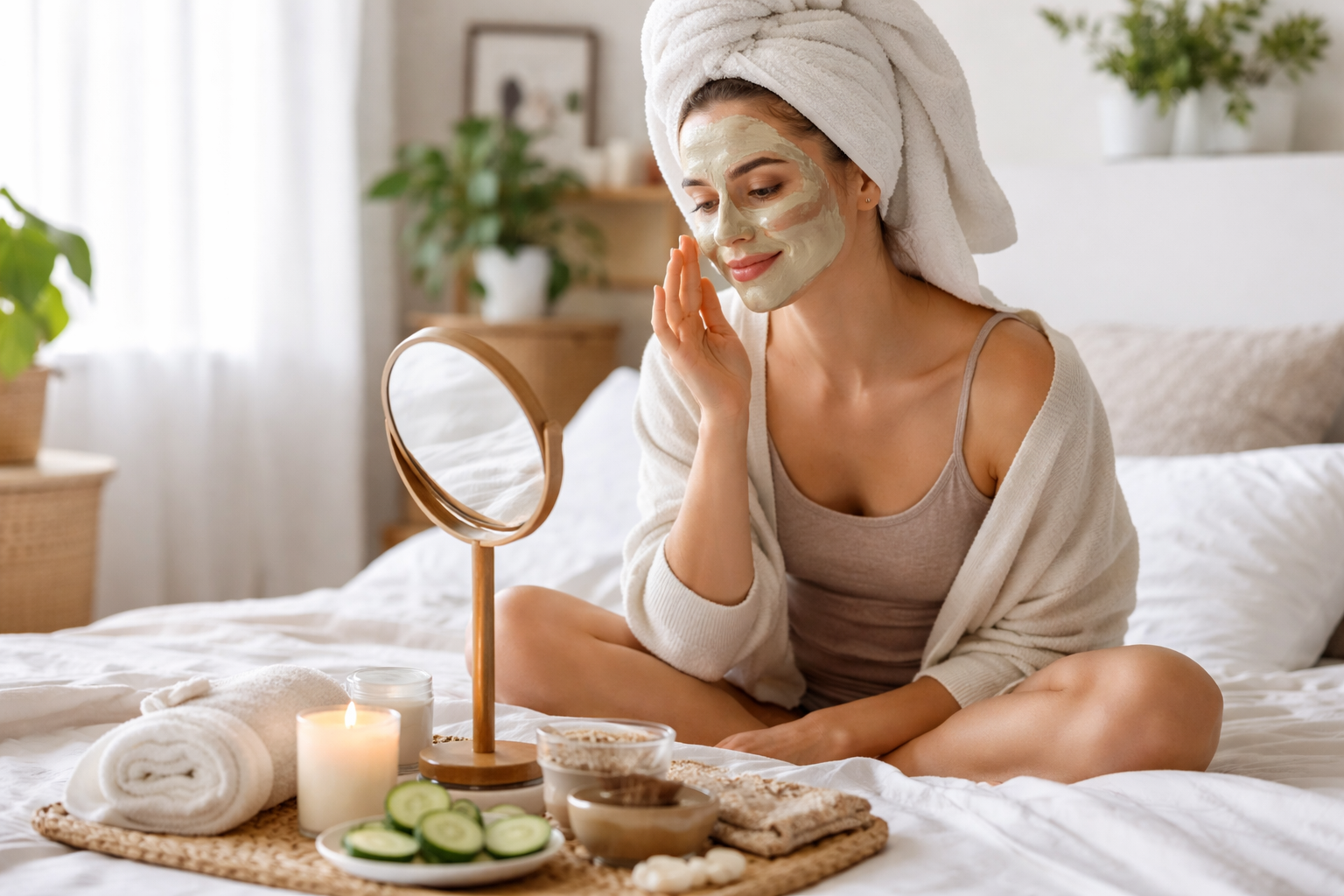
The modern world, with its relentless pace and constant demands, often leaves individuals feeling depleted, stressed, and disconnected from their inner selves. In this whirlwind, the concept of self-care has emerged not as a luxury, but as a fundamental necessity for maintaining overall well-being. This comprehensive guide aims to demystify self-care, providing beginners with actionable insights and practical strategies to embark on a journey of self-nurturing and improved health.

Self-care, at its core, is the deliberate act of taking steps to preserve or improve one’s health and well-being. It’s not about being selfish; rather, it’s about recognizing your needs and actively working to meet them. Without adequate self-care, individuals are more susceptible to burnout, chronic stress, and a decline in both physical and mental health.
Why Self-Care Isn’t Selfish
Many people struggle with the notion of self-care, equating it with indulgence or neglecting responsibilities. However, this perception is a misconception. Think of it like putting on an oxygen mask during an airplane emergency: you must secure your mask first before assisting others. Similarly, by prioritizing your well-being, you become better equipped to handle the demands of life, support your loved ones, and contribute positively to your community. A well-rested, emotionally balanced individual is far more effective and resilient than one running on fumes. Embracing self-care allows you to cultivate a deeper sense of self-awareness, recognizing your limits and honoring your needs, ultimately leading to a more sustainable and fulfilling existence.
The Detrimental Effects of Neglecting Self-Care
Ignoring your well-being can have a ripple effect across all aspects of your life. Physically, it can manifest as chronic fatigue, frequent illnesses, sleep disturbances, and an increased risk of stress-related ailments like headaches and digestive issues. Mentally, neglecting self-care can lead to heightened anxiety, depression, irritability, and difficulty concentrating. Emotionally, it can result in a diminished capacity for joy, empathy, and connection, making relationships strained and personal satisfaction elusive. Over time, this persistent disregard may lead to burnout, a condition of mental, physical, and emotional tiredness brought on by extended or excessive stress. Recognizing these potential consequences points out the vital role of integrating self-care into your daily life rather than viewing it as an optional add-on.
The idea of building a self-care routine might seem daunting at first, especially if you’re already feeling overwhelmed. The key is to begin small, be consistent, and tailor your routine to your individual needs and preferences. There is no universal approach to self-care.
Identifying Your Self-Care Needs
Before you can build an effective routine, it’s essential to understand what areas of your life require attention. Take some time for honest introspection. Are you feeling physically drained? Mentally scattered? Emotionally overwhelmed? Socially isolated? A self-assessment can help pinpoint your biggest areas of need. Consider what activities genuinely bring you joy, peace, and replenishment. What makes you feel alive and vibrant? Conversely, what activities drain your energy or leave you feeling depleted? Journaling can be a powerful tool in this process, allowing you to explore your thoughts and feelings without judgment. By understanding your unique needs, you can select self-care practices that are most relevant and beneficial to you, making your routine more impactful and sustainable in the long run.
Starting Small and Being Consistent
The biggest mistake beginners often make is trying to overhaul their entire lifestyle overnight. This approach is usually unsustainable. Instead, choose one or two simple practices to incorporate into your day, even if it’s just for 5-10 minutes. Perhaps it’s a short walk, 5 minutes of mindful breathing, or enjoying a cup of tea in silence. The goal is to build momentum and establish a habit. Once these small practices become ingrained, you can gradually add more. Consistency is more important than intensity in the initial stages. Even tiny, regular efforts will accumulate into significant improvements over time. Celebrate these small victories to reinforce positive behavior and maintain motivation. Remember, the journey of self-care is a marathon, not a sprint.
Our physical health forms the foundation of our overall well-being. Neglecting the body inevitably impacts the mind and spirit. Prioritizing physical self-care lays the groundwork for a more energetic and resilient you.
Prioritizing Rest and Sleep
We often sacrifice sleep in our hyper-connected world. However, adequate, quality sleep is non-negotiable for physical and mental restoration. Aim for 7-9 hours of sleep per night. Establish a consistent sleep schedule, even on weekends, to regulate your body’s natural circadian rhythm. Create a relaxing bedtime routine: dim the lights, avoid screens an hour before bed, and engage in calming activities like reading or gentle stretching. Your bedroom should be a sanctuary for sleep—dark, quiet, and cool. Power naps, when used judiciously, can also be a valuable tool for boosting alertness and reducing stress throughout the day, but they shouldn’t replace a full night’s rest. Good sleep hygiene is a powerful form of self-care that directly impacts your energy levels, mood, and cognitive function.
Nourishing Your Body with Food and Hydration
What you put into your body significantly affects how you feel. Focus on incorporating whole, unprocessed foods into your diet: plenty of fruits, vegetables, lean proteins, and whole grains. Minimize ultra-processed foods, excessive sugar, and unhealthy fats, which can lead to energy crashes and inflammation. Listen to your body’s hunger and fullness cues, practicing mindful eating rather than mindless consumption. Hydration is equally crucial. Drink plenty of water throughout the day. Dehydration can lead to fatigue, headaches, and impaired cognitive function. Carrying a reusable water bottle can serve as a constant reminder to sip throughout the day. Viewing food not just as fuel but as nourishment for your entire being can help transform your relationship with eating into a powerful act of self-care.
Embracing Movement and Physical Activity
Regular physical activity is a cornerstone of physical well-being. It doesn’t mean you need to hit the gym for hours every day. Find forms of movement you genuinely enjoy, whether it’s walking, dancing, yoga, swimming, cycling, or playing a sport. The key is consistency and finding activities that don’t feel like a chore. Exercise releases endorphins, which have mood-boosting effects, reduce stress, improve sleep quality, and strengthen your body. Even short bursts of activity, like taking the stairs instead of the elevator or stretching for 10 minutes, can make a difference. Make movement an integral part of your day, not an optional extra. Your body is designed to move, and honoring that need is a profound act of self-care.
While physical self-care is vital, true well-being encompasses the mental and emotional realms. These practices help cultivate resilience, emotional intelligence, and inner peace.
Practicing Mindfulness and Meditation
In our busy lives, our minds are often racing, caught in a cycle of future worries or past regrets. Mindfulness is the practice of bringing your attention to the present moment without judgment. This can be achieved through formal meditation practices, even for just 5–10 minutes a day, guided meditations, or simply focusing on your breath. Mindfulness can also be practiced informally throughout the day by paying full attention to everyday activities, like drinking a cup of tea or walking. Regular mindfulness practice has been shown to reduce stress, improve focus, enhance emotional regulation, and promote a more positive attitude. It’s about creating space between stimuli and your reactions, allowing you to respond more thoughtfully and less impulsively.
Engaging in Creative Expression and Hobbies
Tapping into your creative side can be an incredibly therapeutic form of self-care. It doesn’t matter if you consider yourself an artist; the act of creation itself is what’s beneficial. This could include writing, drawing, painting, playing music, singing, knitting, gardening, or cooking. Engaging in hobbies that bring you joy and allow for self-expression not only provides a wonderful outlet for stress, but also fosters a sense of accomplishment and allows your mind to wander in a positive, undirected way. Engaging in these activities provides a respite from everyday stress and can rekindle a sense of playfulness and curiosity that often fades in adulthood. Prioritizing time for such pursuits is a powerful way to replenish your emotional reserves.
Setting Boundaries and Saying No
One of the most important, yet often overlooked, forms of emotional self-care is setting healthy boundaries. This involves clearly defining what you are and are not willing to do and communicating those limits respectfully to others. Learning to say “no” to extra commitments, requests that drain your energy, or situations that compromise your well-being is crucial. It’s not about being unhelpful; it’s about protecting your time, energy, and emotional capacity. Boundaries help prevent resentment, overwhelm, and burnout. They allow you to prioritize your needs and create space for the things that truly matter to you. While initially challenging, establishing clear boundaries is an empowering act of self-respect that significantly contributes to emotional well-being.
Humans are social creatures, and our connections with others play a significant role in our mental and emotional health. Nurturing these relationships is a vital aspect of self-care.
Cultivating Positive Relationships
Surrounding yourself with supportive, uplifting individuals is a powerful form of self-care. Identify the people in your life who genuinely cheer you on, offer understanding, and bring you joy. Invest time and energy into these relationships. This might mean scheduling regular calls with a distant friend, joining a club with shared interests, or simply spending quality time with family members who bring positive energy to your life. Healthy relationships provide emotional support, a sense of belonging, and diverse perspectives, all of which contribute to a robust sense of well-being. Conversely, it’s also a form of self-care to recognize and, if possible, distance yourself from relationships that are consistently toxic, draining, or unsupportive.
Disconnecting from Digital Overload
While technology connects us, excessive screen time and constant digital stimulation can lead to feelings of overwhelm, comparison, and anxiety. Regularly disconnecting from digital devices is a crucial aspect of social and relational self-care. This could mean implementing “no phone zones” during meals or family time, scheduling digital detox blocks throughout the week, or opting for genuine face-to-face interactions over endless scrolling. Giving yourself permission to step away from the digital world allows for deeper engagement with your immediate environment and the people around you. It helps you reclaim your attention, reduce mental clutter, and foster more authentic connections, both with others and with yourself. This intentional disconnection creates space for reflection, creativity, and presence that is often lost in the constant digital clamor.
Intention and strategic planning are necessary to make self-care a consistent practice. It’s not about finding extra time; it’s about reappropriating existing time and integrating practices seamlessly.
Scheduling Self-Care Like Any Other Appointment
One of the most effective ways to ensure self-care happens is to schedule it. Just as you wouldn’t miss a doctor’s appointment or an important meeting, treat your self-care time with the same level of commitment. Block out specific times in your calendar for your chosen self-care activities. This could be 15 minutes of reading in the morning, a lunchtime walk, or an evening meditation session. When self-care is a scheduled event, it becomes a non-negotiable part of your day rather than an activity that gets pushed aside when things get busy. This simple act elevates its importance and helps you prioritize your well-being.
Developing a Self-Care Toolkit
Create a personalized “self-care “toolkit”—a collection of readily available items or activities that help you feel calm, refreshed, or joyful. This might include a favorite book, a comforting blanket, essential oils, a journal, a playlist of relaxing music, art supplies, or a specific tea. When you’re feeling stressed or overwhelmed, having these pre-selected tools at your fingertips makes it easier to engage in immediate self-soothing practices without having to think too much or expend extra energy. The idea is to have readily accessible resources that can quickly shift your state from distress to a more regulated, peaceful one.
Maintaining a self-care routine, even with the best intentions, can be challenging. Acknowledging and addressing common obstacles will help you stay committed to your well-being journey.
Battling “Lack of Time” and “Guilt”
The most frequently cited obstacles to self-care are “not enough time” and “feeling guilty.” To address the “lack of time,” remember that self-care doesn’t require massive blocks of uninterrupted time. Even 5-10 minutes can make a difference. Look for micro-moments throughout your day: a few deep breaths while waiting in line, listening to a favorite song during your commute, or stepping outside for 2 minutes to feel the sun on your face. Regarding guilt, remind yourself that self-care is not selfish; it’s essential for your capacity to care for others and fulfill your responsibilities. Think of it as an investment in yourself that helps you be more present, patient, and effective. Shifting your mindset from obligation to nourishment is key.
Adapting Your Routine During Busy Periods
Life is unpredictable, and there will be times when your carefully crafted self-care routine needs to be flexible. During particularly busy or stressful periods, don’t abandon self-care altogether. Instead, simplify and adapt. If a 30-minute meditation is impossible, opt for a 5-minute breathing exercise. If a workout isn’t feasible, take a brisk walk. The objective is to sustain a minimal level of self-care, instead of completely abandoning it. Be kind to yourself; perfection is not the aim. Recognizing that self-care is a dynamic process and allowing for flexibility will ensure that it remains a sustainable and supportive practice throughout the changing phases of your life. Regularly reassessing and adjusting your routine based on your present circumstances demonstrates a deeper commitment to your ongoing well-being.
FAQs
What is self-care, and why is it important?
Self-care refers to the practice of taking deliberate action to preserve or improve one’s own health. It is important because it helps to reduce stress, improve overall well-being, and prevent burnout.
How can I create a self-care routine, and where should I start?
To create a self-care routine, start by identifying activities that bring you joy and relaxation. This could include exercise, meditation, spending time with loved ones, or engaging in hobbies. Start small and gradually incorporate more self-care practices into your routine.
What are some simple self-care practices for physical well-being?
Simple self-care practices for physical well-being include getting enough sleep, eating a balanced diet, staying hydrated, exercising regularly, and taking breaks to rest and recharge.
How can I nurture my mental and emotional health through self-care?
Nurturing your mental and emotional health through self-care can involve practices such as mindfulness meditation, journaling, seeking therapy or counseling, setting boundaries, and engaging in activities that bring you joy and relaxation.
How can I incorporate self-care into my daily life and overcome common obstacles to self-care?
To incorporate self-care into your daily life, prioritize self-care activities, set boundaries, practice self-compassion, and seek support from friends, family, or professionals. Common obstacles to self-care include lack of time, guilt, and feeling selfish, but these can be overcome by recognizing the importance of self-care and making it a priority.