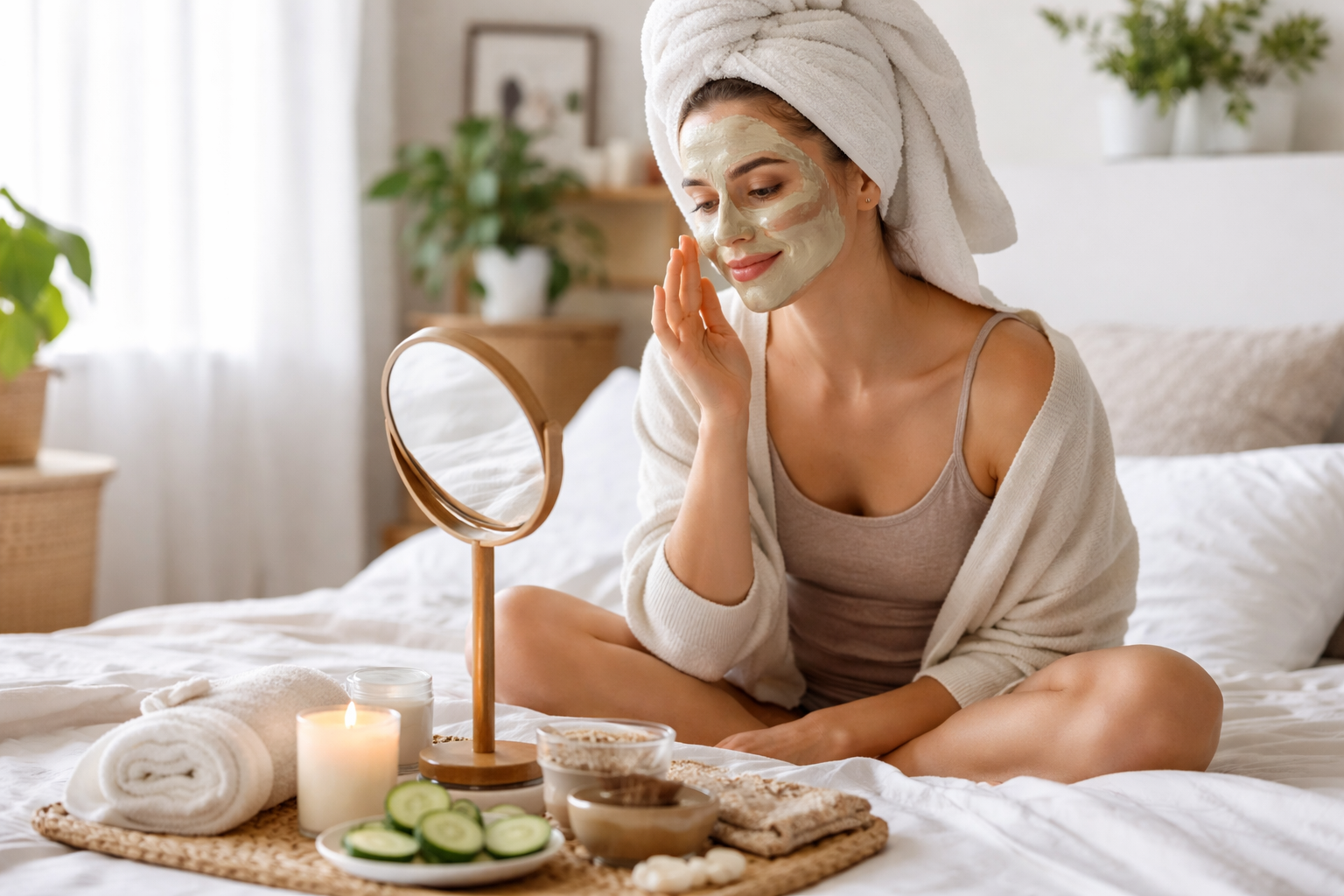
In a world that often glorifies expensive spa days and lavish retreats, the notion of self-care can sometimes feel like an unattainable luxury. We’re bombarded with images of elaborate self-improvement regimes that require significant financial investment, leading many to believe that true well-being is something that must be purchased. However, this couldn’t be further from the truth. The most profound and impactful forms of self-care are often the simplest, requiring nothing more than our intention and a willingness to engage with ourselves and the world around us. Investing in your mental, emotional, and physical health doesn’t necessitate emptying your bank account. In fact, many of the most effective strategies for nurturing yourself are entirely free, accessible to everyone, and can be integrated seamlessly into daily life. This exploration will delve into seven fundamental avenues of self-care that prove you can prioritize your well-being without spending a dime.

The relentless pace of modern life often leaves us feeling overwhelmed, our minds racing with a constant stream of thoughts, worries, and to-do lists. This mental clutter can detract significantly from our overall happiness and sense of peace. Fortunately, the practices of mindfulness and meditation offer powerful tools to anchor us in the present moment, quiet the internal noise, and foster a deeper connection with ourselves. These ancient disciplines, now widely recognized for their therapeutic benefits, are readily available and require no specialized equipment, only your commitment to carve out moments for stillness.
The Art of Being Present: Embracing Mindfulness
Mindfulness, at its core, is the practice of paying attention to the present moment without judgment. It’s about noticing your thoughts, feelings, bodily sensations, and the environment around you with a gentle curiosity. This doesn’t mean emptying your mind or achieving a state of absolute tranquility from the outset, which can be a misconception that discourages many. Instead, it’s about observing what arises, acknowledging it, and then gently bringing your awareness back to the here and now. Simple everyday activities can become opportunities for mindfulness.
Mindful Eating, Walking, and Listening
Consider your next meal. Instead of rushing through it while multitasking, try engaging all your senses. Notice the colors, textures, smells, and flavors of your food. Chew slowly, savoring each bite. This simple act of mindful eating can transform a mundane experience into a moment of appreciation and grounding. Similarly, a walk can become a meditative experience when you focus on the sensations of your feet upon the ground, the feeling of the breeze on your skin, and the sights and sounds of your surroundings. You might notice the intricate patterns of leaves, the chirping of birds, or the subtle shifts in light. Even everyday conversations can be an opportunity for mindful listening. Instead of formulating your response while the other person is speaking, focus your full attention on their words, their tone, and their body language. This not only enhances your understanding and connection but also demonstrates genuine respect. These are not isolated practices confined to specific times; they are ways of being that can permeate every aspect of your day, offering continuous opportunities for self-connection and stress reduction.
The Stillness Within: Exploring Meditation
Meditation, often seen as a more formal practice of mindfulness, involves dedicating a specific period to focusing your attention, typically on your breath, a mantra, or a bodily sensation. The objective is to train your mind to become more focused and less reactive to stray thoughts. Even a few minutes of daily meditation can yield significant benefits, including reduced anxiety, improved concentration, and a greater sense of emotional regulation. The beauty of meditation lies in its accessibility – all you need is a quiet space and a willingness to sit with yourself.
Guided Meditations and Breathwork
For those new to meditation, guided meditations can be an invaluable resource. Numerous free apps, websites, and YouTube channels offer a plethora of guided sessions catering to various needs, from stress relief and sleep improvement to cultivating self-compassion. These audio guides lead you through the process, helping you to relax and focus your attention. Breathwork, a fundamental component of many meditation practices, is also a powerful self-care tool in itself. Simply by consciously directing your attention to your breath, observing its natural rhythm, or engaging in simple breathing exercises like deep diaphragmatic breathing, you can activate your parasympathetic nervous system, promoting relaxation and reducing the body’s stress response. These practices are not about achieving a perfect state of emptiness, but rather about developing a more harmonious relationship with your inner landscape.
Our bodies are designed to move, and movement is not just about physical fitness; it’s a fundamental aspect of our overall well-being. Engaging in regular physical activity has profound positive effects on our mental and emotional states, often acting as a potent mood booster and stress reliever. The good news is that you don’t need a gym membership or expensive athletic gear to reap these benefits. The world around you is your playground, offering myriad free opportunities to get your body moving and your spirit soaring.
Embracing the Power of Your Own Two Feet
The simplest yet most effective form of exercise is walking. It’s accessible to almost everyone, requiring no special skills or equipment beyond comfortable shoes. A brisk walk can elevate your heart rate, release endorphins – the body’s natural mood elevators – and clear your head. It’s a chance to clear your thoughts and connect with your surroundings, transforming a simple stroll into a moving meditation. The benefits extend beyond the immediate physical exertion; regular walking can improve cardiovascular health, strengthen muscles and bones, and enhance sleep quality.
Exploring Local Parks and Scenic Routes
Make it a habit to explore different routes for your walks. Discover local parks, nature trails, or even just interesting neighborhoods. The change of scenery can add an element of novelty and excitement to your exercise routine, preventing it from becoming monotonous. Observing the natural world during your walk can be incredibly grounding and rejuvenating. Notice the changing seasons, the different types of trees, the birdsong, or the way the sunlight filters through the leaves. These small observations can foster a sense of wonder and appreciation, enriching your experience and deepening your connection to the environment.
Beyond Walking: Utilizing Your Body’s Natural Capabilities
Many other forms of movement are readily available and cost nothing. Consider bodyweight exercises like squats, lunges, push-ups, and planks. These exercises utilize your own body weight as resistance, effectively building strength and endurance. You can find countless free workout routines online or simply experiment with different movements to discover what feels good for your body. Yoga and tai chi, while often associated with studios, can also be practiced at home using free online resources. These disciplines not only build physical strength and flexibility but also emphasize breath control and mental focus, offering holistic benefits.
Dancing to Your Own Tune and Playing Active Games
Don’t underestimate the power of simply dancing. Put on your favorite music and let your body move freely. Dancing is a fantastic way to release energy, improve coordination, and boost your mood. It’s a joyful and uninhibited form of expression that requires no one else’s participation. Gathering a few friends for an impromptu game of tag, a friendly soccer match in the park, or even a game of frisbee can turn exercise into shared fun and social connection. These spontaneous activities are a testament to the fact that movement can be both invigorating and deeply enjoyable.
The natural world possesses an inherent ability to soothe, inspire, and revitalize us. Spending time outdoors, immersing ourselves in the sights, sounds, and smells of nature, can significantly reduce stress, improve mood, and boost our overall sense of well-being. This profound connection to the earth is a readily available antidote to the pressures of modern life, and it’s entirely free. The benefits of nature are not merely anecdotal; research consistently demonstrates its positive impact on both our mental and physical health.
The Sanctuary of Green Spaces
The simplest way to connect with nature is to seek out green spaces. Parks, forests, beaches, or even a quiet spot in your backyard can serve as a sanctuary from the hustle and bustle of daily life. Make it a practice to spend regular time in these environments, allowing yourself to simply be present and observe. Notice the intricate details of plant life, the patterns of the clouds, or the gentle flow of water. These observations can help to shift your perspective, offering a sense of scale and reminding you of your place within the larger ecological web.
Mindful Observation and Sensory Engagement
Engage your senses fully when you are in nature. Listen to the sounds of birdsong, the rustling of leaves, or the gentle lapping of waves. Feel the warmth of the sun on your skin, the coolness of a gentle breeze, or the texture of bark beneath your fingertips. Smell the fresh scent of pine needles, damp earth after rain, or blooming flowers. This sensory immersion can anchor you in the present moment and foster a profound sense of peace and connection. It’s about engaging with your surroundings not just visually, but with your entire being.
The Rhythmic Cycle of the Natural World
There’s a deep sense of calm to be found in observing the natural rhythms of the planet. Witnessing a sunrise or sunset, watching the moon ascend into the night sky, or observing the changing constellations can be profoundly grounding. These natural spectacles remind us of the larger cycles of life and offer a sense of perspective on our own challenges. Spending time by a body of water, whether it’s a lake, river, or ocean, can be particularly restorative, offering a sense of flow and tranquility.
Engaging in Simple Outdoor Activities
Beyond passive observation, simple outdoor activities can enhance your connection with nature. Gardening, even if it’s just tending to a few potted plants on a balcony, can be a deeply rewarding way to engage with the earth and witness growth. Birdwatching, foraging for wild edibles (with proper knowledge and caution, of course), or simply cloud-gazing can transform a simple outdoor excursion into a source of wonder and discovery. These activities encourage a more active and intentional interaction with the natural world.
Creativity is an innate human drive, a fundamental aspect of our being that allows us to process emotions, explore ideas, and connect with ourselves on a deeper level. Engaging in creative activities, regardless of skill level or perceived talent, can be an incredibly cathartic and empowering form of self-care. These acts of creation don’t need to result in masterpieces; their value lies in the process itself, offering a release and a pathway to self-discovery.
The Canvas of Your Mind: Painting, Drawing, and Doodling
You don’t need expensive art supplies to tap into your visual creativity. A simple notebook and a pen or pencil are all that’s required for a wealth of creative expression. Allow yourself to doodle, sketch what you see around you, or create abstract patterns. The act of putting lines and shapes onto paper can be incredibly therapeutic, allowing you to translate your thoughts and feelings into a tangible form. Experiment with different textures, shading, and lines. The goal is not perfection, but rather the free flow of your imagination.
Exploring Digital Art and Collages
In the digital age, creative expression extends beyond traditional mediums. Many free apps and software allow you to experiment with digital drawing, painting, and graphic design. You can create digital collages by combining images, or even experiment with simple animation. Furthermore, revisiting old magazines, newspapers, or printed materials can spark inspiration for physical collages. Cutting out images, textures, and words that resonate with you and arranging them can be a powerful way to explore your thoughts and emotions. The tactile nature of ripping and pasting can also be incredibly satisfying.
The Symphony of Your Soul: Music and Writing
Music is a universal language that can evoke powerful emotions and offer a profound avenue for self-expression. You don’t need to be a musician to engage with the therapeutic power of music. Simply listening to music that moves you can be a form of self-care. Sing along to your favorite songs, dance to the beat, or even hum a melody that comes to mind. If you have access to an instrument, even a simple one like a harmonica or ukulele, you can explore basic chords and melodies.
Expressing Yourself Through Words: Journaling and Poetry
Writing is another accessible and deeply personal form of creative expression. Journaling is a powerful tool for processing thoughts, emotions, and experiences. Dedicate a few minutes each day to writing down whatever comes to mind, without censorship or judgment. This can help you to gain clarity, identify patterns in your thinking, and release pent-up emotions. If traditional journaling feels daunting, try freewriting, where you simply write continuously for a set period without stopping. Poetry, even if it’s a simple rhyming couplet or a free-verse exploration, offers a unique way to capture feelings and ideas in a concise and evocative manner.
What we consume directly impacts our physical and mental well-being. While healthy eating is often associated with costly organic produce and specialty health foods, nourishing your body can be achieved through smart choices and prioritizing whole, unprocessed foods that are often more affordable. Mindful consumption and resourcefulness are key to a healthy diet that doesn’t break the bank.
The Foundation of Whole Foods
The cornerstone of a healthy diet lies in whole, unprocessed foods. These are typically less expensive than their highly processed counterparts and offer a wealth of essential nutrients. Think fruits, vegetables, whole grains, legumes, and lean proteins. While some fresh produce can seem expensive, strategically choosing in-season fruits and vegetables can significantly reduce costs. Farmers’ markets, especially towards the end of the day, can sometimes offer discounted produce.
Maximizing the Value of Affordable Staples
Legumes, such as beans, lentils, and chickpeas, are incredibly versatile, packed with protein and fiber, and remarkably inexpensive. They can form the base of countless nutritious meals, from hearty soups and stews to flavorful curries and salads. Whole grains like oats, rice, and barley are also budget-friendly staples that provide sustained energy. For protein, consider eggs, which are a complete protein source and relatively affordable, or bulk purchases of chicken or fish when they are on sale.
Smart Planning and Resourceful Cooking
Meal planning is a crucial strategy for both budget and health. By planning your meals for the week, you can avoid impulse purchases and reduce food waste. This allows you to buy in bulk for items you’ll use frequently and to organize your cooking efficiently. Learning simple cooking techniques can also unlock the nutritional potential of basic ingredients. From roasting vegetables to steaming them, these methods retain nutrients and create delicious flavors without the need for expensive sauces or pre-packaged meals.
Hydration and the Power of Water
Staying adequately hydrated is fundamental to good health, and water is the cheapest and healthiest beverage available. Replacing sugary sodas, juices, and even costly specialty drinks with plain water can have a significant positive impact on your health and your wallet. Carry a reusable water bottle with you throughout the day and refill it whenever possible. Infusing your water with slices of fruit like lemon, cucumber, or berries can add a refreshing flavor without adding sugar or calories.
In a culture that often encourages constant availability and overcommitment, learning to set healthy boundaries and to say “no” is a critical component of self-care. It’s about honoring your own needs, protecting your energy, and preventing burnout. This isn’t a selfish act; it’s an essential practice for maintaining your well-being and ensuring you have the capacity to be present and effective in the areas of your life that truly matter.
Recognizing Your Limits and Prioritizing Your Energy
The first step is to become aware of your personal limits. Pay attention to how different demands and commitments make you feel. Do certain interactions leave you feeling drained? Do overflowing schedules lead to anxiety and exhaustion? Recognizing these signals is the first step in establishing boundaries. It’s about understanding that your time and energy are finite resources that need to be managed wisely. This involves self-awareness and a willingness to be honest with yourself about what you can realistically handle.
Communicating Your Needs Clearly and Respectfully
Once you understand your limits, the next step is to communicate them effectively. This doesn’t require being confrontational or aggressive. It’s about expressing your needs in a clear, direct, and respectful manner. Phrases like, “I appreciate you asking, but I’m unable to commit to that right now,” or “I need to prioritize some personal time,” can be powerful tools. It’s important to remember that you don’t owe anyone an extensive explanation. A polite and firm “no” is often sufficient.
The Art of Declining Without Guilt
Many people struggle with saying no due to a fear of disappointing others or a feeling of obligation. However, consistently overextending yourself leads to resentment and diminished capacity to truly help those you care about. Learning to say no is an act of self-preservation that ultimately allows you to be more present and effective in your commitments. Practice saying no in low-stakes situations to build your confidence. Remember that by saying no to something that doesn’t serve you, you are saying yes to your own well-being.
Protecting Your Personal Time and Space
This extends to protecting your personal time and space. This might mean limiting the amount of time you spend on social media, establishing clear work-life boundaries, or designating certain times for relaxation and uninterrupted solitude. It’s about creating a buffer between the demands of the outside world and your inner sanctuary, ensuring that you have ample opportunity to recharge and attend to your own needs without constant external distractions.
In a world that often emphasizes what we lack, cultivating a practice of gratitude and self-compassion can be a revolutionary act that profoundly shifts our perspective and enhances our overall happiness. These internal practices are entirely free and offer a deeply transformative path to greater contentment and resilience. They are the silent cornerstones of a truly fulfilling life, requiring nothing more than a conscious shift in our internal dialogue.
The Abundance of Appreciating What Is
Gratitude is the conscious acknowledgement and appreciation of the good things in our lives, no matter how small they may seem. It’s about shifting our focus from what’s missing to what is present. This can be as simple as taking a moment each day to list the things you are thankful for. These might be material possessions, but more importantly, they are often intangible: the warmth of a loved one’s smile, the beauty of a sunset, the comfort of a cozy home, or the ability to breathe freely. The consistent practice of gratitude rewires our brains to notice the positive, fostering a more optimistic outlook.
The Power of a Gratitude Journal
A gratitude journal is a simple yet incredibly effective tool for cultivating this practice. Dedicate a notebook to recording at least three things you are grateful for each day. Over time, this practice can significantly increase your positive emotions, improve your sleep, and even boost your immune system. The act of writing down these things solidifies them in your mind and provides a tangible reminder of the abundance that exists in your life, even during challenging times.
Embracing Imperfection: The Kindness of Self-Compassion
Self-compassion is the practice of treating yourself with the same kindness, understanding, and acceptance that you would offer to a dear friend. It’s about acknowledging your struggles, imperfections, and failures without harsh self-criticism. This means recognizing that suffering and inadequacy are part of the shared human experience, and that you are not alone in your challenges. It’s about offering yourself comfort and support when you are struggling, rather than exacerbating your pain with negative self-talk.
The Three Components of Self-Compassion
According to researcher Kristin Neff, a leading voice in self-compassion, there are three core components: self-kindness (treating yourself with warmth and understanding), common humanity (recognizing that suffering and imperfection are a part of the shared human experience), and mindfulness (observing your negative thoughts and feelings without judgment). Practicing self-compassion doesn’t mean excusing bad behavior or avoiding personal responsibility. Instead, it means understanding that you are human, that you will make mistakes, and that you deserve kindness and support through those experiences. This internal kindness is a profound form of self-care that can build resilience and foster a more positive self-image, all without costing a single cent.
FAQs
What are some free ways to practice self-care?
Some free ways to practice self-care include mindfulness and meditation, exercise and movement, connecting with nature, creative expression, nourishing your body, setting boundaries and saying no, and practicing gratitude and self-compassion.
How can mindfulness and meditation contribute to self-care?
Mindfulness and meditation can contribute to self-care by helping individuals reduce stress, improve focus and concentration, increase self-awareness, and promote emotional well-being.
What are the benefits of exercise and movement for self-care?
Exercise and movement can benefit self-care by improving physical health, boosting mood and energy levels, reducing anxiety and depression, and promoting better sleep.
How does connecting with nature contribute to self-care?
Connecting with nature can contribute to self-care by reducing stress, increasing feelings of relaxation and well-being, improving mood, and promoting a sense of connection to the natural world.
Why is setting boundaries and saying no important for self-care?
Setting boundaries and saying no is important for self-care because it helps individuals prioritize their own needs, reduce feelings of overwhelm and burnout, and maintain healthy relationships and work-life balance.