thickener, itMany people have been drawn into a maze of endless product aisles and confusing ingredient lists in their pursuit of healthy, glowing skin. However, a growing movement embraces a more mindful, sustainable, and ultimately more effective approach: crafting your own natural skincare. This guide will empower you to understand, formulate, and enjoy the countless benefits of DIY natural skincare.
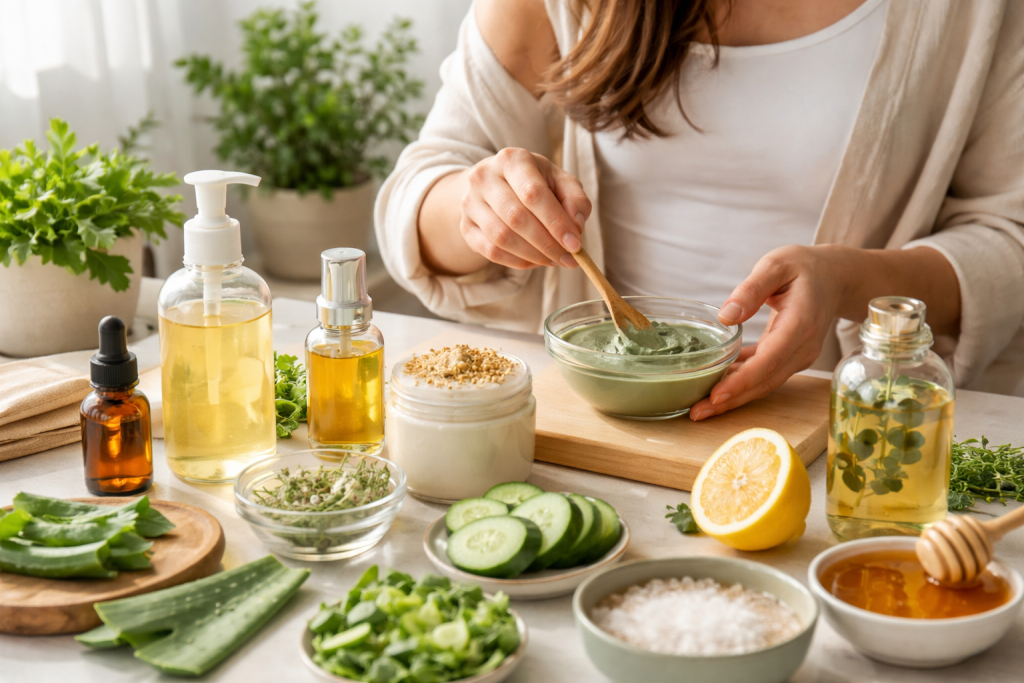
At its core, natural skincare prioritizes ingredients derived from nature, minimally processed, and free from synthetic chemicals, artificial fragrances, and harsh preservatives often found in conventional products. This philosophy extends beyond mere ingredient selection; it embodies a commitment to gentle care that supports the skin’s natural functions rather than disrupting them.
What Defines “Natural”?
While “natural” can be a loosely defined term in the beauty industry, in the context of DIY skincare, it generally refers to ingredients sourced from plants, minerals, and other natural resources. This includes botanical extracts, essential oils, carrier oils, waxes, and clays. The emphasis is on ingredients that work synergistically with the skin, leveraging their inherent properties to nourish, protect, and heal. Understanding the “why” behind each ingredient is crucial for effective formulation.
The Skin’s Natural Barrier
A fundamental concept in natural skincare is supporting the skin’s natural barrier, also known as the stratum corneum. This protective layer is vital for retaining moisture, preventing irritants from entering, and defending against environmental aggressors. Many conventional products can strip this barrier, leading to dryness, sensitivity, and various skin concerns. Natural ingredients, conversely, are often chosen for their ability to strengthen and replenish this crucial defense.
Embarking on your DIY skincare journey requires a foundational understanding of key ingredient categories. These building blocks will form the basis of your personalized formulations.
Carrier Oils: The Emollient Backbone
Carrier oils, also known as base oils, are perhaps the most versatile ingredients in natural skincare. They are derived from various plants and serve as an excellent delivery system for other active ingredients.
Popular Carrier Oils and Their Benefits
- Jojoba Oil: Mimics the skin’s natural sebum, making it suitable for all skin types, including oily and acne-prone. It’s non-comedogenic and deeply moisturizing.
- Sweet Almond Oil: A lightweight, nourishing oil rich in vitamins A and E, excellent for sensitive and dry skin.
- Argan Oil: Known as “liquid gold,” it boasts potent anti-aging properties, deeply moisturizes, and improves skin elasticity.
- Rosehip Oil: Renowned for its regenerative properties, it helps reduce the appearance of scars, fine lines, and hyperpigmentation.
- Coconut Oil: While popular, it can be comedogenic for some, so use with caution. It’s highly moisturizing and antifungal.
Hydrosols: Gentle Floral Waters
Hydrosols are the aromatic water produced during the distillation of essential oils. They are gentler than essential oils and can be used alone as toners or in emulsions.
Common Hydrosols and Their Uses
- Rose Hydrosol: Soothing, hydrating, and mildly astringent. This hydrosol is particularly beneficial for mature and sensitive skin types.
- Lavender Hydrosol: Calming, anti-inflammatory, and balancing. This product is particularly beneficial for skin that is irritated or prone to acne.
- Chamomile Hydrosol: Exceptionally gentle and anti-inflammatory, perfect for very sensitive or reactive skin.
Essential Oils: Potent Botanical Extracts
Essential oils are highly concentrated extracts from plants, each possessing unique therapeutic properties. They should always be diluted in a carrier oil or other base before applying to the skin.
Essential Oils for Various Skin Concerns
- Tea Tree Oil: Powerful antiseptic and anti-inflammatory, effective for acne and blemishes.
- Frankincense Oil: Rejuvenating, helps reduce the appearance of wrinkles and scars.
- Geranium Oil: Balances oil production, improves circulation, and promotes a healthy complexion.
- Lavender Oil: Calming, healing, and anti-inflammatory. This oil is suitable for most skin types.
Butters, Clays, and Waxes: Texture and Functionality
These ingredients provide texture, stability, and additional benefits to your skincare creations.
The Role of Butters, Clays, and Waxes
- Shea Butter: Intensely moisturizing, rich in vitamins, and protective. Shea Butter is particularly beneficial for dry and mature skin types.
- Cocoa Butter: Forms a protective barrier, deeply nourishing, and has a lovely chocolatey scent.
- Bentonite Clay: Detoxifying, draws out impurities, and excellent for oily and congested skin.
- Kaolin Clay: Milder than bentonite, gently purifies and soothes. Suitable for sensitive skin.
- Beeswax: A natural emulsifier and thickener, provides a protective barrier on the skin.
The process of creating your own skincare involves careful measurement, mixing, and an understanding of basic chemistry. Start with simple recipes and gradually build your confidence.
Research and Recipe Selection
Before you begin, thoroughly research the properties of your chosen ingredients and find trusted recipes from reputable sources. Understand how ingredients interact and what their intended ratios are. Begin with simple formulations like facial oils or body butters, which are often anhydrous (water-free) and thus easier to preserve.
Gathering Your Tools and Ingredients
Cleanliness is paramount in DIY skincare. Ensure all your equipment is sterilized. You will need measuring spoons and cups, a small scale for precise measurements, mixing bowls, spatulas, and appropriate containers for your finished products. Have your chosen carrier oils, essential oils, butters, and any other ingredients readily available.
The Art of Blending and Emulsifying
For simple oil-based products, blending is straightforward. Combine your carrier oils, then add essential oils drop by drop, stirring thoroughly. For emulsions (products containing both oil and water phases, like lotions), you will need an emulsifier to bind the two phases together and prevent separation. This process often involves heating both phases separately, then slowly combining them while continuously mixing until an emulsion forms.
The beauty of DIY is the ability to tailor products specifically to your skin’s unique needs and preferences.
Understanding Your Skin Type
Before customizing, deeply understand your skin type (oily, dry, combination, sensitive, mature, or acne-prone). This knowledge is your compass for selecting ingredients that will truly benefit your complexion. For example, if you have oily skin, you might opt for lighter carrier oils like jojoba and essential oils with balancing properties like tea tree or geranium. For dry skin, richer butters and occlusive carrier oils like avocado or shea butter would be more beneficial.
Addressing Specific Skin Concerns
Do you struggle with hyperpigmentation, fine lines, or persistent breakouts? Research ingredients known to target these concerns.
Tailoring for Specific Conditions
- Acne-Prone Skin: Focus on non-comedogenic carrier oils (jojoba, grapeseed), antibacterial essential oils (tea tree, lavender), and purifying clays (bentonite). Avoid heavy butters.
- Mature Skin: Emphasize antioxidants (rosehip oil, frankincense essential oil), deeply moisturizing butters (shea, cocoa), and ingredients that promote collagen production.
- Sensitive Skin: Prioritize gentle, unscented ingredients (chamomile hydrosol, calendula oil, oat extract). Always perform a patch test.
- Dry Skin: Rich carrier oils (avocado, argan), intensely moisturizing butters (shea, cocoa), and humectants (glycerin, if using a water-based product).
While “natural” implies safety, careful attention to hygiene and preservation is crucial to prevent microbial growth and extend the shelf life of your homemade products.
The Importance of Hygiene
Always wash your hands thoroughly and sterilize all equipment, containers, and work surfaces before making any skincare product. This prevents contamination from bacteria and mold, which can thrive in water-rich environments. Use distilled water if a recipe calls for it, as tap water can introduce impurities.
Choosing Natural Preservatives
Any product containing water must be preserved. Without a preservative, water-based formulations can become breeding grounds for bacteria and mold within days.
Effective Natural Preservation Methods
- Antioxidants: Ingredients like vitamin E oil (tocopherol) and rosemary oleoresin extract (ROE) help prevent oils from going rancid but are not broad-spectrum preservatives against bacteria and fungi. They extend the shelf life of the oil phase.
- Broad-Spectrum Natural Preservatives: Look for plant-derived preservatives like Leucidal Liquid (radish root ferment filtrate), Geogard 221 (benzyl alcohol, salicylic acid, glycerin, sorbic acid), or Phenoxyethanol (derived from green tea, though some consider it less “natural” than others). Always follow the manufacturer’s recommended usage rate. For anhydrous products (those without water), antioxidants are often sufficient.
The right packaging not only protects your products but also enhances their longevity and ease of use.
Selecting Appropriate Containers
Choose containers that protect your ingredients from light, air, and contamination.
Best Container Materials
- Dark Amber or Cobalt Blue Glass: Ideal for products containing essential oils, as it protects them from UV degradation.
- Airless Pump Bottles: Excellent for lotions and creams, as they minimize exposure to air and bacteria, extending shelf life.
- Jars: Suitable for thicker creams, butters, and masks. Opt for wide-mouthed jars for easier access, but use a clean spatula to scoop out products to prevent contamination.
- Plastic Bottles (BPA-free): Can be used for lighter liquids, but glass is generally preferred for products with essential oils.
Optimal Storage Conditions
Store your homemade skincare products in a cool, dark place away from direct sunlight and extreme temperatures. Heat and light can degrade active ingredients and promote spoilage. Some products, especially those with delicate botanical extracts or those stored without strong preservatives, may benefit from refrigeration. Always label your products with the date of creation and the ingredients used.
The advantages of crafting your skincare extend far beyond simply saving money.
Ingredient Control and Transparency
You have complete control over what goes onto your skin. No more deciphering lengthy, chemical-laden ingredient lists or worrying about hidden toxins. You choose high-quality, ethically sourced ingredients, ensuring purity and efficacy. This transparency empowers you to make informed decisions about your skin’s health.
Customization for Optimal Results
Your DIY creations, unlike mass-produced products, perfectly cater to your unique skin type and concerns. You can adjust ratios, add specific botanical extracts, and exclude any ingredients you know irritate your skin, leading to more targeted and often more effective results. This personalized approach fosters a deeper connection with your skin’s needs.
Reducing Environmental Impact
By making your own skincare, you significantly reduce your environmental footprint. You minimize packaging waste, avoid transporting water-heavy products, and often support sustainable farming practices when sourcing your raw ingredients. This conscious consumption aligns with a more eco-friendly lifestyle.
Cost-Effectiveness in the Long Run
While the initial investment in raw ingredients might seem daunting, in the long run, making your own skincare is often significantly more cost-effective than purchasing high-end natural products. Many base ingredients can be bought in bulk and used across multiple formulations, providing excellent value.
The Joy of Creation and Self-Care Ritual
Beyond the practical benefits, there’s immense satisfaction in creating something with your hands. The process itself can be a meditative and empowering act of self-care. It transforms your daily skincare routine from a chore into a delightful ritual, fostering a deeper appreciation for natural wellness. Embrace this journey of discovery and empower yourself with the knowledge to nourish your skin naturally.
FAQs
1. What are the essential ingredients for DIY natural skincare products?
The essential ingredients for DIY natural skincare products include carrier oils (such as coconut oil, jojoba oil, and argan oil), essential oils (such as lavender, tea tree, and rosemary), natural butters (such as shea butter and cocoa butter), and natural emulsifiers (such as beeswax and lecithin).
2. What are the safety and preservation considerations when creating homemade skincare products?
When creating homemade skincare products, it’s important to consider their safety and preservation. This includes using clean and sterilized equipment, using natural preservatives such as vitamin E oil and grapefruit seed extract, and storing the products in a cool, dark place to prolong their shelf life.
3. What are the benefits of creating your own natural skincare products?
The benefits of creating your own natural skincare products include having full control over the ingredients used, customizing goods to suit your specific skin needs, avoiding harmful chemicals and preservatives, and saving money in the long run.
4. What are some tips for customizing natural skincare recipes to suit individual skin needs?
Some tips for customizing natural skincare recipes include choosing ingredients based on skin type (such as oily, dry, or sensitive skin), experimenting with different essential oils and botanical extracts, and adjusting the concentration of active ingredients based on personal preferences.
5. How should homemade skincare products be packaged and stored to maintain their quality?
Homemade skincare products should be packaged in dark, airtight containers to protect them from light and air exposure. They should also be stored in a cool, dry place to prevent spoilage and maintain their quality for as long as possible.