
The Ultimate Guide to Easy Self-Care Routines for Busy People
The modern world beckons with relentless demands, leaving many feeling like they’re constantly juggling an ever-expanding list of to-dos. In this whirlwind of commitments, the concept of self-care can often feel like a luxurious indulgence, a privilege reserved for those with limitless time and energy. However, far from being a selfish act, prioritizing your well-being is not just beneficial, it’s essential for navigating life’s complexities with resilience and grace. Understanding the profound importance of self-care is the foundational step towards reclaiming your vitality and building a sustainable, fulfilling life, even when your calendar is overflowing.
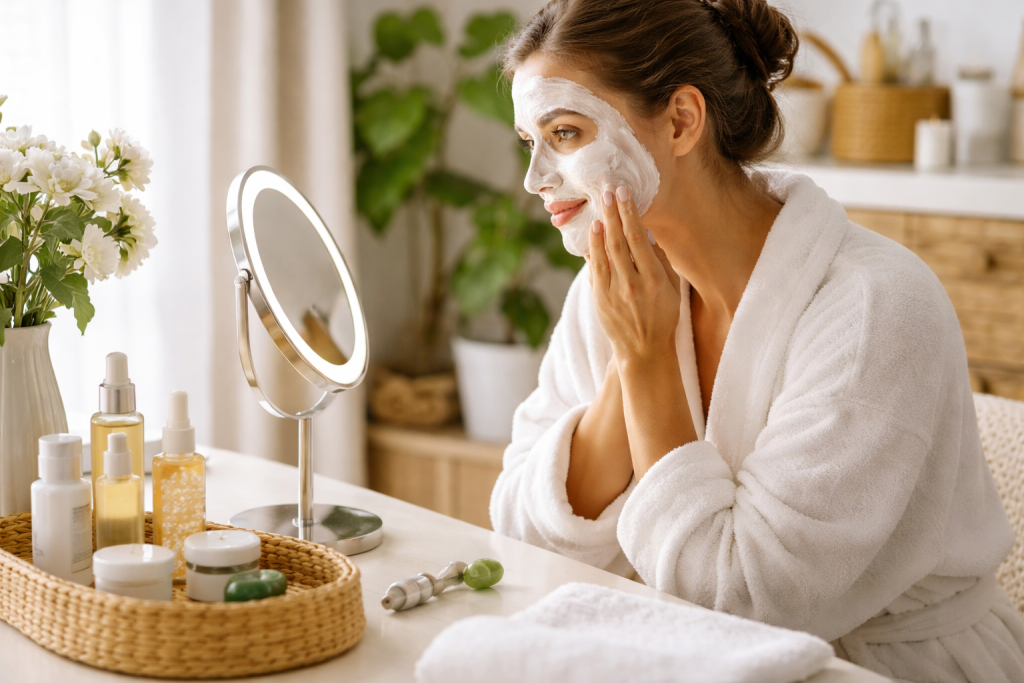
For too long, self-care has been relegated to the realm of pampered spa days and lengthy meditation sessions, activities that seem incompatible with the realities of a packed schedule. This misconception is a significant barrier for many busy individuals. The truth is, self-care is about actively engaging in practices that nourish your physical, mental, and emotional health. It’s about recognizing that your capacity to serve others, excel at your work, and simply enjoy life is directly tied to your own internal reserves. When you consistently neglect your own needs, you deplete those reserves, leading to burnout, decreased productivity, and a diminished sense of joy.
Contents
- 0.1 The Ripple Effect of Self-Neglect
- 0.2 Self-Care: An Investment, Not an Expense
- 0.3 The Power of the Pause
- 0.4 Mindful Moments Throughout the Day
- 0.5 Movement as Medicine
- 0.6 Identifying Your “Me Time” Pockets
- 0.7 The “Stacking” Technique
- 0.8 The Art of “Good Enough” Self-Care
- 0.9 The Breath as Your Anchor
- 0.10 Cultivating a Gratitude Practice
- 0.11 The Cleansing Power of Expression
- 0.12 Strategic Placement Throughout the Day
- 0.13 Batching and Automation
- 0.14 Making it a Non-Negotiable
- 0.15 Nourishing Your Body with Simple Habits
- 0.16 Engaging Your Senses for Mental Clarity
- 0.17 The Power of Connection and Solitude
- 0.18 The Guilt Trap
- 0.19 Time Scarcity: The Illusion and the Reality
- 0.20 External Pressures and Expectations
- 1 FAQs
- 1.1 1. What is self-care and why is it important?
- 1.2 2. How can busy people incorporate self-care into their daily routines?
- 1.3 3. What are some quick and effective self-care practices for busy lifestyles?
- 1.4 4. What are some self-care tips for managing stress and anxiety?
- 1.5 5. How can individuals overcome common obstacles to making self-care a priority?
The Ripple Effect of Self-Neglect
When you don’t carve out time for yourself, the consequences can be far-reaching. Chronic stress can manifest as physical ailments like headaches, digestive issues, and a weakened immune system. Emotionally, you might experience increased irritability, anxiety, and a persistent feeling of being overwhelmed. This not only impacts your personal life but can also spill over into your professional interactions, affecting your focus, creativity, and your ability to collaborate effectively.
Self-Care: An Investment, Not an Expense
Viewing self-care as an investment rather than an expense is a crucial mindset shift. Think of it like charging your phone: if you never plug it in, it will eventually run out of power and become useless. Similarly, if you don’t recharge your own batteries, you’ll eventually hit a wall. This investment in your well-being pays dividends in the form of increased energy, improved mood, enhanced problem-solving abilities, and a greater capacity to handle life’s challenges. It allows you to show up as your best self in all areas of your life.
The good news is that self-care doesn’t require hours of dedicated time every day. The key lies in integrating short, impactful practices into the fabric of your existing routine. These micro-moments of replenishment can make a significant difference in your overall well-being, providing much-needed respite and rejuvenation. The goal is to find what works for you, embracing flexibility and recognizing that even the smallest acts of kindness to yourself can contribute to a more balanced and fulfilling existence.
The Power of the Pause
One of the simplest yet most effective self-care practices is to deliberately incorporate moments of pause throughout your day. This can be as simple as taking a few deep breaths before answering an email, stepping away from your desk for five minutes to stretch, or enjoying your morning coffee without distractions. These brief interruptions can help to break the cycle of constant activity, allowing your mind to reset and reducing the cumulative effects of stress.
Mindful Moments Throughout the Day
Mindfulness, often associated with lengthy meditation, can be practiced in short bursts even for the busiest individuals. This involves bringing your attention to the present moment without judgment. When you’re eating, truly savor the taste and texture of your food. When you’re walking, notice the sensation of your feet on the ground and the sights and sounds around you. These mindful moments help to anchor you in the present, reducing rumination on past worries or future anxieties.
Movement as Medicine
Physical activity is a powerful stress reliever and mood booster. For busy people, this doesn’t necessarily mean hitting the gym for an hour. A brisk ten-minute walk during your lunch break, a quick yoga stretch session before bed, or even dancing to your favorite song for a few minutes can have a significant positive impact. The goal is to get your body moving and your blood flowing, releasing endorphins that enhance your mood and reduce tension.
The idea of a rigid, perfectly structured self-care routine can be daunting for those with unpredictable schedules. The key to success lies in creating a flexible and adaptable approach, one that acknowledges the realities of your daily life rather than trying to impose an unrealistic ideal. This involves identifying the pockets of time you do have, even if they are short, and strategically weaving in self-care practices that resonate with you. It’s about finding what’s sustainable and enjoyable, rather than what you feel you should be doing.
Identifying Your “Me Time” Pockets
Take an honest look at your week. Where are the small windows of opportunity for respite? This might be the first thirty minutes after waking up before the household stirs, the commute to work if you’re not driving, or ten minutes before bed. It could even be during a brief lull in a busy workday. Instead of waiting for large blocks of free time to appear, which they often don’t, learn to recognize and utilize these micro-moments.
The “Stacking” Technique
A highly effective strategy for integrating self-care into a busy schedule is the “stacking” technique. This involves pairing a desired self-care activity with an existing habit. For example, if you already have a morning routine of making coffee, you could stack a few minutes of mindful breathing or stretching onto that habit. If you’re already in the habit of checking your phone upon waking, you could aim to replace those first few minutes with a brief gratitude journaling exercise. This leverages existing momentum and makes the new habit feel less like an extra chore.
The Art of “Good Enough” Self-Care
Perfectionism can be a major roadblock to self-care. For busy people, the notion of a “perfect” self-care routine can be overwhelming and ultimately lead to inaction. Embrace the concept of “good enough.” If you only have five minutes, a five-minute walk is better than no walk at all. If you can’t manage a full yoga class, a few simple stretches will suffice. The aim is consistent small efforts, not flawless execution. Celebrate your small wins and acknowledge that even imperfect self-care is still self-care.
Stress and anxiety are almost unavoidable in our fast-paced world. However, self-care practices can act as powerful buffers, helping you to navigate these challenges with greater ease and build resilience. These aren’t about eradicating stress entirely, which is often an impossible goal, but rather about developing healthy coping mechanisms that prevent it from overwhelming you. The more you practice these techniques, the more adept you become at managing your responses to stressors.
The Breath as Your Anchor
Your breath is a readily available and incredibly potent tool for managing stress and anxiety. When you feel overwhelmed, consciously slowing down and deepening your breaths can trigger your body’s relaxation response. Simple techniques like box breathing (inhaling for a count of four, holding for four, exhaling for four, holding for four) or the 4-7-8 technique (inhale for four, hold for seven, exhale for eight) can quickly calm your nervous system. Aim to practice this for just a minute or two whenever you feel tension rising.
Cultivating a Gratitude Practice
Shifting your focus to what you are thankful for, even in difficult times, can significantly reduce anxiety and stress. Keep a small notebook by your bedside or on your phone and jot down three things you are grateful for each day. These can be small things, like a warm cup of tea, a friendly interaction, or the beauty of a sunset. This practice trains your brain to recognize the positive aspects of your life, fostering a more optimistic outlook and counteracting the tendency to focus on problems.
The Cleansing Power of Expression
Bottling up emotions can exacerbate stress and anxiety. Finding healthy outlets for expression is crucial. This could involve journaling your thoughts and feelings, talking to a trusted friend or family member, or engaging in creative activities like drawing, painting, or playing music. Even a brief conversation with someone who listens without judgment can be incredibly cathartic and help to process difficult emotions before they become overwhelming.
The true magic of self-care lies in its integration, weaving it seamlessly into the tapestry of your everyday existence. It shouldn’t feel like an added burden or a separate task on your to-do list, but rather a natural and inherent part of how you navigate your day. This requires conscious effort and a willingness to adapt, but the rewards of consistent, small acts of self-nurturing are profound and cumulative.
Strategic Placement Throughout the Day
Think of your day as a series of opportunities. Can you add a mindful moment to your commute? Can you incorporate a few stretches while waiting for your computer to boot up? Can you dedicate five minutes to a relaxing activity before bed? By strategically placing these short self-care practices throughout your day, you create a rhythm of replenishment that prevents burnout and sustains your energy levels. It’s about creating a constant hum of well-being rather than isolated bursts.
Batching and Automation
Just as you might batch your errands or automate bill payments, you can apply this principle to self-care. If you have a particular type of self-care you enjoy, like listening to podcasts, consider dedicating a specific time each day or week for this. Perhaps you can create a playlist of uplifting music to listen to while you work or during your commute. Similarly, you can set gentle reminders on your phone for simple practices like taking deep breaths or drinking a glass of water, allowing technology to support your well-being goals.
Making it a Non-Negotiable
At its core, making self-care a priority means treating it with the same importance as any other essential appointment or commitment. It requires a shift in mindset to recognize that your well-being is the foundation upon which everything else is built. When you begin to view self-care as a non-negotiable aspect of your life, you are more likely to make the time for it, even when life throws curveballs. It’s a testament to your self-worth.
The interconnectedness of our physical and mental health is undeniable. Practices that nourish one often have a positive impact on the other, creating a virtuous cycle of well-being. For busy individuals, the key is to find practices that are efficient, effective, and sustainable, allowing you to experience the dual benefits of physical and mental rejuvenation without adding undue stress to your already packed schedule.
Nourishing Your Body with Simple Habits
Physical well-being is fundamental to mental resilience. Even with a busy schedule, small, consistent efforts can make a significant difference. Prioritize hydration by keeping a water bottle with you throughout the day and sipping regularly. Opt for nutritious, easy-to-prepare meals and snacks that provide sustained energy, minimizing reliance on processed foods that can lead to energy crashes. Aim for quality sleep by establishing a calming bedtime routine, even if it’s just a few minutes of reading or gentle stretching.
Engaging Your Senses for Mental Clarity
Our senses offer a powerful gateway to our well-being. Engaging them intentionally can bring a sense of calm and presence. This could involve listening to soothing music, spending time in nature and observing the sights and sounds, or enjoying the aroma of essential oils. Even simple sensory experiences, like holding a warm mug of tea or feeling the texture of a soft blanket, can provide moments of grounding and stress reduction.
The Power of Connection and Solitude
Both meaningful connection and intentional solitude are vital for mental well-being. For busy individuals, this means being deliberate about both. Carve out time to connect with loved ones, even if it’s a quick phone call or virtual coffee date. Equally important is carving out moments of solitude to recharge and reflect, even if it’s just fifteen minutes of quiet time with your thoughts, without the constant barrage of external stimuli. Finding the right balance between these two is key to a robust mental state.
Despite the growing awareness of self-care’s importance, many busy individuals still struggle to make it a consistent part of their lives. This is often due to a combination of internal and external barriers. Recognizing these obstacles is the first step towards developing effective strategies to overcome them and solidify your commitment to your own well-being. True self-care involves not just knowing what to do, but also having the tools and mindset to implement it consistently.
The Guilt Trap
One of the most significant obstacles is often guilt. Many busy people feel selfish taking time for themselves when there are so many demands on their time and energy from family, work, or other obligations. It’s important to reframe this perspective. Self-care isn’t selfish; it’s essential for your ability to effectively care for others and fulfill your responsibilities. When you are depleted, you are less capable. Prioritizing your well-being allows you to be more present, productive, and patient in all areas of your life.
Time Scarcity: The Illusion and the Reality
The feeling of never having enough time is pervasive. However, often it’s a matter of prioritization rather than a genuine lack of time. When you examine your schedule, you might find that time is being consumed by less essential activities. By making self-care a priority, you are actively choosing to allocate time to your well-being, much like you would for a critical work meeting or a doctor’s appointment. Small, consistent efforts are far more effective than waiting for a mythical large block of free time to appear.
External Pressures and Expectations
Societal expectations and the demands of our environment can also make self-care feel like a luxury. The constant pressure to be productive, achieve more, and always be available can create a culture where self-care is seen as a weakness or a sign of not working hard enough. Challenging these ingrained beliefs is crucial. Building your resilience and capacity through self-care allows you to meet external demands with greater strength and a more balanced perspective, ultimately making you more effective in the long run.
FAQs
1. What is self-care and why is it important?
Self-care refers to the practice of taking action to preserve or improve one’s own health. It is important because it helps to maintain a healthy relationship with oneself, manage stress, and promotes overall well-being.
2. How can busy people incorporate self-care into their daily routines?
Busy people can incorporate self-care into their daily routines by setting aside small pockets of time for self-care activities, prioritizing self-care, and finding quick and effective self-care practices that fit their schedules.
3. What are some quick and effective self-care practices for busy lifestyles?
Quick and effective self-care practices for busy lifestyles include deep breathing exercises, taking short walks, practicing mindfulness or meditation, engaging in hobbies, and setting boundaries to protect personal time.
4. What are some self-care tips for managing stress and anxiety?
Self-care tips for managing stress and anxiety include getting regular exercise, practicing relaxation techniques, maintaining a healthy diet, getting enough sleep, and seeking support from friends, family, or professionals.
5. How can individuals overcome common obstacles to making self-care a priority?
Individuals can overcome common obstacles to making self-care a priority by recognizing the importance of self-care, setting realistic goals, creating a self-care plan, and seeking support from others.

Ahsan Tufail is the founder and writer behind GloworGrow.com, a blog dedicated to natural beauty, skincare, hair care, and practical self-care habits. His goal is to help readers build simple routines that support healthy skin, hair, and overall well-being.
Through GloworGrow, Ahsan shares beginner-friendly guides, everyday beauty tips, and lifestyle advice that focuses on natural, realistic, and sustainable self-care. His approach is based on making beauty and self-care easy to understand and accessible for everyone.
Ahsan believes that true beauty comes from consistent habits, healthy choices, and personal growth. Through his content, he aims to inspire readers to glow naturally and grow confidently in their self-care journey.