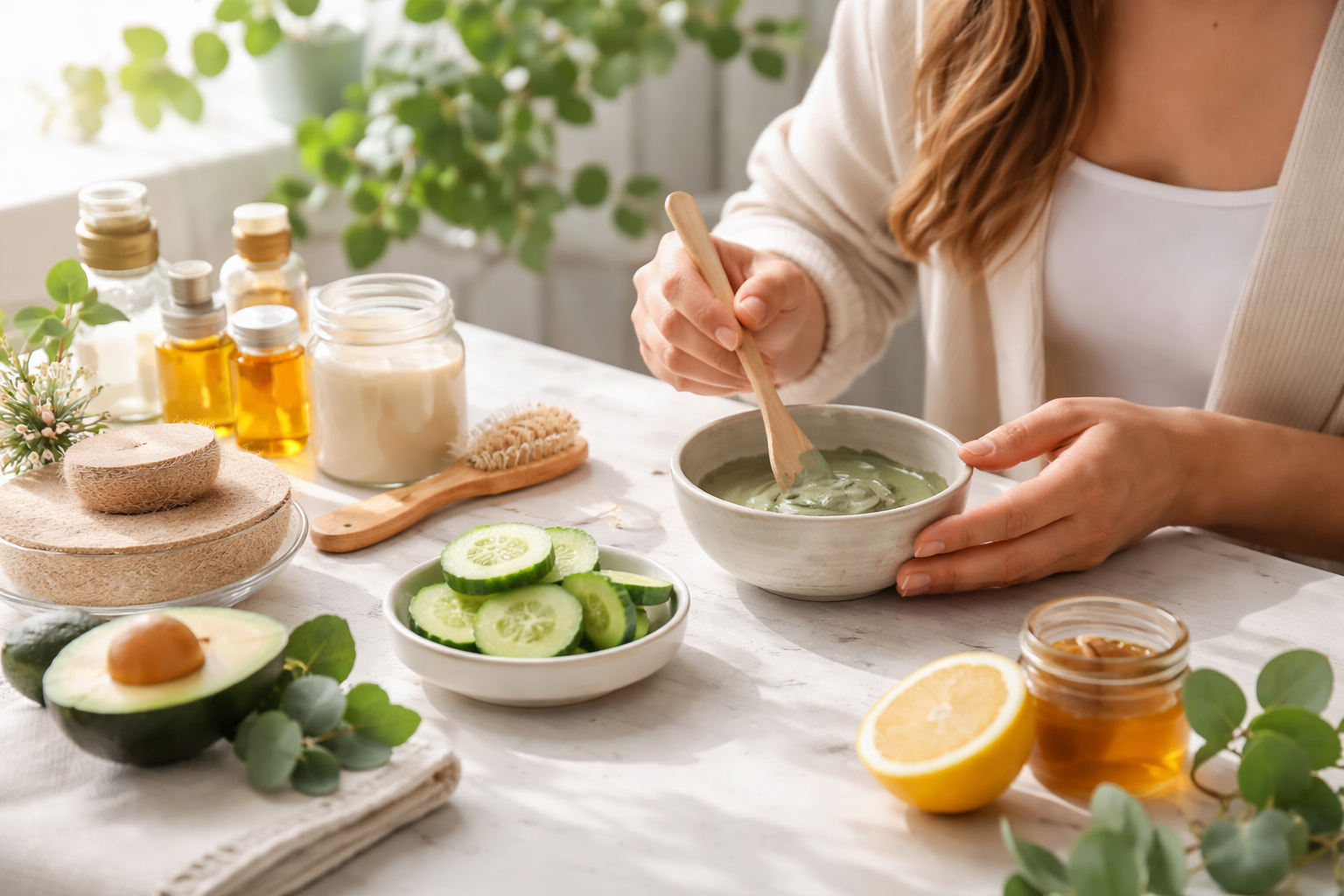
The quest for luscious, vibrant hair often leads us down aisles filled with commercial products promising miraculous results. However, beneath the gleaming packaging and alluring scents, a hidden truth often lurks: a cocktail of synthetic chemicals that, over time, can strip our hair of its natural oils, lead to dryness, breakage, and even scalp irritation. What if the secret to truly healthy hair wasn’t found in a laboratory, but rather in the bounty of Mother Nature herself? Embracing homemade beauty care for our hair is a powerful step towards a more sustainable, effective, and ultimately, healthier approach to hair care. By harnessing the potency of natural ingredients, we can cultivate hair that not only looks stunning but is genuinely strong, shiny, and resilient from root to tip.
The allure of natural ingredients in hair care lies in their inherent synergy with our body’s own biology. Unlike synthetic compounds, which can be harsh and disruptive, natural elements often possess a gentle yet potent ability to nourish, protect, and restore. These ingredients are typically rich in vitamins, minerals, antioxidants, and essential fatty acids, all of which are vital for healthy hair growth and maintenance.
Gentle Cleansing and Scalp Health
Many natural ingredients offer exceptional cleansing properties without stripping the scalp of its natural oils. Ingredients like apple cider vinegar, for example, can balance scalp pH, remove product buildup, and even possess antifungal properties, tackling issues like dandruff. Similarly, baking soda, when used sparingly, can act as a gentle exfoliator for the scalp, promoting circulation and removing dead skin cells that can impede hair growth. These natural cleansers support a healthy scalp microbiome, which is crucial for fostering strong, vibrant hair.
Deep Nourishment and Repair
Nature provides an abundance of ingredients that deeply nourish and repair damaged hair. Avocado, packed with vitamins A, D, E, and B6, along with amino acids and folic acid, can penetrate the hair shaft, providing intense moisture and strengthening strands. Coconut oil, a revered staple in many cultures, effectively reduces protein loss in hair, making it less prone to breakage. Shea butter, a rich emollient, seals in moisture, reduces frizz, and offers protection against environmental damage. The intricate blend of nutrients found in these natural wonders works harmoniously to replenish lost vitality and rebuild compromised hair structure.
Enhanced Shine and Manageability
Beyond their restorative powers, natural ingredients also contribute significantly to the aesthetic appeal of our hair. Aloe vera, a soothing and hydrating plant, not only promotes hair growth but also imparts a beautiful natural sheen. Honey, a natural humectant, attracts and retains moisture, resulting in smoother, more manageable hair with reduced frizz. Rice water, a traditional beauty secret, is rich in vitamins and minerals that can strengthen hair and leave it incredibly shiny and smooth. These ingredients work by sealing the hair cuticle, reflecting light, and making hair easier to detangle and style.
The beauty of homemade hair care truly shines when crafting your own masks and treatments. These personalized concoctions allow you to target specific concerns and infuse your hair with a concentrated dose of natural goodness.
Hydrating and Moisturizing Masks
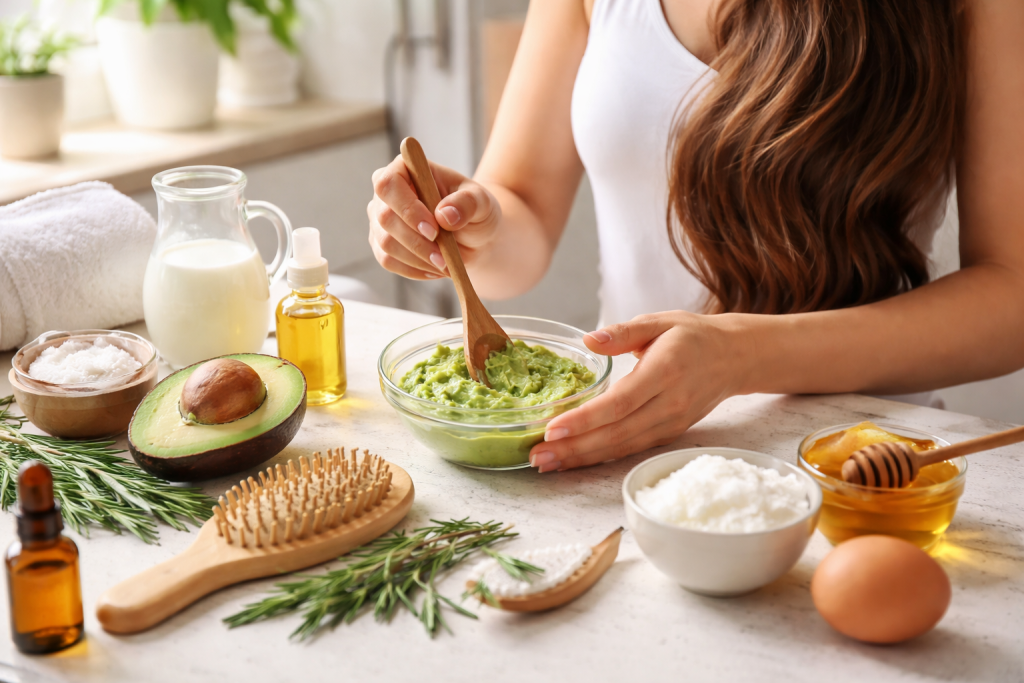
For dry and brittle hair, a simple yet effective hydrating mask can be made with a ripe avocado, two tablespoons of olive oil, and a tablespoon of honey. Mash the avocado until smooth, then mix in the oil and honey. Apply this mixture to damp hair, focusing on the ends, and leave it on for 20-30 minutes before shampooing. The avocado’s fats and vitamins, combined with the olive oil’s nourishing properties and honey’s humectant effects, will deeply moisturize and soften your hair. Another excellent option combines plain yogurt with a few drops of lavender essential oil, offering both hydration and a soothing scalp treatment.
Strengthening and Growth-Promoting Treatments
To bolster weak strands and encourage growth, consider a hair mask featuring eggs. A single egg yolk, rich in protein and biotin, mixed with a tablespoon of castor oil and a few drops of rosemary essential oil, creates a powerful strengthening treatment. Apply to the scalp and hair, leave for 30 minutes, then rinse thoroughly. The protein in the egg helps rebuild the hair’s structure, while castor oil is renowned for its hair growth benefits, and rosemary stimulates circulation to the scalp. Alternatively, a banana mask, mashed with a tablespoon of almond oil, provides potassium and vitamins that strengthen hair and prevent breakage.
Dandruff and Scalp Soothing Solutions
For an itchy or flaky scalp, a blend of apple cider vinegar and a few drops of tea tree essential oil can be incredibly effective. Dilute the apple cider vinegar with equal parts water, add the tea tree oil, and apply to the scalp after shampooing, leaving it on for 10-15 minutes before rinsing. Apple cider vinegar rebalances the scalp’s pH and kills yeast, while tea tree oil possesses potent antifungal and antibacterial properties. Another soothing option involves mashing fresh aloe vera gel with a teaspoon of lemon juice, applying it to the scalp, and leaving it on for 15 minutes to reduce irritation and inflammation.
Essential oils, concentrated plant extracts, are powerhouses of natural healing and therapeutic benefits, extending their magic to hair care. Their potent compounds can stimulate circulation, reduce inflammation, balance oil production, and even possess antimicrobial properties.
Stimulating Hair Growth
Certain essential oils are celebrated for their ability to stimulate hair follicles and promote healthy growth. Rosemary essential oil, perhaps one of the most well-researched, has been shown to be as effective as minoxidil in some studies, encouraging thicker, stronger hair. Peppermint essential oil also stimulates blood circulation to the scalp, delivering vital nutrients to the hair follicles. These oils can be diluted in a carrier oil like jojoba or coconut oil and massaged into the scalp regularly.
Balancing Scalp Oil and Dandruff Control
For those struggling with an oily scalp or dandruff, essential oils offer natural solutions. Tea tree essential oil is a powerful antiseptic and antifungal, making it excellent for combating dandruff and scalp infections. Lemon essential oil can help balance sebum production, reducing oiliness without stripping the scalp. Cedarwood essential oil is another beneficial option for balancing oil and promoting a healthy scalp environment. Always dilute these potent oils significantly before applying to the scalp.
Enhancing Shine and Hair Health
Beyond addressing specific concerns, essential oils can also simply enhance the overall health and appearance of your hair. Lavender essential oil, known for its calming properties, can also promote hair growth and add a lovely sheen. Ylang-ylang essential oil is believed to stimulate the sebaceous glands, benefiting dry hair by increasing natural oil production and imparting a beautiful, exotic scent. Chamomile essential oil can add shine, especially to lighter hair tones, and has soothing properties for the scalp. A few drops added to your rinse or mask can make a noticeable difference.
Herbal rinses and infusions are an ancient beauty secret, offering a gentle yet effective way to condition, strengthen, and add shine to your hair. These natural tonics harness the power of botanicals to address various hair concerns.
Strengthening and Growth-Promoting Rinses
Rinses made from herbs like nettle, horsetail, and sage are renowned for their hair-strengthening and growth-promoting properties. Nettle is rich in vitamins and minerals like iron and silica, which are essential for healthy hair. Horsetail is packed with silica, which contributes to hair elasticity and strength. Sage is known to improve circulation to the scalp and can even darken graying hair over time. Simply steep a handful of dried herbs in hot water, let it cool, strain, and use it as a final rinse after shampooing and conditioning.
Shine-Enhancing and Conditioning Infusions
For incredible shine and enhanced manageability, consider herbal infusions from chamomile, calendula, or hibiscus. Chamomile not only adds a golden highlight to lighter hair but also has soothing properties for the scalp. Calendula petals are rich in antioxidants and can promote a healthy scalp while adding shine. Hibiscus flowers are known to condition the hair, prevent premature graying, and stimulate growth, leaving hair soft and lustrous. Prepare these infusions in the same way as the strengthening rinses, allowing the herbs to steep for longer for a more potent effect.
Soothing and Clarifying Herbal Washes
Herbs like rosemary and peppermint can be used in cleansing rinses to invigorate the scalp and remove product buildup. Rosemary stimulates circulation and has antiseptic properties, making it excellent for scalp health. Peppermint provides a refreshing tingle and helps to clarify the scalp. For those with a flaky or irritated scalp, a calendula and lavender infusion can provide calming and anti-inflammatory benefits, reducing itchiness and promoting healing. These herbal washes offer a gentle alternative or complement to traditional shampoos, leaving the scalp clean and revitalized.
Transitioning to a natural hair care routine can feel daunting, but with a few key strategies, it becomes an enjoyable and rewarding journey.
Gradual Transition and Patch Testing
Don’t feel pressured to overhaul your entire routine overnight. Start by incorporating one or two homemade treatments a week, gradually replacing commercial products as you discover what works best for your hair. Always perform a patch test on a small area of skin before applying any new ingredient to your scalp or hair to check for allergic reactions.
Ingredient Quality and Sourcing
The effectiveness of your homemade remedies hinges on the quality of your ingredients. Opt for organic, cold-pressed oils, fresh produce, and high-quality essential oils from reputable suppliers. Prioritize ingredients that are food-grade, as what goes on your body is just as important as what goes in it.
Consistency and Patience
Natural remedies often require consistent application and a degree of patience to show optimal results. Unlike instant fixes offered by some chemical products, natural ingredients work by gradually nourishing and restoring your hair’s inherent health. Stick with your chosen regimen for several weeks to truly assess its efficacy. Remember that individual results may vary, and finding the perfect blend for your unique hair type might involve some experimentation.
The commercial beauty industry, while offering convenience, often relies on a range of synthetic chemicals that can have detrimental effects on our hair and overall health. Understanding these potential hazards is crucial to making informed choices.
Stripping Agents and Dryness
Many common shampoos contain harsh sulfates like sodium lauryl sulfate (SLS) and sodium laureth sulfate (SLES). These powerful detergents create copious lather but are essentially stripping agents, removing not only dirt and oil but also the hair’s natural protective sebum. This often leads to excessive dryness, frizz, and an overproduction of oil by the scalp trying to compensate, creating a vicious cycle of washing and drying.
Silicones and Buildup
Silicones, frequently found in conditioners and styling products, initially provide a silky smooth feel and add shine by coating the hair shaft. However, over time, non-water-soluble silicones can build up on the hair, creating a barrier that prevents moisture and nutrients from penetrating. This leads to dull, weighed-down hair that feels greasy or lifeless, and can exacerbate frizz and breakage.
Parabens, Phthalates, and Fragrances
Parabens are synthetic preservatives used to extend shelf life but have raised concerns due to their potential to mimic estrogen and disrupt hormone balance. Phthalates, often undisclosed and lumped under “fragrance,” are plasticizers that can also act as endocrine disruptors. Synthetic fragrances themselves are complex mixtures of undisclosed chemicals, many of which can be allergens, causing scalp irritation, headaches, and even respiratory issues. Avoiding these hidden invaders is a significant step towards a healthier hair care regimen.
Embracing natural beauty through homemade hair care is more than just a trend; it’s a profound shift towards self-care, environmental consciousness, and ultimately, a deeper connection with our own bodies.
Reconnecting with Nature’s Bounty
By choosing to make your own hair care products, you actively engage with the natural world. You learn about the properties of herbs, oils, and fruits, and how they interact with your body. This act of creation is empowering, providing a sense of control over what you put on your hair. It’s an opportunity to appreciate the simple yet powerful solutions nature offers, moving away from reliance on manufactured chemicals.
Sustainable and Economical Practices
Homemade hair care is inherently more sustainable. It reduces plastic waste associated with countless product bottles and minimizes the carbon footprint of manufacturing and transportation. Furthermore, using common kitchen ingredients and bulk herbs is often significantly more cost-effective in the long run than purchasing high-end commercial products. This thrifty approach benefits both your wallet and the planet.
Personalized Care for Unique Needs
One of the greatest advantages of crafting your own remedies is the ability to personalize them. Your hair is unique, and a one-size-fits-all approach often falls short. With natural ingredients, you can experiment and tailor masks, rinses, and oil treatments to precisely match your hair type, scalp condition, and specific concerns. This bespoke approach fosters truly healthy and radiant hair that reflects your individual needs and enhances your natural beauty from within. The journey of discovering what truly nourishes your hair is an enriching aspect of embracing a chemical-free lifestyle.
FAQs
1. What are the benefits of using natural ingredients for hair care?
Using natural ingredients for hair care can provide numerous benefits such as nourishing the hair and scalp, promoting hair growth, improving hair texture, and reducing the risk of irritation or allergic reactions.
2. What are some DIY hair masks and treatments for healthy hair?
There are several DIY hair masks and treatments that can promote healthy hair, including coconut oil and honey mask for hydration, avocado and banana mask for nourishment, and apple cider vinegar rinse for clarifying the scalp.
3. What is the role of essential oils in homemade hair care?
Essential oils play a crucial role in homemade hair care by providing various benefits such as promoting hair growth, reducing dandruff, adding shine, and improving overall hair health.
4. How can herbal rinses and infusions contribute to shiny, strong hair?
Herbal rinses and infusions can contribute to shiny, strong hair by providing nutrients, promoting scalp health, and adding natural shine without the use of harsh chemicals.
5. Why is it important to avoid harmful chemicals in hair products?
Avoiding harmful chemicals in hair products is important because these chemicals can cause damage to the hair and scalp, lead to dryness and irritation, and potentially have long-term negative effects on overall hair health.