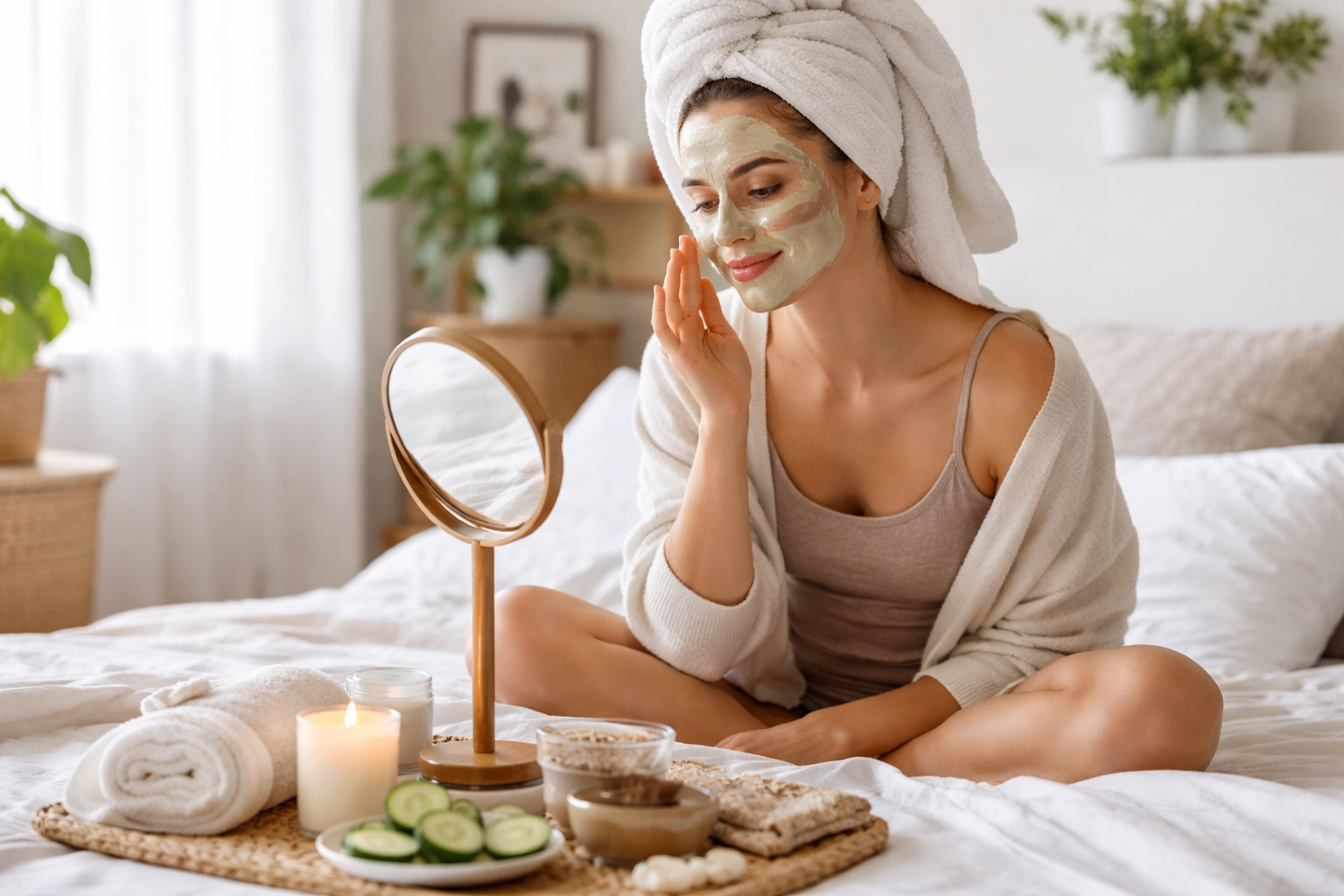
In the relentless hum of modern life, where demands incessantly pull at our attention and energy, the concept of self-care often feels like a luxurious indulgence rather than a fundamental necessity. Yet, cultivating a consistent and deliberate self-care routine is not merely about pampering; it’s about building resilience, fostering well-being, and ensuring we have the stamina to navigate life’s challenges with grace and strength. This guide explores the profound importance of self-care and offers practical strategies for weaving it seamlessly into your daily life, creating a tapestry of well-being that nurtures your mind, body, and soul.
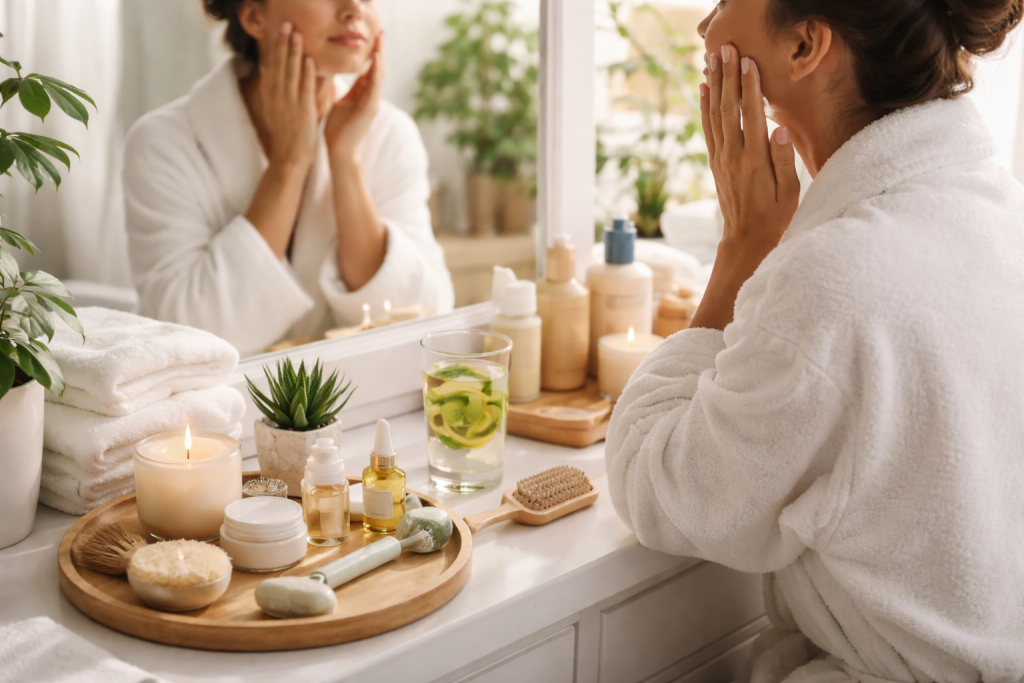
Self-care is not selfishness; it is self-preservation. It is the conscious act of taking steps to promote your own physical, mental, and emotional health and well-being. In a world often characterized by burnout and stress, prioritizing self-care becomes a crucial act of proactive health management. Neglecting self-care can lead to a cascade of negative consequences, including increased stress, anxiety, depression, decreased productivity, weakened immune function, and a diminished sense of overall life satisfaction. Conversely, integrating self-care into your daily rhythm can unlock a wealth of benefits.
The Ripple Effect of Well-Being
When you care for yourself, you are better equipped to care for others. Think of it like the oxygen mask analogy on an airplane: you must secure your own mask before assisting others. A well-rested, emotionally balanced, and physically healthy individual has more to give, whether to their family, friends, colleagues, or community. Self-care fosters emotional regulation, allowing you to respond to stressors with greater calm and clarity. It enhances creativity, boosts problem-solving skills, and deepens your capacity for empathy and connection. Ultimately, self-care empowers you to live a more fulfilling and purposeful life, not just for yourself, but for everyone around you.
Creating a self-care routine doesn’t imply an overhaul of your entire life; rather, it’s about identifying small, consistent practices that collectively contribute to your overall well-being. The key is intentionality and customization, understanding that what nurtures one person may not resonate with another. The most effective routines are flexible, adapting to the ebb and flow of life while maintaining a core commitment to self-nourishment.
The Power of Small, Consistent Steps
Don’t aim for perfection; aim for consistency. Even five or ten minutes dedicated to a self-care practice can yield significant benefits over time. Start small and gradually integrate more practices as they become habitual and beneficial. The goal is to create a sustainable routine that doesn’t add more stress to your already busy life, but instead acts as a sanctuary, a moment of respite and rejuvenation. This consistent dedication to your well-being builds a solid foundation for long-term health and happiness.
The morning sets the tone for the entire day. By intentionally infusing self-care into your first few hours, you can cultivate a sense of calm, focus, and positive intention that carries throughout your waking hours. This doesn’t mean waking up at 4 AM to meditate for two hours; it means finding accessible and enjoyable practices that fit your unique schedule and preferences.
Mindful Mornings for a Centered Start
Begin your day with a moment of quiet reflection, even if it’s just five minutes of deep breathing before you check your phone. Consider mindful movement, such as gentle stretching or a short yoga sequence, to awaken your body and release any lingering tension. Hydrate with a glass of water, perhaps with a squeeze of lemon, to kickstart your metabolism and cleanse your system. Engage in a practice that cultivates gratitude, by jotting down three things you’re thankful for, or simply reflecting on blessings as you sip your first cup of coffee or tea. These small, intentional acts can powerfully shift your morning from harried to harmonious.
The pervasive myth is that self-care is a luxury reserved for those with abundant free time. In reality, it is even more crucial for individuals juggling demanding careers, family responsibilities, and numerous commitments. The secret lies in intelligent integration, finding pockets of time, and prioritizing self-care as essential, not optional.
Micro-Moments of Mindfulness Throughout the Day
You don’t need a dedicated hour for meditation to practice mindfulness. Incorporate micro-moments of self-care into your day. Take a few deep breaths before responding to an email, or pause for a moment to appreciate the warmth of your coffee or the texture of your food. Step outside for five minutes to breathe fresh air and observe your surroundings. Use your commute time, if applicable, to listen to an inspiring podcast or calming music instead of immediately diving into work. These brief, intentional pauses act as mental resets, preventing burnout and promoting sustained focus. Schedule self-care just as you would any other important appointment, recognizing its value in bolstering your overall capacity.
Our mental health is as vital as our physical health, yet it is often the first aspect of ourselves we neglect. Self-care for the mind involves practices that soothe anxiety, stimulate intellectual curiosity, and cultivate emotional resilience.
Intellectual Engagement and Emotional Processing
Engage in activities that stimulate your mind without adding stress. This could be reading a book that sparks your interest, learning a new skill, listening to a thought-provoking podcast, or engaging in a creative pursuit like writing or painting. journaling is an incredibly powerful tool for processing thoughts and emotions, offering an outlet for worries and triumphs alike. Additionally, setting healthy boundaries with technology and social media can significantly reduce mental clutter and comparison traps. Make time for genuine connection with loved ones, fostering relationships that provide support and laughter.
Our bodies are our vehicles through life, and nourishing them is a fundamental act of self-care. This encompasses more than just diet and exercise; it involves mindful movement, adequate rest, and attuned listening to your body’s signals.
Holistic Physical Well-being
Prioritize nutrient-dense foods that energize and support your body. Aim for consistent sleep routines, recognizing sleep not as a luxury, but as a critical physiological requirement for repair and rejuvenation. Incorporate movement into your daily life that you genuinely enjoy, whether it’s a brisk walk, dancing, swimming, or practicing yoga. Listen to your body’s signals; if you feel tired, rest. If you feel tense, stretch. Regular physical activity not only strengthens your muscles and cardiovascular system but also releases endorphins, natural mood boosters that combat stress and improve overall mental clarity. Remember the importance of hydration; water is essential for every bodily function.
Spiritual wellness does not necessarily equate to religious adherence; rather, it refers to the search for meaning, purpose, and connection to something larger than oneself. Nurturing your spiritual side can provide a profound sense of peace, resilience, and perspective.
Connecting to Your Deeper Self
Engage in practices that foster inner reflection and personal growth. Meditation is a powerful tool for quieting the mind, cultivating present moment awareness, and accessing a deeper sense of calm. Spending time in nature, whether it’s a walk in the park or a hike in the mountains, can be deeply restorative, reminding us of our connection to the natural world. Practicing gratitude, through journaling or simply acknowledging blessings, shifts focus from what is lacking to what is abundant. Acts of service, helping others, can also be profoundly spiritual, fostering a sense of purpose and connection. Whatever form it takes, cultivating your spiritual side helps ground you, providing a compass during challenging times and enriching your experience of life.
Creating a daily self-care routine is an ongoing journey, not a destination. It requires patience, self-compassion, and a willingness to experiment with different practices to discover what truly nourishes you. By intentionally dedicating time and energy to your mind, body, and soul, you are not only enhancing your own well-being but also building the capacity to live a more vibrant, meaningful, and impactful life. Embrace this journey of self-discovery and commitment, for your well-being is the most valuable asset you possess.
FAQs
What is self-care and why is it important?
Self-care refers to the practice of taking deliberate action to preserve or improve one’s own health. It is important because it helps to reduce stress, improve overall well-being, and prevent burnout.
How can I create a daily routine that nurtures my mind, body, and soul?
Creating a daily routine that nurtures your mind, body, and soul involves incorporating activities that promote mental, physical, and spiritual well-being. This can include activities such as meditation, exercise, healthy eating, and engaging in activities that bring joy and fulfillment.
What are some self-care practices for mental well-being?
Self-care practices for mental well-being can include activities such as mindfulness meditation, journaling, seeking therapy or counseling, engaging in hobbies, and setting boundaries to protect your mental health.
What are some self-care tips for physical health?
Self-care tips for physical health can include getting regular exercise, eating a balanced and nutritious diet, getting enough sleep, staying hydrated, and seeking regular medical check-ups.
How can I incorporate self-care practices into my morning routine?
Incorporating self-care practices into your morning routine can involve activities such as starting the day with a healthy breakfast, practicing mindfulness or meditation, engaging in light exercise, and setting positive intentions for the day.