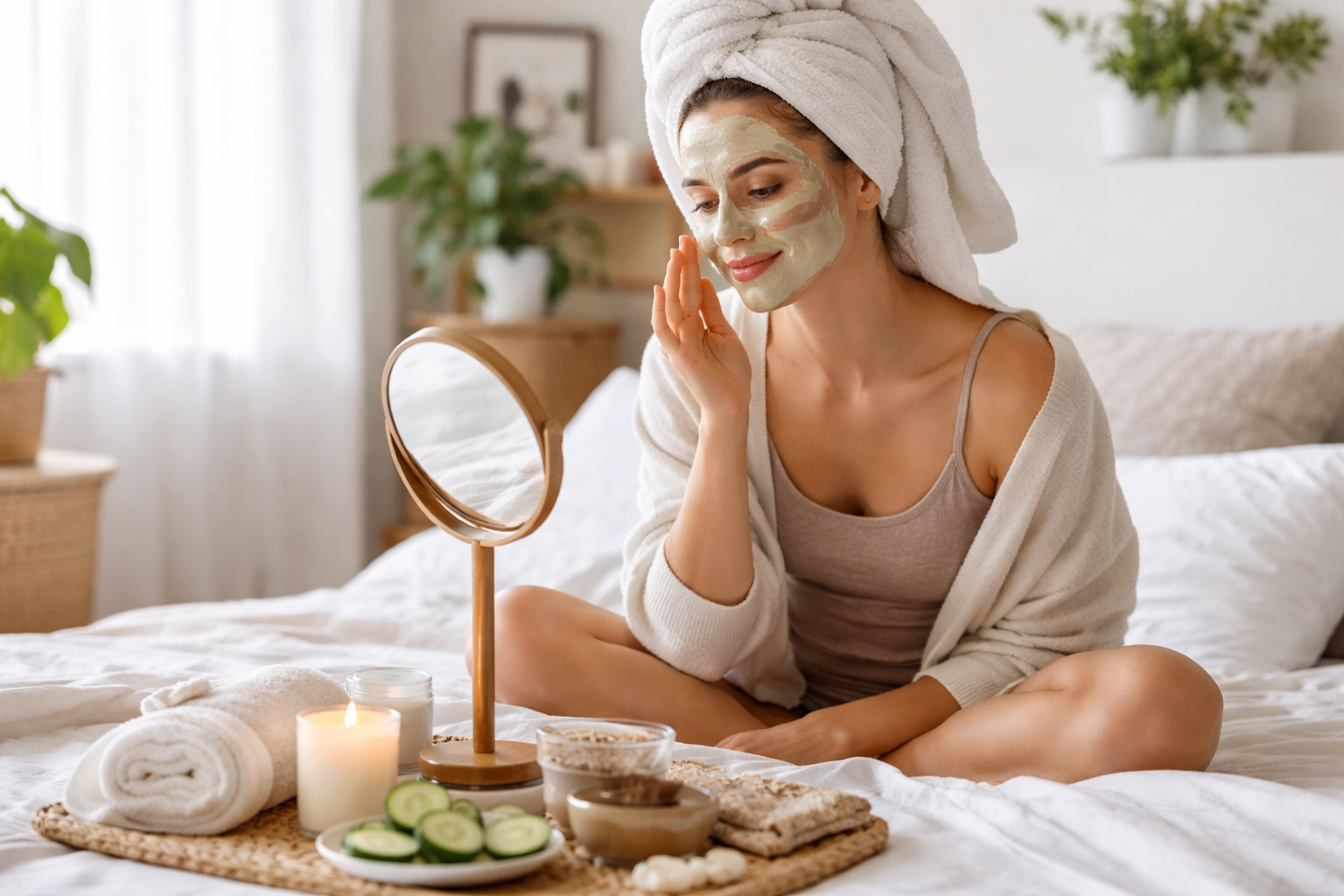
The concept of self-care has become an absolute necessity in the relentless pace of modern life, where work, family, and social obligations often pull us in countless directions. It’s not about being selfish; it’s about recognizing our inherent worth and investing in our well-being to better show up for ourselves and others. A healthy lifestyle isn’t solely defined by what we consume or how often we exercise; it’s intricately woven with the deliberate practice of self-care, a holistic approach that nurtures our mind, body, and spirit. This guide will teach readers the profound importance of self-care, provide actionable steps for establishing a sustainable routine, and explore various facets of self-care, from the physical to the emotional, social, and professional domains, ultimately contributing to a more balanced and fulfilling life.
The Indispensable Value of Prioritizing Your Well-being
The notion that we must constantly strive and push ourselves to the brink often overshadows the fundamental truth that restoration and rejuvenation are crucial for sustained optimal performance and happiness. Self-care acts as a vital buffer against the pervasive stressors of life, preventing burnout, reducing the risk of chronic illnesses, and enhancing overall resilience. It acknowledges that our well-being is not a passive state but an active pursuit, requiring conscious effort and dedication. Without prioritizing ourselves, we risk depleting our reserves, leading to diminished productivity, strained relationships, and a pervasive sense of discontent. Embracing self-care is a proactive measure, safeguarding our mental and physical health, allowing us to navigate life’s challenges with greater strength and clarity.
Preventing Burnout and Enhancing Resilience
The ever-increasing demands of contemporary existence can easily lead to a state of chronic stress, culminating in burnout. This insidious condition, characterized by emotional exhaustion, cynicism, and a reduced sense of personal accomplishment, severely impairs our ability to function effectively. Regular self-care practices serve as a powerful preventative measure, allowing us to replenish our energy stores and maintain a healthy emotional equilibrium. By consciously disengaging from stressors and engaging in restorative activities, we build our resilience, the capacity to bounce back from adversity, thereby navigating life’s inevitable ups and downs with greater fortitude.
Boosting Mood and Cognitive Function
A direct correlation exists between consistent self-care and an elevated sense of well-being. Engaging in activities that bring us joy and relaxation releases endorphins, natural mood elevators, which combat feelings of anxiety and depression. Furthermore, self-care practices, particularly those involving mindfulness and cognitive rest, significantly improve our cognitive function. We experience enhanced focus, improved problem-solving abilities, and greater creativity when we don’t constantly overwhelm our minds. A well-rested and cared-for mind is a powerful asset in all aspects of life.
Cultivating a Sustainable Self-Care Regimen
Establishing a self-care routine is not about imposing rigid rules but about creating a flexible framework that integrates seamlessly into your daily life. It’s a journey of self-discovery, where you identify what truly nourishes you and then consistently make time for those activities. The key is to start small, be consistent, and gradually build upon your successes. Remember that self-care is not a one-time event but an ongoing commitment to your well-being. It requires mindful awareness of your needs and the courage to meet them.
Identifying Your Unique Needs and Preferences
The first and most crucial step in establishing a self-care routine is to understand what truly constitutes “care” for you. What activities truly rejuvenate your energy and instill a sense of tranquility within you? This deeply personal exploration may involve experimenting with various approaches until you discover what resonates most. Some might find solace in quiet contemplation, while others thrive on physical activity or creative expression. There is no universally applicable self-care formula; it’s about tailoring a strategy that perfectly aligns with your individual temperament and lifestyle. Regularly checking in with yourself to assess your current mental, emotional, and physical states can offer helpful clues about what your body and mind are truly craving.
Integrating Self-Care into Your Daily Schedule
Once you’ve identified your preferred self-care activities, the next step is to intentionally weave them into the fabric of your daily life. This often requires a degree of planning and prioritization. Even allocating small pockets of time—15 minutes for meditation in the morning, a short walk during lunch, or reading a chapter before bed—can make a significant difference. Scheduling these activities as non-negotiable appointments with yourself reinforces their importance. Beginning and ending your day with a self-care practice can set a positive tone and ensure a restful conclusion, respectively. Over time, these small, consistent actions accumulate into substantial improvements in your overall well-being.
Holistic Self-Care: Nourishing Body, Mind, and Soul
Self-care encompasses a wide spectrum of practices, each designed to address different aspects of our well-being. A truly holistic approach acknowledges the interconnectedness of our physical, mental, emotional, and social selves, recognizing that neglect in one area can ripple across the others. By actively nurturing each of these dimensions, we build a more robust and resilient foundation for a healthy and fulfilling life.
Physical Self-Care Habits: Fueling Your Vessel
Our bodies are the vehicles through which we experience the world, and their well-being is fundamental to our overall health. Physical self-care involves conscious efforts to provide our bodies with the nourishment, movement, and rest they require to function optimally. Neglecting these basic needs can lead to a cascade of negative effects, impacting our energy levels, mood, and cognitive abilities.
Prioritizing Quality Sleep
Adequate and restorative sleep is perhaps the single most impactful physical self-care practice. It’s when our bodies repair themselves, our minds consolidate memories, and our immune systems strengthen. Establishing a consistent sleep schedule, creating a relaxing bedtime routine, and optimizing your sleep environment are crucial steps toward ensuring you get the seven to nine hours of quality sleep essential for optimal health.
Engaging in Regular Movement
Physical activity, in any form, is a powerful antidote to stress and a cornerstone of positive health. Whether it’s a brisk walk, a rigorous gym session, yoga, or dancing, moving your body releases endorphins, reduces tension, and improves cardiovascular health. Finding an activity you genuinely enjoy makes it easier to sustain this vital habit.
Consuming Nutritious Foods
Our diet profoundly impacts our energy levels, mood, and physical health. Prioritizing whole, unprocessed foods, staying hydrated, and being mindful of what we consume provides our bodies with essential nutrients, enhancing our physical and mental vitality. Viewing food as fuel rather than merely gratification can transform our approach to eating.
Mental and Emotional Self-Care Practices: Cultivating Inner Peace
Our mental and emotional landscapes are equally important and require deliberate care to thrive. Unaddressed stress, anxiety, and negative thought patterns can significantly impair our quality of life. Mental and emotional self-care practices focus on fostering clarity, resilience, and a positive outlook.
Practicing Mindfulness and Meditation
Mindfulness, the practice of being present in the moment without judgment, is a powerful tool for reducing stress and cultivating inner peace. Regular meditation, even for just a few minutes a day, can train the mind to be less reactive and more observant, leading to greater emotional regulation and a deeper sense of calm.
Engaging in Creative Expression
Creative outlets, whether it’s painting, writing, playing music, or gardening, provide a valuable means of emotional release and self-expression. Engaging in creative activities taps into a different part of our brain, encouraging a relaxed attitude and allowing us to process emotions in a healthy and constructive way.
Limiting Exposure to Negative Influences
Just as we nourish our bodies with healthy food, we must also nourish our minds with positive input and limit exposure to negativity. This could mean curating your social media feed, setting boundaries with challenging individuals, or consciously choosing uplifting entertainment. Protecting your mental space is a vital act of self-preservation.
The Interconnectedness of Social Well-being and Self-Care
Humans are inherently social creatures, and our connections with others play a crucial role in our overall well-being. Social self-care involves nurturing meaningful relationships and fostering a sense of belonging, and understanding the importance of healthy boundaries.
Nurturing Meaningful Connections
Investing time and energy in fostering genuine connections with friends, family, and community members is a powerful form of self-care. These relationships provide emotional support, a sense of belonging, and opportunities for shared joy and experience. Actively reaching out, offering support, and being present for loved ones can significantly enhance our emotional resilience.
Setting Healthy Boundaries
While social connection is vital, it’s equally important to establish and maintain healthy boundaries. This means learning to say no when necessary, protecting your time and energy, and disengaging from relationships that are consistently draining or unsupportive. Healthy boundaries are an act of self-respect that ultimately strengthens authentic connections by ensuring they are mutually beneficial.
Achieving Equilibrium: Self-Care for a Harmonious Work-Life Balance
The demands of modern professional life can often blur the lines between work and personal time, leading to an imbalance that negatively impacts our well-being. Integrating self-care into our professional lives is essential for preventing burnout and maintaining productivity.
Disconnecting from Work After Hours
In an increasingly connected world, the temptation to constantly check emails and respond to messages outside of work hours is pervasive. However, establishing clear boundaries and consciously disconnecting from work-related tasks allows for essential mental and emotional rest. This could involve designating specific “no-work” zones or times in your day.
Incorporating Micro-Breaks Throughout the Day
Even during busy workdays, incorporating short self-care breaks can significantly boost productivity and reduce stress. Stepping away from your screen for a few minutes, taking a short walk, stretching, or engaging in a brief meditation can help to clear your mind, renew your focus, and prevent mental fatigue.
The Cumulative Impact: Self-Care for Overall Well-being
Ultimately, self-care is not a fragmented collection of isolated habits but rather a holistic and integrated approach to living. Each individual practice, whether physical, mental, emotional, or social, contributes to a larger symphony of well-being. By consistently prioritizing and engaging in these deliberate acts of self-nurturing, we cultivate a life characterized by greater health, happiness, and fulfillment. It is a continuous journey of self-discovery and intentional living, where we empower ourselves to be the best versions of ourselves, capable of navigating life’s complexities with grace and resilience, and contributing positively to the world around us. Embracing self-care is not a luxury; it is the fundamental cornerstone of a truly healthy and vibrant existence.
FAQs
What is self-care, and why is it important?
Self-care refers to the practice of taking care of one’s own physical, mental, and emotional well-being. It is important because it helps reduce stress, improve overall health, and enhance one’s quality of life.
How can I establish a self-care routine?
To establish a self-care routine, it is important to identify activities that bring you joy and relaxation, prioritize self-care in your daily schedule, and be consistent with practicing self-care habits.
What are some physical self-care habits I can incorporate into my routine?
Physical self-care habits include regular exercise, getting enough sleep, maintaining a balanced diet, staying hydrated, and practicing excellent hygiene.
What are some mental and emotional self-care practices I can engage in?
Mental and emotional self-care practices include mindfulness meditation, journaling, seeking therapy or counseling, setting boundaries, and engaging in activities that bring joy and relaxation.
How can I practice self-care for a healthy work-life balance?
To practice self-care for a healthy work-life balance, it is important to set boundaries between work and personal life, take regular breaks, prioritize leisure activities, and seek support from colleagues or supervisors when needed.