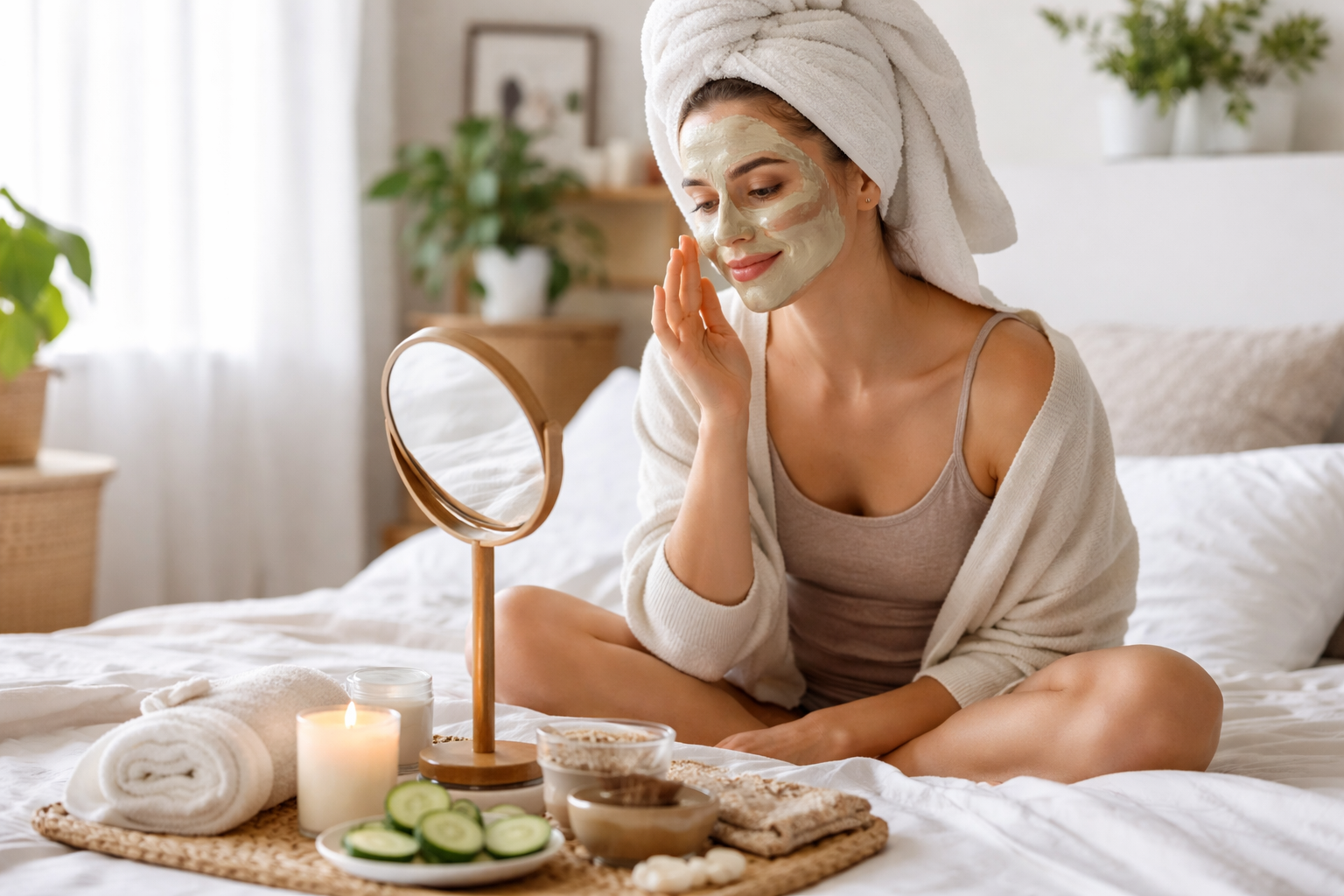
In the whirlwind of modern life, where demands from work, family, and social obligations constantly vie for our attention, the concept of self-care often feels like a luxury rather than a necessity. Yet, prioritizing your well-being is not just about indulgence; it’s about building resilience, fostering mental clarity, and cultivating a sustainable path to overall health and happiness. Self-care is the intentional act of taking steps to preserve or improve one’s own health, whether physical, mental, or emotional. It is a proactive approach to prevent burnout and ensure you have the energy and capacity to navigate life’s challenges effectively. Ignoring self-care can lead to detrimental consequences, including increased stress, anxiety, chronic fatigue, and even physical illness. Recognizing its vital role is the first step toward a more balanced and fulfilling existence.
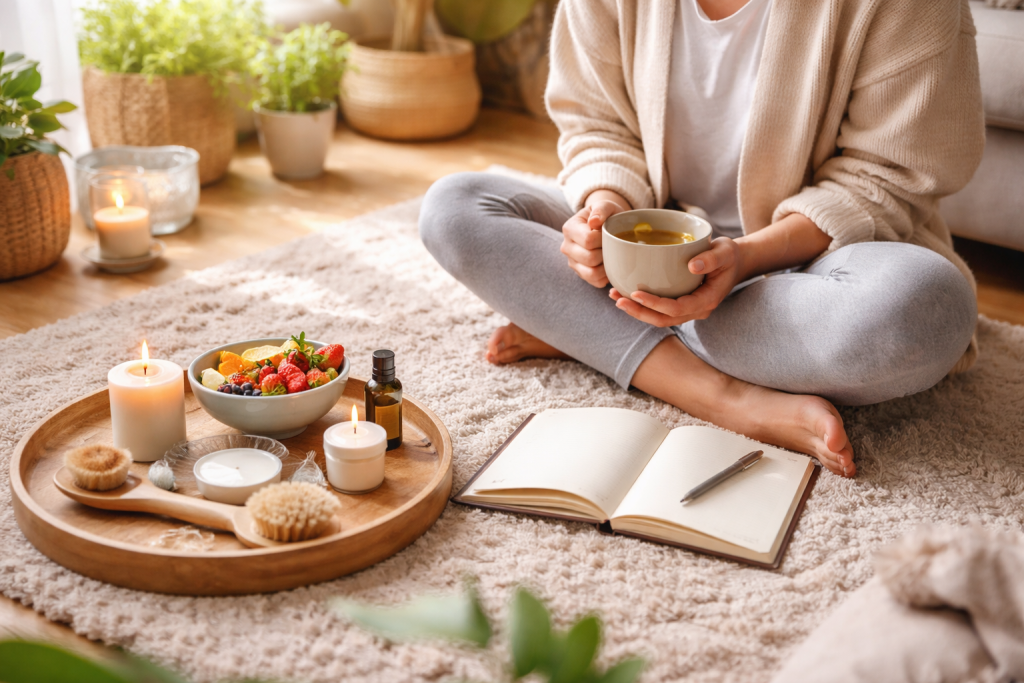
Self-care isn’t selfish; it’s a fundamental component of a healthy and productive life. Just as a car needs fuel and maintenance to run efficiently, our bodies and minds require consistent care to perform at their best. Without dedicated attention to our personal well-being, we risk depleting our resources, leading to decreased productivity, impaired decision-making, and a reduced capacity for empathy and connection with others.
The Detrimental Effects of Neglecting Self-Care
When we consistently push ourselves without adequate rest, rejuvenation, and emotional processing, the cumulative effect can be profound. Chronic stress, a direct result of neglecting self-care, can manifest in various ways, from persistent headaches and digestive issues to compromised immune function. Mentally, it can lead to anxiety, depression, irritability, and a general sense of being overwhelmed. Emotionally, a lack of self-care can dull our joy, diminish our capacity for gratitude, and make us more susceptible to emotional outbursts or withdrawal. Furthermore, the constant grind without respite often results in a feeling of emptiness or a loss of purpose, undermining our overall sense of contentment and fulfillment.
Self-Care as a Foundation for Growth
Conversely, integrating self-care into our daily lives empowers us to thrive. It’s about replenishing our mental and emotional reserves, allowing us to face challenges with a clearer perspective and greater emotional stability. When we prioritize our well-being, we cultivate a stronger sense of self-worth and self-compassion. This internal strength then radiates outwards, enhancing our relationships, improving our professional performance, and fostering a more positive outlook on life. Self-care is not about fixing a problem; it’s about building a robust foundation that supports continuous personal growth and resilience in the face of adversity.
The concept of self-care is not universally applicable. What works for one person might not resonate with another, and individual needs can also shift over time based on life circumstances, stress levels, and personal growth. The key is to engage in a process of self-discovery to pinpoint what truly nourishes and recharges you.
Reflecting on Your Current State
Begin by taking stock of your current emotional, mental, and physical well-being. Are you frequently worn out? Do you feel overwhelmed? Is your mind constantly racing? Are you experiencing physical symptoms like tension headaches or digestive issues? Journaling can be an incredibly effective tool for this self-assessment. Write down your thoughts, feelings, and any physical sensations you’ve been experiencing. This unadulterated exploration of your inner landscape can reveal patterns and identify areas where you are feeling depleted. Consider what activities in your daily life drain your energy versus those that genuinely energize you.
Experimenting with Different Self-Care Practices
Once you have a clearer picture of your current state, it’s time to explore various self-care options. This is not about committing to a rigid routine immediately but rather about experimenting to see what genuinely resonates. Try incorporating different types of self-care: physical (exercise, healthy eating, sleep), mental (reading, learning a new skill, mindfulness), emotional (journaling, talking to a trusted friend, practicing gratitude), social (connecting with loved ones, setting boundaries), and spiritual (meditation, spending time in nature, pursuing purpose). Perhaps a vigorous morning run helps clear your head, or maybe a quiet evening with a relaxing book offers the solace you need. It might be helpful to create a “self-care wish list”—a collection of activities you’ve always wanted to try or those you know bring you joy. Don’t be afraid to try new things and discard practices that don’t feel right. The goal is to cultivate a toolkit of self-care strategies that are effective and enjoyable for you.
Once you’ve identified your personal self-care needs and explored various practices, the next crucial step is to integrate them into your daily life through a structured routine. A routine transforms good intentions into consistent habits, making self-care an ingrained part of your lifestyle rather than an occasional afterthought.
Creating a Realistic Schedule
Examine your current schedule and pinpoint specific times you can dedicate to self-care. It doesn’t have to be hours per day; even 15–30 minutes consistently applied can make a significant difference. Perhaps you can wake up a little earlier for meditation or stretching, take a mindful break during your workday, or dedicate the last hour before bed to winding down with a book or warm bath. Be realistic about what you can commit to. Overly ambitious goals are often short-lived. Instead, begin with small, manageable steps and gradually expand your routine as self-care becomes more natural. Treat self-care activities like any other important appointment.
Integrating Self-Care into Daily Habits
The most effective self-care routines seamlessly blend into your existing habits. For example, if you already have a morning coffee ritual, perhaps you can pair it with five minutes of journaling or quiet reflection. If you commute, use that time for listening to an uplifting podcast or practicing deep breathing exercises. The aim is to make self-care feel less like an additional chore and more like an effortless extension of your daily life. Regularly review and adjust your routine as needed. Life changes, and so do our needs, so flexibility is key. What works well this month might need tweaking next month. Periodically reflect on your routine and ask yourself if it’s still serving you effectively or if any adjustments are necessary to better support your current well-being.
One of the most challenging yet vital aspects of prioritizing self-care involves learning to set and maintain healthy boundaries. Without clear boundaries, our self-care efforts can easily be derailed by external demands and the expectations of others.
Defining Your Limits
Boundaries are not about being rigid or cruel; they define what you will and won’t do, how you let others treat you, and what you need to protect your time and energy. This involves understanding your capacity and recognizing when you are approaching your limits. Take time to reflect on situations where you have felt overwhelmed, resentful, or depleted. These are often indicators that a boundary was either absent or violated. For instance, if you frequently find yourself working late and neglecting your personal time, you may need to establish a boundary regarding your work hours. If you constantly feel emotionally drained after interacting with a particular person, a boundary around that relationship might be necessary. Defining your limits is a foundational step in asserting your right to protect your well-being.
Communicating and Enforcing Boundaries
Once you have defined your boundaries, the next step is to communicate them clearly and assertively to others. This can be intimidating, especially if you are unaccustomed to saying “no” or prioritizing your needs. Start with small steps and practice articulating your boundaries calmly and respectfully. For example, you might say, “I appreciate the invitation, but I won’t be able to make it this time as I have a commitment to myself,” or “I need to take a break from work at 5 PM to recharge.” Remember that you are not responsible for others’ reactions to your boundaries, and some people may push back. It is crucial to enforce your boundaries consistently. If you set a boundary but then repeatedly allow it to be crossed, it sends a message that your boundaries are not to be taken seriously. Consistency builds respect, both from others and, more importantly, from yourself. Setting boundaries is an act of self-love and a powerful way to reclaim your time, energy, and mental space for self-care.
In a world filled with constant distractions and pressures, cultivating mindfulness and effective stress management techniques is indispensable for maintaining well-being. These practices help us navigate life’s challenges with greater equanimity and a deeper connection to the present moment.
Integrating Mindfulness into Daily Life
Mindfulness is the practice of purposefully bringing one’s attention to the present moment without judgment. It’s not about emptying your mind but about observing your thoughts, feelings, and sensations as they arise, allowing them to pass without getting caught up in their narrative. This can be integrated into your daily life through formal meditation practices, even just 5–10 minutes daily, using guided meditations or simply focusing on your breath. Beyond formal practice, mindfulness can be applied to everyday activities: eating mindfully, paying full attention to the taste and texture of your food; walking mindfully, noticing the sensations in your feet and the sights and sounds around you; or even washing dishes mindfully, focusing on the warmth of the water and the soap. These small moments of intentional presence can reduce rumination, enhance appreciation, and bring a sense of calm amidst chaos.
Developing Effective Stress Management Techniques
Stress is an unavoidable part of life, but how we respond to it profoundly impacts our well-being. Effective stress management involves identifying your stressors and developing a repertoire of techniques to combat their negative effects. You can use deep breathing exercises anywhere, anytime, to trigger the body’s relaxation response. Progressive muscle relaxation, where you tense and then relax different muscle groups, can help release physical tension. Engaging in hobbies that bring you joy, spending time in nature, listening to calming music, or journaling about your feelings are all beneficial stress reducers. Physical activity, even a short walk, is also an excellent way to dissipate stress hormones. It’s important to experiment with various techniques to discover what works best for you and to proactively incorporate them into your routine, rather than waiting for stress to become overwhelming. By regularly practicing mindfulness and implementing stress management strategies, you equip yourself with the tools to maintain emotional balance and mental clarity, fostering a profound sense of inner peace and resilience.
FAQs
What is self-care, and why is it important?
Self-care refers to the practice of taking care of one’s own well-being, including physical, emotional, and mental health. It is important because it helps reduce stress, improves overall health, and enhances resilience to deal with life’s challenges.
How can I identify my personal self-care needs?
Identifying personal self-care needs involves self-reflection and understanding what activities or practices make you feel rejuvenated and balanced. It can include activities such as exercise, spending time with loved ones, engaging in hobbies, or seeking professional help when needed.
How do I establish a self-care routine?
Establishing a self-care routine involves setting aside dedicated time for self-care activities, prioritizing self-care in your daily schedule, and being consistent with practicing self-care activities that benefit your well-being.
What are some ways to set boundaries for self-care?
Setting boundaries for self-care involves learning to say no to activities or commitments that drain your energy, communicating your self-care needs to others, and prioritizing your well-being without feeling guilty.
How can I seek support and accountability for self-care?
Seeking support and accountability for self-care can involve reaching out to friends, family, or support groups for encouragement and motivation, as well as seeking professional help from therapists or coaches to guide you in your self-care journey.