
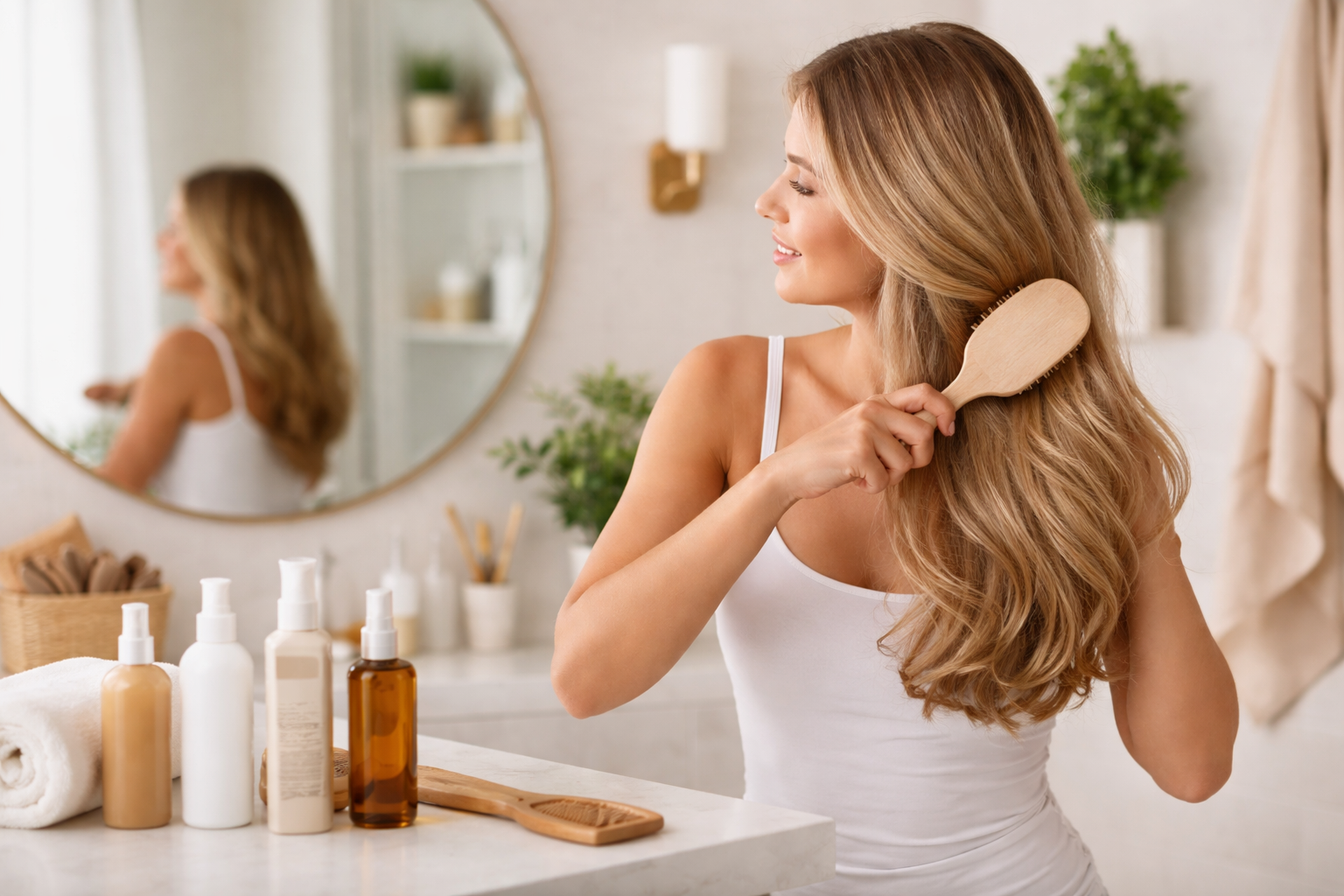
The journey to healthy, lustrous hair begins not with intricate styling techniques or expensive treatments, but with a fundamental understanding of its needs. For many, the world of hair care can seem overwhelming, a labyrinth of products, buzzwords, and conflicting advice. This guide aims to demystify the process, providing a clear roadmap for beginners to establish a solid foundation for their hair health. It’s about mastering the basics and building a routine that nourishes, protects, and enhances your natural beauty.
Before you can choose the right products or implement effective techniques, you must first understand the unique characteristics of your hair. Just as no two individuals are alike, no two hair types are identical, and what works wonders for one person might be detrimental to another.
Identifying Your Hair Texture
Hair texture refers to the thickness of individual strands. It can generally be categorized into fine, medium, or coarse. Fine hair is delicate and prone to breakage, often struggling to hold styles and appearing thin. Medium hair is the most common texture, offering a balance of strength and manageability. Coarse hair, on the other hand, is the thickest and strongest, often feeling dry and requiring more moisture. To determine your texture, take a single strand of hair and roll it between your fingers. If you can barely feel it, it’s likely fine. If you can feel it clearly, but it’s not stiff, it’s medium. If it feels thick and prominent, it’s coarse.
Determining Your Hair Porosity
Hair porosity refers to your hair’s ability to absorb and retain moisture. This is determined by the condition of your hair’s cuticle, the outermost layer. Low porosity hair has tightly closed cuticles, making it difficult for moisture to penetrate but also for it to escape. This type of hair often appears shiny but can be prone to product buildup. Medium porosity hair has loosely layered cuticles, allowing for excellent absorption and retention of moisture. High porosity hair has widely open cuticles, which readily absorb moisture but also lose it quickly, leading to dryness and frizz. A simple test involves dropping a clean strand of hair into a glass of water. If it floats, you likely have low porosity. If it sinks slowly, it’s medium. If it sinks quickly, it’s high porosity.
Recognizing Your Scalp Type
Your scalp’s condition significantly impacts your hair’s health. A healthy scalp is the bedrock of healthy hair growth. Common scalp types include oily, dry, normal, and sensitive. Oily scalps produce excess sebum, leading to greasy hair. Dry scalps lack sufficient moisture, often resulting in flakiness and itchiness. Normal scalps maintain a healthy balance, while sensitive scalps are prone to irritation and redness. Observing your scalp a day or two after washing can help you determine its type. If your roots become oily quickly, it’s likely an oily scalp. It’s dry if you notice any tightness or flaking.
Armed with a clear understanding of your hair and scalp type, you can now navigate the seemingly endless array of hair care products with confidence. The key is to select products that directly address your specific needs.
Shampoos and Conditioners for Your Hair Type
When selecting a shampoo, prioritize formulations that cater to your scalp type. For oily scalps, look for purifying or clarifying shampoos that remove excess oil without stripping the hair entirely. Dry scalps benefit from moisturizing and hydrating shampoos that replenish lost moisture. Sensitive scalps require gentle, fragrance-free, and hypoallergenic formulas. For hair texture, fine hair benefits from volumizing shampoos that don’t weigh it down. Coarse hair thrives on intensely moisturizing and smoothing shampoos that combat dryness and frizz.
Conditioners, on the other hand, primarily target the hair strands. Fine hair needs lightweight conditioners that detangle without leaving residue. Medium hair can tolerate a wider range of conditioners, focusing on hydration and protection. Coarse hair demands rich, deep conditioning treatments that provide intense moisture and improve manageability. Always apply conditioner primarily to the mid-lengths and ends of your hair, avoiding the scalp unless specifically formulated for scalp health.
Styling Products for Desired Outcomes
Styling products are designed to enhance your hair’s appearance and hold your desired style. For fine hair, volumizing mousses and sprays can create body and lift. Medium hair can benefit from heat protectants, styling creams, and light-hold sprays. Coarse hair often requires anti-frizz serums, leave-in conditioners, and heavier styling creams to tame flyaways and add shine. Always consider the ingredients in your styling products, opting for those that nourish rather than just coat the hair.
Specialized Treatments for Specific Concerns
Beyond daily shampoos and conditioners, specialized treatments can address specific hair concerns. Deep conditioning masks provide intense hydration and repair for dry, damaged, or color-treated hair. Protein treatments can strengthen weak or brittle hair, while scalp treatments can alleviate issues like dandruff or excessive oiliness. Introduce these treatments into your routine as needed, typically once a week or every other week, depending on your hair’s condition.
Washing and conditioning are the cornerstones of any healthy hair care routine. However, the frequency and method can significantly impact your hair’s well-being.
Finding Your Optimal Washing Frequency
There’s no universal rule for how often to wash your hair. It largely depends on your hair and scalp type, lifestyle, and environment. Oily scalps may require more frequent washing, perhaps every day or every other day, to prevent product buildup and maintain freshness. Dry scalps can often go longer between washes, typically every two to three days, to avoid further stripping natural oils. Fine hair often gets greasy faster, while coarse hair can tolerate less frequent washing. Experiment to find a schedule that keeps your hair feeling clean and healthy without causing excessive dryness or oiliness. Overwashing can strip away natural oils, leading to dryness and even increased oil production as the scalp tries to compensate. Under-washing can lead to product buildup, dullness, and contribute to scalp issues.
The Art of Proper Application
When washing, focus on gently massaging the shampoo into your scalp using your fingertips, not your nails. This helps to dislodge dirt, oil, and product buildup. Allow the lather to run down the length of your hair, cleansing it without aggressive scrubbing, which can cause tangles and damage. Rinse thoroughly until the water runs clear. For conditioning, apply conditioner primarily to the mid-lengths and ends of your hair, as this is where the hair is typically driest and most prone to damage. Leave the conditioner on for the recommended time before rinsing thoroughly with cool or lukewarm water. A final rinse with cool water can help seal the hair cuticles, enhancing their shine.
How you dry and style your hair can have a significant impact on its health. Harsh techniques can lead to breakage, frizz, and heat damage.
Gentle Drying Techniques
After washing, gently squeeze excess water from your hair. Avoid vigorously rubbing your hair with a towel, as this can create friction, rough up the cuticle, and lead to frizz and breakage. Instead, use a microfiber towel or a soft cotton t-shirt to gently blot your hair dry. This absorbs moisture effectively without causing damage. Air drying is the gentlest option whenever possible. If you must use a blow dryer, always apply a heat protectant spray beforehand.
Minimizing Heat Damage
Heat styling tools like blow dryers, flat irons, and curling irons can cause significant damage if not used correctly. Always use a heat protectant spray. These products create a barrier between your hair and the heat, minimizing damage. Opt for the lowest effective heat setting on your tools. High heat settings are often unnecessary and can cause irreversible damage. When blow-drying, keep the dryer moving constantly and avoid concentrating heat on one section for too long. Avoid clamping down too tightly and make fewer passes over each section of hair when using curling or flat irons.
Styling for Longevity and Health
When styling, consider options that minimize stress on your hair. Loose hairstyles, such as braids or low ponytails, are gentler than tight styles that can pull on the hair follicles. If you prefer to wear your hair up, use soft hair ties or scrunchies that don’t snag or create harsh creases. Avoid brushing wet hair when possible, as it is most vulnerable to breakage. Instead, use a wide-tooth comb to gently detangle after applying conditioner or a leave-in treatment.
While it may seem counterintuitive, regular trims are essential for encouraging healthy hair growth and maintaining a polished appearance.
Preventing Split Ends and Breakage
Split ends are a tell-tale sign of damage, often caused by heat styling, chemical treatments, or mechanical stress. Once a hair strand splits, the damage will gradually travel up the hair shaft, leading to further breakage and making your hair appear thinner and less healthy. Regular trims remove these damaged ends before they can wreak further havoc, preventing the progression of damage and preserving the overall integrity of your hair.
Promoting Healthy Growth
While trims don’t directly make your hair grow faster from the root, by eliminating split ends and breakage, they allow your hair to retain its length more effectively. Think of it as pruning a plant; removing the dead parts allows the healthy parts to flourish. Removing damaged ends also makes your hair feel softer and appear thicker and fuller.
Maintaining Style and Shape
Beyond health benefits, trims help maintain the shape and style of your haircut. As your hair grows, layers can become uneven, and the overall silhouette can lose its intended form. Regular trims refresh your style, ensuring it always looks intentional and well-kept. The frequency of trims depends on your hair growth rate and style, but generally, every 6–8 weeks is a good starting point for most people.
Your hair is constantly exposed to various elements that can cause damage, from the sun’s harsh UV rays to pollution and aggressive styling. Proactive protection is paramount.
The Role of UV Protection
Just like your skin, your hair can suffer from sun damage. Prolonged exposure to UV rays can weaken the hair’s protein structure, leading to dryness, brittleness, fading color, and a rough texture. Incorporate hair products with UV filters, especially if you spend a lot of time outdoors. Hats and scarves are also excellent physical barriers that offer stylish protection.
Shielding Against Environmental Pollutants
Air pollution, smoke, and other environmental aggressors can settle on your hair, making it dull, causing scalp irritation, and even leading to premature aging of hair follicles. Regular washing helps to remove these pollutants, but consider using clarifying shampoos periodically to deep clean. Antioxidant-rich hair products can also help neutralize the damaging effects of free radicals from environmental exposure.
Pre- and Post-Styling Protection
Beyond heat protectants, consider pre-styling leave-in conditioners or serums that offer an extra layer of defense against styling stress. These products can detangle, provide moisture, and create a smoother surface for styling. After styling, a light finishing spray can help to seal the cuticle and provide a barrier against humidity and environmental factors, keeping your style intact and protected.
Consistency is the ultimate secret to achieving and maintaining healthy hair. A sporadic approach will yield sporadic results. By integrating these practices into a regular regimen, you build a sustainable foundation for beautiful hair.
Establishing a Regular Schedule
Once you’ve identified your hair type, chosen appropriate products, and learned gentle techniques, create a weekly or biweekly schedule that suits your lifestyle. This might involve washing on specific days, incorporating a deep conditioning treatment every Sunday, and ensuring a trim booking every two months. Sticking to this schedule helps your hair establish a healthy rhythm.
Listening to Your Hair’s Needs
Your hair is constantly communicating with you. Pay attention to its signals. If it feels dry, it needs more moisture. If it’s oily, it might need more frequent washing or a clarifying treatment. If it’s brittle, consider a protein treatment. Don’t be afraid to adjust your routine based on how your hair is responding to your efforts. Environmental changes, stress levels, and even hormonal fluctuations can all impact your hair, so flexibility within your routine is key.
Patience and Persistence
Transforming hair health doesn’t happen overnight. It requires patience and persistent effort. Stay encouraged even without immediate dramatic results. Over time, with consistent application of the right products and techniques, you will notice a significant improvement in the strength, shine, and overall vitality of your hair. Remember, good hair care is a journey, not a destination, and mastering these basics is the essential first step towards a lifetime of healthy, beautiful hair.


