

Achieving magnificent hair isn’t a mystical art; it’s a journey built on understanding, consistency, and intelligent product choices. From battling frizz to boosting shine, the secrets to lustrous locks lie in mastering the fundamental principles of hair care. It’s about more than just washing; it’s about nurturing, protecting, and understanding the unique needs of your hair.
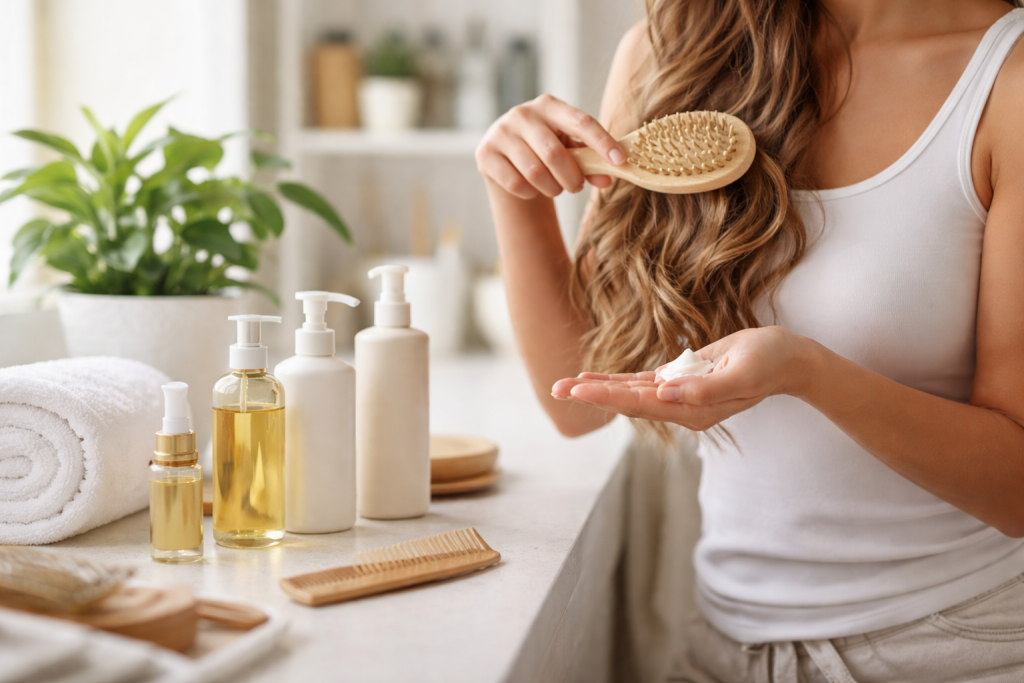
Embarking on the path to healthier, more beautiful hair begins with a solid foundation. Often, the allure of elaborate treatments or expensive serums overshadows the simple, yet profoundly effective, practices that truly make a difference. The truth is, exceptional hair doesn’t necessitate a celebrity stylist; it requires dedication to a few core principles.
Understanding Your Hair Type: A Guide to Customized Care
The cornerstone of any effective haircare regimen is intimate knowledge of your hair type. Just as no two individuals are identical, no two heads of hair are precisely alike. Neglecting this crucial step is akin to planting a rose in desert soil—it simply won’t flourish. Your hair type dictates everything from the products you should use to the frequency of washing and the styling techniques that will best enhance its natural beauty.
Consider whether your hair is fine, medium, or thick. Fine hair, while often soft and silky, can lack volume and be prone to oiliness. Medium hair is the most common, offering a balance of strength and manageability. Thick hair is robust and voluminous but can be prone to dryness and takes longer to dry and style.
Next, assess your hair’s texture: straight, wavy, curly, or coily. Straight hair tends to be smooth and reflects light well, yet it struggles with volume. Wavy hair offers a beautiful, effortless bend but can sometimes battle frizz. Curly hair, with its distinct S-shapes, is often prone to dryness and requires significant moisture. Coily hair, characterized by tight, springy coils, is the most fragile and prone to shrinkage, demanding maximum hydration and gentle handling.
Finally, evaluate your scalp condition: oily, dry, normal, or combination. An oily scalp produces excess sebum, leading to greasy hair. A dry scalp can be flaky and itchy, while a normal scalp maintains a healthy balance. Combination scalps, common in many people, might experience oiliness at the roots and dryness at the ends. By accurately identifying these characteristics, you empower yourself to make informed decisions that cater to your hair’s specific needs.
The Importance of a Consistent Hair Care Routine
Consistency is paramount in any pursuit of excellence, and hair care is no exception. Sporadic efforts yield sporadic results. A well-established routine provides your hair with the regular reinforcement it needs to thrive. This means establishing a flexible schedule that suits your lifestyle and benefits your hair.
A consistent routine helps maintain the natural oil balance of your scalp, prevents product buildup, and allows your hair cuticle to remain healthy and smooth. When products are applied regularly and appropriately, their benefits accumulate, leading to noticeable improvements in texture, shine, and overall health. Skipping washes or suddenly introducing a barrage of new products can shock your hair and scalp, disrupting their natural equilibrium. Remember, gentle persistence is far more effective than sporadic intensity.
Selecting the correct shampoo and conditioner is perhaps the most fundamental step in building a successful hair care routine. These two products form the bedrock upon which all other treatments and styling choices rest. Using the wrong formulas can exacerbate existing issues or even create new ones.
Deciphering Product Labels: Ingredients to Look For and Avoid
The world of hair care products can be overwhelming, with an endless array of bottles promising miraculous transformations. Learning to decipher ingredient labels is a valuable skill that empowers you to make informed decisions. Look for ingredients that cater to your specific hair type and concerns. For dry hair, ingredients like argan oil, shea butter, hyaluronic acid, and glycerin are excellent hydrators. For oily hair, salicylic acid, tea tree oil, and clay can help control sebum production. Volumizing shampoos often contain ingredients like rice protein or collagen.
Conversely, be mindful of ingredients that might be detrimental to your hair. Sulfates, while excellent at creating lather, can be overly stripping for dry or color-treated hair. Parabens, a type of preservative, have raised concerns for some, prompting a shift towards paraben-free formulations. Silicones, while providing a temporary smoothing effect, can sometimes build up on the hair, leading to dullness and weighing it down. Alcohol, especially in styling products, can be drying. Understanding these basics allows you to navigate the product aisle with confidence.
Tailoring Your Choices to Specific Concerns: Dryness, Oiliness, Color-Treated, etc.
Once you understand your hair type and the implications of various ingredients, you can specifically target your concerns. If you have dry, brittle hair, opt for moisturizing and nourishing shampoos and conditioners designed to infuse hydration. For an oily scalp, clarifying shampoos that gently remove excess oil without stripping the hair are ideal, often paired with a lightweight, hydrating conditioner applied only to the ends.
Color-treated hair requires specialized formulas that are sulfate-free and pH-balanced to protect the vibrant hues. Fine hair benefits from volumizing products that don’t weigh it down, while coarse or thick hair often thrives with richer, more emollient formulas for added smoothness and control. Those with sensitive scalps should seek out hypoallergenic and fragrance-free options. The goal is to create a harmonious pairing of products that work in tandem to address your hair’s unique challenges.
The act of washing and conditioning, while seemingly straightforward, holds many nuances that can significantly impact the health and appearance of your hair. It’s not just about applying product; it’s about the technique.
The Right Water Temperature and Application Techniques
Begin your wash with lukewarm water. Water that is too hot can strip your scalp of its natural oils, leading to dryness and irritation, and can also fade hair color more quickly. Lukewarm water effectively opens the hair cuticles, allowing the shampoo to thoroughly cleanse and the conditioner to deeply penetrate.
When applying shampoo, focus primarily on the roots and scalp, where oil and product buildup accumulate. Gently massage the shampoo into your scalp with your fingertips, using circular motions to stimulate blood flow and cleanse thoroughly. There’s no need to vigorously scrub the lengths of your hair; the shampoo will naturally rinse down and cleanse as you rinse. For conditioner, focus on the mid-lengths and ends of your hair, which are typically the driest and most prone to damage. Skip the scalp unless specifically using a scalp treatment conditioner, as conditioner can weigh down the roots and contribute to oiliness. Allow the conditioner to sit for the recommended time to allow its beneficial ingredients to work their magic before rinsing.
Rinsing Thoroughly and Gently Detangling
Thorough rinsing is crucial. Any residue left behind from shampoo or conditioner can leave your hair feeling heavy and dull and even contribute to product buildup over time. Rinse until the water runs clear and your hair feels clean, not slippery.
Once rinsed, gently squeeze excess water from your hair. Never vigorously rub your hair with a towel, as this can cause friction, leading to breakage and frizz. Instead, use a soft microfiber towel or an old cotton t-shirt to gently blot and squeeze the water out. Detangle your hair while it’s still damp, not soaking wet, and ideally with a wide-tooth comb or your fingers. Starting from the ends and working your way up prevents unnecessary tugging and breakage.
While many aspire to long hair, neglecting regular trims is a common mistake that can actually hinder growth and overall hair health.
Preventing Split Ends and Promoting Healthy Growth
Split ends are the nemesis of healthy, lustrous hair. Once the hair cuticle at the end of a strand splits, the damage can travel further up the hair shaft, leading to weaker, frizzier hair that is more prone to breakage. Regular trims, even just a quarter to half an inch every 6-8 weeks, remove these damaged ends before they can wreak havoc. This preventive measure not only maintains a neat appearance but also signals to your hair that it’s healthy, promoting stronger growth from the root. It’s counterintuitive for some, but trimming actually helps hair grow longer and healthier by eliminating the weakest points.
Maintaining Style and Shape
Beyond preventing damage, regular trims are essential for maintaining the shape and style of your haircut. Over time, layers can grow out, bangs can become unruly, and blunt cuts can lose their crisp line. A skilled stylist understands how to subtly refresh a haircut, bringing back its original form and making it easier for you to style at home. This regular maintenance ensures your hair always looks its best, whether you’re aiming for a sleek bob or voluminous layers.
The world around us, and our styling habits, pose significant threats to the integrity of our hair. Taking proactive steps to protect it is crucial.
The Importance of Heat Protectants and Air-Drying When Possible
Heat styling tools, while wonderful for achieving desired looks, can cause significant damage if not used cautiously. High temperatures can strip the hair of its natural moisture, leading to dryness, brittleness, and breakage. A heat protectant spray is a non-negotiable step before using any heat styling tool, be it a blow dryer, straightener, or curling iron. These products create a barrier between your hair and the heat, minimizing damage.
Furthermore, embracing air-drying whenever possible is a fantastic way to give your hair a much-needed break from heat. On days when you don’t need a perfectly sculpted style, allow your hair to air dry naturally. This reduces heat exposure and allows your hair to retain its natural moisture and elasticity.
Shielding Your Hair from Sun, Wind, and Pollution
Environmental factors are often overlooked culprits in hair damage. Prolonged exposure to direct sunlight can cause hair to become dry, faded, and brittle, much like how it affects skin. The sun’s UV rays can degrade proteins in the hair, leading to weakness. Wearing hats or using UV-protective hair products can effectively shield your strands.
Wind, especially when combined with friction, can cause tangles, knots, and ultimately, breakage. Braiding your hair or tying it back in a loose bun on windy days can help minimize this stress. Pollution, with its microscopic particles, can accumulate on the hair and scalp, leading to dullness, irritation, and even hair loss over time. Regular washing and using clarifying treatments periodically can help combat the effects of environmental pollutants. Treating your hair with the same care you would your skin against the elements is key to its long-term health.
FAQs
1. What are the different hair types, and how can I determine my hair type?
There are generally four hair types: straight, wavy, curly, and coily. You can determine your hair type by observing the natural pattern of your hair when it is air-dried and considering factors such as texture, thickness, and elasticity.
2. Why is it important to have a consistent hair care routine?
A consistent hair care routine helps maintain the health and appearance of your hair. It allows you to address specific needs of your hair type, prevent damage, and promote overall hair health.
3. How do I choose the right shampoo and conditioner for my hair?
When choosing shampoo and conditioner, consider your hair type, texture, and any specific concerns such as dryness or damage. Look for products that are formulated to address your specific needs and avoid ingredients that may be harsh or drying for your hair type.
4. What are the benefits of regular trimming and maintenance for hair?
Regular trimming helps prevent split ends and breakage, promotes healthy hair growth, and maintains the overall shape and appearance of your hairstyle. It also helps prevent damage from progressing further up the hair shaft.
5. How can I protect my hair from heat and environmental damage?
To protect your hair from heat and environmental damage, use heat protectant products before using hot styling tools, minimize heat exposure, wear protective styles in harsh weather conditions, and use products with UV protection when spending time in the sun.


