

Unlocking the secrets to vibrant, long hair doesn’t require a cabinet full of expensive, chemical-laden products. Instead, the path to accelerated hair growth often lies in embracing the wisdom of nature and adopting habits that nourish your body from the inside out. This comprehensive guide will explore how simple, natural practices can significantly impact the health and length of your tresses.
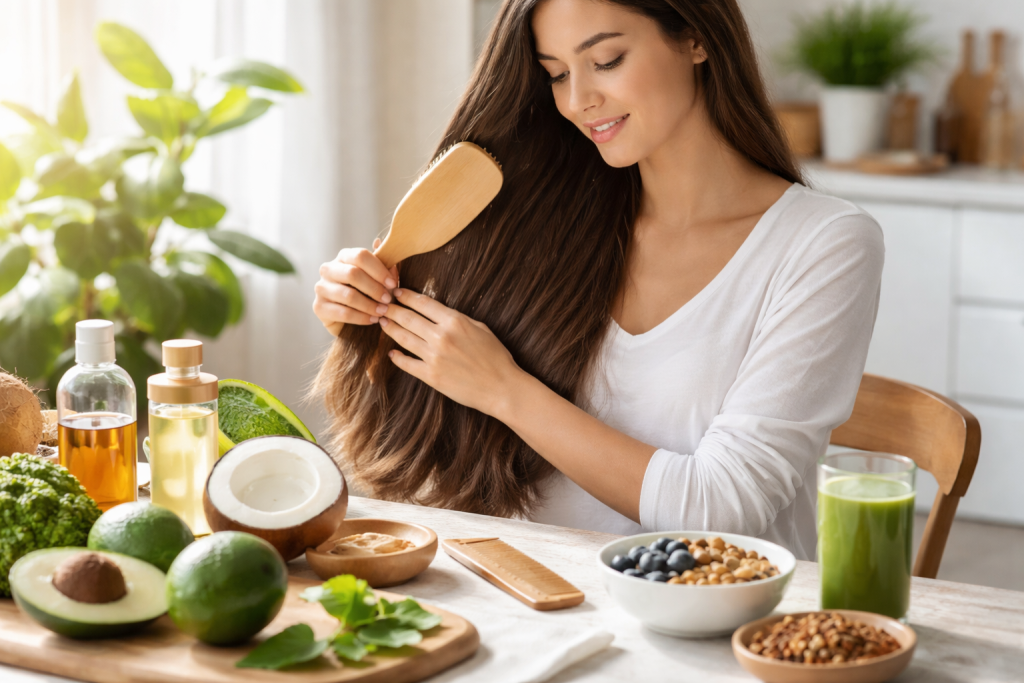
Understanding the intricate process of hair growth is the first step toward optimizing it. Our hair isn’t just a static shield; it’s a living part of our body, constantly undergoing cycles of growth, rest, and shedding. Each strand emerges from a follicle embedded in the scalp, powered by nutrients delivered through our bloodstream. The anagen phase, or growth phase, is where hairs actively lengthen, and its duration varies from person to person, often influenced by genetics, diet, and overall health. Following this, the catagen phase is a short transitional period, and finally, the telogen phase sees the hair follicle at rest before the old hair sheds and a new one begins its journey. When we talk about “faster hair growth,” we’re essentially aiming to prolong the anagen phase, ensure optimal follicular health, and minimize premature shedding. Chemical treatments, environmental stressors, and poor nutrition can disrupt this delicate balance, leading to slow growth, thinning, or breakage. Conversely, a holistic approach that prioritizes natural care can foster an environment where hair thrives, reaching its maximum potential in terms of speed and vitality. Embracing natural habits means working with your body, not against it, to support this fundamental biological process.
Shifting towards natural hair care extends far beyond just fostering growth; it’s an investment in the long-term health and vibrancy of your scalp and strands. The advantages are numerous and often manifest in ways that synthetic products simply cannot replicate.
Gentle on Your Scalp and Strands
One of the most immediate benefits of natural habits is the significant reduction in exposure to harsh chemicals. Sulfates, parabens, phthalates, and synthetic fragrances, commonly found in conventional hair products, can strip the scalp of its natural oils, leading to dryness, irritation, and even allergic reactions. Over time, these chemicals can weaken the hair shaft, making it more prone to breakage and hindering growth. Natural alternatives, on the other hand, often utilize plant-derived ingredients that are inherently gentler, respecting the delicate balance of your scalp’s microbiome. This gentle approach translates to less inflammation, a healthier environment for follicles, and ultimately, stronger hair.
Environmentally Conscious Choices
Beyond personal benefits, adopting natural hair care habits is also a conscious step toward environmental stewardship. Many synthetic ingredients are not biodegradable and can pollute waterways, harming aquatic ecosystems. Furthermore, the production of these chemicals often involves environmentally intensive processes. Natural ingredients, especially those sourced sustainably, tend to have a lower ecological footprint. Opting for brands that prioritize ethical sourcing and eco-friendly packaging further amplifies this positive impact, allowing you to care for your hair while also caring for the planet.
Long-Term Health and Sustainability
While synthetic products might offer immediate, superficial results, natural hair care often focuses on building a foundation of enduring health. Instead of masking issues, natural ingredients work to address underlying imbalances. For instance, essential oils can stimulate circulation, plant extracts provide vital nutrients, and natural oils can deeply moisturize without clogging pores. This sustained nourishment from root to tip leads to hair that is not only growing faster but is also inherently stronger, shinier, and more resilient to damage. It’s about nurturing your hair’s ecosystem for lasting beauty, rather than relying on temporary fixes that can lead to dependency and further issues down the line.
The old adage “you are what you eat” holds profound truths when it comes to the health of your hair. As a non-essential tissue, hair is often the first to show deficiencies, making a nutrient-rich diet paramount for accelerated growth.
Protein Power for Hair Structure
Hair is primarily composed of a protein called keratin. Therefore, ensuring adequate protein intake is absolutely crucial for healthy hair growth. Without sufficient building blocks, your body cannot produce strong keratin, leading to brittle, slow-growing strands. Excellent sources of lean protein include chicken, turkey, fish, eggs, dairy, lentils, beans, and tofu. Incorporating various these into your daily meals will provide the essential amino acids needed to construct robust hair fibers and support the hair growth cycle.
Vitamins and Minerals for Follicular Health
Beyond protein, a spectrum of vitamins and minerals plays a pivotal role in maintaining optimal follicular health and stimulating growth. Biotin, a B vitamin, is often highlighted for its role in keratin production and cellular growth and is found in eggs, nuts, and sweet potatoes. Vitamin A is essential for cell growth, including hair cells, and is present in carrots, spinach, and sweet potatoes. Vitamin C, a powerful antioxidant, aids in collagen production, strengthens capillaries that supply hair follicles, and helps with iron absorption; citrus fruits, bell peppers, and strawberries are excellent sources. Vitamin D supports hair follicle cycling, and sun exposure, fatty fish, and fortified foods can provide it. Iron is critical for transporting oxygen to hair follicles, and a deficiency can lead to hair loss; spinach, lentils, and red meat are rich in iron. Zinc is essential for hair tissue growth and repair, and deficiency can lead to hair shedding; oysters, pumpkin seeds, and legumes are excellent sources.
Healthy Fats and Hydration
Not all fats are created equal, and healthy fats are indispensable for lustrous hair. Omega-3 fatty acids, found in fatty fish like salmon, flaxseeds, chia seeds, and walnuts, are crucial for scalp health and hair hydration, reducing dryness and promoting shine. These healthy fats also contribute to reducing inflammation, which can otherwise impede hair growth. Equally important is consistent hydration. Water transports nutrients to your cells, including hair follicles, and dehydration can lead to dry, brittle hair and a lackluster scalp. Aim for at least eight glasses of water daily, and consider incorporating hydrating fruits and vegetables into your diet to further support internal moisture levels.
While what you put into your body is critical, how you live your life also profoundly impacts your hair’s ability to grow long and strong. Integrating these lifestyle adjustments can create an optimal environment for hair vitality.
Stress Management for Hair Resilience
Chronic stress is a well-documented enemy of hair health. When the body is under constant stress, it releases hormones like cortisol, which can prematurely push hair follicles into the resting (telogen) phase, leading to increased shedding and slower growth. Furthermore, stress can constrict blood vessels, reducing the nutrient supply to the scalp. Implementing effective stress management techniques is therefore vital. Such strategies could include practices like meditation, yoga, deep breathing exercises, spending time in nature, engaging in hobbies, or ensuring adequate sleep. Prioritizing mental well-being directly translates to physical benefits, including a healthier hair growth cycle.
Adequate Sleep for Cellular Regeneration
Sleep is not merely a period of inactivity; it’s a crucial time for cellular repair and regeneration throughout the body, including hair follicles. During deep sleep, the body produces melatonin, a hormone that not only regulates sleep-wake cycles but also has antioxidant properties and may stimulate hair growth. Insufficient or restless sleep can disrupt these regenerative processes, impairing the body’s ability to repair and renew cells, which can slow down hair growth and increase shedding. Aiming for 7-9 hours of quality sleep each night allows your body to perform its vital restorative functions, providing the optimal conditions for hair to thrive. Establishing a consistent sleep schedule and creating a relaxing bedtime routine can significantly improve sleep quality.
Regular Exercise for Improved Circulation
Physical activity is beneficial for overall health, and its impact on hair growth is often underestimated. Regular exercise boosts blood circulation throughout the body, including the scalp. This enhanced blood flow ensures that vital nutrients and oxygen reach the hair follicles more efficiently, promoting healthy growth and strengthening the hair shaft. Moreover, exercise helps reduce stress, as mentioned earlier, which indirectly supports hair health. Whether it’s brisk walking, jogging, cycling, or strength training, incorporating consistent physical activity into your routine can contribute significantly to a healthier scalp and more vigorous hair growth. Remember to keep your scalp clean after sweating to prevent clogged pores and product buildup.
While internal factors are paramount, how you treat your hair externally also plays a significant role in its ability to grow and remain healthy. Adopting mindful care practices can prevent damage and foster an environment conducive to length retention.
Gentle Washing and Conditioning
The way you wash your hair can either promote or hinder growth. Aggressive scrubbing and using hot water can strip the scalp of its natural oils, leading to dryness and irritation. Instead, use lukewarm water and a sulfate-free, gentle shampoo, massaging your scalp in circular motions to stimulate blood flow without harsh agitation. Focus the shampoo on the scalp and roots, allowing the suds to run down the length of your hair without excessively scrubbing the ends. Always follow with a natural conditioner, focusing on the mid-lengths to ends, to hydrate and detangle. Avoid over-washing, as these products can dry out your scalp and hair; adjust frequency based on your hair type and activity level. Using a silk or satin pillowcase can also reduce friction on your hair while you sleep, preventing breakage.
Minimizing Heat Styling and Chemical Treatments
Excessive heat from styling tools like straighteners, curling irons, and even high-heat blow-dryers severely damages the hair’s outer cuticle, leading to breakage, split ends, and a dull appearance. This damage can counteract any efforts to grow your hair longer by constantly chopping off the ends. Opt for air-drying whenever possible, and if heat styling is necessary, use a heat protectant spray and the lowest effective temperature setting. Similarly, chemical treatments such as permanent dyes, perms, and relaxers can be incredibly harsh on the hair and scalp, weakening the hair structure and potentially damaging follicles. If you choose to color or chemically treat your hair, opt for ammonia-free or gentler formulations and ensure adequate time between treatments to allow your hair to recover. Embracing your natural texture can be a powerful step toward faster, healthier growth.
Regular Trims for Healthier Ends
It might seem counterintuitive to cut your hair when you’re trying to grow it longer, but regular trims are key to preserving hair health and longevity. Split ends, if left unchecked, can travel up the hair shaft, causing more extensive damage and breakage that ultimately makes your hair appear shorter and thinner. By getting microtrims every 8-12 weeks, you remove these damaged ends, allowing the healthy hair to continue growing without impediment. This practice preserves the overall integrity of your hair, preventing significant breakage and ensuring that the length you gain from the root is retained at the ends, leading to visibly longer, healthier tresses over time. Think of it as pruning a plant to encourage robust growth.
Beyond daily habits, certain natural remedies can provide an extra boost to your hair growth journey, tackling specific concerns and enhancing overall scalp health.
Scalp Massages with Essential Oils
A regular scalp massage is a simple yet incredibly effective way to stimulate hair growth. The physical act of massaging increases blood circulation to the hair follicles, ensuring a steady supply of nutrients and oxygen. Combining it with essential oils compounds the benefits. Rosemary essential oil is widely recognized for its ability to stimulate new hair growth and improve circulation. Peppermint essential oil can also increase circulation and promote a tingling sensation that signals increased blood flow. Tea tree oil offers antifungal and antibacterial properties, which can help maintain a healthy scalp environment, crucial for growth. Always dilute essential oils in a carrier oil like coconut, jojoba, or almond oil (a ratio of a few drops of essential oil per tablespoon of carrier oil) before applying to the scalp to prevent irritation. Gently massage for 5-10 minutes a few times a week, leaving it on for at least 30 minutes before washing or even overnight for a deeper treatment.
Aloe Vera and Onion Juice Treatments
Nature provides powerful ingredients that can directly benefit hair growth. Aloe vera, a succulent plant, is rich in vitamins A, C, and E, known to promote healthy cell growth and shiny hair. Its proteolytic enzymes can repair dead skin cells on the scalp, making it an excellent conditioner and promoting hair growth. Applying fresh aloe vera gel directly to the scalp and leaving it for 30 minutes before rinsing can soothe inflammation, reduce dandruff, and improve overall scalp health. Onion juice, while not the most fragrant option, is a potent remedy due to its high sulfur content. Sulfur is a component of keratin, the protein that makes up hair, and it can stimulate collagen production, which helps in the growth of new hair cells. Applying fresh onion juice to the scalp, letting it sit for 15-30 minutes, and then washing it off thoroughly (perhaps with a fragrant shampoo to mask the scent) a few times a week can significantly improve hair growth.
Herbal Rinses and Masks
Herbal remedies have been used for centuries to promote hair health. Rinsing your hair with herbal infusions can add shine, strengthen strands, and stimulate growth. For example, a nettle tea rinse can help reduce hair loss and promote growth due to its rich vitamin and mineral content. Green tea, rich in antioxidants and catechins, can also be used as a stimulating rinse. Fenugreek seeds, when soaked overnight and ground into a paste with water, create a powerful hair mask. Fenugreek contains proteins and nicotinic acid that are known to improve hair quality, stimulate growth, and combat hair loss. Similarly, a hibiscus flower and leaf mask can condition hair, prevent premature graying, and encourage growth. Apply these rinses or masks to your scalp and hair, leave for 20–30 minutes, then rinse thoroughly. Consistent use of these natural treatments can provide your hair with the extra nourishment and stimulation it needs to reach its full potential.
Embarking on the journey to faster, healthier hair growth is not about finding a magic pill; it is an ongoing commitment to nurturing your body and your tresses with care and consistency. By integrating the ten natural habits discussed, you are not merely seeking superficial change but fostering profound health from within. From understanding the vital phases of hair growth to savoring the myriad benefits of gentle, natural care, each step contributes to a holistic approach. Fueling your body with protein, vitamins, minerals, and healthy fats provides the essential building blocks, while managing stress, ensuring adequate sleep, and maintaining an active lifestyle optimize your body’s overall regenerative capabilities. Conscious hair care practices, such as gentle washing, minimal heat styling, and regular trims, protect and preserve the length you gain. Finally, incorporating natural remedies like essential oil massages, aloe vera, onion juice, and herbal treatments offers targeted nourishment and stimulation. The beauty of these natural habits lies in their synergy; each practice reinforces the others, creating a powerful feedback loop that culminates in vibrant, resilient, and visibly longer hair. Embrace this natural pathway, and watch as your hair unlocks its full, magnificent potential.
FAQs
1. What are some natural habits that can promote faster hair growth?
Some natural habits that can promote faster hair growth include scalp massages, using natural oils like coconut or castor oil, reducing heat and chemical damage, and eating a balanced diet rich in vitamins and minerals.
2. What are the benefits of natural hair care habits for promoting hair growth?
Natural hair care habits can help to nourish the scalp, reduce breakage, and improve overall hair health. They can also help to minimize exposure to harsh chemicals and reduce the risk of allergic reactions.
3. What nutritional habits can contribute to faster hair growth?
Nutritional habits that can contribute to faster hair growth include consuming foods rich in protein, iron, vitamins A and C, and omega-3 fatty acids. These nutrients help to support healthy hair growth and prevent hair loss.
4. What lifestyle habits can promote healthy hair and faster growth?
Lifestyle habits that can promote healthy hair and faster growth include managing stress, getting regular exercise, staying hydrated, and getting enough sleep. These habits can help improve overall health, which in turn supports healthy hair growth.
5. What are some natural remedies that can help with hair growth?
Natural remedies for hair growth include using aloe vera, onion juice, and fenugreek seeds. These natural ingredients have been shown to promote hair growth and improve the overall health of the scalp and hair.


