

The pursuit of healthy, vibrant hair often leads us into a maze of chemical-laden products, each promising a miraculous cure. But what if the secret to gorgeous locks lay not in bottles and jars, but in a deeper understanding of our hair’s natural needs? This comprehensive guide explores the art of maintaining healthy hair without relying on commercial products, focusing instead on fundamental principles, natural remedies, and lifestyle choices that foster true hair health from within.
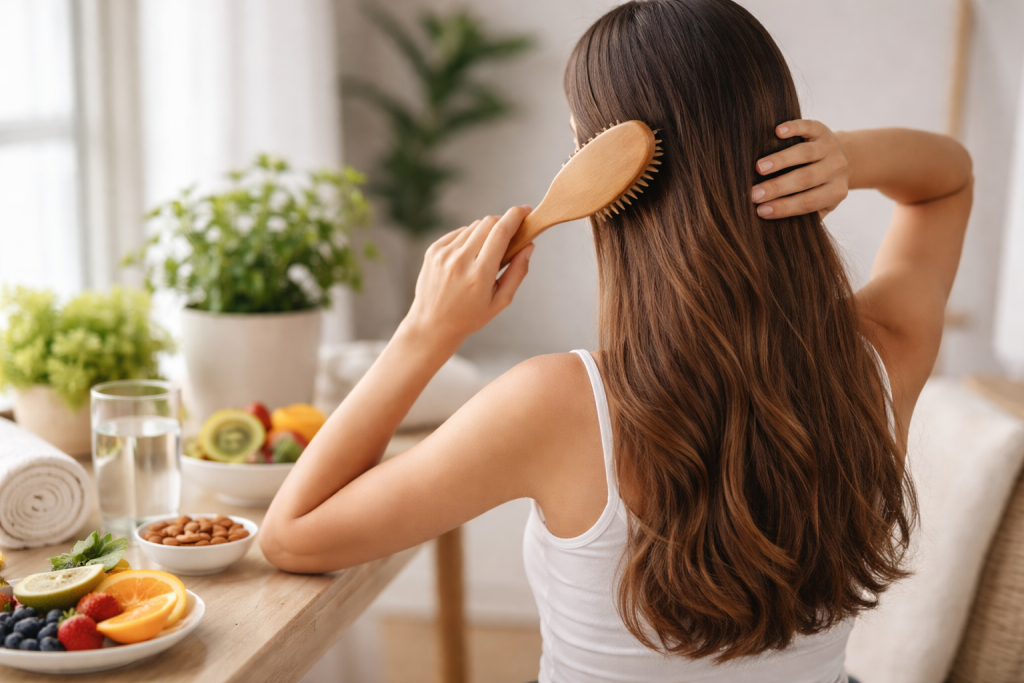
Before we discuss product-free care, it’s crucial to grasp the fundamental science behind healthy hair. Our hair, at its core, is made of a protein called keratin. Each strand emerges from a follicle in the scalp, and its life cycle involves growth, rest, and shedding. The health of our hair is intrinsically linked to the health of our scalp, which acts as the foundation.
The Anatomy of a Hair Strand
A hair strand consists of three main layers: the medulla (innermost, not always present), the cortex (responsible for strength and color), and the cuticle (outermost, protective layer). When the cuticle is smooth and intact, hair appears shiny and feels soft. Damage, whether from environmental factors, harsh styling, or poor nutrition, can lift and disrupt the cuticle, leading to frizz, dullness, and breakage.
The Scalp: The Root of All Hair Health
The scalp is a living ecosystem, rich in sebaceous glands that produce sebum, a natural oil essential for moisturizing hair and protecting it from environmental stressors. An imbalance in sebum production can lead to either an oily scalp and greasy hair or a dry, flaky scalp. Proper scalp hygiene and nourishment are paramount to encouraging strong, healthy hair growth. Understanding your scalp type—oily, dry, normal, or combination—is the first step in tailoring a product-free hair care routine.
The conventional wisdom dictates that commercial shampoos and conditioners are essential for cleaning and nourishing hair. However, many of these products contain sulfates, parabens, and synthetic fragrances that can strip hair of its natural oils, leading to dryness, irritation, and even hair loss. Embracing natural alternatives can revolutionize your hair’s health.
Gentle Cleansing with Natural Ingredients
The ‘no-poo’ movement, while sometimes misinterpreted as simply not washing hair, advocates for cleansing methods that prioritize natural ingredients. Shikakai and reetha pods, traditionally used in India for centuries, are excellent natural cleansers. They produce a mild lather that effectively removes dirt and excess oil without stripping the hair’s natural moisture. Other options include rinses made with apple cider vinegar, which gently clarify the scalp and help balance its pH. Baking soda, used sparingly and diluted, can also be an effective cleanser for some hair types, though it’s important to follow up with an acidic rinse to restore pH.
Nourishing and Conditioning Naturally
Instead of silicone-laden conditioners, nature offers a wealth of emollients and humectants. Aloe vera gel is a fantastic natural conditioner, providing hydration and soothing the scalp. Coconut milk is rich in vitamins and proteins, deeply nourishing the hair shaft. For dry or damaged hair, unrefined oils like coconut oil, olive oil, and argan oil can be used as pre-shampoo treatments or leave-in conditioners in small amounts. These oils penetrate the hair shaft, providing protection and imparting a natural shine. Herbal infusions, such as chamomile for blonde hair or rosemary for darker tones, can also be used as conditioning rinses, adding subtle benefits and a pleasant aroma.
Healthy hair isn’t just about growth; it’s about retaining that growth and preventing premature breakage. A holistic approach that addresses both internal and external factors is key to achieving long, strong strands.
Scalp Stimulation and Blood Flow
Regular scalp massage is a simple yet powerful technique. Massaging the scalp with your fingertips for a few minutes daily increases blood circulation to the hair follicles, delivering essential nutrients and oxygen. You can enhance the experience by incorporating a few drops of essential oils known for promoting hair growth, such as rosemary or peppermint oil, diluted in a carrier oil like jojoba or almond oil. Gently brushing your hair with a wide-tooth comb also stimulates the scalp and distributes natural oils from the roots to the ends, preventing dryness and breakage.
Minimizing Mechanical Stress
Our daily habits often contribute significantly to hair breakage. Avoid aggressive towel drying; instead, gently squeeze excess water from your hair with a soft cotton t-shirt or microfiber towel. Detangle hair when it’s damp, not soaking wet, using a wide-toothed comb and working from the ends upwards. Tight hairstyles that pull on the roots can cause traction alopecia, so opt for loose braids, buns, or ponytails. Sleeping on a silk or satin pillowcase reduces friction, preventing tangles and breakage overnight.
The old adage, “You are what you eat,” holds immense truth for hair health. Hair is a reflection of our internal well-being, and a nutrient-rich diet is the cornerstone of strong, shiny locks.
Essential Nutrients for Hair Growth
Protein is the building block of hair, so ensure your diet includes lean protein sources like eggs, fish, poultry, lentils, and beans. Iron is crucial for red blood cell production, which transports oxygen to hair follicles; deficiency can lead to hair loss. Good sources include spinach, red meat, and fortified cereals. Biotin, a B vitamin, is often lauded for its role in hair health and can be found in nuts, seeds, and sweet potatoes. Omega-3 fatty acids, present in fatty fish like salmon, flaxseeds, and walnuts, nourish the scalp and promote hair shine.
The Power of Vitamins and Minerals
Vitamins A, C, and E are powerful antioxidants that protect hair follicles from damage. Vitamin A supports sebum production, keeping hair moisturized. Vitamin C is essential for collagen production, which strengthens hair. Vitamin E improves blood flow to the scalp. Minerals like zinc and selenium also play vital roles in hair tissue growth and repair. A varied diet that is abundant in fruits, vegetables, whole grains, and healthy fats will naturally supply these vital nutrients, thereby promoting overall hair health from within. Hydration is also key; drinking plenty of water ensures cells function optimally, including those in your hair follicles.
Frizz is often a sign of dry, damaged hair where the cuticles are raised, allowing moisture to enter and swell the hair shaft. While commercial anti-frizz products offer quick fixes, natural methods provide sustainable solutions by addressing the root cause.
Hydration is Key
The most effective way to combat frizz is through consistent hydration. As mentioned earlier, natural oils like coconut, argan, or jojoba can be applied to damp hair in small amounts as a leave-in treatment to seal the cuticle and prevent moisture loss. Aloe vera gel can also be used similarly. When air-drying, avoid touching your hair too much, as such actions can disrupt the cuticle and encourage frizz.
Styling with Care
Embrace styles that work with your hair’s natural texture rather than against it. Braids, buns, and twists can help to smooth hair and prevent frizz. For curly or wavy hair, finger-coiling or scrunching with a natural gel (like flaxseed gel) can define curls and reduce frizz. Avoid excessive brushing, especially when hair is dry, as this can create static and frizz. If you must brush dry hair, use a natural bristle brush or a wide-tooth comb.
Humidity Management
In humid environments, hair is more prone to frizz due to its porous nature, which absorbs moisture from the air. Consider rinsing your hair with cool water at the end of your shower, as this helps to close the hair cuticle. Wearing a silk scarf or hat in humid conditions can also provide a physical barrier, protecting your hair from environmental moisture.
Various stressors constantly expose our hair, including UV radiation, harsh chemicals in water, and the damaging effects of heat styling. Protecting it without relying on products requires a shift in habits and a deeper appreciation for natural resilience.
Shielding Against Environmental Aggressors
Sun protection isn’t just for skin; prolonged exposure to UV rays can damage the hair’s protein structure, leading to dryness, brittleness, and color fading. Wearing a hat or using an umbrella when outdoors for extended periods is the simplest and most effective defense. Saltwater and chlorine can also be very drying. Before swimming, rinse your hair with fresh water and apply a light layer of a natural oil, like coconut oil, to create a protective barrier. After swimming, rinse thoroughly with fresh water again.
Avoiding Heat Damage Altogether
The most significant step in preventing heat damage is to minimize or eliminate heat styling. Embrace your natural texture. If you must use heat, always opt for the lowest possible setting and avoid direct contact with the hair for extended periods. Instead of blow-drying, consider air-drying your hair or using a cool setting on your hairdryer. If you use hot tools, ensure your hair is completely dry beforehand, as applying heat to wet hair can cause it to essentially boil from the inside out. Consider heatless styling methods like braids, rollers, or simple air-drying techniques.
Transitioning to a product-free hair care routine is a journey, not a sprint. It involves experimentation, patience, and a willingness to listen to your hair’s unique needs. The goal is to establish a sustainable system that enhances your hair’s natural health and beauty without external intervention.
Establishing a Realistic Washing Schedule
The frequency of washing is highly individual. Some people can go weeks without traditional cleansing, while others with oilier scalps might need to “wash” more frequently with natural alternatives. Start by extending the time between washes gradually. Use dry styling techniques or braids to manage oiliness on off-days. Your scalp will eventually adjust and produce less sebum as it’s no longer constantly stripped by harsh shampoos.
Listening to Your Hair
Pay close attention to how your hair responds to different natural methods. Does an apple cider vinegar rinse leave it shiny or dry? Does a coconut oil treatment feel too heavy? Adjust your approach based on what your hair tells you. The beauty of a product-free routine is its flexibility and adaptability to your hair’s changing needs, whether due to seasonal changes, diet, or overall health.
Embracing the Journey
The initial transition to a product-free routine might involve an “unlearning” phase, where your hair goes through an adjustment period. It might feel oilier or appear duller as it recalibrates. Patience is crucial during this time. Remember that true, lasting hair health comes from consistent, gentle care that aligns with your body’s natural rhythms, rather than relying on quick fixes from a bottle. By understanding the basics, embracing natural solutions, and cultivating conscious habits, you can unlock the full potential of your hair, allowing its inherent strength and shine to truly flourish.
FAQs
1. What are some natural methods for cleansing and conditioning hair without using products?
Some natural methods for cleansing and conditioning hair include using apple cider vinegar as a clarifying rinse, using aloe vera gel as a moisturizing treatment, and using coconut oil as a deep conditioning treatment.
2. How can I promote hair growth and prevent breakage without using products?
To promote hair growth and prevent breakage without using products, you can try scalp massages to stimulate blood flow, incorporate a healthy diet rich in vitamins and minerals, and avoid tight hairstyles and heat styling tools.
3. What are some techniques for managing frizz and taming unruly hair without using products?
Techniques for managing frizz and taming unruly hair without using products include using a microfiber towel to dry hair, incorporating a silk pillowcase to reduce friction, and using a wide-tooth comb to detangle hair gently.
4. How can I protect my hair from environmental damage and heat styling without using products?
To protect hair from environmental damage and heat styling without using products, you can wear a hat or scarf to shield hair from the sun, use heat styling tools on a low setting, and avoid over-washing hair to maintain its natural oils.
5. What are some tips for creating a sustainable hair care routine without using products?
Tips for creating a sustainable hair care routine without using products include reducing water usage during showers, opting for eco-friendly hair accessories, and exploring DIY hair treatments using natural ingredients like honey, avocado, and olive oil.


