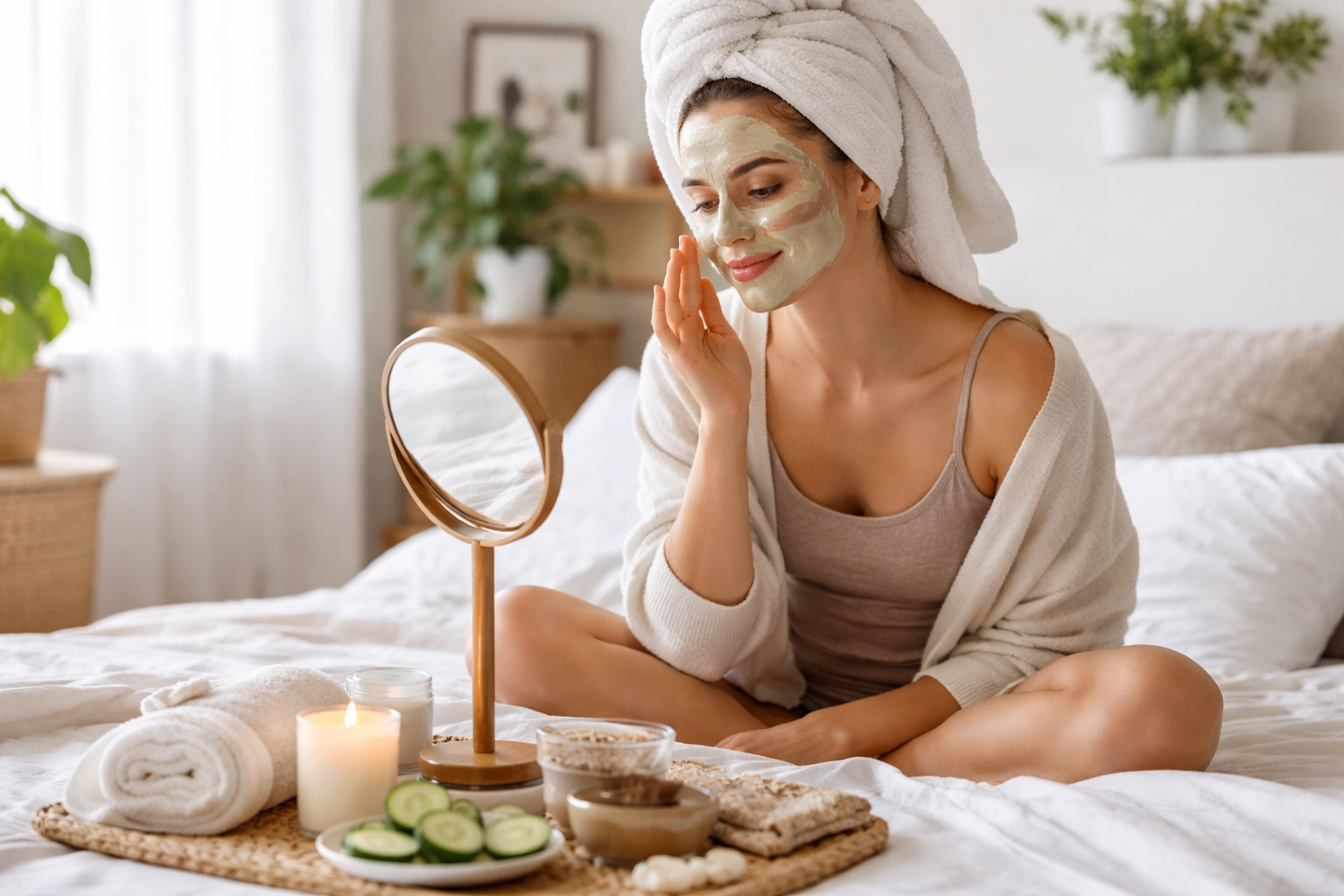
In our increasingly interconnected and demanding world, the notion of “busy” has become a badge of honor, a default state rather than an exception. From juggling demanding careers and family responsibilities to navigating an endless stream of digital notifications, many of us find ourselves perpetually on the go. While productivity is often lauded, a crucial element frequently falls by the wayside: self-care. It’s not a luxury; it’s a fundamental necessity for maintaining physical, mental, and emotional well-being. Ignoring it leads to burnout, diminished productivity, increased stress, and a general decline in quality of life. The good news is, even with a jam-packed schedule, prioritizing your well-being is not only possible but essential for sustained success and happiness.

The Indispensable Role of Self-Care in a Relentless Routine
Many people mistakenly view self-care as an indulgence, something to be squeezed in only when all other tasks are complete. This perspective is fundamentally flawed. Think of self-care not as a reward but as preventative maintenance for your most valuable asset: yourself. Without it, your ability to perform at your best—personally and professionally—will inevitably suffer. It’s about recharging your internal batteries so you can face challenges with resilience and creativity, rather than exhaustion and irritability.
Why Neglecting Self-Care Costs You More
When self-care is consistently overlooked, the consequences are multifaceted. Chronic stress begins to erode physical health, manifesting as sleep disturbances, digestive issues, and a weakened immune system. Mentally, the ability to focus diminishes, decision-making becomes impaired, and feelings of overwhelm and anxiety become commonplace. Emotionally, it can lead to irritability, cynicism, and a lack of joy in activities that once brought pleasure. Investing in self-care saves you from these debilitating outcomes by fostering a sense of control and empowerment over your own well-being.
Quick and Easy Self-Care Interventions for the Time-Strapped
The biggest hurdle for many is the perceived lack of time. However, self-care doesn’t always require hours of dedicated spa visits or lengthy retreats. It can be woven into the fabric of your day in small, impactful ways. The key is to identify what truly replenishes you and then find creative ways to integrate those elements into your existing routine. Even five or ten minutes can make a significant difference in shifting your perspective and calming your nervous system.
Micro-Moments of Mindfulness and Movement
One effective strategy involves embracing micro-moments. This could be taking three deep breaths before replying to a challenging email, stretching for two minutes at your desk every hour, or stepping outside for a brief walk around the block during a lunch break. These small acts break the cycle of continuous output and provide valuable mental and physical resets. They are not elaborate, but their cumulative effect is profound, offering a sense of calm and clarity that can impact your entire day.
Sensory Nudges for Instant Rejuvenation
Engaging your senses can provide immediate self-care benefits. This might involve brewing your favorite herbal tea and savoring each sip, listening to a beloved song for a few minutes, or lighting a scented candle while you unwind in the evening. Even a few drops of essential oil on your pulse points can offer a comforting and grounding aroma. These small sensory inputs help to pull you out of your head and into the present moment, offering a quick escape from daily pressures.
Crafting a Sustainable Self-Care Framework Around Your Schedule
Creating a successful self-care routine isn’t about adding another burdensome item to your to-do list; it’s about strategically incorporating practices that support your overall health and happiness. The secret lies in understanding your own rhythms and identifying consistent opportunities for self-care, no matter how brief. Flexibility is paramount here; some weeks might allow for more dedicated time, while others demand a more streamlined approach.
Identifying Your Non-Negotiables and Flexible Slots
Start by identifying your “non-negotiables” – those self-care activities you absolutely cannot do without to feel balanced. For one person, this might be 30 minutes of exercise; for another, an hour of quiet reading before bed. Once these are identified, look for flexible slots in your schedule. Can you wake up 15 minutes earlier for meditation? Can you use your commute for an audiobook or podcast focused on personal growth? Can you block out a specific evening each week for a relaxing activity? These intentional placements ensure self-care isn’t left to chance.
Batching and Habit Stacking for Efficiency
For busy individuals, efficiency is key. Consider “batching” self-care activities, such as preparing healthy meals for the week on a Sunday or dedicating one evening to face masks and a warm bath. Another powerful technique is “habit stacking,” which involves pairing a desired self-care activity with an existing habit. For instance, if you always make coffee in the morning, use that time to also practice gratitude or set intentions for the day. This leverages established routines to build new, beneficial ones without requiring extra willpower.
Navigating Stress and Anxiety with Intentional Self-Care
Stress and anxiety are almost inevitable companions in a fast-paced world. While self-care can’t eliminate all external pressures, it provides crucial coping mechanisms and builds resilience, allowing you to manage these emotions more effectively rather than being overwhelmed by them. Proactive self-care acts as a buffer against the detrimental effects of chronic stress, helping to maintain mental and emotional equilibrium.
Proactive Strategies for Mental Fortitude
One of the most effective strategies for managing stress and anxiety is a proactive approach to mental well-being. This includes regular mindfulness meditation or deep breathing exercises, which train your mind to observe thoughts without judgment and to return to a state of calm. Even short bursts of these practices, when integrated daily, can significantly reduce reactivity to stressors. Furthermore, setting realistic boundaries both at work and in personal life prevents overcommitment and the resulting feelings of being perpetually overwhelmed. Learning to say “no” is a powerful act of self-care.
Emotional Release and Processing Techniques
Self-care for stress and anxiety also involves healthy emotional processing. Journaling, for example, provides a safe space to vent frustrations, explore feelings, and gain perspective. Engaging in creative outlets like painting, playing music, or even simply doodling can also be incredibly therapeutic, offering a non-verbal channel for emotional release. Connecting with trusted friends or family members to share your burdens, without the need for immediate solutions, also fulfills a vital human need for social support and validation.
Prioritizing Mental and Emotional Well-Being Amidst the Hustle
In the relentless pursuit of achievement, mental and emotional well-being are often sacrificed. Yet, these are the very foundations upon which sustained productivity, creativity, and genuinely fulfilling lives are built. Neglecting them leads to a shallow and ultimately unsustainable existence. Prioritizing these aspects means recognizing their intrinsic value and actively safeguarding them against the demands of the external world.
Cultivating Emotional Intelligence and Self-Compassion
Developing emotional intelligence – the ability to understand and manage one’s own emotions and recognize those of others – is a critical self-care practice. This involves checking in with yourself regularly, acknowledging your feelings without labeling them as good or bad, and understanding their root causes. Alongside this, practicing self-compassion is vital. Treat yourself with the same kindness and understanding you would offer a dear friend. Recognize that everyone makes mistakes and experiences setbacks, and that perfection is an illusion. This internal dialogue greatly influences your mental resilience.
Engaging in Restorative Digital Detoxes
In a hyper-connected world, one of the most critical acts of self-care for mental and emotional well-being is the intentional disconnection from digital devices. Constant exposure to screens, social media comparison, and an endless stream of news can contribute significantly to anxiety and mental fatigue. Regularly scheduled digital detoxes, whether an hour before bed, a full day on the weekend, or even just turning off notifications for focused work, allows your mind to rest, process, and engage with the real world around you, fostering a greater sense of peace and presence.
Finding the right self-care strategies is a highly personal journey, an ongoing process of experimentation and self-discovery. What recharges one person might exhaust another. The essential takeaway is that self-care is not a sign of weakness or selfishness, but rather a powerful act of self-preservation and a prerequisite for living a truly vibrant and impactful life, even when your schedule feels relentlessly hectic. It’s about remembering that you cannot pour from an empty cup, and that by taking care of yourself, you are ultimately better equipped to take care of everything else that matters.
FAQs
1. What is self-care and why is it important in a busy lifestyle?
Self-care refers to the practice of taking care of one’s own physical, mental, and emotional well-being. It is important in a busy lifestyle because it helps individuals manage stress, prevent burnout, and maintain overall health and wellness.
2. How can busy individuals incorporate self-care into their daily routine?
Busy individuals can incorporate self-care into their daily routine by setting aside dedicated time for self-care activities, such as exercise, meditation, or hobbies. They can also practice mindfulness and prioritize activities that bring them joy and relaxation.
3. What are some quick and easy self-care tips for managing stress and anxiety?
Quick and easy self-care tips for managing stress and anxiety include deep breathing exercises, taking short breaks to stretch or go for a walk, practicing gratitude, and engaging in activities that promote relaxation, such as listening to music or taking a warm bath.
4. How can individuals create a self-care routine that fits their busy schedule?
Individuals can create a self-care routine that fits their busy schedule by identifying small pockets of time throughout the day for self-care activities, prioritizing self-care as a non-negotiable part of their routine, and being flexible and adaptable with their self-care practices.
5. What are some self-care strategies specifically tailored for busy professionals?
Self-care strategies tailored for busy professionals include setting boundaries with work, practicing time management and prioritization, seeking support from colleagues or mentors, and incorporating self-care activities into their workday, such as taking regular breaks and practicing mindfulness.