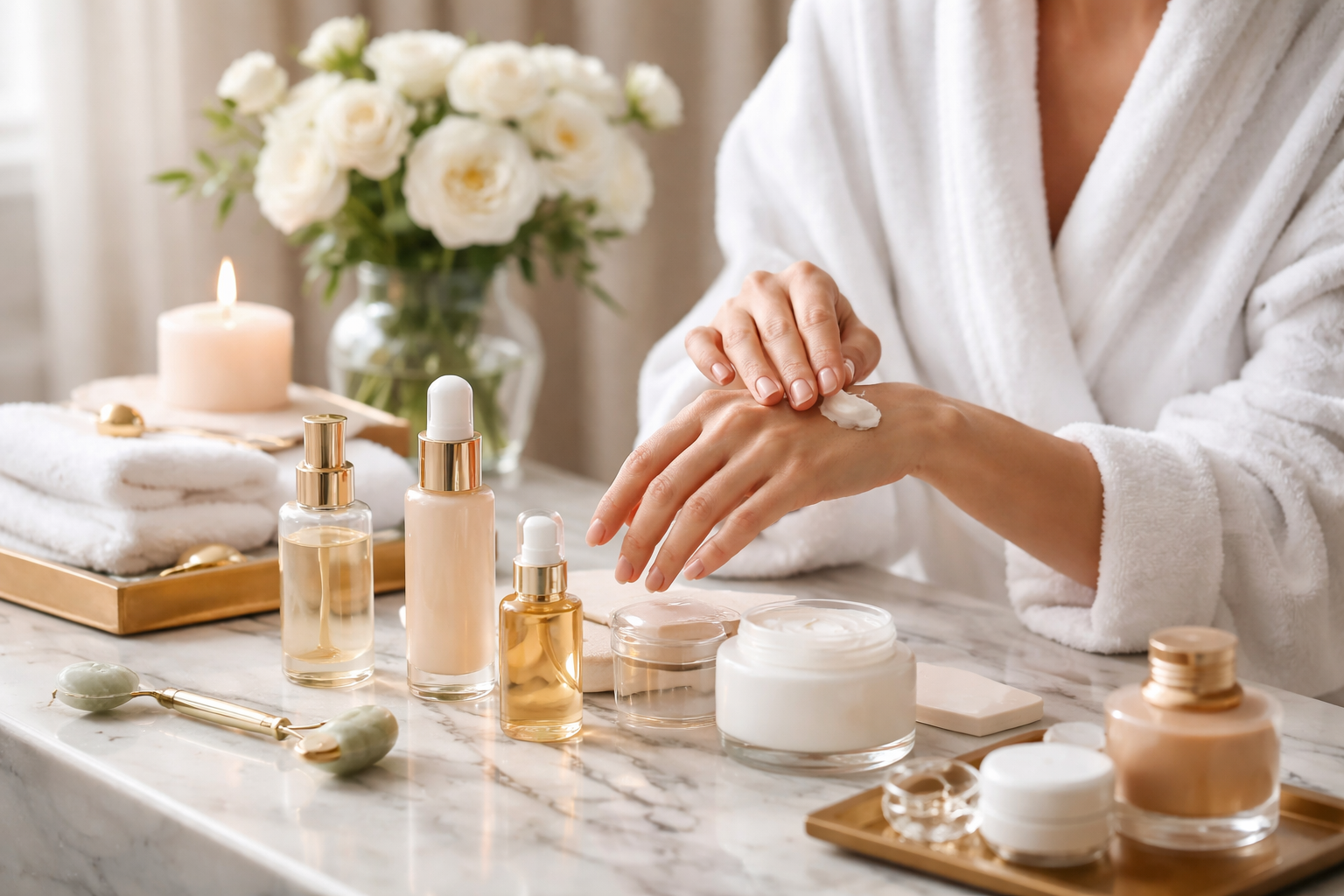
Dry skin can be a persistent and uncomfortable challenge, leaving your complexion feeling tight, rough, and even itchy. For beginners embarking on the journey to achieve a more hydrated and radiant complexion, understanding the nuances of dry skin and the best approaches to manage it is paramount. This comprehensive guide is designed to demystify the world of skincare for those with dry skin, offering a step-by-step approach to building an effective routine, choosing the right products, and addressing common concerns.

Dry skin, medically termed xerosis, is a common dermatological concern that arises when the skin’s natural barrier function is compromised, leading to a deficiency in lipids and water. This imbalance disrupts the skin’s ability to retain moisture effectively.
Common Causes of Dry Skin
Several factors can contribute to the development and exacerbation of dry skin. Environmental influences play a significant role, with cold, dry air, particularly prevalent during winter months or in arid climates, stripping the skin of its natural oils. Hot showers and baths, while sometimes perceived as soothing, can also wash away protective lipids, worsening dryness. Harsh soaps and cleansers, which often have strong detergents and high pH levels, can make the skin’s delicate balance even worse.
Beyond environmental factors, internal elements can also impact skin hydration. Aging is a natural contributor; as we get older, our sebaceous glands become less active, producing fewer natural oils, and our skin’s ability to retain moisture diminishes. Genetics predisposes some individuals to naturally drier skin types. Underlying medical conditions, such as eczema, psoriasis, and thyroid disorders, can also manifest with dry, scaly skin. Certain medications, like diuretics and retinoids, can have a drying effect as a side effect. Diet also plays a role; inadequate water intake can result in overall dehydration, which can manifest in the skin.
Recognizing the Symptoms of Dry Skin
The visible and tactile signs of dry skin are typically simple to identify. A general feeling of tightness across the face and body, especially after washing, is a hallmark symptom. The skin may appear dull and lack its usual radiance. Roughness and a crepey texture are common, and in more severe cases, the skin can become visibly flaky, shedding small, white scales.
Itching, or pruritus, is another prevalent and often frustrating symptom of dry skin. This can range from mild discomfort to intense itching that can disrupt sleep and daily activities. Redness can also be a sign, indicating inflammation and a compromised skin barrier. In advanced stages, dry skin can lead to cracking and fissures, particularly on the hands and feet, which can be painful and prone to infection. Understanding these symptoms is the first step in selecting the appropriate solutions for your skin.
The foundation of any effective skincare routine for dry skin lies in the careful selection of products. Opting for formulas that are specifically designed to hydrate, nourish, and support the skin’s natural barrier is crucial.
Cleansers: Gentle Yet Effective Cleansing
For dry skin, the primary goal of cleansing is to remove impurities without stripping the skin of its essential moisture. Harsh foaming cleansers, typically laden with sulfates, should be avoided. Instead, look for creamy, milky, or oil-based cleansers. These formulations are richer in emollients and humectants, which help to replenish lost moisture during the cleansing process. Opt for sulfate-free and fragrance-free options whenever possible, as these ingredients can be irritating to sensitive, dry skin. Micellar water can also be a gentle option for removing light makeup and daily grime. The key is to cleanse without leaving your skin feeling tight or stripped.
Moisturizers: The Cornerstone of Hydration
Moisturizers are non-negotiable for dry skin. They work by providing hydration and creating a protective barrier to prevent water loss. For dry skin, richer formulations are generally preferred. Look for creams and ointments rather than light lotions. Key ingredients to seek include:
Humectants
These ingredients draw moisture from the environment and the deeper layers of the skin to the surface. Common humectants include hyaluronic acid, glycerin, and urea.
Emollients
Emollients soften and smooth the skin by filling in the gaps between skin cells. They contribute to a smoother, more supple feel. Examples include ceramides, fatty acids, and shea butter.
Occlusives
These ingredients form a physical barrier on the skin’s surface, preventing transepidermal water loss (TEWL). Petrolatum (petroleum jelly), dimethicone, and beeswax are effective occlusives.
The ideal moisturizer will often contain a combination of these ingredients to provide comprehensive hydration and barrier support. Pay attention to product descriptions; terms like “rich,” “hydrating,” “nourishing,” and “barrier repair” are positive indicators for dry skin formulations.
Serums: Targeted Treatment and Enhanced Hydration
Serums offer a concentrated dose of active ingredients that can address specific skin concerns, including dryness. For dry skin, serums brimming with humectants are particularly beneficial.
Hydrating Serums
Hyaluronic acid serums are a popular choice for their ability to hold large amounts of water, plumping the skin and providing a boost of hydration. Glycerin-based serums are also effective. These can be applied after cleansing and before moisturizing to maximize their hydrating effects.
Barrier-Repairing Serums
Serums containing ceramides and fatty acids are excellent for rebuilding and strengthening the skin’s natural barrier. A compromised barrier is a primary cause of moisture loss, so repairing it is vital for long-term hydration. Vitamin E and niacinamide can also contribute to improved skin barrier function and have antioxidant properties.
When selecting a serum, consider its texture. Lighter serums are generally preferable for layering, ensuring they don’t feel heavy on already dehydrated skin. Always patch-test new serums to ensure they don’t cause any adverse reactions.
Establishing a consistent daily skincare routine is fundamental for managing dry skin. A simple yet effective routine, incorporating the right products, will work wonders in improving hydration and overall skin health.
Morning Routine: Protection and Hydration
The morning routine focuses on preparing the skin for the day ahead by providing essential hydration and protection.
Step 1: Gentle Cleansing
Begin by gently cleansing your face. For very dry skin, you might even opt to rinse your face simply with lukewarm water or use a very mild, hydrating cleanser. The goal is to remove any impurities from the night without stripping your skin’s natural oils.
Step 2: Hydrating Serum (Optional but Recommended)
If you’re using a serum, apply a few drops to damp skin. This helps to enhance its absorption and layering effect. A hydrating serum will provide an initial boost of moisture.
Step 3: Moisturizer
Apply a generous amount of your chosen moisturizer. Gently massage it into your skin in upward and outward strokes. Ensure you cover your entire face and neck. This step is crucial for locking in moisture and providing a protective barrier against environmental aggressors.
Step 4: Sun Protection
This is a non-negotiable step for all skin types, but especially vital for dry skin. Sun exposure can further dehydrate and damage the skin, exacerbating dryness and leading to premature aging. Use a broad-spectrum sunscreen with an SPF of 30 or higher. Look for sunscreens that are formulated with moisturizing ingredients or offer a creamier texture, as some sunscreens can be drying. Reapply throughout the day if you are exposed to direct sunlight for extended periods.
Evening Routine: Repair and Replenishment
The evening routine is dedicated to repairing and replenishing the skin after a day of exposure to environmental stressors.
Step 1: Thorough Cleansing
Remove all traces of makeup, sunscreen, and daily grime with a gentle, hydrating cleanser. If you wear heavy makeup, consider a double cleansing method; start with an oil-based cleanser to break down eye makeup and sunscreen, followed by your creamy or milky cleanser. Ensure the water is lukewarm, as hot water can be detrimental to dry skin.
Step 2: Hydrating Serum
Apply your hydrating serum to damp skin, focusing on areas that feel particularly dry or tight. This allows for deeper penetration of the beneficial ingredients.
Step 3: Moisturizer
Apply your moisturizer generously. For nighttime, you might choose a richer, more nourishing cream than your daytime moisturizer. This allows for intensive hydration and repair while you sleep. Don’t forget your neck.
Step 4: Treatment Products (If Applicable)
This is when you might incorporate specialized treatments, like a hydrating eye cream or a targeted treatment for specific concerns.
By following these simple morning and evening steps, you’ll lay a solid foundation for a healthier, more hydrated complexion. Consistency is key to seeing and feeling the difference.
Once a basic routine is established and your skin feels more balanced, you can introduce advanced techniques to further enhance hydration and address specific dry skin concerns. Approach these additions with caution and always prioritize gentleness.
Exfoliation: The Gentle Approach to Renewal
Exfoliation is crucial for removing dead skin cells that can contribute to a dull and rough complexion. However, for dry skin, aggressive exfoliation can be counterproductive, leading to irritation and further moisture loss.
Chemical Exfoliation Over Physical
When it comes to dry skin, chemical exfoliants are generally preferred over harsh physical scrubs. Chemical exfoliants use mild acids to dissolve the bonds between dead skin cells.
Lactic Acid
This alpha hydroxy acid (AHA) is a gentle exfoliant that also has humectant properties, meaning it can draw moisture into the skin. Products containing lactic acids can help improve skin texture and hydration without causing significant irritation.
Enzyme Exfoliants
Enzyme-based exfoliants, often derived from fruits like papaya or pineapple, offer a very mild form of exfoliation. They work by breaking down the keratin in dead skin cells, revealing smoother, brighter skin underneath.
When using any exfoliant, start slowly, perhaps once a week, and observe your skin’s reaction. Use less frequently or stop using it entirely if you get any redness, stinging, or increased dryness. Always follow exfoliation with a hydrating serum and moisturizer to replenish and protect the skin.
Masks: Intense Hydration Boosts
Face masks can be a wonderful way to give your dry skin an extra dose of nourishment and hydration.
Hydrating Masks
Look for masks rich in ingredients like hyaluronic acid, glycerin, ceramides, shea butter, and natural oils such as jojoba or avocado oil. These masks can provide immediate relief from dryness and leave your skin feeling soft and supple.
Barrier-Repairing Masks
These masks often contain ingredients that help to strengthen the skin’s natural barrier, such as ceramides and fatty acids. They are excellent for combating chronic dryness and improving resilience.
Incorporate a hydrating or barrier-repairing mask into your routine once or twice a week, depending on your skin’s needs. Apply it after cleansing and leave it on for the recommended duration before rinsing and following with your usual serum and moisturizer.
Treatments: Targeted Solutions for Deeper Hydration
Beyond masks, specialized treatments can offer targeted solutions for persistent dryness.
Facial Oils
High-quality facial oils can be incredibly beneficial for dry skin. They are rich in fatty acids and can help to nourish, soothe, and protect the skin. Oils like rosehip oil, marula oil, and argan oil are excellent choices. They can be used alone after cleansing and before moisturizer, or a few drops can be mixed into your moisturizer for an extra boost.
Humectant Ampoules or Vials
These concentrated treatments deliver a potent dose of hydrating ingredients directly to the skin. They are often used for a short period, typically a week or two, to provide an intensive hydration boost.
When introducing new or advanced treatments, always do so gradually. Pay close attention to how your skin responds, and adjust your routine accordingly. The goal is to enhance hydration and comfort, not to overload or irritate your delicate, dry skin.
Any skincare routine must include sun protection, which becomes even more crucial for dry skin. Consistent sun protection not only prevents premature aging and skin cancer, but also plays a crucial role in maintaining skin hydration and health.
How Sun Exposure Worsens Dryness
Ultraviolet (UV) radiation from the sun can significantly damage the skin’s protective barrier. This damage can impair the skin’s natural ability to retain moisture, leading to increased transepidermal water loss (TEWL). The result is skin that feels tighter, drier, and more prone to flakiness and irritation. Furthermore, sun exposure can break down collagen and elastin, leading to fine lines and wrinkles, which can be more pronounced on dry, dehydrated skin.
Choosing the Right Sunscreen for Dry Skin
Selecting the right sunscreen is key to reaping its protective benefits without exacerbating dryness.
Creamy, Hydrating Formulas
For dry skin, opt for sunscreens with a creamy or lotion-like texture. These formulations often contain moisturizing ingredients like hyaluronic acid, glycerin, and ceramides, which can provide hydration while protecting the skin from the sun. Avoid sunscreens that are alcohol-based or have a matte finish, as these can be drying.
Mineral Sunscreens
Mineral sunscreens, which contain zinc oxide and titanium dioxide as their active ingredients, are often well-tolerated by dry and sensitive skin types. They sit on top of the skin, creating a physical barrier against UV rays, and are less likely to cause irritation than some chemical sunscreens. Many mineral sunscreens are now formulated to be moisturizing.
Broad-Spectrum Protection
Always choose a broad-spectrum sunscreen that protects against both UVA and UVB rays. UVA rays contribute to premature aging and can penetrate deeper into the skin, while UVB rays are the primary cause of sunburn.
SPF 30 or Higher
Ensure the sunscreen has an SPF (Sun Protection Factor) of 30 or higher. Dermatologists recommend this level of protection to effectively shield the skin from damaging UV radiation.
Consistent Application is Key
Applying sunscreen daily, regardless of the weather or whether you plan to be outdoors for extended periods, is essential. UV rays can penetrate clouds and windows, so sun protection should be a year-round commitment. Reapply sunscreen every two hours when exposed to direct sunlight, after swimming, or after excessive sweating. Even a small amount of sun exposure can contribute to cumulative damage and worsen dryness over time. By prioritizing sun protection, you are not only safeguarding your skin’s health but also preserving its ability to maintain optimal hydration and a youthful appearance.
Skincare products are vital, but true skin health is a holistic endeavor. Incorporating certain lifestyle changes can significantly support your efforts to achieve and maintain hydrated, healthy skin.
Hydration from Within: The Power of Water
One of the simplest yet most effective ways to combat dryness is to ensure adequate internal hydration. Drinking plenty of water throughout the day helps to keep your entire body, including your skin, well-hydrated. Aim for at least eight glasses of water daily, and more if you live in a hot climate, exercise regularly, or are prone to dehydration. Water helps to maintain skin elasticity and suppleness.
Nourish Your Skin with Diet
What you eat directly impacts your skin’s health. Including foods high in essential fatty acids, vitamins, and antioxidants can enhance your skin’s hydration and barrier function from within.
Omega-3 Fatty Acids
These beneficial fats, found in fatty fish like salmon and mackerel, as well as in flaxseeds and walnuts, can help to reduce inflammation and improve the skin’s lipid barrier.
Antioxidants
Berries, leafy greens, and nuts are packed with antioxidants that protect skin cells from damage caused by free radicals. Vitamin C, found in citrus fruits and bell peppers, is particularly important for collagen production and skin repair. Vitamin E, present in nuts and seeds, also plays a role in skin protection and hydration.
Healthy Fats
Avocado, olive oil, and nuts provide healthy monounsaturated fats that nourish the skin and can contribute to a smoother, more hydrated complexion. Limiting processed foods, excessive sugar, and alcohol can also lead to improved skin health, as these can contribute to inflammation and dehydration.
Environmental Considerations
Your living and working environment can significantly influence your skin’s moisture levels.
Humidifiers
In dry climates or during winter months when indoor heating can strip the air of moisture, using a humidifier can make a dramatic difference. Placing a humidifier in your bedroom and living areas can add much-needed moisture to the air, preventing your skin from drying out overnight and throughout the day.
Avoiding Harsh Environmental Factors
Protect your skin from extreme weather. Wear gloves and scarves in cold, windy weather to shield your skin from the elements. If you work in an air-conditioned environment, consider using a facial mist throughout the day to provide a quick hydration boost.
Stress Management and Sleep
Chronic stress can have a detrimental effect on your skin, leading to inflammation and a compromised skin barrier, which can exacerbate dryness. Prioritizing stress-management techniques, such as meditation, yoga, or deep breathing exercises, can contribute to overall well-being and healthier skin. Adequate sleep is also crucial for skin repair and regeneration. Aim for 7-9 hours of quality sleep per night to allow your skin to recover and rehydrate. Making these lifestyle adjustments can work in synergy with your skincare routine to create profoundly healthier, more hydrated, and more resilient skin.
Even with a diligent skincare routine, dry skin can sometimes present with persistent issues like flakiness, redness, and irritation. Understanding how to address these specific concerns can bring much-needed relief and improve your skin’s overall comfort.
Tackling Flakiness Effectively
Flakiness occurs when the uppermost layer of the skin, the stratum corneum, sheds prematurely due to a lack of moisture and impaired barrier function.
Gentle Exfoliation and Intense Moisturization
The primary approach to managing flakiness involves a combination of gentle exfoliation and diligent moisturization. Start by incorporating a mild chemical exfoliant, such as lactic acid or an enzyme-based treatment, into your routine once or twice a week. This will help to slough off the dead skin cells that are causing the flaky appearance. Crucially, immediately after exfoliating and at every other skincare step, apply rich, emollient-rich moisturizers. Look for ingredients like ceramides, hyaluronic acid, glycerin, shea butter, and petrolatum. Layering these hydrating ingredients will help to replenish lost moisture and create a barrier that prevents further water loss.
Hydrating Masks and Overnight Treatments
Consider using a deeply hydrating or barrier-repairing face mask two to three times a week. These masks provide an intense dose of nourishment that can soothe and rehydrate flaky patches. For especially stubborn flakiness, applying a thick layer of your richest moisturizer or a balm over your regular moisturizer before bed can act as an overnight treatment, allowing your skin to deeply absorb the hydrating ingredients while you sleep. Avoid picking or scratching at flaky patches, as these acts can worsen irritation and lead to more dryness.
Soothing Redness and Irritation
Redness and irritation in dry skin often indicate inflammation and a compromised skin barrier, making the skin more sensitive to external aggressors.
Opt for Soothing and Anti-Inflammatory Ingredients
When choosing products to address redness, look for ingredients known for their calming and anti-inflammatory properties.
Centella Asiatica (Cica)
This plant extract is renowned for its ability to soothe irritation, promote healing, and strengthen the skin barrier. Many skincare products now feature cica as a key ingredient for sensitive and compromised skin.
Chamomile and Calendula
These botanical extracts have natural anti-inflammatory properties that can help to calm red, irritated skin.
Niacinamide (Vitamin B3)
Niacinamide is a versatile ingredient that can help to strengthen the skin barrier, reduce inflammation, and improve redness. It also has antioxidant properties.
When dealing with redness and irritation, simplify your routine to minimize potential irritants. Avoid fragranced products, harsh alcohols, and abrasive exfoliants. Stick to gentle, hydrating cleansers and moisturizers, and consider incorporating a calming serum or mask into your regimen regularly. Cold compresses can also provide temporary relief from heat and irritation.
When to Seek Professional Advice
While diligent home care can manage most dry skin concerns, there are times when consulting a dermatologist is advisable. If you experience persistent, severe dryness, cracking, bleeding, or signs of infection, it is essential to seek professional medical advice. A dermatologist can accurately diagnose the underlying cause of your dry skin, rule out any underlying medical conditions, and recommend specific prescription treatments or advanced therapies tailored to your individual needs. They can also guide you to the best products and ingredients for your specific skin concerns and help you navigate challenging situations like eczema or psoriasis flares. Remember, your skin is unique, and professional guidance can be invaluable in achieving optimal skin health and comfort.
FAQs
1. What are the common causes and symptoms of dry skin?
Dry skin can be caused by factors such as genetics, aging, weather conditions, harsh soaps, and certain medical conditions. Symptoms of dry skin may include rough or flaky texture, itching, redness, and tightness.
2. How do I choose the right skincare products for dry skin?
Look for gentle, hydrating cleansers that won’t strip the skin of its natural oils. Moisturizers with ingredients like hyaluronic acid, glycerin, and ceramides can help lock in moisture. Serums containing ingredients like vitamin E and niacinamide can also benefit dry skin.
3. What are the basic steps for a skincare routine for dry skin in the morning and evening?
A basic skincare routine for dry skin should include cleansing, moisturizing, and sun protection in the morning and cleansing, moisturizing, and possibly using treatments or masks in the evening.
4. What are some advanced skincare tips for managing dry skin, such as exfoliation and treatments?
Exfoliation can help remove dead skin cells, but it’s important to choose gentle exfoliants to avoid further irritation. Using hydrating masks and treatments with ingredients like hyaluronic acid or aloe vera can also provide extra moisture for dry skin.
5. What lifestyle changes can I make to support healthy, hydrated skin?
Drinking plenty of water, using a humidifier in dry environments, avoiding long hot showers, and wearing protective clothing in harsh weather conditions can all help support healthy, hydrated skin. Additionally, incorporating a balanced diet rich in essential fatty acids and vitamins can also benefit dry skin.