

The dream of beautiful, healthy hair often conjures images of elaborate salon treatments and time-consuming styling. However, achieving lustrous locks doesn’t necessitate a daily battle. The secret lies in adopting a simple and effective hair care routine. This philosophy focuses on comprehending the basic needs of your hair and establishing a simplified routine that promotes its health from the roots to the tips. It’s about working with your hair, not against it, and recognizing that true health often emerges from uncomplicated practices. The journey to effortless hair care begins with a shift in perspective, valuing consistency and quality over quantity and complexity. By embracing this mindset, you can unlock your hair’s natural radiance and vitality, making it a source of confidence rather than frustration.
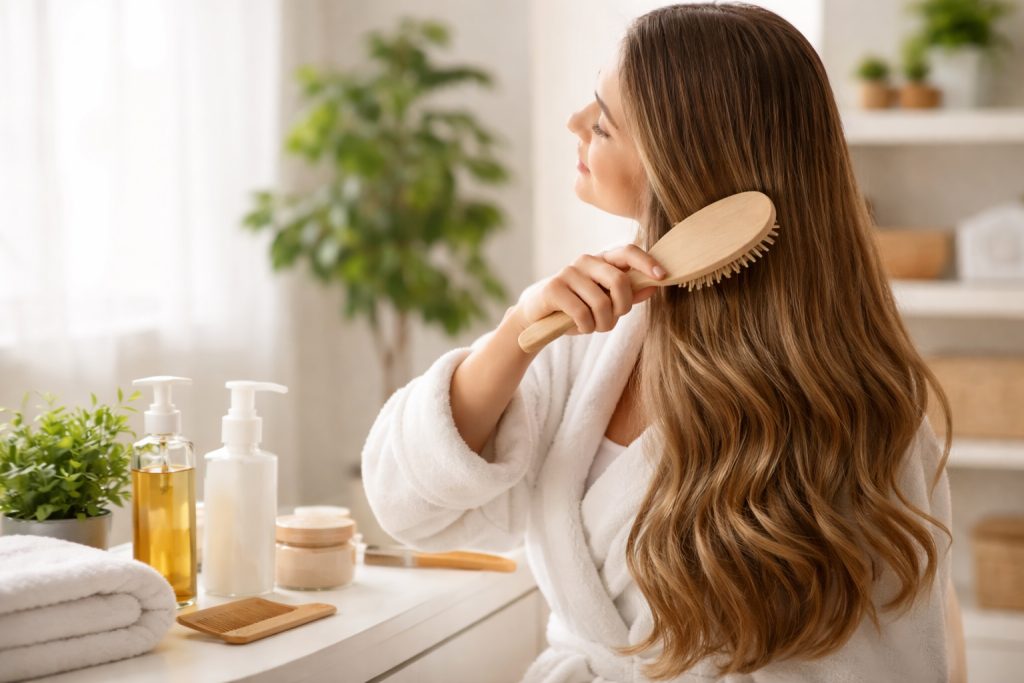
Effortless hair care is built upon a few core principles that, once understood and embraced, can significantly simplify your approach. At its heart, it’s about respecting your hair’s natural state and providing it with what it truly needs without overwhelming it with unnecessary steps or products. This means getting back to the basics: understanding your hair type, its current condition, and the environment it’s exposed to. Without this foundational knowledge, it’s easy to fall into the trap of using the wrong products or employing detrimental techniques, leading to that perpetual cycle of trying to fix problems that could have been avoided. The goal is to move away from reactive care, constantly trying to repair damage, to proactive care, preventing issues before they arise. This fundamental shift in approach allows for a more sustainable and, ultimately, more successful hair care journey.
Decoding Your Hair Type
—Also, recognizing your unique hair type is the absolute cornerstone of any effective hair care regimen, and especially so for an effortless one. This involves observing how your hair behaves naturally, without manipulation. Does it tend to be oily, dry, or somewhere in between? Is it fine and prone to flatness, or thick and sometimes unruly? The texture—straight, wavy, curly, or coily—also plays a crucial role in determining its needs. Understanding these characteristics will guide your product selection and influence how often you cleanse and condition. For instance, someone with fine, oily hair will benefit from lightweight formulas and a more frequent washing schedule than someone with thick, dry, curly hair, who might opt for richer conditioners and less frequent washes. This initial self-assessment is not about categorization for the sake of it, but rather about gaining the essential insights needed to tailor your routine.
Assessing Your Hair’s Current Condition
Beyond just type, it’s vital to honestly assess your hair’s current condition. Is it healthy and vibrant, or is it showing signs of damage like split ends, dryness, brittleness, or excessive breakage? Factors like heat styling, chemical treatments (coloring, perms), environmental exposure, and even your diet can impact your hair’s health. Identifying any existing issues will help you choose treatments that address those specific concerns. For example, if your hair is dry and brittle, you’ll want to focus on moisturizing and strengthening ingredients rather than volumizing products. This assessment is an ongoing process; as your hair improves or faces new challenges, your needs might shift, necessitating a slight adjustment to your routine. It’s a dynamic evaluation that ensures your care remains relevant and effective.
The Environment and Its Impact
The external environment plays a significant role in hair’s health and appearance, and neglecting this can disrupt even the most well-intentioned routine. Factors like humidity, pollution, harsh sun exposure, and even the minerals in your tap water can all contribute to dryness, frizz, or dullness. Understanding these environmental influences allows you to make informed choices about protection and treatment. For instance, living in a humid climate might call for anti-frizz products, while constant sun exposure might necessitate UV-protective sprays. Similarly, if you have hard water, you might consider a clarifying shampoo occasionally to remove mineral buildup. Acknowledging these external forces is an often-overlooked but crucial element in achieving truly effortless, healthy hair.
—more The prevailing narrative in beauty often suggests that more is better—more products, more steps, more intensive treatments. However, when it comes to achieving healthy hair, the opposite can often be true. Embracing a simple hair care routine is not about laziness; it’s about strategic efficacy. Over-treating hair can strip it of its natural oils, disrupt its pH balance, and lead to more problems than it solves. Focusing on essential, high-quality steps, a minimalist approach frees your hair from unnecessary interventions, allowing it to thrive. This simplicity fosters a sustainable habit that is easier to maintain long-term, ensuring consistent results and a stronger, healthier mane.
Minimizing Product Overload
multitasking One of the most significant benefits of a simple routine is the avoidance of product overload. Constantly layering different shampoos, conditioners, masks, serums, and styling products can weigh hair down, lead to buildup that dulls its shine, and even irritate the scalp. When you simplify, you identify the core needs of your hair and select a few key products that effectively address them. This not only saves time and money but also allows your hair to breathe and exhibit its natural health and texture. It’s about choosing potent, multitasking products that deliver results without demanding a cabinet full of options. The less you bombard your hair, the more it can naturally recuperate and shine.
Reducing Time and Effort
The sheer time and effort involved in complex hair care routines can be a major deterrent for many. A simple routine streamlines your morning or evening rituals, freeing up valuable time. Instead of a lengthy, multi-step process, you focus on a few efficient actions that deliver maximum benefit. This makes healthy hair care achievable even on busy days, fostering consistency. When your routine is manageable, you’re more likely to stick with it, leading to accumulated benefits over time. The elegance of simplicity lies in its accessibility and its ability to integrate seamlessly into your life, proving that beautiful hair doesn’t have to be a full-time job.
Preventing Over-Processing and Damage
Over-processing is a common culprit behind damaged, unhealthy hair. This can stem from excessive washing, harsh chemical treatments, or the overuse of heat styling tools. A simple routine naturally reduces exposure to these damaging factors. By focusing on gentle cleansing, effective conditioning, and minimal styling intervention, you give your hair a chance to recover and strengthen. This preventative approach is far more effective and rewarding than constantly trying to repair damage. It’s about nurturing your hair’s natural resilience, allowing it to stay healthy and strong without the need for constant restorative measures.
The products you choose are the building blocks of your hair care routine. For an effortless approach, the focus should be on quality, efficacy, and suitability for your specific hair type and concerns. Instead of chasing trends or accumulating a vast collection, invest in a few well-formulated products that deliver on their promises. Understanding key ingredients and their benefits will empower you to make informed decisions, ensuring that your chosen arsenal truly supports your hair’s journey toward health and vitality, rather than creating more problems.
Decoding Ingredient Labels
Understanding the ingredients in your hair products is as crucial as understanding your hair type. Look for nourishing components that cater to your hair’s needs. For dryness, seek ingredients like shea butter, argan oil, coconut oil, and hyaluronic acid, which provide deep hydration. For strength and repair, hydrolyzed proteins, keratin, and biotin are excellent choices. Avoid sulfates, parabens, and silicones if your hair is prone to dryness, buildup, or irritation. Similarly, if you have a sensitive scalp, opt for fragrance-free and dye-free formulas. Reading labels might seem daunting initially, but familiarizing yourself with a few key beneficial and potentially harmful ingredients will significantly elevate your product selection process.
The Power of Gentle Cleansing
wash it The foundation of healthy hair begins with a clean scalp, but harsh shampoos can strip away essential natural oils, leading to dryness and irritation. For an effortless routine, opt for sulfate-free shampoos or cleansing conditioners that gently cleanse without compromising your hair’s moisture barrier. The frequency of washing should be dictated by your hair type and lifestyle. If your hair gets oily quickly, you might need to wash it more often, but always with a gentle formula. If your hair is drier, stretching out washes and perhaps using a co-wash (conditioner wash) or dry shampoo can be beneficial. The goal is to cleanse effectively while maintaining the scalp’s natural balance.
Nourishing Conditioners and Treatments
Conditioner is not optional; it’s a vital step in replenishing moisture, detangling, and smoothing the hair cuticle. Choose a conditioner that complements your shampoo and addresses your hair’s specific needs. A deeply moisturizing conditioner or a weekly deep conditioning treatment can significantly improve the condition of intensely dry or damaged hair. However, for everyday use, a lighter, equally effective formula might suffice. Consider leave-in conditioners for added moisture and protection, especially for longer hair or those susceptible to frizz. The key is to provide consistent nourishment without weighing your hair down.
Investing in Scalp Health
Contribute to healthy hair growth from a healthy scalp. Neglecting scalp care is akin to building a house on a weak foundation. Incorporate scalp-massaging shampoos or treatments that stimulate circulation and remove buildup. A healthy scalp environment promotes optimal hair growth and can prevent issues like dandruff or itchiness. Consider incorporating a scalp serum or oil if you experience dryness or irritation. This focus on the root of your hair will yield significantly healthier strands in the long run and contribute to the overall effortless nature of your care.
Achieving a polished look doesn’t require hours in front of the mirror. Effortless styling is about embracing your hair’s natural texture and using simple techniques to enhance its beauty. This involves understanding what works best for your hair type and employing the right tools and products to achieve a desired look with minimal fuss. The goal is to work with your hair’s inherent characteristics, not to fight them, making styling a pleasure rather than a chore.
Embracing Your Natural Texture
The most effortless styling approach is to embrace your hair’s natural texture. Whether it’s waves, curls, coils, or straight strands, learn to work with it. For wavy hair, these methods might involve using a sea salt spray to enhance definition or air-drying with a diffuser. Curly hair can benefit from curl-defining creams and a scrunching technique. With a quick blow-dry and a smoothing serum, straight hair may look better. Learning to enhance your natural texture, rather than alter it, is the quickest way to achieve effortless styling and will make your hair look and feel more authentically beautiful.
Minimal Heat Styling Strategies
While occasional heat styling might be necessary, excessive use can lead to significant damage. For effortless styling, try to minimize heat. Air-drying is often the healthiest option. If blow-drying is necessary, use a heat protectant spray religiously and opt for a lower heat setting. Think about hairstyles that are versatile and look good with minimal heat, like braids, ponytails, or updos that require minimal manipulation. When heat is used, focus on quick, efficient techniques that achieve the desired result without prolonged exposure, ensuring your hair’s health remains a priority.
The Magic of Dry Shampoo and Texturizing Sprays
Dry shampoo is a true lifesaver for extending the life of your wash and adding volume and texture between cleansings. It’s an indispensable tool for effortless hair maintenance. Texturizing sprays can also work wonders, adding grit and body to fine hair or enhancing the definition of waves and curls without the need for heat. These products are designed for quick application and instant results, making them perfect for busy individuals who want to look put-together with minimal effort. They are the unsung heroes of a streamlined styling routine, demonstrating that you can achieve a great hair day in minutes.
Quick and Easy Updos and Braids
Mastering a few simple updos and braids can transform your look in minutes. Think messy buns, sleek ponytails, or a simple three-strand braid. These styles not only look chic but also help to protect your hair from environmental damage and reduce the need for constant styling. They are perfect for gym days, bad hair days, or simply when you want to keep your hair out of your face efficiently. Practicing these simple techniques will build your confidence and expand your styling repertoire with minimal effort, proving that elegant solutions can be incredibly simple.
Effortless hair care extends beyond the products and styling techniques you use. Your overall lifestyle and daily habits significantly influence the health and vitality of your hair, influencing it from within. Incorporating a few simple, healthy practices can have a profound impact on your hair’s strength, shine, and growth, making your external efforts even more effective. This holistic approach ensures that you’re nurturing your hair from every angle, leading to truly resilient and beautiful locks.
The Nutritional Foundation
What you eat directly impacts the health of your hair. A balanced diet rich in vitamins, minerals, and protein is crucial for hair growth and strength. Include plenty of fruits, vegetables, lean protein sources, and healthy fats in your meals. Foods rich in iron, zinc, biotin, and omega-3 fatty acids are particularly beneficial. Adequate hydration is also paramount; drinking plenty of water keeps your hair hydrated from within. Think about how your diet affects your hair’s health, and choose foods that nourish it.
Stress Management and Sleep
Chronic stress can wreak havoc on your body, and your hair is no exception. Stress can contribute to hair thinning and even hair loss. Finding healthy ways to manage stress, such as through exercise, meditation, or hobbies, can have a positive impact on your hair’s health. Similarly, getting enough quality sleep is essential for cellular repair and regeneration, including the cells responsible for hair growth. Aim for 7-9 hours of sleep per night to allow your body, and your hair, to recover and thrive. These seemingly unrelated habits are deeply connected to your hair’s well-being.
Gentle Handling and Protection
The way you handle your hair on a daily basis makes a significant difference. Avoid aggressively brushing wet hair, as it’s more prone to breakage. Opt for a wide-tooth comb or a detangling brush specifically designed for wet hair. When tying your hair up, use soft hair ties made of fabric like silk or satin, which are less likely to cause friction and breakage. Protecting your hair from harsh environmental factors, like excessive sun exposure or chlorine, further contributes to its longevity and health. These small, mindful actions add up to a significant reduction in damage over time.
Regular Trims for Healthy Ends
and fuller While it might seem counterintuitive to cut hair for growth, regular trims are essential for maintaining healthy ends and preventing split ends from traveling up the hair shaft, which can lead to more significant damage. Trimming off the split ends makes your hair appear healthier and fuller and allows it to grow out stronger and more uniformly. Aim for a trim every 8-12 weeks, or as needed, to keep your ends in good condition and prevent further damage from occurring. This simple maintenance step ensures your hair’s foundation remains robust.
Even with the best intentions, hair can present challenges. Fortunately, adopting a simple approach to hair care means addressing these issues with calm and effective solutions, rather than panic. Understanding the root cause of common problems and leveraging your knowledge of simple routines and appropriate products can help you address them with ease, restoring your hair’s harmony and your confidence.
Taming Frizz and Flyaways
Frizz and flyaways are often a sign of dehydration or damage. The key to managing them effortlessly is to focus on moisture and smoothing the hair cuticle. Using a hydrating shampoo and conditioner, a leave-in conditioner, and a smoothing serum or oil can make a significant difference. Avoiding excessive heat styling and protecting your hair from humidity can also help. For a quick fix, a touch of hairspray on your hands can help tame stray hairs. Embrace products that seal the cuticle and provide a protective barrier, making frizz a temporary inconvenience rather than a constant battle.
Combatting Dryness and Brittleness
Dry and brittle hair lacks moisture and elasticity. The solution lies in intensive hydration and strengthening. Incorporate more moisturizing ingredients into your routine, such as deep conditioning masks, hair oils, and leave-in conditioners. Consider reducing the frequency of washing and opting for gentler cleansing methods like co-washing. Ensure you are consuming enough healthy fats and staying hydrated internally. Gentle handling and avoiding harsh chemical treatments will also help restore moisture and resilience to your hair, making it feel softer and more manageable.
Managing Oily Scalp and Hair
An oily scalp can lead to limp, greasy hair and sometimes cause dandruff. To manage this effortlessly, focus on gentle yet effective cleansing. Use a clarifying shampoo occasionally to remove buildup, but opt for sulfate-free options for daily washing. Avoid over-washing, as such practices can often stimulate the scalp to produce more oil. Applying conditioner only to the ends of your hair and avoiding heavy styling products near the roots can also help. Consider lightweight, oil-absorbing hair powders to refresh your roots between washes when needed.
Addressing Hair Breakage and Thinning
Hair breakage and thinning can be concerning, but addressing them often involves a multi-faceted approach. Ensure your diet is rich in essential nutrients that support hair growth, such as protein and biotin. Be gentle with your hair, avoiding tight hairstyles and excessive heat styling. Regular trims are crucial to prevent split ends from worsening. If you suspect a more significant underlying issue, consult with a dermatologist or trichologist. Focusing on strengthening treatments and minimizing all forms of stress on your hair will contribute to its recovery and renewed vitality.
The ultimate in effortless hair care is embracing natural and low-maintenance practices. This philosophy celebrates your hair’s inherent beauty and reduces the reliance on constant intervention. It’s about finding joy in simplicity, less time spent styling, and more time enjoying beautiful, healthy hair that feels authentically yours. This approach is not about neglecting your hair but rather about nurturing it in a way that minimizes effort while maximizing its natural potential.
Letting Your Hair Shine Naturally
The most significant step toward low-maintenance hair is to learn to love and enhance your hair’s natural state. This means experimenting with styles that complement your natural texture rather than fighting against it. It involves understanding the inherent beauty in your waves, curls, or straight strands and finding simple ways to make them look their best. This liberation from the pressure of constant styling can be incredibly freeing and will ultimately lead to healthier, happier hair.
The Art of the Wash-and-Go
Many individuals with textured hair have embraced the “wash-and-go” routine as the pinnacle of low-maintenance styling. This involves cleansing, conditioning, and applying styling products to wet hair, then allowing it to air dry. With the right products and techniques, this can result in beautifully defined curls or waves that last for days. It’s a testament to how effective simple routines can be when tailored to individual hair needs, requiring minimal daily intervention.
Minimalist Product Regimen
A truly low-maintenance routine prioritizes a minimalist product regimen. Instead of a shelf full of products, focus on a few high-quality, multitasking items that effectively address your hair’s needs. This could be a fantastic shampoo, a hydrating conditioner, and a versatile styling cream or oil. Reducing the number of products you use not only simplifies your routine but also prevents buildup and allows your hair to breathe, making it healthier and more manageable.
Embracing Natural Styling Tools
Low-maintenance styling also often involves embracing natural styling tools. This might include using your fingers to detangle and style, opting for wide-tooth combs, or utilizing accessories like silk scarves or bonnets to protect your hair overnight. These simple tools are designed to work with your hair’s natural characteristics, reducing friction and minimizing damage, contributing to the overall effortless nature of your hair care journey.
Ultimately, effortless hair care is a philosophy, a commitment to understanding and respecting your hair’s needs. It’s about choosing simplicity, quality, and consistency over complexity and excess. By embracing these principles, you can unlock the secret to beautiful, healthy hair that looks good and feels good, allowing you to shine with confidence every single day.
FAQs
1. What is the importance of a simple hair care routine?
A simple hair care routine is important because it helps to maintain the health and vitality of your hair without requiring excessive time and effort. By using the right products and incorporating healthy habits, you can achieve healthy hair with minimal fuss.
2. How can I choose the right products for healthy hair?
When choosing hair care products, it’s important to consider your hair type, texture, and specific needs. Look for products that are free from harsh chemicals and sulfates, and opt for those that contain nourishing ingredients such as natural oils and proteins.
3. What are some tips for effortless styling and maintenance of hair?
You can achieve effortless styling and maintenance by adopting natural and low-maintenance hair care practices. This includes air-drying your hair, using minimal heat styling, and incorporating protective hairstyles to minimize damage.
4. How can I incorporate healthy habits for hair care into my routine?
Incorporating healthy habits for hair care involves maintaining a balanced diet, staying hydrated, getting regular trims to prevent split ends, and using gentle hair care practices such as detangling with a wide-tooth comb and avoiding over-washing.
5. What are some common hair issues, and how can we easily deal with them?
Common hair issues such as dryness, frizz, and breakage can be dealt with ease by using hydrating hair masks, incorporating regular deep conditioning treatments, and protecting your hair from environmental stressors such as sun exposure and pollution.


