
Achieving lustrous, healthy hair isn’t just about using expensive products; it’s fundamentally about understanding the art and science of hair washing. Many of us simply go through the motions, unaware that minor adjustments to our routine can dramatically impact our hair’s appearance and health. This guide will walk beginners through the essential steps, from deciphering their unique hair needs to mastering the perfect washing technique, ensuring every strand shines with health.
The cornerstone of any effective hair care regimen is a concise understanding of your hair type. Just as no two individuals are precisely alike, no two hair types are identical, and what works wonders for one person might be detrimental to another. Ignoring this crucial first step often leads to frustration and a cabinet full of unsuitable products.
Deciphering Your Hair’s Characteristics
Begin by observing your hair’s natural state. Is it fine and delicate, prone to oiliness and lacking volume? Or perhaps it’s thick and coarse, tending towards dryness and frizz? The diameter of your individual strands offers a significant clue. Fine hair has a small circumference, while thick hair boasts a much larger one. This directly impacts how much product your hair can handle and how it responds to moisture. Consider taking a single strand and rolling it between your fingers. If you can barely feel it, you likely have fine hair. If it’s quite noticeable, you lean towards thick hair.
Assessing Your Scalp Concerns
Beyond the strands themselves, the health of your scalp is paramount. A healthy scalp is the foundation for healthy hair growth. Does your scalp tend to be oily, requiring frequent washing? This might indicate an overproduction of sebum, which can weigh down hair and make it appear greasy. Conversely, a dry, flaky, or itchy scalp could point to a lack of moisture or even a skin condition like dandruff. Sensitive scalps might react adversely to harsh chemicals or fragrances, leading to redness or irritation. Understanding these nuances will guide your product choices significantly, ensuring you address the root cause of any issues, rather than just masking symptoms.
Identifying Your Hair’s Texture and Porosity
Hair texture refers to its natural shape – straight, wavy, curly, or coily. Each texture has its own unique needs. Straight hair tends to be oilier at the roots as sebum can travel down the shaft more easily, while curly and coily hair often struggles with dryness due to its intricate structure that hinders sebum distribution. Porosity, on the other hand, describes your hair’s ability to absorb and retain moisture. High porosity hair, often characterized by raised cuticles, easily takes in moisture but also loses it quickly, making it prone to dryness and frizz. Low porosity hair, with tightly bound cuticles, resists moisture absorption but retains it well once it penetrates. A simple test involves dropping a strand of hair into a glass of water. If it sinks quickly, you likely have high porosity; if it floats, it’s probably low porosity; and if it floats in the middle, it’s medium porosity. This comprehensive assessment of your hair’s characteristics, scalp concerns, and porosity will empower you to make informed decisions about your hair care regimen, setting the stage for truly flawless results.
Once you’ve intimately familiarized yourself with your hair’s unique profile, the next critical step involves selecting the appropriate shampoo and conditioner. This is where many individuals stumble, blindly reaching for popular brands or appealing packaging without considering the specific needs of their hair.
Decoding Shampoo Formulations
Shampoos are designed primarily to cleanse the scalp and hair, removing dirt, oil, and product buildup. However, their formulations vary widely to cater to different hair types. For oily hair, look for clarifying or balancing shampoos that contain ingredients like salicylic acid or tea tree oil, which help regulate sebum production. Avoid heavy, moisturizing formulas that can exacerbate oiliness. If your hair is dry or damaged, opt for hydrating or nourishing shampoos rich in humectants like glycerin or emollients such as argan oil, shea butter, or ceramides. These ingredients work to replenish moisture and strengthen the hair shaft. Volumizing shampoos, often lighter in formulation, aim to lift fine hair at the roots without weighing it down, sometimes utilizing ingredients like polymers that create a fuller appearance. For color-treated hair, sulfate-free shampoos are a must, as sulfates can strip away color and accelerate fading. Look for formulas specifically marketed for “color protection” or “sulfate-free.” Addressing specific scalp concerns is also vital. Dandruff shampoos often contain active ingredients like zinc pyrithione or selenium sulfide to combat fungal growth, while soothing shampoos aim to calm sensitive or irritated scalps, often containing aloe vera or chamomile.
Selecting the Perfect Conditioner Companion
While shampoos cleanse, conditioners are all about nourishing, detangling, and protecting. They work by smoothing down the hair’s cuticle, locking in moisture, and providing a protective barrier. For fine hair, lightweight conditioners often labeled “volumizing” or “detangling” are ideal. Avoid thick, heavy conditioners that can leave fine hair limp and greasy. Dry, thick, or curly hair, on the other hand, thrives on rich, deeply moisturizing conditioners that contain ingredients like fatty alcohols (cetyl, stearyl), oils, and butters. These provide the necessary hydration and slip to combat frizz and dryness. For damaged or chemically treated hair, look for repair or strengthening conditioners often fortified with proteins like keratin or wheat protein, which help rebuild the hair’s structure and improve elasticity. As with shampoo, color-treated hair benefits from conditioners specifically designed to protect color, often containing UV filters or anti-fade complexes. Remember, the goal is to choose a conditioner that complements your shampoo and addresses the unique needs of your hair type, creating a balanced and effective washing duo.
Armed with the right products, the next crucial step is to master the proper hair washing technique. This isn’t just about sudsing up; it’s a mindful process that maximizes product efficacy and minimizes damage.
Pre-Washing Preparation
Before stepping into the shower, take a few moments to thoroughly detangle your hair. Using a wide-tooth comb or your fingers, gently work through any knots or tangles, starting from the ends and moving upwards towards the roots. This prevents further tangling when wet, which can lead to breakage. If your hair is particularly dry or prone to frizz, consider a pre-shampoo treatment, such as a hair oil or mask, applied to the ends or all over, which acts as a protective barrier against the cleansing action of the shampoo.
The Gentle Cleanse: Shower and Shampoo Application
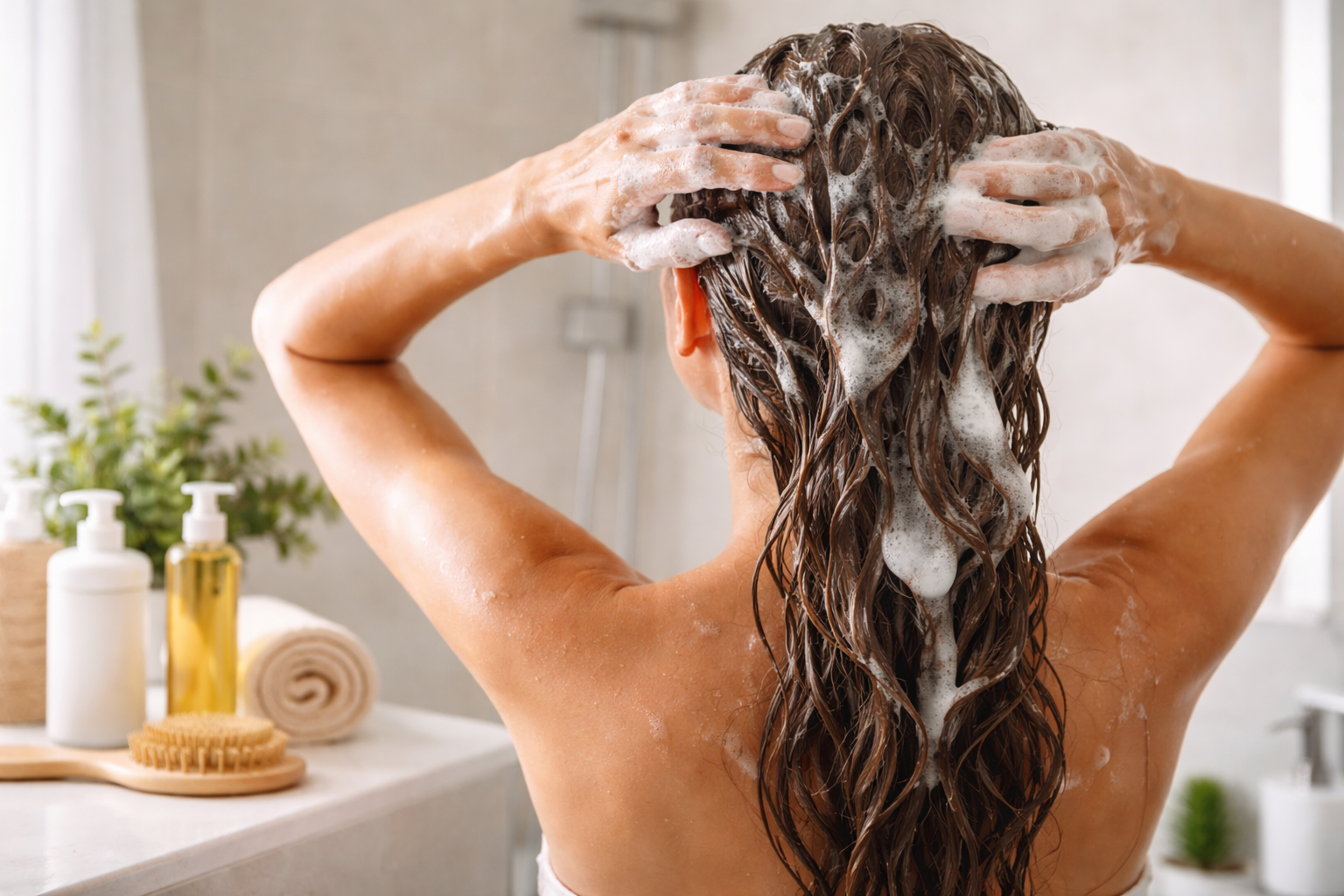
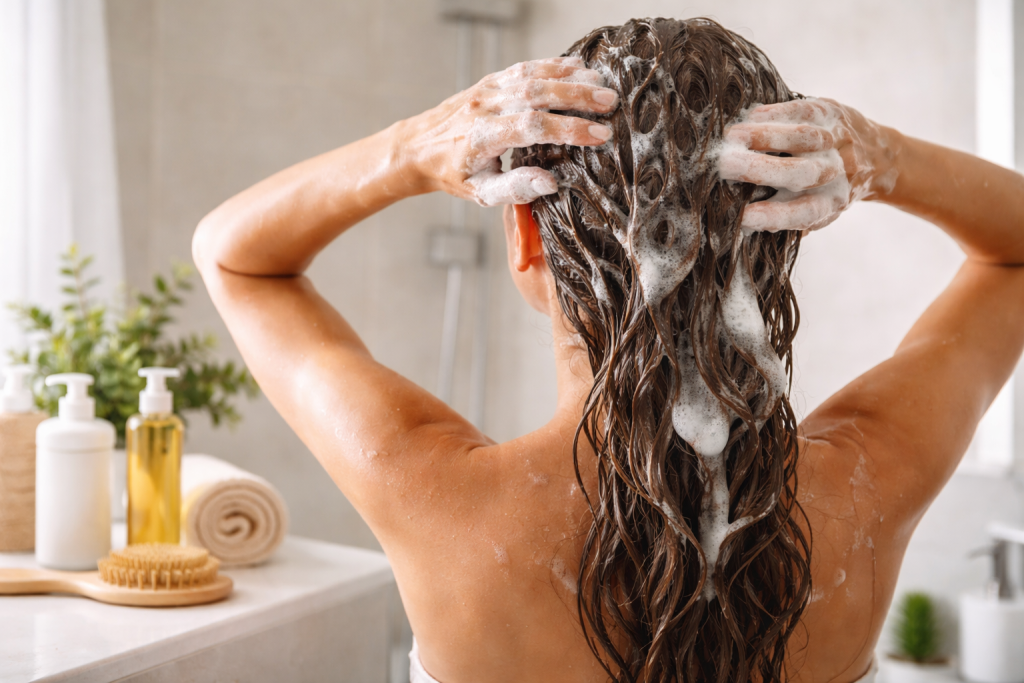
Begin by thoroughly wetting your hair with lukewarm water. Water that is too hot can strip natural oils, while water that is too cold may not effectively activate the shampoo. Ensure every strand is saturated. Dispense a small, appropriate amount of shampoo into your palm – typically a coin-sized amount, though this varies with hair length and thickness. Emulsify the shampoo by rubbing your hands together lightly before applying it directly to your scalp. Focus your shampooing efforts primarily on the scalp, as this is where oil and product buildup accumulate. Use the pads of your fingertips, not your nails, to gently massage your scalp in small, circular motions for at least one to two minutes. This not only cleanses but also stimulates blood circulation, which can promote healthy hair growth. Allow the suds to run down the length of your hair, but resist the urge to vigorously scrub the ends, as this can cause friction and damage. For those with oily scalps, a second, lighter shampoo application might be beneficial.
Rinsing Thoroughly
Proper rinsing is just as important as proper washing. Rinse your hair extensively with lukewarm water until the water runs clear and you no longer feel any residue. Incomplete rinsing can leave behind product buildup, making hair appear dull, greasy, and heavy. Take your time with this step, ensuring all traces of shampoo are completely washed away from your scalp and hair strands. Run your fingers through your hair to feel for any remaining slipperiness or film.
The conditioning phase is where your hair truly receives its dose of hydration and protection. Executing this step correctly is vital for soft, manageable, and healthy-looking hair.
The Strategic Application of Conditioner
After thoroughly rinsing out your shampoo, gently squeeze excess water from your hair. Your hair should be damp, not dripping wet, as too much water can dilute the conditioner and reduce its effectiveness. Dispense an appropriate amount of conditioner into your palm, again adjusting for hair length and thickness. Unlike shampoo, conditioner should be applied primarily to the mid-lengths and ends of your hair, which are typically drier and more prone to damage. Avoid applying conditioner directly to the roots, especially if you have fine or oily hair, as this can weigh it down and make it greasy. If your scalp is particularly dry, a very small amount can be gently massaged in, but for most, roots do not require extensive conditioning.
Detangling and Dwell Time
Once the conditioner is applied, use your fingers or a wide-tooth comb to gently detangle your hair. This is easier to do when the hair is saturated with conditioner, which provides slip and reduces friction. Work from the ends upwards, carefully untangling knots. Allow the conditioner to sit on your hair for the recommended dwell time, usually one to five minutes, as indicated on the product label. This allows the beneficial ingredients to penetrate the hair shaft and work their magic. For a deeper treatment, some conditioners can be left on longer, or you might opt for a weekly deep conditioning mask. During this waiting period, you can proceed with other shower routines.
The Final Rinse and Cold Water Blast
Rinse your hair thoroughly with cool or lukewarm water until all traces of conditioner are gone and your hair feels smooth, not slippery. The cooler temperature helps to close the hair cuticles, locking in moisture and maximizing shine. A final blast of cool water is often recommended for an extra boost of shine, as it helps to seal the cuticle even further, making hair appear smoother and reflecting light better. Be meticulous with this final rinse, as any leftover conditioner can leave hair feeling heavy and prone to quicker oiliness, detracting from the desired shine and cleanliness.
The way you treat your hair immediately after washing can significantly impact its health and appearance, making proper drying and styling techniques crucial. This phase is often where much damage occurs, simply due to incorrect practices.
The Gentle Towel Dry
Immediately after rinsing, resist the urge to vigorously rub your hair with a rough bath towel. Wet hair is incredibly vulnerable and prone to breakage. Instead, gently squeeze out excess water from your hair using your hands. Then, wrap your hair in a soft microfiber towel or an old cotton t-shirt. These materials are much gentler on the hair cuticle and absorb water effectively without causing friction or frizz. Gently blot and squeeze your hair, rather than rubbing, to remove as much moisture as possible. This step significantly reduces drying time and minimizes heat exposure if you plan to use a blow dryer, thereby preventing damage.
Air Drying vs. Blow Drying
The healthiest option for drying your hair is undoubtedly air drying. If time permits, allow your hair to air dry completely or at least until it’s about 70-80% dry. This minimizes heat exposure and stress on the hair. For individuals with curly or wavy hair, air drying often enhances their natural texture. If you must blow dry, always use a heat protectant spray beforehand. This creates a barrier that shields your hair from the damaging effects of high temperatures. When blow drying, use a medium to low heat setting and a diffuser attachment, especially for curly hair, to distribute heat evenly and prevent frizz. Keep the blow dryer moving constantly, never focusing on one section for too long. Start drying your hair from the roots and work your way down to the ends, lifting sections to ensure even drying. Finish with a blast of cool air to set your style and enhance shine, as this helps to close the hair cuticle.
Post-Wash Styling and Product Application
Once your hair is dry or mostly dry, you can proceed with your preferred styling products. For added shine and frizz control, a lightweight hair oil or serum can be applied sparingly to the mid-lengths and ends. If you’re looking for volume, a volumizing mousse or root lift spray can be worked into the roots before styling. For texture or hold, a styling cream or gel can be used, depending on your hair type and desired look. Remember that less is often more when it comes to styling products. Start with a small amount and add more if needed, as over-application can weigh hair down or make it appear greasy. Always choose products that complement your hair type and desired style, maintaining the health and integrity of your freshly washed locks.
This comprehensive approach to hair washing, from understanding your hair type to meticulous drying and styling, lays the groundwork for consistently healthy, vibrant, and beautiful hair.
FAQs
1. What are the different hair types and how do I determine my hair type?
There are generally four hair types: straight, wavy, curly, and coily. You can determine your hair type by observing the natural pattern of your hair when it is air-dried and considering factors such as texture, thickness, and porosity.
2. How do I choose the right shampoo and conditioner for my hair type?
When choosing shampoo and conditioner, consider your hair type, texture, and any specific concerns such as dryness, frizz, or color-treated hair. Look for products that are formulated to address your specific needs and avoid ingredients that may be harsh or drying for your hair type.
3. What is the proper hair washing technique to ensure clean and healthy hair?
The proper hair washing technique involves wetting your hair thoroughly, applying a small amount of shampoo to the scalp, massaging gently to create a lather, and then rinsing thoroughly. Follow with conditioner, focusing on the mid-lengths and ends, and then rinse again.
4. What are some tips for rinsing and conditioning my hair effectively?
When rinsing your hair, use lukewarm water to help open the hair cuticle and allow for thorough cleansing. When conditioning, focus on the mid-lengths and ends of your hair, and consider using a wide-tooth comb to distribute the conditioner evenly.
5. How can I maintain healthy hair habits and troubleshoot common hair washing mistakes?
To maintain healthy hair, it’s important to use the right products for your hair type, avoid over-washing, minimize heat styling, and protect your hair from environmental damage. Common hair washing mistakes include using too much product, washing with hot water, and rough towel-drying, which can lead to damage and dryness.


