

The pursuit of lustrous, healthy hair is a timeless endeavor, but it’s often paved with well-intentioned advice that’s simply not true. We’ve all heard them, the whispered secrets and widely accepted “facts” about hair care passed down through generations. But in the quest for luscious locks, are we inadvertently sabotaging our efforts with outdated and inaccurate beliefs? This article aims to untangle the web of common hair care myths, exposing them for what they are: fiction, not fact. We will expand on the science behind hair, offering practical, expert-backed advice to ensure your hair truly thrives.
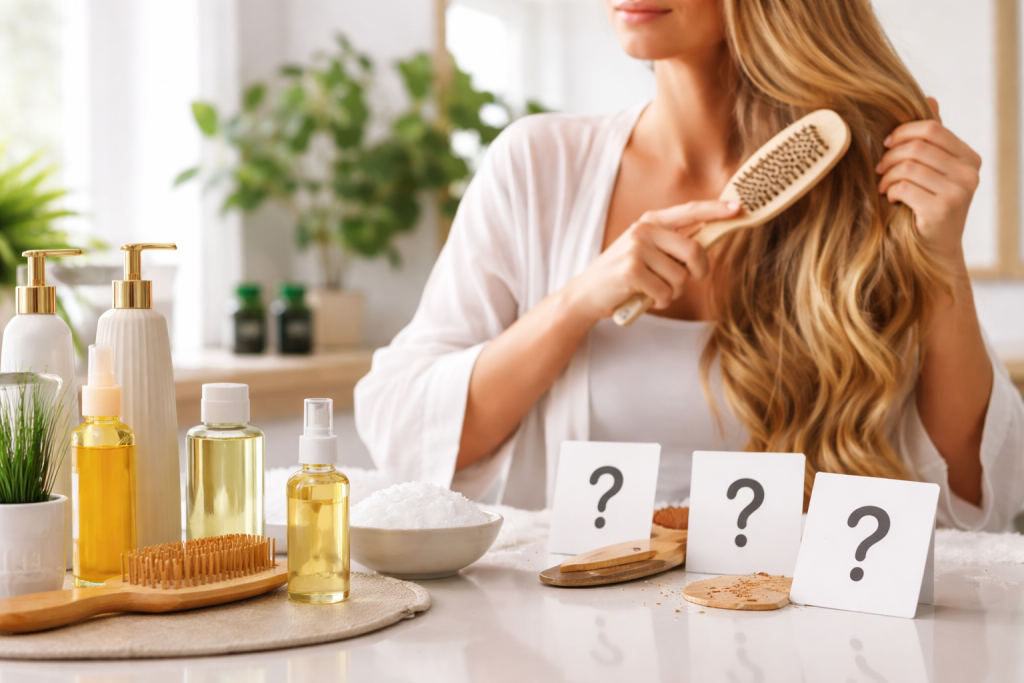
One of the most persistent myths in the hair care arsenal is that cutting your hair somehow stimulates faster growth. This idea likely sprouts from the observation that after a trim, your hair often appears fuller and healthier, leading to the erroneous conclusion that growth has accelerated. However, the reality is far more grounded in biology.
The Science of Hair Growth
Hair growth originates from the follicle, a tiny structure embedded within the scalp. Each follicle is a living entity responsible for producing hair shafts. The rate at which your hair grows is determined by a complex interplay of genetics, hormones, nutrition, and overall health. This growth cycle, encompassing anagen (growth phase), catagen (transition phase), and telogen (resting phase), is a biological process that unfolds beneath the surface of the scalp.
The Role of the Cut
When you cut your hair, you are merely removing the existing hair shaft, the part that extends beyond the scalp. This action has absolutely no impact on the follicle’s activity or the rate at which new hair is produced. A haircut’s perceived effect on growth is purely cosmetic. By removing split ends and uneven lengths, your hair can appear more uniform and therefore fuller. Additionally, less weight from the ends can sometimes give the illusion of more volume and a livelier bounce, further contributing to the perception of faster growth.
What Actually Influences Hair Growth?
To truly encourage healthy hair growth, one must focus on nurturing the scalp and the body as a whole.
Nutritional Foundations for Hair Health
A balanced diet rich in vitamins and minerals is paramount. Proteins, such as those found in lean meats, fish, eggs, and legumes, are the building blocks of hair. Iron, crucial for oxygen transport to the follicles, can be obtained from red meat, spinach, and lentils. Biotin, often touted as a hair-growth vitamin, plays a vital role in keratin production and can be found in nuts, seeds, and eggs. Omega-3 fatty acids, present in fatty fish and flaxseeds, contribute to scalp health and shine.
Scalp Care: The Unsung Hero
A healthy scalp is the bedrock of healthy hair. Regular gentle cleansing to remove product buildup and excess oil is important, but over-stripping the scalp can lead to dryness and irritation, hindering growth. Scalp massages, whether done during shampooing or with a dedicated scalp massager, can improve blood circulation, delivering vital nutrients to the hair follicles.
Understanding Hair Shedding
It’s also important to differentiate between actual hair growth and hair shedding. We naturally shed a certain number of hairs each day, typically between 50 and 100, as part of the hair growth cycle. This is a normal process, and increased shedding can be a sign of underlying issues like stress, hormonal changes, or nutritional deficiencies. Focusing on the root cause of excessive shedding, rather than futilely cutting your hair more often, is the key to addressing concerns.
The question of how often to wash your hair is a perennial topic of discussion, with some advocating for a daily scrub-down while others recommend going days between washes. The truth, as with many hair care matters, lies in a sophisticated understanding of your individual hair type and lifestyle.
The Function of Shampoo
Shampoo’s primary purpose is to cleanse. It contains surfactants that bind to dirt, oil, and product residue, allowing them to be washed away with water. This is essential for maintaining scalp hygiene and preventing issues like clogged follicles and dandruff. However, shampoos also contain ingredients that can strip the hair’s natural oils, known as sebum.
The Consequences of Daily Washing
Washing your hair every single day, especially with harsh shampoos, can strip away too much of this protective sebum. This can lead to a cascade of problems. For those with naturally dry or chemically treated hair, daily washing can exacerbate dryness, leading to brittle strands, increased frizz, and a lack of shine. The scalp might actually start producing more oil to compensate for the excessive oil removal, creating a cycle of greasy hair despite frequent washing—a phenomenon known as product dependency.
Tailoring Your Wash Schedule to Your Hair Type
The ideal washing frequency is highly individual.
Oily Hair Needs
Individuals with naturally oily hair might find that washing every other day or even daily is necessary to manage excess sebum and keep their hair looking clean. However, even with oily hair, using a gentler shampoo and focusing the lather on the scalp, rather than scrubbing the entire hair shaft, can help mitigate excessive oil stripping.
Dry and Damaged Hair Strategies
Those with dry, curly, or chemically treated hair often benefit from washing their hair less frequently, perhaps every 2–3 days or even once a week. This allows the natural oils to accumulate and moisturize the hair strands, promoting softness and reducing breakage. Co-washing, which involves using only conditioner to cleanse the hair, can also be a beneficial alternative for very dry or curly textures.
Fine and Thin Hair Considerations
Fine or thin hair can become weighed down by sebum more quickly, potentially necessitating more frequent washing for those who desire volume and bounce. However, over-washing can still lead to dryness and breakage. Finding a balance with a volumizing or gentle shampoo is key.
The Importance of Listening to Your Hair
Ultimately, the best indicator of your hair’s needs is your hair itself. Pay attention to how it looks and feels between washes. If it feels greasy, looks dull, or your scalp feels itchy, it’s time for a wash. If it still feels clean, soft, and manageable, stretching out your wash days can be beneficial for its overall health.
People often view the kitchen cupboard as a wealth of DIY hair treatments, where popular ingredients for hair repair include mayonnaise and eggs. While these ingredients do offer some nutritional benefits, the idea that they can magically “repair” damaged hair is largely a myth.
The Limitations of Topical Application
Mayonnaise, a common emulsification of oil and egg, contains fats and proteins that can coat the hair shaft, providing a temporary smoothing effect and adding shine. Eggs, particularly the yolk, are rich in proteins, fats, and vitamins that can condition and add some body. However, these effects are superficial.
What Hair Damage Really Entails
True hair damage, such as split ends, breakage, and compromised cuticle integrity, occurs at a structural level within the hair shaft. This damage is often irreversible without cutting off the affected hair. The proteins and fats from mayonnaise and eggs can temporarily adhere to the surface of the hair, filling in minor imperfections and giving a fleeting look of health. But they do not penetrate the hair shaft to rebuild compromised keratin structures or mend broken bonds.
The Importance of Protein and Moisture Balance
While mayonnaise and eggs provide some protein, the hair shaft is primarily composed of keratin, a complex protein. For truly damaged hair, treatments that can help replenish lost protein and seal the cuticle are more effective.
Professional Treatments for Hair Repair
Professional salon treatments, like deep conditioning masks with hydrolyzed proteins, ceramides, and other strengthening ingredients, are made to go deep into the hair and fix damage better. These treatments work to rebuild the hair’s internal structure and smooth the cuticle.
Hydration is Key
For hair that feels dry and brittle, a deep conditioning treatment focused on hydration is often more beneficial than protein-heavy masks. Ingredients like hyaluronic acid, glycerin, and natural oils like argan or jojoba oil can help replenish moisture levels.
Potential Downsides of DIY Masks
While not inherently harmful for most, using mayonnaise or eggs can have drawbacks. The fats in mayonnaise can be difficult to wash out, potentially leaving hair feeling greasy or weighed down. Eggs, if not rinsed thoroughly with cool water, can cook onto the hair, creating a very unpleasant and difficult-to-remove residue. Furthermore, these ingredients can sometimes cause allergic reactions in sensitive individuals.
The adage that brushing your hair 100 strokes a day will make it healthier is a classic example of a well-intentioned but ultimately misguided piece of advice. While brushing does have its benefits, doing so excessively can actually do more harm than good.
The Purpose of Brushing
Brushing your hair serves several valuable purposes. It helps to detangle knots and prevent matting, which can lead to breakage. It also distributes the natural oils produced by the scalp throughout the hair shaft, which gives it shine and helps keep the hair moisturized. Brushing can also stimulate blood circulation in the scalp.
The Dangers of Over-Brushing
When you brush your hair 100 times a day, you are subjecting your hair strands to significant friction and tension. This repeated pulling and tugging can weaken the hair shaft, leading to breakage, particularly at the ends. The cuticle, the outermost protective layer of the hair, can become lifted and damaged with excessive brushing, making the hair appear dull, frizzy, and more susceptible to environmental damage. For those with fragile or chemically treated hair, this level of brushing can be particularly detrimental.
The Right Way to Brush Your Hair
The key to effective hair brushing lies in technique and tool selection, not sheer quantity.
Choosing the Right Brush
The type of brush you use matters. For detangling, a wide-tooth comb or a brush with flexible bristles is often recommended, especially for wet hair. Natural bristle brushes can help distribute oils, while boar bristle brushes are useful for smoothing and adding shine to dry hair. Avoid brushes with sharp or rough bristles that can snag and pull.
Gentle Detangling Technique
Always start detangling from the ends of your hair and work your way up towards the roots. This prevents pulling and stretching the hair, and minimizes breakage. If you encounter a knot, be patient and gently tease it out rather than aggressively yanking.
Brushing Dry Hair Strategically
For dry hair, brush only when necessary to style or detangle. A few gentle strokes to smooth and distribute oils are sufficient. Overbrushing will only exacerbate damage.
When to Avoid Brushing
It’s crucial to remember that brushing wet hair, especially aggressively, can cause significant damage because the hair shaft is more elastic and prone to stretching and breaking when wet. If you must brush wet hair, use a wide-tooth comb and be extremely gentle.
Another deeply ingrained myth is that frequently trimming your hair will prevent split ends. While trimming is an essential part of hair maintenance, its role in preventing split ends is often misunderstood.
What Are Split Ends?
Split ends, or trichoptilosis, happen when the outer layer of the hair, called the cuticle, gets damaged and worn out, leading to the inner part of the hair splitting apart. This typically happens due to a combination of factors, including physical damage from heat styling, chemical treatments, harsh brushing, and environmental stressors.
How Trimming Works
Trimming your hair involves cutting away the ends of the hair shaft. When you get a trim, you are essentially removing any existing split ends. This makes your hair appear healthier and more uniform. However, a haircut itself does not have the power to rebuild a compromised hair shaft or prevent future splitting. The damage that leads to split ends originates from the hair shaft itself and its cumulative exposure to damaging factors.
The Role of Frequent Trims
Getting frequent trims will remove split ends as they appear, thus maintaining an appearance of healthy hair. However, this approach is similar to ignoring a problem—it addresses the symptom rather than the root cause. If you continue to expose your hair to the same damaging practices, new split ends will inevitably form. Therefore, while regular trims are beneficial for the aesthetic appearance of healthy hair and preventing further damage from existing splits, they are not a preventative measure against the formation of split ends.
True Split End Prevention
Genuine split end prevention focuses on minimizing damage and nurturing the hair.
Minimizing Heat Damage
Limit your use of hot tools like blow dryers, straighteners, and curling irons. When you do use them, apply a heat protectant spray generously. Use the lowest effective heat setting.
Gentle Handling and Styling
Avoid tight hairstyles that pull on the hair. Use gentle hair ties that don’t snag. Be mindful of friction from clothing and accessories.
Chemical Treatment Caution
If you color or chemically treat your hair, opt for less frequent treatments and ensure they are performed by a professional using quality products. Deep condition regularly after chemical processes.
Nourishing Treatments
Regular deep conditioning treatments and hair masks can help to strengthen the hair shaft and keep the cuticle smooth, making it less prone to splitting.
The Truth About Prevention
The best way to “prevent” split ends is to minimize the factors that cause them and to regularly trim away any that do appear to prevent them from traveling further up the hair shaft. A healthy hair care routine that prioritizes gentle handling, minimal damage, and adequate nourishment will go a long way in keeping your ends looking their best.
Understanding these common hair care myths is the first step towards achieving healthier, more vibrant hair. The truth about hair care lies in consistent, informed practices that address the underlying biology and needs of your hair and scalp.
Prioritize Scalp Health
As highlighted earlier, a healthy scalp is fundamental. Cleanse your scalp regularly but gently, using products suited to your scalp type. Consider incorporating scalp massages to improve circulation.
Embrace a Balanced Diet
Nourish your body from within. Ensure your diet is rich in proteins, vitamins, and minerals essential for hair growth and strength.
Invest in Quality Hair Products
Choose shampoos and conditioners that cater to your specific hair type and concerns. Look for products with nourishing ingredients, and avoid harsh chemicals like sulfates and parabens if your hair is sensitive.
Practice Gentle Handling
Be kind to your hair. Avoid excessive heat styling, harsh brushing, and tight hairstyles. Use wide-tooth combs and detangle from the ends up.
Deep Condition Regularly
Incorporate deep conditioning treatments or hair masks into your routine, especially if your hair is dry, damaged, or chemically treated. This helps to replenish moisture and strengthen the hair shaft.
Listen to Your Hair
Your hair will tell you what it needs. Pay attention to its texture, moisture levels, and overall appearance. Adjust your hair care routine accordingly.
Seek Professional Guidance
When in doubt, consult with a qualified hairstylist or trichologist. They can assess your hair and scalp health and provide personalized recommendations.
By debunking these pervasive hair care myths and embracing evidence-based practices, you empower yourself to make informed decisions that will lead to stronger, healthier, and more beautiful hair. The journey to optimal hair health is one of continuous learning and mindful care, free from the confines of misinformation.
FAQs
What is the truth about cutting your hair and its effect on growth?
Contrary to the myth, cutting your hair does not make it grow faster. Hair growth occurs at the scalp, and regular trims can help maintain the health and appearance of the hair, but they do not affect the rate of growth.
Is it necessary to wash your hair every day for cleanliness?
Washing your hair every day is not necessary for cleanliness. In fact, over-washing can strip the hair of its natural oils, leading to dryness and potential damage. The frequency of hair washing should be based on individual hair type and lifestyle.
Can using mayonnaise or eggs as a hair mask repair damaged hair?
Using mayonnaise or eggs as a hair mask is a common myth, but there is no scientific evidence to support the claim that it can repair damaged hair. Instead, using products specifically formulated for hair repair and conditioning is recommended.
Will brushing your hair 100 strokes a day make it healthier?
The idea of brushing your hair 100 strokes a day for healthier hair is a myth. Overbrushing can actually cause damage and breakage, especially if done with a harsh or improper technique. Gentle brushing when necessary is sufficient for maintaining hair health.
Does trimming your hair frequently prevent split ends?
Contrary to the myth, trimming your hair frequently does not prevent split ends. While regular trims can help maintain the overall health and appearance of the hair, they do not prevent split ends from occurring. Proper hair care and avoiding excessive heat and chemical damage are more effective in preventing split ends.


