

Growing and maintaining healthy natural hair is a journey that requires dedication, understanding, and consistent care. While genetics play a role, the right habits can significantly influence hair growth, strength, and overall vitality. This comprehensive guide outlines the five essential natural hair care habits crucial for achieving long-term growth and maintaining enviable health.
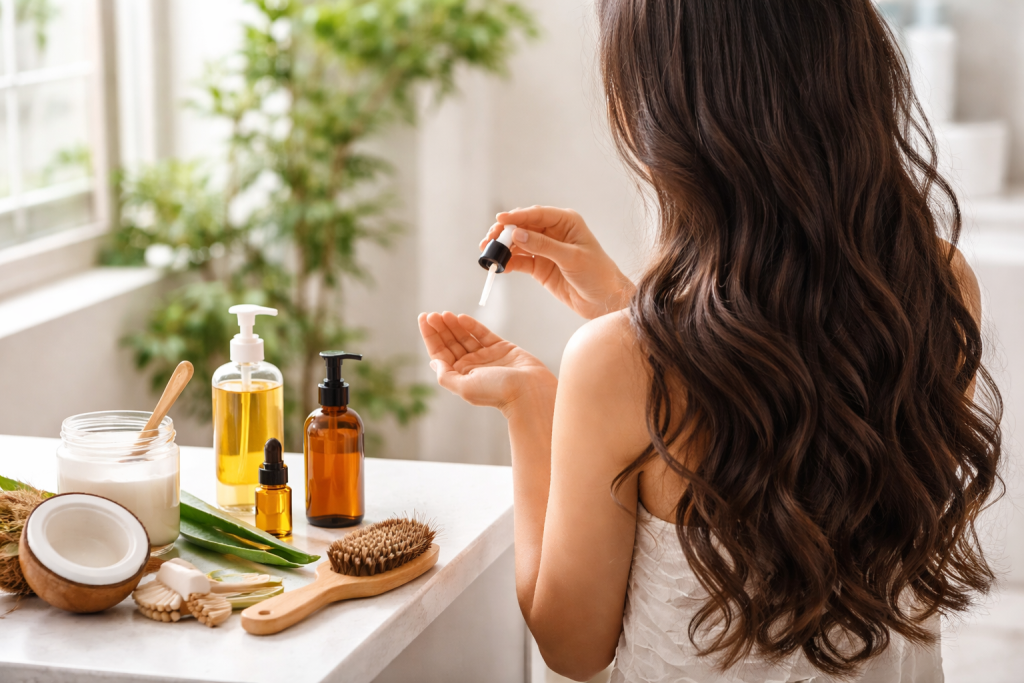
The way you cleanse and detangle your natural hair sets the stage for its overall health. Aggressive washing or harsh manipulation can lead to breakage, frizz, and stunted growth. Understanding and implementing gentle techniques is paramount.
Understanding Your Hair’s Needs for Cleansing
Natural hair, particularly textured hair, tends to be drier than straight hair types due to the way its coils or curls prevent natural oils from traveling down the hair shaft effectively. This characteristic means that traditional, sulfate-heavy shampoos, designed to strip away oil, can be incredibly detrimental. Instead, focus on cleansing methods that prioritize moisture and minimize stripping.
Co-washing vs. Low-Poo Shampoos
For many with natural hair, co-washing (conditioning washing) has become a staple. This involves using a conditioning cleanser instead of a traditional shampoo, which gently cleanses the scalp and hair without removing essential moisture. Co-washes typically contain mild surfactants and a high concentration of conditioning agents, leaving hair feeling soft and moisturized. However, co-washing exclusively might lead to product buildup over time, especially if you use heavier styling products. This is where low-poo shampoos come in. These shampoos contain gentle, sulfate-free cleansers that effectively remove dirt and buildup without stripping the hair’s natural oils. These shampoos are an excellent alternative for individuals who find that co-washing alone does not provide sufficient cleansing or for those who occasionally need a deeper clean.
Pre-Poo Treatments for Added Protection
Before even stepping into the shower, consider incorporating a pre-poo treatment. This involves applying a conditioning treatment—often a natural oil like coconut or olive oil, or a specialized pre-shampoo product—to dry hair before cleansing. The pre-poo acts as a protective barrier, reducing friction during the shampooing process and preventing the shampoo from stripping too much moisture. It helps to soften the hair, making it easier to detangle and less prone to breakage. Leaving a pre-poo on for 15-30 minutes, or even overnight for a deeper treatment, can make a significant difference in how your hair feels after washing.
Mastering Detangling for Minimal Breakage
Detangling is often the most dreaded part of a natural hair routine, but it doesn’t have to be. With the right technique and tools, you can minimize breakage and stress on your strands.
Always Detangle on Wet or Damp, Conditioned Hair
Never attempt to detangle dry natural hair. Dry hair is rigid and prone to snapping. The optimal time for detangling is when your hair is wet or damp and saturated with a generous amount of conditioner or a dedicated detangling product. The conditioner provides slip, allowing your fingers or tools to glide through knots more easily. Work in small sections to ensure thorough and gentle detangling.
The Finger Detangling Advantage
While combs and brushes have their place, finger detangling offers a level of sensitivity that tools cannot replicate. Your fingers can feel knots and tangles, allowing you to gently work them out without blindly ripping through your hair. Untangle your hair from the ends to the roots. Once major tangles are removed, you can follow up with a wide-tooth comb or a detangling brush for a smoother finish, always ensuring to hold the hair at the root to minimize tension on the scalp.
Moisture is the lifeblood of natural hair. Without adequate hydration, hair becomes dry, brittle, and susceptible to breakage, hindering growth. Prioritizing moisture retention is non-negotiable.
The LOC/LCO Method for Optimal Hydration
The LOC (Liquid, Oil, Cream) or LCO (Liquid, Cream, Oil) method is a popular and effective technique for layering products to seal in moisture. The principle behind both methods is to apply products in an order that maximizes moisture retention.
Understanding the Layers of Hydration
The “liquid” component typically refers to water, a water-based leave-in conditioner, or a hydrating mist. This is the primary source of hydration for your hair. The “oil” layer acts as a sealant, creating a barrier that locks in the moisture from the liquid. Jojoba, argan, grapeseed, or olive oil are excellent choices for this step, chosen based on their molecular size and how well they penetrate or seal the hair shaft. Finally, the “Cream” component provides extra moisture and helps to further seal everything in. This ingredient could be a curl cream, styling cream, or a thicker leave-in conditioner. The difference between LOC and LCO lies in whether the oil or cream is applied first after the liquid. Experiment to see which order works best for your hair’s porosity and texture. Low porosity hair might prefer LCO, as creams can penetrate better than oils, while high porosity hair might benefit from LOC to seal in moisture more effectively.
Deep Conditioning for Intensive Nourishment
Beyond regular conditioning, deep conditioning treatments are vital for infusing intense moisture and nutrients into your hair strands. These treatments help to repair damage, improve elasticity, and strengthen the hair.
Harnessing the Power of Heat for Deeper Penetration
Applying heat during your deep conditioning treatment significantly enhances its effectiveness. Heat opens up the hair cuticles, allowing the conditioning ingredients to penetrate deeper into the hair shaft. This can be achieved using a hooded dryer, a steamer, or even just by covering your hair with a plastic cap and wrapping a warm towel around it. Aim to deep condition at least once a week, or more frequently if your hair is particularly dry or damaged. Look for deep conditioners rich in natural oils, butters, proteins (if your hair needs them), and humectants to draw moisture from the air.
Constant manipulation, pulling, and rubbing can lead to friction and breakage. Protective styles offer a reprieve for your hair, promoting growth by reducing external stress.
The Philosophy Behind Protective Styles
A true protective style tucks away your delicate ends, which are the oldest and most fragile parts of your hair. This minimizes exposure to environmental aggressors, reduces tangling, and prevents over-manipulation. Examples include braids, twists, buns, and updos.
The Importance of Not Over-styling
While protective styles are beneficial, it’s especially important that they are not too tight, as this can cause tension alopecia and breakage along the hairline. Give your edges some rest. Furthermore, leaving protective styles in for too long without proper cleansing and moisturizing can lead to buildup and dryness. The goal is to protect, not neglect. Ensure your hair and scalp are clean and moisturized before installing a protective style, and gently cleanse and moisturize regularly while it’s in. Give your hair a break between styles to breathe and receive direct moisture.
Low Manipulation as a Daily Practice
Even when not in a full protective style, practicing low manipulation in your daily routine is key. This means avoiding excessive brushing, combing, or touching your hair throughout the day.
Gentle Styling and Sleep Habits
Opt for styles that require minimal effort to maintain daily, such as simple puffs, buns, or twists. When styling, be gentle and use seamless hair ties to prevent snagging. At night, protect your hair by sleeping on a silk or satin pillowcase or by wearing a silk or satin bonnet or scarf. Cotton absorbs moisture from your hair and creates friction, leading to frizz and breakage, whereas silk and satin allow your hair to glide without resistance, preserving moisture and preventing tangles.
While counterintuitive to growth, regular trims are absolutely essential for maintaining healthy ends and facilitating long-term growth. Neglecting trims leads to split ends traveling up the hair shaft, causing more significant damage and requiring a larger trim in the long run.
The Role of Trims in Healthy Hair Growth
You might be growing hair from your scalp, but if the ends are constantly breaking off, you’ll never see the length you desire. Trims remove damaged, split, or thinning ends, which are prone to tangling and breaking.
Identifying When a Trim is Needed
Look for signs such as excessive tangles, rough-feeling ends, ends that are thinner than the rest of your hair, or visible split ends. While there’s no set schedule, many natural hair enthusiasts trim every 3–6 months. However, listen to your hair; some may need more frequent trims, others less. Seek a stylist who is experienced in natural hair and understands the importance of dusting versus significant cuts. A good “dusting” only removes the absolute minimum needed to eliminate damaged ends.
True hair health extends beyond topical products. What you put into your body and how you care for your scalp are fundamental to healthy hair growth.
Fueling Hair Growth from Within
Your hair is a reflection of your overall health. A diet rich in essential nutrients is critical for strong, vibrant hair.
Essential Nutrients for Hair Health
Ensure your diet includes adequate protein, as hair is primarily made of protein. Biotin, found in eggs, nuts, and sweet potatoes, is known for its role in hair strength. Iron-rich foods like spinach and lean meats prevent anemia, which can lead to hair shedding. Omega-3 fatty acids, found in fatty fish and flaxseeds, contribute to a healthy scalp and shiny hair. Vitamins A, C, D, and E also play crucial roles in hair follicle health and cell regeneration. Staying well-hydrated by drinking plenty of water also contributes to the overall health and elasticity of your hair.
Consistent Scalp Care and Massage
A healthy scalp is the foundation for healthy hair growth. Neglecting your scalp can lead to issues like dryness, irritation, and clogged follicles that impede growth.
Promoting Blood Circulation Through Massage
Regular scalp massages promote blood circulation, which delivers vital nutrients and oxygen to the hair follicles and stimulates growth. You can incorporate scalp massages into your routine using your fingertips, either during shampooing or by using a specialized scalp massager. Adding a few drops of a stimulating essential oil like peppermint or rosemary (diluted in a carrier oil like jojoba or almond) can further enhance the benefits of a scalp massage.
Incorporating Natural Oils for Scalp Health
Natural oils offer numerous benefits for the scalp. Jojoba oil closely mimics the scalp’s natural sebum, making it an excellent moisturizer. Tea tree oil has antifungal and antibacterial properties, helpful for addressing scalp issues. Castor oil is known for its hair growth-promoting properties. Apply these oils directly to the scalp and gently massage them in. Leave them on for at least an hour or overnight before washing for maximum benefit. Regular, gentle exfoliation of the scalp can also help remove dead skin cells and product buildup, encouraging healthier growth.
FAQs
1. What are the essential natural hair care habits for long-term growth and health?
The essential natural hair care habits for long-term growth and health include gentle cleansing and detangling techniques, moisture retention and hydration, protective styling and low manipulation, regular trimming and maintenance, proper nutrition and hydration for hair health, incorporating natural oils and ingredients, and consistent scalp care and massage techniques.
2. How can I gently cleanse and detangle my natural hair?
To gently cleanse and detangle natural hair, it is important to use sulfate-free shampoos, detangle with a wide-tooth comb or fingers while hair is wet and conditioned, and avoid using heat tools or harsh brushing techniques. Additionally, using a pre-poo treatment and deep conditioning regularly can help with detangling and maintaining moisture.
3. What are some tips for moisture retention and hydration for natural hair?
To retain moisture and keep natural hair hydrated, it is important to use water-based moisturizers, seal in moisture with natural oils such as coconut oil or jojoba oil, deep condition regularly, and use a satin or silk scarf or pillowcase to prevent moisture loss while sleeping.
4. How can I protect my natural hair and minimize manipulation for long-term growth?
To protect natural hair and minimize manipulation, it is recommended to use protective styles such as braids, twists, or buns; avoid excessive heat styling and tight hairstyles; and limit the use of hair accessories that can cause breakage. Additionally, using satin or silk scrunchies and avoiding constant touching or pulling of the hair can help minimize manipulation.
5. What role do proper nutrition and hydration play in maintaining healthy natural hair?
Proper nutrition and hydration play a crucial role in maintaining healthy natural hair. Consuming a balanced diet rich in vitamins, minerals, and protein; staying hydrated by drinking plenty of water; and incorporating foods that promote hair health, such as avocados, nuts, and leafy greens, can all contribute to the overall health and growth of natural hair.


