

Embarking on a journey toward healthier, more vibrant hair can feel overwhelming at first. The sheer volume of information, product claims, and seemingly endless advice can leave one wondering where to even start. However, with a structured approach and a commitment to understanding your unique needs, unlocking the secrets to a successful hair care journey becomes entirely achievable. The key lies in a phased, personalized strategy that begins with foundational knowledge and progresses to customized solutions.
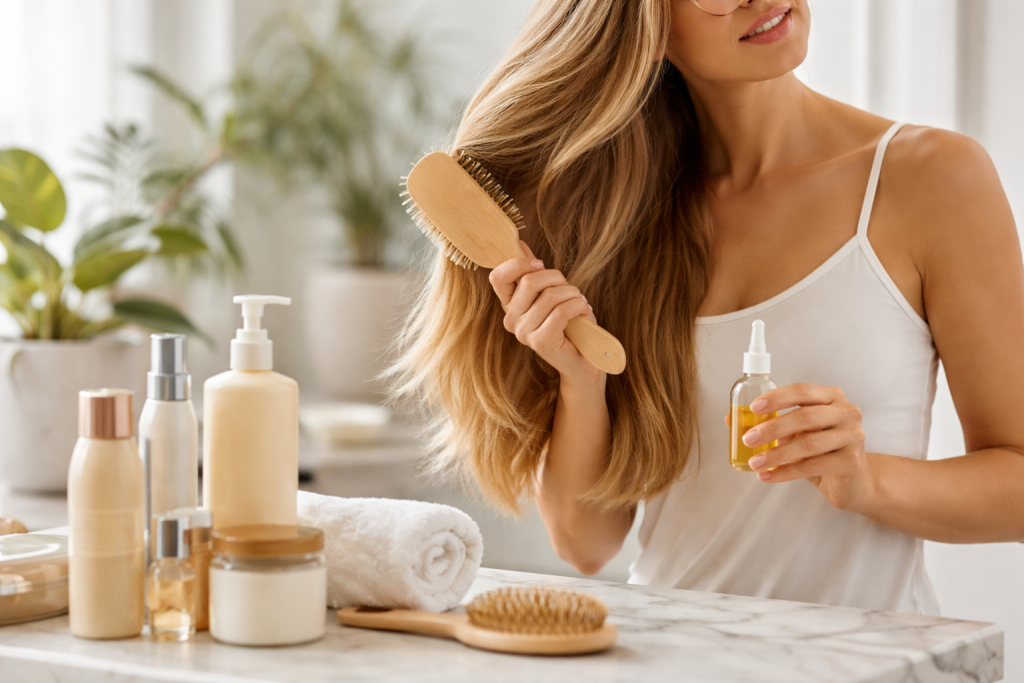
The initial step in any successful endeavor is to establish a clear starting point. For your hair care journey, this means moving beyond reactive measures and adopting a proactive mindset. It’s about understanding that your hair, much like your skin, has specific requirements that vary from person to person. The first and most crucial action is to take stock of your current hair condition. Think about its texture, its tendency to get oily or dry, how it responds to styling, and any concerns you currently have, whether it’s frizz, breakage, or lack of volume. This self-assessment forms the bedrock upon which all subsequent decisions will be built.
Understanding Your Hair’s Foundation: Identifying Your Hair Type
Before you can effectively care for your hair, you must first understand what you’re working with. This involves a deeper dive into your hair type, which goes beyond simply knowing if it’s straight, wavy, curly, or coily. It encompasses porosity, density, and even its historical treatment.
Decoding Porosity: How Well Your Hair Absorbs and Retains Moisture
Hair porosity refers to your hair’s ability to absorb and retain moisture. There are three main types: low, medium, and high porosity. Low porosity hair has tightly packed cuticles, making it difficult for moisture to penetrate, but once it does, it stays in well. Medium porosity hair has cuticles that are neither too tight nor too loose, allowing for good moisture absorption and retention. High porosity hair has lifted cuticles, which means moisture enters easily but also escapes quickly, leading to dryness. You can test your porosity by placing a clean strand of hair in a glass of water; if it floats, it’s low porosity; if it sinks slowly, it’s medium; and if it sinks quickly, it’s high.
Assessing Hair Density: The Amount of Hair Strands on Your Scalp
Hair density refers to the number of hair follicles on your scalp, which determines how thick or thin your hair appears. You can gauge this by looking at your scalp in natural light. If you can easily see your scalp through your hair, you likely have low density. If your scalp is barely visible, you have high density. Medium density falls somewhere in between. This assessment is vital because different hair densities require different amounts of product and styling techniques.
Understanding Texture: Straight, Wavy, Curly, or Coily
The most commonly recognized aspect of hair type is its texture. Straight hair (Type 1) lacks any natural wave or curl. The distinctive S-shaped wave pattern is characteristic of Type 2 wavy hair. Curly hair (Type 3) has more defined, springy curls. Coily hair (Type 4) has tight coils that can range from very tight zigzag patterns to small, dense curls. Each texture has unique needs regarding moisture, definition, and styling.
The Art and Science of Product Selection: Tailoring to Your Tresses
Once you have a comprehensive understanding of your hair type, the path to selecting the right products becomes much clearer. It’s not about blindly following trends or celebrity endorsements; it’s about deciphering ingredient lists and understanding what your hair truly needs.
The Power of Ingredients: What to Look For and What to Avoid
The ingredient list on a hair product is its roadmap to efficacy. For dry hair, look for moisturizing ingredients like shea butter, coconut oil, argan oil, glycerin, and hyaluronic acid. For oily hair, opt for lighter, non-comedogenic ingredients, and consider ingredients like tea tree oil or salicylic acid for scalp cleansing. For color-treated hair, sulfate-free shampoos and conditioners are essential to prevent stripping the color. Avoid ingredients that can be drying or damaging, such as harsh sulfates (e.g., Sodium Lauryl Sulfate), parabens, and silicones if your hair tends to get weighed down by them.
Shampoo and Conditioner: The Essential Duo for Daily Cleansing and Hydration
Your shampoo’s primary role is to cleanse your scalp and hair of dirt, oil, and product buildup. Choosing a shampoo that aligns with your scalp’s needs—whether it’s clarifying, moisturizing, volumizing, or color-protecting—is paramount. Conditioner, on the other hand, is designed to replenish moisture, detangle, smooth the cuticle, and improve manageability. Selecting a conditioner that complements your shampoo and addresses your hair’s specific moisture and protein needs is equally important.
Beyond the Basics: Treatments, Oils, and Styling Products
Once you have your shampoo and conditioner sorted, you can explore targeted treatments. These might include deep conditioners, hair masks, leave-in conditioners, serums, and hair oils. Deep conditioning treatments provide intense hydration and repair, while hair masks can address specific issues like damage or frizz. Hair oils can add shine, seal moisture, and protect hair from heat styling. Styling products, such as mousses, gels, and creams, are formulated to help you achieve your desired look while also offering some level of protection or nourishment.
A successful hair care journey isn’t a sprint; it’s a marathon. Establishing a consistent routine is fundamental to seeing and maintaining results. This routine should be tailored to your hair type and lifestyle, ensuring it’s sustainable and effective.
The Ritual of Washing: Frequency and Technique Matters
The frequency with which you wash your hair depends heavily on your scalp’s oil production and your hair type. Those with oily scalps might need to wash more frequently, while those with dry or coily hair might find washing once a week or even less to be ideal. The technique of washing is also crucial. When shampooing, focus on massaging the product into your scalp to effectively cleanse it, and allow the lather to gently rinse through the lengths of your hair. Conditioners should primarily be applied from the mid-lengths to the ends of your hair, avoiding the scalp unless specifically indicated for scalp health.
Detangling with Care: Preserving Your Strands
Detangling can be a major source of breakage if not done correctly. Always use a wide-tooth comb or your fingers, starting from the ends of your hair and working your way up towards the roots. If your hair is particularly prone to knots, consider detangling when it’s wet and coated with conditioner or a detangling spray. Never aggressively pull or yank at knots, as this can cause significant damage.
Drying and Styling: Minimizing Heat and Friction
Heat styling tools, such as blow dryers, curling irons, and straighteners, can cause significant damage and dryness to your hair. When you do use heat, always apply a heat protectant spray beforehand. Opt for lower heat settings when possible and avoid prolonged exposure to heat. Air drying is the gentlest option. When towel drying, be sure to use a microfiber towel or a soft cotton t-shirt instead of a rough terrycloth towel, and gently blot your hair to absorb excess water rather than vigorously rubbing it.
External care is only one piece of the puzzle; true hair health and growth are also significantly influenced by your internal well-being. Nourishing your body with the right nutrients and adopting a holistic approach can dramatically impact the vitality of your hair.
The Building Blocks of Healthy Hair: Nutrition and Hydration
A balanced diet rich in vitamins, minerals, and protein is essential for strong, healthy hair. Ensure you’re consuming enough protein, as hair is primarily made of keratin, a protein. Include sources of omega-3 fatty acids, found in fatty fish, flaxseeds, and walnuts, which can support scalp health. Vitamins like biotin, vitamin A, vitamin C, vitamin D, and vitamin E play crucial roles in hair growth and strength. Iron deficiency can lead to hair loss, so ensure adequate intake of iron-rich foods like lean meats, spinach, and legumes. Equally important is staying well-hydrated by drinking plenty of water throughout the day, as this impacts the overall health of your cells, including hair follicles.
Lifestyle Choices: Sleep, Stress, and Exercise
Beyond diet, your lifestyle choices have a profound impact on your hair. Adequate sleep is vital for cell regeneration and repair, including the cells that support hair growth. Chronic stress, on the other hand, can disrupt the hair growth cycle and even lead to hair loss. Incorporating stress-management techniques like meditation, yoga, or spending time in nature can be beneficial. Regular physical activity improves blood circulation, which can stimulate hair follicles and promote healthier growth.
While at-home care is essential, there are times when professional intervention is necessary. Recognizing when to consult a dermatologist or a trichologist can save you time and frustration and prevent potential exacerbation of issues.
Identifying Signs of Scalp and Hair Health Concerns
If you notice persistent scalp issues like excessive itching, flaking, redness, or painful bumps, it’s time to see a professional. Similarly, if you’re experiencing significant hair thinning, sudden hair loss, or changes in hair texture that aren’t explained by your current routine, a consultation is advisable. These could be indicators of underlying medical conditions or specific hair and scalp disorders that require expert diagnosis and treatment.
Dermatologists and Trichologists: Your Hair’s Medical Allies
A dermatologist is a medical doctor specializing in skin, hair, and nails. They can diagnose and treat a wide range of hair and scalp conditions, from alopecia areata to fungal infections and scalp psoriasis. A trichologist is a specialist who focuses exclusively on hair and scalp health. While they are not medical doctors in the same way as dermatologists, they possess in-depth knowledge of hair biology and can offer assessments, recommendations, and non-medical treatments for hair loss and scalp issues.
The world of natural ingredients offers a wealth of options for hair care, providing gentle yet effective solutions for a variety of concerns. Before diving into complex treatments, exploring the power of simple, natural remedies can be incredibly rewarding.
Essential Oils: Aromatic Powerhouses for Scalp and Hair
Certain essential oils have remarkable properties that can benefit hair health. For example, rosemary oil has been shown to stimulate hair growth and improve scalp circulation. Peppermint oil can invigorate the scalp and promote growth. Lavender oil is known for its soothing and anti-inflammatory properties, while tea tree oil can help with dandruff and scalp irritation. Always dilute essential oils with a carrier oil, such as coconut oil, jojoba oil, or almond oil, before applying them to your scalp.
Plant-Based Treatments: From Masks to Rinses
Many common kitchen ingredients can be transformed into powerful hair treatments. Avocado masks can deeply moisturize dry hair, while yogurt can help clarify and condition. Henna, a natural dye and conditioner, can strengthen hair and add shine. Apple cider vinegar rinses can help restore the hair’s pH balance and add shine. Experimenting with these natural ingredients can be a cost-effective and gentle way to address specific hair concerns.
Understanding Herbal Infusions and Their Benefits
Various herbs have been used for centuries in traditional hair care practices. Nettle, for instance, is rich in vitamins and minerals that can support hair growth and strength. Chamomile can lighten hair naturally and soothe the scalp. Rosemary, as mentioned earlier, is a powerhouse for hair growth. These herbs can be used in rinses or infused into oils for topical application.
Every hair care journey will undoubtedly encounter its share of challenges. From frizz and breakage to slow growth and product buildup, understanding how to address these common issues is crucial for long-term success.
Tackling Frizz and Flyaways: Achieving Smoothness
Frizz is often caused by dryness and humidity. Ensuring your hair is well-moisturized is the first line of defense. Using a good conditioner, applying leave-in treatments, and sealing in moisture with hair oils can make a significant difference. When styling, avoid over-brushing dry hair and opt for smoothing serums or anti-frizz creams. Protecting your hair from humidity with styles that keep it contained can also help.
Combating Breakage and Split Ends: Preserving Length and Strength
Breakage is usually a sign of dryness, over-processing, or mechanical damage. Regular trims are essential to remove split ends before they travel up the hair shaft. Using moisturizing treatments, heat protectants, and gentle detangling techniques can significantly reduce breakage. Avoid tight hairstyles that tug on the hair, and minimize the use of harsh chemicals and excessive heat styling.
Addressing Slow Hair Growth: Patience and Targeted Strategies
Hair growth is a slow process, and genetics play a significant role. However, certain strategies can help optimize your hair’s growth potential. Ensuring a nutrient-rich diet, managing stress, and using scalp-stimulating treatments can all contribute. Be wary of products that promise impossibly fast hair growth; consistency with healthy habits and realistic expectations are key.
Dealing with Product Buildup: Keeping Your Scalp and Hair Clean
Over time, products can accumulate on your scalp and hair, weighing it down and preventing moisture from penetrating. Regular clarifying shampoos, used judiciously (not too often, as they can be drying), can help to remove this buildup. Pay attention to the ingredients in your styling products, and consider switching to lighter formulas if buildup is a recurring issue.
Embarking on your hair care journey is an ongoing process of learning, adaptation, and self-discovery. By understanding your hair type, choosing the right products, establishing a consistent routine, nurturing your body, seeking professional help when needed, and exploring natural remedies, you’ll be well on your way to unlocking the secrets to beautiful, healthy hair. Embrace the process, be patient with yourself, and celebrate each step of progress on this rewarding path.
FAQs
1. What are the different hair types, and how can I determine my hair type?
There are generally four main hair types: straight, wavy, curly, and coily. You can determine your hair type by observing the natural pattern of your hair when it is air-dried and considering factors such as texture, thickness, and elasticity.
2. How do I choose the right products for my hair?
Choosing the right products for your hair involves understanding your hair type and its specific needs. Look for products that are formulated for your hair type and address any specific concerns such as dryness, frizz, or damage.
3. What are some healthy habits that promote hair growth?
Healthy habits that promote hair growth include maintaining a balanced diet rich in essential nutrients, staying hydrated, reducing stress, avoiding excessive heat styling, and protecting your hair from environmental damage.
4. When should I seek professional advice and treatment for my hair?
You should seek professional advice and treatment for your hair if you are experiencing persistent hair loss or scalp issues, or if you are unsure about how to properly care for your hair type. A professional can provide personalized recommendations and treatments.
5. What are some natural remedies for common hair care challenges?
Natural remedies for common hair care challenges include using ingredients such as coconut oil, aloe vera, and apple cider vinegar to address issues like dryness, dandruff, and scalp irritation. It’s important to research and test these remedies carefully to ensure they are suitable for your hair type and concerns.


