

Embracing the inherent splendor of your hair often involves a conscious decision to move away from the synthetic and toward the authentic. In a world saturated with conventional beauty standards and quick fixes, the journey to natural hair care is a powerful declaration of self-acceptance and a commitment to overall well-being. It’s a movement that celebrates the unique qualities of each strand, fosters long-term hair health, and respects the delicate balance of our planet.
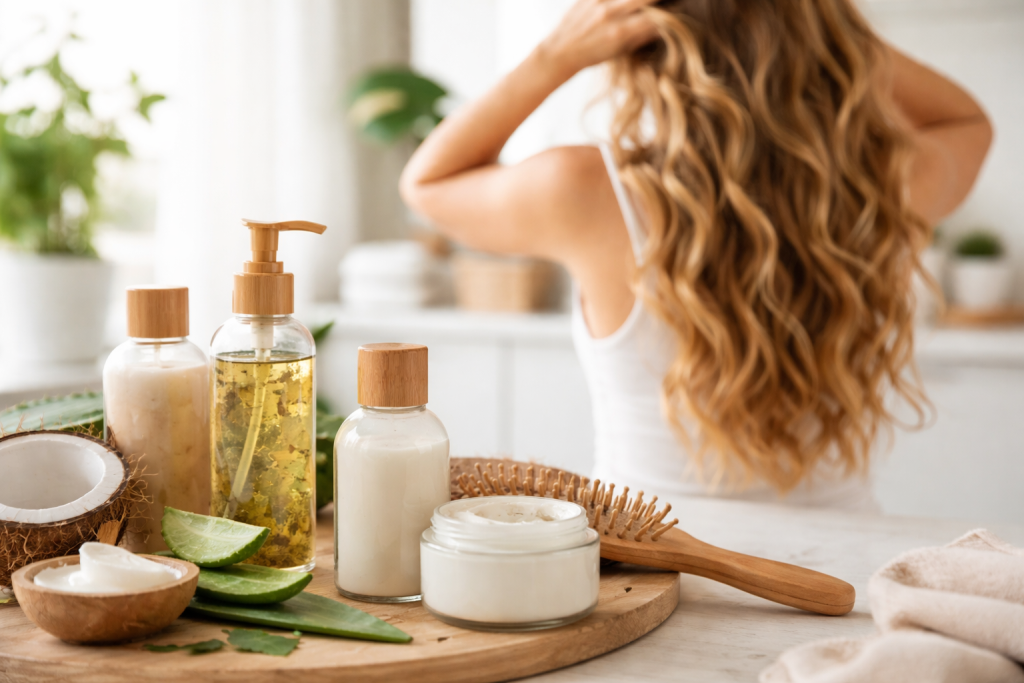
For decades, the beauty industry has promoted a swift approach to hair transformation, frequently utilizing a mixture of harsh chemicals. While these products may offer immediate, albeit superficial, results, their long-term consequences can be detrimental to hair health and even broader well-being. Unpacking these effects is the first step toward a more mindful approach to hair care.
The Assault on Hair Structure
Many conventional hair products contain ingredients designed to chemically alter the hair’s natural structure. Straighteners, perms, and even some dyes achieve their effects by breaking down and reforming the disulfide bonds within the hair shaft. This process, while seemingly effective, leaves the hair vulnerable to damage. It can lead to extreme dryness, brittleness, and a significant reduction in elasticity, making hair more prone to breakage and frizz. Over time, repeated chemical treatments can severely compromise the hair’s integrity, leading to a dull, lifeless appearance.
Scalp Irritation and Sensitization
The scalp, often overlooked, is a delicate ecosystem that can be easily disrupted by harsh chemicals. Sulfates, commonly found in shampoos, are powerful detergents that can strip the scalp of its natural oils, leading to dryness, itchiness, and irritation. Parabens, used as preservatives, have been linked to allergic reactions and contact dermatitis. Fragrances, while pleasant to the nose, are often complex mixtures of chemicals that can trigger sensitivities, resulting in redness, inflammation, and even hair loss in extreme cases.
Systemic Health Concerns
The skin, including the scalp, is a highly permeable organ. This means that chemicals applied to the hair and scalp can be absorbed into the bloodstream. While the long-term effects of many cosmetic ingredients are still being studied, concerns have been raised about potential links between certain chemicals and broader health issues. Phthalates, for instance, found in some hair sprays and styling products, have been associated with hormonal disruptions. Formaldehyde-releasing preservatives, common in some shampoos, are known carcinogens. While direct causation is complex and research is ongoing, the potential for systemic absorption warrants a cautious approach.
In stark contrast to their chemical counterparts, natural ingredients offer a wealth of benefits that nourish, strengthen, and protect hair without compromise. Drawing from nature’s pharmacy, these potent botanicals and minerals provide holistic care that addresses underlying issues rather than just masking symptoms.
Gentle Cleansing and Nourishment
Natural shampoos, often formulated with saponins from plants like soapnut or shikakai, cleanse the hair and scalp gently without stripping away beneficial oils. Botanical extracts deliver essential vitamins, minerals, and antioxidants directly to the hair follicles, promoting healthy growth and vibrant shine. Ingredients like aloe vera soothe the scalp, reducing irritation, while essential oils such as lavender and rosemary stimulate circulation, fostering a healthy environment for hair to thrive.
Restoring and Enhancing Hair’s Natural Integrity
Unlike chemical treatments that force hair into a uniform state, natural ingredients work in harmony with your hair’s unique structure. Plant-based oils like coconut, argan, and jojoba deeply moisturize and condition, repairing damage from within. They help to seal the hair cuticle, reducing frizz and enhancing natural luster. Protein-rich ingredients like egg yolks or yogurt can strengthen the hair shaft, improve elasticity, prevent breakage, and allow your natural hair texture to truly flourish.
Long-Term Hair Health and Vitality
The continuous use of natural ingredients fosters a cycle of sustained hair health. By avoiding harsh chemicals, the hair’s natural oil production normalizes, leading to less greasiness and dryness. The scalp becomes balanced and healthy, reducing issues like dandruff and itchiness. Over time, naturally treated hair becomes more resilient, vibrant, and effortlessly beautiful, reflecting its inherent strength and vitality rather than being propped up by artificial means.
One of the most liberating aspects of transitioning to chemical-free hair care is the opportunity to truly embrace and celebrate the unique texture and type of hair you were born with. Society often pushes a narrow definition of beauty, leading many to chemically alter their hair to fit an idealized image. Chemical-free care encourages us to shed those external pressures and fall in love with our natural selves.
Deconstructing Beauty Standards
Media and advertising have disproportionately glorified certain hair textures, such as straight or loosely wavy, for too long. This has led to countless individuals feeling the need to chemically straighten, relax, or otherwise manipulate their hair to conform. Embracing your natural texture is a powerful act of defiance against these restrictive norms. It’s about recognizing that every curl, wave, and coil possesses its own unique charm and beauty.
Understanding Your Hair’s Needs
When you move away from chemical treatments, you create space to truly understand your hair’s inherent needs. Is it fine and prone to oiliness, or thick and prone to dryness? Does it have a loose wave, tight curl, or bouncy coil? Natural hair care involves learning what works best for your specific hair, rather than applying a generic product designed for a generalized “perfect” hair type. This understanding allows you to select ingredients and techniques that genuinely nourish and support your hair’s specific characteristics, enhancing its natural beauty rather than trying to change it.
Cultivating Self-Acceptance and Confidence
Embracing your natural hair often involves a deeper journey of self-acceptance. It can be challenging at first to let go of old habits and expectations. However, as your hair begins to heal and flourish in its natural state, a profound sense of confidence can emerge. This confidence isn’t just about your hair; it radiates into other aspects of your life, reinforcing the idea that your authentic self is beautiful and worthy of love and admiration, exactly as it is.
The benefits of chemical-free hair care extend far beyond the aesthetic appeal of healthy hair. It’s an integral component of a holistic approach to wellness, influencing not only physical health but also mental and emotional well-being.
Minimizing Toxin Exposure
As previously discussed, chemicals applied to the scalp can be absorbed into the bloodstream. By eliminating these harsh ingredients, you significantly reduce your body’s toxic load. This reduction can have a myriad of positive effects, from potentially lessening allergic reactions and skin sensitivities to supporting overall organ health. Our bodies are constantly bombarded with environmental toxins; choosing chemical-free hair care is one simple yet impactful way to mitigate this burden and support our internal detoxification processes.
Reducing Allergic Reactions and Sensitivities
Many individuals experience unexplained itching, redness, or irritation on their scalp and skin. Often, the culprits are synthetic fragrances, preservatives, or dyes in conventional hair products. Transitioning to natural alternatives, which often feature simpler ingredient lists and rely on plant-based compounds, can dramatically reduce the likelihood of such reactions. For those with sensitive skin or existing allergies, this shift can bring immense relief and comfort, allowing the scalp to heal and function optimally without constant irritation.
Fostering a Mindful Self-Care Ritual
The act of choosing and using natural hair care products often encourages a more mindful approach to self-care. It moves beyond a quick shower routine to a more deliberate process of researching ingredients, understanding your hair’s needs, and appreciating the benefits nature provides. This intentionality can be deeply therapeutic, transforming a mundane task into a nurturing ritual. The sensory experience of natural scents from essential oils, for example, can contribute to relaxation and reduce stress, further enhancing overall well-being. This conscious engagement with your hair and body cultivates a deeper connection to self and promotes a more holistic sense of health.
Embarking on a chemical-free hair care journey is an exciting step, but it often requires a period of adjustment. The “detox” phase can be challenging, but with patience and the right strategies, you can successfully transition to a routine that nurtures your natural beauty.
Gradual Product Replacement
It’s often best not to overhaul your entire hair care routine overnight. Instead, introduce new chemical-free products one at a time. Start with a chemical-free shampoo, using it consistently for a few weeks before introducing a natural conditioner. This allows your hair and scalp to adjust gradually and helps you identify which natural ingredients work best for you without overwhelming your system. Replacing products incrementally helps to minimize the “detox” period’s initial discomfort and allows for easier troubleshooting.
The “Detox” Period and What to Expect
When you switch from chemical-laden products to natural ones, your hair and scalp may go through a “detox” phase. Your scalp might overproduce oil initially as it rebalances from being constantly stripped by sulfates. Your hair might feel greasier, heavier, or even a bit waxy. This stage is often due to the removal of silicone buildup from previous products and the adjustment of your scalp’s natural oil production. Be patient; this phase can last anywhere from a few days to several weeks. During this time, gentle brushing can help distribute natural oils, and rinsing thoroughly is crucial.
Educate Yourself on Ingredients
A key aspect of a successful transition is becoming an ingredient detective. Learn to read product labels and identify common harmful chemicals like sulfates (SLS, SLES), parabens, phthalates, synthetic fragrances, and silicones. Familiarize yourself with beneficial natural ingredients such as aloe vera, argan oil, jojoba oil, shea butter, and various essential oils. The more you know, the more empowered you will be to make informed choices and select products that genuinely support your hair’s health and your overall well-being. This knowledge empowers you to confidently navigate the natural beauty market and select products that align with your values.
Simple DIY Solutions for Nourishment
You don’t always need to buy expensive natural products. Your kitchen contains many effective hair remedies. Apple cider vinegar rinses can help rebalance scalp pH and add shine. Egg masks provide protein for strength, while avocado and banana masks offer deep conditioning. Herbal infusions like rosemary or nettle tea can be used as hair rinses to stimulate growth and improve scalp health. Experiment with these simple, cost-effective DIY solutions to further support your chemical-free journey and truly embrace the power of nature.
Ultimately, the chemical-free hair care journey is about more than just avoiding harmful substances; it’s about a profound appreciation for your inherent beauty and a commitment to nurturing it. It’s an ongoing process of learning, listening, and loving your unique self.
Redefining Beauty Standards
Moving away from the pursuit of chemically altered hair is a bold statement. It’s a rejection of manufactured ideals and an embrace of authenticity. This redefinition of beauty extends beyond your hair, influencing how you perceive yourself and others. It fosters a confidence that stems from within, celebrating natural diversity and the inherent beauty of all forms. When you embrace your natural hair, you become a beacon for others to do the same, inspiring a culture of acceptance and self-love.
Creating a Sustainable Hair Care Routine
Nurturing your natural hair is not a one-time event but a continuous process. It involves establishing a sustainable routine that respects your hair’s needs and evolves with it. This might mean adjusting products with seasonal changes, incorporating regular deep conditioning treatments with natural ingredients, or learning gentle styling techniques that minimize heat and friction. It’s about being attuned to your hair’s signals and responding with ingredients and practices that promote its health and vitality in the long term. This sustained approach ensures that your hair remains vibrant, resilient, and beautiful for years to come.
Connecting with a Community
The natural hair movement has blossomed into a supportive and vibrant community. Engaging with others who share your journey can provide invaluable advice, encouragement, and inspiration. Online forums, social media groups, and local meetups offer platforms to share experiences, discover new products and techniques, and celebrate victories together. This sense of community reinforces the idea that you are not alone in your pursuit of natural beauty, fostering a shared sense of empowerment and collective appreciation for the diverse tapestry of natural hair textures and types.
FAQs
1. What are the benefits of chemical-free hair care?
Chemical-free hair care products are beneficial because they do not contain harsh chemicals that can strip the hair of its natural oils, cause irritation to the scalp, or lead to long-term damage. Natural ingredients can nourish and strengthen the hair, promoting overall health and wellness.
2. What are the harmful effects of chemical hair products?
Chemical hair products can have harmful effects such as dryness, breakage, and damage to the hair and scalp. Ingredients like sulfates, parabens, and synthetic fragrances can also have negative impacts on overall health and the environment.
3. How does chemical-free hair care promote overall health and wellness?
Chemical-free hair care promotes overall health and wellness by using natural ingredients that nourish the hair and scalp without the use of harsh chemicals. This can lead to healthier, stronger hair and a balanced scalp, contributing to a sense of well-being.
4. What is the environmental impact of chemical hair products?
Chemical hair products can have a negative environmental impact due to the production and disposal of synthetic chemicals. These chemicals can also pollute water sources and harm ecosystems. Choosing natural, biodegradable hair care products can help reduce this impact.
5. What are some tips for transitioning to a chemical-free hair care routine?
Some tips for transitioning to a chemical-free hair care routine include gradually phasing out chemical products, researching and selecting natural hair care alternatives, and seeking professional advice if needed. It’s also important to embrace and celebrate your unique hair texture and type throughout the transition process.


