Author: Usman Ali

  • Streamline Your Morning: A Quick and Easy Hair Care Routine for Men and Women

    Streamline Your Morning: A Quick and Easy Hair Care Routine for Men and Women

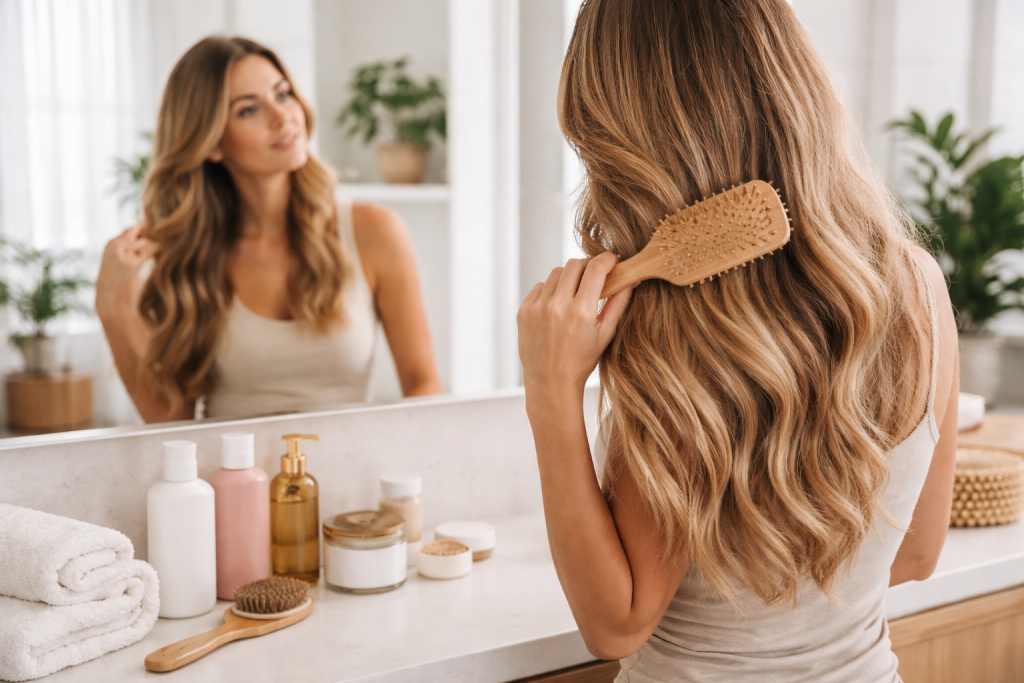
    Mornings can often feel like a frantic race against the clock. Between brewing coffee, preparing breakfast, and getting dressed, finding time for an elaborate hair care regimen can seem like an impossible feat. Yet, neglecting our hair can leave us feeling less than confident throughout the day. The good news is that achieving well-maintained, healthy hair doesn’t require an hour-long commitment. By embracing a quick and simple hair care routine, both men and women can streamline their mornings, reclaim precious minutes, and step out the door looking and feeling their best.
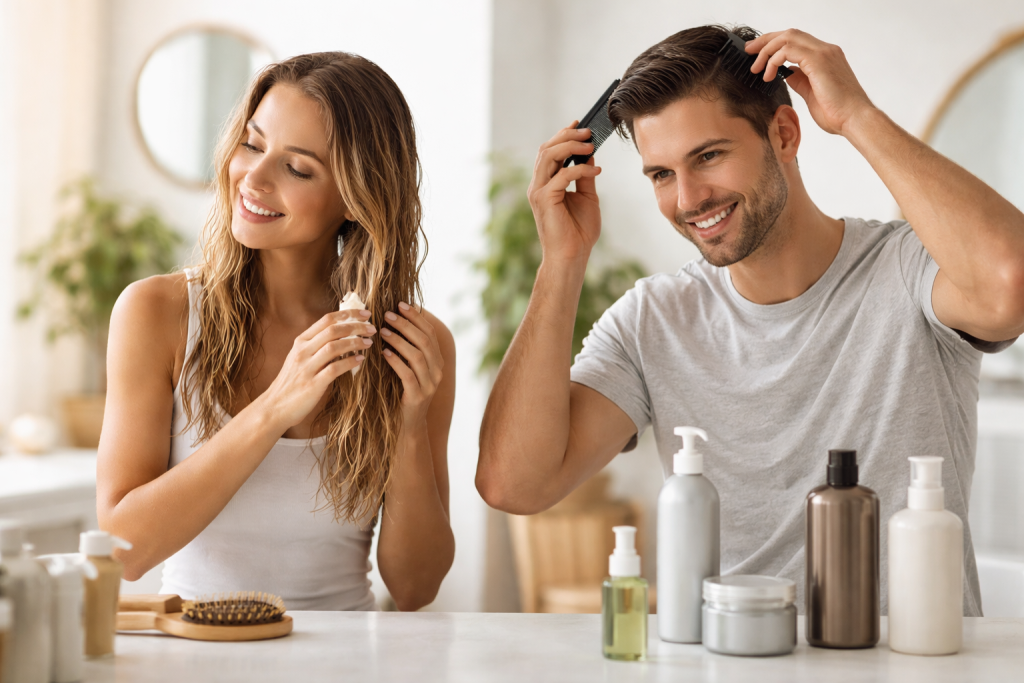
    Hair Care Routine for Men and Women
    Hair Care Routine for Men and Women

    The Importance of a Quick and Easy Hair Care Routine

    In today’s fast-paced world, efficiency is paramount. A quick and simple hair care routine isn’t merely a luxury; it’s a practical necessity. For many, mornings are the most chaotic part of the day. A lengthy hair drying or styling process can easily push back schedules, lead to stress, and ultimately impact productivity.

    Reclaiming Morning Minutes

    Imagine having an extra 15-20 minutes every morning. This precious time could be spent enjoying a more leisurely breakfast, catching up on news, or even getting a few extra moments of sleep. A streamlined hair care routine directly contributes to this time-saving, offering a tangible benefit that resonates with anyone who values their morning calm. Taking control of one’s schedule instead of letting grooming demands dictate it empowers individuals.

    Reducing Stress and Frustration

    Running late due to uncooperative hair can be extremely stressful. Complex routines may encounter obstacles, particularly on days when time is crucial. By simplifying the process, we eliminate many potential points of frustration. A quick and simple routine is inherently more forgiving, leading to a smoother, less stressful start to the day. This shift in approach can significantly improve one’s overall morning experience, setting a positive tone for what lies ahead.

    Promoting Consistent Hair Health

    While lengthy routines might seem more beneficial, consistency is often key to healthy hair. You are far more likely to maintain a quick and easy routine day after day. This regularity ensures that hair is consistently cleansed, conditioned, and protected, preventing issues that can arise from sporadic care. It encourages a daily commitment to hair health without demanding an overwhelming investment of time or effort, leading to more predictable and positive results over the long term.

    Choosing the Right Products for Your Hair Type

    The foundation of any successful hair care routine, especially a quick one, lies in selecting the right products. Using items ill-suited for your hair type can lead to frustrating results, requiring more effort and time to correct. Understanding your hair’s unique needs is the first step toward an efficient and effective regimen.

    Identifying Your Hair Type

    Before selecting products, please take a moment to understand your hair. Is it oily, dry, normal, fine, thick, color-treated, or prone to frizz? Each of these characteristics dictates different product requirements. For instance, oily hair benefits from clarifying shampoos and lightweight conditioners, while dry hair thrives on moisturizing formulas. Fine hair needs volumizing products that won’t weigh it down, and thick hair often requires richer, more hydrating options. A quick online quiz or consultation with a hairstylist can help you pinpoint your exact hair type if you’re unsure.

    Decoding Product Labels

    Once you know your hair type, the next step is to decode product labels. Look for keywords that align with your hair’s needs. If you have oily hair, search for “oil control,” “clarifying,” or “volumizing.” For dry hair, “hydrating,” “moisturizing,” or “restorative” are your friends. Curly hair benefits from “curl defining” or “anti-frizz” formulas, while color-treated hair requires “color-safe” or “sulfate-free” options. Pay attention to ingredients; natural extracts like aloe vera, argan oil, and shea butter are often beneficial, while harsh chemicals like sulfates and parabens can sometimes strip hair of its natural oils or cause irritation.

    Investing in Multi-Benefit Products

    For a truly quick and easy routine, multi-benefit products are a game-changer. Consider 2-in-1 shampoo and conditioners for certain hair types (though often separate products are better for optimal results) or leave-in conditioners that also offer heat protection. Dry shampoo is another excellent example of a multi-benefit product, refreshing roots and adding volume on non-wash days. Styling creams or balms that condition, define, and offer light hold can also significantly reduce the number of products you need to apply, saving both time and cabinet space.

    Step-by-Step Guide to Streamlining Your Morning Hair Care Routine

    A streamlined routine doesn’t mean skipping essential steps; it means optimizing them. This guide outlines an efficient approach that covers all the bases without consuming excessive time.

    Efficient Cleansing and Conditioning

    Start your shower with a quick shampoo. Focus on the scalp, where oil and product buildup tend to accumulate. A gentle massage is sufficient to cleanse. Rinse thoroughly. For conditioning, apply conditioner primarily to the mid-lengths and ends of your hair, where it’s most needed. While the conditioner is working, you can attend to other shower tasks like washing your body. For quick mornings, opt for conditioners that don’t require a long soak. Many modern formulas work effectively within one to two minutes. Rinse with cool water to help seal the hair cuticle and enhance shine.

    Optimizing Drying Time

    For both men and women, air drying partially or entirely can save a significant amount of time. If you use a towel, gently blot your hair instead of rubbing vigorously, which can cause frizz and damage. For those who blow-dry, investing in a powerful hairdryer with a good nozzle can drastically reduce drying time. Use a heat protectant spray beforehand to safeguard your strands. Focus on drying the roots first, as this area takes the longest. For men with shorter hair, a quick towel dry followed by a few minutes with a hairdryer or even just air drying might be all that’s needed. For women with longer hair, consider drying your hair to about 80% dry with a blow dryer and letting it air dry the rest of the way, or styling it while damp.

    Minimal and Effective Styling

    The key to quick styling is simplicity. For men, a dab of pomade, wax, or styling cream can define and hold without fuss. Work a small amount between your palms and distribute it evenly through damp or dry hair, styling with your fingers. For women, consider embracing natural textures. A leave-in conditioner can tame frizz and enhance curls. A quick braid or a messy bun can be done in minutes. Heat tools should be used sparingly for speed; if you must use them, pre-set your hot tools while you’re showering so they’re ready to go immediately after drying. Focus on the most visible sections of your hair, rather than trying to perfectly style every strand.

    Time-Saving Tips for Men and Women

    TipTime Saved
    Prepare outfits the night before10 minutes
    Use a multitasking grooming product5 minutes
    Plan meals and prep ingredients in advance15 minutes
    Use dry shampoo or quick hair styling techniques10 minutes
    Set a timer for tasks to stay focused20 minutes

    Beyond the basic steps, several clever hacks can further shave minutes off your morning hair routine, benefiting both genders.

    The Power of Dry Shampoo

    Dry shampoo is a miracle product for extending the time between washes. For both men and women, a quick spray at the roots can absorb excess oil, add volume, and refresh the hair, giving it a clean look without requiring a full wash and dry. It’s particularly useful on days when you’re pressed for time or after a light workout. Apply it the night before for maximum oil absorption, or simply spray, massage into the scalp, and brush through in the morning.

    Embrace “Next-Day” Hair

    Often, hair looks better and holds styles more easily on the second or even third day after washing. For men, this can mean a more natural, lived-in texture. For women, styled hair from the previous day—whether curls or a straightened look—can often be refreshed with minimal effort. A quick touch-up with a curling iron or flat iron on a few strategic sections, or a blast of dry shampoo and a brush, can revive a look without starting from scratch.

    Strategic Haircuts and Styles

    A great haircut can significantly reduce styling time. For men, a low-maintenance cut that suits your hair type and face shape will fall into place easily. For women, layered cuts can add movement and volume without extensive styling, and blunt cuts can look chic with minimal effort. Consider wash-and-go styles if your hair texture allows for it. Short hairstyles for women are inherently quicker to manage. Consult with your stylist about cuts that complement your natural hair and require less daily effort.

    Styling Tips for Quick and Easy Hair Care

    Even with a quick routine, a little styling can go a long way in presenting a polished look. These tips focus on maximizing impact with minimal fuss.

    Utilizing Hair Accessories

    For women, hair accessories are a quick and stylish way to manage hair. Headbands, scarves, clips, and scrunchies can transform a simple ponytail or bun into a chic statement. They’re perfect for days when your hair isn’t cooperating or when you simply want to add a touch of flair without spending time on intricate styling. For men, a well-placed hat can similarly offer a quick solution on rushed mornings.

    Mastering the Messy Look

    The “effortless” messy look is a friend to anyone short on time. For men, a touch of matte paste or texturizing spray can create a bedhead look that appears intentional and stylish. For women, a messy bun, a loose braid, or simply scrunching hair with a texturizing product can achieve a relaxed yet chic vibe. The key to a good messy look is to make it look intentionally undone, not genuinely neglected.

    The Right Tools for Speed

    Having the right tools at hand is crucial. A good quality brush that detangles quickly and gently, such as a wet brush or a wide-tooth comb, is essential. For those who use heat, a high-quality hairdryer with multiple settings and a reliable flat iron or curling iron that heats up quickly can cut down on styling time. Keep your tools clean and in good repair to ensure they work efficiently.

    Maintaining Healthy Hair with a Simple Routine

    A quick and easy routine doesn’t mean compromising on hair health. In fact, a consistent, simplified approach can often lead to healthier hair by reducing over-processing and excessive heat exposure.

    Regular Trims

    For both men and women, regular trims are vital for maintaining healthy hair, regardless of your styling routine. Trims remove split ends, which can travel up the hair shaft and cause further damage. For men, monthly or bimonthly trims keep hair looking neat and manageable. For women, a trim every 6-8 weeks can keep hair healthy and encourage growth. This small investment of time at the salon saves time and frustration with damaged hair in your daily routine.

    Nourishing Treatments (Weekly/Bi-Weekly)

    While your daily routine is quick, incorporating a weekly or biweekly deep conditioning treatment or hair mask can significantly boost hair health without adding to your morning rush. Apply the treatment on a weekend or an evening when you have more time to let it penetrate. These treatments restore moisture, repair damage, and add shine, making your hair more manageable and easier to style during the week. For men, a conditioning treatment can improve scalp health and hair texture.

    Protecting Your Hair

    Simple protective measures can go a long way. Use a heat protectant spray whenever you apply heat to your hair. Consider a silk or satin pillowcase to reduce friction and minimize frizz while you sleep. For women with long hair, tying it loosely in a silk scrunchie before bed can prevent tangles and breakage. Protecting your hair from sun and chlorine is also important if you spend time outdoors or swimming. These small preventive steps can save you time and effort in the long run by keeping your hair healthier.

    Making Your Morning Routine Stress-Free and Efficient

    Ultimately, the goal of a quick and easy hair care routine is to create a more relaxed and productive start to your day. This isn’t just about saving minutes; it’s about fostering a sense of calm and control.

    Preparation is Key

    Many aspects of streamlining your morning happen the night before. This can include laying out your clothes, packing your bag, and even choosing which styling products you’ll use. For hair, ensuring your preferred products are easily accessible and your styling tools are ready to go can shave off precious seconds. If you’re planning a specific “next-day” style, doing a bit of prep the evening prior, such as braiding damp hair for waves, can be incredibly time-efficient.

    Consistency Breeds Efficiency

    The more consistently you follow your streamlined routine, the more efficient you’ll become. Repetition builds muscle memory, transforming each step into an almost automatic action. This reduces hesitation and makes the entire process flow smoothly. Don’t be afraid to experiment with different product combinations or techniques until you find what works best for your hair and your schedule.

    Mindful Mornings

    Beyond the practical steps, cultivating a mindful approach to your morning can enhance the feeling of efficiency. Instead of rushing frantically, take a few deep breaths while your conditioner sets or as you’re applying your styling product. Even a quick hair care routine can be an opportunity for a small act of self-care. By adopting a “less is more” philosophy and arming ourselves with the right knowledge and products, we can transform our morning hair care from a source of stress into a seamless, empowering part of our daily ritual.

    FAQs

    1. Why is it important to have a quick and easy hair care routine?

    It is important to have a quick and easy hair care routine because it saves time and reduces stress in the morning. A simple routine can help maintain healthy hair and make styling more efficient.

    2. How do I choose the right products for my hair type?

    To choose the right products for your hair type, consider factors such as texture, thickness, and any specific concerns such as dryness or oiliness. Look for products specifically designed for your hair type for best results.

    3. What are some time-saving tips for men and women when it comes to hair care?

    Some time-saving tips for men and women include using multi-purpose products, such as 2-in-1 shampoo and conditioner, opting for low-maintenance hairstyles, and prepping hair the night before by braiding or using hair rollers.

    4. How can I maintain healthy hair with a simple routine?

    Maintaining healthy hair with a simple routine involves using gentle products suitable for your hair type, avoiding excessive heat styling, and incorporating regular trims to prevent split ends and breakage.

    5. What are some styling tips for quick and easy hair care?

    Styling tips for quick and easy hair care include using dry shampoo to refresh hair between washes, embracing natural textures, and incorporating accessories such as headbands or hair clips for a polished look with minimal effort.
  • Beauty on a Budget: Affordable Alternatives for Expensive Skincare Products

    Beauty on a Budget: Affordable Alternatives for Expensive Skincare Products

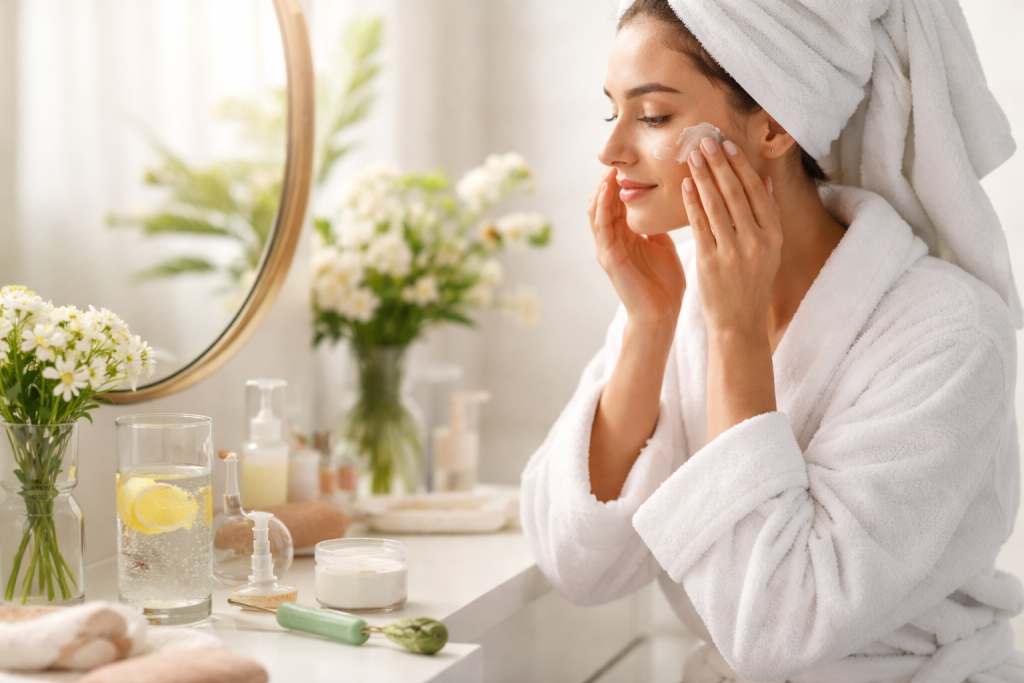
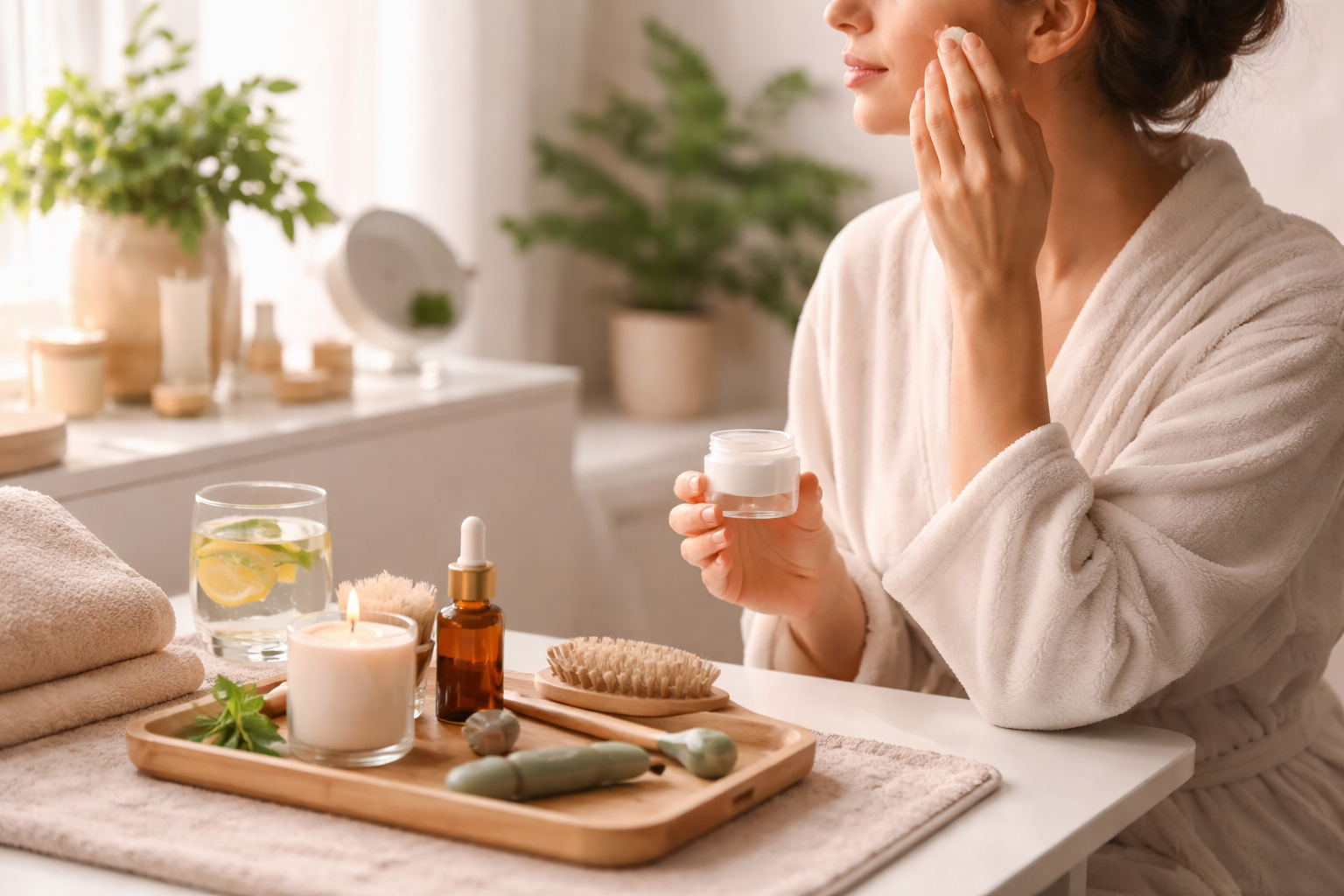
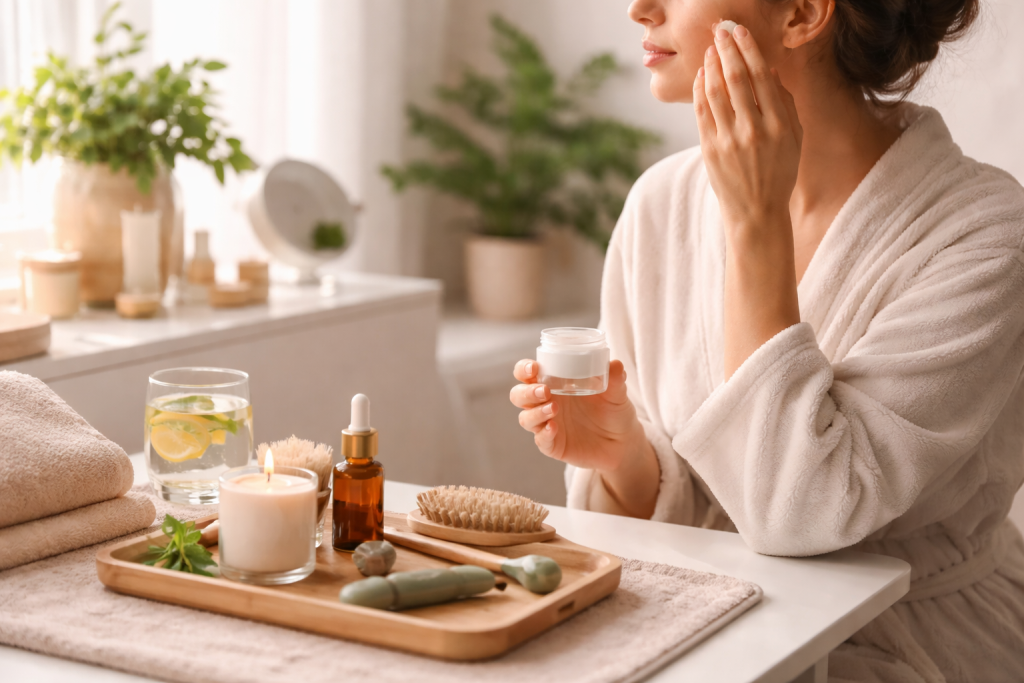
    In the ever-evolving world of beauty, the allure of high-end skincare products can often lead to sticker shock. Promises of radiant skin and eternal youth often come with a hefty price tag, leaving many to wonder if achieving their skincare goals is truly attainable without breaking the bank. The good news is, a glowing complexion doesn’t have to be a luxury reserved for the super-rich. This article will unveil the secrets to “Beauty on a Budget,” demonstrating that effective skincare can be both accessible and affordable.

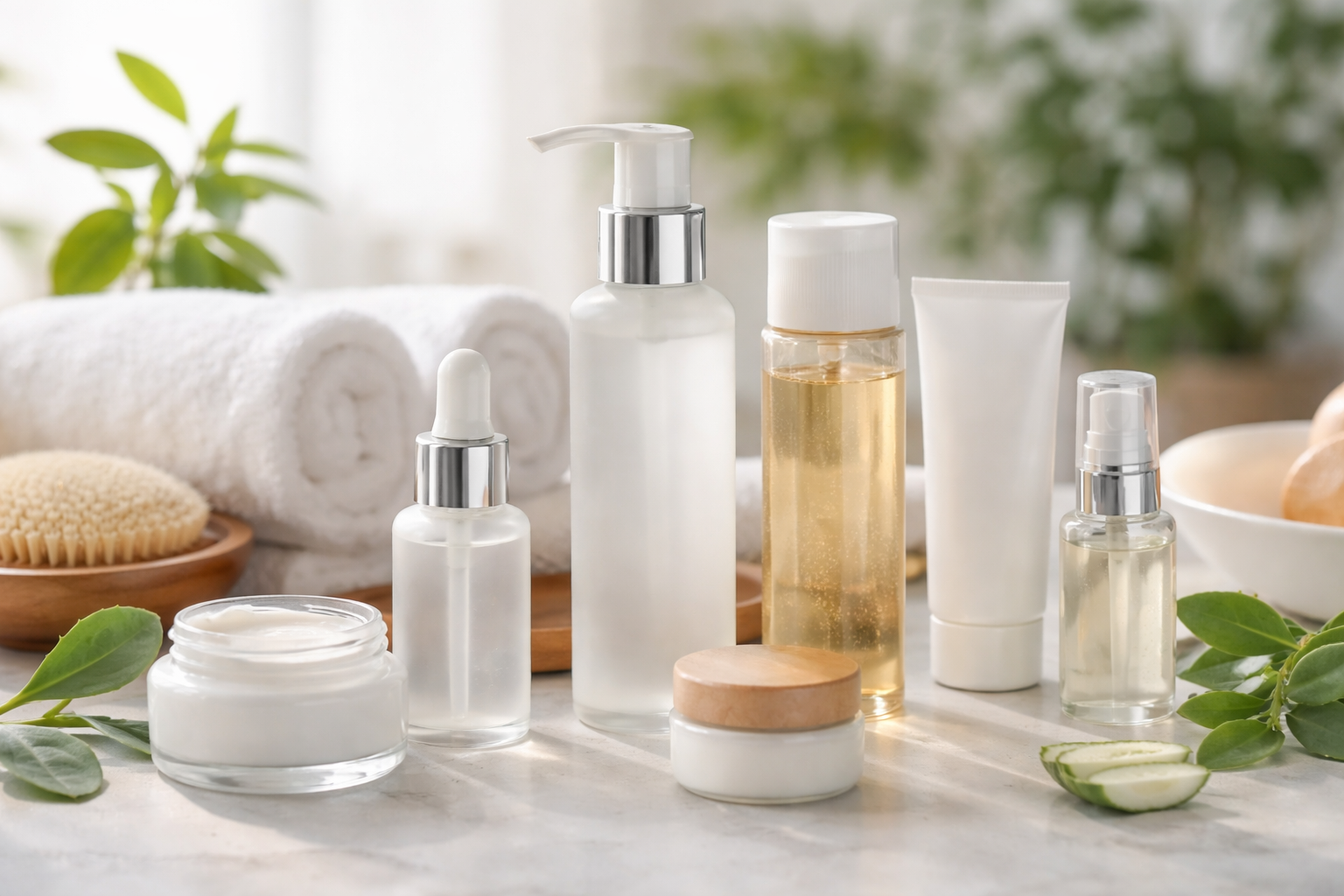
    Skincare Products
    Skincare Products

    The beauty industry is a multi-billion dollar enterprise, and marketing strategies often convince consumers that expensive ingredients and fancy packaging are synonymous with superior results. However, the truth is, many affordable skincare products contain similar active ingredients to their high-end counterparts, often in comparable concentrations. The key lies in understanding what your skin truly needs and identifying those essential ingredients rather than being swayed by brand prestige. Affordable skincare isn’t about compromising on quality; it’s about making smart, informed choices. It’s about recognizing that a simple, well-formulated product can deliver exceptional results without the exorbitant cost associated with extensive marketing campaigns and celebrity endorsements. This approach prioritizes efficacy and value, allowing individuals to build a comprehensive skincare routine that nourishes their skin without depleting their wallets.

    Demystifying “Luxury” Ingredients Versus Effective Formulations

    Many luxury brands trumpet “rare” or “exclusive” ingredients, often derived from exotic locations or requiring complex extraction processes. While some of these ingredients might offer genuine benefits, their inclusion often inflates the price disproportionately to their actual efficacy compared to more common, yet equally potent, alternatives. For instance, hyaluronic acid, a powerhouse hydrator, is found in countless affordable serums and creams, performing just as effectively as in its costlier iterations. Similarly, vitamin C, a brilliant antioxidant and brightener, is widely available across various price points. The real differentiator often lies in the overall formulation – how these ingredients are stabilized, delivered, and combined to work synergistically. A well-formulated, budget-friendly product can often outperform an expensive one that lacks thoughtful ingredient pairing or appropriate concentrations. It’s about looking beyond the hype and focusing on the core science.

    The Power of Research and Ingredient Knowledge

    Empowering yourself with knowledge about key skincare ingredients is paramount to navigating the budget beauty landscape successfully. Understanding what ingredients target specific concerns, such as salicylic acid for acne, niacinamide for pore refinement, or ceramides for barrier repair, allows you to identify effective formulations regardless of their price. Websites like Paula’s Choice Beautypedia or InciDecoder provide invaluable resources for decoding ingredient lists and understanding their functions. By becoming an informed consumer, you can confidently differentiate between essential ingredients and superfluous fillers, making smarter purchasing decisions that prioritize efficacy over expense. This proactive approach to skincare empowers individuals to take control of their routine, ensuring that every product chosen serves a specific purpose and contributes to overall skin health.

    Cleansing is the cornerstone of any effective skincare routine, removing impurities, makeup, and excess oil. While it might seem like a simple step, choosing the right cleanser can significantly impact your skin’s health. Exfoliation, when done correctly, helps shed dead skin cells, revealing a fresher, more radiant complexion. Both steps can be achieved effectively without spending a fortune.

    Gentle Cleansers That Won’t Break the Bank

    The market is flooded with gentle, effective cleansers that cater to various skin types without costing an arm and a leg. For oily or acne-prone skin, look for cleansers containing salicylic acid, which helps to unclog pores. Neutrogena’s Oil-Free Acne Wash is a classic example of an affordable and effective salicylic acid cleanser. For dry or sensitive skin, creamy, hydrating cleansers are ideal. Cetaphil Gentle Skin Cleanser and CeraVe Hydrating Facial Cleanser are consistently recommended by dermatologists for their mildness and ability to cleanse without stripping the skin’s natural moisture barrier. These products prioritize hydration and gentle cleansing, making them suitable for everyday use.

    Affordable Chemical and Physical Exfoliants

    Exfoliation can be achieved through physical scrubs or chemical exfoliants. While physical scrubs can be tempting, opt for fine-grained options to avoid micro-tears on the skin. St. Ives Fresh Skin Apricot Scrub is a classic, though some find it too abrasive; a gentler alternative is the Acure Brightening Facial Scrub. For a more effective and less irritating approach, chemical exfoliants containing AHAs (alpha hydroxy acids like glycolic or lactic acid) or BHAs (beta hydroxy acids like salicylic acid) are excellent. The Ordinary offers a wide range of incredibly affordable chemical exfoliants, such as their Glycolic Acid 7% Toning Solution or Salicylic Acid 2% Solution, providing powerful exfoliation at a fraction of the cost of luxury brands. These options allow for targeted treatment of concerns like dullness, uneven texture, and breakouts, promoting a smoother, more refined complexion.

    Moisturizing is crucial for maintaining skin hydration and strengthening the skin barrier, while serums deliver concentrated active ingredients to address specific concerns. These two categories often see the biggest price jumps in high-end lines, but effective alternatives abound.

    Hydration Heroes: Inexpensive Moisturizers

    A good moisturizer doesn’t need to be fancy; it just needs to effectively hydrate and protect the skin. For everyday maintenance, look for moisturizers with ingredients like hyaluronic acid, ceramides, and glycerin. CeraVe Moisturizing Cream or Lotion, and Vanicream Moisturizing Cream are consistently lauded for their intense hydration, non-comedogenic formulas, and affordability, suitable for all skin types, including sensitive skin. For those seeking extra nourishment, brands like Nivea offer rich creams that have stood the test of time, proving that effective hydration doesn’t require a high price tag. These products provide essential moisture, helping to plump the skin and reduce the appearance of fine lines, all without straining your budget.

    Potent Serums Without the Premium Price Tag

    Serums are where active ingredients shine, targeting issues like hyperpigmentation, fine lines, or lack of radiance. The Ordinary, Inkey List, and Good Molecules are game-changers in the affordable serum market, offering high concentrations of popular ingredients at incredibly accessible prices. For instance, The Ordinary’s Niacinamide 10% + Zinc 1% serum helps with oil production and pore appearance, while their Hyaluronic Acid 2% + B5 serum delivers intense hydration. The Inkey List’s Vitamin C Serum or Retinol Serum offers powerful anti-aging and brightening benefits without the typical luxury price point. These brands have democratized access to scientifically-backed ingredients, making advanced skincare treatments available to a wider audience. They prove that effective targeted treatment can be achieved without the need for exorbitant spending.

    For those who prefer a more natural approach or simply want to supplement their routine with homemade solutions, there are several effective and incredibly budget-friendly options. It’s important to approach DIY skincare with caution, ensuring ingredients are food-grade and patch testing everything before widespread application.

    Kitchen Staples for Skin Wellness

    Many ingredients found in your kitchen can be repurposed for skincare. For instance, honey is a natural humectant and antibacterial agent, making it an excellent ingredient for a hydrating face mask. A simple mixture of oats and water can create a soothing, gentle exfoliant. Plain, unsweetened yogurt, rich in lactic acid, can provide a mild chemical exfoliation and brightening effect. Aloe vera, either directly from the plant or in a pure gel form, is a fantastic soothing and hydrating agent for irritated or sunburnt skin. These natural remedies offer a cost-effective way to address various skin concerns while harnessing the power of nature. Always ensure fresh ingredients and clean application methods to prevent bacterial growth.

    Simple DIY Skincare Recipes

    Creating your own skincare products can be a fun and empowering way to save money and control the ingredients you put on your skin. A basic DIY face mask can be made by combining a tablespoon of plain yogurt with a teaspoon of honey for a hydrating and brightening treat. For a gentle scrub, mix finely ground coffee with a carrier oil like olive oil or coconut oil. A soothing toner can be made by steeping green tea, letting it cool, and then storing it in a spray bottle in the refrigerator. When embarking on DIY endeavors, always use clean containers, sterile equipment, and conduct a patch test on a small area of skin to ensure no adverse reactions. The lifespan of most DIY products is significantly shorter than commercially prepared ones due to the lack of preservatives, so prepare small batches and use them quickly.

    Sunscreen is arguably the most crucial step in any skincare routine, protecting against premature aging, sun damage, and skin cancer. Skipping this step, regardless of your budget, is a disservice to your skin. Fortunately, there are many excellent and affordable options available.

    Protecting Your Skin Without the Premium

    Effective sun protection doesn’t have to be expensive. Many drugstore brands offer broad-spectrum sunscreens with high SPF ratings that provide excellent protection. Look for products labeled “broad-spectrum” to ensure protection against both UVA (aging rays) and UVB (burning rays). Popular and affordable choices include Neutrogena Ultra Sheer Dry-Touch Sunscreen SPF 55, Banana Boat Sport Ultra SPF 50, and Coppertone Defend & Care SPF 50. Many of these formulas are lightweight, non-greasy, and blend seamlessly into the skin, making daily application a breeze. The key is consistent daily use, rain or shine, to truly reap the benefits of sun protection.

    SPF in Makeup and Moisturizers

    For those who prefer a streamlined routine, many affordable makeup foundations, BB creams, and daily moisturizers now include SPF. While these can offer a convenient layer of protection, it’s important to remember that you typically need to apply a generous amount to achieve the stated SPF rating. It’s often best to use a dedicated sunscreen underneath for optimal protection. However, products like CeraVe AM Facial Moisturizing Lotion with SPF 30 or E.l.f. Cosmetics Tinted Moisturizer with SPF 20 can serve as a helpful supplementary layer of sun protection, especially on days with limited sun exposure. These multi-tasking products contribute to overall sun safety while simplifying your morning routine.

    Addressing signs of aging can feel like an unending and expensive quest, but there are powerful, science-backed ingredients available at budget-friendly price points that effectively tackle wrinkles, fine lines, and loss of firmness.

    Retinoids: The Gold Standard, Demystified

    Retinoids (a derivative of Vitamin A) are widely considered the gold standard in anti-aging skincare, proven to stimulate collagen production, reduce fine lines, and improve skin texture. While prescription retinoids like Tretinoin can be expensive, over-the-counter retinol products are incredibly effective and increasingly affordable. The Ordinary Granactive Retinoid 2% Emulsion or Inkey List Retinol Serum offer potent formulations at a fraction of the cost of luxury brands. It’s crucial to start with a lower concentration and gradually increase usage as your skin builds tolerance, as retinoids can cause initial irritation. Consistent long-term use delivers significant improvements in the appearance of aging skin.

    Antioxidants and Peptides on a Budget

    Beyond retinoids, antioxidants and peptides play vital roles in anti-aging. Antioxidants like Vitamin C, Vitamin E, and green tea extract combat free radical damage, which contributes to premature aging. Good Molecules Niacinamide Serum, which also contains antioxidants, is a prime example of an affordable antioxidant powerhouse. Peptides are amino acid chains that signal the skin to produce more collagen or elastin, leading to firmer, smoother skin. The Ordinary “Buffet” + Copper Peptides 1% offers a comprehensive blend of peptides at an accessible price point, targeting multiple signs of aging. These ingredients work synergistically to protect and rejuvenate the skin, offering a robust anti-aging strategy without the premium price tag.

    Building an effective skincare routine on a budget is not only possible but also empowering. The key lies in strategic product selection, understanding your skin’s needs, and prioritizing essential steps. Start with a foundational routine: cleanse, moisturize, and apply sunscreen daily. Once you have these basics covered, you can gradually incorporate targeted treatments like serums or exfoliants based on your specific concerns.

    Always look for products with proven active ingredients rather than falling for marketing hype or exorbitant packaging. Researching ingredient lists and reading unbiased reviews can save you money and disappointment. Don’t be afraid to experiment with drugstore brands; many household names offer formulations that rival their luxury counterparts in efficacy. Remember that consistency is far more important than the price tag of an individual product. A simple, consistent routine with affordable, well-chosen products will yield far better results than an intermittent routine with expensive, high-end items. Finally, patch test new products to avoid irritation and introduce them one at a time to determine their individual effectiveness. Your journey to radiant, healthy skin doesn’t have to be an expensive one; it’s a marathon, not a sprint, and an intelligent approach to budget beauty will serve you well in the long run.

    FAQs

    1. What are some budget-friendly alternatives for expensive skincare products?

    2. What are some natural and DIY options for skincare that are affordable?

    3. What are some affordable alternatives for anti-aging and wrinkle treatments?

    4. How can I build a skincare routine on a budget?

    5. What are some budget-friendly sunscreen and SPF products that are effective?

  • How to Enhance Your Natural Beauty Without Makeup: 5 Expert Tips

    How to Enhance Your Natural Beauty Without Makeup: 5 Expert Tips

    The pursuit of beauty has long been associated with elaborate routines and a seemingly endless array of cosmetic products. However, a growing movement celebrates the power of enhancing one’s inherent attractiveness, focusing on health, self-care, and understanding one’s unique features. This approach shifts the emphasis from covering up to cultivating, from artificial enhancement to authentic radiance. It’s about understanding that true beauty blossoms from within and is nurtured by consistent, mindful practices. This article delves into how to unlock and accentuate your natural allure, proving that a luminous complexion, captivating eyes, and healthy hair are not solely the domain of makeup artists but achievable through dedicated, natural methods.

    Natural Beauty Without Makeup
    Natural Beauty Without Makeup

    Achieving a naturally glowing complexion is the cornerstone of makeup-free beauty. It requires a deep understanding of your skin’s needs and a consistent commitment to a skincare regimen that nourishes and protects. The idea is not to erase imperfections but to foster an environment where healthy skin can thrive, revealing its inherent luminosity. This involves a thoughtful selection of products and a disciplined application, ensuring each step contributes to a dewy, vibrant appearance.

    The Importance of Gentle Cleansing

    The foundation of any effective skincare routine is proper cleansing. Harsh soaps and aggressive scrubbing can strip the skin of its natural oils, leading to dryness, irritation, and an unbalanced complexion. Opt for mild, sulfate-free cleansers that effectively remove impurities without disrupting the skin’s delicate barrier. Cleansing should be a gentle ritual, a moment to purify and prepare your skin for subsequent nourishment. Double cleansing, particularly for those who may wear sunscreen daily, can be beneficial. The first cleanse, often with an oil-based cleanser or micellar water, helps to dissolve makeup, SPF, and sebum. This step step is followed by a water-based cleanser to remove any remaining residue and thoroughly cleanse the skin. The goal is to achieve a clean canvas without stripping the skin of its essential moisture.

    The Power of Hydration: Moisturizers and Serums

    Once cleansed, skin craves hydration. Moisturizers act as a barrier, locking in moisture and preventing water loss, while serums deliver targeted ingredients deeper into the skin. For a natural glow, prioritize humectants like hyaluronic acid and glycerin, which attract moisture from the environment to the skin. Ingredients like ceramides are also vital for strengthening the skin’s natural barrier, which in turn enhances its ability to retain moisture and appear plump and dewy. Choosing a moisturizer appropriate for your skin type—lightweight for oily skin, richer for dry skin—is crucial. Serums can address specific concerns like dullness or uneven texture, offering a concentrated boost of beneficial nutrients. Look for serums containing vitamin C, a potent antioxidant known for its brightening and collagen-boosting properties, or niacinamide, which helps to improve skin texture, reduce redness, and strengthen the skin barrier.

    Exfoliation: The Key to Revealing Fresh Skin

    Regular exfoliation is paramount for shedding dead skin cells that can dull the complexion and prevent beneficial ingredients from penetrating effectively. However, over-exfoliation can lead to sensitivity and damage. Opt for gentle chemical exfoliants like alpha-hydroxy acids (AHAs) or beta-hydroxy acids (BHAs), or natural physical exfoliants like finely ground oatmeal or sugar. AHAs, such as glycolic and lactic acid, are water-soluble and work on the skin’s surface to dissolve the bonds between dead skin cells, revealing brighter, smoother skin. BHAs, like salicylic acid, are oil-soluble and can penetrate pores, making them ideal for congestion and acne-prone skin. The frequency of exfoliation depends on your skin type and sensitivity, but generally, once or twice a week is sufficient for most.

    Sun Protection: The Non-Negotiable Step

    Perhaps the most critical aspect of maintaining healthy, radiant skin is diligent sun protection. UV radiation is a primary aggressor, leading to premature aging, dark spots, and an uneven skin tone. Daily application of a broad-spectrum sunscreen with an SPF of 30 or higher is non-negotiable, regardless of the weather. Sunscreen acts as a shield, preventing the damage that can undermine all your other skincare efforts. Beyond preventing damage, consistent sunscreen use helps to maintain an even complexion and prevents the development of hyperpigmentation, which can detract from natural radiance. Mineral sunscreens containing zinc oxide and titanium dioxide are often preferred for sensitive skin, as they sit on top of the skin, providing a physical barrier against the sun’s rays.

    True natural beauty is not about conforming to a singular ideal but about recognizing and cherishing the distinctive features that make you, you. This involves a fundamental shift in perspective, moving away from perceived flaws and toward an appreciation of individuality. It’s about understanding that diversity in features is what makes the world, and indeed,, human beauty, so rich and fascinating.

    Understanding Your Skin Tone and Undertones

    Identifying your skin’s undertones—whether they are cool, warm, or neutral—is crucial for selecting colors that harmonize with your natural complexion. Cool undertones often have hints of pink or blue, while warm undertones lean towards yellow or golden hues. Neutral undertones exhibit a balance of both. Knowing your undertones can inform your choice of clothing, hair color, and even the natural lip balms or cheek tints that will best enhance your features without looking artificial. This knowledge helps you choose colors that make your skin look more vibrant and alive, rather than washed out or sallow.

    Celebrating Your Natural Hair Texture and Color

    Your hair is a significant part of your natural beauty. Instead of fighting its inherent texture or color, embrace it. For curly hair, this might mean understanding how to enhance its natural bounce and definition with the right products and techniques. For straight hair, it could involve focusing on shine and health. Similarly, if you’re considering going gray, understand the beauty of silver strands and how to care for them to prevent brassiness and maintain their luster. Experimenting with natural hair masks and oils can boost shine and manageability, allowing your hair’s inherent beauty to come through.

    The Power of a Genuine Smile and Expressive Eyes

    Your smile is one of your most powerful beauty assets. A genuine, heartfelt smile can light up your face and convey warmth and confidence. Practicing proper oral hygiene, including regular brushing and flossing, ensures your smile is healthy and inviting. Beyond the smile, people often refer to your eyes as the windows to your soul. They can be enhanced by makeup, but their sparkle can also be brought out by natural methods. Hydrated skin around the eyes, adequate sleep, and gentle massage can reduce puffiness and dark circles, allowing your eyes to shine naturally.

    While the goal is to go makeup-free, there are gentle, natural methods to subtly enhance the features around your eyes and brows, making them stand out more prominently through their inherent definition and vitality. These techniques focus on bringing out the best of what’s already there, rather than creating an illusion.

    Nourishing Eyebrows for Fuller Appearance

    Eyebrows frame the face and can significantly impact your overall look. Instead of plucking them into thin arches, embrace their natural fullness. To encourage growth and improve their appearance, gently brush your brows daily with a clean spoolie. You can also apply castor oil, which is known for its hair-growing properties, to your brows before bed. Ensuring your eyebrows are well-groomed, meaning stray hairs are tidied, can make a significant difference without needing to fill them in. A clear brow gel can help keep them in place, adding a touch of polish to their natural shape.

    The Magic of Subtle Eye Brightening

    Bright, rested eyes are a hallmark of natural beauty. Ensuring you get enough sleep is paramount, as lack of sleep can lead to dark circles and puffiness. To combat these signs naturally, cool compresses using chilled cucumber slices or chilled tea bags (like chamomile or green tea) can be placed over the eyelids for 10-15 minutes. These offer anti-inflammatory and antioxidant benefits. Additionally, keeping your eye area well-moisturized with a gentle eye cream can improve the suppleness of the delicate skin, making your eyes appear more awake and vibrant. Staying hydrated by drinking plenty of water also plays a crucial role in reducing puffiness around the eyes.

    Beautiful hair doesn’t require constant styling or chemical treatments. By focusing on its health and vitality from within and with gentle, natural care, you can achieve a lustrous shine that speaks volumes. Healthy hair is naturally reflective, giving it that enviable glow.

    The Importance of a Balanced Diet for Hair Health

    What you eat directly impacts the health of your hair. A diet rich in proteins, vitamins, and minerals is essential for strong, shiny hair. Include lean meats, fish, eggs, beans, and dairy for protein, which is the building block of hair. Ensure you’re getting enough iron, found in leafy greens and red meat, as iron deficiency can lead to hair loss. Omega-3 fatty acids, abundant in fatty fish, flaxseeds, and walnuts, promote scalp health and hair shine. Vitamins A, C, E, and B vitamins are also crucial, so incorporate various fruits, vegetables, and whole grains into your diet. Biotin, in particular, is well-known for its hair-strengthening properties.

    Natural Hair Treatments for Shine and Strength

    There are numerous natural ingredients that can be used to create conditioning hair masks, boosting shine and strength. Coconut oil, olive oil, and avocado are excellent emollients that deeply moisturize and condition the hair shaft. For a protein boost, consider a mask made with eggs. Yogurt is also a fantastic conditioner, thanks to its lactic acid content, which helps to cleanse the scalp and remove dead skin cells. Applying these masks regularly, perhaps once a week or every other week, can transform dull, dry hair into a silken cascade. Always rinse thoroughly to avoid any residue that could weigh your hair down.

    Gentle Hair Care Practices

    How you treat your hair daily can make a significant difference. Avoid excessive heat styling, which can damage the hair cuticle and lead to dryness and breakage. When washing your hair, use lukewarm water rather than hot, as hot water can strip the natural oils. Pat your hair dry gently with a microfiber towel instead of vigorously rubbing it, which can cause friction and frizz. Use a wide-tooth comb to detangle your hair, starting from the ends and working your way up to reduce breakage. Allowing your hair to air dry as often as possible is one of the simplest yet most effective ways to maintain its health and natural shine.

    True radiance emanates from within, and a healthy lifestyle is the most effective and sustainable way to achieve it. Your skin’s health and appearance directly reflect your body’s overall well-being. Adopting a holistic approach to health will organically amplify your inherent beauty.

    The Power of Hydration from Within

    Water is fundamental to life and plays a crucial role in maintaining healthy, plump skin. Staying adequately hydrated ensures that your skin cells are functioning optimally, helping to flush out toxins and maintain elasticity. Aim to drink at least eight glasses of water daily, and increase your intake during hot weather or periods of physical exertion. Dehydration can lead to dry, dull skin that accentuates fine lines and wrinkles. Herbal teas and water-rich fruits and vegetables can also contribute to your daily fluid intake, providing additional nutrients and antioxidants.

    Fueling Your Body with Nutritious Foods

    A diet rich in antioxidants, vitamins, and minerals is the foundation of glowing skin. Antioxidants combat free radical damage, which contributes to premature aging. Incorporate a wide variety of colorful fruits and vegetables into your meals, such as berries, leafy greens, and citrus fruits. Healthy fats, found in avocados, nuts, seeds, and olive oil, are essential for maintaining the skin’s moisture barrier and reducing inflammation. Limiting processed foods, excessive sugar, and unhealthy fats will significantly improve your skin’s clarity and overall health. Your diet greatly affects your skin; think of it as fueling your skin from within.

    The Role of Sleep and Stress Management

    Adequate sleep is vital for cellular repair and regeneration, including the skin. During sleep, your body works to repair damage, and a lack of sleep can lead to dull skin, dark circles, and increased puffiness. Aim for 7-9 hours of quality sleep per night. Chronic stress can wreak havoc on your skin, triggering breakouts and exacerbating inflammatory conditions. Incorporating stress-management techniques such as meditation, yoga, deep breathing exercises, or spending time in nature can have a profound positive impact on your complexion. Your skin’s health is as dependent on stress management as your mental health.

    The Benefits of Regular Exercise

    Regular physical activity improves circulation, which delivers oxygen and nutrients to your skin cells, promoting a healthy glow. Exercise also helps to reduce stress and can improve sleep quality, both of which contribute to better skin. Sweating during exercise helps to cleanse pores, and it’s important to follow up with a gentle cleanse to remove impurities and prevent breakouts. Even moderate exercise, like a brisk walk, can make a noticeable difference in your skin’s vitality and radiance.

    Beyond a consistent skincare routine, nature offers a plethora of simple, effective remedies that can further enhance your skin’s natural luminescence. These time-tested ingredients work in harmony with your skin, providing gentle yet powerful benefits.

    The Soothing Power of Aloe Vera and Honey

    Aloe vera is renowned for its anti-inflammatory and soothing properties. Applying pure aloe vera gel directly to the skin can help calm redness, hydrate dry patches, and promote healing. It’s particularly beneficial for sunburned skin. Honey, especially raw or manuka honey, is a natural humectant, meaning it attracts and retains moisture, leaving skin soft and dewy. It also possesses antibacterial properties, making it excellent for clarifying the complexion and preventing breakouts. A simple mask of honey and aloe vera can provide a significant boost to your skin’s natural glow.

    Turmeric and Yogurt for Brightening and Exfoliation

    Turmeric, a powerful anti-inflammatory and antioxidant spice, can work wonders for brightening the complexion and reducing hyperpigmentation. When mixed with yogurt, which contains lactic acid for gentle exfoliation, it creates a potent brightening mask. Be mindful that turmeric can temporarily stain the skin, so it’s best used in the evening or applied carefully to avoid staining clothing. A small amount of turmeric mixed with plain yogurt, left on the skin for about 10–15 minutes before rinsing, can reveal a more luminous and even-toned complexion over time.

    Oatmeal and Chamomile for Sensitive Skin Relief

    For those with sensitive or irritated skin, oatmeal and chamomile offer unparalleled soothing benefits. Finely ground oatmeal can be used as a gentle physical exfoliant or incorporated into a calming mask. It helps to alleviate redness and itching. Chamomile, brewed into a strong tea and cooled, can be used as a facial toner or as a compress to calm inflammation and soothe sensitive skin. A warm compress steeped in chamomile tea offers a comforting and redness-reducing treat for the skin.

    Ultimately, the journey to enhancing your natural beauty is intrinsically linked to cultivating self-acceptance and confidence. When you appreciate and celebrate your unique features and nourish your body and skin from within, you radiate an inner glow that no amount of makeup can replicate. This journey is about understanding that beauty is not a matter of perfection but of authentic expression and well-being.

    The Mindset Shift: From Flaws to Features

    The first and most crucial step is a mindset shift. Instead of focusing on perceived imperfections, begin to see your unique traits as your most beautiful features. Your freckles are darling constellations, your birthmarks are nature’s own art, and your natural skin texture tells the story of your life. This conscious effort to reframe your perspective is the most powerful tool in embracing your natural beauty. It requires practice and gentle self-talk, reinforcing positive affirmations about your inherent worth and beauty.

    The Confidence that Comes from Self-Care

    When you invest time and care into your well-being—through healthy eating, exercise, adequate sleep, and a nurturing skincare routine—you naturally feel better about yourself. This increased self-esteem translates directly into a more confident demeanor. The glow of good health is palpable, and it shines through your eyes and your skin. This confidence is the ultimate beauty enhancer, making you feel and look your best, makeup or no makeup.

    Authenticity as the Ultimate Beauty Standard

    In a world often saturated with curated images and unattainable ideals, authenticity stands out. Embracing your natural beauty means showing up as you are, unmasked and unashamed. This genuine expression is deeply attractive and empowering. It frees you from the pressure of conforming to external standards and allows your true self to shine. Your natural beauty, nurtured and celebrated, is your most powerful statement. It is a testament to your health, your self-respect, and your unique place in the world.

    FAQs

    1. What are some expert tips for enhancing natural beauty without makeup?

    Some expert tips for enhancing natural beauty without makeup include maintaining a consistent skincare routine, embracing and enhancing natural features, nourishing hair for a healthy shine, and using natural remedies for a fresh and glowing complexion.

    2. What is a recommended skincare routine for achieving a natural glow?

    A recommended skincare routine for achieving a natural glow includes cleansing, exfoliating, moisturizing, and using sunscreen daily. Additionally, incorporating serums and facemasks can help enhance the skin’s natural radiance.

    3. How can one embrace and enhance their natural features, particularly their eyes and brows?

    To embrace and enhance natural features, particularly the eyes and brows, individuals can focus on grooming and shaping their brows to frame the face, using natural oils to nourish and enhance lashes, and incorporating eye exercises to maintain healthy and bright eyes.

    4. What are some tips for nourishing hair for a healthy shine?

    Tips for nourishing hair for a healthy shine include using natural oils such as coconut oil or argan oil, minimizing heat styling and using heat protectants when necessary, incorporating regular trims to prevent split ends, and using sulfate-free and gentle shampoos and conditioners.

    5. How can one maintain a healthy lifestyle for radiant skin?

    Maintaining a healthy lifestyle for radiant skin involves staying hydrated, eating a balanced diet rich in fruits and vegetables, getting regular exercise, managing stress levels, getting enough sleep, and avoiding habits such as smoking and excessive alcohol consumption.

  • From Wash to Style: A Beginner’s Step-by-Step Hair Care Routine

    From Wash to Style: A Beginner’s Step-by-Step Hair Care Routine

    The journey to healthy, lustrous locks isn’t reserved for those with a team of professional stylists. It’s a path accessible to everyone, starting with a foundational understanding of your hair and how to care for it. This comprehensive guide will walk beginners through each crucial step, transforming a mundane chore into a luxurious ritual from wash to style.

    Hair Care Routine
    Hair Care Routine

    Before you even think about reaching for a bottle of shampoo, taking the time to identify your hair type is paramount. This is about its structure and how it reacts to products and treatments, not just its appearance. Misunderstanding your hair type can lead to frustration and a cabinet full of ineffective products.

    The Foundation of Hair Types: Texture and Porosity

    Hair texture refers to the thickness of your individual strands, not necessarily the amount of hair you have. Fine hair is delicate and prone to oiliness, often lacking volume. Medium hair is the most common, relatively strong, and easy to style. Coarse hair is thick and robust, often requiring more moisture and being more resistant to styling.

    Porosity, on the other hand, describes your hair’s ability to absorb and retain moisture. High porosity means your hair’s cuticles are raised, allowing moisture to enter and exit easily. This often applies to damaged or chemically treated hair, making it prone to dryness and frizz. Low porosity hair has tightly bound cuticles, making it difficult for moisture to penetrate but also excellent at retaining it once absorbed. Medium porosity is the ideal balance. A simple test involves placing a single strand of hair in a glass of water; if it sinks quickly, you likely have high porosity; if it floats at the top, low porosity; and if it floats somewhere in the middle, medium porosity.

    Beyond Texture and Porosity: Scalp Condition and Oil Production

    Your scalp condition plays a significant role in your overall hair health. Is your scalp oily, dry, or normal? An oily scalp often accompanies fine hair, leading to grease and flatness. A dry scalp can result in itchiness, flakes, and a dull appearance. A normal scalp is well-balanced, neither excessively oily nor dry. Understanding your scalp helps in selecting the right cleansers and treatments. Furthermore, consider your hair’s density—whether you have thick or thin hair—as this influences how products should be applied and how much product is needed. Finally, assess if your hair has any specific concerns, such as being color-treated, chemically damaged, or prone to breakage. Each of these unique characteristics will dictate your product choices and routine adjustments.

    Once you’ve deciphered your hair’s unique blueprint, the next crucial step is selecting the appropriate cleansing and conditioning agents. This often feels like navigating a sprawling supermarket aisle, but with your newfound knowledge, you can make informed decisions.

    Decoding Shampoo Labels: Targeted Solutions for Every Need

    Shampoos are designed to cleanse the scalp and hair, removing dirt, oil, and product buildup. For oily scalps, look for clarifying or volumizing shampoos that contain ingredients like tea tree oil or salicylic acid, known for their oil-balancing properties. If your scalp is dry or sensitive, opt for hydrating or sulfate-free formulas that are gentle and won’t strip natural oils. Color-treated hair benefits from color-safe shampoos that prevent fading. Damaged or fine hair may need strengthening or repairing shampoos with proteins like keratin. Always prioritize shampoos that address your primary scalp concern first, as a healthy scalp is the foundation for healthy hair.

    The Art of Conditioning: Replenishing and Protecting

    Conditioners are vital for replenishing moisture, detangling, and smoothing the hair cuticle. Just like shampoos, they should be chosen based on your hair type and concerns. Fine hair can become weighed down by heavy conditioners, so look for lightweight, volumizing formulas that provide adequate moisture without excess product. Coarse or dry hair will thrive with rich, deeply hydrating conditioners containing ingredients like shea butter, argan oil, or coconut oil. Color-treated hair needs conditioners that lock in color and provide extra protection. For high porosity hair, use conditioners designed to seal the cuticle and prevent moisture loss. Conversely, low-porosity hair might benefit from lighter conditioners or occasionally a deep conditioner with heat to help penetrate the cuticle. Remember, conditioner is generally applied from mid-shaft to the ends; avoid the scalp unless specifically formulated for scalp treatment.

    Washing your hair might seem like a straightforward task, but there’s an art to doing it correctly that significantly impacts the health and appearance of your locks. Incorrect technique can lead to product residue, dryness, or even breakage.

    The Pre-Wash Ritual: Detangling and Scalp Stimulation

    Before stepping into the shower, take a few minutes to gently detangle your hair. Using a wide-tooth comb or a brush designed for wet hair, start from the ends and work your way up. This prevents knots from tightening during washing, and reduces breakage. Additionally, a quick scalp massage with your fingertips can help stimulate blood flow, which is beneficial for hair growth, and loosen any buildup.

    The Washing Process: Gentle Cleansing and Thorough Rinsing

    Once in the shower, thoroughly wet your hair with lukewarm water. Using water that’s too hot can strip your hair of its natural oils, leading to dryness. Dispense a small amount of shampoo into your palm—a coin-sized amount is usually sufficient for most hair lengths—and emulsify it slightly with a little water. Apply the shampoo directly to your scalp, focusing on massaging it in with your fingertips, not your nails. This is where most of the oil and buildup resides. Allow the lather to gently rinse down the lengths of your hair; there’s no need to aggressively scrub the ends. Rinse your hair thoroughly until all traces of shampoo are gone. Any leftover residue can weigh hair down and make it appear dull. Repeat the shampooing step if your hair is particularly oily or has a lot of product buildup, but for most people, a single wash is sufficient.

    Conditioning with Care: Application and Rinsing

    After rinsing out the shampoo, gently squeeze excess water from your hair. This allows the conditioner to penetrate more effectively. Apply conditioner to the ends and mid-lengths of your hair, focusing on the driest or most damaged areas. Avoid applying conditioner directly to the scalp unless it’s a specific scalp treatment, as it can weigh down fine hair and contribute to oiliness. Let the conditioner sit on your hair for the recommended duration, typically 1-3 minutes, to allow the ingredients to do their work. For deeper conditioning, some recommend leaving it on longer, but always follow product instructions. Finally, rinse your hair with cool water. This helps to seal the hair cuticles, locking in moisture and leaving your hair smoother and shinier.

    The post-wash phase is often overlooked but is crucial for preventing damage. Aggressive towel drying and improper detangling can lead to breakage and frizz, undoing all the beneficial work of your wash routine.

    The Gentle Art of Towel Drying: Why Microfiber is the Best Choice

    Never rub your hair vigorously with a rough cotton towel. This creates friction, roughing up the hair cuticle and leading to frizz and breakage. Instead, gently squeeze excess water from your hair using a soft, absorbent towel, preferably one made of microfiber. Microfiber towels are designed to absorb more water with less friction, significantly reducing damage. If you don’t have a microfiber towel, an old cotton t-shirt works as a gentle alternative. Blotting and gently squeezing your hair allows it to air dry partially, which is much kinder to the strands.

    Detangling with Patience: The Right Tools and Techniques

    Once your hair is towel-dried to a damp state, it’s time to detangle. Never attempt to detangle soaking wet hair, as it’s most fragile when wet and prone to stretching and breaking. Use a wide-tooth comb or a specialized detangling brush, such as a Tangle Teezer or Wet Brush. Start detangling from the ends of your hair and gradually work your way up towards the roots. This prevents snagging and pulling, which can cause breakage. Hold the section of hair you’re working on to minimize tension on the scalp. For stubborn knots, apply a leave-in conditioner or detangling spray to provide extra slip, making the process smoother and safer. Work through each section patiently until your hair is thoroughly detangled.

    While air drying is often the healthiest option, sometimes heat styling is inevitable for achieving certain looks. The key is to minimize potential damage through proper technique and protective measures.

    The Shield: Heat Protectants are Non-Negotiable

    Before applying any heat to your hair—whether from a blow dryer, straightener, or curling iron—a heat protectant spray is absolutely essential. Think of it as sunscreen for your hair. Heat protectants create a barrier between your hair strands and the heat, reducing damage, preventing moisture loss, and often accelerating drying time. Look for formulas that suit your hair type—lighter sprays for fine hair, richer creams for coarse or dry hair. Apply it evenly throughout your damp hair, ensuring all sections are covered, before reaching for any heat tools.

    Mindful Heat Styling: Temperature Control and Technique

    When blow-drying, use a medium heat setting and keep the dryer moving constantly to avoid concentrating heat on one section for too long. Attach a nozzle to direct the airflow. For best results and reduced frizz, blow-dry your hair downwards, following the direction of the cuticle. When using flat irons or curling irons, opt for the lowest effective temperature. High heat settings are often unnecessary and can cause significant damage. Work in small, manageable sections, and avoid going over the same section multiple times. A single, smooth pass is usually sufficient. Remember, cooler temperatures and quicker passes are always gentler on your hair. After styling, allow your hair to cool completely before brushing or adding more product, as hair is still malleable when warm.

    Beyond the daily routine, integrating targeted treatments like hair masks and specialized products can significantly boost hair health, addressing specific concerns and providing an extra layer of nourishment.

    The Power of the Mask: Deep Conditioning for Every Concern

    Hair masks offer a more intensive conditioning experience than your regular conditioner. They are formulated with higher concentrations of beneficial ingredients to penetrate deeper into the hair shaft, providing intense hydration, repair, or strengthening. For dry or damaged hair, look for masks rich in natural oils, butters, and proteins. Oily scalps might benefit from clay-based masks that help absorb excess oil. Color-treated hair can benefit from masks designed to protect color and add shine. Apply masks to clean, damp hair, usually from mid-lengths to ends, and leave on for the recommended time (typically 5-20 minutes). For an extra boost, some masks can be used with heat (like a warm towel wrap or a hooded dryer) to help the ingredients penetrate deeper. Use a hair mask once or twice a week, depending on your hair’s needs.

    Specialized Treatments: Serums, Oils, and Leave-ins

    Beyond masks, various other treatments can be incorporated. Leave-in conditioners provide continuous hydration and detangling benefits, especially useful for dry or frizzy hair. Hair serums are often lightweight and can target specific issues like frizz, shine, or split ends. They are usually applied to damp or dry hair, focusing on the ends. Hair oils, such as argan oil, jojoba oil, or coconut oil, are excellent for adding shine, taming frizz, and providing an extra layer of moisture, particularly for coarse or very dry hair. They can be used as a pre-shampoo treatment, a few drops on damp hair, or as a finishing product on dry hair. Always start with a small amount of any treatment, as a little often goes a long way, especially for fine hair.

    The ultimate goal of understanding all these steps is to construct a hair care routine that is uniquely yours, one that caters to your hair’s specific needs and your lifestyle.

    Assessing Your Hair’s Response: What Works and What Doesn’t

    A personalized routine isn’t static; it evolves. Pay close attention to how your hair responds to different products and techniques. Does a certain shampoo leave your hair feeling stripped? Does a conditioner weigh it down? Are you experiencing more frizz despite using a specific product? Keep a mental or even physical note of what works well and what doesn’t. Trial and error are part of the process. Don’t be afraid to experiment with different brands or product lines once you understand the ingredient profiles that benefit your hair type.

    Consistency and Adaptability: The Keys to Long-Term Hair Health

    Consistency is crucial. Sticking to a regular wash schedule, incorporating treatments as needed, and always using heat protectant will yield better results over time than sporadic, intensive treatments. However, adaptability is equally important. Your hair’s needs can change due to environmental factors, diet, hormonal shifts, or chemical treatments. During summer months, you might need more UV protection and humidity control. In winter, extra hydration might be key. If you color your hair, your routine will need to shift to color-safe products. Listen to your hair, observe its condition, and be willing to adjust your routine accordingly. Maintaining beautiful, healthy hair from the first wash to the final style requires a well-adjusted, consistent routine.

    FAQs

    1. What are the basic steps of a beginner’s hair care routine?

    A beginner’s hair care routine typically involves washing, conditioning, towel drying, detangling, and styling the hair. Understanding your hair type and choosing the right products are also important steps in a hair care routine.

    2. How do I choose the right shampoo and conditioner for my hair type?

    When choosing shampoo and conditioner, it’s important to consider your hair type (such as oily, dry, curly, straight, etc.) and any specific concerns (such as dandruff, color-treated hair, etc.). Look for products that are formulated to address your specific hair needs.

    3. What is the importance of proper hair washing technique?

    Proper hair washing technique involves thoroughly wetting the hair, applying shampoo to the scalp, massaging the scalp to cleanse it, and rinsing the shampoo out completely. It’s important to avoid using hot water, as it can strip the hair of its natural oils.

    4. What are some tips for towel drying and detangling hair?

    After washing, gently squeeze excess water from the hair using a soft towel, then use a wide-tooth comb to detangle the hair starting from the ends and working your way up. Avoid rubbing the hair vigorously with a towel, as this can cause breakage and damage.

    5. How can I protect my hair when using heat styling tools?

    To protect your hair from heat damage, use a heat protectant spray or serum before using any heat styling tools. Additionally, try to limit the use of heat styling tools, use a lower heat setting when possible, and always keep the tools moving to avoid overheating the hair.

  • The Ultimate Morning Routine for Glowing Skin: 5 Habits to Start Your Day Right

    The Ultimate Morning Routine for Glowing Skin: 5 Habits to Start Your Day Right

    The quest for glowing skin often feels like an elusive dream, something reserved for magazine models and meticulously edited influencers. Yet, the secret to a radiant complexion isn’t found in a magic serum or a fleeting trend, but rather in the consistent cultivation of a thoughtful morning routine. This isn’t just about what you apply to your face; it’s about a holistic approach that intertwines skincare, nutrition, physical activity, and mental well-being to unlock your skin’s natural luminosity.

    The Ultimate Morning Routine for Glowing Skin: 5 Habits to Start Your Day Right
    The Ultimate Morning Routine for Glowing Skin: 5 Habits to Start Your Day Right

    Imagine your skin as a canvas. Throughout the night, it works tirelessly to repair itself, shedding dead cells and rebuilding its protective barrier. By morning, it’s ready to face the day, but it also benefits immensely from a targeted routine that prepares it for environmental aggressors and optimizes its health. A morning skincare routine isn’t just a beauty ritual; it’s an investment in your skin’s long-term vitality and appearance. It sets the stage for a day of protection and nourishment, helping to prevent damage and maintain a youthful glow.

    Why Morning Skincare is Non-Negotiable

    While evening routines focus on repair and regeneration, morning routines are all about protection and preparation. During the day, UV radiation, pollution, free radicals, and other stressors expose your skin, leading to premature aging, dullness, and breakouts. A well-designed morning routine acts as a shield, minimizing these harmful effects and preserving your skin’s health. It also ensures that any active ingredients applied overnight are properly cared for, setting the stage for optimal absorption and efficacy.

    Addressing Overnight Changes

    Even as you sleep soundly, your body is busy with restorative processes. Your skin’s oil glands can be active, leading to a buildup of sebum and dead skin cells on the surface. Furthermore, during the night, your skin loses some moisture through transepidermal water loss. The morning routine addresses these overnight changes, gently cleansing away impurities, rebalancing oil production, and replenishing hydration levels, all crucial steps for a fresh and luminous start.

    Every truly effective morning routine begins with these two fundamental steps. Think of cleansing as clearing the path for subsequent products, allowing them to penetrate and perform optimally. Hydration, on the other hand, is the lifeblood of healthy skin, plumping cells, improving elasticity, and creating that coveted dewy finish.

    The Gentle Cleanse

    Your skin requires a gentle cleanse after a night of repair, not a harsh stripping. Opt for a mild, pH-balanced cleanser that effectively removes any overnight accumulation of oil, sweat, and dead skin cells without disrupting your skin’s natural barrier. Harsh cleansers can strip away essential lipids, leading to dryness, irritation, and even increased oil production as your skin tries to compensate. Look for ingredients like ceramides, hyaluronic acid, or glycerin in your cleanser for an extra boost of hydration. A gentle massage during cleansing also stimulates blood flow, contributing to a healthy flush.

    The Art of Layered Hydration

    Once your skin is clean and prepped, it’s time to infuse it with moisture. This isn’t a one-and-done step; layered hydration is key. Start with a hydrating toner or essence, which helps to balance the skin’s pH and prime it for better absorption of subsequent products. Next, apply a serum packed with active ingredients tailored to your skin concerns, such as hyaluronic acid for intense hydration, vitamin C for brightening and antioxidant protection, or niacinamide for barrier support and oil regulation. Finally, seal everything in with a moisturizer appropriate for your skin type. A lightweight, gel-based moisturizer might be perfect for oily skin, while a richer cream would benefit dry or mature skin.

    What you eat is as important as what you put on your skin. A nutritious breakfast isn’t just about fueling your energy levels for the day; it’s a vital component of long-term skin health. Think of it as feeding your skin from the inside out, providing the essential building blocks for repair, regeneration, and protection.

    Fueling Your Skin with Antioxidants

    Fruits, vegetables, and whole grains are powerhouses of antioxidants—compounds that combat free radical damage, a major contributor to premature aging and dull skin. Berries, dark leafy greens, and colorful vegetables like bell peppers and sweet potatoes are particularly rich in vitamins A, C, and E, all crucial for collagen production and skin cell turnover. Starting your day with a smoothie packed with these ingredients, or a bowl of oatmeal topped with fresh fruit, offers a significant antioxidant boost.

    Essential Fatty Acids for Supple Skin

    Omega-3 and omega-6 fatty acids are necessary to maintain the skin’s lipid barrier, which keeps moisture in and irritants out. A strong barrier translates to supple, hydrated, and protected skin. Incorporate foods like chia seeds, flax seeds, walnuts, and fatty fish (if you include it in your diet) into your breakfast for a healthy dose of these essential fats. These also help to reduce inflammation, which can manifest as redness and breakouts.

    Protein for Repair and Structure

    Protein is the fundamental building block of collagen and elastin, the proteins responsible for skin firmness and elasticity. A breakfast rich in lean protein, such as eggs, Greek yogurt, or plant-based protein powders, provides your body with the amino acids it needs to repair and rebuild skin cells. The result contributes to a smoother, more resilient complexion over time.

    While it may seem counterintuitive to exercise in the morning for glowing skin, it is an incredibly effective and often overlooked component. Beyond the obvious benefits for your physical and mental health, a morning workout directly contributes to a more vibrant and clear complexion.

    Boosting Circulation for a Healthy Glow

    Exercise increases blood flow throughout your body, including to your skin. This enhanced circulation delivers vital oxygen and nutrients to skin cells, promoting their health and vitality. The result? This results in a natural, healthy flush and an enhanced ability for your skin to repair itself. Regular blood flow also helps to carry away waste products from cells, contributing to clearer skin. Even a brisk walk or a short yoga session can kickstart this beneficial process.

    Stress Reduction and Hormone Balance

    High levels of stress can wreak havoc on your skin, leading to breakouts, inflammation, and dullness. Morning exercise is an excellent stress reliever, helping to lower cortisol levels and promote a sense of calm. Furthermore, regular physical activity can help regulate hormone levels, which can be a key factor in managing conditions like acne. By reducing stress and balancing hormones, exercise indirectly contributes to a balanced and clear complexion.

    Detoxing Through Sweat

    While your kidneys and liver are your primary detox organs, sweating during exercise also plays a small role in expelling toxins from the body. This can indirectly contribute to clearer pores and a reduction in congestion for some individuals. However, it’s crucial to cleanse your skin immediately after exercising to remove sweat and impurities, preventing them from sitting on the skin and potentially clogging pores.

    This process is perhaps the most critical, non-negotiable step in any effective morning skincare routine aimed at achieving and maintaining glowing, healthy skin. Sunscreen is your ultimate defense against the most significant external aggressor your skin faces daily: ultraviolet (UV) radiation. Skipping sunscreen is like building a beautiful house and forgetting to put on a roof—all your other efforts will be compromised.

    The Spectrum of Sun Damage

    UV rays, both UVA and UVB, are responsible for a multitude of skin concerns. UVB rays primarily cause sunburn and are a major contributor to skin cancer. UVA rays, on the other hand, penetrate deeper into the skin and are the primary cause of premature aging, including fine lines, wrinkles, sunspots, and loss of elasticity. Both types of UV radiation can also exacerbate existing skin conditions and contribute to hyperpigmentation. Consistent, daily use of sunscreen significantly reduces your risk of these damaging effects.

    Beyond Protection: Preserving Your Glow

    By shielding your skin from UV damage, sunscreen prevents new issues from forming and helps to preserve the results of all your other skincare efforts. Your breakfast’s antioxidants, your serums’ hydration, and your exercise’s collagen boost are all more effective when shielded from the sun. Think of sunscreen as the final, protective layer that locks in all the goodness and ensures your skin can thrive. Look for a broad-spectrum sunscreen with an SPF of 30 or higher, and reapply throughout the day, especially if you’re spending extended time outdoors.

    The connection between the mind and body is undeniable, and your skin is often a visible barometer of your internal state. While physical practices and topical treatments are essential, incorporating mindfulness and meditation into your morning routine offers a unique pathway to a serene complexion. Reduced stress, improved sleep, and a deeper sense of well-being all translate into healthier, more radiant skin.

    The Stress-Skin Connection

    When you experience stress, your body releases cortisol and other stress hormones. Chronically elevated cortisol levels can trigger inflammation, leading to breakouts, rosacea flare-ups, and dullness. Stress also impairs the skin’s barrier function, making it more vulnerable to environmental damage and moisture loss. Mindfulness practices, even just five to ten minutes in the morning, can significantly reduce these stress responses.

    Cultivating Inner Calm for Outer Radiance

    Meditation and mindfulness aren’t about stopping your thoughts but rather observing them without judgment. This practice cultivates a sense of inner calm, which in turn can regulate hormonal balance and reduce inflammatory responses throughout the body, including in the skin. Starting your day with a calm demeanor prepares your body to better handle daily stressors, preventing them from manifesting on your skin. Techniques like deep breathing, body scans, or guided meditation can be easily integrated into your morning. This gentle pause also helps you connect with your body and notice its needs, fostering a more holistic approach to self-care.

    Improved Sleep Quality

    While often practiced in the evening, establishing a morning mindfulness habit can also positively impact your sleep quality the following night. By reducing overall stress and fostering a more relaxed state of mind, you create a better environment for restorative sleep. And we all know the power of “beauty sleep”—during deep sleep, your skin’s repair mechanisms are most active, leading to improved cell turnover and a refreshed complexion. So, a peaceful morning can pave the way for a more regenerative night, contributing significantly to your overall skin health.

    The true magic of any routine lies in its consistency. A sporadic effort, no matter how intense, won’t yield the same results as daily dedication. Building a morning routine that sticks requires intentionality, patience, and a willingness to adapt.

    Start Small and Build Gradually

    Don’t try to overhaul your entire morning in one go. Choose one or two new habits to incorporate first—maybe just adding sunscreen or spending five minutes meditating. Once those feel natural, gradually introduce more steps. This approach prevents overwhelm and makes the routine feel sustainable rather than a daunting chore. Celebrate small victories along the way to reinforce positive habits.

    Make it Enjoyable and Personalized

    Your morning routine shouldn’t feel like a burden. Infuse it with elements you genuinely enjoy. Those elements could be listening to your favorite podcast during your workout, savoring a delicious breakfast, or using skincare products with delightful textures and scents. Personalize your routine to fit your skin type, lifestyle, and preferences. What works for one person may not work for another, so be open to experimenting and adjusting.

    Prepare the Night Before

    A smooth morning often starts the evening prior. Lay out your workout clothes, prepare ingredients for your breakfast, or even set out your skincare products. Minimizing decision-making and effort in the morning can make it much easier to stick to your routine, especially on those days when you’re feeling less motivated. This preemptive organization removes potential hurdles and streamlines your start to the day.

    Be Patient and Forgiving

    Results rarely happen overnight. Skin transformation takes time, consistency, and patience. There will be days when you miss a step, or your motivation wanes. Don’t beat yourself up about it. Acknowledge it, and then simply get back on track the next day. Consistency over perfection is the goal. Remember that this routine is a journey toward healthier, more radiant skin and a more vibrant you.

    FAQs

    1. Why is a morning skincare routine important for glowing skin?

    A morning skincare routine is important for glowing skin because it helps to cleanse and hydrate the skin, protect it from environmental damage, and promote overall skin health. By establishing a consistent morning routine, you can set the foundation for healthy, radiant skin throughout the day.

    2. What are the key habits to incorporate into a morning skincare routine for glowing skin?

    The key habits to incorporate into a morning skincare routine for glowing skin include cleansing and hydrating the skin, eating a healthy breakfast, incorporating exercise, practicing mindfulness and meditation, and applying sunscreen for protection against UV rays.

    3. How does a healthy breakfast contribute to radiant skin?

    A healthy breakfast contributes to radiant skin by providing essential nutrients, antioxidants, and hydration to the body. Foods rich in vitamins, minerals, and healthy fats can support skin health and contribute to a glowing complexion.

    4. Why is sunscreen important in a morning skincare routine?

    Sunscreen is important in a morning skincare routine because it helps to protect the skin from harmful UV rays, which can lead to premature aging, sun damage, and an increased risk of skin cancer. Applying sunscreen daily is crucial for maintaining healthy, radiant skin.

    5. What are some tips for creating a consistent morning routine for beautiful skin?

    Some tips for creating a consistent morning routine for beautiful skin include setting a specific time to wake up, planning out your skincare and breakfast routine the night before, incorporating exercise and mindfulness practices, and gradually introducing new habits to establish a sustainable routine. Consistency is key for achieving and maintaining glowing skin.

  • Self-Care Hacks: How to Prioritize Your Well-Being in a Hectic Schedule

    Self-Care Hacks: How to Prioritize Your Well-Being in a Hectic Schedule

    In our increasingly interconnected and demanding world, the notion of “busy” has become a badge of honor, a default state rather than an exception. From juggling demanding careers and family responsibilities to navigating an endless stream of digital notifications, many of us find ourselves perpetually on the go. While productivity is often lauded, a crucial element frequently falls by the wayside: self-care. It’s not a luxury; it’s a fundamental necessity for maintaining physical, mental, and emotional well-being. Ignoring it leads to burnout, diminished productivity, increased stress, and a general decline in quality of life. The good news is, even with a jam-packed schedule, prioritizing your well-being is not only possible but essential for sustained success and happiness.

    Self-Care Hacks: How to Prioritize Your Well-Being in a Hectic Schedule
    Self-Care Hacks: How to Prioritize Your Well-Being in a Hectic Schedule

    The Indispensable Role of Self-Care in a Relentless Routine

    Many people mistakenly view self-care as an indulgence, something to be squeezed in only when all other tasks are complete. This perspective is fundamentally flawed. Think of self-care not as a reward but as preventative maintenance for your most valuable asset: yourself. Without it, your ability to perform at your best—personally and professionally—will inevitably suffer. It’s about recharging your internal batteries so you can face challenges with resilience and creativity, rather than exhaustion and irritability.

    Why Neglecting Self-Care Costs You More

    When self-care is consistently overlooked, the consequences are multifaceted. Chronic stress begins to erode physical health, manifesting as sleep disturbances, digestive issues, and a weakened immune system. Mentally, the ability to focus diminishes, decision-making becomes impaired, and feelings of overwhelm and anxiety become commonplace. Emotionally, it can lead to irritability, cynicism, and a lack of joy in activities that once brought pleasure. Investing in self-care saves you from these debilitating outcomes by fostering a sense of control and empowerment over your own well-being.

    Quick and Easy Self-Care Interventions for the Time-Strapped

    The biggest hurdle for many is the perceived lack of time. However, self-care doesn’t always require hours of dedicated spa visits or lengthy retreats. It can be woven into the fabric of your day in small, impactful ways. The key is to identify what truly replenishes you and then find creative ways to integrate those elements into your existing routine. Even five or ten minutes can make a significant difference in shifting your perspective and calming your nervous system.

    Micro-Moments of Mindfulness and Movement

    One effective strategy involves embracing micro-moments. This could be taking three deep breaths before replying to a challenging email, stretching for two minutes at your desk every hour, or stepping outside for a brief walk around the block during a lunch break. These small acts break the cycle of continuous output and provide valuable mental and physical resets. They are not elaborate, but their cumulative effect is profound, offering a sense of calm and clarity that can impact your entire day.

    Sensory Nudges for Instant Rejuvenation

    Engaging your senses can provide immediate self-care benefits. This might involve brewing your favorite herbal tea and savoring each sip, listening to a beloved song for a few minutes, or lighting a scented candle while you unwind in the evening. Even a few drops of essential oil on your pulse points can offer a comforting and grounding aroma. These small sensory inputs help to pull you out of your head and into the present moment, offering a quick escape from daily pressures.

    Crafting a Sustainable Self-Care Framework Around Your Schedule

    Creating a successful self-care routine isn’t about adding another burdensome item to your to-do list; it’s about strategically incorporating practices that support your overall health and happiness. The secret lies in understanding your own rhythms and identifying consistent opportunities for self-care, no matter how brief. Flexibility is paramount here; some weeks might allow for more dedicated time, while others demand a more streamlined approach.

    Identifying Your Non-Negotiables and Flexible Slots

    Start by identifying your “non-negotiables” – those self-care activities you absolutely cannot do without to feel balanced. For one person, this might be 30 minutes of exercise; for another, an hour of quiet reading before bed. Once these are identified, look for flexible slots in your schedule. Can you wake up 15 minutes earlier for meditation? Can you use your commute for an audiobook or podcast focused on personal growth? Can you block out a specific evening each week for a relaxing activity? These intentional placements ensure self-care isn’t left to chance.

    Batching and Habit Stacking for Efficiency

    For busy individuals, efficiency is key. Consider “batching” self-care activities, such as preparing healthy meals for the week on a Sunday or dedicating one evening to face masks and a warm bath. Another powerful technique is “habit stacking,” which involves pairing a desired self-care activity with an existing habit. For instance, if you always make coffee in the morning, use that time to also practice gratitude or set intentions for the day. This leverages established routines to build new, beneficial ones without requiring extra willpower.

    Navigating Stress and Anxiety with Intentional Self-Care

    Stress and anxiety are almost inevitable companions in a fast-paced world. While self-care can’t eliminate all external pressures, it provides crucial coping mechanisms and builds resilience, allowing you to manage these emotions more effectively rather than being overwhelmed by them. Proactive self-care acts as a buffer against the detrimental effects of chronic stress, helping to maintain mental and emotional equilibrium.

    Proactive Strategies for Mental Fortitude

    One of the most effective strategies for managing stress and anxiety is a proactive approach to mental well-being. This includes regular mindfulness meditation or deep breathing exercises, which train your mind to observe thoughts without judgment and to return to a state of calm. Even short bursts of these practices, when integrated daily, can significantly reduce reactivity to stressors. Furthermore, setting realistic boundaries both at work and in personal life prevents overcommitment and the resulting feelings of being perpetually overwhelmed. Learning to say “no” is a powerful act of self-care.

    Emotional Release and Processing Techniques

    Self-care for stress and anxiety also involves healthy emotional processing. Journaling, for example, provides a safe space to vent frustrations, explore feelings, and gain perspective. Engaging in creative outlets like painting, playing music, or even simply doodling can also be incredibly therapeutic, offering a non-verbal channel for emotional release. Connecting with trusted friends or family members to share your burdens, without the need for immediate solutions, also fulfills a vital human need for social support and validation.

    Prioritizing Mental and Emotional Well-Being Amidst the Hustle

    In the relentless pursuit of achievement, mental and emotional well-being are often sacrificed. Yet, these are the very foundations upon which sustained productivity, creativity, and genuinely fulfilling lives are built. Neglecting them leads to a shallow and ultimately unsustainable existence. Prioritizing these aspects means recognizing their intrinsic value and actively safeguarding them against the demands of the external world.

    Cultivating Emotional Intelligence and Self-Compassion

    Developing emotional intelligence – the ability to understand and manage one’s own emotions and recognize those of others – is a critical self-care practice. This involves checking in with yourself regularly, acknowledging your feelings without labeling them as good or bad, and understanding their root causes. Alongside this, practicing self-compassion is vital. Treat yourself with the same kindness and understanding you would offer a dear friend. Recognize that everyone makes mistakes and experiences setbacks, and that perfection is an illusion. This internal dialogue greatly influences your mental resilience.

    Engaging in Restorative Digital Detoxes

    In a hyper-connected world, one of the most critical acts of self-care for mental and emotional well-being is the intentional disconnection from digital devices. Constant exposure to screens, social media comparison, and an endless stream of news can contribute significantly to anxiety and mental fatigue. Regularly scheduled digital detoxes, whether an hour before bed, a full day on the weekend, or even just turning off notifications for focused work, allows your mind to rest, process, and engage with the real world around you, fostering a greater sense of peace and presence.

    Finding the right self-care strategies is a highly personal journey, an ongoing process of experimentation and self-discovery. What recharges one person might exhaust another. The essential takeaway is that self-care is not a sign of weakness or selfishness, but rather a powerful act of self-preservation and a prerequisite for living a truly vibrant and impactful life, even when your schedule feels relentlessly hectic. It’s about remembering that you cannot pour from an empty cup, and that by taking care of yourself, you are ultimately better equipped to take care of everything else that matters.

    FAQs

    1. What is self-care and why is it important in a busy lifestyle?

    Self-care refers to the practice of taking care of one’s own physical, mental, and emotional well-being. It is important in a busy lifestyle because it helps individuals manage stress, prevent burnout, and maintain overall health and wellness.

    2. How can busy individuals incorporate self-care into their daily routine?

    Busy individuals can incorporate self-care into their daily routine by setting aside dedicated time for self-care activities, such as exercise, meditation, or hobbies. They can also practice mindfulness and prioritize activities that bring them joy and relaxation.

    3. What are some quick and easy self-care tips for managing stress and anxiety?

    Quick and easy self-care tips for managing stress and anxiety include deep breathing exercises, taking short breaks to stretch or go for a walk, practicing gratitude, and engaging in activities that promote relaxation, such as listening to music or taking a warm bath.

    4. How can individuals create a self-care routine that fits their busy schedule?

    Individuals can create a self-care routine that fits their busy schedule by identifying small pockets of time throughout the day for self-care activities, prioritizing self-care as a non-negotiable part of their routine, and being flexible and adaptable with their self-care practices.

    5. What are some self-care strategies specifically tailored for busy professionals?

    Self-care strategies tailored for busy professionals include setting boundaries with work, practicing time management and prioritization, seeking support from colleagues or mentors, and incorporating self-care activities into their workday, such as taking regular breaks and practicing mindfulness.

  • Unlocking Your Natural Beauty: The Power of a Healthy Lifestyle

    Unlocking Your Natural Beauty: The Power of a Healthy Lifestyle

    The human desire to feel and appear beautiful is ancient and universal. For centuries, we’ve sought potions, treatments, and routines to enhance our appearance. However, in our pursuit of external perfection, we often overlook the profound and foundational power of our own bodies and minds. True, enduring beauty isn’t about masking imperfections or chasing fleeting trends; it’s about cultivating a vibrant inner state that radiates outwards, a glow that is inherently yours. This profound connection between a healthy lifestyle and natural beauty is not a myth; it’s a scientific reality woven into the very fabric of our being. By embracing a holistic approach, one that nourishes from within and supports our physical and mental well-being, we can unlock a radiance that no superficial treatment can replicate. This journey is about understanding the intricate links between what we consume, how we move, how we manage our emotions, and the visible manifestation of our health—our natural beauty.

    Unlocking Your Natural Beauty: The Power of a Healthy Lifestyle
    Unlocking Your Natural Beauty: The Power of a Healthy Lifestyle

    The Link Between a Healthy Lifestyle and Natural Beauty

    The concept of natural beauty is often misunderstood as a genetic lottery, a predetermined set of features that either grace us or they don’t. While genetics play a role, they are merely the blueprint. It is our lifestyle choices that build upon that foundation, shaping the vibrant expression of that blueprint. A healthy lifestyle acts as the ultimate beautician, working diligently to optimize every aspect of our physical being. When we prioritize our health, we are essentially investing in our inherent attractiveness. This isn’t about superficial fixes; it’s about fostering an environment within our bodies where cells can function optimally, where inflammation is kept at bay, and where vital nutrients are readily available to support cellular regeneration and repair. The result is skin that looks clearer and more even-toned, hair that is lustrous and strong, resilient nails, and an overall sense of vitality that translates into a captivating aura. The subtle nuances of healthy skin—its plumpness, its elasticity, its natural luminosity—are direct reflections of internal well-being. Similarly, the shine and strength of our hair and the integrity of our nails are indicators of the body’s internal resources. Unlocking our genuine, innate beauty thus begins with realizing this essential connection.

    The Foundation of Inner Well-being

    At its core, the link between a healthy lifestyle and natural beauty is about fostering optimal cellular function. Our bodies are intricate networks of cells, each playing a crucial role in maintaining our health and appearance. When we provide these cells with the right environment—through proper nutrition, adequate hydration, and consistent movement—they can perform their duties with peak efficiency. This task includes processes like collagen production, which maintains skin elasticity, and keratin synthesis, which strengthens hair and nails. Conversely, a lifestyle marked by poor nutrition, chronic stress, and lack of sleep creates an environment of cellular distress, leading to inflammation, impaired repair mechanisms, and ultimately, a duller, less vibrant appearance.

    Beyond Superficial Treatments

    The allure of cosmetic products and procedures, each promising to address specific aesthetic concerns, can easily captivate us. However, these external interventions often fail to address the root cause of many beauty issues. Internal imbalances can exacerbate wrinkles, dull skin, brittle hair, and acne. Conversely, a healthy lifestyle addresses these issues directly, fostering a long-lasting and authentic enhancement in our physical appearance. It’s about building resilience and vitality from the inside out, creating a beauty that is not just skin-deep but intrinsically healthy.

    Nourishing Your Skin from the Inside Out

    Our skin, the largest organ in our body, is a mirror reflecting our internal health. While topical creams and serums can offer support, the true foundation of radiant, healthy skin lies in what we feed our bodies. Micronutrients, macronutrients, and hydration all play pivotal roles in maintaining skin’s structure, function, and appearance. Neglecting this internal nourishment is like expecting a plant to thrive without water and sunlight; it will inevitably suffer.

    The Powerhouse of Nutrients for Skin Health

    Our skin’s complex matrix, which includes collagen, elastin, and hyaluronic acid, necessitates a consistent flow of specific nutrients for its production and upkeep. Certain vitamins, minerals, and antioxidants act as building blocks and protective agents, shielding our skin from environmental damage and promoting cellular repair.

    Vitamin C: The Collagen Catalyst

    Vitamin C is a potent antioxidant and an indispensable component in the synthesis of collagen, the protein responsible for skin’s structure and firmness. A deficiency in vitamin C can lead to weakened collagen, resulting in sagging skin and an increased susceptibility to bruising. Its antioxidant properties also help neutralize free radicals, which contribute to premature aging and cellular damage.

    Vitamin E: The Sun Protector

    Often paired with Vitamin C, Vitamin E is another powerful fat-soluble antioxidant that helps protect skin cells from oxidative stress, particularly from UV radiation. It can aid in moisturizing the skin and may contribute to a reduced appearance of fine lines and wrinkles.

    Zinc: The Repairman and Acneman

    Zinc is a vital mineral involved in wound healing, cell growth, and immune function. It plays a role in regulating oil production and can be beneficial in managing acne by reducing inflammation and fighting bacteria.

    Omega-3 Fatty Acids: The Skin Smoother

    Found in fatty fish, flaxseeds, and walnuts, omega-3 fatty acids are anti-inflammatory powerhouses. They help maintain the skin’s natural oil barrier, keeping it hydrated and smooth. Their anti-inflammatory properties can also soothe conditions like eczema and psoriasis.

    Hydration: The Unsung Hero

    Skin and water are fundamental to life, and for our skin, it’s the ultimate hydrator. Adequate water intake keeps skin cells plump and supple, contributing to a dewy, glowing complexion. Dehydration can lead to flaky, dry skin and accentuate fine lines and wrinkles.

    The Role of Exercise in Enhancing Your Natural Beauty

    The benefits of physical activity extend far beyond cardiovascular health and weight management. Exercise is a powerful beautifier, revitalizing our bodies and minds in ways that directly translate to a more radiant appearance. When we move, we stimulate circulation, deliver vital nutrients to our skin cells, and promote the elimination of toxins, all contributing to a healthier, more vibrant glow.

    Boosting Circulation for a Healthy Glow

    Exercise increases blood flow throughout the body, including to the skin. Enhanced circulation means a more efficient delivery of oxygen and nutrients to skin cells, while simultaneously facilitating the removal of waste products. This increased blood flow imparts a natural, healthy flush to the cheeks, making the skin appear more luminous and alive. It also aids in the repair and regeneration of skin cells, contributing to a smoother, more even complexion.

    The Detoxifying Power of Sweat

    Sweating, often considered an inconvenience, is actually a vital bodily function for detoxification. As we exercise and our body temperature rises, our pores open, releasing impurities and toxins accumulated under the skin. This natural cleansing process can help clear pores, reduce the likelihood of breakouts, and leave the skin feeling refreshed and purified.

    Stress Reduction and its Aesthetic Impact

    Exercise is a well-documented stress reliever. By releasing endorphins, the body’s natural mood boosters, physical activity can help mitigate the negative effects of chronic stress on our appearance. Reduced stress leads to a calmer complexion and can alleviate stress-induced skin issues like acne breakouts and premature aging.

    The Impact of Nutrition on Your Skin, Hair, and Nails

    Our diet serves as the primary source of the building blocks and protective agents our bodies need to function optimally. This is particularly true for the components that make up our skin, hair, and nails, which are constantly undergoing cycles of growth and renewal. A nutrient-deficient diet can manifest visibly, leading to dull skin, brittle hair, and weak nails. Conversely, a balanced and nutrient-rich diet can dramatically enhance their health and appearance.

    Skin Deep Nourishment

    Beyond the specific nutrients already discussed, a diet rich in antioxidants from fruits and vegetables is crucial for protecting skin from environmental damage, such as pollution and UV radiation. Foods high in fiber promote healthy digestion, which is indirectly linked to clearer skin by aiding in the elimination of waste products. Avoiding processed foods, excessive sugar, and unhealthy fats can significantly reduce inflammation, a common culprit behind acne, redness, and premature aging.

    The Foundation for Luscious Locks

    Hair is primarily composed of a protein called keratin. Therefore, adequate protein intake is fundamental for strong, healthy hair growth. Iron deficiency is a common cause of hair loss, so ensuring sufficient iron from sources like lean meats, leafy greens, and legumes is important. B vitamins, particularly biotin, are widely recognized for their role in hair health, promoting growth and preventing breakage.

    Strong and Resilient Nails

    Similar to hair, nails are also made of keratin. A diet rich in protein, vitamins, and minerals supports the production of strong, healthy nails that are less prone to splitting, peeling, or breaking. Biotin, as mentioned for hair, is also crucial for nail strength and growth. Iron and zinc play vital roles in nail health as well, contributing to their resilience and preventing issues like brittle nails.

    Stress Management and Its Effect on Your Appearance

    In our fast-paced modern world, stress has become an almost unavoidable companion. While acute stress can be a survival mechanism, chronic stress wreaks havoc not only on our mental and physical health but also profoundly impacts our appearance. The body’s response to prolonged stress can manifest in a variety of ways, often detracting from our natural beauty. Understanding and actively managing stress is therefore not just a wellness practice but an essential beauty regimen.

    The Cortisol Connection and Skin Issues

    When we experience stress, our bodies release cortisol, a stress hormone. While necessary in short bursts, chronically elevated cortisol levels can lead to a cascade of negative effects. It can disrupt the skin’s natural barrier function, making it more susceptible to environmental irritants and dehydration. These modifications can lead to increased dryness, redness, and exacerbation of inflammatory skin conditions like eczema and acne. Cortisol can also increase oil production, contributing to breakouts, and interfere with collagen production, accelerating the formation of fine lines and wrinkles.

    Hair Loss and Stress

    The mental strain of stress can also affect our hair. Telogen effluvium, a common type of stress-related hair loss, occurs when significant psychological or physiological stress pushes a large number of hair follicles into a resting phase. This results in increased shedding, often noticed a few months after the stressful event. Chronic stress can also contribute to premature graying of hair.

    The Impact on Overall Vitality

    Beyond specific physical manifestations, chronic stress can simply drain us of our vitality. It can lead to fatigue, a lack of motivation, and a general feeling of being rundown, all of which can dull our presence and diminish our natural radiance. A person who is constantly stressed often appears tired, their skin can look sallow, and their eyes may lack their usual sparkle.

    The Importance of Quality Sleep for Radiant Skin

    Sleep is not a luxury; it is a fundamental biological necessity. During sleep, our bodies undertake crucial repair and regeneration processes, and this is especially true for our skin. The saying “beauty sleep” is more than just a whimsical notion; it’s a scientifically supported reality. Adequate, high-quality sleep is one of the most powerful tools we have for achieving and maintaining radiant, healthy skin.

    The Nightly Renewal Process

    While we rest, our skin goes into repair mode. Cell turnover increases, and the body works diligently to repair damage caused by environmental stressors and daily wear and tear. This process is when collagen production is stimulated, helping to maintain skin’s elasticity and firmness. Blood flow to the skin also increases during sleep, delivering vital nutrients and oxygen.

    Fighting Inflammation and Oxidative Stress

    Quality sleep is essential for regulating the body’s inflammatory response. When we are sleep-deprived, inflammation levels can rise, contributing to several skin concerns, including redness, puffiness, and exacerbation of conditions like acne and rosacea. Sleep also allows the body to repair oxidative damage, a process that contributes to premature aging.

    Reducing the Appearance of Dark Circles and Under-Eye Bags

    One of the most visible signs of sleep deprivation is the appearance of dark circles and puffiness under the eyes. Lack of sleep can lead to fluid buildup in the delicate under-eye area and dilation of blood vessels, making these areas appear darker and more swollen. Consistent, quality sleep helps to reduce this fluid retention and promotes healthier circulation, diminishing their appearance.

    Embracing Your Natural Beauty Through Self-Care Practices

    True natural beauty is cultivated, not discovered. It’s a journey of self-acceptance and consistent nurturing. Embracing your natural beauty means going beyond the physical and incorporating self-care practices that nourish your mind, body, and spirit. These practices are not selfish indulgences but rather essential investments in your overall well-being, which will inevitably translate into a more radiant and confident you.

    Mindful Movement and Body Appreciation

    Engaging in physical activity that you enjoy, whether it’s yoga, dancing, hiking, or swimming, is a powerful act of self-care. It’s not just about burning calories; it’s about connecting with your body, appreciating its capabilities, and releasing tension. The endorphin boost from exercise also contributes to a positive mood, which is an essential component of natural beauty.

    Nourishing Rituals and Mindful Eating

    Self-care extends to our relationship with food. Practicing mindful eating, savoring your meals, and choosing nutrient-dense foods that make you feel good from the inside out is a form of self-respect. It’s about fueling your body with what it needs to thrive, both internally and externally. This also includes creating nourishing rituals, such as preparing a healthy smoothie or enjoying a cup of herbal tea, as moments of gentle self-care.

    Cultivating Inner Peace Through Mindfulness and Relaxation

    In a world that often demands constant productivity, dedicating time for stillness and relaxation is paramount. Practices like meditation, deep breathing exercises, journaling, or simply spending quiet time in nature can significantly reduce stress and promote a sense of inner peace. This inner calm radiates outwards, contributing to a more serene and approachable beauty.

    The Power of Connection and Self-Compassion

    Surrounding yourself with supportive people and nurturing positive relationships is a vital aspect of self-care. Equally important is practicing self-compassion. This means treating yourself with the same kindness and understanding you would offer a dear friend. Embracing your imperfections, acknowledging your efforts, and celebrating your unique qualities are fundamental to unlocking and radiating your natural beauty. Ultimately, a healthy lifestyle is the most effective and sustainable path to unlocking a beauty that is authentic, enduring, and uniquely yours.

    FAQs

    1. What is the link between a healthy lifestyle and natural beauty?

    A healthy lifestyle, which includes a balanced diet, regular exercise, stress management, and quality sleep, can have a significant impact on your natural beauty. These factors can nourish your skin, hair, and nails from the inside out, leading to a radiant and healthy appearance.

    2. How does exercise enhance natural beauty?

    Exercise improves blood circulation, which helps deliver oxygen and nutrients to the skin and promotes a healthy glow. It also helps reduce stress and can contribute to a more toned and sculpted appearance, enhancing natural beauty.

    3. What is the impact of nutrition on skin, hair, and nails?

    Nutrition plays a crucial role in the health and appearance of your skin, hair, and nails. A diet rich in vitamins, minerals, and antioxidants can promote collagen production, protect against damage from free radicals, and support healthy hair and nail growth.

    4. How does stress management affect appearance?

    Chronic stress can lead to various skin issues such as acne, eczema, and premature aging. Managing stress through relaxation techniques, mindfulness, and self-care practices can help maintain a healthy and youthful appearance.

    5. Why is quality sleep important for radiant skin?

    During sleep, the body repairs and regenerates cells, including skin cells. Quality sleep is essential for maintaining skin elasticity, reducing the appearance of dark circles and puffiness, and promoting a healthy complexion.

  • Beginner’s Guide to Daily Hair Care: Tips and Tricks for Healthy Locks

    Beginner’s Guide to Daily Hair Care: Tips and Tricks for Healthy Locks

    Embarking on the journey of healthy hair can feel daunting, especially when faced with an overwhelming array of products and advice. This comprehensive guide aims to demystify daily hair care, providing beginners with the foundational knowledge and practical tips needed to achieve lustrous, manageable locks. From deciphering your hair’s unique characteristics to establishing a consistent routine, we’ll cover everything you need to know to nurture your strands from root to tip.

    Daily Hair Care:
    Daily Hair Care:

    Before you can effectively care for your hair, you must first understand it. Just like skin, hair comes in various types, each with its specific needs and characteristics. Identifying your hair type is the crucial first step in building a personalized and effective hair care regimen.

    Decoding Your Hair Type: Texture, Density, and Porosity

    Your hair’s texture refers to the circumference of individual hair strands. It can be fine, medium, or coarse. Fine hair is delicate and prone to breakage, often struggling to hold styles. Medium hair is the most common texture, offering a balance of strength and manageability. Coarse hair is thick and strong, often feeling a bit rougher to the touch and requiring more hydration.

    Beyond texture, consider your hair’s density, which is the number of hair strands on your scalp. Low density means you have fewer hairs, and your scalp might be easily visible. Medium density is a good balance. High density means you have a lot of hair, which can often feel heavy and require more product to style.

    Finally, hair porosity is a key indicator of how well your hair absorbs and retains moisture. High porosity means your hair’s cuticle is often open, allowing moisture in quickly but also letting it escape just as fast. This can lead to dryness and frizz. Medium porosity is generally considered the ideal, as the cuticle is slightly raised, allowing for good moisture absorption and retention. Low porosity hair has tightly closed cuticles, making it difficult for moisture to penetrate. Products may sit on top of the hair, and it can take a long time to dry. A simple test for porosity involves dropping a clean strand of hair into a glass of water. If it sinks quickly, it’s high porosity. If it floats for some time before slowly sinking, it’s medium. If it floats on the surface, it’s low porosity.

    Recognizing Scalp Concerns: The Root of Healthy Hair

    Your scalp is the foundation of healthy hair, and ignoring its needs can lead to a host of problems. A dry, itchy scalp indicates a lack of moisture, while an oily scalp suggests an overproduction of sebum. Various factors, such as dry skin, oil overproduction, or fungal overgrowth, can cause dandruff, a common complaint. Knowing these conditions will direct you towards the appropriate shampoos, treatments, and lifestyle modifications.

    Once you clearly understand your hair type and any prevalent scalp concerns, you can begin to assemble a collection of products that genuinely benefit your hair. The vast market of hair care can be overwhelming, but a targeted approach based on your hair’s needs will simplify the process.

    Shampoos and Conditioners: The Dynamic Duo

    The cornerstone of any hair care routine is a good shampoo and conditioner. For dry hair, look for moisturizing formulas that contain ingredients like hyaluronic acid, argan oil, or shea butter. Oily hair benefits from clarifying shampoos that gently remove excess oil without stripping the scalp. Fine hair needs volumizing shampoos that won’t weigh it down, while thick hair can tolerate richer, more emollient conditioners. Color-treated hair requires sulfate-free formulas to preserve vibrancy. Always choose a conditioner that complements your shampoo, as they are designed to work together to balance and nourish your hair.

    Leave-In Treatments and Styling Aids: Boosting Health and Manageability

    Beyond the basic wash and condition, leave-in treatments and styling aids play a crucial role in enhancing hair health and manageability. Leave-in conditioners provide an extra layer of moisture and protection, particularly beneficial for dry or damaged hair. Hair masks, used once or twice a week, offer intense hydration and repair. Serums can add shine, reduce frizz, and protect against heat. For styling, choose products that align with your desired look and hair type. Volumizing mousses for fine hair, curl creams for textured hair, and heat protectants for anyone using heat styling tools are essential.

    Consistency is paramount when it comes to hair care. Establishing a daily or routine ensures your hair receives the attention it needs to thrive.

    Establishing Your Hair Washing Schedule: Finding Your Rhythm

    The frequency of hair washing is not universally applicable. It depends entirely on your hair type, scalp oil production, and lifestyle. Oily hair may require daily washing, while dry or coarse hair might only need it two or three times a week. Over-washing can strip hair of its natural oils, leading to dryness, while under-washing can lead to product buildup and scalp issues. Pay attention to how your hair feels and looks to determine your ideal washing frequency.

    The Art of Gentle Cleansing: Tips for Washing and Conditioning Your Hair

    When you do wash your hair, do so gently. Start by thoroughly wetting your hair with lukewarm water—hot water can be too harsh. Dispense a small amount of shampoo into your palm and emulsify it before applying it to your scalp. Focus on cleansing the scalp with the pads of your fingers, not your nails, to avoid irritation. Allow the shampoo to rinse down the length of your hair, but avoid scrubbing the ends, which are more delicate.

    After rinsing the shampoo completely, apply conditioner from the mid-lengths to the ends of your hair, avoiding the scalp unless your conditioner is specifically formulated for it. Leave the conditioner on for the recommended time to allow it to penetrate the hair shaft before rinsing thoroughly with cool water. Cool water helps to seal the hair cuticle, promoting shine and reducing frizz. Gently squeeze excess water from your hair with a microfiber towel instead of vigorously rubbing, which can cause friction and damage.

    Environmental stressors and styling tools constantly expose our hair, resulting in significant damage. Incorporating protective measures into your routine is essential for maintaining hair health.

    Battling Environmental Damage: How the Elements Affect Your Hair

    Sun exposure, harsh winds, and pollution can all take a toll on your hair. Just as you protect your skin from the sun, consider protecting your hair. Wear a hat when spending extended time outdoors, especially during peak sun hours. Look for hair products that offer UV protection. For those living in areas with high pollution, clarifying shampoos can help remove buildup that can make hair dull and lifeless.

    Heat Protection: A Non-Negotiable Step for Styling

    Heat styling tools, such as blow dryers, straightening irons, and curling wands, can severely damage hair if not used properly. Always apply a heat protectant spray or serum before using any heat styling tool. These products create a barrier that minimizes heat transfer to the hair shaft. Opt for ceramic or tourmaline tools, which distribute heat more evenly and can be less damaging. Always use the lowest effective heat setting and avoid applying heat to the same section of hair repeatedly. Air drying your hair whenever possible is the best way to reduce heat exposure.

    Styling doesn’t have to come at the expense of healthy hair. With the right techniques and products, you can achieve beautiful looks while nurturing your strands.

    Gentle Styling Practices: Prioritizing Hair Health

    When brushing or combing your hair, always start from the ends and work your way up, detangling knots gently. Wide-tooth combs are ideal for wet hair, which is more fragile. Avoid tight hairstyles that pull on the scalp, as the result can lead to breakage and even hair loss over time. Opt for looser braids, ponytails, or buns, and use silk or satin scrunchies instead of elastic bands to minimize friction.

    Enhancing Natural Beauty: Styling for Your Hair Type

    Embrace your natural hair texture. For curly hair, use curl-defining creams or gels to enhance your curls and reduce frizz. Straight hair can be enhanced with shine-boosting serums. Wavy hair often benefits from sea salt sprays for a tousled look. Experiment with different styles that highlight your hair’s natural beauty rather than forcing it into a look that requires excessive heat or chemical treatments. Regular trims, even just a dusting of the ends, will remove split ends and keep your hair looking fresh and healthy.

    Even with the best intentions, hair issues can arise. Knowing how to address them effectively is part of becoming a hair care pro.

    Tackling Frizz and Dryness: Hydration is Key

    Frizz and dryness are often symptoms of a lack of moisture. Combat these issues by incorporating deeply hydrating masks into your routine, using leave-in conditioners regularly, and opting for moisturizing shampoos and conditioners. Avoid excessively hot showers, which can strip natural oils, and embrace lukewarm water. Consider adding a humidifier to your bedroom, especially during dry seasons.

    Addressing Oiliness and Product Buildup: Clarify and Balance

    If your hair is perpetually oily or feels weighed down, you might be dealing with excess sebum production or product buildup. Introduce a clarifying shampoo into your routine once a week or every two weeks to remove residue. Avoid applying heavy conditioners or styling products directly to your scalp. Ensure you rinse your hair thoroughly after shampooing and conditioning. Sometimes, overwashing can trigger the scalp to produce more oil, so observe if reducing your washing frequency actually helps balance oil production.

    Dealing with Breakage and Damage: Repair and Protect

    A variety of factors, such as heat styling, chemical treatments, harsh brushing, and environmental exposure, can cause breakage and damage. To address this, minimize heat styling, use heat protectants religiously, and be gentle when detangling. Incorporate protein treatments or masks specifically designed to strengthen and repair damaged hair. Regular trims are crucial to remove split ends before they travel further up the hair shaft. Consider a break from any chemical treatments to allow your hair to recover and rebuild its strength. Ultimately, consistent care, patience, and a commitment to understanding your hair’s unique needs will lead you to healthy, beautiful locks.

    FAQs

    1. What are the different hair types, and how can I determine my hair type?

    There are generally four hair types: straight, wavy, curly, and coily. You can determine your hair type by observing the natural pattern of your hair when it is air-dried and considering factors such as texture, thickness, and porosity.

    2. How do I choose the right products for my hair?

    Choosing the right products for your hair involves considering your hair type, texture, and specific needs. Look for products that are formulated for your hair type and concerns, and consider factors such as ingredients, moisture levels, and potential benefits for your hair.

    3. What should my daily hair care routine include?

    A daily hair care routine should include gentle cleansing, conditioning, and styling. It’s important to use products that cater to your specific hair type and concerns and to establish a routine that promotes overall hair health and manageability.

    4. What are some tips for washing and conditioning my hair effectively?

    When washing and conditioning your hair, it’s important to use the right products for your hair type, to focus on the scalp when cleansing, and to use conditioner to moisturize and detangle your hair. Additionally, consider factors such as water temperature and frequency of washing based on your hair’s needs.

    5. How can I protect my hair from heat and environmental damage?

    To protect your hair from heat and environmental damage, consider using heat protectant products when styling with heat tools, wearing protective styles, and using products with UV protection. Additionally, minimizing exposure to harsh weather conditions and using satin or silk materials for sleeping can help protect your hair from damage.

  • Say Goodbye to Rough Skin: Natural Solutions for Improved Texture

    Say Goodbye to Rough Skin: Natural Solutions for Improved Texture

    The quest for silky-smooth skin is a universal one, a desire rooted in both aesthetics and comfort. Rough, uneven skin can be a source of frustration, impacting confidence and even causing physical discomfort. But the good news is that achieving a refined skin texture is entirely within reach, often through a thoughtful return to nature’s gentle yet powerful remedies. This article delves into the intricacies of rough skin, explores the profound benefits of natural solutions, and guides you through the creation of a skincare routine that promises not just improvement but a luminous transformation.

    Rough Skin
    Rough Skin

    Before embarking on a journey to smoother skin, it’s crucial to understand why your skin might feel rough to begin with. This condition isn’t a singular ailment but rather a symptom of various underlying factors, often manifesting as dryness, flakiness, or a generally uneven feel.

    Dehydration vs. Dryness

    Often used interchangeably, dehydration and dryness are distinct. Dehydrated skin lacks water and can feel tight and look dull, often exacerbated by environmental factors, caffeine, or insufficient water intake. Dry skin, on the other hand, lacks natural oils (sebum) and can be genetically predisposed, often characterized by flakiness, irritation, and even cracking. Both contribute significantly to a rough texture, as the skin’s protective barrier is compromised.

    Environmental Stressors

    Our skin is constantly exposed to external aggressors. Harsh weather conditions, such as extreme cold, low humidity, or excessive sun exposure, can strip the skin of its natural moisture and lipids, leading to a compromised barrier and, consequently, a rough texture. Windburn, for instance, can quickly leave skin feeling chapped and uneven. Pollution, with its microscopic particles, can also contribute to oxidative stress, hindering the skin’s ability to repair itself and maintain a smooth surface.

    Product-Induced Irritation

    The products we use on our skin can have both positive and negative effects. Some conventional skincare products contain harsh chemicals, fragrances, or alcohol that can strip the skin’s natural oils, disrupt its pH balance, and trigger irritation. This irritation can manifest as redness, flakiness, and a noticeably rougher texture. It’s a common mistake to think that a strong, stripping cleanser will lead to cleaner, smoother skin when, in fact, it can do the opposite.

    Accumulation of Dead Skin Cells

    One of the primary culprits behind rough skin is the buildup of dead skin cells on the surface. Our skin constantly regenerates, shedding old cells to make way for new ones. However, if this natural exfoliation process slows down or becomes inefficient, these dead cells can accumulate, forming a thick, dull layer that feels rough to the touch and can even clog pores. This is particularly noticeable on areas like elbows, knees, and feet.

    Turning to nature for skincare solutions isn’t merely a trend; it’s a return to time-tested wisdom. Natural ingredients offer a holistic approach to healing and nurturing the skin, often without the harsh side effects associated with synthetic chemicals.

    Gentler on the Skin

    One of the most significant advantages of natural ingredients is their inherent gentleness. Unlike many conventional products that can contain irritating sulfates, parabens, or artificial fragrances, natural remedies are typically formulated with biocompatible compounds that work in harmony with the skin’s natural physiology. This minimizes the risk of allergic reactions, redness, and further irritation, making them ideal for sensitive skin types.

    Nutrient-Rich Formulations

    Nature’s pantry is brimming with ingredients packed with vitamins, antioxidants, and essential fatty acids. These nutrients are vital for skin health, supporting cellular regeneration, protecting against environmental damage, and maintaining the skin’s elasticity and suppleness. For instance, ingredients like avocado oil are rich in vitamin E, a potent antioxidant, while shea butter provides a wealth of fatty acids crucial for barrier repair.

    Sustainable and Eco-Friendly

    Choosing natural skincare often aligns with environmental consciousness. Many natural ingredients are sourced sustainably, reducing the ecological footprint associated with their production. The absence of synthetic chemicals means fewer pollutants entering our water systems, contributing to a healthier planet. This appeals to those who care about their own and the environment’s well-being.

    Exfoliation is non-negotiable in the pursuit of smooth skin. It’s the process of removing the dead, dull skin cells that obscure the vibrant, healthy skin underneath, revealing a fresher, more even complexion.

    Mechanical Exfoliation Techniques

    Mechanical exfoliation involves physically scrubbing away dead skin cells. This can be achieved through various methods, from gentle facial brushes to grainy scrubs. Natural options include finely ground oats, sugar, or salt mixed with a nourishing oil. The key is to be gentle; vigorous scrubbing can cause micro-tears and irritation. For the body, loofahs or exfoliating gloves can be effective. Always follow with a moisturizer to soothe and protect the newly exposed skin.

    Chemical Exfoliation with Natural Acids

    Chemical exfoliation, while sounding intense, can also be achieved naturally and gently. Alpha Hydroxy Acids (AHAs) and Beta Hydroxy Acids (BHAs) are naturally occurring acids found in fruits, milk, and willow bark. AHAs, such as glycolic acid (from sugar cane) and lactic acid (from sour milk), work by dissolving the glue that holds dead skin cells together, revealing brighter skin. BHAs, like salicylic acid (from willow bark), are oil-soluble and can penetrate deeper into pores, making them excellent for congested or acne-prone skin that contributes to rough patches. These can be found in various natural toners and masks.

    Exfoliation reveals new skin, but hydration and moisturization are what keep it supple, plump, and truly smooth. These two components work synergistically to maintain the skin’s optimal health and barrier function.

    The Role of Humectants and Emollients

    Humectants, like hyaluronic acid (naturally occurring in the skin) and glycerin, are hydrophilic molecules that attract and bind water from the atmosphere and deeper layers of the skin to the surface. This plumps up skin cells, reducing the appearance of fine lines and enhancing smoothness. Emollients, such as shea butter, jojoba oil, and coconut oil, work by filling in the gaps between skin cells, smoothing the skin’s surface and preventing water loss. They create a protective barrier, making the skin feel soft and supple.

    Layering for Maximum Benefit

    To achieve optimal hydration and moisturization, a layering approach is often most effective. After cleansing, apply a hydrating toner or essence to prep the skin. Next, a serum rich in humectants can draw moisture into the skin. This is followed by a moisturizer, which should contain a blend of humectants and emollients to lock in the hydration and provide a protective barrier. For very dry or rough areas, an occlusive, like petroleum jelly or thicker balms, can be applied as the final step to seal everything in.

    Skincare isn’t just about what you apply topically; it’s profoundly influenced by what you consume. A balanced diet rich in essential nutrients provides the building blocks for healthy, resilient, and smooth skin.

    The Power of Antioxidant-Rich Foods

    Antioxidants combat free radicals, which are unstable molecules that can damage skin cells and contribute to premature aging and a rough texture. Incorporating brightly colored fruits and vegetables like berries, leafy greens, and bell peppers into your diet provides a wealth of these protective compounds. Vitamin C, found in citrus fruits and broccoli, is also crucial for collagen production, which gives skin its structure and elasticity.

    Essential Fatty Acids for Skin Barrier Health

    Omega-3 and omega-6 fatty acids are essential for maintaining a healthy skin barrier function. They help to strengthen the skin’s lipid layer, preventing moisture loss and protecting against irritants. Foods rich in omega-3s include fatty fish like salmon and mackerel, flaxseeds, chia seeds, and walnuts. Avocado and olive oil are excellent sources of monounsaturated fatty acids, which also contribute to skin hydration and suppleness.

    The Importance of Adequate Water Intake

    While seemingly obvious, adequate water intake is perhaps the simplest and most profound dietary tip for improving skin texture. Water keeps the skin cells plump and hydrated, improving their elasticity and overall smoothness. Aim for at least eight glasses of water a day, and even more if you’re active or in a dry climate. Herbal teas and water-rich foods like cucumber and watermelon also contribute to your daily fluid intake.

    The world of natural remedies offers a bounty of ingredients specifically tailored to soothe, heal, and smooth rough skin. These time-honored remedies leverage the inherent properties of plants and natural substances to deliver impressive results.

    The Calming Touch of Aloe Vera

    Aloe vera is a powerhouse of healing and hydration. Its gel contains vitamins, enzymes, minerals, and amino acids that are highly beneficial for the skin. As an anti-inflammatory, it soothes irritated, rough patches, while its humectant properties draw moisture to the skin, promoting a smoother texture. Apply fresh aloe vera gel directly to rough areas, or look for products with pure aloe vera as a primary ingredient.

    The Deep Hydration of Coconut Oil

    While some debate its comedogenic nature for facial skin, coconut oil is an exceptional emollient for the body. Its rich fatty acid profile provides intense moisturization, creating a protective barrier that seals in hydration and softens rough skin. It’s particularly effective for dry, flaky patches on elbows, knees, and feet. Warm a small amount and massage it into the skin after a shower for maximum absorption.

    Nourishing Power of Oats

    Oatmeal isn’t just for breakfast; it’s a phenomenal skin soother and exfoliator. Colloidal oatmeal, finely ground oats, has anti-inflammatory and antioxidant properties that calm irritated skin and create a protective barrier. Used as a paste or added to a bath, it can gently exfoliate while deeply moisturizing, leaving skin feeling soft and smooth.

    The Regenerative Properties of Honey

    Honey is a natural humectant, drawing moisture into the skin and acting as a gentle exfoliant thanks to its natural alpha-hydroxy acids. It also boasts antibacterial and anti-inflammatory properties, making it excellent for troubled skin that contributes to rough patches. A simple honey mask can leave skin feeling incredibly soft and hydrated.

    Transforming rough skin into a smooth, radiant canvas requires consistency and a well-structured skincare routine. This isn’t about complexity but about thoughtful product selection and mindful application.

    Gentle Cleansing and Toning

    Start with a gentle, non-stripping cleanser. Look for cream- or oil-based cleansers that remove impurities without disturbing the skin’s natural moisture barrier. Follow with a hydrating toner, preferably one with natural humectants like rosewater or witch hazel (alcohol-free), to balance the skin’s pH and prepare it for subsequent steps. Avoid harsh toners that can strip the skin and exacerbate dryness.

    Targeted Treatments and Exfoliation Frequency

    Incorporate targeted treatments based on your skin’s needs. If dryness is the primary concern, a hyaluronic acid serum is invaluable. For persistent roughness, a natural AHA or BHA serum can be used 2-3 times a week, depending on sensitivity. Exfoliation should be done judiciously; over-exfoliating can lead to irritation and further roughness. Listen to your skin and adjust the frequency accordingly.

    The Importance of Consistent Moisturization and Protection

    Consistent moisturization is paramount. Apply a rich, natural moisturizer morning and night, immediately after cleansing and toning, to lock in hydration. For daytime, always finish with a broad-spectrum sunscreen, even on cloudy days. UV radiation is a significant contributor to skin damage, dryness, and a rough texture. A well-hydrated and protected skin barrier is the cornerstone of smooth, radiant skin.

    By understanding the causes of rough skin and embracing nature’s potent remedies, you can embark on a transformative journey. With a consistent, gentle approach both internally and externally, the dream of smooth, supple, and radiant skin is not just a possibility but an attainable reality.

    FAQs

    What are the common causes and symptoms of rough skin?

    Common causes of rough skin include dryness, dehydration, environmental factors, and certain skin conditions. Symptoms may include flakiness, redness, itchiness, and a lack of smoothness.

    What are the benefits of using natural solutions for rough skin?

    Natural solutions for rough skin can provide gentle and effective care without the use of harsh chemicals. They can help to nourish and hydrate the skin, reduce inflammation, and improve overall skin texture.

    Why is exfoliation important for smoother skin?

    Exfoliation helps to remove dead skin cells, unclog pores, and promote cell turnover, resulting in smoother and softer skin. It can also enhance the effectiveness of moisturizers and other skincare products.

    How do hydration and moisturization contribute to improved skin texture?

    Proper hydration and moisturization are essential for maintaining skin health and improving texture. They help to replenish moisture, strengthen the skin barrier, and prevent dryness and roughness.

    What are some natural remedies and dietary tips for improving rough skin?

    Natural remedies such as aloe vera and coconut oil can help soothe and nourish rough skin. Additionally, incorporating a balanced diet rich in vitamins, antioxidants, and healthy fats can support overall skin health and texture.

  • Self-Care Made Easy: How to Create a Daily Routine That Nurtures Your Mind, Body, and Soul

    Self-Care Made Easy: How to Create a Daily Routine That Nurtures Your Mind, Body, and Soul

    In the relentless hum of modern life, where demands incessantly pull at our attention and energy, the concept of self-care often feels like a luxurious indulgence rather than a fundamental necessity. Yet, cultivating a consistent and deliberate self-care routine is not merely about pampering; it’s about building resilience, fostering well-being, and ensuring we have the stamina to navigate life’s challenges with grace and strength. This guide explores the profound importance of self-care and offers practical strategies for weaving it seamlessly into your daily life, creating a tapestry of well-being that nurtures your mind, body, and soul.

    Self-Care Made Easy: How to Create a Daily Routine That Nurtures Your Mind, Body, and Soul
    Self-Care Made Easy: How to Create a Daily Routine That Nurtures Your Mind, Body, and Soul

    Self-care is not selfishness; it is self-preservation. It is the conscious act of taking steps to promote your own physical, mental, and emotional health and well-being. In a world often characterized by burnout and stress, prioritizing self-care becomes a crucial act of proactive health management. Neglecting self-care can lead to a cascade of negative consequences, including increased stress, anxiety, depression, decreased productivity, weakened immune function, and a diminished sense of overall life satisfaction. Conversely, integrating self-care into your daily rhythm can unlock a wealth of benefits.

    The Ripple Effect of Well-Being

    When you care for yourself, you are better equipped to care for others. Think of it like the oxygen mask analogy on an airplane: you must secure your own mask before assisting others. A well-rested, emotionally balanced, and physically healthy individual has more to give, whether to their family, friends, colleagues, or community. Self-care fosters emotional regulation, allowing you to respond to stressors with greater calm and clarity. It enhances creativity, boosts problem-solving skills, and deepens your capacity for empathy and connection. Ultimately, self-care empowers you to live a more fulfilling and purposeful life, not just for yourself, but for everyone around you.

    Creating a self-care routine doesn’t imply an overhaul of your entire life; rather, it’s about identifying small, consistent practices that collectively contribute to your overall well-being. The key is intentionality and customization, understanding that what nurtures one person may not resonate with another. The most effective routines are flexible, adapting to the ebb and flow of life while maintaining a core commitment to self-nourishment.

    The Power of Small, Consistent Steps

    Don’t aim for perfection; aim for consistency. Even five or ten minutes dedicated to a self-care practice can yield significant benefits over time. Start small and gradually integrate more practices as they become habitual and beneficial. The goal is to create a sustainable routine that doesn’t add more stress to your already busy life, but instead acts as a sanctuary, a moment of respite and rejuvenation. This consistent dedication to your well-being builds a solid foundation for long-term health and happiness.

    The morning sets the tone for the entire day. By intentionally infusing self-care into your first few hours, you can cultivate a sense of calm, focus, and positive intention that carries throughout your waking hours. This doesn’t mean waking up at 4 AM to meditate for two hours; it means finding accessible and enjoyable practices that fit your unique schedule and preferences.

    Mindful Mornings for a Centered Start

    Begin your day with a moment of quiet reflection, even if it’s just five minutes of deep breathing before you check your phone. Consider mindful movement, such as gentle stretching or a short yoga sequence, to awaken your body and release any lingering tension. Hydrate with a glass of water, perhaps with a squeeze of lemon, to kickstart your metabolism and cleanse your system. Engage in a practice that cultivates gratitude, by jotting down three things you’re thankful for, or simply reflecting on blessings as you sip your first cup of coffee or tea. These small, intentional acts can powerfully shift your morning from harried to harmonious.

    The pervasive myth is that self-care is a luxury reserved for those with abundant free time. In reality, it is even more crucial for individuals juggling demanding careers, family responsibilities, and numerous commitments. The secret lies in intelligent integration, finding pockets of time, and prioritizing self-care as essential, not optional.

    Micro-Moments of Mindfulness Throughout the Day

    You don’t need a dedicated hour for meditation to practice mindfulness. Incorporate micro-moments of self-care into your day. Take a few deep breaths before responding to an email, or pause for a moment to appreciate the warmth of your coffee or the texture of your food. Step outside for five minutes to breathe fresh air and observe your surroundings. Use your commute time, if applicable, to listen to an inspiring podcast or calming music instead of immediately diving into work. These brief, intentional pauses act as mental resets, preventing burnout and promoting sustained focus. Schedule self-care just as you would any other important appointment, recognizing its value in bolstering your overall capacity.

    Our mental health is as vital as our physical health, yet it is often the first aspect of ourselves we neglect. Self-care for the mind involves practices that soothe anxiety, stimulate intellectual curiosity, and cultivate emotional resilience.

    Intellectual Engagement and Emotional Processing

    Engage in activities that stimulate your mind without adding stress. This could be reading a book that sparks your interest, learning a new skill, listening to a thought-provoking podcast, or engaging in a creative pursuit like writing or painting. journaling is an incredibly powerful tool for processing thoughts and emotions, offering an outlet for worries and triumphs alike. Additionally, setting healthy boundaries with technology and social media can significantly reduce mental clutter and comparison traps. Make time for genuine connection with loved ones, fostering relationships that provide support and laughter.

    Our bodies are our vehicles through life, and nourishing them is a fundamental act of self-care. This encompasses more than just diet and exercise; it involves mindful movement, adequate rest, and attuned listening to your body’s signals.

    Holistic Physical Well-being

    Prioritize nutrient-dense foods that energize and support your body. Aim for consistent sleep routines, recognizing sleep not as a luxury, but as a critical physiological requirement for repair and rejuvenation. Incorporate movement into your daily life that you genuinely enjoy, whether it’s a brisk walk, dancing, swimming, or practicing yoga. Listen to your body’s signals; if you feel tired, rest. If you feel tense, stretch. Regular physical activity not only strengthens your muscles and cardiovascular system but also releases endorphins, natural mood boosters that combat stress and improve overall mental clarity. Remember the importance of hydration; water is essential for every bodily function.

    Spiritual wellness does not necessarily equate to religious adherence; rather, it refers to the search for meaning, purpose, and connection to something larger than oneself. Nurturing your spiritual side can provide a profound sense of peace, resilience, and perspective.

    Connecting to Your Deeper Self

    Engage in practices that foster inner reflection and personal growth. Meditation is a powerful tool for quieting the mind, cultivating present moment awareness, and accessing a deeper sense of calm. Spending time in nature, whether it’s a walk in the park or a hike in the mountains, can be deeply restorative, reminding us of our connection to the natural world. Practicing gratitude, through journaling or simply acknowledging blessings, shifts focus from what is lacking to what is abundant. Acts of service, helping others, can also be profoundly spiritual, fostering a sense of purpose and connection. Whatever form it takes, cultivating your spiritual side helps ground you, providing a compass during challenging times and enriching your experience of life.

    Creating a daily self-care routine is an ongoing journey, not a destination. It requires patience, self-compassion, and a willingness to experiment with different practices to discover what truly nourishes you. By intentionally dedicating time and energy to your mind, body, and soul, you are not only enhancing your own well-being but also building the capacity to live a more vibrant, meaningful, and impactful life. Embrace this journey of self-discovery and commitment, for your well-being is the most valuable asset you possess.

    FAQs

    What is self-care and why is it important?

    Self-care refers to the practice of taking deliberate action to preserve or improve one’s own health. It is important because it helps to reduce stress, improve overall well-being, and prevent burnout.

    How can I create a daily routine that nurtures my mind, body, and soul?

    Creating a daily routine that nurtures your mind, body, and soul involves incorporating activities that promote mental, physical, and spiritual well-being. This can include activities such as meditation, exercise, healthy eating, and engaging in activities that bring joy and fulfillment.

    What are some self-care practices for mental well-being?

    Self-care practices for mental well-being can include activities such as mindfulness meditation, journaling, seeking therapy or counseling, engaging in hobbies, and setting boundaries to protect your mental health.

    What are some self-care tips for physical health?

    Self-care tips for physical health can include getting regular exercise, eating a balanced and nutritious diet, getting enough sleep, staying hydrated, and seeking regular medical check-ups.

    How can I incorporate self-care practices into my morning routine?

    Incorporating self-care practices into your morning routine can involve activities such as starting the day with a healthy breakfast, practicing mindfulness or meditation, engaging in light exercise, and setting positive intentions for the day.