The quest for radiant, healthy skin often leads many down a labyrinth of store-bought products laden with unpronounceable chemicals. However, a growing movement embraces the power of nature, turning to ingredients readily available and understood. This comprehensive guide will illuminate the path to achieving your best skin yet, entirely from the comfort of your home, using only the finest natural elements.
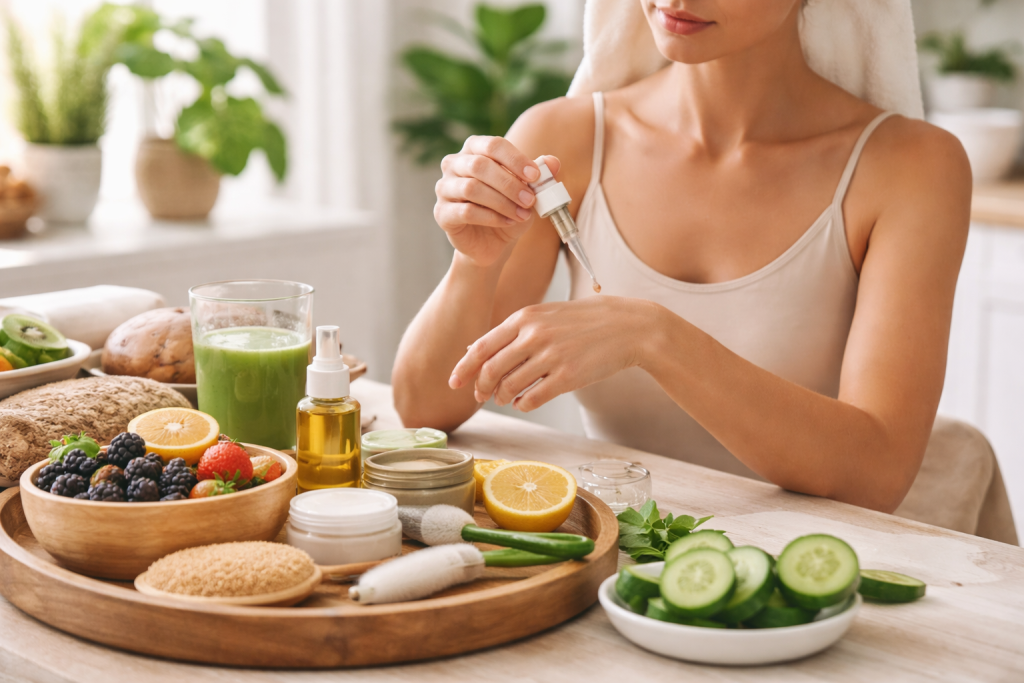
The allure of natural skincare extends far beyond simply avoiding synthetic additives. It’s a holistic approach that nurtures your skin, respecting its delicate balance and promoting long-term health.
Gentle on Your Skin and the Environment
One of the foremost advantages of natural skincare is its inherent gentleness. Commercial products often contain harsh sulfates, parabens, phthalates, and artificial fragrances that can strip the skin of its natural oils, leading to irritation, redness, and even allergic reactions. Natural ingredients, conversely, are typically biocompatible, meaning they work in harmony with your skin’s biology. Furthermore, by opting for natural, homemade solutions, you significantly reduce your environmental footprint, minimizing plastic waste and the release of harmful chemicals into waterways.
Rich in Nutrients and Antioxidants
Nature is a treasure trove of vitamins, minerals, and antioxidants—all vital for healthy, resilient skin. Ingredients like green tea, honey, and various plant oils are packed with compounds that combat free radical damage, a primary cause of premature aging. These powerful antioxidants help protect your skin from environmental stressors, promoting cellular regeneration and maintaining youthful elasticity. Your skin absorbs what you put on it, making it crucial to feed it nutrient-rich, beneficial substances.
Cost-Effective and Customizable
Creating your own natural skincare allows for unparalleled customization and significant cost savings. Instead of paying a premium for fancy packaging and marketing, you invest directly in potent, high-quality ingredients. Moreover, you have the freedom to tailor formulations precisely to your skin’s evolving needs, adjusting ingredients based on seasonal changes, hormonal shifts, or specific concerns that arise. This personalized approach often yields superior results compared to mass-produced products designed for a generic audience.
Before embarking on your natural skincare journey, understanding your unique skin type is paramount. This foundational knowledge will guide your ingredient choices and ensure optimal results.
The Four Main Skin Types
- Normal Skin: This lucky skin type exhibits a balanced complexion with minimal oiliness or dryness, small pores, and a smooth texture. It’s neither excessively oily nor prone to flakiness.
- Oily Skin: Characterized by excessive sebum production, oily skin often presents with a shiny appearance, enlarged pores, and a higher propensity for breakouts and blackheads.
- Dry Skin: Dry skin typically feels tight, flaky, or rough, often with visible fine lines and a dull complexion. It lacks sufficient moisture and natural oils.
- Combination Skin: As the name suggests, combination skin features a mix of oily and dry areas. The T-zone (forehead, nose, and chin) is usually oily, while the cheeks tend to be normal or dry.
Addressing Specific Skin Concerns
Beyond your fundamental skin type, you might also have specific concerns you wish to address. These could include sensitivity, acne, hyperpigmentation, fine lines, or eczema. Identifying these concerns will help you select ingredients with targeted benefits. For instance, if you struggle with acne, you’ll want to incorporate ingredients known for their antibacterial and anti-inflammatory properties. Conversely, if anti-aging is your primary goal, you’ll focus on antioxidants and hydrating components.
Nature provides an abundance of potent ingredients, each offering unique benefits for the skin. Building your natural skincare arsenal begins with understanding these fundamental elements.
Cleansing and Exfoliating Heroes
- Oatmeal: A gentle exfoliant and soothing agent, oatmeal is perfect for all skin types, especially sensitive and dry skin. It helps absorb excess oil while providing mild physical exfoliation to remove dead skin cells.
- Honey: With its natural antibacterial and humectant properties, raw honey is an excellent cleanser and moisturizer. It draws moisture to the skin, leaving it soft and supple, and it helps combat acne-causing bacteria.
- Apple Cider Vinegar (ACV): Diluted ACV acts as a natural toner, balancing the skin’s pH, reducing inflammation, and gently exfoliating. It’s particularly beneficial for oily and acne-prone skin (always dilute it thoroughly!).
- Green Tea: Rich in antioxidants and anti-inflammatory compounds, green tea is a powerful ally against oxidative stress. Used as a toner or in masks, it calms irritation and protects the skin.
Nourishing and Moisturizing Powerhouses
- Carrier Oils (Jojoba, Argan, Sweet Almond, Coconut): These oils form the backbone of many natural moisturizers and cleansing balms. Jojoba oil closely mimics skin’s natural sebum, making it ideal for oily and acne-prone skin. Argan and sweet almond oils are excellent for hydration and anti-aging, while coconut oil is highly moisturizing but should be used cautiously on acne-prone skin due to its potential for clogging pores.
- Aloe Vera: Renowned for its soothing and healing properties, aloe vera gel is a fantastic moisturizer and anti-inflammatory agent. It’s perfect for sunburns and irritated skin and generally provides a light, non-greasy hydration.
- Shea Butter and Cocoa Butter: These rich, emollient butters are intensely moisturizing and protective, forming a barrier against environmental damage. They are ideal for dry, mature, or sensitive skin, providing deep nourishment.
- Rosehip Oil: A powerhouse for skin regeneration, rosehip oil is packed with vitamins and essential fatty acids. It helps reduce scars, hyperpigmentation, and fine lines, making it a favorite for anti-aging and repairing damaged skin.
Establishing a consistent routine is key to achieving and maintaining healthy skin. This structured approach meets all your skin’s needs throughout the day.
The Morning Ritual: Prepare and Protect
- Gentle Cleansing: Begin your day by washing your face with a mild natural cleanser. For normal or dry skin, a honey wash or a homemade oatmeal cleanser works wonders. Oily skin might benefit from a gentle castile soap diluted with water.
- Toning/Balancing: Follow cleansing with a natural toner to rebalance your skin’s pH and prepare it for subsequent treatments. Diluted apple cider vinegar (1:4 ratio with water) or brewed green tea are excellent choices.
- Targeted Treatments (Optional): If you have specific concerns, this is the time to apply a natural serum. For example, a few drops of rosehip oil can address hyperpigmentation, or a dab of tea tree oil diluted in jojoba oil can target blemishes.
- Moisturize and Protect: Finish with a light, natural moisturizer. Aloe vera gel mixed with a few drops of jojoba oil is excellent for oily skin, while richer carrier oils like argan or sweet almond oil are better for drier complexions. Always remember to apply natural sunscreen if you’re exposed to the sun.
The Evening Ritual: Cleanse, Repair, and Rejuvenate
- Double Cleansing (Optional but Recommended): If you wear makeup or spent the day in a polluted environment, consider double cleansing. Start with an oil cleanser (like olive or jojoba oil) to dissolve makeup and impurities, then follow with your gentle natural cleanser.
- Thorough Cleansing: Cleanse your face thoroughly to remove all traces of impurities and prepare your skin for nighttime repair.
- Toning/Balancing: Apply your natural toner again to restore pH balance.
- Nourish and Repair: This is your skin’s prime time for repair and regeneration. Apply a slightly richer natural moisturizer or a nourishing facial oil. Shea butter or cocoa butter is excellent for deep hydration, or a blend of carrier oils customized to your skin type.
- Eye Cream (Optional): Gently pat a small amount of a rich oil like avocado or prickly pear oil around your delicate eye area to hydrate and minimize fine lines.
Unleash your inner alchemist with these simple yet effective recipes tailored to common skin issues.
Soothing Mask for Sensitive/Irritated Skin
Ingredients: 2 tablespoons oatmeal (finely ground), 1 tablespoon raw honey, 1 tablespoon plain yogurt (optional, for added probiotics).
Instructions: Combine all ingredients to form a smooth paste. Apply to a clean face, leave on for 15-20 minutes, then rinse gently with lukewarm water. Oatmeal calms inflammation, honey provides antibacterial benefits, and yogurt soothes with probiotics.
Clarifying Mask for Oily/Acne-Prone Skin
Ingredients: 1 tablespoon bentonite clay, 1 tablespoon apple cider vinegar (diluted 1:1 with water), 1 drop tea tree essential oil (optional).
Instructions: Mix clay with diluted ACV to form a thick paste. Add tea tree oil if desired. Apply to a clean face, avoiding the eye area. Let it dry for 10-15 minutes, then rinse thoroughly. Bentonite clay draws out impurities, ACV balances pH, and tea tree oil fights bacteria.
Hydrating Mask for Dry/Mature Skin
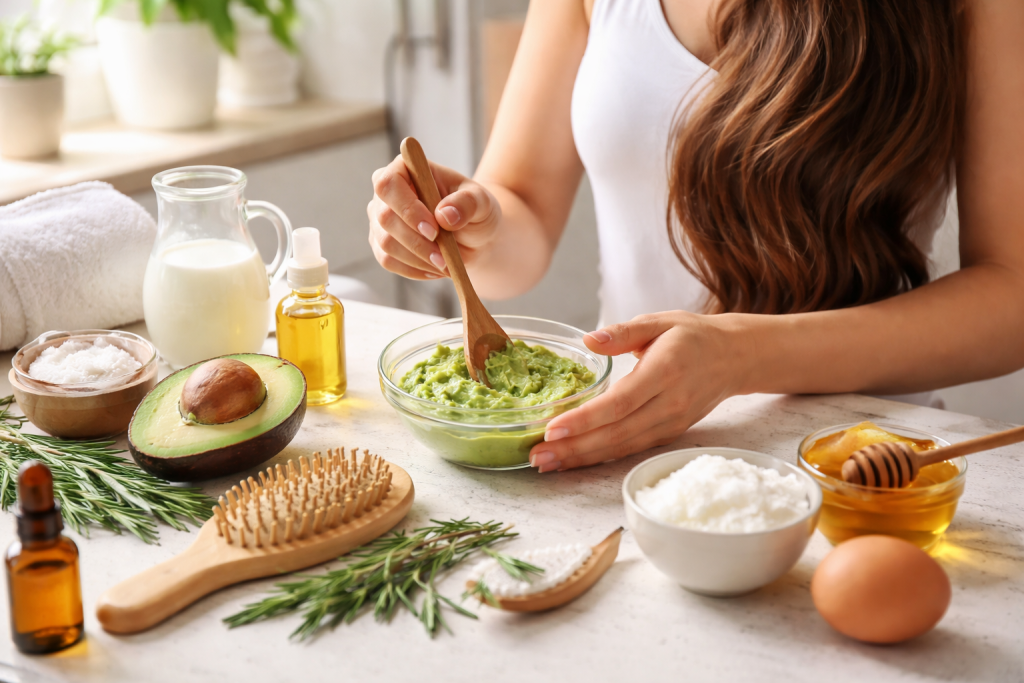
Ingredients: 1/2 mashed avocado, 1 tablespoon extra virgin olive oil, 1 teaspoon raw honey.
Instructions: Mash the avocado until smooth, then stir in olive oil and honey. Apply generously to a clean face and neck. Leave it on for 20-30 minutes, then rinse. Avocado and olive oil provide intense moisture and healthy fats, while honey locks in hydration.
Consistency is the bedrock of any successful skincare regimen, and natural skincare is no exception.
Start Small and Be Patient
Don’t overwhelm yourself by trying to overhaul your entire routine overnight. Begin with one or two key natural products and gradually introduce more as you become comfortable. Remember, natural ingredients work with your skin’s natural processes, and noticeable results often take time. Be patient; it typically takes 4-6 weeks to see the full benefits.
Store Ingredients Properly
To preserve the potency and freshness of your natural ingredients, proper storage is crucial. Keep oils in dark glass bottles away from direct sunlight and heat. Clay powders should be stored in airtight containers. Many DIY products, especially those containing fresh ingredients, have a shorter shelf life and should be made in small batches and stored in the refrigerator.
Listen to Your Skin
Natural skincare empowers you to become more attuned to your skin’s needs. Pay attention to how your skin responds to different ingredients and adjust your routine accordingly. If a particular ingredient causes irritation, discontinue use. Your skin is unique, and what works for one person may not work for another.
Natural skincare is more than just a routine; it’s a philosophy that extends to overall well-being.
Holistic Approach to Skin Health
Your skin is a reflection of your internal health. To truly maximize the benefits of your natural skincare routine, consider incorporating other healthy habits. This includes maintaining a balanced diet rich in fruits, vegetables, and healthy fats; staying adequately hydrated; getting sufficient sleep; and managing stress levels. These lifestyle choices complement topical treatments, fostering a healthy, radiant complexion from within.
Embrace Simplicity and Mindfulness
Natural skincare encourages a return to simplicity. Strip away the complexities and marketing hype, and focus on what genuinely nourishes your skin. The process of creating your own products can also be a mindful practice, allowing you to connect with nature and take active ownership of your self-care. It’s an empowering journey that fosters a deeper appreciation for the simple yet profound gifts of the earth in achieving radiant, healthy skin.
FAQs
1. What are the benefits of natural skincare over conventional skincare products?
Natural skincare products are often free from harsh chemicals, artificial fragrances, and synthetic ingredients that can irritate the skin. They are also typically more environmentally friendly and can be gentler on the skin, making them suitable for those with sensitive skin or skin conditions.
2. How can I identify my skin type and its specific needs?
You can identify your skin type by observing how your skin feels throughout the day and after cleansing. Common skin types include oily, dry, combination, and sensitive. Once you know your skin type, you can then determine its specific needs, such as hydration, oil control, or soothing ingredients.
3. What are some essential ingredients for a natural skincare routine?
Essential ingredients for a natural skincare routine include gentle cleansers, hydrating ingredients like hyaluronic acid or aloe vera, nourishing oils such as jojoba or argan oil, and natural exfoliants like fruit enzymes or oatmeal. It’s also important to include antioxidants like vitamins C and E to protect the skin from environmental damage.
4. Can you provide a step-by-step guide to creating a natural skincare routine?
A basic step-by-step natural skincare routine includes cleansing, toning, applying serums or treatments, moisturizing, and applying sunscreen during the day. It’s important to choose products that are suitable for your skin type and address your specific skin concerns.
5. How can I incorporate natural skincare into my daily lifestyle and maintain a consistent routine?
Incorporating natural skincare into your daily lifestyle can be as simple as making small changes, such as using natural ingredients for DIY skincare recipes, being mindful of your skin’s needs, and establishing a consistent routine. It’s also important to prioritize self-care and make time for regular skincare rituals.