Author: Usman Ali

  • The Science of Self-Care: How Taking Time for Yourself Can Improve Your Health

    The Science of Self-Care: How Taking Time for Yourself Can Improve Your Health

    Modern life’s relentless pace often leaves us feeling depleted, stretched, and disconnected from our deepest needs. In this whirlwind, the concept of “self-care” can sometimes be dismissed as a luxury, a frivolous indulgence. However, a growing body of scientific research underscores a powerful truth: taking time for yourself is not a luxury but a fundamental necessity for optimal health and well-being. This isn’t about spa days every week, though those can certainly be part of it; it’s about intentionally nurturing your physical, mental, and emotional self to thrive amidst life’s challenges.

    Improve Your Health
    Improve Your Health

    At its core, self-care encompasses any intentional action you take to care for your physical, mental, and emotional health. It’s about proactive maintenance, not reactive damage control. Neglecting self-care essentially leaves us vulnerable to a cascade of negative health outcomes. This neglect can manifest in various ways, from persistent fatigue and irritability to more serious issues like chronic stress-related illnesses. Prioritizing self-care, conversely, builds a protective buffer, enhancing our resilience and bolstering our capacity to navigate life’s inevitable ups and downs with greater ease and efficacy. It’s an investment, not an expenditure, with returns that profoundly impact every facet of our existence.

    The Biological Imperative of Self-Care

    Our bodies are complex biological systems, and like any system, they require regular calibration and maintenance to function optimally. Consistent engagement with self-care practices helps regulate these systems. For instance, adequate sleep, a cornerstone of self-care, allows the body to repair itself, consolidate memories, and regulate hormones essential for mood and appetite. Similarly, nourishing meals provide the raw materials for cellular function and energy production. When these fundamental needs are consistently met, our biological processes operate more smoothly, contributing to overall equilibrium and vitality. The absence of such care, on the other hand, creates chronic systemic stress, which can lead to a myriad of health problems.

    The idea that taking care of oneself can improve health is not merely anecdotal; it’s deeply rooted in neurobiology and psychology. Scientific studies consistently demonstrate the profound effects of self-care practices on both mental and physical well-being, highlighting the complex relationship that exists between our mind and body. This knowledge changes self-care from a vague idea to a necessary, evidence-based health plan. Studies in psychoneuroimmunology, which looks at how psychological processes affect the nervous and immune systems, add to the scientific proof that self-care can help improve overall health.

    The Stress-Reducing Power of Intentional Rest

    One of the most immediate and well-documented benefits of self-care is its potent ability to reduce stress. Chronic stress is a pervasive modern malady, linked to a wide array of physical and mental health issues, including heart disease, anxiety disorders, and depression. Engaging in self-care activities such as mindfulness meditation, deep breathing exercises, or spending time in nature activates the parasympathetic nervous system, often referred to as the “rest and digest” system. This activation counteracts the “fight or flight” response triggered by stress, lowering heart rate, blood pressure, and cortisol levels. A direct, measurable result of good self-care is the change in the body from a state of hyper-arousal to one of calm and relaxation.

    Boosting Mental Health Through Mindful Engagement

    Beyond stress reduction, self-care plays a crucial role in improving overall mental health. Activities that foster a sense of purpose, connection, or joy can significantly enhance mood, reduce symptoms of depression and anxiety, and promote emotional stability. Engaging in hobbies, connecting with loved ones, or practicing gratitude are all forms of self-care that have been shown to increase levels of neurotransmitters like serotonin and dopamine, which are associated with feelings of well-being and pleasure. Moreover, deliberate self-reflection and journaling, also self-care practices, can give us useful information about our thoughts and emotions, leading to greater self-awareness and improved coping mechanisms.

    While we often emphasize the mental health benefits of self-care, its impact on physical health is equally significant and undeniable. Neglecting self-care can pave the way for numerous physical ailments, whereas consistent self-care can act as a powerful preventative measure, bolstering our body’s natural defenses and promoting longevity. The mind-body connection ensures that addressing one aspect of our health inevitably influences the other.

    Strengthening the Immune System

    Chronic stress, a direct consequence of inadequate self-care, has a detrimental effect on the immune system, making us more susceptible to illness. Consistent stress causes the body to release elevated levels of stress hormones like cortisol, which can suppress immune function. Conversely, adequately managing stress through self-care practices such as sufficient sleep, regular exercise, and relaxation techniques helps to modulate the immune response, leading to a stronger, more resilient immune system. This means fewer colds, quicker recovery from illness, and a reduced risk of various chronic diseases where inflammation plays a role.

    Improved Cardiovascular Health

    The link between stress and cardiovascular disease is well-established. High levels of stress can contribute to elevated blood pressure, increased heart rate, and damage to blood vessel walls. By incorporating self-care activities that promote relaxation and stress reduction, individuals can significantly mitigate these risks. Practices like yoga, meditation, and even gentle walks in nature have been shown to lower blood pressure and improve heart rate variability, key indicators of cardiovascular health. These deliberate acts of self-care help to create a healthier internal environment, reducing the strain on the cardiovascular system over time.

    Enhanced Sleep Quality and Duration

    Sleep is not merely a period of inactivity; it’s a vital biological process essential for physical and mental restoration. Self-care practices directly contribute to improved sleep quality and duration. Establishing a consistent sleep schedule, creating a relaxing bedtime routine, and avoiding stimulants before bed are all forms of self-care that optimize our sleep environment and preparation. When we consistently prioritize these practices, our bodies are better able to cycle through the various stages of sleep, leading to deeper, more restorative rest. This, in turn, impacts everything from cognitive function and mood regulation to immune health and hormone balance.

    Emotional resilience—the ability to adapt well in the face of adversity, trauma, tragedy, threats, or significant sources of stress—is a cornerstone of well-being. Self-care is not just a tool for feeling good; it’s a fundamental strategy for building and maintaining this crucial trait. When we consistently tend to our needs, we develop a stronger internal foundation, making us better equipped to bounce back from difficult experiences.

    Fostering a Sense of Self-Worth and Boundary Setting

    A critical aspect of emotional resilience is a strong sense of self-worth. Self-care practices reinforce the message that we are deserving of care and attention. When we intentionally dedicate time and effort to our well-being, we are implicitly affirming our value. This cultivation of self-worth is intrinsically linked to the ability to set healthy boundaries—another vital component of emotional resilience. Learning to say “no” to commitments that overextend us or to situations that are detrimental to our health is a powerful act of self-care that protects our emotional energy and prevents burnout.

    Cultivating Coping Mechanisms and Emotional Regulation

    Self-care provides opportunities to cultivate and practice healthy coping mechanisms. Rather than resorting to unhealthy habits when stressed or overwhelmed, engaging in self-care offers constructive alternatives. For example, instead of emotional eating, someone might choose to practice mindfulness or engage in a creative pursuit. These practices help to develop emotional regulation skills, allowing us to process and manage difficult emotions in a healthy manner, rather than being overtaken by them. This deliberate engagement in positive coping strategies directly builds our pool of emotional resources, increasing our capacity to navigate future stressors.

    The challenge for many is not understanding the importance of self-care but rather consistently integrating it into an already packed schedule. The good news is that self-care doesn’t have to be grand gestures; small, consistent actions can yield profound benefits. The key is to be intentional and to find practices that genuinely resonate with you.

    Mindful Moments Throughout the Day

    You don’t need to block out an hour for meditation to practice mindfulness. Incorporating mindful moments throughout your day can be incredibly effective. This could involve taking a few deep breaths before starting a new task, savoring your morning coffee without distractions, or truly experiencing a short walk during your lunch break. These brief, intentional pauses help to ground you in the present moment, reduce mental clutter, and recharge your focus, preventing the accumulation of stress and mental fatigue. Research suggests that even short bursts of mindfulness can improve attention, reduce rumination, and enhance emotional regulation.

    Prioritizing Movement and Physical Activity

    Regular physical activity is a powerful form of self-care with extensive scientific backing. It’s not about becoming an Olympic athlete; it’s about finding movement that you enjoy and making it a consistent part of your life. Whether it’s brisk walking, dancing, cycling, or yoga, physical activity releases endorphins, natural mood elevators, and helps to reduce stress hormones. Aim for at least 30 minutes of moderate-intensity activity most days of the week. Making it a non-negotiable part of your schedule, much like a work meeting, can significantly improve adherence and ensure you reap its multiple physical and mental benefits.

    Nurturing Social Connections and Meaningful Relationships

    Humans are inherently social beings, and strong social connections are a vital component of well-being. Prioritizing time with loved ones, engaging in meaningful conversations, and feeling a sense of belonging are powerful forms of self-care. Research consistently shows that social support acts as a buffer against stress and contributes to increased longevity and happiness. This might involve scheduling regular calls with family, meeting friends for coffee, or joining a community group that aligns with your interests. These interactions encourage a desire to connect and reduce feelings of isolation, which can be detrimental to both mental and physical health. The emotional intimacy and feeling of being understood that come from nurturing these relationships directly contribute to our emotional resilience and overall life satisfaction. Investing consistently in these relationships is an investment in your holistic health.

    FAQs

    1. What is self-care, and why is it important for your health?

    Self-care refers to the practice of taking deliberate action to preserve or improve one’s own health. It is important for your health because it helps to reduce stress, improve mental health, and promote overall well-being.

    2. How does self-care impact mental health and reduce stress?

    Self-care practices, such as mindfulness meditation, exercise, and spending time in nature, have been shown to reduce stress and improve mental health by lowering cortisol levels, increasing serotonin production, and promoting relaxation.

    3. What are the physical health benefits of prioritizing self-care?

    Prioritizing self-care can lead to physical health benefits such as improved immune function, better sleep quality, reduced risk of chronic diseases, and lower blood pressure.

    4. How does self-care contribute to emotional resilience?

    Self-care contributes to emotional resilience by helping individuals develop coping strategies, build self-confidence, and maintain a positive outlook, which can help them better navigate through life’s challenges and setbacks.

    5. What are some self-care strategies backed by scientific research?

    Self-care strategies backed by scientific research include regular exercise, adequate sleep, healthy eating, social connections, relaxation techniques, and engaging in activities that bring joy and fulfillment.

  • Unlocking the Secret to Glowing Skin: Simple Nutrition Tips You Need to Know

    Unlocking the Secret to Glowing Skin: Simple Nutrition Tips You Need to Know

    The quest for luminous, healthy skin is a timeless pursuit. While countless creams and serums promise radiant complexions, the true secret often lies not just on the surface, but much deeper within. Unlocking this secret begins with understanding the profound and undeniable link between what we nourish our bodies with and how that nourishment manifests on our skin. Your diet is not merely fuel; it’s a building block, a repair mechanism, and a direct influencer of your skin’s vitality.

    Glowing Skin
    Glowing Skin

    The skin, our largest organ, is a dynamic and complex system constantly undergoing renewal and repair. This intricate process is powered by the nutrients we consume. Without adequate intake of essential vitamins, minerals, and healthy fats, the skin’s ability to function optimally is compromised. This can lead to a cascade of visible issues, from dullness and dryness to premature aging and breakouts. Think of your skin cells as tiny workers who need the right tools and materials to do their job effectively. Nutrition provides those essential supplies.

    Skin as a Mirror of Internal Health

    The saying “you are what you eat” holds particularly true when it comes to skin. What happens inside your body—whether it’s inflammation, hormonal imbalances, or nutrient deficiencies—often makes its first outward appearance on your skin. A diet rich in processed foods, sugar, and unhealthy fats can trigger internal inflammation, which in turn can manifest as acne, redness, and a generally unhealthy complexion. Conversely, a diet packed with whole, nutrient-dense foods can combat inflammation, support cellular regeneration, and promote a naturally healthy glow. It’s a direct correlation: a healthy internal environment fosters a healthy external presentation.

    Beyond Topical Treatments: The Power of Internal Nourishment

    While topical treatments can offer temporary fixes and support specific skin concerns, they can only do so much if the underlying nutritional foundation is lacking. A potent antioxidant serum might protect against free radical damage, but if your diet doesn’t supply the building blocks for collagen production or the necessary vitamins for DNA repair, the results will be limited. True, lasting skin health is built from the inside out. Focusing on nutrition empowers your body to produce and maintain healthy skin cells, strengthen the skin barrier, and fight off environmental aggressors from within.

    Understanding how different nutrients interact with your skin’s biological processes is key to unlocking its potential for radiance. It’s not just about eating “healthy” in a general sense; it’s about consuming specific nutrients that have a direct and beneficial impact on your skin’s structure, function, and appearance. This involves appreciating the roles of macronutrients and micronutrients in maintaining a clear, supple, and youthful complexion.

    The Role of Antioxidants in Combating Free Radical Damage

    Our skin is constantly exposed to environmental stressors like pollution, UV radiation, and even the natural aging process, all of which generate free radicals. These unstable molecules can damage skin cells, leading to premature aging, wrinkles, and dullness. Antioxidants act as protectors, neutralizing these harmful free radicals before they can inflict damage. Vitamins C and E, as well as an array of plant-derived compounds known as phytonutrients, are powerful antioxidants that play a crucial role in preserving the integrity and youthfulness of your skin.

    Inflammation and Its Impact on Skin Appearance

    Inflammation is a natural defense mechanism, but chronic or excessive inflammation can wreak havoc on your skin. It can exacerbate conditions like acne, eczema, and rosacea, and contribute to a generally red, irritated, and uneven complexion. Certain dietary choices can either promote or reduce inflammation. Diets high in refined sugars, processed meats, and unhealthy fats tend to be pro-inflammatory, while diets rich in fruits, vegetables, and omega-3 fatty acids possess anti-inflammatory properties that can calm the skin and promote healing.

    The Gut Microbiome and Its Surprising Influence

    The gut microbiome, the vast community of bacteria inhabiting your digestive tract, is increasingly being recognized for its profound impact on overall health, including skin health. A balanced gut microbiome can aid in nutrient absorption, reduce inflammation, and even influence hormone levels, all of which can translate to a clearer complexion. Conversely, an imbalanced gut, often caused by poor diet, can lead to systemic inflammation and contribute to skin issues.

    To achieve that coveted radiant glow, your skin requires a specific cocktail of nutrients. These are not arbitrary recommendations; each plays a vital role in skin cell function, repair, and protection. Incorporating foods rich in these essential components will significantly elevate your skin’s health and appearance from within.

    Vitamins: The Skin’s Best Friends

    Vitamins are indispensable for healthy skin. Vitamin C is a powerhouse antioxidant crucial for collagen synthesis, the protein that gives skin its structure and elasticity. It also aids in wound healing and brightens the complexion. Vitamin A, in its various forms (retinoids and carotenoids), is vital for cell turnover and repair, helping to maintain a smooth and even skin texture. It’s also instrumental in controlling oil production, making it beneficial for acne-prone skin. B vitamins, particularly niacinamide (B3) and biotin (B7), are essential for energy metabolism within skin cells and play roles in maintaining the skin barrier function and reducing inflammation. Vitamin E is another potent antioxidant that works synergistically with vitamin C to protect cells from oxidative damage.

    Minerals: The Unsung Heroes of Skin Health

    Minerals, though needed in smaller amounts than vitamins, are equally critical. Zinc is a champion for skin health, renowned for its anti-inflammatory properties and its role in wound healing and cell regeneration. It’s particularly helpful in managing acne. Selenium is another important mineral antioxidant that helps protect the skin from UV damage and inflammation. Copper is essential for collagen and elastin production, contributing to skin’s firmness and elasticity. Finally, sulfur, often referred to as the “beauty mineral,” is a component of keratin, a protein vital for healthy hair, skin, and nails.

    Healthy Fats: The Smootheners and Hydrators

    Don’t shy away from healthy fats; they are crucial for skin health. Omega-3 and omega-6 fatty acids are essential polyunsaturated fats that play a vital role in maintaining the skin’s natural oil barrier, keeping it hydrated, supple, and plump. They also possess significant anti-inflammatory properties that can help calm conditions like eczema and psoriasis. Monounsaturated fats, found in olive oil and avocados, are also beneficial for skin hydration and protection.

    Protein: The Structural Support System

    Protein is the fundamental building block for all cells in your body, including your skin cells. Amino acids, the components of protein, are used to create collagen, elastin, and keratin, all of which are essential for skin’s structure, strength, and elasticity. Without adequate protein intake, the skin’s ability to repair itself and maintain its integrity is compromised.

    With a clear understanding of the essential nutrients, the next step is to strategically incorporate foods that are rich in these components into your daily diet. This is where the magic truly happens, transforming your plate into a personalized skincare regimen.

    Berries and Citrus Fruits: Vitamin C Powerhouses

    Berries like blueberries, strawberries, raspberries, and blackberries are packed with antioxidants and vitamin Citrus fruits, such as oranges, grapefruits, and lemons, are also excellent sources of vitamin C, aiding in collagen synthesis and brightening the skin. Their vibrant colors are a testament to their rich phytonutrient content.

    Leafy Greens: Nutrient-Dense Wonders

    Spinach, kale, Swiss chard, and other leafy greens are treasure troves of vitamins A, C, and E, as well as antioxidants like lutein and zeaxanthin. These nutrients work synergistically to protect skin cells from damage and promote a healthy complexion. Their deep green hue signifies their nutrient density.

    Fatty Fish: Omega-3 Fatty Acid Champions

    Salmon, mackerel, sardines, and herring are excellent sources of omega-3 fatty acids. These healthy fats are crucial for combating inflammation, keeping the skin hydrated, and maintaining a supple, plump appearance. The oils within these fish are truly beneficial for skin’s resilience.

    Nuts and Seeds: A Micronutrient Medley

    Almonds, walnuts, chia seeds, flaxseeds, and sunflower seeds offer a wealth of vitamins E and C, zinc, selenium, and healthy fats. These tiny powerhouses contribute to skin repair, protection, and a healthy glow. They are convenient and versatile additions to any meal or snack.

    Avocados: Creamy Goodness for Skin

    Avocados are a fantastic source of monounsaturated fats, vitamin E, and vitamin These nutrients work together to moisturize the skin, reduce inflammation, and protect against sun damage, contributing to a smooth and radiant complexion. Their creamy texture hints at their hydrating properties.

    Sweet Potatoes and Carrots: Beta-Carotene Boosters

    These vibrant root vegetables are rich in beta-carotene, which the body converts into vitamin Vitamin A is essential for cell turnover and repair, helping to maintain a smooth and even skin texture and protecting against sun damage. Their bright orange color is indicative of their beta-carotene content.

    Green Tea: A Soothing and Antioxidant Elixir

    Green tea is brimming with antioxidants, particularly catechins, which have powerful anti-inflammatory and anti-aging properties. Regular consumption can help protect the skin from environmental damage and promote a calmer, more even tone.

    Just as certain foods can enhance your skin’s health, others can actively undermine it. Understanding which items to limit or avoid is as critical as knowing what to include. These are the culinary culprits that can trigger inflammation, disrupt hormonal balance, and lead to breakouts.

    Refined Sugars: The Inflammation Igniters

    Sugary drinks, pastries, candies, and other processed sweets cause a rapid spike in blood sugar, leading to a process called glycation. This damages collagen and elastin, accelerating the aging process and contributing to inflammation that can manifest as acne and dullness. The sweet taste often belies a detrimental effect.

    Processed Foods and Trans Fats: Skin Saboteurs

    Highly processed foods, fast food, and anything containing trans fats (often found in margarines, baked goods, and fried foods) are pro-inflammatory. They can disrupt the delicate balance of your skin and lead to breakouts, redness, and premature aging. Their convenience often comes at a steep cost to your skin.

    Dairy: A Potential Trigger for Some

    While not everyone reacts negatively to dairy, for some individuals, it can be a significant trigger for acne and inflammation. This is often due to hormones present in dairy or an intolerance. If you suspect dairy is affecting your skin, consider an elimination trial to see if your complexion improves.

    Excessive Saturated Fats: The Blockers of Brilliance

    While moderation is key, excessive intake of saturated fats found in red meat, butter, and full-fat dairy can contribute to inflammation and clog pores. Opting for leaner protein sources and unsaturated fats is generally more beneficial for skin health.

    Alcohol: The Dehydrator and Inflammer

    While a glass of wine might be enjoyable, excessive alcohol consumption dehydrates the skin, making it appear dull and exacerbating fine lines. It can also increase inflammation and disrupt the gut microbiome, further impacting skin health.

    Water is often overlooked in the conversation about skin nutrition, yet it is perhaps the most fundamental element for a healthy complexion. Dehydration can manifest on your skin in numerous unsightly ways, often leading one to search for topical solutions when the real issue is internal.

    Maintaining Skin Elasticity and Suppleness

    Adequate hydration is crucial for maintaining your skin’s elasticity and suppleness. When your body is well-hydrated, your skin cells are plump and full, resulting in a smoother, more youthful appearance. Dehydration causes skin to lose its bounce, making it appear drier and more prone to wrinkles.

    Flushing Out Toxins and Supporting Cellular Function

    Water plays a vital role in flushing toxins from your body, including those that can affect your skin. It also ensures that nutrients are transported efficiently to your skin cells and that waste products are removed, promoting optimal cellular function and a clearer complexion.

    Preventing Dryness and Improving Skin Barrier Function

    A well-hydrated body helps to maintain a strong and healthy skin barrier. This outermost layer of your skin is responsible for keeping moisture in and irritants out. When you are dehydrated, this barrier can be compromised, leading to dryness, flakiness, and increased sensitivity.

    Developing a diet that truly benefits your skin is an ongoing journey, not a destination. It involves making conscious, informed choices that prioritize nutrient-dense foods and limit those that can be detrimental. It’s about building sustainable habits that nourish your body from the inside out, leading to visible improvements in your skin’s health and radiance.

    Prioritize Whole, Unprocessed Foods

    The cornerstone of a skin-healthy diet is centering your meals around whole, unprocessed foods. This means filling your plate with an abundance of fresh fruits, vegetables, lean proteins, and healthy fats. These foods naturally provide the vitamins, minerals, and antioxidants your skin craves.

    Embrace Variety and Color

    Don’t be afraid to experiment with a wide array of colorful fruits and vegetables. The diverse pigments in plant-based foods signify the presence of different antioxidants and phytonutrients, each offering unique benefits for your skin. Aim for a rainbow on your plate to ensure you’re getting a broad spectrum of goodness.

    Listen to Your Body

    Pay attention to how your skin reacts to different foods. Some individuals may find certain foods trigger breakouts or inflammation, while others tolerate them perfectly well. This personal response is crucial in tailoring your diet to your unique needs. Keeping a food diary can be very helpful in identifying these patterns.

    Be Patient and Persistent

    The effects of dietary changes on skin health are not instantaneous. It takes time for your body to repair and regenerate cells. Be patient with the process, consistently making healthy choices, and you will begin to see a noticeable improvement in your skin’s clarity, texture, and overall glow. This is a marathon, not a sprint, and every healthy choice contributes to a more radiant future for your skin. With consistent effort and mindful eating, you can indeed unlock the secret to glowing, healthy skin, revealing your natural radiance from within.

    FAQs

    1. What is the link between diet and skin health?

    A: The food we eat plays a crucial role in maintaining healthy skin. Nutrient-rich foods provide essential vitamins, minerals, and antioxidants that support skin health and promote a radiant complexion.

    2. What are the essential nutrients for glowing skin?

    A: Essential nutrients for glowing skin include vitamin C, vitamin E, vitamin A, omega-3 fatty acids, and antioxidants like selenium and zinc. These nutrients help protect the skin from damage, promote collagen production, and maintain overall skin health.

    3. What foods should be included in a diet for radiant skin?

    A: Foods that should be included in a diet for radiant skin include fruits and vegetables rich in vitamins and antioxidants, fatty fish for omega-3 fatty acids, nuts and seeds for vitamin E, and whole grains for selenium and zinc.

    4. What foods should be avoided for clear and healthy skin?

    A: Foods that should be avoided for clear and healthy skin include processed and sugary foods, high-glycemic foods that can spike blood sugar levels, and foods high in saturated and trans fats, which can contribute to inflammation and skin issues.

    5. How does hydration affect skin health?

    A: Hydration is essential for maintaining skin health. Drinking an adequate amount of water helps keep the skin hydrated, plump, and radiant. Dehydration can lead to dry, dull skin and exacerbate skin conditions like acne and eczema.

  • Mastering the Art of Consistency: How to Prioritize Self-Care Every Day

    Mastering the Art of Consistency: How to Prioritize Self-Care Every Day

    The relentless pace of modern life often leaves us feeling drained, depleted, and perpetually on the brink of burnout. In this constant state of demand, the notion of prioritizing self-care can feel like a luxury, an indulgence we can’t afford. Yet, the truth is, consistent self-care isn’t a treat; it’s a fundamental necessity for our well-being, our resilience, and our ability to navigate life’s challenges with grace. Mastering the art of consistency in self-care is not about grand, infrequent gestures but about weaving small, intentional practices into the fabric of our daily lives. It’s about understanding that self-care is an ongoing commitment, a continuous cultivation of our inner resources, rather than a crisis intervention.

    the Art of Consistency: How to Prioritize Self-Care Every Day
    the Art of Consistency: How to Prioritize Self-Care Every Day

    Understanding the importance of consistency in self-care is the first crucial step toward making it a sustainable habit. Inconsistent self-care often resembles a fleeting burst of energy, followed by a slump. We might have a weekend dedicated to pampering or a few days of healthy eating, only to fall back into old, depleting patterns. This seesaw approach is not only ineffective but can also lead to feelings of guilt and discouragement. Consistency, on the other hand, builds a solid foundation. When self-care becomes a daily practice, it doesn’t feel like an add-on; it feels like an integral part of who we are and how we function.

    Think of consistency in self-care like building muscle. A single, strenuous workout won’t transform your physique. It’s the regular, sustained effort that leads to lasting strength and change. Similarly, small, consistent acts of self-care accumulate over time, creating a profound and cumulative impact on our mental, emotional, and physical health. This sustained attention to our needs fosters a greater sense of internal stability, resilience against stress, and an overall improved quality of life. It’s about creating a buffer against the storms, not just reacting when we’re drowning.

    Building a Resilient Inner Landscape

    The benefits of consistent self-care extend far beyond immediate stress relief. It nurtures a resilient inner landscape, equipping us to handle adversity with greater equanimity. When our basic needs for rest, nourishment, and connection are met regularly, our nervous system is more balanced, our cognitive function is sharper, and our emotional regulation is more robust. This means we are less likely to be overwhelmed by minor setbacks and better equipped to bounce back from significant challenges.

    The Domino Effect of Daily Well-being

    Furthermore, prioritizing self-care daily creates a positive domino effect. When you feel rested and rejuvenated, you are more patient with loved ones, more productive at work, and more present in your activities. This ripple effect enriches not just your own life but also the lives of those around you. It’s a virtuous cycle where looking after yourself empowers you to better look after others and contribute more effectively to the world.

    Setting realistic self-care goals for daily practice is paramount to avoiding overwhelm and fostering long-term adherence. The aspiration to journal for an hour every morning is admirable, but if your current reality involves a chaotic rush out the door, it’s unlikely to be sustainable. Instead, focus on achievable, bite-sized goals that can be integrated seamlessly into your existing schedule.

    The Power of Tiny Habits

    The concept of “tiny habits” is incredibly effective here. Instead of aiming for a fifteen-minute meditation, start with one minute. Instead of a full workout, commit to five minutes of stretching. The key is to make the behavior so easy to perform that it feels almost absurd not to do it. Once these micro-habits become automatic, you can gradually increase their duration or intensity. This approach prevents the feeling of failure that can arise from overly ambitious goals and builds momentum through consistent small wins.

    Aligning Goals with Your Energy Levels

    It’s also crucial to set goals that align with your natural energy fluctuations. If you’re a morning person, perhaps some quiet reflection or light exercise before the day begins is ideal. If evenings are your more relaxed time, planning a calming ritual like a warm bath or reading before bed might be more fitting. Understanding your personal rhythms allows you to create goals that feel natural and supportive, rather than like an obligation.

    Creating a self-care routine that genuinely fits your lifestyle requires introspection and a willingness to adapt. It’s not about replicating someone else’s perfect routine but about designing one that honors your unique circumstances, responsibilities, and preferences. This involves a pragmatic assessment of your daily schedule, identifying pockets of time, and deciding how best to use them for your well-being.

    The Art of Time-Blocking for Tranquility

    Consider time-blocking your calendar, not just for work or appointments, but for designated self-care activities. Even ten or fifteen minutes dedicated to a specific self-care practice can make a significant difference. This might involve scheduling a brief walk during your lunch break, setting aside time to listen to a podcast during your commute, or dedicating a few minutes before bed to read a chapter of a book. By explicitly carving out this time, you signal to yourself and others that your well-being is a priority.

    Flexibility as a Cornerstone of Practice

    Another aspect of a fitting routine is embracing flexibility. Life is unpredictable, and there will be days when your meticulously planned routine goes awry. Instead of viewing this as a failure, see it as an opportunity to practice self-compassion and adjust. Perhaps on a particularly hectic day, your self-care might be as simple as taking three deep breaths before a stressful meeting or drinking a generous glass of water. The goal is not perfection, but consistent effort and a commitment to showing up for yourself, even in small ways.

    Overcoming obstacles to consistent self-care is an inevitable part of the journey. We all face internal and external barriers that can derail our best intentions. Recognizing these challenges and developing strategies to navigate them is key to maintaining your commitment.

    The Tyranny of “No Time”

    One of the most common obstacles is the pervasive feeling of “no time.” This often stems from an overloaded schedule and a mindset that prioritizes external demands over internal needs. To combat this, we must challenge our assumptions about how our time is spent. Are there activities that can be delegated, eliminated, or reduced? Can we be more efficient in certain tasks to free up even small pockets of time for ourselves? Micro-self-care is also invaluable here; even a few minutes dedicated to a calming activity can be restorative.

    Battling Perfectionism and Guilt

    Perfectionism and guilt can also be significant roadblocks. The belief that self-care must be elaborate or that taking time for oneself is selfish can be deeply ingrained. It’s crucial to reframe self-care not as an indulgence, but as a necessity for optimal functioning. Remind yourself that when you are well, you are better able to meet your responsibilities and support those you care about. Let go of the idea that self-care needs to be perfect; imperfect self-care is far better than none.

    External Pressures and Unsupportive Environments

    External pressures from work, family, or social commitments can also create challenges. In some environments, prioritizing self-care might be met with misunderstanding or even disapproval. Building strong boundaries and communicating your needs clearly are essential. Seek out supportive individuals or communities who understand and value your commitment to your well-being.

    Incorporating mindfulness and self-compassion into daily self-care practices elevates them from mere routines to profound acts of self-love. These elements transform how we engage with ourselves and our experiences, fostering a deeper sense of peace and resilience.

    The Power of Present Moment Awareness

    Mindfulness is about paying attention to the present moment without judgment. When applied to self-care, it means fully engaging in your chosen activity. If you’re drinking your morning tea, savor its warmth, its aroma, and its taste. If you’re taking a walk, notice the sensation of your feet on the ground and the sights and sounds around you. This intentional presence amplifies the restorative benefits of each self-care act and helps to quiet the incessant chatter of the mind.

    Embracing Imperfection with Kindness

    Self-compassion, on the other hand, is about treating yourself with the same kindness, care, and understanding that you would offer to a dear friend. It involves acknowledging your struggles, your imperfections, and your suffering without harsh self-criticism. When you inevitably falter in your self-care routine, or when difficult emotions arise, self-compassion allows you to respond with acceptance rather than judgment. It’s recognizing that everyone struggles and that being imperfect is part of the human experience.

    Finding support and accountability for prioritizing self-care can significantly bolster your efforts and provide a crucial lifeline during challenging times. Knowing that you are not alone in your journey can be incredibly motivating and validating.

    The Strength of Shared Journeys

    Connecting with others who are also committed to self-care can provide a sense of community and shared purpose. This might involve joining a mindfulness group, a yoga class, or a healthy eating circle, or simply having a friend with whom you can share your self-care wins and struggles. These connections offer encouragement, new perspectives, and a gentle nudge when you need it most.

    The Role of Accountability Partners

    An accountability partner can be an invaluable asset. This is someone with whom you agree to check in regularly, share your goals, and offer mutual support. The knowledge that someone else is aware of your intentions can be a powerful motivator to stay on track. This partnership isn’t about judgment but about collaborative encouragement and gentle reminders of your commitment to yourself. Whether it’s a quick text message, a weekly phone call, or a shared journal, accountability can make a significant difference in maintaining consistency.

    Celebrating the benefits of consistent self-care practices, both big and small, is an essential part of reinforcing the habit and recognizing its profound positive impact on your life. Acknowledging your progress, however incremental, fuels motivation and reinforces the value of your efforts.

    Tangible Transformations in Daily Life

    The benefits manifest in countless tangible ways. You’ll likely notice increased energy levels, improved sleep quality, enhanced focus and concentration, and a greater capacity to manage stress. Your emotional landscape may become more stable, with fewer mood swings and a greater sense of overall contentment. Physically, consistent self-care can lead to better digestion, a stronger immune system, and a reduced risk of chronic illness.

    The Unseen Enrichment of Your Inner World

    Beyond the observable changes, consistent self-care enriches your inner world in profound ways. You’ll develop a deeper connection with yourself, a greater understanding of your needs and desires, and a more robust sense of self-worth. This inner peace and self-assurance radiate outwards, influencing your relationships, your work, and your overall engagement with life. Mastering the art of consistency in self-care is not a destination but a continuous, loving journey of tending to the most important person in your life: yourself. This unwavering commitment is the truest form of self-mastery.

    FAQs

    1. Why is consistency important in self-care?

    Consistency in self-care is important because it allows for the development of healthy habits and routines that contribute to overall well-being. Regular self-care practices can help reduce stress, improve mental and physical health, and enhance productivity and resilience.

    2. How can I set realistic self-care goals for daily practice?

    Setting realistic self-care goals involves identifying specific self-care activities that align with your needs and lifestyle, breaking them down into manageable steps, and creating a schedule or routine to incorporate them into your daily life. It’s important to be mindful of your limitations and prioritize self-care activities that are achievable and sustainable.

    3. What are some obstacles to consistent self-care, and how can I overcome them?

    Common obstacles to consistent self-care include lack of time, guilt, and prioritizing others’ needs over your own. Overcoming these obstacles may involve setting boundaries, delegating tasks, practicing self-compassion, and seeking support from friends, family, or professionals.

    4. How can I incorporate mindfulness and self-compassion into my daily self-care routine?

    Incorporating mindfulness and self-compassion into your daily self-care routine can involve practices such as meditation, deep breathing exercises, journaling, or engaging in activities that bring you joy and relaxation. These practices can help you cultivate self-awareness, reduce negative self-talk, and foster a greater sense of compassion towards yourself.

    5. Where can I find support and accountability for prioritizing self-care?

    You can find support and accountability for prioritizing self-care by joining support groups, seeking guidance from a therapist or coach, connecting with like-minded individuals, or involving friends and family in your self-care journey. Additionally, there are online communities and resources dedicated to promoting self-care and well-being.

  • The Ultimate Guide to Eating for Glowing Skin: Top Foods to Add to Your Diet

    The Ultimate Guide to Eating for Glowing Skin: Top Foods to Add to Your Diet

    The quest for radiant, healthy skin frequently leads us into a maze of serums, creams, and intrusive treatments. However, the most profound and sustainable path to a radiant complexion doesn’t begin in a beauty aisle but on our plates. Every cell in our body is fundamentally shaped by our diet, and the skin, being our largest organ, is particularly sensitive to the nutrients we consume. Understanding the intricate connection between what we eat and the health of our skin is the first step toward unlocking a natural, consistent, and vibrant glow. This comprehensive guide will delve deep into the science behind diet and skin health, highlight the best foods to incorporate for a luminous complexion, and provide practical strategies for cultivating a truly skin-nourishing lifestyle.

    Eating for Glowing Skin
    Eating for Glowing Skin

    The availability of essential nutrients directly influences the health of the skin, which is a dynamic, ever-regenerating organ. Think of your skin as a complex ecosystem that requires a steady supply of building blocks, protectors, and repair agents. When we provide our bodies with a diverse and nutrient-rich diet, we are essentially fueling this ecosystem for optimal function. Conversely, a diet lacking in vital vitamins, minerals, and healthy fats can lead to a compromised skin barrier, increased inflammation, and a dull, lackluster appearance.

    Cellular Regeneration and Repair

    New skin cells are constantly being produced, and old ones are shed. This process of cellular turnover requires ample protein, which serves as the fundamental building material for skin cells. Without sufficient protein, this regeneration process can slow down, leading to a less vibrant and potentially rougher skin texture. Furthermore, various vitamins and minerals act as cofactors and catalysts for the enzymes involved in DNA repair and cell division, ensuring that damaged cells are efficiently replaced with healthy ones.

    Inflammation as a Key Culprit

    Chronic inflammation is a silent saboteur of skin health, contributing to a multitude of issues, including acne, redness, premature aging, and conditions like eczema and psoriasis. Certain dietary choices can exacerbate inflammation, while others possess powerful anti-inflammatory properties. Processed foods, high sugar intake, and unhealthy fats often trigger inflammatory responses within the body, which can manifest on the skin. Conversely, a diet rich in whole, unprocessed foods can help to quell these inflammatory fires, leading to a calmer, clearer complexion.

    The Gut-Skin Axis

    Emerging research highlights a fascinating connection between our gut microbiome and the health of our skin, often referred to as the “gut-skin axis.” A healthy gut, teeming with beneficial bacteria, plays a crucial role in nutrient absorption, immune system regulation, and reducing inflammation throughout the body. When the gut is imbalanced, it can lead to systemic inflammation that readily impacts the skin, potentially triggering acne breakouts or worsening existing skin conditions. Therefore, nurturing your gut health through diet is an integral part of achieving radiant skin.

    To achieve a truly luminous complexion, we need to focus on a diet rich in specific nutrients known for their skin-benefiting properties. These are not fad ingredients but rather time-tested powerhouses that contribute to cellular health, protection, and repair. Prioritizing these foods will lay the foundation for naturally resilient, vibrant skin.

    The Power of Antioxidants: Your Skin’s Cellular Shield

    Antioxidants are the unsung heroes in the fight against skin aging and damage. They are molecules that neutralize harmful free radicals, unstable atoms that can damage cells and contribute to oxidative stress. Oxidative stress is a major driver of premature aging, leading to wrinkles, fine lines, and a loss of skin elasticity. By bombarding your body with antioxidants, you are essentially building a protective shield around your skin cells, allowing them to function optimally and maintain their youthful vitality.

    Incorporating Antioxidant-Rich Foods into Your Daily Meals

    Making antioxidant-rich foods a staple in your diet is a simple yet incredibly effective strategy for glowing skin. This involves embracing a colorful palette of fruits and vegetables, each offering a special blend of these protective compounds. Berries, in particular, are nutritional powerhouses packed with anthocyanins and vitamins. Think blueberries, raspberries, strawberries, and blackberries, which can be enjoyed in smoothies, as part of breakfast, or as a healthy snack. Leafy green vegetables like spinach, kale, and Swiss chard are brimming with vitamins A, C, and E, as well as lutein and zeaxanthin, all of which contribute to skin health and protection. Vibrant orange and yellow vegetables such as carrots, sweet potatoes, and bell peppers are excellent sources of beta-carotene, which the body converts into vitamin A, essential for cell growth and repair.

    The Underrated Heroes: Herbs and Spices

    Beyond fruits and vegetables, don’t overlook the antioxidant potential of herbs and spices. Turmeric, with its potent anti-inflammatory compound curcumin, is a remarkable addition to your diet. Incorporate it into curries, soups, or even a golden milk latte. Green tea, rich in polyphenols, is another exceptional beverage that offers significant antioxidant benefits. Even common herbs like parsley, cilantro, and basil are surprisingly rich in various antioxidants and can elevate the flavor of your meals while simultaneously boosting your skin’s health.

    The Crucial Role of Hydration: Water, Glorious Water

    Hydration is a non-negotiable element for achieving and maintaining radiant skin. Water is essential for numerous bodily functions, and its impact on skin health is particularly pronounced. Dehydrated skin can appear dull, dry, and more prone to fine lines and wrinkles. Proper hydration ensures that your skin cells are plump and functioning optimally, contributing to a smoother, more supple, and luminous complexion.

    Beyond Drinking Water: Hydrating Foods

    While direct water intake is paramount, certain foods can also contribute to your overall hydration levels. Water-rich fruits and vegetables like watermelon, cucumber, and celery are not only refreshing but also provide a significant amount of water and electrolytes. These hydrating options can be incorporated into salads, snacks, or juices, adding an extra layer of moisture to your internal system.

    The Foundational Importance of Omega-3 Fatty Acids

    Omega-3 fatty acids are essential fats that our bodies cannot produce on their own, making them crucial components of a healthy diet. Their role in skin health is multifaceted, primarily revolving around their anti-inflammatory properties and their ability to maintain the skin’s natural oil barrier. This barrier is vital for keeping moisture in and irritants out, leading to calmer, more hydrated, and resilient skin.

    Fatty Fish: A Rich Source of Omega-3s

    Fatty fish like salmon, mackerel, sardines, and anchovies are exceptional sources of the long-chain omega-3 fatty acids EPA and DHA. Aim to incorporate these into your diet at least two to three times a week. The anti-inflammatory effects of these fatty acids can help to calm conditions like acne, eczema, and rosacea, while also promoting a smoother skin texture and a healthy glow.

    Plant-Based Omega-3s and Their Benefits

    For vegetarians and vegans, or those who simply don’t enjoy fish, there are excellent plant-based sources of omega-3s. Flaxseeds, chia seeds, hemp seeds, and walnuts are all good sources of alpha-linolenic acid (ALA), a precursor to EPA and DHA. While the conversion rate from ALA to EPA and DHA is not as efficient as consuming fatty fish directly, incorporating these seeds and nuts into your diet regularly can still provide significant benefits for skin health. Enjoying them sprinkled on yogurt, added to smoothies, or as part of baked goods is a delicious way to boost your omega-3 intake.

    Achieving consistently glowing skin is not about restrictive fad diets or chasing fleeting trends. It’s about adopting a holistic, balanced approach to nutrition that supports your skin from the inside out. This means ensuring that your meals are not only rich in skin-loving nutrients but also provide the body with the broad spectrum of vitamins, minerals, and macronutrients it needs to function optimally.

    The Foundation of Whole Foods

    The cornerstone of a skin-wellness diet is a commitment to whole, unprocessed foods. This includes an abundance of fruits, vegetables, lean proteins, and healthy fats. These foods are naturally packed with the vitamins, minerals, fiber, and antioxidants that your skin craves. By prioritizing these nutrient-dense options, you are providing your body with the building blocks it needs for healthy skin cell production and repair.

    The Pitfalls of Processed Foods and Refined Sugars

    Conversely, a diet heavily reliant on processed foods, refined sugars, and unhealthy fats can actively work against your skin’s health. These items often contribute to inflammation, disrupt hormone balance, and provide little in the way of beneficial nutrients. The high glycemic index of many processed foods can lead to blood sugar spikes and subsequent crashes, which can trigger acne breakouts and accelerate the aging process. Limiting your intake of sugary drinks, pastries, white bread, and fried foods is a crucial step towards clearer, more radiant skin.

    The Importance of Lean Proteins for Skin Structure

    Protein is not just for building muscle; it’s also essential for the structural integrity of your skin. Amino acids, the building blocks of protein, are crucial for the production of collagen and elastin, the proteins that give your skin its firmness and elasticity. Including lean protein sources like chicken, turkey, fish, legumes, tofu, and tempeh in your meals ensures that your body has the necessary materials to repair and regenerate skin tissue, contributing to a smoother and more youthful appearance.

    Healthy Fats: Essential for Skin Barrier Function

    As mentioned with omega-3s, healthy fats are indispensable for maintaining a healthy skin barrier. Beyond omega-3s, monounsaturated fats found in avocados, olive oil, and nuts are also beneficial. These fats help keep the skin hydrated from within, reducing dryness and flakiness. They also play a role in reducing inflammation and supporting the absorption of fat-soluble vitamins.

    Embracing a diet rich in nutrient-dense, whole foods is the most powerful investment you can make in your skin’s long-term health and radiance. By understanding the intricate dance between what you eat and how your skin looks and feels, you can unlock a natural, sustainable glow that emanates from within. This journey is not about perfection but about mindful choices and cultivating a relationship with food that nourishes your entire being, starting with your most visible asset.

    FAQs

    1. How does diet affect skin health?

    A balanced diet plays a crucial role in maintaining healthy, glowing skin. Nutrient-rich foods provide essential vitamins, minerals, and antioxidants that support skin health and help combat signs of aging and inflammation.

    2. What are the best foods for promoting healthy, glowing skin?

    Foods rich in antioxidants, such as berries, leafy greens, and nuts, can help protect the skin from damage caused by free radicals. Additionally, incorporating omega-3 fatty acids from sources like salmon and chia seeds can help maintain skin hydration and elasticity.

    3. How does hydration impact skin radiance?

    Proper hydration is essential for maintaining skin radiance. Drinking an adequate amount of water helps flush out toxins, maintain skin elasticity, and prevent dryness and dullness.

    4. What foods should be avoided for clear, radiant skin?

    Foods high in refined sugars, processed carbohydrates, and unhealthy fats can contribute to inflammation and skin issues such as acne and premature aging. Limiting the intake of these foods can help promote clear, radiant skin.

    5. How can I create a balanced diet for overall skin wellness?

    Incorporating various fruits, vegetables, lean proteins, whole grains, and healthy fats into your diet can help support overall skin wellness. Additionally, reducing the consumption of processed and sugary foods can further contribute to a balanced and healthy diet for glowing skin.

  • From Shampoo to Shine: Beginner’s Guide to Perfect Hair Washing

    From Shampoo to Shine: Beginner’s Guide to Perfect Hair Washing

    Achieving lustrous, healthy hair isn’t just about using expensive products; it’s fundamentally about understanding the art and science of hair washing. Many of us simply go through the motions, unaware that minor adjustments to our routine can dramatically impact our hair’s appearance and health. This guide will walk beginners through the essential steps, from deciphering their unique hair needs to mastering the perfect washing technique, ensuring every strand shines with health.

    Shampoo to Shine: Beginner's Guide to Perfect Hair Washing
    Shampoo to Shine: Beginner’s Guide to Perfect Hair Washing

    The cornerstone of any effective hair care regimen is a concise understanding of your hair type. Just as no two individuals are precisely alike, no two hair types are identical, and what works wonders for one person might be detrimental to another. Ignoring this crucial first step often leads to frustration and a cabinet full of unsuitable products.

    Deciphering Your Hair’s Characteristics

    Begin by observing your hair’s natural state. Is it fine and delicate, prone to oiliness and lacking volume? Or perhaps it’s thick and coarse, tending towards dryness and frizz? The diameter of your individual strands offers a significant clue. Fine hair has a small circumference, while thick hair boasts a much larger one. This directly impacts how much product your hair can handle and how it responds to moisture. Consider taking a single strand and rolling it between your fingers. If you can barely feel it, you likely have fine hair. If it’s quite noticeable, you lean towards thick hair.

    Assessing Your Scalp Concerns

    Beyond the strands themselves, the health of your scalp is paramount. A healthy scalp is the foundation for healthy hair growth. Does your scalp tend to be oily, requiring frequent washing? This might indicate an overproduction of sebum, which can weigh down hair and make it appear greasy. Conversely, a dry, flaky, or itchy scalp could point to a lack of moisture or even a skin condition like dandruff. Sensitive scalps might react adversely to harsh chemicals or fragrances, leading to redness or irritation. Understanding these nuances will guide your product choices significantly, ensuring you address the root cause of any issues, rather than just masking symptoms.

    Identifying Your Hair’s Texture and Porosity

    Hair texture refers to its natural shape – straight, wavy, curly, or coily. Each texture has its own unique needs. Straight hair tends to be oilier at the roots as sebum can travel down the shaft more easily, while curly and coily hair often struggles with dryness due to its intricate structure that hinders sebum distribution. Porosity, on the other hand, describes your hair’s ability to absorb and retain moisture. High porosity hair, often characterized by raised cuticles, easily takes in moisture but also loses it quickly, making it prone to dryness and frizz. Low porosity hair, with tightly bound cuticles, resists moisture absorption but retains it well once it penetrates. A simple test involves dropping a strand of hair into a glass of water. If it sinks quickly, you likely have high porosity; if it floats, it’s probably low porosity; and if it floats in the middle, it’s medium porosity. This comprehensive assessment of your hair’s characteristics, scalp concerns, and porosity will empower you to make informed decisions about your hair care regimen, setting the stage for truly flawless results.

    Once you’ve intimately familiarized yourself with your hair’s unique profile, the next critical step involves selecting the appropriate shampoo and conditioner. This is where many individuals stumble, blindly reaching for popular brands or appealing packaging without considering the specific needs of their hair.

    Decoding Shampoo Formulations

    Shampoos are designed primarily to cleanse the scalp and hair, removing dirt, oil, and product buildup. However, their formulations vary widely to cater to different hair types. For oily hair, look for clarifying or balancing shampoos that contain ingredients like salicylic acid or tea tree oil, which help regulate sebum production. Avoid heavy, moisturizing formulas that can exacerbate oiliness. If your hair is dry or damaged, opt for hydrating or nourishing shampoos rich in humectants like glycerin or emollients such as argan oil, shea butter, or ceramides. These ingredients work to replenish moisture and strengthen the hair shaft. Volumizing shampoos, often lighter in formulation, aim to lift fine hair at the roots without weighing it down, sometimes utilizing ingredients like polymers that create a fuller appearance. For color-treated hair, sulfate-free shampoos are a must, as sulfates can strip away color and accelerate fading. Look for formulas specifically marketed for “color protection” or “sulfate-free.” Addressing specific scalp concerns is also vital. Dandruff shampoos often contain active ingredients like zinc pyrithione or selenium sulfide to combat fungal growth, while soothing shampoos aim to calm sensitive or irritated scalps, often containing aloe vera or chamomile.

    Selecting the Perfect Conditioner Companion

    While shampoos cleanse, conditioners are all about nourishing, detangling, and protecting. They work by smoothing down the hair’s cuticle, locking in moisture, and providing a protective barrier. For fine hair, lightweight conditioners often labeled “volumizing” or “detangling” are ideal. Avoid thick, heavy conditioners that can leave fine hair limp and greasy. Dry, thick, or curly hair, on the other hand, thrives on rich, deeply moisturizing conditioners that contain ingredients like fatty alcohols (cetyl, stearyl), oils, and butters. These provide the necessary hydration and slip to combat frizz and dryness. For damaged or chemically treated hair, look for repair or strengthening conditioners often fortified with proteins like keratin or wheat protein, which help rebuild the hair’s structure and improve elasticity. As with shampoo, color-treated hair benefits from conditioners specifically designed to protect color, often containing UV filters or anti-fade complexes. Remember, the goal is to choose a conditioner that complements your shampoo and addresses the unique needs of your hair type, creating a balanced and effective washing duo.

    Armed with the right products, the next crucial step is to master the proper hair washing technique. This isn’t just about sudsing up; it’s a mindful process that maximizes product efficacy and minimizes damage.

    Pre-Washing Preparation

    Before stepping into the shower, take a few moments to thoroughly detangle your hair. Using a wide-tooth comb or your fingers, gently work through any knots or tangles, starting from the ends and moving upwards towards the roots. This prevents further tangling when wet, which can lead to breakage. If your hair is particularly dry or prone to frizz, consider a pre-shampoo treatment, such as a hair oil or mask, applied to the ends or all over, which acts as a protective barrier against the cleansing action of the shampoo.

    The Gentle Cleanse: Shower and Shampoo Application

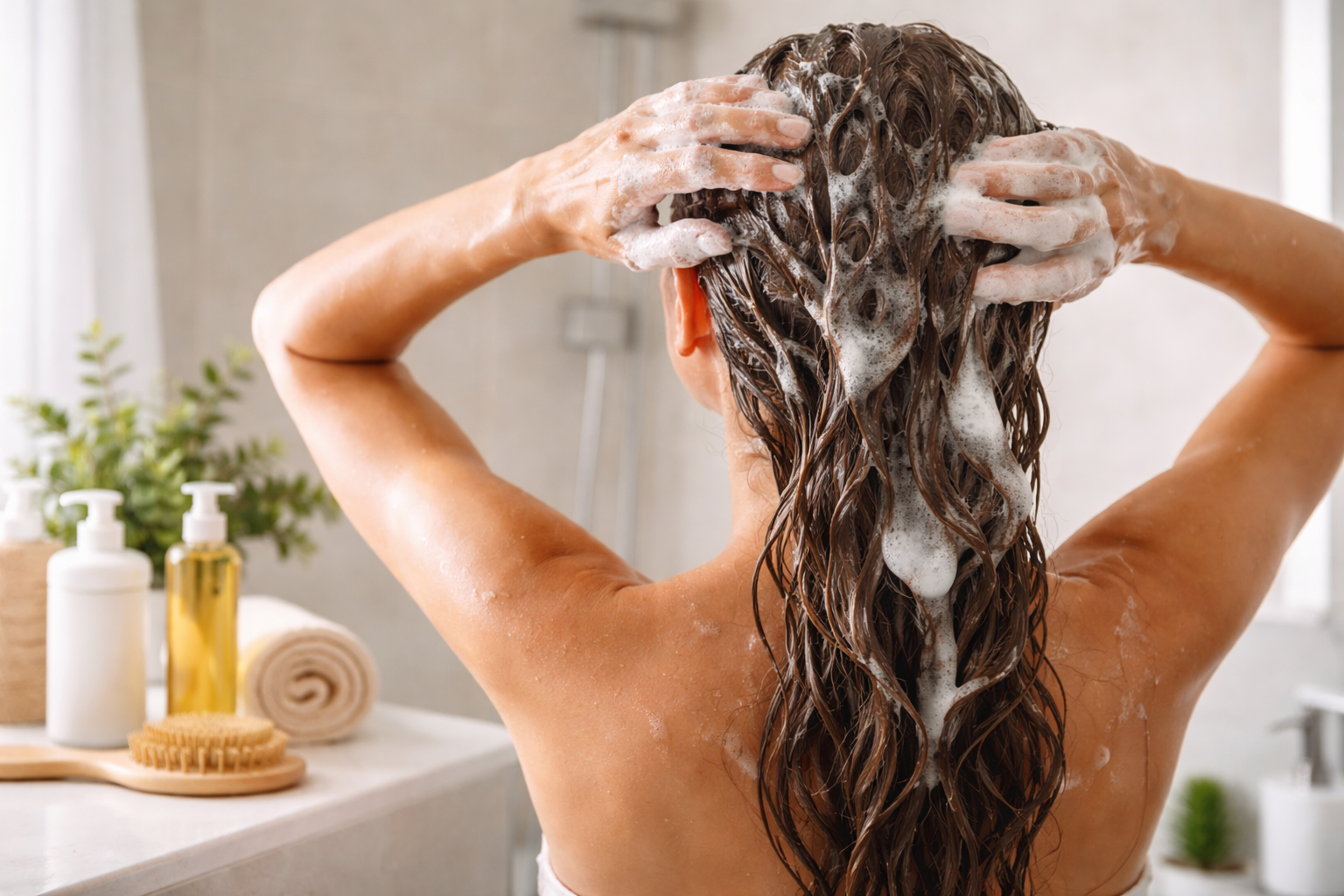
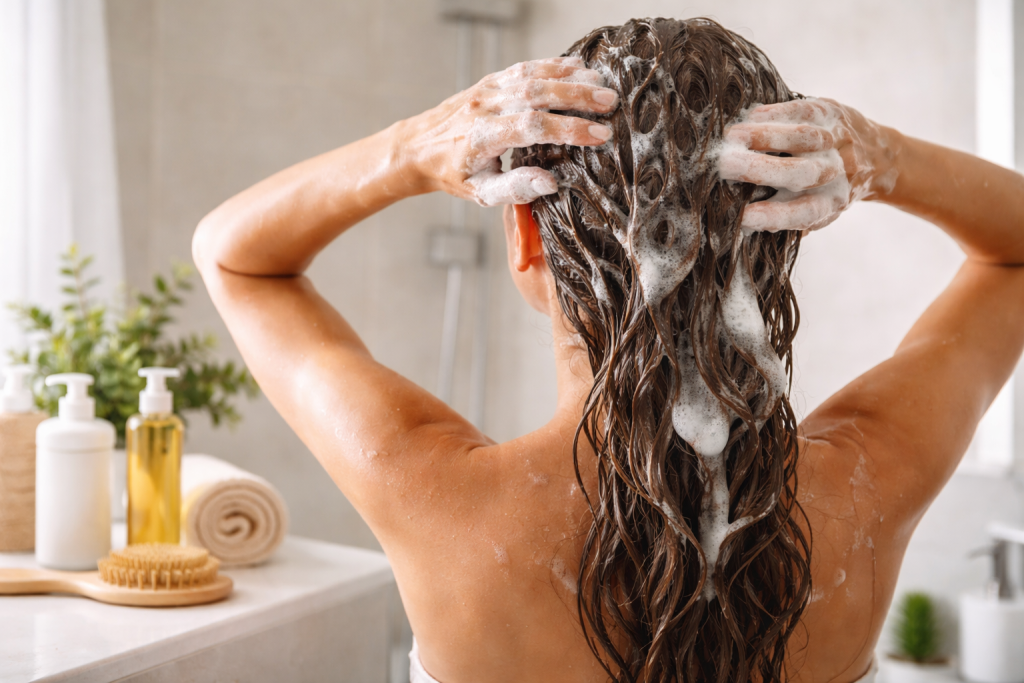
    Begin by thoroughly wetting your hair with lukewarm water. Water that is too hot can strip natural oils, while water that is too cold may not effectively activate the shampoo. Ensure every strand is saturated. Dispense a small, appropriate amount of shampoo into your palm – typically a coin-sized amount, though this varies with hair length and thickness. Emulsify the shampoo by rubbing your hands together lightly before applying it directly to your scalp. Focus your shampooing efforts primarily on the scalp, as this is where oil and product buildup accumulate. Use the pads of your fingertips, not your nails, to gently massage your scalp in small, circular motions for at least one to two minutes. This not only cleanses but also stimulates blood circulation, which can promote healthy hair growth. Allow the suds to run down the length of your hair, but resist the urge to vigorously scrub the ends, as this can cause friction and damage. For those with oily scalps, a second, lighter shampoo application might be beneficial.

    Rinsing Thoroughly

    Proper rinsing is just as important as proper washing. Rinse your hair extensively with lukewarm water until the water runs clear and you no longer feel any residue. Incomplete rinsing can leave behind product buildup, making hair appear dull, greasy, and heavy. Take your time with this step, ensuring all traces of shampoo are completely washed away from your scalp and hair strands. Run your fingers through your hair to feel for any remaining slipperiness or film.

    The conditioning phase is where your hair truly receives its dose of hydration and protection. Executing this step correctly is vital for soft, manageable, and healthy-looking hair.

    The Strategic Application of Conditioner

    After thoroughly rinsing out your shampoo, gently squeeze excess water from your hair. Your hair should be damp, not dripping wet, as too much water can dilute the conditioner and reduce its effectiveness. Dispense an appropriate amount of conditioner into your palm, again adjusting for hair length and thickness. Unlike shampoo, conditioner should be applied primarily to the mid-lengths and ends of your hair, which are typically drier and more prone to damage. Avoid applying conditioner directly to the roots, especially if you have fine or oily hair, as this can weigh it down and make it greasy. If your scalp is particularly dry, a very small amount can be gently massaged in, but for most, roots do not require extensive conditioning.

    Detangling and Dwell Time

    Once the conditioner is applied, use your fingers or a wide-tooth comb to gently detangle your hair. This is easier to do when the hair is saturated with conditioner, which provides slip and reduces friction. Work from the ends upwards, carefully untangling knots. Allow the conditioner to sit on your hair for the recommended dwell time, usually one to five minutes, as indicated on the product label. This allows the beneficial ingredients to penetrate the hair shaft and work their magic. For a deeper treatment, some conditioners can be left on longer, or you might opt for a weekly deep conditioning mask. During this waiting period, you can proceed with other shower routines.

    The Final Rinse and Cold Water Blast

    Rinse your hair thoroughly with cool or lukewarm water until all traces of conditioner are gone and your hair feels smooth, not slippery. The cooler temperature helps to close the hair cuticles, locking in moisture and maximizing shine. A final blast of cool water is often recommended for an extra boost of shine, as it helps to seal the cuticle even further, making hair appear smoother and reflecting light better. Be meticulous with this final rinse, as any leftover conditioner can leave hair feeling heavy and prone to quicker oiliness, detracting from the desired shine and cleanliness.

    The way you treat your hair immediately after washing can significantly impact its health and appearance, making proper drying and styling techniques crucial. This phase is often where much damage occurs, simply due to incorrect practices.

    The Gentle Towel Dry

    Immediately after rinsing, resist the urge to vigorously rub your hair with a rough bath towel. Wet hair is incredibly vulnerable and prone to breakage. Instead, gently squeeze out excess water from your hair using your hands. Then, wrap your hair in a soft microfiber towel or an old cotton t-shirt. These materials are much gentler on the hair cuticle and absorb water effectively without causing friction or frizz. Gently blot and squeeze your hair, rather than rubbing, to remove as much moisture as possible. This step significantly reduces drying time and minimizes heat exposure if you plan to use a blow dryer, thereby preventing damage.

    Air Drying vs. Blow Drying

    The healthiest option for drying your hair is undoubtedly air drying. If time permits, allow your hair to air dry completely or at least until it’s about 70-80% dry. This minimizes heat exposure and stress on the hair. For individuals with curly or wavy hair, air drying often enhances their natural texture. If you must blow dry, always use a heat protectant spray beforehand. This creates a barrier that shields your hair from the damaging effects of high temperatures. When blow drying, use a medium to low heat setting and a diffuser attachment, especially for curly hair, to distribute heat evenly and prevent frizz. Keep the blow dryer moving constantly, never focusing on one section for too long. Start drying your hair from the roots and work your way down to the ends, lifting sections to ensure even drying. Finish with a blast of cool air to set your style and enhance shine, as this helps to close the hair cuticle.

    Post-Wash Styling and Product Application

    Once your hair is dry or mostly dry, you can proceed with your preferred styling products. For added shine and frizz control, a lightweight hair oil or serum can be applied sparingly to the mid-lengths and ends. If you’re looking for volume, a volumizing mousse or root lift spray can be worked into the roots before styling. For texture or hold, a styling cream or gel can be used, depending on your hair type and desired look. Remember that less is often more when it comes to styling products. Start with a small amount and add more if needed, as over-application can weigh hair down or make it appear greasy. Always choose products that complement your hair type and desired style, maintaining the health and integrity of your freshly washed locks.

    This comprehensive approach to hair washing, from understanding your hair type to meticulous drying and styling, lays the groundwork for consistently healthy, vibrant, and beautiful hair.

    FAQs

    1. What are the different hair types and how do I determine my hair type?

    There are generally four hair types: straight, wavy, curly, and coily. You can determine your hair type by observing the natural pattern of your hair when it is air-dried and considering factors such as texture, thickness, and porosity.

    2. How do I choose the right shampoo and conditioner for my hair type?

    When choosing shampoo and conditioner, consider your hair type, texture, and any specific concerns such as dryness, frizz, or color-treated hair. Look for products that are formulated to address your specific needs and avoid ingredients that may be harsh or drying for your hair type.

    3. What is the proper hair washing technique to ensure clean and healthy hair?

    The proper hair washing technique involves wetting your hair thoroughly, applying a small amount of shampoo to the scalp, massaging gently to create a lather, and then rinsing thoroughly. Follow with conditioner, focusing on the mid-lengths and ends, and then rinse again.

    4. What are some tips for rinsing and conditioning my hair effectively?

    When rinsing your hair, use lukewarm water to help open the hair cuticle and allow for thorough cleansing. When conditioning, focus on the mid-lengths and ends of your hair, and consider using a wide-tooth comb to distribute the conditioner evenly.

    5. How can I maintain healthy hair habits and troubleshoot common hair washing mistakes?

    To maintain healthy hair, it’s important to use the right products for your hair type, avoid over-washing, minimize heat styling, and protect your hair from environmental damage. Common hair washing mistakes include using too much product, washing with hot water, and rough towel-drying, which can lead to damage and dryness.

  • Wake Up to Better Skin and Hair: The Impact of Sleep on Your Beauty Routine

    Wake Up to Better Skin and Hair: The Impact of Sleep on Your Beauty Routine

    In our relentlessly fast-paced world, the concept of “beauty sleep” often feels like a luxurious indulgence rather than a fundamental necessity. Yet, the truth is, a good night’s rest is not merely about feeling refreshed; it’s a powerful and profoundly impactful component of our beauty and well-being. From the lustrous sheen of healthy hair to the vibrant glow of clear skin, sleep plays an indispensable role in maintaining and enhancing our aesthetic appeal. Neglecting this vital bodily function can lead to a cascade of undesirable effects, making us look and feel older, duller, and more fatigued than we truly are. Understanding the intricate connection between sleep and our external appearance is the first step toward unlocking a more radiant, healthier self.

    Sleep on Your Beauty Routine
    Sleep on Your Beauty Routine

    The Science of Beauty Sleep: How Sleep Affects Your Skin and Hair

    The term “beauty sleep” isn’t just a catchy phrase; it’s rooted in a deep physiological understanding of how our bodies repair and rejuvenate themselves during slumber. This nightly recovery period is crucial for both cellular regeneration and the optimal functioning of various biological processes that directly impact our skin and hair.

    Cellular Regeneration and Repair During Sleep

    When we sleep, our bodies don’t simply shut down; they enter a highly active state of restoration. This is particularly true for our skin cells. During deep sleep stages, the body significantly increases its production of growth hormone, which is vital for cellular repair and renewal. Old, damaged skin cells are shed, making way for new, healthy cells to emerge. This continuous cycle of regeneration helps to maintain skin elasticity, firmness, and a youthful appearance. Without adequate sleep, this process is hampered, leading to a buildup of damaged cells and a less vibrant complexion.

    Collagen Production and Skin Elasticity

    Collagen and elastin are the foundational proteins that give our skin its structure, firmness, and elasticity. During sleep, especially in the later stages, our bodies ramp up collagen production. This nocturnal collagen synthesis is crucial for repairing daily damage from environmental aggressors like UV radiation and pollution. A consistent lack of sleep disrupts this vital process, leading to a decrease in collagen and elastin, which manifests as fine lines, wrinkles, and sagging skin. The result is a complexion that appears older and less resilient.

    Blood Flow and Nutrient Delivery

    Sleep also plays a critical role in increasing blood flow to the skin. This enhanced circulation delivers essential nutrients and oxygen to skin cells, aiding in their repair and regeneration. It also helps to flush out toxins and waste products, contributing to a clearer, more radiant complexion. When sleep-deprived, blood flow is reduced, leading to dull, sallow skin that lacks its natural luminosity.

    Hair Follicle Health and Growth

    The benefits of sleep extend beyond the skin to our hair. Hair follicles, like skin cells, undergo a restorative process during sleep. Optimal blood flow to the scalp ensures that hair follicles receive the necessary nutrients and oxygen for healthy hair growth. Sleep deprivation can lead to reduced nutrient delivery, weakening hair follicles and potentially contributing to hair thinning, increased shedding, and a dull, lackluster appearance.

    Sleep Deprivation and Its Effects on Skin and Hair

    The consequences of consistently skimping on sleep are far-reaching and become visibly etched on our skin and hair. The telltale signs of sleep deprivation transform our appearance, making us look tired, unwell, and ultimately, older.

    Under-Eye Circles and Puffiness

    Perhaps the most immediate and recognizable sign of inadequate sleep is the appearance of dark circles and puffiness around the eyes. Sleep deprivation causes blood vessels under the thin skin of the eyelids to dilate, making them more prominent and creating a shadowed effect. Simultaneously, a lack of sleep can lead to fluid retention, causing the delicate skin around the eyes to swell and appear puffy.

    Increased Inflammation and Acne Breakouts

    Sleep deprivation triggers a stress response in the body, which elevates cortisol levels. This surge in cortisol can increase inflammation throughout the body, including the skin. For individuals prone to acne, this heightened inflammation can exacerbate breakouts and hinder the skin’s ability to heal existing blemishes effectively.

    Dullness, Dryness, and Compromised Skin Barrier

    Without sufficient sleep, the skin’s natural barrier function becomes compromised. This vital barrier protects the skin from environmental irritants and helps to retain moisture. When weakened, the skin becomes more susceptible to dehydration, leading to a dull, dry, and flaky appearance. It also makes the skin more vulnerable to damage from external factors, accelerating signs of aging.

    Hair Loss and Weakened Strands

    Just as sleep impacts skin cells, it also affects the health of our hair follicles. Chronic sleep deprivation can put stress on the body, leading to a condition called telogen effluvium, where more hair follicles enter the resting phase and shed prematurely. Moreover, reduced nutrient delivery to the scalp weakens hair strands, making them more brittle, prone to breakage, and lacking in natural shine.

    Tips for Improving Your Beauty Routine Through Better Sleep Habits

    Recognizing the crucial link between sleep and beauty is the first step; actively incorporating strategies to optimize your sleep is the next. Adopting healthy sleep habits can significantly enhance the efficacy of your beauty routine from within.

    Establishing a Consistent Sleep Schedule

    One of the most effective ways to improve sleep quality is to establish and adhere to a consistent sleep schedule. Going to bed and waking up at the same time each day, even on weekends, helps to regulate your body’s natural circadian rhythm. This consistent routine signals to your body when it’s time to wind down and when to be alert, leading to more restful and restorative sleep.

    Optimizing Your Sleep Environment

    Your bedroom should be a sanctuary for sleep. Ensure it’s dark, quiet, and cool. Blackout curtains can block out external light, and earplugs or a white noise machine can minimize disruptive sounds. The ideal room temperature for sleep is typically between 60 and 67 degrees Fahrenheit (15-19 degrees Celsius). A comfortable mattress and pillows also contribute significantly to sleep quality.

    Mindful Evening Practices

    The hours leading up to bedtime significantly influence your ability to fall asleep and stay asleep. Avoid stimulants like caffeine and nicotine in the late afternoon and evening. Limit alcohol consumption, as it can disrupt sleep cycles. Instead, engage in relaxing activities such as reading a physical book, taking a warm bath, practicing gentle stretching, or meditating. Avoiding screen time (phones, tablets, computers, and TVs) at least an hour before bed is crucial, as the blue light emitted from these devices can interfere with melatonin production, the hormone that regulates sleep.

    The Role of Sleep in Repairing and Rejuvenating Skin and Hair

    Sleep is not just about resting; it’s an active period of intense repair and rejuvenation that directly translates to a more youthful and vibrant appearance. Our bodies utilize this downtime to perform essential maintenance tasks that are critical for healthy skin and hair.

    Growth Hormone and Cellular Turnover

    During deep sleep, the pituitary gland releases growth hormone, which is instrumental in the repair and regeneration of cells throughout the body, including those in the skin and hair follicles. This hormone stimulates the production of new skin cells, replacing damaged ones and contributing to a smoother, more even complexion. It also supports the healthy growth cycle of hair, promoting stronger, more resilient strands.

    Melatonin’s Antioxidant Power

    Melatonin, the hormone primarily known for regulating sleep, is also a powerful antioxidant. During sleep, melatonin helps to combat free radical damage caused by environmental stressors like pollution and UV radiation. This protective action helps to prevent premature aging of the skin and hair, maintaining their vitality and integrity. Its anti-inflammatory properties further aid in calming irritated skin and supporting overall skin health.

    Blood Flow and Nutrient Delivery for Optimal Health

    As discussed earlier, increased blood flow during sleep is vital. This enhanced circulation ensures that every skin cell and hair follicle receives a steady supply of oxygen, vitamins, and minerals essential for their health and function. Nutrients like vitamins A, C, and E, as well as various B vitamins, are crucial for collagen production, antioxidant defense, and healthy hair growth. Insufficient sleep compromises this vital delivery system, resulting in cellular nutrient deficiencies.

    Creating a Nighttime Beauty Routine to Enhance Your Sleep and Beauty Goals

    Integrating a mindful nighttime beauty routine can not only enhance the restorative power of sleep for your skin and hair but also signal to your body that it’s time to unwind. This ritual can become a powerful tool for both beauty enhancement and a better night’s sleep.

    Cleansing and Preparing the Skin

    The first step in any effective nighttime routine is thorough cleansing. Removing makeup, dirt, and impurities accumulated throughout the day is crucial to allow your skin to breathe and regenerate. Use a gentle cleanser suited to your skin type. Following cleansing, consider a toner to balance pH, and then apply targeted treatments.

    Layering Serums and Moisturizers

    Nighttime is the ideal time to apply potent serums and richer moisturizers, as your skin is in a regenerative phase. Serums containing ingredients like retinoids (vitamin A derivatives), hyaluronic acid, peptides, and antioxidants can address specific concerns such as fine lines, dehydration, and uneven skin tone. Follow with a nourishing night cream to lock in moisture and support the skin’s barrier function throughout the night. Look for ingredients like ceramides, shea butter, and squalane for intense hydration.

    Hair Care for Overnight Rejuvenation

    Don’t forget your hair! Overnight hair masks or treatments can work wonders. Applying a leave-in conditioner, hair oil (such as argan or jojoba oil), or a protein-rich treatment can deeply nourish and strengthen strands while you sleep. Consider sleeping on a silk pillowcase to reduce friction and minimize hair breakage and frizz. For those with long hair, tying it in a loose braid or bun can prevent tangles and damage.

    The Power of Aromatherapy and Relaxation

    Incorporate aromatherapy into your routine to promote relaxation. Essential oils like lavender, chamomile, or frankincense can be diffused in your bedroom, added to a warm bath, or diluted and applied to pulse points. Creating a calming atmosphere helps to ease your mind and prepare your body for a restful night, maximizing the beauty benefits of your sleep. This holistic approach ensures that your journey to better skin and hair is supported by a foundation of restorative sleep, leading to a truly radiant awakening.

    FAQs

    1. How does sleep affect skin and hair health?

    Sleep plays a crucial role in repairing and rejuvenating the skin and hair. During sleep, the body’s production of collagen and elastin increases, helping to maintain skin’s firmness and elasticity. Lack of sleep can lead to increased cortisol levels, which can break down collagen, leading to dull skin and hair.

    2. What are the effects of sleep deprivation on skin and hair?

    Sleep deprivation can lead to a decrease in blood flow to the skin, resulting in a dull complexion and under-eye circles. It can also disrupt the body’s ability to repair and regenerate skin cells, leading to premature aging and hair loss. Additionally, lack of sleep can contribute to increased stress levels, which can exacerbate skin conditions such as acne and eczema.

    3. How can I improve my beauty routine through better sleep habits?

    To improve your beauty routine through better sleep habits, it’s important to prioritize getting 7-9 hours of quality sleep each night. Establishing a consistent bedtime and wake-up time, creating a relaxing nighttime routine, and optimizing your sleep environment can all contribute to better sleep and, in turn, healthier skin and hair.

    4. What are some tips for maximizing the benefits of sleep for skin and hair?

    Some tips for maximizing the benefits of sleep for skin and hair include using silk or satin pillowcases to reduce friction and prevent hair breakage, applying a nighttime moisturizer to hydrate and repair the skin while you sleep, and sleeping on your back to prevent sleep lines and wrinkles.

    5. How can I create a nighttime beauty routine to enhance my sleep and beauty goals?

    Creating a nighttime beauty routine to enhance sleep and beauty goals involves incorporating calming activities such as meditation or gentle stretching, using soothing skincare products, and avoiding stimulating tasks and screens before bed. Additionally, practicing excellent sleep hygiene, such as keeping your bedroom cool and dark, can further enhance the benefits of your nighttime beauty routine.

  • Beginner’s Guide to Achieving a Natural Glow: Tips for Healthy, Glowing Skin

    Beginner’s Guide to Achieving a Natural Glow: Tips for Healthy, Glowing Skin

    Unlocking the secret to a natural glow isn’t about magical elixirs or an endless parade of expensive products; it’s about understanding and nurturing your skin. It’s a journey of consistency, mindfulness, and a healthy dose of self-care. This comprehensive guide will equip you with the knowledge and actionable steps to achieve that coveted luminous complexion, helping you radiate confidence from within.

    Natural Glow: Tips for Healthy, Glowing Skin
    Natural Glow: Tips for Healthy, Glowing Skin

    A natural glow is more than just shiny skin; it’s a reflection of healthy, well-nourished cells that are functioning optimally. When your skin is truly glowing, it appears smooth and even-toned and possesses a subtle luminescence that originates from within. This isn’t about highlighter or a thick layer of foundation; it’s about light reflecting off a plump, hydrated epidermis.

    Defining a Healthy Glow

    A healthy glow signifies skin that is plump with hydration, has a strong protective barrier, and experiences efficient cell turnover. Constant renewal of your skin cells brings the younger, brighter cells to the surface, resulting in a fresh, radiant appearance. Conversely, dull skin often indicates a buildup of dead skin cells, dehydration, or a compromised skin barrier. The subtle sheen observed on glowing skin comes from adequate moisture content, which allows light to diffuse evenly rather than appear greasy or oily. It’s a sign of vitality and excellent overall health.

    The Interplay of Factors for Radiance

    Achieving this natural radiance is a multi-faceted endeavor, influenced by numerous internal and external factors. Genetics, of course, play a role in skin type and predispositions, but lifestyle choices, environmental protection, and a consistent skincare regimen are paramount. Diet, sleep, stress levels, and even your water intake all contribute significantly to your skin’s overall health and appearance. Understanding this interplay is the first step toward taking control of your skin’s destiny. The goal is to create an environment where your skin can thrive, allowing its natural luminosity to shine through effortlessly.

    A consistent and well-structured skincare routine is the bedrock of achieving a natural glow. It’s not about complex steps but rather about effective ingredients and a disciplined approach tailored to your skin’s specific needs.

    The Essential Steps: Cleanse, Treat, Moisturize, Protect

    Every effective skincare routine, regardless of complexity, revolves around these fundamental pillars. Cleansing removes impurities, makeup, and excess oil, preparing your skin for the subsequent steps. A gentle cleanser is crucial to avoid stripping your skin of its natural oils, which can lead to dryness and irritation. Treatment involves targeting specific concerns with serums or other active ingredients. This phase is where you introduce elements that address issues like hyperpigmentation, fine lines, or lack of radiance. Moisturizing replenishes hydration, strengthens the skin barrier, and locks in beneficial ingredients. Lastly, it is essential to protect your skin from the sun’s harmful UV rays to maintain a healthy glow and prevent premature aging.

    Tuning Your Routine to Your Skin Type

    Understanding that a universal approach to skincare is ineffective is crucial. Identifying your skin type—whether it’s oily, dry, combination, sensitive, or normal—is the crucial first step in selecting appropriate products. Oily skin might benefit from gel-based cleansers and lightweight, non-comedogenic moisturizers, while dry skin often thrives with creamy cleansers and richer emollients. Sensitive skin demands fragrance-free formulas and a minimalist approach to active ingredients. Understanding your skin’s unique characteristics will guide you in choosing products that work with your skin, not against it, thereby minimizing irritation and maximizing efficacy.

    While topical treatments are important, true skin health emanates from within. What you consume, or don’t consume, profoundly impacts your skin’s vitality and ability to glow.

    The Power of a Balanced Diet

    Your plate can be your most potent skincare tool. A diet rich in antioxidants, vitamins, and healthy fats provides the essential building blocks for healthy skin cells and protects them from damage. Incorporate a wide array of colorful fruits and vegetables, which are abundant in antioxidants like vitamins C and E, crucial for collagen production and fighting free radicals. Foods rich in omega-3 fatty acids, found in fatty fish, flaxseeds, and walnuts, help maintain skin elasticity and reduce inflammation. Limiting processed foods, excessive sugar, and unhealthy fats can significantly improve skin clarity and reduce breakouts, contributing to a more even-toned and radiant complexion. Think of food as fuel for your skin cells, providing them with the necessary nutrients to thrive.

    Hydration: The Fountain of Youth for Your Skin

    Water is not just hydration; it’s the very essence of life for your skin cells. Adequate water intake helps maintain skin elasticity, plumpness, and a healthy barrier function. Dehydrated skin appears dull, fine lines are more pronounced, and the complexion lacks vitality. Aim to drink at least eight glasses of water daily, and even more if you’re physically active or spending time in dry environments. Beyond internal hydration, misting your face with a hydrating toner or using humectant-rich serums can also draw moisture into the skin, further enhancing that coveted dewy look. Remember, topical moisturizers work synergistically with internal hydration to keep your skin supple and radiant.

    Navigating the vast world of skincare ingredients can be overwhelming. However, focusing on a few key players known for their glow-boosting properties can simplify your choices.

    Key Ingredients for Radiance

    When selecting products, look for ingredients that support cell turnover, provide hydration, and protect against environmental aggressors. Vitamin C is a powerhouse antioxidant that brightens the complexion, fades hyperpigmentation, and stimulates collagen production. Hyaluronic acid is a humectant that attracts and holds up to 1000 times its weight in water, providing intense hydration and plumping the skin. Niacinamide (Vitamin B3) calms inflammation, reduces redness, minimizes pore appearance, and strengthens the skin barrier. AHAs (Alpha Hydroxy Acids), such as glycolic or lactic acid, gently exfoliate the skin, removing dead cells and revealing a fresher, brighter layer beneath. Retinoids, a derivative of vitamin A, accelerate cell turnover, smooth texture, and reduce the appearance of fine lines, contributing significantly to a youthful glow.

    Avoiding Common Irritants and Harmful Substances

    Equally important as choosing beneficial ingredients is avoiding those that can irritate your skin and hinder your journey to a natural glow. Fragrances, both synthetic and natural, can be a common sensitizer for many, leading to redness, itching, and dryness. Alcohol, particularly “drying alcohols” like ethanol or isopropyl alcohol, can strip the skin’s natural oils and compromise its barrier function. Harsh sulfates, often found in foaming cleansers, can also be overly drying. Being mindful of these potential irritants and opting for formulations that are free from them can make a significant difference in maintaining a calm, healthy, and naturally radiant complexion. Always patch-test new products to ensure they don’t cause adverse reactions.

    Beyond your chosen products, consistent daily habits form the backbone of a glowing complexion. These non-negotiables are your frontline defense against damage and your daily commitment to skin health.

    The Unwavering Importance of SPF

    Sun protection is arguably the single most crucial step in any skincare routine, especially for achieving and maintaining a natural glow. UV radiation is the primary cause of premature aging, including fine lines, wrinkles, dark spots, and dullness. It also breaks down collagen and elastin, compromising skin elasticity and radiance. Applying a broad-spectrum sunscreen with an SPF of 30 or higher every single day, regardless of weather or whether you’re indoors, is non-negotiable. Reapply it every two hours when exposed to direct sunlight. Think of sunscreen as your daily shield against the elements that dull your skin over time. Skipping this step undermines all other efforts.

    Gentle Cleansing and Consistent Moisturizing

    How you cleanse and moisturize your skin significantly impacts its ability to glow. Cleanse twice daily—once in the morning to remove overnight buildup and once at night to remove makeup, sunscreen, and daily pollutants. Use a gentle, pH-balanced cleanser that doesn’t leave your skin feeling tight or stripped. Over-cleansing or using harsh products can disrupt the skin’s natural barrier, leading to dehydration and irritation, which directly counteracts a radiant appearance. Following cleansing with a moisturizer is essential to replenish hydration, seal in beneficial ingredients, and strengthen the skin barrier. Apply moisturizer to damp skin to lock in maximum hydration. This consistent dual action ensures your skin remains supple, protected, and primed for a natural glow.

    While a natural glow originates from healthy skin, makeup can be a wonderful tool to enhance that luminosity without masking your true complexion.

    Strategic Product Choices for Radiance

    The key to a natural, luminous look with makeup is to choose products that enhance rather than cover. Opt for sheer, light-to-medium coverage foundations or tinted moisturizers that allow your skin to show through. Look for formulas labeled as “dewy,” “radiant,” or “luminizing.” Cream blushes and bronzers tend to blend more seamlessly into the skin, imparting a natural flush and warmth that powdered versions might not. They melt into the skin, creating a more skin-like finish. When selecting highlighters, choose finely milled formulas with a subtle shimmer rather than chunky glitter, and avoid anything too frosty. The goal is to mimic the natural reflection of light on healthy skin.

    Application Techniques for a Subtle Sheen

    How you apply your makeup is just as important as the products you choose. Instead of heavy, all-over application, focus on strategic placement to enhance your skin’s natural radiance. Apply foundation or tinted moisturizer with a damp beauty sponge or your fingers for a more skin-like finish. Blend cream blush onto the apples of your cheeks and upward toward your temples for a lifted, natural flush. For highlighter, apply sparingly to the high points of your face where light naturally hits: the tops of your cheekbones, the bridge of your nose, and your Cupid’s bow. A light touch is essential to avoid looking overly shimmery. Consider using a setting spray with a dewy or luminous finish to meld your makeup into your skin and add an extra layer of radiance.

    Even with the best intentions, skin concerns can arise. Understanding how to address dullness, dryness, and uneven tone effectively is critical to preserving your glow.

    Combating Persistent Dullness

    Dullness is often a tell-tale sign of a buildup of dead skin cells and dehydration. To combat this, regular, gentle exfoliation is key. Incorporate a chemical exfoliant, such as an AHA or BHA, into your routine a few times a week to dissolve the bonds holding dead skin cells to the surface. Physical exfoliants can also be used, but with extreme caution to avoid micro-tears. Simultaneously, ensure your skin is adequately hydrated from within by drinking plenty of water and externally by using humectant-rich serums and moisturizers. Products containing vitamin C can also significantly brighten the complexion over time by inhibiting melanin production and promoting cell renewal. A combination of exfoliation and hydration is your best defense against a lackluster complexion.

    Relieving Chronic Dryness and Dehydration

    Dryness and dehydration, though often used interchangeably, refer to different conditions. Dry skin lacks oil, while dehydrated complexion lacks water. For dry skin, focus on incorporating occlusives and emollients into your routine, such as ceramides, fatty acids, and squalane, found in richer creams and facial oils. These ingredients help to replenish the skin’s natural lipid barrier. For dehydration, focus on humectants like hyaluronic acid and glycerin, which draw moisture into the skin. Layering hydrating toners, serums, and then a moisturizer can significantly improve hydration levels. Also, consider the environment you are in; humidifiers can be beneficial in dry climates. Avoiding hot showers and harsh soaps will also help preserve the skin’s natural moisture. Consistent nourishment and strengthening the skin barrier are paramount to relieving chronic dryness and restoring a supple, glowing appearance.

    Addressing Uneven Skin Tone and Hyperpigmentation

    Uneven skin tone, including dark spots and post-inflammatory hyperpigmentation, can detract from a natural glow. Targeted treatments are essential here. Key ingredients to look for include vitamin C, which helps to inhibit melanin production and brighten existing spots; niacinamide, which reduces inflammation and can improve overall tone; and alpha arbutin or kojic acid, known for their melanin-inhibiting properties. Retinoids can also accelerate cell turnover, helping to shed pigmented cells more quickly. Consistent sun protection is absolutely non-negotiable when addressing uneven tone, as UV exposure is a major trigger for hyperpigmentation and will undo any progress made with other treatments. It can take weeks or months to see results, so patience and consistency are key to evening skin tone.

    FAQs

    What is a natural glow, and how can I achieve it?

    A natural glow refers to healthy, radiant skin that has a luminous and youthful appearance. Achieving a natural glow involves maintaining a consistent skincare routine, nourishing your skin from the inside out, protecting your skin from sun damage, and using the right skincare products.

    What are the basics of a skincare routine for healthy, glowing skin?

    A basic skincare routine for healthy, glowing skin includes cleansing, exfoliating, moisturizing, and applying sunscreen. It is important to cleanse your skin to remove dirt and impurities, exfoliate to remove dead skin cells, moisturize to keep your skin hydrated, and apply sunscreen to protect your skin from UV damage.

    How do diet and hydration play a role in achieving a natural glow?

    Diet and hydration play a crucial role in achieving a natural glow. Consuming a balanced diet rich in fruits, vegetables, and healthy fats can provide essential nutrients for your skin. Additionally, staying hydrated by drinking plenty of water helps maintain skin elasticity and overall skin health.

    What are the key skincare ingredients for achieving a natural glow?

    Key skincare ingredients for achieving a natural glow include vitamin C, hyaluronic acid, retinol, niacinamide, and antioxidants. These ingredients help brighten the skin, improve texture, and provide anti-aging benefits, contributing to a radiant complexion.

    What are some daily habits and makeup tips for enhancing a natural, luminous look?

    Daily habits for enhancing a natural, luminous look include wearing sunscreen daily, cleansing your skin thoroughly, and moisturizing regularly. When it comes to makeup, using a luminous foundation, highlighting the high points of your face, and opting for a natural, dewy finish can enhance your natural glow.

  • The Ultimate Guide to Skincare: Essential Tips for Healthy, Glowing Skin

    The Ultimate Guide to Skincare: Essential Tips for Healthy, Glowing Skin

    Achieving healthy, radiant skin isn’t a mystical art; it’s a science of understanding, consistency, and intelligent choices. While countless products promise miraculous transformations, the true secret lies in a holistic approach that addresses both external care and internal well-being. This comprehensive guide will equip you with the knowledge and strategies to unlock your skin’s full potential, leading to a complexion that not only looks good but genuinely feels good too.

     Essential Tips for Healthy, Glowing Skin
    Essential Tips for Healthy, Glowing Skin

    Understanding Your Skin Type: A Key to Effective Skincare

    Before embarking on any skincare journey, the crucial first step is to accurately identify your skin type. Just as a gardener wouldn’t treat all plants identically, your skin requires a tailored approach based on its unique characteristics. Misidentifying your skin type can lead to using ineffective or even damaging products, exacerbating existing concerns.

    Normal Skin: The Balanced Ideal

    Normal skin is often considered the most balanced type. It exhibits a smooth texture, minimal visible pores, and an even tone. It’s neither excessively oily nor dry and rarely experiences breakouts or sensitivity. While seemingly low-maintenance, normal skin still benefits from consistent care to maintain its youthful vitality. The goal here is preservation and subtle enhancement.

    Oily Skin: The Sebum Surge

    Characterized by excessive sebum production, oily skin often presents with a shiny appearance, enlarged pores, and a proneness to acne, blackheads, and whiteheads. The overproduction of oil can be linked to genetics, hormonal fluctuations, and even environmental factors. The primary focus for oily skin is controlling shine, regulating sebum, and preventing breakouts without stripping the skin, which can paradoxically trigger more oil production.

    Dry Skin: The Moisture Deficit

    Dry skin lacks sufficient natural oils (sebum) and often feels tight, flaky, and sometimes itchy. It may appear dull and can be more susceptible to fine lines and wrinkles due to a compromised skin barrier. Environmental factors like cold weather, low humidity, and harsh soaps can exacerbate dryness. The core objective for dry skin is to replenish moisture, strengthen the skin barrier, and soothe irritation.

    Combination Skin: The Best and Worst of Both Worlds

    As the name suggests, combination skin exhibits characteristics of both oily and dry areas. Typically, the T-zone (forehead, nose, and chin) is oily, while the cheeks and other areas are normal or dry. This skin type presents a challenge as it requires a targeted approach, addressing the different needs of various facial regions. The strategy involves balancing oil production in some areas while providing hydration to others.

    Sensitive Skin: The Reactive Responder

    Sensitive skin is prone to redness, itching, burning, and irritation when exposed to certain ingredients, environmental stressors, or even specific products. It often has a compromised skin barrier, making it more vulnerable to external triggers. Identifying and avoiding irritants is paramount for sensitive skin, along with using gentle, fragrance-free, and hypoallergenic formulations. Patch testing

    New products are an essential practice for those with sensitive skin.

    The Importance of a Consistent Skincare Routine

    Once you understand your skin type, the next critical element is establishing and adhering to a consistent skincare routine. Like any discipline, skincare yields its best results through regular, dedicated effort. Sporadic application of products, or skipping steps, undermines their efficacy and delays desired outcomes.

    Building a Foundational Morning Routine

    A morning routine prepares your skin for the day ahead, protecting it from environmental aggressors. It typically involves cleansing to remove overnight impurities, applying a toner to balance pH, a serum to address specific concerns, moisturizer to hydrate, and crucially, sunscreen for UV protection. Each step plays a vital role in creating a protective and nourishing shield.

    Crafting an Effective Evening Routine

    The evening routine focuses on cleansing away the day’s accumulation of dirt, makeup, and pollutants and on supporting the skin’s regenerative processes while you sleep. This often includes a double cleanse, particularly if you wear makeup, followed by a toner, targeted treatments or serums, and a richer night cream to provide intense hydration and aid in cellular repair. The night is when your skin does its most important work of renewal.

    The Power of Patience and Persistence

    Skincare is a marathon, not a sprint. Significant improvements often take weeks, if not months, to become apparent. Consistent application allows ingredients to work synergistically and gradually transform your complexion. Impatience can lead to product hopping, which makes it impossible to assess the effectiveness of any single product and can even irritate the skin. Trust the process and stick with your chosen routine.

    Choosing the Right Products for Your Skin

    The overwhelming array of skincare products on the market can be daunting. However, armed with knowledge of your skin type, choosing effective formulations becomes a much simpler task. Look beyond fancy packaging and celebrity endorsements; focus on ingredients and their suitability for your specific concerns.

    Understanding Key Skincare Ingredients

    Familiarize yourself with beneficial ingredients relevant to your skin type. For oily skin, look for salicylic acid, niacinamide, and clay. Dry skin benefits from hyaluronic acid, ceramides, glycerin, and emollients. Sensitive skin requires gentle ingredients like colloidal oatmeal, centella asiatica, and aloe vera, while avoiding fragrances and harsh chemicals. Antioxidants like vitamins C and E are beneficial for all skin types, protecting against environmental damage. Understanding the “why” behind an ingredient helps you make informed choices.

    Reading Product Labels Effectively

    Become a savvy label reader. The ingredient list is typically ordered by concentration, with the highest concentration appearing first. Pay attention to the active ingredients and their position on the list. Be wary of lengthy ingredient lists filled with complex chemicals you don’t recognize, especially if you have sensitive skin. Opt for products with transparent ingredient lists and fewer potential irritants.

    Patch Testing New Products

    Before incorporating a new product into your full routine, especially if you have sensitive skin, perform a patch test. Apply a small amount of the product to an inconspicuous area, such as behind the ear or on a small patch of skin on your forearm. Observe the area for 24-48 hours for any signs of redness, itching, burning, or irritation. This simple step can prevent widespread skin reactions.

    The Role of Nutrition and Hydration in Skincare

    While external products are crucial, true skin health is also cultivated from within. What you consume, or don’t consume, profoundly impacts your complexion. A healthy diet and adequate hydration are fundamental, often overlooked, pillars of effective skincare.

    The Impact of a Balanced Diet

    A diet rich in fruits, vegetables, lean proteins, and healthy fats provides the essential vitamins, minerals, and antioxidants your skin needs to thrive. Vitamin C supports collagen production, vitamin A aids cell turnover, and omega-3 fatty acids reduce inflammation and strengthen the skin barrier. Conversely, excessive sugar and processed foods can contribute to inflammation, breakouts, and premature aging. Think of your plate as a beauty elixir.

    The Indispensable Role of Water

    Hydration is perhaps the most fundamental aspect of internal skincare. Dehydration can lead to dull, tight, and flaky skin, accentuating fine lines. Adequate water intake helps maintain skin elasticity, flushes out toxins, and aids in nutrient delivery to skin cells. Aim for at least eight glasses of water daily, and consider incorporating hydrating foods like cucumbers and watermelon into your diet.

    Sun Protection: A Vital Step in Skincare

    Without question, sun protection is the single most important step in any skincare routine, regardless of skin type or concern. Ultraviolet (UV) radiation from the sun is the leading cause of premature aging, hyperpigmentation, collagen breakdown, and, most critically, skin cancer.

    Understanding UV Radiation and its Effects

    There are two main types of UV rays that reach the Earth: UVA and UVUVA rays penetrate deeper into the skin, contributing to aging (wrinkles, fine lines, and sunspots). UVB rays primarily cause sunburn and are a major factor in skin cancer. Both types contribute to DNA damage in skin cells. Protecting against both is non-negotiable.

    Daily Application of Broad-Spectrum Sunscreen

    A broad-spectrum sunscreen with an SPF of at least 30 should be applied every single day, even on cloudy days and during winter months. Look for sunscreens that protect against both UVA and UVB rays. Apply it generously as the last step in your morning routine, before makeup, and reapply every two hours when outdoors, or more frequently if swimming or sweating. This daily habit is your most powerful anti-aging and anti-cancer tool.

    Beyond Sunscreen: Protective Measures

    While sunscreen is paramount, it’s not the only line of defense. Seek shade during peak sun hours (typically 10 AM to 4 PM). Wear protective clothing, including long sleeves, wide-brimmed hats, and UV-protective sunglasses. These additional measures create a comprehensive shield against the sun’s harmful rays, significantly reducing your risk of sun damage.

    Incorporating Regular Exfoliation and Masks into Your Routine

    While daily cleansing and moisturizing form the backbone of your routine, specific treatments like exfoliation and masks provide targeted benefits that can elevate your skin’s health and appearance. These are typically used a few times a week, rather than daily.

    The Benefits and Types of Exfoliation

    Exfoliation removes dead skin cells from the surface, revealing fresher, more radiant skin underneath. This process improves cell turnover, prevents clogged pores, and allows other skincare products to penetrate more effectively. There are two main types of exfoliation:

    Physical Exfoliation: Gentle Buffing

    Physical exfoliants, such as scrubs with fine particles or cleansing brushes, manually slough off dead skin cells. It’s crucial to choose gentle formulations with fine, spherical particles to avoid micro-tears in the skin. Over-exfoliation can disrupt the skin barrier, leading to irritation and sensitivity. Limit physical exfoliation to 1-2 times per week.

    Chemical Exfoliation: Dissolving Dead Cells

    Chemical exfoliants use acids to dissolve the bonds between dead skin cells. Common examples include AHAs (alpha hydroxy acids like glycolic and lactic acid), which work on the skin’s surface, and BHAs (beta hydroxy acids like salicylic acid), which penetrate oil to unclog pores. Chemical exfoliants can be very effective but require careful introduction and usage to prevent over-exfoliation and irritation. Start with lower concentrations and gradually increase frequency as your skin tolerates it.

    The Power of Targeted Skincare Masks

    Face masks offer concentrated doses of active ingredients, providing targeted solutions for various skin concerns. There is a mask for every need, including hydrating masks for dry skin, clay masks for oily skin, sheet masks for instant radiance, and calming masks for sensitive skin. Incorporate a mask 1-2 times per week to boost your routine and address specific issues. They are a wonderful way to give your skin an intensive treatment.

    Seeking Professional Help: When to Consult a Dermatologist for Your Skincare Concerns

    While this guide provides comprehensive insights, there are times when professional medical advice is indispensable. A board-certified dermatologist is a skin expert who can diagnose and treat a wide range of skin conditions, offering personalized solutions that over-the-counter products cannot.

    Persistent Acne and Breakouts

    If you’re struggling with persistent, severe acne that doesn’t respond to over-the-counter treatments, a dermatologist can prescribe stronger topical medications, oral antibiotics, or even isotretinoin (Accutane) for cystic acne. They can also provide in-office treatments like chemical peels or extractions. Don’t suffer in silence; professional help can significantly improve quality of life.

    Unexplained Rashes, Hives, or Itching

    Any new, persistent, or recurring rashes, hives, or intense itching should prompt a visit to a dermatologist. These symptoms could indicate allergic reactions, eczema, psoriasis, or other inflammatory skin conditions that require professional diagnosis and management. Early intervention can prevent worsening symptoms and long-term complications.

    Suspicious Moles or Skin Lesions

    Regularly performing self-skin checks for new or changing moles and existing lesions is crucial. If you notice any mole that changes in size, shape, or color or has irregular borders, or if you develop a new, unusual lesion, do not delay seeing a dermatologist. These could be signs of skin cancer, and early detection is vital for successful treatment. An annual professional skin check is also recommended, especially for individuals with a history of sun exposure or a family history of skin cancer.

    Chronic Skin Conditions

    Conditions like rosacea, vitiligo, severe eczema, or persistent hyperpigmentation often require the expertise of a dermatologist. They can offer prescription-strength treatments, in-office procedures, and comprehensive management plans to control symptoms and improve the appearance of the skin. Self-treating complex conditions can often lead to frustration and suboptimal results.

    By understanding your skin, committing to consistency, making informed product choices, nurturing from within, diligently protecting against the sun, and knowing when to seek professional guidance, you are well on your way to achieving healthy, glowing skin that radiates confidence and vitality. Your skin is your body’s largest organ; invest in its care, and it will serve you beautifully for years to come.

    FAQs

    1. What are the essential tips for healthy, glowing skin?

    To achieve healthy, glowing skin, it is important to follow a consistent skincare routine, understand your skin type, choose the right products, prioritize nutrition and hydration, protect your skin from the sun, and incorporate regular exfoliation and masks into your routine.

    2. How can I understand my skin type for effective skincare?

    Understanding your skin type is crucial for effective skincare. There are generally four main skin types: normal, dry, oily, and combination. By observing how your skin feels and behaves throughout the day, you can determine your skin type and choose products and routines that cater to its specific needs.

    3. Why is a consistent skincare routine important?

    A consistent skincare routine is important because it allows your skin to adapt to the products and treatments you use, leading to better results over time. Consistency also helps maintain the health and balance of your skin, preventing issues such as breakouts, dryness, or premature aging.

    4. How do I choose the right products for my skin?

    Choosing the right products for your skin involves considering your skin type, specific concerns (such as acne, aging, or sensitivity), and the ingredients in the products. It’s important to look for products that are suitable for your skin type and address your individual skincare needs.

    5. When should I consult a dermatologist for my skincare concerns?

    If you have persistent or severe skin concerns, such as acne, eczema, psoriasis, or unusual changes in your skin, it is advisable to consult a dermatologist. Additionally, if you are unsure about your skin type or the products to use, a dermatologist can provide personalized recommendations and treatments for your skincare needs.

  • Streamlining Your Hair Care Routine: Tips for the Modern Woman on the Go

    Streamlining Your Hair Care Routine: Tips for the Modern Woman on the Go

    The modern woman navigates a world of ever-increasing demands, seamlessly balancing professional ambitions, personal commitments, and a vibrant social life. In this whirlwind of activity, the quest for efficiency extends to every aspect of daily life, and hair care is no exception. Gone are the days of dedicating hours to elaborate styling rituals. Today, the focus is on achieving healthy, beautiful hair without sacrificing precious time. This article explores how to streamline your hair care routine, offering practical strategies for the woman on the go who prioritizes both her time and her hair’s well-being.

    Hair Care Routine
    Hair Care Routine

    The contemporary woman’s calendar is a meticulously crafted tapestry of meetings, deadlines, family responsibilities, fitness regimes, and social engagements. This complicated pattern leaves little room for leisurely hair care sessions. Early mornings are typically dedicated to getting ready for work or preparing children for school, while evenings are often filled with dinner preparations, household chores, or unwinding after a long day. Once a sanctuary for self-care, the weekend often becomes packed with errands, social gatherings, or personal development activities. This constant push-and-pull necessitates a pragmatic approach to beauty, where efficacy and speed are paramount.

    The Impact of Time Constraints on Hair Care Choices

    Convenience often dictates hair care choices when time is scarce. This can sometimes lead to shortcuts that, while efficient in the short term, may not be beneficial for long-term hair health. For instance, frequent use of heat styling tools without adequate protection, skipping conditioning treatments, or delaying washes due to lack of time can all contribute to damage. The modern woman seeks solutions that save time and actively contribute to the well-being of her hair, ensuring it remains strong, shiny, and manageable despite her demanding schedule.

    Shifting Priorities: Health and Simplicity Over Intricate Styles

    There has been a palpable shift in beauty ideals. While elaborate updos and perfectly coiffed curls once dominated, there’s a growing appreciation for a more natural, healthy aesthetic. This shift aligns perfectly with the busy woman’s needs. The emphasis is now on achieving hair that looks effortlessly good, rather than heavily styled. This means focusing on strong, well-nourished strands that require minimal fuss to appear presentable and chic.

    The cornerstone of an efficient hair care regimen is simplification. This involves identifying essential steps and eliminating unnecessary ones, all while maintaining the integrity and health of your hair. It’s about working smarter, not harder, to achieve desired results.

    Auditing Your Current Routine

    Before making any changes, take an honest look at your existing hair care routine. How many products do you use? How long does each step take? Are there any steps you perform out of habit rather than necessity? You might discover that you’re using products that don’t deliver specific benefits or spending excessive time on techniques that yield minimal difference. The goal is to identify redundancies and opportunities for optimization.

    Embracing a Minimalist Approach to Products

    A cluttered vanity often signifies an overcomplicated routine. Embrace minimalism by focusing on high-quality, multitasking products. A good shampoo, a nourishing conditioner, and perhaps one or two targeted treatments (like a leave-in conditioner or heat protectant) are often all you need. Avoid falling victim to marketing hype that encourages an exorbitant number of niche products. Less is often more, not just for your time but for your hair’s health, as excessive product buildup can weigh hair down.

    When every minute matters, efficiency is crucial. Incorporating strategic shortcuts into your routine can drastically reduce the time spent on hair care without compromising results.

    Mastering the Art of the Quick Wash and Go

    For many, washing hair is the most time-consuming part of the routine. Optimize this by using a sulfate-free shampoo that cleanses effectively without stripping natural oils and a rich conditioner that detangles quickly. Consider washing your hair in the evening if your mornings are particularly rushed, allowing it to air dry overnight. For those with textured hair, “co-washing” (conditioning-only washing) can extend the time between shampoo washes, retaining moisture and reducing styling time.

    Investing in Hair Drying Efficiency

    Drying your hair can be a significant time suck. Invest in a high-quality, powerful hairdryer with ionic technology, which can significantly cut down drying time and reduce frizz. Microfiber towels are another game-changer; they absorb significantly more water than traditional towels, speeding up the air-drying process before you even reach for the dryer. When using a hairdryer, focus on drying the roots first, as this is where hair takes the longest to dry and where volume control often originates.

    The Magic of Dry Shampoo

    Dry shampoo serves as a valuable tool for busy women. It instantly refreshes oily roots, adds volume, and extends the time between washes. It’s perfect for those mornings when a full wash isn’t an option or for touch-ups throughout the day. Apply it to the roots and let it sit for a few minutes before brushing through to distribute the product and absorb excess oil. Choosing a dry shampoo that matches your hair color can prevent any white powdery residue.

    Product selection plays a critical role in streamlining your routine. The right products can enhance efficiency, reduce styling time, and promote overall hair health.

    Multi-Tasking Marvels: Products that Do More

    Look for products that offer multiple benefits. A leave-in conditioner that also provides heat protection, a styling cream that offers both hold and hydration, or a hair oil that can be used for both shine and frizz control are excellent examples. These multipurpose products reduce the number of steps and products needed, simplifying your routine considerably.

    Tailoring Products to Your Hair Type and Concerns

    Understanding your hair type—whether it’s fine, thick, curly, straight, oily, or dry—is crucial. Using products specifically formulated for your hair’s needs will yield better results with less effort. For instance, a volumizing shampoo won’t do much for thick, coarse hair, and a heavy conditioner will weigh down fine strands. Address specific concerns like frizz, damage, or oiliness with targeted solutions, but ensure they integrate seamlessly into your simplified framework.

    The Power of overnight Treatments

    Overnight hair masks or serums are fantastic for busy women because they work while you sleep. Apply a nourishing treatment before bed, and wake up to softer, more manageable hair, ready for minimal styling. The technique utilizes otherwise unproductive time efficiently, delivering deep conditioning without requiring dedicated time in your morning or evening routine.

    Mastering a repertoire of quick and chic hairstyles is essential for the busy woman. These styles save time and provide polished looks suitable for various occasions.

    The Enduring Appeal of the Ponytail and Bun

    The classic ponytail and bun are timeless for a reason. They’re versatile, elegant, and incredibly quick to execute. Experiment with different placements—high, low, or to the side—and textures—sleek or messy—to adapt them to different looks. A high ponytail can be sporty and chic, while a low bun can exude sophistication. Adding a silk scrunchie or a stylish hair tie can elevate these simple styles.

    Braids: Functional and Fashionable

    Braids are a fantastic option for keeping hair contained, minimizing tangles, and looking effortlessly stylish. A simple three-strand braid, a French braid, or a Dutch braid can be done quickly once practiced. Braids are particularly useful for protecting hair from environmental damage and can even create soft waves overnight if done on slightly damp hair. Incorporating a single braid into a half-updo or a ponytail adds an element of visual interest.

    Accessorizing for Instant Polish

    Hair accessories are an indispensable tool for busy women. A stylish headband can instantly elevate a simple hairstyle and hide roots on second-day hair. Chic barrettes or hair clips can tame flyaways and add a touch of glamour. Scarves are incredibly versatile, usable as headbands, woven into braids, or tied around a ponytail for a bohemian look. These accessories serve as instant fixes, creating the illusion of greater effort than is actually required.

    Rather than viewing hair care as a separate, time-consuming task, integrate it seamlessly into your existing daily habits. This subconscious approach makes the routine feel less like a chore and more like an effortless extension of your self-care.

    Maximizing Shower Time for Hair Health

    Utilize your shower time effectively. While your conditioner is working its magic, use that interval to wash your body, shave, or exfoliate. This multitasking approach ensures no time is wasted and your hair is receiving the necessary nourishment. Consider showering with cooler water for the final rinse, which helps seal the hair cuticles, enhances shine, and reduces frizz.

    Post-Shower Hair Management

    After showering, gently squeeze excess water from your hair with a microfiber towel instead of vigorously rubbing, which can cause damage and frizz. Apply any leave-in treatments while your hair is still damp, as this allows for better product absorption. If you plan to air dry, gently detangle with a wide-tooth comb and let it be. If you are heat styling your hair, apply a heat protectant immediately.

    Evening Rituals for Morning Ease

    Consider shifting certain hair care tasks to the evening. Washing your hair the night before, applying an overnight serum, or even loosely braiding your hair to create natural waves can significantly reduce your morning prep time. This strategic planning guarantees that your hair wakes up partially styled or prepped, ready for a quick finish.

    Efficiency should never come at the expense of hair health. Even with a busy schedule, prioritizing the well-being of your hair is crucial for long-term beauty and manageability.

    The Importance of Regular Trims

    Even if you’re short on time, regular trims are non-negotiable. Skipping trims leads to split ends traveling up the hair shaft, causing more damage and ultimately requiring a more significant chop. Aim for a trim every 6-8 weeks, even if it’s just a dusting, to keep your ends healthy and prevent breakage. Many salons provide quick express trims.

    Protecting Your Hair from Environmental Stressors

    Your hair is constantly exposed to elements that can cause damage, even when you’re on the go. Protect it from sun exposure with SPF hair products or by wearing hats. During colder months, protect it from drying winds and static. If you spend time in chlorinated water, wet your hair and apply conditioner before swimming to create a barrier and rinse thoroughly afterwards. These small preventive measures go a long way in maintaining hair health.

    Nourishing from Within: Diet and Hydration

    Healthy hair starts from within. A balanced diet rich in vitamins, minerals, and proteins is crucial for strong, vibrant hair. Ensure you’re consuming adequate amounts of biotin, iron, zinc, and vitamins A, C, and E. Hydration is equally important; drinking plenty of water keeps your scalp and hair moisturized, promoting elasticity and shine. These foundational health habits require no extra time in your beauty routine but yield significant results for your hair’s vitality.

    By adopting these strategies, the modern woman can achieve beautiful, healthy hair without compromising her dynamic lifestyle. The key lies in strategic planning, smart product choices, and efficient techniques that respect the demands of her busy schedule while nurturing her hair’s natural allure.

    FAQs

    1. What are some time-saving hair care tips for busy women?

    Some time-saving hair care tips for busy women include using dry shampoo to extend the time between washes, opting for low-maintenance hairstyles like buns or ponytails, and investing in multi-purpose hair products that can streamline the routine.

    2. How can a modern woman incorporate hair care into her daily routine?

    A modern woman can incorporate hair care into her daily routine by setting aside a specific time for it, using time-saving products like leave-in conditioners or hair masks, and choosing hairstyles that are easy to maintain throughout the day.

    3. What are some quick and simple hairstyles for women on the go?

    Quick and simple hairstyles for women on the go include sleek buns, messy buns, low ponytails, braided styles, and half-up half-down styles. These hairstyles are simple to create and require minimal time and effort.

    4. How can a busy woman maintain healthy hair with limited time?

    A busy woman can maintain healthy hair with limited time by using efficient hair care products, minimizing heat styling, protecting hair from environmental damage, and incorporating regular trims into her schedule to prevent split ends and breakage.

    5. What are some tips for choosing the right hair care products for efficiency?

    When choosing hair care products for efficiency, it’s important to look for multipurpose products, such as 2-in-1 shampoos and conditioners, leave-in treatments, and styling products with built-in heat protection. Additionally, selecting products tailored to specific hair concerns can help streamline the routine and achieve optimal results.

  • Self-Care Essentials: How to Prioritize Your Well-Being in 5 Easy Steps

    Self-Care Essentials: How to Prioritize Your Well-Being in 5 Easy Steps

    In the whirlwind of modern life, where demands from work, family, and social obligations constantly vie for our attention, the concept of self-care often feels like a luxury rather than a necessity. Yet, prioritizing your well-being is not just about indulgence; it’s about building resilience, fostering mental clarity, and cultivating a sustainable path to overall health and happiness. Self-care is the intentional act of taking steps to preserve or improve one’s own health, whether physical, mental, or emotional. It is a proactive approach to prevent burnout and ensure you have the energy and capacity to navigate life’s challenges effectively. Ignoring self-care can lead to detrimental consequences, including increased stress, anxiety, chronic fatigue, and even physical illness. Recognizing its vital role is the first step toward a more balanced and fulfilling existence.

    Self-Care Essentials: How to Prioritize Your Well-Being in 5 Easy Steps
    Self-Care Essentials: How to Prioritize Your Well-Being in 5 Easy Steps

    Self-care isn’t selfish; it’s a fundamental component of a healthy and productive life. Just as a car needs fuel and maintenance to run efficiently, our bodies and minds require consistent care to perform at their best. Without dedicated attention to our personal well-being, we risk depleting our resources, leading to decreased productivity, impaired decision-making, and a reduced capacity for empathy and connection with others.

    The Detrimental Effects of Neglecting Self-Care

    When we consistently push ourselves without adequate rest, rejuvenation, and emotional processing, the cumulative effect can be profound. Chronic stress, a direct result of neglecting self-care, can manifest in various ways, from persistent headaches and digestive issues to compromised immune function. Mentally, it can lead to anxiety, depression, irritability, and a general sense of being overwhelmed. Emotionally, a lack of self-care can dull our joy, diminish our capacity for gratitude, and make us more susceptible to emotional outbursts or withdrawal. Furthermore, the constant grind without respite often results in a feeling of emptiness or a loss of purpose, undermining our overall sense of contentment and fulfillment.

    Self-Care as a Foundation for Growth

    Conversely, integrating self-care into our daily lives empowers us to thrive. It’s about replenishing our mental and emotional reserves, allowing us to face challenges with a clearer perspective and greater emotional stability. When we prioritize our well-being, we cultivate a stronger sense of self-worth and self-compassion. This internal strength then radiates outwards, enhancing our relationships, improving our professional performance, and fostering a more positive outlook on life. Self-care is not about fixing a problem; it’s about building a robust foundation that supports continuous personal growth and resilience in the face of adversity.

    The concept of self-care is not universally applicable. What works for one person might not resonate with another, and individual needs can also shift over time based on life circumstances, stress levels, and personal growth. The key is to engage in a process of self-discovery to pinpoint what truly nourishes and recharges you.

    Reflecting on Your Current State

    Begin by taking stock of your current emotional, mental, and physical well-being. Are you frequently worn out? Do you feel overwhelmed? Is your mind constantly racing? Are you experiencing physical symptoms like tension headaches or digestive issues? Journaling can be an incredibly effective tool for this self-assessment. Write down your thoughts, feelings, and any physical sensations you’ve been experiencing. This unadulterated exploration of your inner landscape can reveal patterns and identify areas where you are feeling depleted. Consider what activities in your daily life drain your energy versus those that genuinely energize you.

    Experimenting with Different Self-Care Practices

    Once you have a clearer picture of your current state, it’s time to explore various self-care options. This is not about committing to a rigid routine immediately but rather about experimenting to see what genuinely resonates. Try incorporating different types of self-care: physical (exercise, healthy eating, sleep), mental (reading, learning a new skill, mindfulness), emotional (journaling, talking to a trusted friend, practicing gratitude), social (connecting with loved ones, setting boundaries), and spiritual (meditation, spending time in nature, pursuing purpose). Perhaps a vigorous morning run helps clear your head, or maybe a quiet evening with a relaxing book offers the solace you need. It might be helpful to create a “self-care wish list”—a collection of activities you’ve always wanted to try or those you know bring you joy. Don’t be afraid to try new things and discard practices that don’t feel right. The goal is to cultivate a toolkit of self-care strategies that are effective and enjoyable for you.

    Once you’ve identified your personal self-care needs and explored various practices, the next crucial step is to integrate them into your daily life through a structured routine. A routine transforms good intentions into consistent habits, making self-care an ingrained part of your lifestyle rather than an occasional afterthought.

    Creating a Realistic Schedule

    Examine your current schedule and pinpoint specific times you can dedicate to self-care. It doesn’t have to be hours per day; even 15–30 minutes consistently applied can make a significant difference. Perhaps you can wake up a little earlier for meditation or stretching, take a mindful break during your workday, or dedicate the last hour before bed to winding down with a book or warm bath. Be realistic about what you can commit to. Overly ambitious goals are often short-lived. Instead, begin with small, manageable steps and gradually expand your routine as self-care becomes more natural. Treat self-care activities like any other important appointment.

    Integrating Self-Care into Daily Habits

    The most effective self-care routines seamlessly blend into your existing habits. For example, if you already have a morning coffee ritual, perhaps you can pair it with five minutes of journaling or quiet reflection. If you commute, use that time for listening to an uplifting podcast or practicing deep breathing exercises. The aim is to make self-care feel less like an additional chore and more like an effortless extension of your daily life. Regularly review and adjust your routine as needed. Life changes, and so do our needs, so flexibility is key. What works well this month might need tweaking next month. Periodically reflect on your routine and ask yourself if it’s still serving you effectively or if any adjustments are necessary to better support your current well-being.

    One of the most challenging yet vital aspects of prioritizing self-care involves learning to set and maintain healthy boundaries. Without clear boundaries, our self-care efforts can easily be derailed by external demands and the expectations of others.

    Defining Your Limits

    Boundaries are not about being rigid or cruel; they define what you will and won’t do, how you let others treat you, and what you need to protect your time and energy. This involves understanding your capacity and recognizing when you are approaching your limits. Take time to reflect on situations where you have felt overwhelmed, resentful, or depleted. These are often indicators that a boundary was either absent or violated. For instance, if you frequently find yourself working late and neglecting your personal time, you may need to establish a boundary regarding your work hours. If you constantly feel emotionally drained after interacting with a particular person, a boundary around that relationship might be necessary. Defining your limits is a foundational step in asserting your right to protect your well-being.

    Communicating and Enforcing Boundaries

    Once you have defined your boundaries, the next step is to communicate them clearly and assertively to others. This can be intimidating, especially if you are unaccustomed to saying “no” or prioritizing your needs. Start with small steps and practice articulating your boundaries calmly and respectfully. For example, you might say, “I appreciate the invitation, but I won’t be able to make it this time as I have a commitment to myself,” or “I need to take a break from work at 5 PM to recharge.” Remember that you are not responsible for others’ reactions to your boundaries, and some people may push back. It is crucial to enforce your boundaries consistently. If you set a boundary but then repeatedly allow it to be crossed, it sends a message that your boundaries are not to be taken seriously. Consistency builds respect, both from others and, more importantly, from yourself. Setting boundaries is an act of self-love and a powerful way to reclaim your time, energy, and mental space for self-care.

    In a world filled with constant distractions and pressures, cultivating mindfulness and effective stress management techniques is indispensable for maintaining well-being. These practices help us navigate life’s challenges with greater equanimity and a deeper connection to the present moment.

    Integrating Mindfulness into Daily Life

    Mindfulness is the practice of purposefully bringing one’s attention to the present moment without judgment. It’s not about emptying your mind but about observing your thoughts, feelings, and sensations as they arise, allowing them to pass without getting caught up in their narrative. This can be integrated into your daily life through formal meditation practices, even just 5–10 minutes daily, using guided meditations or simply focusing on your breath. Beyond formal practice, mindfulness can be applied to everyday activities: eating mindfully, paying full attention to the taste and texture of your food; walking mindfully, noticing the sensations in your feet and the sights and sounds around you; or even washing dishes mindfully, focusing on the warmth of the water and the soap. These small moments of intentional presence can reduce rumination, enhance appreciation, and bring a sense of calm amidst chaos.

    Developing Effective Stress Management Techniques

    Stress is an unavoidable part of life, but how we respond to it profoundly impacts our well-being. Effective stress management involves identifying your stressors and developing a repertoire of techniques to combat their negative effects. You can use deep breathing exercises anywhere, anytime, to trigger the body’s relaxation response. Progressive muscle relaxation, where you tense and then relax different muscle groups, can help release physical tension. Engaging in hobbies that bring you joy, spending time in nature, listening to calming music, or journaling about your feelings are all beneficial stress reducers. Physical activity, even a short walk, is also an excellent way to dissipate stress hormones. It’s important to experiment with various techniques to discover what works best for you and to proactively incorporate them into your routine, rather than waiting for stress to become overwhelming. By regularly practicing mindfulness and implementing stress management strategies, you equip yourself with the tools to maintain emotional balance and mental clarity, fostering a profound sense of inner peace and resilience.

    FAQs

    What is self-care, and why is it important?

    Self-care refers to the practice of taking care of one’s own well-being, including physical, emotional, and mental health. It is important because it helps reduce stress, improves overall health, and enhances resilience to deal with life’s challenges.

    How can I identify my personal self-care needs?

    Identifying personal self-care needs involves self-reflection and understanding what activities or practices make you feel rejuvenated and balanced. It can include activities such as exercise, spending time with loved ones, engaging in hobbies, or seeking professional help when needed.

    How do I establish a self-care routine?

    Establishing a self-care routine involves setting aside dedicated time for self-care activities, prioritizing self-care in your daily schedule, and being consistent with practicing self-care activities that benefit your well-being.

    What are some ways to set boundaries for self-care?

    Setting boundaries for self-care involves learning to say no to activities or commitments that drain your energy, communicating your self-care needs to others, and prioritizing your well-being without feeling guilty.

    How can I seek support and accountability for self-care?

    Seeking support and accountability for self-care can involve reaching out to friends, family, or support groups for encouragement and motivation, as well as seeking professional help from therapists or coaches to guide you in your self-care journey.