
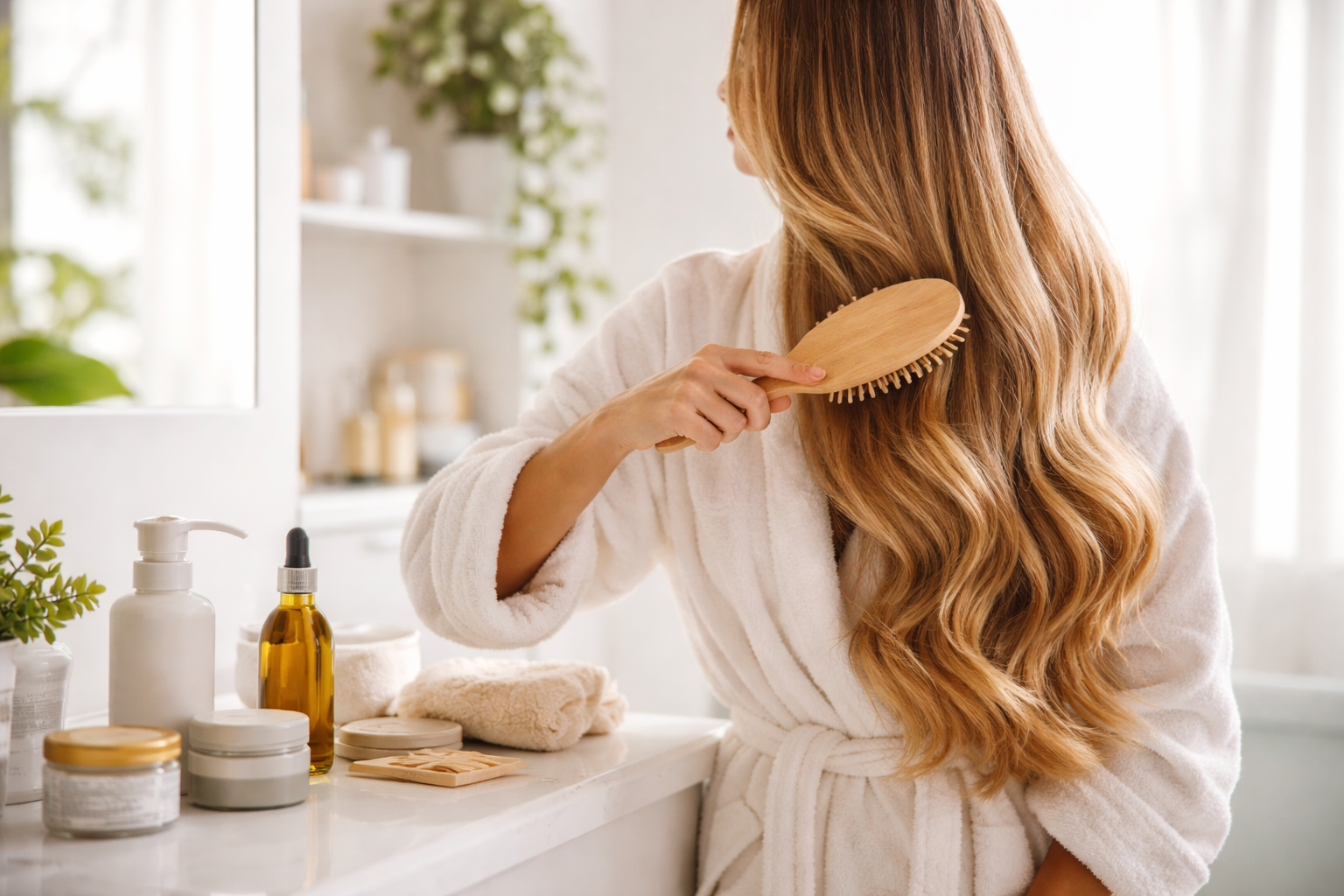
The quest for lustrous, vibrant hair is a journey that extends far beyond the shampoo aisle. While the right products and styling techniques play a role, the true secret to beautiful tresses lies in a holistic approach to your overall well-being. Embracing a healthy lifestyle lays the groundwork for strong, shiny, and resilient hair, contributing significantly to your confidence and happiness. This interconnectedness between our inner health and outer appearance is undeniable, and by making conscious choices in our daily routines, we can unlock the full potential of our hair.
The Pillars of Beautiful Tresses: Establishing a Robust Haircare Routine
A consistent and well-informed haircare routine is the cornerstone of healthy, beautiful hair. It’s not merely about washing and conditioning; it’s about understanding your hair’s unique needs and providing it with the care it deserves. This involves a mindful approach to cleansing, nourishing, and protecting your strands, creating a sustainable regimen that fosters long-term hair health.
The Art of Cleansing: Finding Your Perfect Balance
The frequency and type of shampoo you use are critical. Over-washing can strip your scalp of its natural oils, leading to dryness and brittleness, while under-washing can result in product buildup and a less-than-ideal scalp environment. Determine your hair type—oily, dry, normal, or combination—and select a shampoo formulated to address those specific needs. Sulfate-free shampoos are often recommended for their gentler cleansing properties, especially for colored or chemically treated hair. Consider co-washing, a method of cleansing with conditioner, for those with very dry or curly hair. The temperature of the water also plays a role; lukewarm water is ideal for cleansing, as hot water can dehydrate the hair and scalp, while cool water can help seal the cuticle, adding shine.
The Power of Conditioning: Replenishing Moisture and Strength
Conditioner is not an optional step; it’s essential for restoring moisture, detangling, and improving the manageability of your hair. After shampooing, apply conditioner primarily to the mid-lengths and ends of your hair, avoiding the roots if your hair tends to get oily. Allow it to sit for a few minutes to effectively penetrate the hair shaft before rinsing thoroughly. Deep conditioning treatments, used weekly or biweekly, offer an intensive boost of hydration and repair, particularly beneficial for damaged or dry hair. Look for ingredients like argan oil, shea butter, or keratin, which are known for their nourishing properties.
The Gentle Touch: Drying and Styling with Care
How you dry and style your hair can have a significant impact on its health. Opt for a microfiber towel or an old cotton t-shirt to gently pat your hair dry, minimizing friction and reducing frizz. Air drying is the gentlest method, but if you must use a blow dryer, always apply a heat protectant spray beforehand. Use the lowest heat setting and keep the dryer moving to avoid concentrating heat on one area. When brushing or detangling, start from the ends and work your way up, using a wide-tooth comb or a brush designed for your hair type. Avoid aggressive brushing, especially when your hair is wet, as it is more prone to breakage.
Fueling Your Follicles: Nutritional Building Blocks for Vibrant Hair
What you consume directly impacts the health and vitality of your hair. A balanced diet rich in essential vitamins, minerals, and proteins provides the building blocks necessary for strong, shiny, and rapidly growing hair. Think of your diet as the internal hair care routine that nourishes your follicles from within.
The Protein Powerhouse: The Foundation of Hair Structure
Hair is primarily made of a protein called keratin. Therefore, a sufficient protein intake is crucial for its strength and growth. Incorporate lean protein sources like chicken, fish, eggs, beans, and lentils into your daily meals. These provide the amino acids necessary for keratin production, preventing hair from becoming brittle and prone to breakage.
Vitamin Vitality: Essential Nutrients for Hair Health
A range of vitamins plays a significant role in maintaining healthy hair. Biotin, often lauded for its hair-boosting properties, is vital for keratin production and can be found in eggs, nuts, and whole grains. Vitamins A and C are important for sebum production, which naturally conditions the scalp, and can be obtained from fruits like citrus and vegetables like spinach and sweet potatoes. Vitamin E acts as an antioxidant, protecting hair follicles from damage, and is present in nuts, seeds, and leafy greens.
Mineral Marvels: The Unsung Heroes of Hair Growth
Certain minerals are equally crucial for optimal hair health. Iron deficiency, also known as anemia, is a common cause of hair loss, so ensure adequate iron intake from sources like red meat, spinach, and lentils. Zinc is essential for hair tissue growth and repair and can be found in oysters, beef, and pumpkin seeds. Selenium, a powerful antioxidant that protects against cellular damage, is present in Brazil nuts and fish.
The Hydration Hypothesis: The Often-Overlooked Essential
Don’t underestimate the power of hydration. Drinking ample water throughout the day is fundamental for overall health, and that includes your hair. Proper hydration ensures that nutrients are effectively transported to the hair follicles and keeps your hair from becoming dry and brittle.
The Mind-Body Connection: Stress Management and Its Ripple Effect on Hair
The pervasive nature of stress in modern life can have a profound and often detrimental impact on our physical appearance, and hair is particularly susceptible. When we experience chronic stress, our bodies release hormones like cortisol, which can disrupt the natural hair growth cycle and lead to various hair concerns. Learning to manage stress effectively is therefore not just about mental well-being but also a crucial aspect of achieving and maintaining healthy hair.
Understanding the Stress-Hair Link: Cortisol’s Cascade
During periods of high stress, the body enters a “fight or flight” mode, prioritizing immediate survival over non-essential functions like hair growth. This can push a significant number of hair follicles into a resting phase prematurely, a condition known as telogen effluvium. This often manifests as increased shedding and thinning of hair a few months after a stressful event. Prolonged stress can also exacerbate existing scalp conditions like dandruff and psoriasis, further compromising hair health.
Cultivating Calm: Practical Stress-Relief Strategies
The good news is that there are numerous effective ways to combat stress. Mindfulness and meditation can help train your brain to stay present and reduce anxious thoughts. Regular physical activity is a powerful stress reliever, releasing endorphins that have mood-boosting effects. Engaging in hobbies you enjoy, spending time in nature, and practicing deep breathing exercises are also valuable tools. Prioritizing sleep is fundamental for the body’s repair and recovery processes, including those of your hair follicles. Even small, consistent efforts to incorporate these practices into your routine can make a significant difference in managing stress and its impact on your hair.
The Energizing Advantage: How Exercise Fuels Hair Growth
The benefits of regular physical activity extend far beyond cardiovascular health and weight management; they play a vital role in promoting robust hair growth. Exercise positively influences circulation, oxygenation, and nutrient delivery to the scalp, creating an optimal environment for healthy hair follicles to thrive.
Boosting Circulation: The Lifeline for Your Follicles
When you exercise, your heart rate increases, leading to improved blood circulation throughout your entire body, including your scalp. This enhanced blood flow delivers a richer supply of oxygen and vital nutrients to your hair follicles. These nutrients are the building blocks for hair growth, and improved circulation ensures they are effectively delivered, promoting stronger and faster hair production. Think of it as giving your hair follicles a consistent infusion of nourishment.
Reducing Stress, Enhancing Growth: A Synergistic Effect
As we’ve already discussed, stress can be a major impediment to hair growth. Regular exercise is a powerful stress reliever, helping to lower cortisol levels. By mitigating the negative effects of stress, exercise indirectly contributes to a more favorable environment for hair growth. This symbiotic relationship between exercise, stress reduction, and hair health cannot be overstated.
The Detoxification Factor: Removing Impurities for Healthy Hair
Physical activity can also contribute to the body’s natural detoxification processes. Sweating helps to eliminate toxins and waste products from the body, which can sometimes impede nutrient absorption and negatively affect cell function, including that of hair follicles. By aiding in the removal of these impurities, exercise can help create a cleaner and more effective system for hair growth.
Nature’s Pharmacy: Harnessing Natural Remedies for Common Hair Concerns
While modern haircare offers a plethora of solutions, there’s a timeless wisdom in embracing natural remedies for addressing common hair issues. Many plant-based ingredients possess remarkable properties that can soothe the scalp, strengthen strands, and promote overall hair vitality.
For Dry and Brittle Hair: The Soothing Embrace of Oils
Carrier oils such as coconut oil, olive oil, and jojoba oil are excellent natural moisturizers. Applied as a pre-shampoo treatment or a scalp massage, they can penetrate the hair shaft, replenishing lost moisture and improving elasticity. These oils also contain fatty acids that nourish the scalp, preventing dryness and flakiness.
For an Itchy Scalp: The Calming Power of Aloe Vera and Tea Tree Oil
Aloe vera is renowned for its anti-inflammatory and soothing properties, making it an ideal remedy for an itchy or irritated scalp. Applied directly to the scalp, it can alleviate discomfort and promote healing. Tea tree oil, with its natural antifungal and antibacterial properties, can be a potent ally against dandruff and other scalp infections. It’s best diluted in a carrier oil before application to avoid irritation.
For Hair Loss and Thinning: The Stimulating Touch of Essential Oils
Certain essential oils are believed to stimulate hair follicles and promote hair growth. Rosemary oil, in particular, has shown promise in studies for its ability to improve circulation to the scalp. Peppermint oil can also create a tingling sensation, indicating increased blood flow, which may encourage growth. Always dilute essential oils in a carrier oil, such as jojoba or almond oil, before applying them to your scalp.
For Shine and Luster: The Brightening Effects of Vinegar and Lemon
Apple cider vinegar, diluted with water, can act as a natural hair rinse, helping to clarify the scalp, smooth the hair cuticle, and add brilliant shine. Similarly, a diluted lemon juice rinse can brighten dull hair, although it’s best used sparingly, as it can lighten hair over time.
Decoding Your Tresses: Selecting the Right Hair Products for Your Hair Type
Navigating the vast world of haircare products can be overwhelming. The key to unlocking your hair’s true potential lies in understanding your specific hair type and choosing products that cater to its unique needs. Using the wrong products can lead to a cascade of issues, from dryness and frizz to dullness and breakage.
Oily Hair: The Balancing Act
If your hair tends to look greasy within a day or two of washing, you have oily hair. Opt for lightweight, clarifying shampoos that effectively remove excess sebum without stripping your scalp completely. Avoid heavy conditioners or styling products that can weigh your hair down. Look for ingredients like tea tree oil or witch hazel, which can help regulate oil production.
Dry and Damaged Hair: The Nourishing Embrace
Dry, brittle, and damaged hair requires intense hydration and repair. Seek out shampoos and conditioners that are rich in moisturizing ingredients like shea butter, argan oil, and glycerin. Protein-based treatments can help rebuild the hair shaft, while deep conditioning masks should be a regular part of your routine. Avoid heat styling as much as possible, and always use a heat protectant when necessary.
Fine Hair: The Volumizing Solution
Fine hair can often lack volume and appear limp. Choose volumizing shampoos and conditioners that are lightweight and won’t weigh your strands down. Mousses and root-lifting sprays can be your best friends in creating lift and body. Be cautious with heavy oils and creamy conditioners that can make fine hair appear greasy.
Curly Hair: The Hydration and Definition Duo
Curly hair is naturally drier and more prone to frizz. Focus on hydrating products that enhance curl definition. Curly hair often benefits from co-washing, and creamy leave-in conditioners are essential for maintaining moisture and combating dryness. Look for products that are free of sulfates and silicones, which can build up on the hair. Styling products that encourage curl formation, like curl creams and gels, can be invaluable.
Guardians of Your Strands: Protecting Hair from Environmental Adversities
Our hair is constantly exposed to a barrage of environmental stressors that can compromise its health and appearance. From the harsh rays of the sun to pollution and extreme weather conditions, these external factors can lead to dryness, breakage, color fading, and dullness. Implementing protective measures is crucial for maintaining beautiful, healthy tresses.
The Sun’s Unwanted Rays: Shielding Your Hair from UV Damage
Just as we protect our skin from the sun, our hair also needs UV protection. Prolonged exposure to the sun’s ultraviolet rays can strip hair of its moisture, fade color, and damage the hair cuticle, making it more vulnerable to breakage. Look for hair products, such as UV-protectant sprays or conditioners, that contain ingredients that offer sun protection. Wearing a hat or scarf when spending extended periods outdoors is also a highly effective method of shielding your hair from harmful UV radiation.
The Pollution Puzzle: Creating a Barrier Against Urban Grime
Air pollution, prevalent in urban environments, can deposit microscopic particles onto your hair and scalp. This buildup can clog hair follicles, leading to dullness, itchiness, and even hair loss. Regular cleansing to remove these pollutants is essential. Consider using clarifying shampoos periodically or opting for products that create a protective barrier against environmental aggressors. Rinsing your hair with cool water can also help to close the cuticle and minimize pollutant adherence.
The Elements of Extremes: Battling Wind, Rain, and Humidity
Harsh weather conditions can wreak havoc on your hair. Strong winds can cause tangles and breakage, while excessive humidity can lead to frizz. Conversely, dry, cold air can strip moisture from your hair, leaving it brittle. Protective hairstyles, such as braids or buns, can help minimize exposure to wind and reduce tangles. Using anti-frizz serums or sprays can combat humidity, while moisturizing treatments can help combat the drying effects of cold weather. When swimming in chlorinated pools or salty ocean water, it’s advisable to wet your hair with fresh water and apply a leave-in conditioner beforehand to create a protective barrier against damaging chemicals and salt. Rinsing your hair thoroughly after swimming is also crucial.
FAQs
1. Why is a healthy haircare routine important for maintaining beautiful tresses?
A healthy haircare routine is important because it helps to keep the hair and scalp clean, moisturized, and nourished, which can prevent damage, breakage, and hair loss. It also promotes hair growth and overall hair health.
2. How does stress impact hair health, and what are some stress management techniques to prevent hair issues?
Stress can impact hair health by causing hair loss, thinning, and dullness. Stress management techniques such as exercise, meditation, deep breathing, and adequate sleep can help reduce stress and prevent its negative impact on hair.
3. What are some nutritional tips for promoting strong and shiny hair?
Nutritional tips for promoting strong and shiny hair include consuming a balanced diet rich in protein, vitamins (especially B vitamins and vitamin E), and minerals (such as iron and zinc). Foods like eggs, nuts, leafy greens, and fish can contribute to healthy hair.
4. How does regular exercise benefit hair growth and overall hair health?
Regular exercise improves blood circulation, which in turn promotes hair growth by delivering essential nutrients to the hair follicles. Exercise also helps reduce stress, which can prevent hair loss and improve the overall health of the hair and scalp.
5. What are some natural remedies for common hair issues, and how can they be used effectively?
Natural remedies for common hair issues include coconut oil for moisturizing, apple cider vinegar for clarifying, and aloe vera for soothing the scalp. These remedies can be used by applying them directly to the hair and scalp, leaving them on for a period of time, and then rinsing them out thoroughly.


