
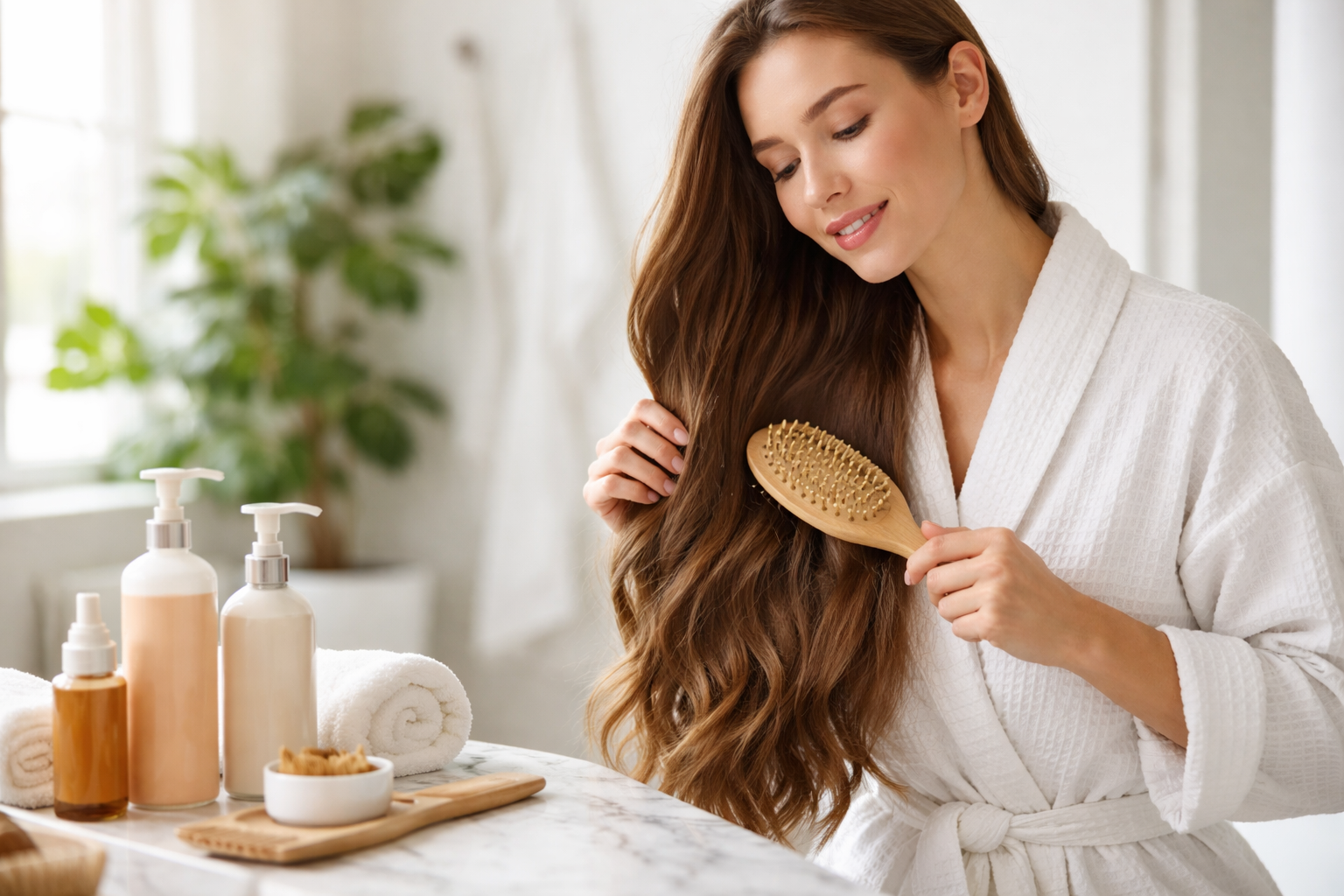
Achieving lustrous, healthy hair isn’t a stroke of luck; it’s the result of consistent, intelligent daily hair care. Like a meticulously cultivated garden, your hair thrives with the right attention, understanding, and nourishment. This comprehensive guide will delve into the multifaceted world of daily hair care, providing you with the knowledge and actionable steps to transform your tresses from ordinary to extraordinary.
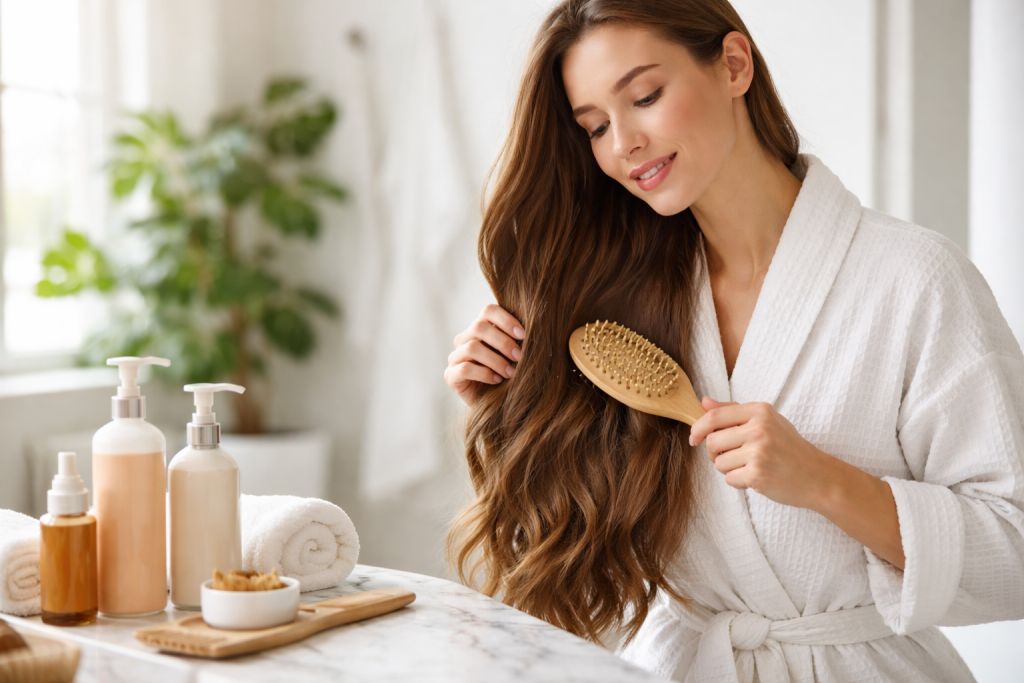
Before embarking on any hair care journey, the foundational step lies in truly understanding your hair. Just as you wouldn’t use a moisturizer designed for oily skin on dry skin, the same principle applies to your hair. Identifying your hair type unlocks the secrets to selecting the most effective products and routines.
Decoding Your Hair’s Characteristics
Hair types are broadly categorized by several factors: texture, structure, and porosity. Texture refers to the circumference of individual strands, ranging from fine to medium to thick. Fine hair is delicate and prone to breakage, while thick hair often requires more conditioning. Hair structure defines its shape—straight, wavy, curly, or coily. Each structure has unique needs; straight hair can become greasy quickly, whereas curly and coily hair tend to be drier due to the difficulty of natural oils traveling down the hair shaft. Porosity, perhaps the most crucial characteristic, indicates your hair’s ability to absorb and retain moisture. Low porosity hair has tightly bound cuticles, resisting moisture penetration but also retaining it well once absorbed. High porosity hair, with its raised cuticles, easily absorbs moisture but loses it just as quickly. Understanding these nuances will guide your product choices and application techniques.
The Impact of Scalp Type
Beyond the hair itself, the condition of your scalp significantly influences your hair’s health. Is your scalp oily, dry, sensitive, or a combination? An oily scalp might necessitate more frequent washing with clarifying shampoos, while a dry scalp could benefit from moisturizing treatments and gentler formulations. Dandruff, flakiness, or itchiness are all indicators of an underlying scalp issue that needs to be addressed with targeted products designed to restore balance and comfort. Addressing your scalp’s specific needs is paramount, as a healthy scalp is the fertile ground from which healthy hair grows.
The core of any effective daily hair care routine revolves around consistent cleansing and conditioning. These seemingly simple steps are the bedrock upon which strong, vibrant hair is built. Skipping these fundamental practices can lead to product buildup, an unhealthy scalp environment, and ultimately, dull, lifeless hair.
The Art of Cleansing: Beyond Just Shampooing
Washing extends beyond simply lathering up. The frequency of washing depends heavily on your hair type, activity level, and product usage. For oily scalps or active individuals, daily or every-other-day washing might be necessary. Those with dry, curly, or coily hair might find washing once or twice a week sufficient, using co-washing (conditioner-only washing) in between to refresh and moisturize. When shampooing, focus the product primarily on your scalp, gently massaging to dislodge dirt, oil, and product buildup. Allow the lather to run down the length of your hair, but avoid aggressively scrubbing the fragile ends.
The Vital Role of Conditioning
Conditioning is non-negotiable. After cleansing, shampoo leaves the hair cuticles slightly raised, making them vulnerable to damage and tangling. Conditioner works to smooth those cuticles, replenish moisture, and improve manageability. Always apply conditioner to the mid-lengths and ends of your hair, as applying it directly to the scalp can weigh down fine hair and lead to greasiness. The duration you leave the conditioner in can vary; some formulations require only a minute or two, while deeper conditioning treatments may need longer. Consistent conditioning not only makes your hair softer and shinier but also provides a protective barrier against environmental aggressors.
The sheer volume of hair care products available can be overwhelming, but armed with knowledge of your hair type and needs, you can navigate the aisles with confidence. Investing in the right products is an investment in your hair’s health and beauty.
Tailoring Your Shampoo and Conditioner
Once you’ve identified your hair type and concerns, selecting the appropriate shampoo and conditioner becomes straightforward. For oily hair, look for clarifying or volumizing shampoos that remove excess oil without stripping too much moisture. Dry hair benefits from moisturizing or hydrating formulations enriched with ingredients like hyaluronic acid, argan oil, or shea butter. Fine hair might require volumizing shampoos and lightweight conditioners, while thick, coarse hair can handle richer, more intense treatments. Color-treated hair demands sulfate-free products to preserve color vibrancy and prevent premature fading. Always read ingredient lists and product descriptions carefully to ensure they align with your specific requirements.
The Power of Specialized Treatments
Beyond your daily shampoo and conditioner, specialized treatments can provide targeted solutions for various hair concerns. Hair masks, applied once or twice a week, offer an intensive boost of hydration, repair, or strengthening. Leave-in conditioners provide continuous moisture and protection, particularly beneficial for dry, damaged, or curly hair. Hair oils can add shine, tame frizz, and offer heat protection when used judiciously. Scalp treatments, including clarifying scrubs or nourishing serums, address issues like dryness, flakiness, or excessive oil production, fostering a healthier foundation for hair growth. Incorporating these treatments strategically can significantly enhance your hair’s resilience and appearance.
Styling is often where hair can suffer the most damage, yet with mindful practices, you can achieve your desired look while maintaining your hair’s health. The key lies in minimizing stress and selecting appropriate techniques and tools.
Gentle Detangling Techniques
After washing, hair is at its most fragile. Aggressive brushing or combing can lead to breakage. Always detangle your hair gently, starting from the ends and working your way up to the roots using a wide-tooth comb or a detangling brush. For curly or coily hair, detangling while wet and saturated with conditioner is often the most effective method, minimizing friction and snagging. Never rip through knots; instead, work them out patiently with a gentle hand.
Strategic Heat Styling Practices
Heat tools, such as blow dryers, flat irons, and curling wands, can create stunning styles but are a leading cause of hair damage. If you frequently use heat, always apply a heat protectant spray beforehand. This creates a barrier that minimizes direct heat exposure. Opt for ceramic or tourmaline tools that distribute heat more evenly and have adjustable temperature settings. Using the lowest effective temperature for your hair type is crucial. Whenever possible, allow your hair to air dry partially before blow-drying to reduce overall heat exposure time.
Your hair faces a constant barrage of potential damage from various sources. Proactive protection is essential to maintain its integrity and vibrancy in the long run.
Shielding Against Heat and Mechanical Stress
Beyond heat styling, everyday actions can cause mechanical stress. Tight hairstyles, such as high ponytails or braids worn continuously in the same spot, can lead to traction alopecia (hair loss due to constant pulling). Opt for looser styles and vary your hairstyles to distribute stress evenly. Sleeping on a silk or satin pillowcase can also reduce friction and prevent tangles and breakage compared to cotton. When drying your hair with a towel, gently blot and squeeze out excess water instead of vigorously rubbing, which can disrupt the cuticle and cause frizz.
Environmental Guardianship: Sun and Pollution
Just like your skin, your hair needs protection from the sun’s harmful UV rays. Prolonged sun exposure can dry out hair, fade color, and degrade protein structures. On sunny days, consider wearing a hat or using hair products with UV filters. Chlorine from swimming pools can strip hair of its natural oils and color. Wetting your hair with clean water and applying a leave-in conditioner before swimming can help create a barrier. Similarly, environmental pollution can deposit damaging particles on your hair, making regular washing even more important to remove these impurities.
True hair health radiates from within. What you consume plays a significant role in the strength, shine, and growth of your hair. A holistic approach includes both topical care and internal nourishment.
Fueling Your Follicles: Essential Nutrients
A balanced diet rich in vitamins, minerals, and proteins is fundamental for healthy hair. Protein is the building block of hair, so ensure adequate intake from sources like lean meats, fish, eggs, legumes, and nuts. Biotin, found in eggs, nuts, and sweet potatoes, is widely recognized for its role in hair health. Vitamins A, C, and E are powerful antioxidants that protect hair follicles from damage and promote scalp health. Iron is crucial for oxygen transport to hair follicles, and a deficiency can lead to hair loss. Zinc, omega-3 fatty acids, and selenium also contribute to optimal hair growth and vibrancy. Incorporate a variety of colorful fruits, vegetables, and whole grains into your diet to provide your body with the essential nutrients it needs for gorgeous hair.
The Power of Water: Internal Hydration
Hydration extends beyond topical conditioners. Drinking an adequate amount of water throughout the day is vital for overall health, including the health of your hair. Well-hydrated cells contribute to a healthy scalp and adequately moisturized hair strands. Dehydration can manifest as dry, brittle hair that is more prone to breakage. Aim for at least eight glasses of water daily, and consider herbal teas or electrolyte-rich drinks to further support your body’s hydration levels.
Synthesizing all these elements into a manageable and effective daily routine is the ultimate goal. Consistency is key; even small, consistent efforts yield remarkable results over time.
Tailoring Your Personalized Regimen
Begin by assessing your hair’s current state and your lifestyle. For example, someone with fine, oily hair who exercises daily will have a different routine than someone with thick, dry, curly hair who washes weekly. A basic routine might involve a gentle shampoo and conditioner every 2-3 days, followed by a leave-in conditioner or styling cream, and a heat protectant if styling with heat. Once a week, incorporate a hair mask for deep conditioning. Listen to your hair; if it feels dry, condition more frequently or use richer products. If it feels weighed down, scale back on heavy products.
The Iterative Process of Hair Care
Hair care is not a one-size-fits-all solution; it’s an ongoing, iterative process. Your hair’s needs can change due to seasonal shifts, hormonal fluctuations, diet, or environmental exposure. Be observant and willing to adjust your products and techniques accordingly. Experiment with different formulations and application methods until you discover what truly makes your hair thrive. With patience, understanding, and consistent dedication to these essential steps, you too can master the art of daily hair care and unlock the full potential of your gorgeous tresses.


