
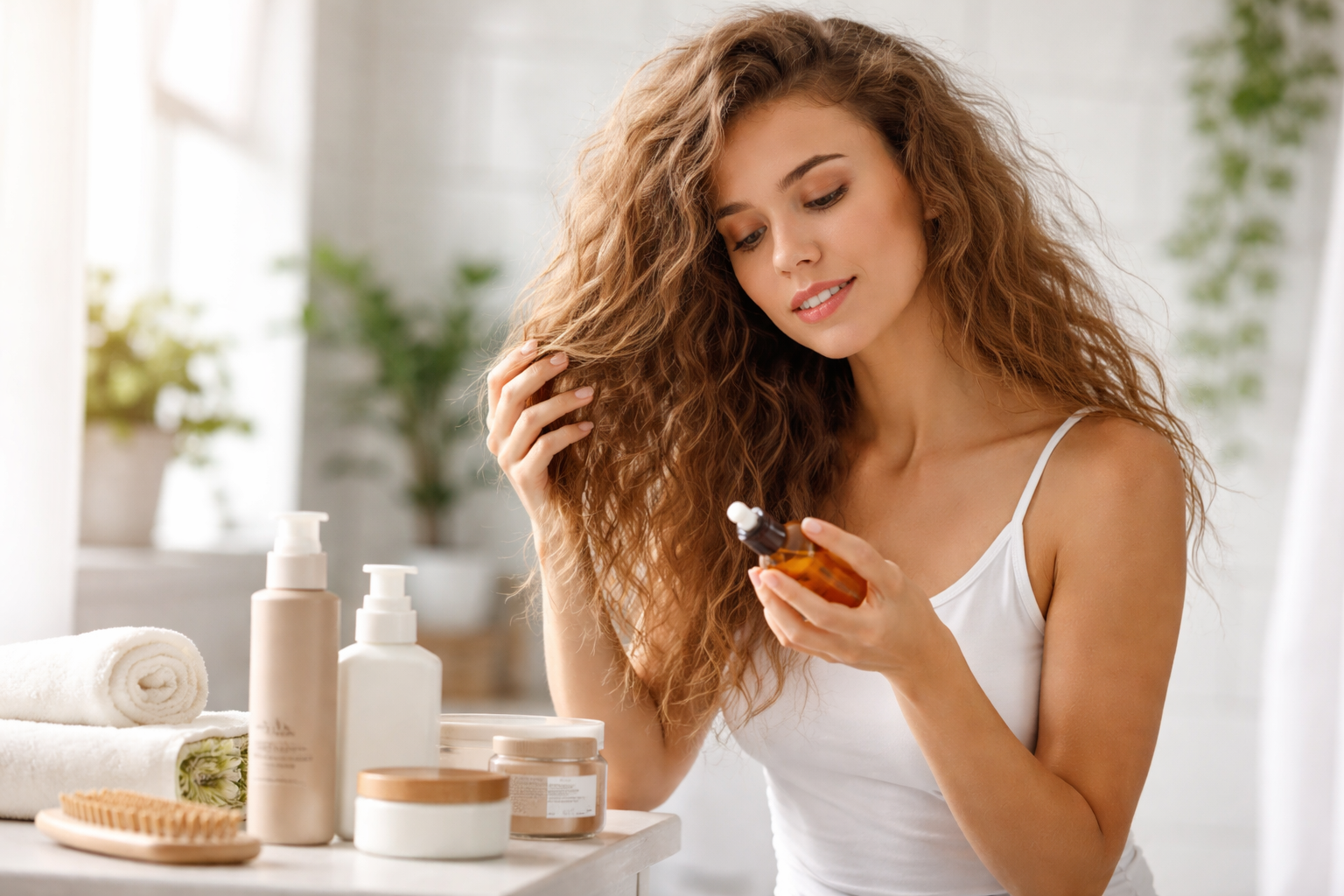
Many people struggle with frizzy hair, which often defies attempts at sleekness and shine. While the market is flooded with quick-fix solutions often laden with harsh chemicals, the path to truly beautiful, manageable hair lies in understanding and embracing its natural texture. This comprehensive guide will equip you with the knowledge and natural methods to transform your frizzy hair into a luscious, healthy mane, all while celebrating your unique beauty.
Before we can conquer frizz, we must first understand its origins. Frizz essentially signals a need for moisture in your hair.
The Role of Cuticle Lift
Your hair is composed of a protective outer layer called the cuticle, made up of overlapping, scale-like cells. When your hair is healthy and well-hydrated, these cuticles lie flat, reflecting light and creating that coveted smooth, shiny appearance. However, when your hair is dry or damaged, these cuticles lift and open, allowing moisture from the air to penetrate the hair shaft. This influx of external moisture causes the hair to swell unevenly, leading to the rough, unruly texture we know as frizz.
Environmental Factors and Their Impact
Humidity is often cited as the primary culprit behind frizz, and for good reason. Humid air is rich in water molecules, which readily enter parched hair shafts, causing them to balloon and become frizzy. Beyond humidity, other environmental factors play a significant role. Dry climates, for instance, can strip moisture from your hair, making it more susceptible to frizz when exposed to any moisture at all. Sun exposure can also damage the hair shaft, weakening its protective cuticle and increasing its vulnerability to frizz. Wind, too, can rough up the hair cuticle, contributing to a frizzy appearance.
Hair Damage and Processing
Chemical treatments like dyeing, bleaching, perming, and relaxing can severely compromise the integrity of your hair’s cuticle. These processes force open the cuticle layers, often causing permanent damage and leaving the hair porous and highly susceptible to frizz. Similarly, excessive heat styling from blow dryers, straighteners, and curling irons can strip the hair of its natural oils, leading to dehydration and cuticle damage, which in turn manifests as frizz. Even vigorous towel drying can rough up the cuticles, disrupting their smooth alignment.
Beyond simply battling frizz, there’s a powerful transformation that occurs when you learn to love and nourish your natural hair texture. It’s not just about aesthetics; it’s about hair health and a deeper connection to your authentic self.
Enhanced Hair Health and Vitality
When you stop fighting your natural hair, you stop subjecting it to harsh chemicals and excessive heat that attempt to force it into an unnatural state. Embracing your natural texture means working with your hair’s inherent structure, allowing it to thrive. This leads to remarkably healthier hair, characterized by reduced breakage, increased elasticity, and a vibrant, natural luster. Your hair will be less stressed, less prone to split ends, and ultimately, more resilient.
Reduced Dependence on Heat and Chemicals
One of the most significant benefits of embracing your natural hair is the diminished need for heat styling tools and chemical treatments. This translates to less damage from high temperatures and fewer exposures to harmful ingredients found in many styling products. Over time, you’ll notice a remarkable improvement in your hair’s strength and overall condition, as it’s no longer constantly battling external stressors.
A Deeper Connection to Your Authentic Self
Learning to appreciate and care for your natural hair is an act of self-acceptance. It’s a journey that can boost confidence and foster a stronger sense of identity. Instead of conforming to societal ideals of “perfect” hair, you embrace the unique beauty of your own locks. This self-love extends beyond your hair, impacting your overall well-being and empowering you to express your true self.
The cornerstone of frizz control lies in providing abundant hydration and moisture to your hair. Think of your hair as a thirsty plant; it needs consistent watering to flourish.
The Difference Between Hydration and Moisture
While often used interchangeably, hydration and moisture are distinct yet interconnected concepts crucial for hair health. Hydration refers to the water content within the hair shaft, making it pliable and elastic. Moisture, on the other hand, refers to the oils and emollients that seal in that hydration, preventing it from evaporating. For truly frizz-free hair, you need both: sufficient water and a protective barrier to keep it there.
The Importance of Water-Based Products
To effectively hydrate your hair, prioritize water-based products. Look for shampoos, conditioners, and styling products where “aqua” or “water” is listed as the first ingredient. These products deliver water molecules directly to your hair, preparing it to absorb and retain subsequent moisturizing agents. Avoid products primarily composed of silicones or heavy oils, as these can create a superficial barrier that locks out beneficial hydration over time.
Deep Conditioning and Hair Masks
Regular deep conditioning treatments and hair masks are vital for infusing intense hydration and nutrients into your hair shaft. These treatments typically contain a higher concentration of beneficial ingredients than regular conditioners, delivering a powerful surge of moisture that can significantly reduce frizz. Aim for a deep conditioning treatment once a week, or at least every two weeks, adjusting the frequency based on your hair’s needs. Leave the mask on for the recommended time, allowing the ingredients to penetrate deeply.
Nature provides an abundance of potent ingredients that can nourish your hair and combat frizz effectively. Incorporating these into your routine can yield remarkable results.
Carrier Oils for Deep Conditioning and Sealing
Carrier oils serve a dual purpose: they can be used as pre-shampoo treatments to protect and nourish and as post-wash sealants to lock in moisture.
Coconut Oil: A Penetrating Powerhouse
Coconut oil is a beloved natural remedy for frizz, renowned for its ability to penetrate the hair shaft due to its unique molecular structure. This allows it to deeply moisturize and reduce protein loss, strengthening the hair from within. Apply warm coconut oil to your hair as a pre-shampoo treatment, leaving it on for at least 30 minutes or even overnight for intense conditioning.
Argan Oil: Liquid Gold for Luster
Often called “liquid gold,” argan oil is rich in antioxidants, vitamin E, and essential fatty acids, making it incredibly beneficial for hair health. It’s lightweight and readily absorbed, providing excellent moisturization without weighing hair down. A few drops of argan oil applied to damp hair can tame frizz, add shine, and protect against environmental damage.
Jojoba Oil: Mimicking Natural Sebum
Jojoba oil closely resembles the natural sebum produced by your scalp, making it an excellent choice for balancing oil production and providing lightweight moisture. It’s particularly beneficial for oily scalps that still experience frizzy ends. Apply a small amount to your scalp and ends to nourish without clogging pores.
Soothing and Smoothing Natural Extracts
Beyond oils, various plant extracts offer unique benefits for taming frizz and improving hair texture.
Aloe Vera: The Ultimate Hydrator
Aloe vera is a hydrating powerhouse, packed with vitamins, minerals, and enzymes that promote healthy hair growth and soothe the scalp. Its gel-like consistency helps to seal the cuticle and provide a gentle hold, making it an excellent natural styling agent. Apply fresh aloe vera gel to damp hair as a leave-in conditioner, or mix it with water for a hydrating spray.
Honey: A Natural Humectant
Honey is a natural humectant, meaning it attracts and retains moisture from the air, making it an excellent ingredient for combating frizz. Its emollients also help to smooth the hair shaft, adding shine and softness. Add a tablespoon of honey to your deep conditioning mask for an extra boost of hydration.
Apple Cider Vinegar: Balancing pH and Sealing Cuticles
Apple cider vinegar (ACV) is a fantastic natural rinse for balancing the pH of your scalp and hair, which in turn helps to close and flatten the hair cuticles. This results in smoother, shinier hair with less frizz. Dilute ACV with water (1 part ACV to 3-4 parts water) and use it as a final rinse after shampooing and conditioning.
Even with the best natural treatments, proper styling techniques are crucial for maintaining frizz-free hair and enhancing your natural texture.
Gentle Drying Techniques
How you dry your hair can significantly impact frizz levels. Instead of rough towel drying, which can disrupt the cuticle, gently blot your hair with a microfiber towel or a soft cotton t-shirt. These materials absorb excess water without creating friction. If you use a blow dryer, always apply a heat protectant and use a diffuser attachment on a low heat setting. A diffuser disperses the air gently, preventing the hair from being tossed around and minimizing frizz.
Product Application for Definition and Hold
The way you apply your styling products can make a huge difference. Apply products to damp, not soaking wet, hair. This ensures proper absorption and even distribution. For curly or wavy hair, scrunching products upwards can help to define curls and reduce frizz. For straighter hair, apply products evenly from mid-lengths to ends, focusing on smoothing the cuticle. Don’t overload your hair with too much product, as this can lead to buildup and dullness.
Protective Hairstyles for Overnight and Daily Wear
Protective hairstyles minimize friction and exposure to environmental elements, thereby reducing frizz. For overnight protection, consider sleeping with your hair in a loose bun, a satin bonnet, or on a silk pillowcase. These materials reduce friction and prevent moisture loss. During the day, styles like braids, twists, or updos can protect your hair from wind and humidity, keeping frizz at bay.
A holistic approach to hair care, beyond just addressing frizz, is vital for long-term health and vibrance. Consistency and awareness are key.
Regular Trims to Remove Split Ends
Split ends are a major contributor to frizz, as the damaged ends can travel up the hair shaft, causing more breakage and frizz. Regular trims, ideally every 8-12 weeks, are essential for removing these damaged ends and maintaining the overall health and appearance of your hair. Even if you’re trying to grow your hair long, consistent micro-trims will prevent more significant damage down the line.
Choosing Sulfate- and Silicone-Free Products
Sulfates, commonly found in shampoos, are harsh detergents that can strip the hair of its natural oils, leading to dryness and increased frizz. Silicones, while initially giving a shiny appearance, can build up on the hair, preventing moisture from penetrating and ultimately leading to dullness and more frizz. Opt for sulfate-free and silicone-free shampoos and conditioners to ensure gentle cleansing and effective hydration.
The Role of Diet and Internal Hydration
True hair health starts from within. A balanced diet rich in vitamins, minerals, and healthy fats is crucial for strong, vibrant hair. Ensure you’re consuming adequate protein, biotin, iron, and omega-3 fatty acids. Just as important is internal hydration; drinking plenty of water throughout the day keeps your entire body, including your hair, well-hydrated. This internal nourishment directly translates to healthier, less frizzy hair.
The journey to frizz-free, beautiful hair culminates in a place of self-acceptance and appreciation for your natural texture.
Understanding Your Hair Type and Its Needs
Every hair type is unique, with its own specific needs and characteristics. Take the time to understand your curl pattern, porosity, and density. This knowledge will empower you to choose the right products and techniques that truly work for your hair, rather than trying to force it into a mold that doesn’t fit. Embrace the individuality of your hair.
Patience and Consistency in Your Routine
Transforming frizzy hair into a healthy, smooth mane is not an overnight process. It requires patience, consistency, and a willingness to experiment. Stick with your natural haircare routine for a sustained period before evaluating its effectiveness. Small, consistent changes over time lead to significant improvements. Trust the process and celebrate every small victory.
Celebrating Your Unique Beauty
Ultimately, embracing your natural hair texture is about celebrating your unique beauty. Let go of societal pressures to achieve a certain look, and instead, revel in the gorgeous texture you were born with. Your natural hair reflects you, and when you love and care for it, it will shine with health, confidence, and beauty. This journey is not just about hair; it’s about self-love and empowerment.
FAQs
1. What are the common causes of frizzy hair?
Frizzy hair can be caused by a variety of factors, including humidity, heat damage, over-washing, and using harsh hair products. Understanding the causes of frizz can help in finding natural ways to improve hair texture.
2. How can hydration and moisture help in reducing frizz?
Hydration and moisture are essential for frizz-free hair. Properly moisturized hair is less prone to frizz, as it helps to smooth the hair cuticle and prevent moisture from entering the hair shaft and causing frizz.
3. What natural oils and ingredients are beneficial for smoother hair?
Natural oils such as argan oil, coconut oil, and jojoba oil can help to smooth and nourish the hair, reducing frizz. Ingredients like aloe vera, shea butter, and honey also have moisturizing and smoothing properties that can improve hair texture.
4. What are some styling tips for managing frizz?
Styling tips for managing frizz include using a wide-tooth comb to detangle hair, avoiding heat styling tools, using a microfiber towel to dry hair, and opting for hairstyles that minimize manipulation and friction on the hair.
5. How can one embrace their natural hair texture with confidence and care?
Embracing natural hair texture involves adopting a healthy hair care routine, using products specifically designed for your hair type, and seeking hairstyles and techniques that enhance your natural texture. Confidence in your natural hair can be cultivated through self-care and positive affirmations.


