

The journey to embracing and nurturing natural hair is a deeply personal and often transformative one. It’s about more than just coils and curls; it’s a celebration of identity, a declaration of self-love, and a commitment to health. Many embark on this path seeking to move away from chemical treatments and heat damage, yearning for a return to their hair’s inherent beauty. This comprehensive guide will equip you with the knowledge and tools to nourish your natural hair right from the comfort of your home, empowering you to cultivate vibrant, healthy tresses.
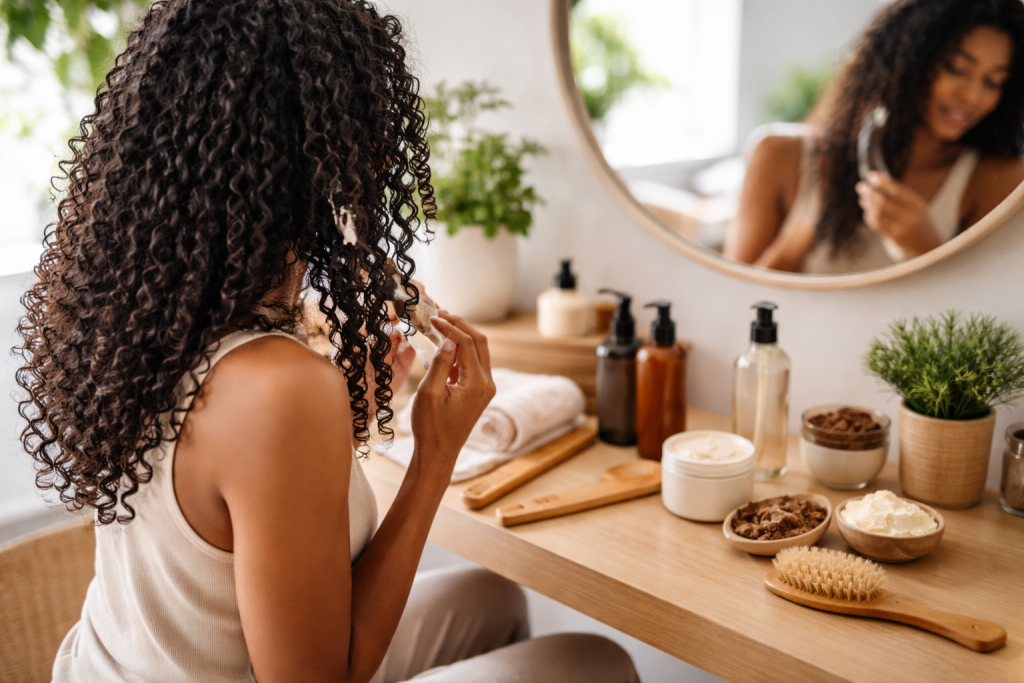
Before you can effectively care for your natural hair, it’s crucial to understand its unique characteristics. Natural hair, broadly speaking, refers to hair that has not been chemically altered by relaxers, perms, or other straightening treatments. Its beauty lies in its diverse textures, ranging from loose waves to tight coils, each with its own set of needs and challenges.
Deciphering Your Hair Type and Texture
The widely adopted hair typing system, developed by Andre Walker, categorizes hair into types 1 (straight), 2 (wavy), 3 (curly), and 4 (coily), with further subcategories (A, B, C) based on the tightness of the curl pattern. Type 4 hair, for instance, often experiences the most shrinkage and can be prone to dryness due to its tighter coil and the difficulty of natural oils traveling down the hair shaft. Understanding your specific type and texture is the first step toward tailoring your care routine. Are your curls springy and defined, or do they clump together in tight zig-zags? Do they feel fine and delicate, or thick and robust?
Identifying Your Hair Porosity
Hair porosity refers to your hair’s ability to absorb and retain moisture. It’s a critical factor in determining which products will work best for you. Low porosity hair has tightly bound cuticles, making it difficult for moisture to penetrate but also challenging for it to escape once inside. High porosity hair, on the other hand, has raised or damaged cuticles, allowing for easy moisture absorption but also rapid moisture loss. Medium porosity hair strikes a balance. A simple test involves placing a strand of clean hair in a glass of water. If it floats, you likely have low porosity. If it sinks immediately, it’s high porosity. If it floats for some time then slowly sinks, you have medium porosity.
Recognizing Your Hair’s Elasticity and Density
Elasticity is your hair’s ability to stretch and return to its original state without breaking. Healthy hair with good elasticity can stretch considerably when wet. Density refers to the number of individual hair strands on your head. You might have fine hair but a high density, or thick hair with low density. These factors influence how your hair holds styles, its volume, and how many products you need to achieve desired results. Fine, low-density hair might be weighed down by heavy butters, while thick, high-density hair may require more product to feel fully moisturized.
The vast array of natural hair products on the market can be overwhelming. However, by understanding your hair’s specific needs, you can navigate these options with confidence and make informed choices. The goal is to nourish, strengthen, and protect your hair without stripping it of its natural oils or causing build-up.
Opting for Sulfate-Free Shampoos and Conditioners
Sulfates, commonly found in traditional shampoos, are harsh detergents that can strip natural hair of its essential moisture, leading to dryness and frizz. Always opt for sulfate-free shampoos that gently cleanse without over-drying. Similarly, conditioners should be rich in moisturizing ingredients like natural oils, butters, and humectants to hydrate and detangle. Look for ingredients like shea butter, coconut oil, argan oil, and glycerin.
Incorporating Leave-in Conditioners and Moisturizers
Leave-in conditioners are a non-negotiable step in any natural hair routine. They provide continuous moisture and help to seal the cuticle, protecting hair from environmental damage. Moisturizers, often in the form of creams or butters, are essential for maintaining hydration throughout the day, particularly for drier hair types. The “LOC” method (Liquid, Oil, Cream) or “LCO” method is a popular technique for layering products to maximize moisture retention, with leave-in conditioner typically serving as the “liquid” step.
Selecting Styling Products Wisely
Styling products, such as gels, mousses, and curling creams, help to define curls, reduce frizz, and hold styles. Choose products that offer good hold without leaving hair stiff or flaky. Avoid products with drying alcohols or excessive silicones that can create build-up over time. Experiment with different formulations to find what works best for your specific curl pattern and desired style. For example, a light mousse might be perfect for loose waves, while a firm-hold gel could be ideal for defining coils.
A consistent and tailored hair care routine is the cornerstone of healthy natural hair. It’s not about rigid adherence to a schedule, but rather about understanding your hair’s rhythm and providing it with what it needs when it needs it.
Establishing a Wash Day Schedule
The frequency of your wash days will depend on your hair type, activity level, and product usage. For most natural hair types, washing once a week or every two weeks is sufficient. Over-washing can strip hair of its natural oils, while under-washing can lead to product build-up and scalp issues. Listen to your hair; if it feels dry or your scalp is itchy, it might be time for a wash.
Mastering the Cleansing and Conditioning Process
Start by thoroughly wetting your hair before applying a sulfate-free shampoo. Gently massage the shampoo into your scalp, focusing on cleansing the roots, then allow the suds to run down the length of your hair without aggressively scrubbing the strands. Rinse thoroughly. Follow with a generous amount of conditioner, focusing on the ends, and detangle gently with your fingers or a wide-tooth comb from ends to roots. Allow the conditioner to sit for 5-10 minutes before rinsing, or longer for a deep conditioning treatment.
Practicing Gentle Detangling Techniques
Natural hair, especially coily textures, is prone to tangles. Always detangle your hair when it’s wet and saturated with conditioner, as this provides slip and reduces breakage. Use your fingers first to gently separate larger knots, then follow with a wide-tooth comb or a detangling brush designed for curly hair. Work in small sections, starting from the ends and gradually moving up to the roots. Never yank or pull at tangles, as this can cause significant damage.
Homemade hair masks and treatments offer a fantastic way to infuse your natural hair with potent natural ingredients, addressing specific concerns like dryness, damage, and dullness. They are often more cost-effective and allow you to control the ingredients, ensuring they are free from harsh chemicals.
Hydrating and Moisturizing Masks
For intense hydration, consider masks featuring ingredients like avocado, honey, and olive oil. Avocado is rich in fatty acids and vitamins, providing deep moisture. Honey is a natural humectant, drawing moisture from the air into your hair. Olive oil is a penetrative oil that nourishes the hair shaft. A simple recipe involves mashing a ripe avocado, mixing it with a tablespoon of honey and a tablespoon of olive oil, applying it to damp hair, and leaving it on for 30 minutes before rinsing thoroughly.
Strengthening and Repairing Treatments
To strengthen brittle or damaged hair, protein treatments are invaluable. Ingredients like eggs, yogurt, and mayonnaise are excellent sources of protein. An egg mask, for example, can help rebuild the keratin in your hair. Whisk one or two eggs (depending on hair length) with a tablespoon of olive oil, apply to hair, and leave for 20 minutes before shampooing and conditioning. For a more intense treatment, consider a store-bought protein treatment a few times a year.
Scalp Stimulating and Growth-Promoting Remedies
A healthy scalp is fundamental for healthy hair growth. Ingredients like apple cider vinegar, essential oils (peppermint, rosemary), and aloe vera can stimulate circulation and maintain scalp health. A diluted apple cider vinegar rinse (one part ACV to three parts water) after shampooing can balance scalp pH and remove build-up. Massaging your scalp with a few drops of rosemary or peppermint oil diluted in a carrier oil like jojoba oil can also promote blood flow and encourage growth. Aloe vera, known for its soothing properties, can be applied directly to the scalp to reduce irritation and inflammation.
Beyond your regular wash day routine, several practices can contribute significantly to the long-term health and vitality of your natural hair. These are the small, consistent efforts that yield big results.
Deep Conditioning Regularly
Deep conditioning is not just a luxury; it’s a necessity for natural hair. Aim to deep condition at least once a week, or every other week, using a rich, moisturizing conditioner or a dedicated deep conditioning treatment. Apply heat, either with a hooded dryer, steamer, or by covering your hair with a plastic cap and a warm towel, to help the product penetrate deeper into the hair shaft. This process replenishes moisture, improves elasticity, and strengthens the hair and cuticle.
Protecting Your Hair at Night
Sleeping on a cotton pillowcase can absorb moisture from your hair and cause friction, leading to frizz and breakage. Invest in a silk or satin pillowcase or wear a silk or satin bonnet or scarf to protect your hair while you sleep. This minimizes friction, preserves moisture, and helps maintain your style. Pineappling your hair (gathering it loosely on top of your head) can also help prevent flattening and preserve curl definition overnight.
Trimming Your Ends Consistently
Split ends travel up the hair shaft, causing further damage and hindering growth. Regular trims, typically every 3-4 months, are essential to remove these damaged ends and maintain healthy hair. A professional stylist specializing in natural hair can help you determine the best trim schedule and technique for your hair type. Don’t be afraid to snip away those frayed ends; it’s not cutting off growth, but rather promoting healthier growth.
Protective styles are your natural hair’s best friends. They minimize manipulation, reduce breakage, and shield your hair from environmental stressors, allowing it to rest and grow.
Benefits of Protective Styles
Protective styles tuck away your ends, which are the oldest and most fragile parts of your hair, from daily wear and tear. This reduces friction, tangling, and breakage, leading to length retention. They also provide a break from styling tools and products, giving your hair a chance to recuperate. Furthermore, protective styles can last for days or even weeks, simplifying your daily routine.
Exploring Various Protective Style Options
There’s a vast array of protective styles to choose from. Braids (box braids, cornrows, ghana braids), twists (two-strand twists, flat twists), buns, and even wigs or weaves are popular options. Ensure that any protective style you choose is not too tight, as excessive tension can lead to traction alopecia, a form of hair loss. Consult a skilled stylist for intricate styles to ensure they are installed correctly and safely.
Caring for Your Hair While in Protective Styles
Even in protective styles, your hair still needs attention. Keep your scalp clean and moisturized using a diluted witch hazel rinse or a light leave-in conditioner applied with an applicator bottle. Oil your scalp regularly with light oils like jojoba or almond oil. Re-moisturize the exposed areas of your hair as needed. When it’s time to take down your protective style, do so gently and patiently, using condition for slip, to avoid unnecessary breakage. Allow your hair to breathe and recuperate between styles.
The natural hair journey is not just about healthy hair; it’s a journey of self-acceptance, education, and empowerment. It involves learning to love your hair in all its natural glory, flaws and all.
Building Confidence in Your Natural Hair
It’s common to face challenges and insecurities when transitioning or maintaining natural hair. Social media can be a powerful tool for finding inspiration and connecting with a supportive community. Follow natural hair influencers, join online groups, and share your own experiences. Seeing others embrace their unique textures can be incredibly empowering and help you build confidence in your own hair.
Documenting Your Progress and Growth
Take pictures regularly to document your hair’s growth and progress. This visual record can be incredibly motivating, especially during frustrating periods. Seeing how far you’ve come can reinforce your commitment to your natural hair journey and highlight the positive changes you’re making to its health.
Connecting with the Natural Hair Community
The natural hair community is a vibrant and supportive network. Attending meetups, workshops, or online forums can provide valuable tips, product recommendations, and encouragement. Sharing your challenges and successes with others who understand your journey can make the process feel less isolating and more celebratory. Remember, your natural hair is a unique expression of you, and its beauty is undeniable. Embrace every curl, coil, and kink, and revel in the freedom and authenticity of your natural self.
FAQs
1. What is natural hair and how is it different from other hair types?
Natural hair refers to hair that has not been chemically altered with relaxers or straightening treatments. It is characterized by its unique texture and curl pattern, which can range from loose waves to tight coils. Natural hair requires specific care and products to maintain its health and vitality.
2. How can I choose the right products for my natural hair?
When choosing products for natural hair, it’s important to look for ingredients that provide moisture, hydration, and nourishment. Avoid products containing sulfates, parabens, and silicones, as these can strip the hair of its natural oils and cause dryness. Look for products specifically formulated for curly and coily hair types, such as leave-in conditioners, curl creams, and natural oils.
3. What are some DIY hair masks and treatments for natural hair?
There are several DIY hair masks and treatments that can nourish and strengthen natural hair. For example, a homemade avocado and honey mask can provide deep hydration, while a mixture of coconut oil and aloe vera can help to repair and protect the hair. Other options include using apple cider vinegar rinses to clarify the scalp and restore the hair’s pH balance.
4. What are some tips for maintaining healthy natural hair?
To maintain healthy natural hair, it’s important to establish a regular hair care routine that includes cleansing, conditioning, and moisturizing. Additionally, protective styling, such as braids, twists, and buns, can help to minimize manipulation and reduce breakage. Trimming the hair regularly to remove split ends and avoiding excessive heat styling are also important for maintaining healthy natural hair.
5. How can I embrace and celebrate my natural hair journey?
Embracing and celebrating your natural hair journey involves accepting and loving your hair’s unique texture and characteristics. This can be achieved by experimenting with different hairstyles, learning about your hair’s specific needs, and connecting with the natural hair community for support and inspiration. Additionally, practicing self-care and positive affirmations can help to foster a sense of pride and confidence in your natural hair journey.


