
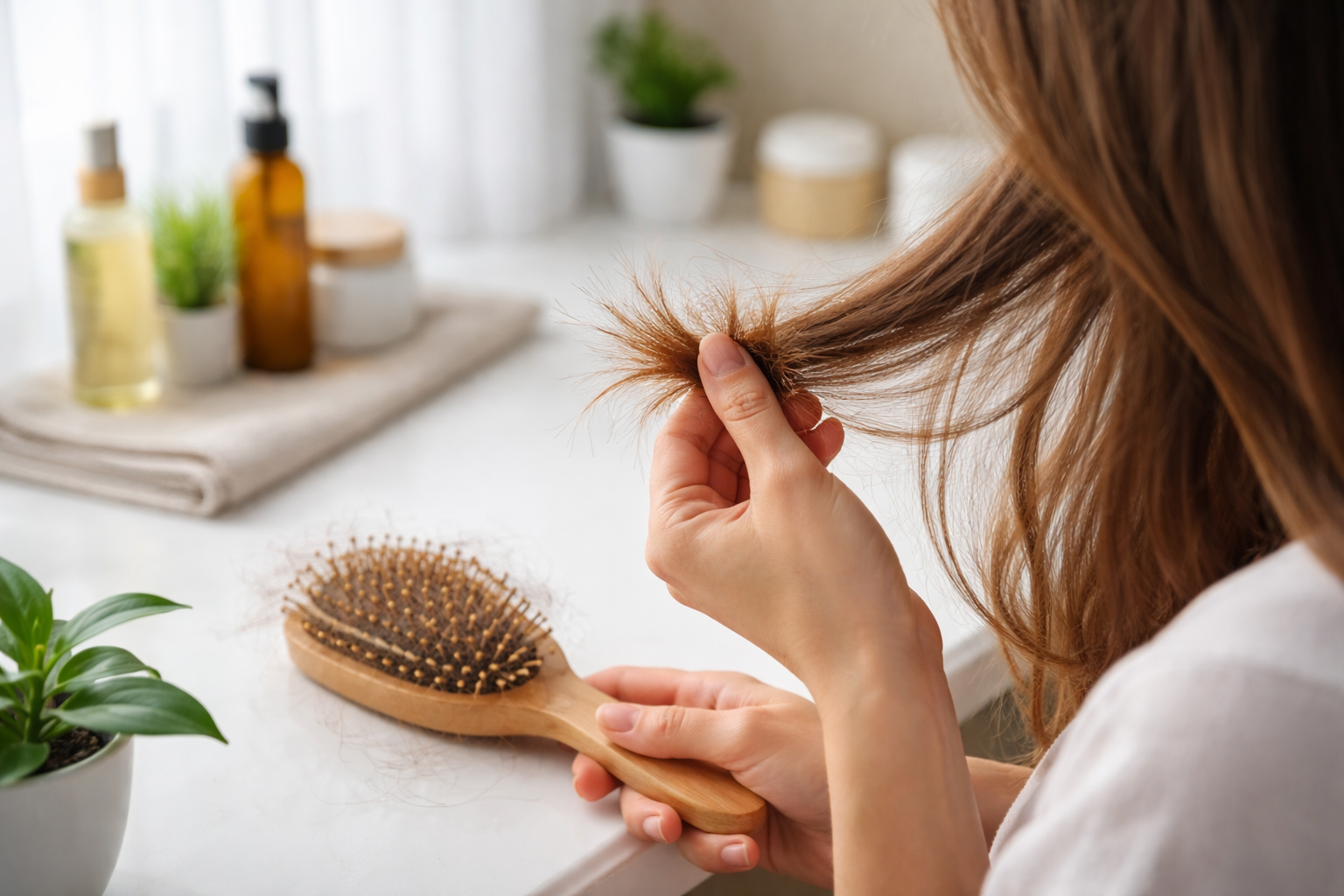
The quest for lustrous, healthy hair free from the dreaded scourge of breakage is a journey many embark on. This comprehensive guide explores the broad field of hair health, offering insights, remedies, and actionable strategies to safeguard your strands against damage, all through natural approaches. From understanding the root causes to embracing protective practices, we’ll uncover the secrets to maintaining strong, resilient hair.
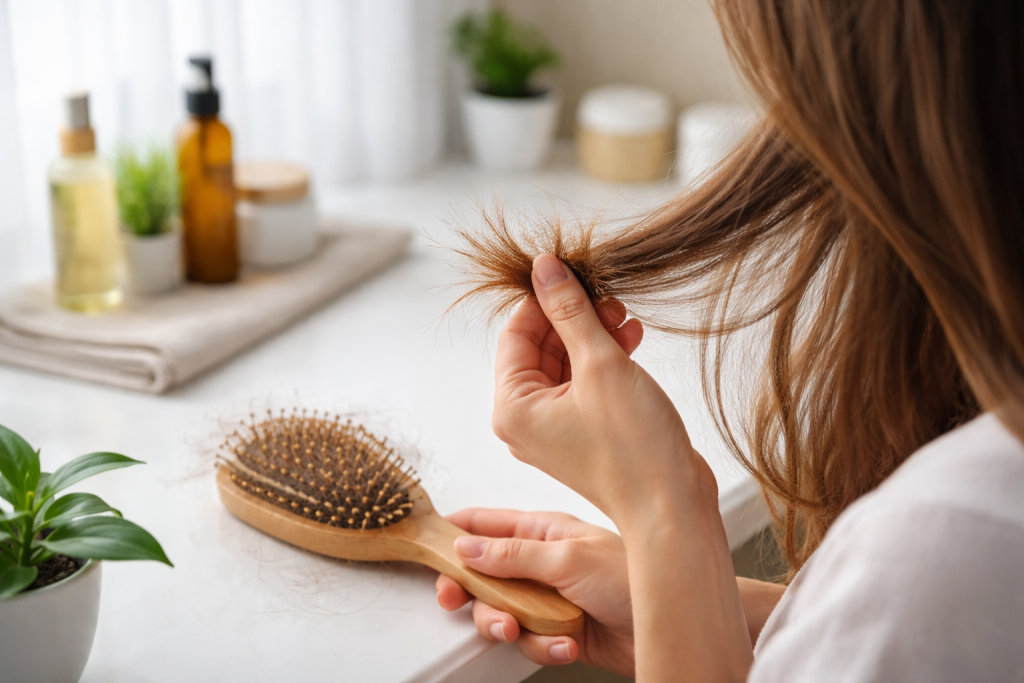
Hair breakage is a common, often frustrating, issue that can transform a voluminous mane into a fragmented, sparse appearance. To effectively combat it, we must first comprehend its origins.
Mechanical Stressors and Damage
One of the most prevalent culprits behind hair breakage is mechanical damage. This encompasses a range of activities and habits that physically stress the hair shaft, leading to its weakening and eventual fracture. Excessive brushing, especially when wet, is a primary offender. Wet hair is significantly more fragile than dry hair due to the swelling of the hair shaft, making it highly susceptible to damage from rigorous brushing or combing. Similarly, the frequent use of tight hair ties, particularly those with metal components, can create significant tension and friction, causing breakage at the point of contact. Aggressive towel drying, where hair is rubbed vigorously, also contributes to mechanical stress by roughening the cuticle and leading to snags and tears. Even sleeping on abrasive pillowcases, such as cotton, can cause friction and tangles overnight, resulting in breakage.
Chemical Processing and Heat Styling
The allure of perfectly styled hair often comes at a cost, particularly when chemical treatments and heat styling are regularly employed. Chemical processes like coloring, perming, and relaxing alter the hair’s internal structure, dissolving bonds and making it inherently weaker and more porous. Because the hair is more porous, it takes in and lets out moisture more quickly, which makes it weak and likely to break. Similarly, the intense heat generated by tools such as curling irons, flat irons, and blow dryers can dehydrate the hair shaft, stripping away its natural oils and protective layers. The result leads to a compromised cuticle and cortex, making the hair stiff, dry, and highly susceptible to breakage. The direct application of heat can also denature the hair’s protein, further weakening its integrity.
Nutritional Deficiencies and Internal Factors
Hair health is intrinsically linked to overall bodily well-being, and nutritional deficiencies can have a profound impact on its strength and resilience. A lack of essential vitamins and minerals can starve the hair follicles, leading to weaker hair growth and increased breakage. For instance, iron deficiency, a common issue, can lead to anemia and subsequent hair loss and breakage. Similarly, insufficient protein intake, a crucial building block for hair, can result in thin, brittle strands. Deficiencies in vitamins like biotin (B7), vitamin D, and essential fatty acids (omega-3s) can also manifest as unhealthy, breakage-prone hair. Stress, another significant internal factor, elevates cortisol levels, which can disrupt the hair growth cycle and contribute to hair thinning and increased breakage. Hormonal imbalances, often experienced during pregnancy, menopause, or due to certain medical conditions, can also influence hair texture and strength, making it more vulnerable to damage.
Understanding the causes naturally leads to the adoption of gentle, nourishing practices for prevention. Many natural ingredients offer powerful restorative and protective properties.
Deep Conditioning with Natural Oils
Nature’s bounty provides an array of oils that are excellent for strengthening hair and preventing breakage. Coconut oil, with its unique ability to penetrate the hair shaft, helps reduce protein loss, making hair stronger and more resistant to damage. Olive oil, rich in antioxidants and fatty acids, moisturizes and conditions, and improves elasticity. Argan oil, often dubbed “liquid gold,” is packed with vitamin E and essential fatty acids, providing intense hydration and shine while protecting against breakage. Jojoba oil, closely mimicking the scalp’s natural sebum, balances oil production and nourishes the hair without leaving it greasy. To use these oils, warm a small amount and gently massage it into your scalp and hair, focusing on the ends. Leave it on for at least 30 minutes, or even overnight, before shampooing. Regular application, once or twice a week, can significantly improve hair strength and reduce breakage.
Herbal Rinses for Strength and Shine
Herbal rinses have been used for centuries to promote hair health and can be incredibly effective in preventing breakage. Rosemary, known for its stimulating properties, can improve circulation to the scalp, encouraging stronger hair growth. Chamomile soothes the scalp and adds a natural shine, while nettle leaf is rich in silica and sulfur, both essential for robust hair. Horsetail, another herb, is a powerhouse of silica, which strengthens the hair shaft. To create an herbal rinse, steep a handful of dried herbs in hot water for 15-20 minutes, then strain. After shampooing and conditioning, pour the cooled herbal infusion over your hair as a final rinse. No need to rinse it out afterward; simply pat your hair dry. Regular use of these rinses can improve hair elasticity and reduce its tendency to break.
Aloe Vera and Apple Cider Vinegar Treatments
Aloe vera is a versatile plant revered for its healing and moisturizing properties. Its enzymes can stimulate hair growth, and its hydrating nature helps condition the hair, making it less prone to dryness and breakage. Apply fresh aloe vera gel directly to your scalp and hair, letting it sit for 20-30 minutes before rinsing. This treatment deeply moisturizes and strengthens the hair cuticles. Apple cider vinegar (ACV), diluted with water, serves as an excellent clarifying rinse that can remove product buildup, balance scalp pH, and close the hair cuticles. A smoother cuticle means less friction and, consequently, less breakage. After shampooing, use a mixture of one part ACV to three parts water as a final rinse. Leave it on for a few minutes, then rinse with cool water. This leaves hair shiny, smooth, and less susceptible to damage.
The marketplace is flooded with hair care products, but not all are created equal. Making informed choices is crucial for preventing breakage.
Avoiding Harsh Chemicals and Sulfates
Many conventional shampoos and conditioners contain harsh chemicals that can strip the hair of its natural oils, leaving it dry, brittle, and prone to breakage. Sulfates, such as sodium lauryl sulfate (SLS) and sodium laureth sulfate (SLES), are strong detergents that create lather but can be overly abrasive. Parabens, used as preservatives, have been linked to potential health concerns and can contribute to scalp irritation. Phthalates, often found in fragranced products, can also be detrimental. Look for products labeled “sulfate-free,” “paraben-free,” and “phthalate-free.” Opt for cleansers with gentle, plant-derived surfactants that clean without stripping.
Prioritizing Moisturizing and Strengthening Ingredients
When selecting hair care products, focus on those that prioritize hydration and fortification. Ingredients like hydrolyzed proteins (keratin, wheat protein, and silk protein) can temporarily bind to the hair shaft, strengthening it and reducing breakage. Humectants such as glycerin and hyaluronic acid attract and retain moisture, keeping hair pliable. Natural oils and butters (shea butter, cocoa butter) provide excellent emollient properties, sealing in moisture and adding a protective layer. Look for leave-in conditioners and hair masks that contain these nourishing components to provide continuous hydration and reinforcement.
Beyond topical treatments and product choices, integrating certain lifestyle adjustments can significantly contribute to hair strength and resilience.
Gentle Detangling Techniques
The method you use to detangle your hair can significantly impact its resistance to breakage. Never detangle wet hair with a fine-tooth comb; instead, use a wide-tooth comb or your fingers, starting from the ends and working your way up to the roots. This gradual process helps to gently separate knots without ripping through them. For dry hair, a brush with soft, natural bristles can be effective. Always be patient and avoid forceful tugging. Applying a leave-in conditioner or a detangling spray before combing can provide lubrication, making the process smoother and less damaging.
Limiting Heat Styling and Chemical Treatments
While the allure of perfectly styled hair is strong, reducing the frequency of heat styling and chemical treatments is perhaps one of the most impactful steps you can take to prevent breakage. Allow your hair to air dry whenever possible. If heat styling is necessary, always use a heat protectant spray to create a barrier between your hair and the heat source. Opt for the lowest effective heat setting. When it comes to chemical treatments, space them out as much as possible and consider less damaging alternatives where available. Regular trims to remove split ends also prevent breakage from traveling further up the hair shaft.
Stress Management for Hair Health
Stress silently undermines the health of your hair. Chronic stress can push hair follicles into a resting phase prematurely, leading to increased shedding and, consequently, a weaker overall hair structure that is more susceptible to breakage. Incorporating stress-reducing practices into your daily routine is vital. These can include meditation, yoga, deep breathing exercises, spending time in nature, or engaging in hobbies that bring you joy. Ensuring adequate sleep is also paramount, as the body uses this time to repair and regenerate, including hair cells.
Embracing certain hairstyles can offer a protective shield against environmental damage and mechanical stress, safeguarding your strands.
Low-Tension Hairstyles
Tight hairstyles that pull at the roots can cause traction alopecia and significant breakage. Opt for low-tension styles that minimize stress on your hair follicles. Loose braids, soft buns, and ponytails secured with fabric hair ties instead of elastic bands are excellent choices. The pineapple method, where hair is gathered loosely at the top of the head, is particularly effective for protecting curly hair while sleeping. These styles prevent constant friction and pulling, allowing your hair to rest and remain protected.
Silk Pillowcases and Hair Wraps
The friction created between your hair and traditional cotton pillowcases can lead to tangles, frizz, and breakage, especially for those with delicate or curly hair. Switching to a silk or satin pillowcase dramatically reduces this friction, allowing your hair to glide smoothly across the surface. Alternatively, wrapping your hair in a silk or satin scarf before bed offers similar protection, preventing tangles and preserving moisture. These small changes can significantly reduce mechanical damage incurred overnight.
The adage “you are what you eat” holds profound truth when it comes to hair health. A balanced diet is the cornerstone of strong, resilient hair.
Protein-Rich Foods
Since hair is primarily made of protein (keratin), a diet rich in high-quality protein is essential for its growth and strength. Include lean meats, poultry, fish, eggs, dairy products, legumes, nuts, and seeds in your meals. These provide the necessary amino acids for keratin production, leading to stronger hair that is less prone to breakage.
Vitamins and Minerals for Hair Growth
A spectrum of vitamins and minerals play critical roles in hair health. Iron (found in red meat, spinach, and lentils) is vital for oxygen transport to hair follicles. The metabolism and growth of hair depend on B vitamins and biotin, which are present in sweet potatoes, almonds, and eggs. Vitamin C (citrus fruits, bell peppers) aids in collagen production and iron absorption. Vitamin E (nuts, seeds, avocado) is an antioxidant that supports scalp circulation. Zinc (oysters, beef, pumpkin seeds) is involved in hair tissue growth and repair. Incorporating various colorful fruits and vegetables ensures you’re getting a broad spectrum of these essential micronutrients.
Omega-3 Fatty Acids
Essential fatty acids, especially omega-3s, play a crucial role in preserving a healthy scalp and hydrating hair holistically. They help reduce inflammation and contribute to the overall health of hair follicles. Incorporate fatty fish (salmon, mackerel, sardines), flaxseeds, chia seeds, and walnuts into your diet to ensure adequate intake of these beneficial fats.
Harnessing the power of natural ingredients, you can create effective and affordable hair masks right in your kitchen.
Avocado and Banana Mask
This mask is a powerhouse of moisture and nutrients. Avocados are rich in vitamins E and B, healthy fats, and potassium, all of which moisturize and strengthen the hair. Bananas are packed with vitamins, potassium, and silica, which helps improve hair elasticity and shine. Mash one ripe avocado and one ripe banana together until smooth. Apply the mixture to damp hair, focusing on the ends. Leave it on for 20-30 minutes, then rinse thoroughly and shampoo.
Egg and Yogurt Mask
Eggs are an excellent source of protein, which is essential for repairing damaged hair and adding strength. Yogurt contains lactic acid, which gently cleanses the scalp and adds shine, along with proteins that nourish the hair. Whisk one or two eggs with half a cup of plain yogurt. Apply the mixture to your hair, from roots to ends. Leave it on for 30 minutes, then rinse with cool water (hot water can cook the egg!) and shampoo.
Honey and Coconut Oil Mask
Honey is a natural humectant, drawing moisture from the air into your hair, while coconut oil deeply penetrates and conditions it. This combination is highly effective for dry, brittle hair prone to breakage. Mix two tablespoons of honey with two tablespoons of warm coconut oil. Apply to damp hair, focusing on the mid-lengths and ends. Cover your hair with a shower cap and leave it on for 30 minutes to an hour before shampooing and conditioning. These natural treatments, when used consistently, can significantly improve hair’s strength, elasticity, and overall health, reducing breakage and promoting a vibrant, lustrous mane.


