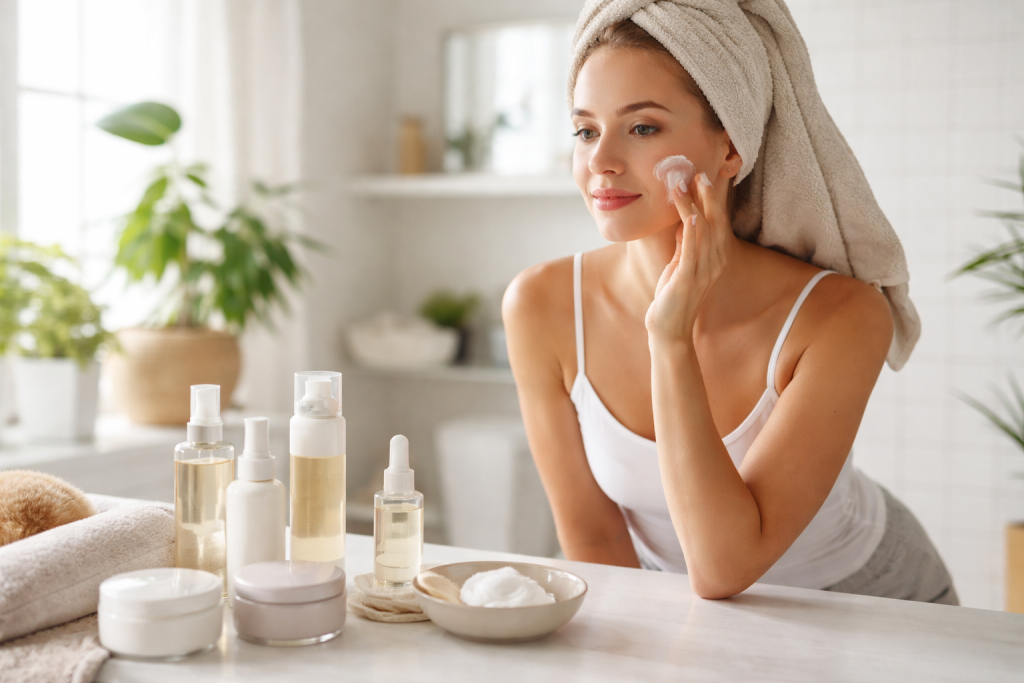
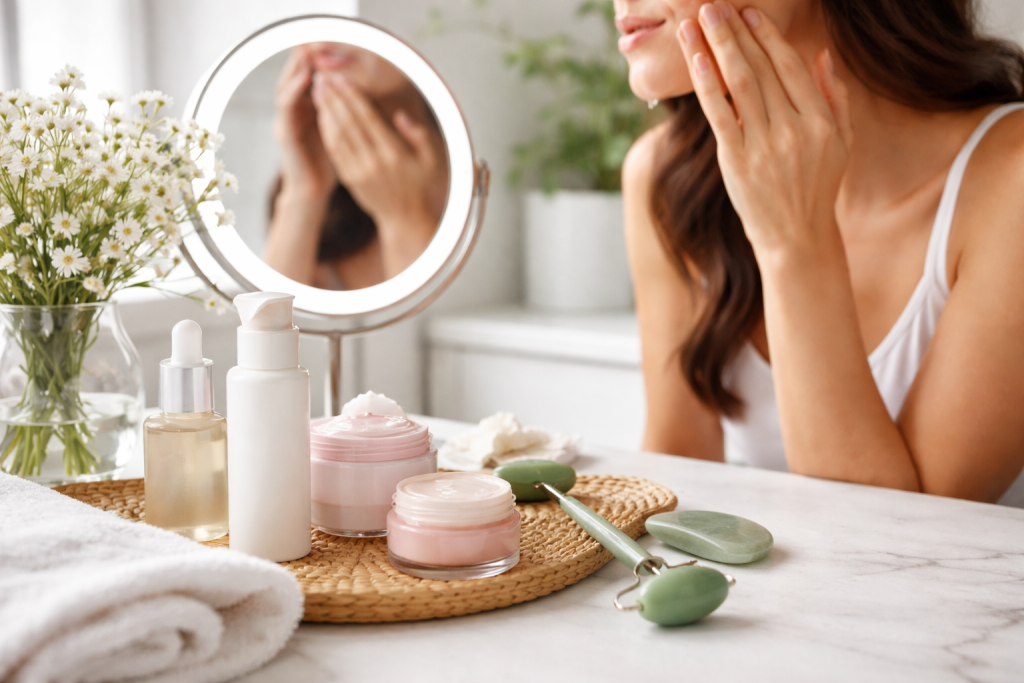
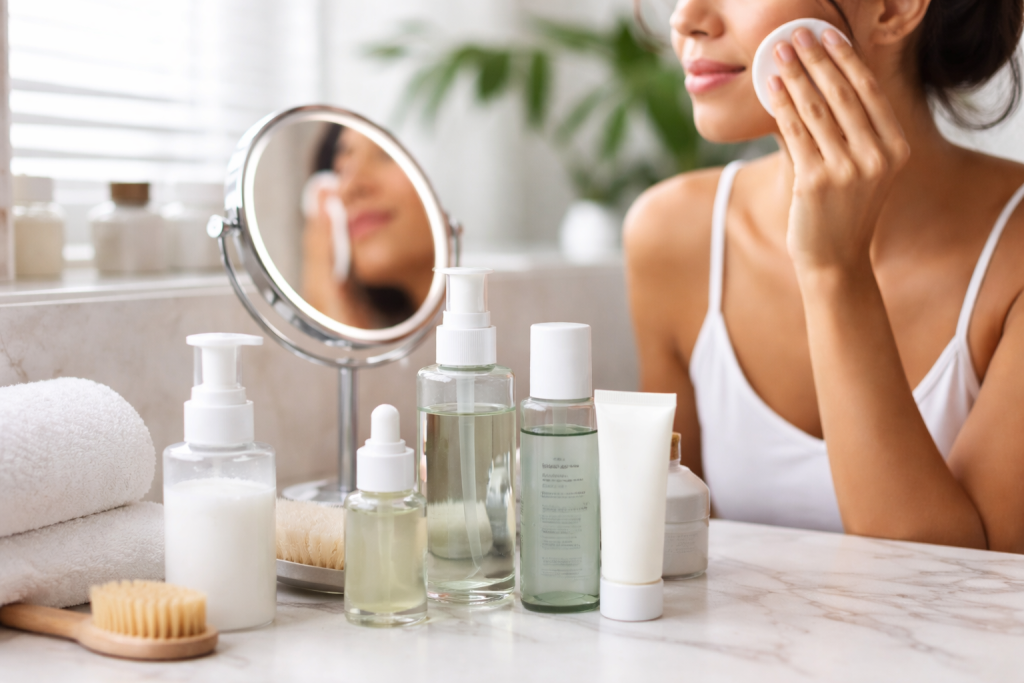
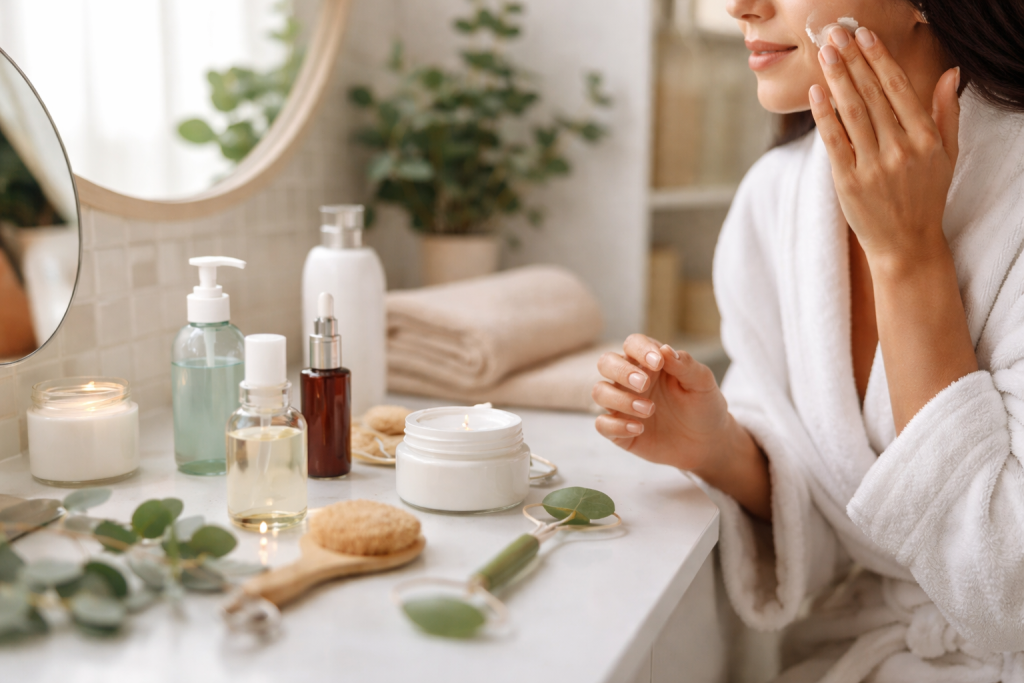
The modern world, with its relentless pace and constant demands, often leaves us feeling drained, overwhelmed, and disconnected from our inner selves. In this whirlwind of activity, the concept of self-care has emerged as a vital anchor, a beacon guiding us back to a state of equilibrium and well-being. It’s not a luxury; it’s a necessity, a fundamental pillar upon which a fulfilling and productive life is built. Embracing self-care means consciously choosing to prioritize your own needs, understanding that by nurturing yourself, you are better equipped to face life’s challenges with resilience and grace. It’s an investment in your personal infrastructure, ensuring you have the strength, clarity, and emotional reserves to thrive, not just survive.
Stress-Free Lifestyle
The term “self-care” has gained significant traction in recent years, but its core meaning often gets lost amidst trendy hashtags and elaborate routines. At its heart, self-care is about proactively attending to your physical, mental, and emotional needs to maintain overall health and prevent burnout. It’s a conscious act of protecting your own well-being, recognizing that you cannot pour from an empty cup. Ignoring self-care often leads to a cascade of negative consequences, including chronic stress, anxiety, depression, and even physical ailments. It diminishes your capacity for empathy, creativity, and effective problem-solving.
The Impact of Neglecting Self-Care
When self-care is consistently overlooked, the body and mind begin to show signs of distress. Persistent fatigue becomes a constant companion, motivation wanes, and even simple tasks can feel insurmountable. Emotional regulation becomes challenging, leading to irritability, mood swings, and a feeling of being constantly on edge. This state of chronic depletion not only affects your personal life but also impacts your professional productivity and relationships. The ability to focus diminishes, decision-making becomes impaired, and a general sense of dissatisfaction permeates every aspect of existence. It’s a downward spiral that can be difficult to escape without a conscious intervention of self-care.
The Benefits of Prioritizing Your Needs
Conversely, making self-care a consistent practice unlocks a wealth of benefits that reverberate throughout your entire life. Improved mental clarity, enhanced emotional resilience, and increased energy levels are just the beginning. You’re better equipped to handle stress, your immune system strengthens, and your relationships flourish as you bring a more balanced and empathetic self to interactions. Self-care fosters a deeper connection with yourself, allowing you to understand your own needs and boundaries more clearly. This self-awareness is a powerful tool for navigating life’s complexities and making choices that truly serve your highest good. Ultimately, prioritizing your needs through self-care empowers you to live a more joyful, purposeful, and fulfilling life.
While physical health often takes center stage, mental and emotional well-being are equally, if not more, crucial for a truly stress-free existence. The mind and emotions are powerful engines that drive our perceptions, reactions, and overall experience of life. Neglecting them is akin to trying to drive a car with a faulty engine; eventually, it will break down. Prioritizing mental and emotional self-care involves actively cultivating practices that soothe your mind, foster positive emotions, and build resilience against life’s inevitable challenges. It’s about creating an internal sanctuary where you can retreat, recharge, and rediscover your inner calm.
Practicing Mindfulness and Presence
One of the most potent tools for mental and emotional well-being is mindfulness. This practice involves intentionally focusing on the present moment, observing your thoughts, feelings, and sensations without judgment. It’s about stepping back from the constant chatter of your mind and simply being. Incorporating short mindfulness exercises throughout your day, such as a few minutes of deep breathing or truly savoring a cup of tea, can significantly reduce stress and enhance emotional balance. Regular mindfulness practice helps to rewire the brain, fostering a greater sense of calm and clarity. It allows you to respond to situations thoughtfully rather than reacting impulsively, thereby improving decision-making and reducing emotional volatility.
Cultivating Gratitude and Positive Affirmations
Shifting your focus towards gratitude is another transformative practice for emotional well-being. Actively acknowledging the good things in your life, no matter how small, can profoundly alter your perspective. Keeping a gratitude journal or simply taking a moment each day to reflect on what you appreciate can reprogram your brain to seek out positivity, thereby boosting your mood and fostering a more optimistic outlook. Complementing this with positive affirmations – short, empowering statements about yourself and your capabilities – can further strengthen your mental fortitude and self-belief. Regularly affirming your worth and potential helps to counteract negative self-talk, building a stronger and more confident inner voice.
A stress-free lifestyle isn’t a magical state achieved overnight; it’s the culmination of consistent, healthy habits woven into the fabric of your daily life. These habits act as protective barriers against stress, building your resilience and bolstering your overall well-being. It’s about making conscious choices that support your physical and mental health, creating a sustainable foundation for a life lived with greater ease and joy. The key lies in consistency and finding practices that genuinely resonate with you, rather than feeling like additional burdens.
Prioritizing Quality Sleep
Adequate, restful sleep is perhaps the most fundamental building block of a stress-free existence. During sleep, your body repairs itself, your mind processes information, and your emotional reserves are replenished. Chronically insufficient sleep not only leads to fatigue and impaired cognitive function but also significantly elevates stress hormones, making you more susceptible to anxiety and mood swings. Establishing a consistent sleep schedule, creating a relaxing bedtime routine, and optimizing your sleep environment are non-negotiable steps towards a more balanced and energized you. Giving your body and mind the restorative rest they need is a powerful act of self-care.
Nourishing Your Body with a Balanced Diet
The food you consume has a direct and profound impact on your mood, energy levels, and overall capacity to handle stress. A diet rich in whole foods – fruits, vegetables, lean proteins, and healthy fats – provides the essential nutrients your body and brain need to function optimally. Conversely, processed foods, excessive sugar, and unhealthy fats can contribute to energy crashes, mood fluctuations, and inflammation, all of which exacerbate stress. Making conscious choices about your nutrition is a powerful form of self-care, supporting your physical health and providing a stable foundation for emotional resilience. It’s not about strict diets but about mindful eating that fuels your well-being.
The most effective self-care isn’t relegated to occasional spa days or weekend retreats; it’s seamlessly integrated into the rhythm of your everyday life. It’s about finding small, consistent actions that nourish your mind, body, and soul, making them non-negotiable parts of your routine. These seemingly minor habits accumulate over time, creating a powerful buffer against the demands and stressors of modern living. The beauty of incorporating self-care into your daily routine is its accessibility, ensuring that even on your busiest days, you can still find moments to replenish and re-center yourself.
Scheduling “Me Time” Deliberately
One of the most effective ways to ensure self-care happens is to schedule specific “me time” into your daily planner, just as you would any other important appointment. Whether it’s 15 minutes of quiet reflection, an hour dedicated to a hobby, or simply enjoying a cup of coffee in solitude, consciously reserving this time sends a powerful message to yourself that your well-being matters. This dedicated time allows for disconnection from external pressures and reconnection with your inner self, fostering a sense of autonomy and control over your personal space and time. It’s a deliberate act of choosing yourself.
Practicing Micro-Breaks Throughout the Day
Even when a dedicated block of time isn’t feasible, incorporating “micro-breaks” throughout your day can make a significant difference. These are short, intentional pauses designed to break up periods of intense focus or stress. Getting up to stretch, taking a few deep breaths, stepping outside for a minute, or simply focusing on a pleasant thought can effectively reset your brain and reduce accumulated tension. These brief moments of self-care prevent overwhelm from building up, allowing you to return to your tasks with renewed focus and a calmer demeanor. They are small acts of kindness you show yourself, continually replenishing your energy stores.
Your external environment plays a significant role in your ability to practice self-care effectively. A cluttered, chaotic space can contribute to mental clutter and stress, making it difficult to find the calm and peace necessary for self-nurturing activities. Conversely, a thoughtfully arranged environment can act as a natural facilitator for well-being, encouraging relaxation, focus, and creativity. Creating a supportive environment is not about achieving perfection, but about making conscious choices that align your physical surroundings with your desire for a stress-free lifestyle.
Decluttering and Organizing Your Space
A cluttered physical environment often reflects or contributes to a cluttered mental state. Taking the time to declutter and organize your living and working spaces can have a surprisingly profound impact on your sense of calm and control. Removing unnecessary items, creating designated storage, and establishing a routine for tidiness can reduce visual distractions and create a more serene atmosphere. This physical act of organizing can translate into mental clarity, making it easier to relax, focus, and engage in self-care practices without the added stress of disarray. A tidy space can be a sanctuary for inner peace.
Cultivating Positive Relationships and Setting Boundaries
Your social environment is just as crucial as your physical surroundings. Surrounding yourself with individuals who uplift and support you, and learning to set healthy boundaries with those who may drain your energy, is a vital aspect of self-care. Positive relationships provide a sense of belonging and support, while clear boundaries protect your time, energy, and emotional well-being. Learning to say “no” when necessary and communicating your needs respectfully are acts of self-preservation that contribute significantly to a stress-free life. This isn’t about isolation, but about intentional connection that enhances, rather than diminishes, your well-being.
FAQs
What is self-care and why is it important?
Self-care refers to the practice of taking care of one’s own physical, mental, and emotional well-being. It is important because it helps individuals manage stress, prevent burnout, and maintain a healthy work-life balance. Self-care also promotes overall wellness and can improve one’s quality of life.
How can I prioritize my mental and emotional well-being through self-care?
Prioritizing mental and emotional well-being through self-care involves activities such as mindfulness meditation, journaling, seeking therapy or counseling, setting boundaries, and practicing self-compassion. These activities can help individuals manage stress, improve their mood, and build resilience.
What are some simple tips for establishing healthy habits for a stress-free lifestyle?
Some simple tips for establishing healthy habits for a stress-free lifestyle include getting regular exercise, practicing good sleep hygiene, eating a balanced diet, setting realistic goals, managing time effectively, and engaging in hobbies or activities that bring joy and relaxation.
How can I incorporate self-care into my daily routine?
Incorporating self-care into a daily routine can be achieved by scheduling time for self-care activities, setting boundaries around work and personal time, practicing mindfulness throughout the day, taking short breaks to recharge, and engaging in activities that promote relaxation and stress relief.
What are some self-care tips for physical health and wellness?
Self-care tips for physical health and wellness include getting regular exercise, eating nutritious meals, staying hydrated, getting enough sleep, practicing good hygiene, and seeking medical care when needed. These activities can help individuals maintain their physical health and well-being.
The modern world beckons with relentless demands, leaving many feeling like they’re constantly juggling an ever-expanding list of to-dos. In this whirlwind of commitments, the concept of self-care can often feel like a luxurious indulgence, a privilege reserved for those with limitless time and energy. However, far from being a selfish act, prioritizing your well-being is not just beneficial, it’s essential for navigating life’s complexities with resilience and grace. Understanding the profound importance of self-care is the foundational step towards reclaiming your vitality and building a sustainable, fulfilling life, even when your calendar is overflowing.
Easy Self-Care Routines
For too long, self-care has been relegated to the realm of pampered spa days and lengthy meditation sessions, activities that seem incompatible with the realities of a packed schedule. This misconception is a significant barrier for many busy individuals. The truth is, self-care is about actively engaging in practices that nourish your physical, mental, and emotional health. It’s about recognizing that your capacity to serve others, excel at your work, and simply enjoy life is directly tied to your own internal reserves. When you consistently neglect your own needs, you deplete those reserves, leading to burnout, decreased productivity, and a diminished sense of joy.
The Ripple Effect of Self-Neglect
When you don’t carve out time for yourself, the consequences can be far-reaching. Chronic stress can manifest as physical ailments like headaches, digestive issues, and a weakened immune system. Emotionally, you might experience increased irritability, anxiety, and a persistent feeling of being overwhelmed. This not only impacts your personal life but can also spill over into your professional interactions, affecting your focus, creativity, and your ability to collaborate effectively.
Self-Care: An Investment, Not an Expense
Viewing self-care as an investment rather than an expense is a crucial mindset shift. Think of it like charging your phone: if you never plug it in, it will eventually run out of power and become useless. Similarly, if you don’t recharge your own batteries, you’ll eventually hit a wall. This investment in your well-being pays dividends in the form of increased energy, improved mood, enhanced problem-solving abilities, and a greater capacity to handle life’s challenges. It allows you to show up as your best self in all areas of your life.
The good news is that self-care doesn’t require hours of dedicated time every day. The key lies in integrating short, impactful practices into the fabric of your existing routine. These micro-moments of replenishment can make a significant difference in your overall well-being, providing much-needed respite and rejuvenation. The goal is to find what works for you, embracing flexibility and recognizing that even the smallest acts of kindness to yourself can contribute to a more balanced and fulfilling existence.
The Power of the Pause
One of the simplest yet most effective self-care practices is to deliberately incorporate moments of pause throughout your day. This can be as simple as taking a few deep breaths before answering an email, stepping away from your desk for five minutes to stretch, or enjoying your morning coffee without distractions. These brief interruptions can help to break the cycle of constant activity, allowing your mind to reset and reducing the cumulative effects of stress.
Mindful Moments Throughout the Day
Mindfulness, often associated with lengthy meditation, can be practiced in short bursts even for the busiest individuals. This involves bringing your attention to the present moment without judgment. When you’re eating, truly savor the taste and texture of your food. When you’re walking, notice the sensation of your feet on the ground and the sights and sounds around you. These mindful moments help to anchor you in the present, reducing rumination on past worries or future anxieties.
Movement as Medicine
Physical activity is a powerful stress reliever and mood booster. For busy people, this doesn’t necessarily mean hitting the gym for an hour. A brisk ten-minute walk during your lunch break, a quick yoga stretch session before bed, or even dancing to your favorite song for a few minutes can have a significant positive impact. The goal is to get your body moving and your blood flowing, releasing endorphins that enhance your mood and reduce tension.
The idea of a rigid, perfectly structured self-care routine can be daunting for those with unpredictable schedules. The key to success lies in creating a flexible and adaptable approach, one that acknowledges the realities of your daily life rather than trying to impose an unrealistic ideal. This involves identifying the pockets of time you do have, even if they are short, and strategically weaving in self-care practices that resonate with you. It’s about finding what’s sustainable and enjoyable, rather than what you feel you should be doing.
Identifying Your “Me Time” Pockets
Take an honest look at your week. Where are the small windows of opportunity for respite? This might be the first thirty minutes after waking up before the household stirs, the commute to work if you’re not driving, or ten minutes before bed. It could even be during a brief lull in a busy workday. Instead of waiting for large blocks of free time to appear, which they often don’t, learn to recognize and utilize these micro-moments.
The “Stacking” Technique
A highly effective strategy for integrating self-care into a busy schedule is the “stacking” technique. This involves pairing a desired self-care activity with an existing habit. For example, if you already have a morning routine of making coffee, you could stack a few minutes of mindful breathing or stretching onto that habit. If you’re already in the habit of checking your phone upon waking, you could aim to replace those first few minutes with a brief gratitude journaling exercise. This leverages existing momentum and makes the new habit feel less like an extra chore.
The Art of “Good Enough” Self-Care
Perfectionism can be a major roadblock to self-care. For busy people, the notion of a “perfect” self-care routine can be overwhelming and ultimately lead to inaction. Embrace the concept of “good enough.” If you only have five minutes, a five-minute walk is better than no walk at all. If you can’t manage a full yoga class, a few simple stretches will suffice. The aim is consistent small efforts, not flawless execution. Celebrate your small wins and acknowledge that even imperfect self-care is still self-care.
Stress and anxiety are almost unavoidable in our fast-paced world. However, self-care practices can act as powerful buffers, helping you to navigate these challenges with greater ease and build resilience. These aren’t about eradicating stress entirely, which is often an impossible goal, but rather about developing healthy coping mechanisms that prevent it from overwhelming you. The more you practice these techniques, the more adept you become at managing your responses to stressors.
The Breath as Your Anchor
Your breath is a readily available and incredibly potent tool for managing stress and anxiety. When you feel overwhelmed, consciously slowing down and deepening your breaths can trigger your body’s relaxation response. Simple techniques like box breathing (inhaling for a count of four, holding for four, exhaling for four, holding for four) or the 4-7-8 technique (inhale for four, hold for seven, exhale for eight) can quickly calm your nervous system. Aim to practice this for just a minute or two whenever you feel tension rising.
Cultivating a Gratitude Practice
Shifting your focus to what you are thankful for, even in difficult times, can significantly reduce anxiety and stress. Keep a small notebook by your bedside or on your phone and jot down three things you are grateful for each day. These can be small things, like a warm cup of tea, a friendly interaction, or the beauty of a sunset. This practice trains your brain to recognize the positive aspects of your life, fostering a more optimistic outlook and counteracting the tendency to focus on problems.
The Cleansing Power of Expression
Bottling up emotions can exacerbate stress and anxiety. Finding healthy outlets for expression is crucial. This could involve journaling your thoughts and feelings, talking to a trusted friend or family member, or engaging in creative activities like drawing, painting, or playing music. Even a brief conversation with someone who listens without judgment can be incredibly cathartic and help to process difficult emotions before they become overwhelming.
The true magic of self-care lies in its integration, weaving it seamlessly into the tapestry of your everyday existence. It shouldn’t feel like an added burden or a separate task on your to-do list, but rather a natural and inherent part of how you navigate your day. This requires conscious effort and a willingness to adapt, but the rewards of consistent, small acts of self-nurturing are profound and cumulative.
Strategic Placement Throughout the Day
Think of your day as a series of opportunities. Can you add a mindful moment to your commute? Can you incorporate a few stretches while waiting for your computer to boot up? Can you dedicate five minutes to a relaxing activity before bed? By strategically placing these short self-care practices throughout your day, you create a rhythm of replenishment that prevents burnout and sustains your energy levels. It’s about creating a constant hum of well-being rather than isolated bursts.
Batching and Automation
Just as you might batch your errands or automate bill payments, you can apply this principle to self-care. If you have a particular type of self-care you enjoy, like listening to podcasts, consider dedicating a specific time each day or week for this. Perhaps you can create a playlist of uplifting music to listen to while you work or during your commute. Similarly, you can set gentle reminders on your phone for simple practices like taking deep breaths or drinking a glass of water, allowing technology to support your well-being goals.
Making it a Non-Negotiable
At its core, making self-care a priority means treating it with the same importance as any other essential appointment or commitment. It requires a shift in mindset to recognize that your well-being is the foundation upon which everything else is built. When you begin to view self-care as a non-negotiable aspect of your life, you are more likely to make the time for it, even when life throws curveballs. It’s a testament to your self-worth.
The interconnectedness of our physical and mental health is undeniable. Practices that nourish one often have a positive impact on the other, creating a virtuous cycle of well-being. For busy individuals, the key is to find practices that are efficient, effective, and sustainable, allowing you to experience the dual benefits of physical and mental rejuvenation without adding undue stress to your already packed schedule.
Nourishing Your Body with Simple Habits
Physical well-being is fundamental to mental resilience. Even with a busy schedule, small, consistent efforts can make a significant difference. Prioritize hydration by keeping a water bottle with you throughout the day and sipping regularly. Opt for nutritious, easy-to-prepare meals and snacks that provide sustained energy, minimizing reliance on processed foods that can lead to energy crashes. Aim for quality sleep by establishing a calming bedtime routine, even if it’s just a few minutes of reading or gentle stretching.
Engaging Your Senses for Mental Clarity
Our senses offer a powerful gateway to our well-being. Engaging them intentionally can bring a sense of calm and presence. This could involve listening to soothing music, spending time in nature and observing the sights and sounds, or enjoying the aroma of essential oils. Even simple sensory experiences, like holding a warm mug of tea or feeling the texture of a soft blanket, can provide moments of grounding and stress reduction.
The Power of Connection and Solitude
Both meaningful connection and intentional solitude are vital for mental well-being. For busy individuals, this means being deliberate about both. Carve out time to connect with loved ones, even if it’s a quick phone call or virtual coffee date. Equally important is carving out moments of solitude to recharge and reflect, even if it’s just fifteen minutes of quiet time with your thoughts, without the constant barrage of external stimuli. Finding the right balance between these two is key to a robust mental state.
Despite the growing awareness of self-care’s importance, many busy individuals still struggle to make it a consistent part of their lives. This is often due to a combination of internal and external barriers. Recognizing these obstacles is the first step towards developing effective strategies to overcome them and solidify your commitment to your own well-being. True self-care involves not just knowing what to do, but also having the tools and mindset to implement it consistently.
The Guilt Trap
One of the most significant obstacles is often guilt. Many busy people feel selfish taking time for themselves when there are so many demands on their time and energy from family, work, or other obligations. It’s important to reframe this perspective. Self-care isn’t selfish; it’s essential for your ability to effectively care for others and fulfill your responsibilities. When you are depleted, you are less capable. Prioritizing your well-being allows you to be more present, productive, and patient in all areas of your life.
Time Scarcity: The Illusion and the Reality
The feeling of never having enough time is pervasive. However, often it’s a matter of prioritization rather than a genuine lack of time. When you examine your schedule, you might find that time is being consumed by less essential activities. By making self-care a priority, you are actively choosing to allocate time to your well-being, much like you would for a critical work meeting or a doctor’s appointment. Small, consistent efforts are far more effective than waiting for a mythical large block of free time to appear.
External Pressures and Expectations
Societal expectations and the demands of our environment can also make self-care feel like a luxury. The constant pressure to be productive, achieve more, and always be available can create a culture where self-care is seen as a weakness or a sign of not working hard enough. Challenging these ingrained beliefs is crucial. Building your resilience and capacity through self-care allows you to meet external demands with greater strength and a more balanced perspective, ultimately making you more effective in the long run.
FAQs
1. What is self-care and why is it important?
Self-care refers to the practice of taking action to preserve or improve one’s own health. It is important because it helps to maintain a healthy relationship with oneself, manage stress, and promotes overall well-being.
2. How can busy people incorporate self-care into their daily routines?
Busy people can incorporate self-care into their daily routines by setting aside small pockets of time for self-care activities, prioritizing self-care, and finding quick and effective self-care practices that fit their schedules.
3. What are some quick and effective self-care practices for busy lifestyles?
Quick and effective self-care practices for busy lifestyles include deep breathing exercises, taking short walks, practicing mindfulness or meditation, engaging in hobbies, and setting boundaries to protect personal time.
4. What are some self-care tips for managing stress and anxiety?
Self-care tips for managing stress and anxiety include getting regular exercise, practicing relaxation techniques, maintaining a healthy diet, getting enough sleep, and seeking support from friends, family, or professionals.
5. How can individuals overcome common obstacles to making self-care a priority?
Individuals can overcome common obstacles to making self-care a priority by recognizing the importance of self-care, setting realistic goals, creating a self-care plan, and seeking support from others.
The dream of beautiful, healthy hair often conjures images of elaborate salon treatments and time-consuming styling. However, achieving lustrous locks doesn’t necessitate a daily battle. The secret lies in adopting a simple and effective hair care routine. This philosophy focuses on comprehending the basic needs of your hair and establishing a simplified routine that promotes its health from the roots to the tips. It’s about working with your hair, not against it, and recognizing that true health often emerges from uncomplicated practices. The journey to effortless hair care begins with a shift in perspective, valuing consistency and quality over quantity and complexity. By embracing this mindset, you can unlock your hair’s natural radiance and vitality, making it a source of confidence rather than frustration.
Healthy Hair with a Simple Routine
Effortless hair care is built upon a few core principles that, once understood and embraced, can significantly simplify your approach. At its heart, it’s about respecting your hair’s natural state and providing it with what it truly needs without overwhelming it with unnecessary steps or products. This means getting back to the basics: understanding your hair type, its current condition, and the environment it’s exposed to. Without this foundational knowledge, it’s easy to fall into the trap of using the wrong products or employing detrimental techniques, leading to that perpetual cycle of trying to fix problems that could have been avoided. The goal is to move away from reactive care, constantly trying to repair damage, to proactive care, preventing issues before they arise. This fundamental shift in approach allows for a more sustainable and, ultimately, more successful hair care journey.
Decoding Your Hair Type
—Also, recognizing your unique hair type is the absolute cornerstone of any effective hair care regimen, and especially so for an effortless one. This involves observing how your hair behaves naturally, without manipulation. Does it tend to be oily, dry, or somewhere in between? Is it fine and prone to flatness, or thick and sometimes unruly? The texture—straight, wavy, curly, or coily—also plays a crucial role in determining its needs. Understanding these characteristics will guide your product selection and influence how often you cleanse and condition. For instance, someone with fine, oily hair will benefit from lightweight formulas and a more frequent washing schedule than someone with thick, dry, curly hair, who might opt for richer conditioners and less frequent washes. This initial self-assessment is not about categorization for the sake of it, but rather about gaining the essential insights needed to tailor your routine.
Assessing Your Hair’s Current Condition
Beyond just type, it’s vital to honestly assess your hair’s current condition. Is it healthy and vibrant, or is it showing signs of damage like split ends, dryness, brittleness, or excessive breakage? Factors like heat styling, chemical treatments (coloring, perms), environmental exposure, and even your diet can impact your hair’s health. Identifying any existing issues will help you choose treatments that address those specific concerns. For example, if your hair is dry and brittle, you’ll want to focus on moisturizing and strengthening ingredients rather than volumizing products. This assessment is an ongoing process; as your hair improves or faces new challenges, your needs might shift, necessitating a slight adjustment to your routine. It’s a dynamic evaluation that ensures your care remains relevant and effective.
The Environment and Its Impact
The external environment plays a significant role in hair’s health and appearance, and neglecting this can disrupt even the most well-intentioned routine. Factors like humidity, pollution, harsh sun exposure, and even the minerals in your tap water can all contribute to dryness, frizz, or dullness. Understanding these environmental influences allows you to make informed choices about protection and treatment. For instance, living in a humid climate might call for anti-frizz products, while constant sun exposure might necessitate UV-protective sprays. Similarly, if you have hard water, you might consider a clarifying shampoo occasionally to remove mineral buildup. Acknowledging these external forces is an often-overlooked but crucial element in achieving truly effortless, healthy hair.
—more The prevailing narrative in beauty often suggests that more is better—more products, more steps, more intensive treatments. However, when it comes to achieving healthy hair, the opposite can often be true. Embracing a simple hair care routine is not about laziness; it’s about strategic efficacy. Over-treating hair can strip it of its natural oils, disrupt its pH balance, and lead to more problems than it solves. Focusing on essential, high-quality steps, a minimalist approach frees your hair from unnecessary interventions, allowing it to thrive. This simplicity fosters a sustainable habit that is easier to maintain long-term, ensuring consistent results and a stronger, healthier mane.
Minimizing Product Overload
multitasking One of the most significant benefits of a simple routine is the avoidance of product overload. Constantly layering different shampoos, conditioners, masks, serums, and styling products can weigh hair down, lead to buildup that dulls its shine, and even irritate the scalp. When you simplify, you identify the core needs of your hair and select a few key products that effectively address them. This not only saves time and money but also allows your hair to breathe and exhibit its natural health and texture. It’s about choosing potent, multitasking products that deliver results without demanding a cabinet full of options. The less you bombard your hair, the more it can naturally recuperate and shine.
Reducing Time and Effort
The sheer time and effort involved in complex hair care routines can be a major deterrent for many. A simple routine streamlines your morning or evening rituals, freeing up valuable time. Instead of a lengthy, multi-step process, you focus on a few efficient actions that deliver maximum benefit. This makes healthy hair care achievable even on busy days, fostering consistency. When your routine is manageable, you’re more likely to stick with it, leading to accumulated benefits over time. The elegance of simplicity lies in its accessibility and its ability to integrate seamlessly into your life, proving that beautiful hair doesn’t have to be a full-time job.
Preventing Over-Processing and Damage
Over-processing is a common culprit behind damaged, unhealthy hair. This can stem from excessive washing, harsh chemical treatments, or the overuse of heat styling tools. A simple routine naturally reduces exposure to these damaging factors. By focusing on gentle cleansing, effective conditioning, and minimal styling intervention, you give your hair a chance to recover and strengthen. This preventative approach is far more effective and rewarding than constantly trying to repair damage. It’s about nurturing your hair’s natural resilience, allowing it to stay healthy and strong without the need for constant restorative measures.
The products you choose are the building blocks of your hair care routine. For an effortless approach, the focus should be on quality, efficacy, and suitability for your specific hair type and concerns. Instead of chasing trends or accumulating a vast collection, invest in a few well-formulated products that deliver on their promises. Understanding key ingredients and their benefits will empower you to make informed decisions, ensuring that your chosen arsenal truly supports your hair’s journey toward health and vitality, rather than creating more problems.
Decoding Ingredient Labels
Understanding the ingredients in your hair products is as crucial as understanding your hair type. Look for nourishing components that cater to your hair’s needs. For dryness, seek ingredients like shea butter, argan oil, coconut oil, and hyaluronic acid, which provide deep hydration. For strength and repair, hydrolyzed proteins, keratin, and biotin are excellent choices. Avoid sulfates, parabens, and silicones if your hair is prone to dryness, buildup, or irritation. Similarly, if you have a sensitive scalp, opt for fragrance-free and dye-free formulas. Reading labels might seem daunting initially, but familiarizing yourself with a few key beneficial and potentially harmful ingredients will significantly elevate your product selection process.
The Power of Gentle Cleansing
wash it The foundation of healthy hair begins with a clean scalp, but harsh shampoos can strip away essential natural oils, leading to dryness and irritation. For an effortless routine, opt for sulfate-free shampoos or cleansing conditioners that gently cleanse without compromising your hair’s moisture barrier. The frequency of washing should be dictated by your hair type and lifestyle. If your hair gets oily quickly, you might need to wash it more often, but always with a gentle formula. If your hair is drier, stretching out washes and perhaps using a co-wash (conditioner wash) or dry shampoo can be beneficial. The goal is to cleanse effectively while maintaining the scalp’s natural balance.
Nourishing Conditioners and Treatments
Conditioner is not optional; it’s a vital step in replenishing moisture, detangling, and smoothing the hair cuticle. Choose a conditioner that complements your shampoo and addresses your hair’s specific needs. A deeply moisturizing conditioner or a weekly deep conditioning treatment can significantly improve the condition of intensely dry or damaged hair. However, for everyday use, a lighter, equally effective formula might suffice. Consider leave-in conditioners for added moisture and protection, especially for longer hair or those susceptible to frizz. The key is to provide consistent nourishment without weighing your hair down.
Investing in Scalp Health
Contribute to healthy hair growth from a healthy scalp. Neglecting scalp care is akin to building a house on a weak foundation. Incorporate scalp-massaging shampoos or treatments that stimulate circulation and remove buildup. A healthy scalp environment promotes optimal hair growth and can prevent issues like dandruff or itchiness. Consider incorporating a scalp serum or oil if you experience dryness or irritation. This focus on the root of your hair will yield significantly healthier strands in the long run and contribute to the overall effortless nature of your care.
Achieving a polished look doesn’t require hours in front of the mirror. Effortless styling is about embracing your hair’s natural texture and using simple techniques to enhance its beauty. This involves understanding what works best for your hair type and employing the right tools and products to achieve a desired look with minimal fuss. The goal is to work with your hair’s inherent characteristics, not to fight them, making styling a pleasure rather than a chore.
Embracing Your Natural Texture
The most effortless styling approach is to embrace your hair’s natural texture. Whether it’s waves, curls, coils, or straight strands, learn to work with it. For wavy hair, these methods might involve using a sea salt spray to enhance definition or air-drying with a diffuser. Curly hair can benefit from curl-defining creams and a scrunching technique. With a quick blow-dry and a smoothing serum, straight hair may look better. Learning to enhance your natural texture, rather than alter it, is the quickest way to achieve effortless styling and will make your hair look and feel more authentically beautiful.
Minimal Heat Styling Strategies
While occasional heat styling might be necessary, excessive use can lead to significant damage. For effortless styling, try to minimize heat. Air-drying is often the healthiest option. If blow-drying is necessary, use a heat protectant spray religiously and opt for a lower heat setting. Think about hairstyles that are versatile and look good with minimal heat, like braids, ponytails, or updos that require minimal manipulation. When heat is used, focus on quick, efficient techniques that achieve the desired result without prolonged exposure, ensuring your hair’s health remains a priority.
The Magic of Dry Shampoo and Texturizing Sprays
Dry shampoo is a true lifesaver for extending the life of your wash and adding volume and texture between cleansings. It’s an indispensable tool for effortless hair maintenance. Texturizing sprays can also work wonders, adding grit and body to fine hair or enhancing the definition of waves and curls without the need for heat. These products are designed for quick application and instant results, making them perfect for busy individuals who want to look put-together with minimal effort. They are the unsung heroes of a streamlined styling routine, demonstrating that you can achieve a great hair day in minutes.
Quick and Easy Updos and Braids
Mastering a few simple updos and braids can transform your look in minutes. Think messy buns, sleek ponytails, or a simple three-strand braid. These styles not only look chic but also help to protect your hair from environmental damage and reduce the need for constant styling. They are perfect for gym days, bad hair days, or simply when you want to keep your hair out of your face efficiently. Practicing these simple techniques will build your confidence and expand your styling repertoire with minimal effort, proving that elegant solutions can be incredibly simple.
Effortless hair care extends beyond the products and styling techniques you use. Your overall lifestyle and daily habits significantly influence the health and vitality of your hair, influencing it from within. Incorporating a few simple, healthy practices can have a profound impact on your hair’s strength, shine, and growth, making your external efforts even more effective. This holistic approach ensures that you’re nurturing your hair from every angle, leading to truly resilient and beautiful locks.
The Nutritional Foundation
What you eat directly impacts the health of your hair. A balanced diet rich in vitamins, minerals, and protein is crucial for hair growth and strength. Include plenty of fruits, vegetables, lean protein sources, and healthy fats in your meals. Foods rich in iron, zinc, biotin, and omega-3 fatty acids are particularly beneficial. Adequate hydration is also paramount; drinking plenty of water keeps your hair hydrated from within. Think about how your diet affects your hair’s health, and choose foods that nourish it.
Stress Management and Sleep
Chronic stress can wreak havoc on your body, and your hair is no exception. Stress can contribute to hair thinning and even hair loss. Finding healthy ways to manage stress, such as through exercise, meditation, or hobbies, can have a positive impact on your hair’s health. Similarly, getting enough quality sleep is essential for cellular repair and regeneration, including the cells responsible for hair growth. Aim for 7-9 hours of sleep per night to allow your body, and your hair, to recover and thrive. These seemingly unrelated habits are deeply connected to your hair’s well-being.
Gentle Handling and Protection
The way you handle your hair on a daily basis makes a significant difference. Avoid aggressively brushing wet hair, as it’s more prone to breakage. Opt for a wide-tooth comb or a detangling brush specifically designed for wet hair. When tying your hair up, use soft hair ties made of fabric like silk or satin, which are less likely to cause friction and breakage. Protecting your hair from harsh environmental factors, like excessive sun exposure or chlorine, further contributes to its longevity and health. These small, mindful actions add up to a significant reduction in damage over time.
Regular Trims for Healthy Ends
and fuller While it might seem counterintuitive to cut hair for growth, regular trims are essential for maintaining healthy ends and preventing split ends from traveling up the hair shaft, which can lead to more significant damage. Trimming off the split ends makes your hair appear healthier and fuller and allows it to grow out stronger and more uniformly. Aim for a trim every 8-12 weeks, or as needed, to keep your ends in good condition and prevent further damage from occurring. This simple maintenance step ensures your hair’s foundation remains robust.
Even with the best intentions, hair can present challenges. Fortunately, adopting a simple approach to hair care means addressing these issues with calm and effective solutions, rather than panic. Understanding the root cause of common problems and leveraging your knowledge of simple routines and appropriate products can help you address them with ease, restoring your hair’s harmony and your confidence.
Taming Frizz and Flyaways
Frizz and flyaways are often a sign of dehydration or damage. The key to managing them effortlessly is to focus on moisture and smoothing the hair cuticle. Using a hydrating shampoo and conditioner, a leave-in conditioner, and a smoothing serum or oil can make a significant difference. Avoiding excessive heat styling and protecting your hair from humidity can also help. For a quick fix, a touch of hairspray on your hands can help tame stray hairs. Embrace products that seal the cuticle and provide a protective barrier, making frizz a temporary inconvenience rather than a constant battle.
Combatting Dryness and Brittleness
Dry and brittle hair lacks moisture and elasticity. The solution lies in intensive hydration and strengthening. Incorporate more moisturizing ingredients into your routine, such as deep conditioning masks, hair oils, and leave-in conditioners. Consider reducing the frequency of washing and opting for gentler cleansing methods like co-washing. Ensure you are consuming enough healthy fats and staying hydrated internally. Gentle handling and avoiding harsh chemical treatments will also help restore moisture and resilience to your hair, making it feel softer and more manageable.
Managing Oily Scalp and Hair
An oily scalp can lead to limp, greasy hair and sometimes cause dandruff. To manage this effortlessly, focus on gentle yet effective cleansing. Use a clarifying shampoo occasionally to remove buildup, but opt for sulfate-free options for daily washing. Avoid over-washing, as such practices can often stimulate the scalp to produce more oil. Applying conditioner only to the ends of your hair and avoiding heavy styling products near the roots can also help. Consider lightweight, oil-absorbing hair powders to refresh your roots between washes when needed.
Addressing Hair Breakage and Thinning
Hair breakage and thinning can be concerning, but addressing them often involves a multi-faceted approach. Ensure your diet is rich in essential nutrients that support hair growth, such as protein and biotin. Be gentle with your hair, avoiding tight hairstyles and excessive heat styling. Regular trims are crucial to prevent split ends from worsening. If you suspect a more significant underlying issue, consult with a dermatologist or trichologist. Focusing on strengthening treatments and minimizing all forms of stress on your hair will contribute to its recovery and renewed vitality.
The ultimate in effortless hair care is embracing natural and low-maintenance practices. This philosophy celebrates your hair’s inherent beauty and reduces the reliance on constant intervention. It’s about finding joy in simplicity, less time spent styling, and more time enjoying beautiful, healthy hair that feels authentically yours. This approach is not about neglecting your hair but rather about nurturing it in a way that minimizes effort while maximizing its natural potential.
Letting Your Hair Shine Naturally
The most significant step toward low-maintenance hair is to learn to love and enhance your hair’s natural state. This means experimenting with styles that complement your natural texture rather than fighting against it. It involves understanding the inherent beauty in your waves, curls, or straight strands and finding simple ways to make them look their best. This liberation from the pressure of constant styling can be incredibly freeing and will ultimately lead to healthier, happier hair.
The Art of the Wash-and-Go
Many individuals with textured hair have embraced the “wash-and-go” routine as the pinnacle of low-maintenance styling. This involves cleansing, conditioning, and applying styling products to wet hair, then allowing it to air dry. With the right products and techniques, this can result in beautifully defined curls or waves that last for days. It’s a testament to how effective simple routines can be when tailored to individual hair needs, requiring minimal daily intervention.
Minimalist Product Regimen
A truly low-maintenance routine prioritizes a minimalist product regimen. Instead of a shelf full of products, focus on a few high-quality, multitasking items that effectively address your hair’s needs. This could be a fantastic shampoo, a hydrating conditioner, and a versatile styling cream or oil. Reducing the number of products you use not only simplifies your routine but also prevents buildup and allows your hair to breathe, making it healthier and more manageable.
Embracing Natural Styling Tools
Low-maintenance styling also often involves embracing natural styling tools. This might include using your fingers to detangle and style, opting for wide-tooth combs, or utilizing accessories like silk scarves or bonnets to protect your hair overnight. These simple tools are designed to work with your hair’s natural characteristics, reducing friction and minimizing damage, contributing to the overall effortless nature of your hair care journey.
Ultimately, effortless hair care is a philosophy, a commitment to understanding and respecting your hair’s needs. It’s about choosing simplicity, quality, and consistency over complexity and excess. By embracing these principles, you can unlock the secret to beautiful, healthy hair that looks good and feels good, allowing you to shine with confidence every single day.
FAQs
1. What is the importance of a simple hair care routine?
A simple hair care routine is important because it helps to maintain the health and vitality of your hair without requiring excessive time and effort. By using the right products and incorporating healthy habits, you can achieve healthy hair with minimal fuss.
2. How can I choose the right products for healthy hair?
When choosing hair care products, it’s important to consider your hair type, texture, and specific needs. Look for products that are free from harsh chemicals and sulfates, and opt for those that contain nourishing ingredients such as natural oils and proteins.
3. What are some tips for effortless styling and maintenance of hair?
You can achieve effortless styling and maintenance by adopting natural and low-maintenance hair care practices. This includes air-drying your hair, using minimal heat styling, and incorporating protective hairstyles to minimize damage.
4. How can I incorporate healthy habits for hair care into my routine?
Incorporating healthy habits for hair care involves maintaining a balanced diet, staying hydrated, getting regular trims to prevent split ends, and using gentle hair care practices such as detangling with a wide-tooth comb and avoiding over-washing.
5. What are some common hair issues, and how can we easily deal with them?
Common hair issues such as dryness, frizz, and breakage can be dealt with ease by using hydrating hair masks, incorporating regular deep conditioning treatments, and protecting your hair from environmental stressors such as sun exposure and pollution.
Navigating the vast and often overwhelming world of skincare can feel like deciphering a secret code. For beginners, the sheer volume of products, ingredients, and techniques can be paralyzing. However, achieving healthy, glowing skin doesn’t require a complex multi-step ritual or an arsenal of expensive serums. A simple, consistent routine built on a solid understanding of your skin and its needs is the most powerful tool you possess. This guide will demystify the basics, empower you to make informed choices, and provide a clear, actionable roadmap to a radiant complexion.
Simple Skincare Routine
Before diving into products, it’s important to learn the fundamental principles of skin health. Your skin is your body’s largest organ, acting as a protective barrier against external aggressors. Its natural balance, or skin barrier, is vital for maintaining moisture, preventing irritation, and fending off bacteria. Disrupting this balance through harsh products or improper care can lead to a host of problems, from dryness and sensitivity to breakouts and premature aging.
Identifying Your Skin Type
The cornerstone of any effective skincare routine is knowing your skin type. There are broadly five primary categories, though many individuals experience a combination:
Normal Skin: Balanced, neither too oily nor too dry, with minimal imperfections and small pores. This type is generally low maintenance.
Oily Skin: Characterized by excess sebum production, leading to a shiny appearance, enlarged pores, and a tendency toward acne and blackheads.
Dry Skin: Lacks sufficient moisture and sebum, resulting in a tight, flaky, or rough texture. It can also be prone to irritation and fine lines.
Combination Skin: Presents with both oily and dry areas, typically an oily T-zone (forehead, nose, chin) and dry or normal cheeks.
Sensitive Skin: Reacts easily to products, environmental factors, or stress, often manifesting as redness, itching, or stinging. This type requires gentle, fragrance-free formulations.
Understanding your skin type allows you to select products that directly address its specific needs, rather than a generic approach that might exacerbate existing concerns. Observing how your skin feels throughout the day, after washing, and in different environments can help you pinpoint your type.
The Importance of the Skin Barrier
The skin barrier, also known as the stratum corneum, is the outermost layer of your epidermis. It’s a complex structure of skin cells and lipids (fats) that works like a brick wall, with the cells as bricks and the lipids as mortar. This barrier is critical for retaining moisture within the skin and preventing harmful substances from penetrating. A compromised skin barrier can lead to dehydration, increased sensitivity, inflammation, and a weakened defense against environmental stressors. Gentle cleansing, proper hydration, and avoiding harsh ingredients are paramount for maintaining its integrity.
Once you understand your skin’s intrinsic characteristics, selecting suitable products becomes a more informed process. Simplicity is key for beginners; resist the urge to buy everything at once. Focus on the essentials.
Cleansers and Toners
For oily and combination skin, look for cleansers that are gel-based, foaming, or contain salicylic acid to help control excess oil and prevent breakouts. For dry and sensitive skin, creamy, hydrating, or oil-based cleansers are ideal, as they cleanse without stripping natural oils. Normal skin can typically use a gentle foaming or cream cleanser. Toners are optional but can be beneficial. For oily/combination skin, a toner with witch hazel or a mild exfoliating acid can help refine pores. For dry/sensitive skin, a hydrating, alcohol-free toner can provide an extra layer of moisture.
Moisturizers and Serums
Moisturizers are non-negotiable for all skin types. For oily skin, choose lightweight, non-comedogenic lotions or gel formulas that won’t clog pores. For dry skin, richer creams with ingredients like hyaluronic acid, ceramides, and glycerin will provide much-needed hydration and help repair the skin barrier. Combination skin might benefit from a lighter moisturizer on oily areas and a slightly richer one on drier patches, or a balanced formula designed for combination skin. Serums, while not strictly essential for beginners, can target specific concerns. A hydrating serum with hyaluronic acid is a wonderful starting point for any skin type.
Sunscreen: Your Non-Negotiable Shield
Sunscreen is the single most important anti-aging product and a vital protector against skin cancer. It is non-negotiable for every skin type, every day, regardless of weather or season. Opt for a broad-spectrum sunscreen with an SPF of at least 30, which protects against both UVA (aging rays) and UVB (burning rays). For oily skin, look for mattifying or gel formulas. For dry skin, a hydrating sunscreen can double as a moisturizer. Mineral sunscreens (zinc oxide, titanium dioxide) are often preferred for sensitive skin due to their gentle nature.
A simple, effective routine doesn’t need to be complicated. Consistency is far more impactful than a multitude of steps.
Morning Routine: Prepare and Protect
Cleanse: Gently wash your face with a mild cleanser suitable for your skin type. This removes any overnight buildup and prepares your skin for subsequent products. Use lukewarm water and pat dry with a clean towel.
Optional: Toner: If using a toner, apply it with a cotton pad or pat directly onto your skin.
Moisturize: Apply a generous amount of moisturizer to your face and neck.
Sunscreen: This is the final and crucial step in your morning routine. Apply a broad-spectrum SPF 30+ sunscreen as the last layer, even on cloudy days or if you’re staying indoors near windows.
Evening Routine: Cleanse and Repair
Cleanse: This step is paramount to remove makeup, dirt, oil, and pollution accumulated throughout the day. If you wear makeup, consider a double cleanse: start with an oil-based cleanser or micellar water to break down makeup, followed by your regular cleanser.
Optional: Tone: If using a toner, apply it now.
Moisturize: Apply your moisturizer. For your evening routine, you might choose a slightly richer moisturizer than your morning one, especially if you have dry skin, to support overnight repair.
The most meticulously chosen products are useless if not used regularly. Building habits takes time and effort.
Make it a Habit
Integrate your skincare routine into existing daily rituals. Place your products in an easy-to-reach location, perhaps next to your toothbrush. Set a reminder on your phone if needed, especially in the beginning. Treat it as a non-negotiable step, just like brushing your teeth.
Start Small and Build Gradually
Don’t overwhelm yourself with too many products at once. Begin with the core three: cleanser, moisturizer, and sunscreen. Once you’ve consistently incorporated these and your skin feels balanced, you can gradually introduce a serum or targeted treatment if you have specific concerns. Introducing one new product at a time also makes it easier to identify potential irritants or allergic reactions.
Listen to Your Skin
Your skin is a dynamic organ. Pay attention to how it feels and reacts to products and environmental changes. If a product causes redness, burning, or breakouts, discontinue use. Adjust your routine based on your skin’s feedback. Sometimes, less is more.
Even with the best intentions, beginners can fall prey to common pitfalls that hinder progress.
Over-Exfoliating
Exfoliation removes dead skin cells, promoting cell turnover and a brighter complexion. However, over-exfoliating can strip your skin’s natural oils, compromise the skin barrier, and lead to redness, irritation, and increased sensitivity. For beginners, start with exfoliating once or twice a week, using a gentle chemical exfoliant (like a mild AHA or BHA) rather than harsh physical scrubs.
Using Too Many New Products at Once
As mentioned earlier, introducing multiple new products simultaneously makes it impossible to pinpoint what’s working or what’s causing an adverse reaction. Be patient and add one product at a time, allowing a few weeks for your skin to adjust before introducing another.
Neglecting Sunscreen
This cannot be stressed enough. Skipping sunscreen daily is the biggest disservice you can do to your skin. It negates the benefits of virtually any other skincare product and significantly accelerates aging and increases skin cancer risk. Make it a non-negotiable.
Picking at Blemishes
As tempting as it is, picking or squeezing pimples can push bacteria deeper into the skin, lead to inflammation and scarring, and prolong the healing process. Practice hands-off management and use targeted spot treatments instead.
While sunscreen is paramount, other products can complement your basic routine as you become more comfortable.
Antioxidant Serums
Vitamin C serums are a popular choice for their antioxidant properties, which help protect the skin from environmental damage, brighten the complexion, and stimulate collagen production. They are best applied in the morning after cleansing and before moisturizing and sunscreen.
Eye Cream (Optional for Beginners)
The skin around the eyes is thinner and more delicate. While a good moisturizer can often suffice, an eye cream can provide targeted hydration and address concerns like fine lines, dark circles, or puffiness. If you choose to use one, apply it gently with your ring finger.
Targeted Treatments
Once you’ve mastered the basics, you might consider incorporating targeted treatments for specific concerns. This could include retinoids for anti-aging or acne, salicylic acid for blackheads and breakouts, or niacinamide for redness and pore refinement. Always introduce these powerful ingredients slowly and carefully, preferably at night, and always follow with sunscreen the next morning.
Your skin’s needs can fluctuate with the changing seasons, primarily due to shifts in humidity, temperature, and sun exposure.
Summer Skincare Adjustments
In warmer, more humid months, your skin might become oilier. You might opt for lighter cleansers and gel-based moisturizers. Increased sun exposure means reinforcing your sunscreen efforts, possibly using a higher SPF or reapplying more frequently. Incorporating antioxidant serums can also be particularly beneficial at this time to combat free radical damage from the sun and pollution.
Winter Skincare Adjustments
Colder temperatures and lower humidity, common in the winter, can lead to dryness and a compromised skin barrier. This is when to reach for richer, more emollient cleansers and thicker creams with ingredients like ceramides, hyaluronic acid, and shea butter. You might also reduce the frequency of exfoliating during winter to prevent further dryness and irritation. Indoor heating can also dry out the skin, so a humidifier in your living space can be helpful.
By understanding these fundamental principles, embracing a simple, consistent routine, and making informed choices tailored to your skin, you’re well on your way to achieving and maintaining a healthy, radiant complexion. Remember, skincare is a marathon, not a sprint, and patience and consistency are your greatest allies.
FAQs
1. What are the basic steps of a simple skincare routine for beginners?
A simple skincare routine for beginners typically includes cleansing, toning, moisturizing, and applying sunscreen. These basic steps help to keep the skin clean, balanced, and protected from the sun’s harmful rays.
2. How do I choose the right skincare products for my skin type?
To choose the right skincare products for your skin type, it’s important to first identify whether you have dry, oily, combination, or sensitive skin. Once you know your skin type, look for products that are specifically formulated to address its unique needs.
3. What are some common skincare mistakes to avoid?
Avoid common skincare mistakes such as over-exfoliating, using products with harsh ingredients, skipping sunscreen, and forgetting to remove makeup before bed. These mistakes can lead to skin irritation, breakouts, and premature aging.
4. How can I maintain consistency in my skincare routine?
To maintain consistency in your skincare routine, it can be helpful to establish a daily schedule, keep your products organized and easily accessible, and find ways to make the routine enjoyable and relaxing. Consistency is key to seeing results from your skincare regimen.
5. How should I adjust my skincare routine for different seasons?
In the winter, you may need to use richer moisturizers to combat dryness, while in the summer, lighter, oil-free products may be more suitable. Additionally, it’s important to continue using sunscreen year-round to protect your skin from UV damage.
Embarking on your beauty journey can feel like navigating a labyrinth of products, techniques, and seemingly endless advice. But fear not, aspiring beauty enthusiasts! This guide is designed to demystify the world of beauty care, providing you with a solid foundation and the confidence to cultivate your own radiant look. We’ll break down the essentials of skincare, build a fuss-free beauty routine, understand how to choose products tailored to your unique skin, master basic makeup application, unlock the secrets to luscious hair, appreciate the vital link between self-care and beauty, and finally, highlight common pitfalls to swiftly sidestep.
Beauty Care
Skincare is the bedrock of any effective beauty regimen. Prior to skillfully applying makeup or attempting intricate hairstyles, it is crucial to nurture your skin from within. Understanding your skin’s fundamental needs—cleansing, moisturizing, and protection—is the first step towards achieving a healthy and glowing complexion.
Cleansing: The Essential First Step
Cleansing is not just about removing makeup; it’s about purifying your skin from environmental pollutants, excess oil, and impurities that can clog pores and lead to breakouts. The key is to cleanse gently. Harsh scrubbing can strip your skin of its natural oils, leading to dryness, irritation, and even prompting your skin to overcompensate by producing more oil. The goal is to remove what you don’t want without disturbing what you do want—your skin’s natural balance.
Choosing the Right Cleanser
The type of cleanser you choose should align with your skin type and concerns. For a beginner, keeping it simple is often best. Creamy or milky cleansers are generally good for dry or sensitive skin, as they provide hydration while cleansing. Gel or foam cleansers are excellent for oily or acne-prone skin, offering a deeper, more refreshing cleanse. Micellar water is a fantastic no-rinse option, especially for makeup removal, and it is suitable for most skin types. Always look for sulfate-free formulas, as sulfates can be drying and irritating.
The Art of Cleansing
When cleansing, use lukewarm water—never hot, as it can be detrimental to your skin. Massage the cleanser gently into your skin using upward, circular motions. Avoid tugging or pulling. Rinse thoroughly with lukewarm water and pat your face dry with a clean, soft towel. Never rub your face dry.
Moisturizing: Replenishing Hydration
Moisturizing is crucial for all skin types, even oily skin. Depriving your skin of moisture can lead to it becoming dehydrated, which can manifest as dullness, fine lines, and increased sensitivity. Moisturizers work by creating a barrier on the skin’s surface, preventing water loss and keeping your skin supple and plump. Properly hydrated skin also appears smoother, making it a better canvas for makeup.
Understanding Moisturizer Types
Moisturizers come in various forms, from lightweight lotions and gels to richer creams. Lotions and gels are ideal for oily or combination skin, as they are less likely to clog pores. Creams are better suited for dry or mature skin, providing more intense hydration. Look for ingredients like hyaluronic acid, glycerin, and ceramides, which are excellent humectants and emollients, meaning they attract and retain moisture.
When and How to Moisturize
The best time to moisturize is immediately after cleansing, while your skin is still slightly damp. This helps to lock in the moisture. Apply a pea-sized amount to your face and neck, gently massaging it in. Don’t forget your neck, as it’s an often-neglected area that can show signs of aging.
Sun Protection: The Non-Negotiable Step
Sun protection is arguably the most critical step in any skincare routine, at any age. UV radiation from the sun is a primary cause of premature aging, including wrinkles, dark spots, and sagging. Furthermore, it significantly increases the risk of skin cancer. Applying sunscreen daily, regardless of the weather or season, is an investment in your skin’s long-term health and appearance.
Choosing the Right Sunscreen
Opt for a broad-spectrum sunscreen with an SPF (Sun Protection Factor) of 30 or higher. “Broad-spectrum” means it protects against both UVA (aging rays) and UVB (burning rays). Mineral sunscreens, containing zinc oxide and titanium dioxide, are often recommended for sensitive skin, as they sit on top of the skin and are less likely to cause irritation. Chemical sunscreens are absorbed into the skin and convert UV rays into heat.
Daily Application is Key
Apply sunscreen generously to all exposed skin for at least 15–20 minutes before going outdoors. Reapply every two hours, especially if you’ve been sweating or swimming. Even on cloudy days, up to 80% of the sun’s UV rays can penetrate the clouds, so sun protection should be a year-round habit.
For beginners, the idea of a complex, multi-step beauty routine can be overwhelming. The truth is, a simple and consistent routine that addresses your skin’s core needs is far more effective than an elaborate one you struggle to maintain. The key is to find a few essential steps and stick with them religiously.
The Core Components of a Beginner Routine
Your foundational beauty routine should include cleansing, moisturizing, and sun protection. These three steps form the pillars of healthy skin. Consistency is more important than the number of products you use. Dedicating just a few minutes each morning and evening to these basic steps will yield significant results over time.
Morning Ritual: Prep and Protect
Your morning routine should focus on preparing your skin for the day and protecting it from environmental aggressors.
Morning Routine
Cleanse: A gentle cleanse to refresh your skin and remove any impurities that may have accumulated overnight.
Moisturize: Apply a lightweight moisturizer to keep your skin hydrated throughout the day.
Sunscreen: This is the final and most vital step. Apply your broad-spectrum SPF 30+ sunscreen to all exposed areas.
Evening Ritual: Repair and Renew
Your evening routine is the time to cleanse away the day’s grime and allow your skin to repair and regenerate overnight.
Evening Routine
Cleanse: A thorough cleanse to remove makeup, sunscreen, and pollutants. This might involve a double cleanse if you wear heavy makeup or waterproof sunscreen (using an oil-based cleanser or micellar water followed by your regular cleanser).
Treat (Optional): If you have specific concerns like acne or dryness, this is where you might introduce a targeted treatment serum, but for beginners, keeping it simple is best.
Moisturize: Apply a slightly richer moisturizer to replenish and nourish your skin while you sleep.
Consistency is Your Best Friend
The most effective beauty routine is the one you actually do. Don’t get discouraged if you miss a step occasionally, but strive for consistency. Even on days when you’re exhausted, completing your basic evening cleanse and moisturizing can make a big difference. Over time, your skin will thank you for this dedication.
Understanding your skin type is paramount to selecting products that will benefit you rather than cause issues. Dermatologists broadly categorize skin into four main types: normal, dry, oily, and combination. Many people also experience sensitivity or acne as a skin concern that can overlap with these types.
Identifying Your Skin Type
The easiest way to determine your skin type is to observe your skin after cleansing, without applying any products.
Normal Skin: Feels balanced, neither too oily nor too dry. Pores are usually small, and the skin has a smooth texture.
Dry Skin: Feels tight, sometimes rough, and may appear flaky or dull. It often lacks oil and can be prone to irritation.
Oily Skin: Appears shiny, especially in the T-zone (forehead, nose, and chin). Pores are typically enlarged, and you may be prone to blackheads and breakouts.
Combination Skin: Exhibits characteristics of both oily and dry or normal skin. Typically, the T-zone is oily, while the cheeks are drier or normal.
Tailoring Products to Your Needs
Once you’ve identified your skin type, you can begin to choose products specifically formulated to address its needs.
For Dry Skin
Look for creamy cleansers, hydrating toners, and rich moisturizers containing ingredients like shea butter, hyaluronic acid, glycerin, and ceramides. Avoid products with alcohol, which can be drying.
For Oily Skin
Opt for lightweight, oil-free, and non-comedogenic (meaning they won’t clog pores) cleansers, toners, and moisturizers. Gel-based formulas can be very effective. Ingredients like salicylic acid can help control oil production and deepen clean pores.
For Combination Skin
You might need to use different products for different areas of your face. For instance, you may need to use a gentle cleanser all over, a lightweight moisturizer on your T-zone, and a slightly richer one on your cheeks. Alternatively, many “balancing” formulas are designed to address the needs of combination skin.
For Sensitive Skin
This is less of a “type” and more of a condition that can affect any skin type. Look for products labeled “hypoallergenic,” “fragrance-free,” and “for sensitive skin.” Ingredients like chamomile, calendula, and oat extract can be soothing. Always patch-test new products on a small area of your skin, like behind your ear, before applying them to your entire face.
The Importance of Patch Testing
Before slathering a new product all over your face, always perform a patch test. Apply a small amount of the product to a discreet area of your skin, such as behind your ear or on your inner forearm. Wait 24—48 hours to check for any signs of redness, itching, or irritation. If you experience any adverse reactions, discontinue use.
Makeup is a wonderful tool for self-expression and enhancing your features. As a beginner, the goal is to learn fundamental techniques that create a polished and natural look. Over time, you can explore more advanced applications, but starting with the basics will build your confidence and skill.
Essential Makeup Tools for Beginners
You don’t need a vast collection of brushes to start. A few key tools can make a significant difference.
Foundation Brush or Sponge: For even application of foundation.
Concealer Brush: For targeted application of concealer.
Blush Brush: For applying blush to the apples of your cheeks.
Powder Brush: For applying setting powder or bronzer.
Eyeshadow Blending Brush: For softening harsh eyeshadow lines.
The Everyday Makeup Look: A Step-by-Step Approach
This routine focuses on a natural, “your-skin-but-better” aesthetic.
Step 1: Prep Your Canvas
Start with clean, moisturized, and sun-protected skin. If you use a primer, apply a thin layer now to create a smooth base and help your makeup last longer.
Step 2: Even Out Your Base
If you opt for foundation, apply it starting from the center of your face and blend outwards. Use a brush or damp sponge for a seamless finish. If you prefer, a tinted moisturizer or BB cream can offer lighter coverage.
Step 3: Conceal Imperfections
Use a concealer that matches your skin tone to cover blemishes, redness, or under-eye circles. Pat it gently into the skin with your finger or a small brush.
Step 4: Add a Touch of Color
Apply blush to the apples of your cheeks, blending upward toward your temples for a natural flush.
Step 5: Define Your Eyes
Start with a neutral eyeshadow and a single coat of mascara to open up your eyes. You can experiment with a thin line of eyeliner if you feel comfortable.
Step 6: Enhance Your Lips
A tinted lip balm or a neutral lipstick can add a final touch of polish.
Understanding Basic Makeup Products
Foundation/BB Cream/Tinted Moisturizer: Evens out skin tone.
Concealer: Covers specific imperfections.
Blush: Adds a healthy flush of color.
Mascara: Darkens and lengthens eyelashes.
Eyeshadow: Adds dimension and color to the eyelids.
Lipstick/Lip Balm: Enhances the lips.
Practice Makes Perfect
Don’t be afraid to experiment! Watch tutorials, practice different techniques, and discover what works best for your features and preferences. The most beautiful makeup is the kind that makes you feel confident and radiant.
Healthy hair is beautiful hair. Just like your skin, your hair requires consistent care to thrive. Understanding the basics of hair washing, conditioning, and protection will set you on the path to luscious locks.
The Fundamentals of Hair Washing
Washing your hair regularly is essential for removing excess oil, product buildup, and dirt. However, over-washing can strip your hair of its natural oils, leading to dryness and breakage.
How Often to Wash
The frequency of washing depends on your hair type and lifestyle. Fine or oily hair may need to be washed more often, perhaps every other day, while coarse or dry hair might only need washing once or twice a week. Listen to your hair; if it feels greasy, it’s time for a wash.
Choosing the Right Shampoo and Conditioner
Select shampoos and conditioners tailored to your hair type and concerns.
For Dry/Damaged Hair: Look for moisturizing formulas with ingredients like argan oil, shea butter, and keratin.
For Oily Hair: Opt for clarifying or volumizing shampoos that remove excess oil without over-drying.
For Color-Treated Hair: Use color-safe shampoos and conditioners that are free of sulfates, which can strip color.
The Importance of Conditioning
Conditioner is not optional; it’s vital for restoring moisture, detangling, and smoothing the hair cuticle. Applying conditioner to the mid-lengths and ends of your hair is usually sufficient, as applying it directly to the scalp can weigh down fine hair or contribute to greasiness. Leave the conditioner on for a few minutes before rinsing thoroughly.
Deep Conditioning Treatments
Periodically indulging in a deep conditioning treatment or hair mask can provide an extra boost of hydration and nourishment, especially for dry, damaged, or chemically treated hair. Aim to do this once a week or every few weeks, depending on your hair’s needs.
Protecting Your Hair from Damage
Heat styling, chemical treatments, and even harsh brushing can all contribute to hair damage.
Minimize Heat Styling
Whenever possible, air-dry your hair. If you must use heat styling tools like blow dryers, straighteners, or curling irons, always apply a heat protectant spray beforehand. Use the lowest effective heat setting.
Gentle Brushing Techniques
Always use a wide-tooth comb or a brush designed for detangling. Start brushing from the ends of your hair and work your way up to the roots to avoid breakage. Never brush wet hair aggressively.
Protect Your Hair from the Elements
Sun, chlorine, and saltwater can all dry out and damage your hair. Wear a hat when in direct sunlight, and consider rinsing your hair with fresh water before and after swimming in chlorinated pools or the ocean.
True beauty extends far beyond the products we use or the techniques we employ. Authentic radiance stems from a holistic approach that embraces self-care and overall wellness. When you feel good on the inside, it shines through on the outside.
Nourish Your Body from Within
A balanced diet rich in vitamins, minerals, and antioxidants plays a crucial role in skin and hair health.
Hydration: Drinking plenty of water is fundamental for keeping your skin hydrated and plump. Aim for at least eight glasses of water a day.
Nutrient-Rich Foods: Incorporate plenty of fruits, vegetables, lean proteins, and healthy fats into your diet. Foods rich in omega-3 fatty acids, such as fatty fish and flaxseeds, can contribute to a healthy glow. Antioxidant-rich foods like berries and leafy greens help protect your cells from damage.
Limit Processed Foods and Sugar: These can contribute to inflammation, which can negatively impact your skin and overall health.
Prioritize Sleep and Stress Management
Chronic stress and sleep deprivation can significantly impact your appearance.
Quality Sleep: Aim for 7-9 hours of quality sleep per night. Sleep is when your body repairs and regenerates, including your skin cells. Chronic sleep deprivation can lead to dull skin, dark circles, and increased breakouts.
Stress Reduction Techniques: Find healthy ways to manage stress, such as meditation, yoga, deep breathing exercises, spending time in nature, or engaging in hobbies you enjoy. Chronic stress can trigger hormonal imbalances that manifest as skin issues and can even impact hair growth.
The Power of Movement
Regular physical activity has numerous benefits for both your physical and mental well-being, which in turn contribute to your beauty.
Improved Circulation: Exercise boosts blood circulation, delivering oxygen and nutrients to your skin cells, which can give your complexion a healthy glow.
Detoxification: Sweating during exercise helps to flush toxins from your body.
Mood Enhancement: Physical activity releases endorphins, which can improve your mood and reduce stress, contributing to a more positive outlook and appearance.
As you navigate the world of beauty, it’s helpful to be aware of common mistakes that beginners often make. Avoiding these can save you frustration, wasted money, and potential skin or hair issues.
Over-Exfoliation: The Damaged Barrier
While exfoliation is beneficial for removing dead skin cells and revealing brighter skin, doing it too often or too aggressively can damage your skin’s natural barrier. This can lead to redness, irritation, dryness, and increased sensitivity. Stick to exfoliating 1-3 times per week, depending on your skin type and the product you’re using, and always follow up with moisturization.
Skipping Sunscreen: The Unseen Enemy
Many beginners underestimate the importance of daily sun protection. UV damage is cumulative and can lead to premature aging, hyperpigmentation, and an increased risk of skin cancer. Make sunscreen a non-negotiable part of your morning routine every single day, regardless of the weather.
Using the Wrong Products for Your Skin Type: A Recipe for Disaster
As discussed earlier, using products that are too harsh for dry skin or too heavy for oily skin can cause more problems than they solve. Take the time to understand your skin type and choose products accordingly. Products designed for oily skin can strip and irritate dry skin, while heavy creams can clog pores on oily skin, leading to breakouts.
Neglecting Your Neck and Décolletage: The Age Revealers
The skin on your neck and chest is often thinner and more delicate than the skin on your face, making it more prone to showing signs of aging. Don’t forget to extend your skincare routine—including cleansing, moisturizing, and sunscreen—all the way down to your décolletage.
Heavy-Handed Makeup Application: Less is Often More
For beginners, it’s easy to go overboard with makeup, resulting in a cakey or unnatural look. Begin with a light touch and gradually increase the coverage or intensity. It’s easier to add more product than it is to take it away. When in doubt, err on the side of subtlety for a more polished and sophisticated appearance.
Not Removing Makeup Before Bed: A Dermatologist’s Nightmare
Sleeping in your makeup is one of the worst things you can do for your skin. It clogs pores, prevents your skin from breathing and regenerating, and can lead to breakouts, dullness, and premature aging. Always, always remove your makeup thoroughly before going to sleep, even if you’re exhausted.
By understanding these fundamental principles of skincare, building a simple yet effective beauty routine, choosing products wisely, mastering basic makeup application, caring for your hair, embracing self-care, and avoiding common mistakes, you’ll be well on your way to a confident and radiant beauty journey. Remember, beauty is about enhancement and self-expression, and with the right knowledge and a little practice, you can unlock your own unique glow.
FAQs
1. What are the basic skincare steps for a beginner’s beauty routine?
The basic skincare steps for a beginner’s beauty routine include cleansing, exfoliating, moisturizing, and applying sunscreen. These steps help to keep the skin clean, hydrated, and protected from the sun’s harmful rays.
2. How do I choose the right products for my skin type?
To choose the right products for your skin type, it’s important to first determine whether you have dry, oily, combination, or sensitive skin. Once you know your skin type, look for products that are specifically formulated for that type, and consider seeking advice from a dermatologist or skincare professional.
3. What are some common makeup application techniques for beginners?
Common makeup application techniques for beginners include properly blending foundation, applying eyeshadow, using eyeliner, and mastering the art of lipstick application. It’s important to start with the basics and practice regularly to improve your skills.
4. What are some tips for maintaining healthy and beautiful hair?
Tips for maintaining healthy and beautiful hair include using the right shampoo and conditioner for your hair type, minimizing heat styling, getting regular trims, and using hair masks or treatments to keep your hair nourished and strong.
5. Why are self-care and wellness important in the context of beauty?
Self-care and wellness are important in the context of beauty because they contribute to overall well-being, which can have a positive impact on your skin, hair, and overall appearance. Taking care of your mental and physical health can also help you feel more confident and beautiful.
Navigating the world of skincare can be a daunting task, especially when dealing with oily skin. The endless stream of products, conflicting advice, and constant battle against shine can leave many feeling overwhelmed. However, with a clear understanding of your skin type and a consistent, well-chosen routine, achieving a balanced, radiant complexion is not only possible but entirely within reach. This guide aims to demystify oily skin, providing a foundational roadmap for beginners to embark on their journey towards a flawless look.
Mastering Your Oily Skin: A Beginner’s Guide to a Flawless Skincare Routine
Oily skin is characterized by an overproduction of sebum, the natural oil produced by the sebaceous glands. While sebum is essential for keeping the skin moisturized and protected, an excess can lead to a host of common concerns.
What Causes Oily Skin?
Several factors contribute to the overzealous activity of sebaceous glands. Genetics play a significant role; if your parents have oily skin, you’re more likely to as well. Hormonal fluctuations, particularly during puberty, menstruation, pregnancy, and menopause, can also trigger increased oil production. Androgens, male hormones present in both men and women, stimulate the sebaceous glands. Stress is another often-overlooked culprit; when stressed, the body releases cortisol, a hormone that can stimulate sebum production. Certain medications, diet (though the link is often debated), and even the climate can influence how much oil your skin produces. Humid environments, for instance, can make skin feel oilier.
Recognizing the Characteristics of Oily Skin
Identifying oily skin is relatively straightforward. Individuals with this skin type often experience a persistent shine, particularly in the T-zone (forehead, nose, and chin). Their pores tend to appear enlarged and more visible, giving the skin a thicker or coarser texture. Oily skin is also more prone to breakouts, including blackheads, whiteheads, and acne, due to the excess sebum mixing with dead skin cells and clogging pores. Makeup may slide off easily or look slick within a few hours of application. While these characteristics can be bothersome, it’s important to remember that oily skin also has its advantages; it tends to age more slowly, with fewer fine lines and wrinkles due to the inherent moisture and barrier protection provided by the sebum.
Consistency is not just a buzzword in skincare; it’s the bedrock upon which healthy skin is built, especially for oily complexions. Irregular routines can confuse the skin, leading to more erratic oil production and increased breakouts.
Establishing a Daily Regimen
A consistent morning and evening routine is crucial. In the morning, cleansing removes any overnight accumulation of oil and impurities, preparing the skin for the day. Following with a lightweight moisturizer ensures the skin remains hydrated without feeling greasy. Sunscreen is non-negotiable. At night, a thorough double cleanse can effectively remove makeup, sunscreen, and the day’s grime, preventing clogged pores. This is followed by targeted treatments, if necessary, and a non-comedogenic moisturizer to support skin recovery overnight. Sticking to this rhythm helps the skin regulate its oil production and maintain a healthier balance.
Avoiding Over-Stripping
A common mistake made by individuals with oily skin is over-cleansing or using harsh products in an attempt to strip away all oil. While the initial feeling of tightness and extreme cleanliness might seem appealing, this approach is counterproductive. When the skin is stripped of its natural oils, it receives a signal to produce even more sebum to compensate for the dryness, leading to a vicious cycle of oiliness. Gentle, balanced products are key to regulating oil production without triggering a rebound effect.
The market is saturated with skincare products, making informed choices essential for oily skin types. Prioritizing non-comedogenic (products that won’t clog pores) and oil-free formulations is a golden rule.
Selecting the Ideal Cleanser
For oily skin, a gentle yet effective cleanser is paramount. Look for foaming or gel cleansers that contain salicylic acid, a beta-hydroxy acid (BHA) known for its ability to penetrate oil and exfoliate inside the pores, helping to prevent breakouts. Glycolic acid, an alpha-hydroxy acid (AHA), can also be beneficial for surface exfoliation and improving skin texture. Avoid cleansers with harsh sulfates that can strip the skin. A pH-balanced formula is also important to maintain the skin’s natural barrier.
The Role of Toners
Toners have evolved significantly and are no longer just alcohol-heavy astringents that dry out the skin. For oily skin, beneficial toners can help balance pH, remove residual impurities, and even deliver active ingredients. Look for toners containing witch hazel (alcohol-free), salicylic acid, or niacinamide. Niacinamide is particularly excellent for oily skin, as it helps to regulate sebum production, reduce inflammation, and improve the appearance of enlarged pores. Avoid toners with high alcohol content, as they can lead to dryness and irritation.
Hydrating with the Right Moisturizer
It might seem counterintuitive to moisturize oily skin, but it’s a critical step. Skipping moisturizer can lead to the skin overcompensating by producing more oil. The key is to choose ultra-lightweight, oil-free, non-comedogenic formulas. Gel-based moisturizers or those labeled “mattifying” are often good choices. Ingredients like hyaluronic acid provide hydration without adding oil, drawing moisture from the air into the skin. Similarly, ceramides can help strengthen the skin’s barrier without feeling heavy. Prioritizing these formulations ensures proper hydration without contributing to excess shine or clogged pores.
Beyond a consistent routine and appropriate product selection, several lifestyle and application tips can further aid in managing oil production.
Smart Application Techniques
How you apply your products can make a difference. When applying moisturizer, use a gentle, upward motion, and don’t apply too much. For makeup, consider using a mattifying primer before foundation to create a smooth, shine-free base. Blotting papers are incredibly useful throughout the day to absorb excess oil without disturbing makeup, providing a quick fix for shine. Powders can also help, but over-application can lead to a cakey finish. A light dusting of translucent powder is usually sufficient.
Lifestyle Adjustments
Hydration from within is just as important as topical hydration. Drinking plenty of water helps maintain overall skin health. While the link between diet and oily skin is complex and individual, some find that reducing processed foods, high sugar intake, and excessive dairy can positively impact their skin’s oil production. Managing stress through practices like meditation, yoga, or regular exercise can also indirectly help, as stress hormones can exacerbate oiliness. Regularly cleaning makeup brushes and sponges is crucial to prevent the transfer of bacteria and old oil to the skin, which can lead to breakouts.
Exfoliation is a pivotal step for oily skin, helping to slough off dead skin cells that can mix with excess sebum and clog pores.
Chemical vs. Physical Exfoliation
For oily skin, chemical exfoliants are often preferred over harsh physical scrubs. Alpha-hydroxy acids (AHAs) like glycolic and lactic acid work on the surface of the skin, loosening the bonds between dead skin cells. Beta-hydroxy acids (BHAs), especially salicylic acid, are oil-soluble, allowing them to penetrate deeper into the pores to dissolve sebum and cellular debris. Incorporating a BHA product a few times a week can significantly reduce blackheads, whiteheads, and overall oiliness. If physical exfoliation is preferred, opt for very gentle scrubs with fine, spherical beads, and use them sparingly to avoid micro-tears and irritation.
Proper Exfoliation Frequency
The key to exfoliation is balance. Over-exfoliating can damage the skin barrier, leading to irritation, dryness, and even increased oil production as the skin tries to protect itself. For most individuals with oily skin, exfoliating 2-3 times per week is a good starting point. Those with sensitive skin might need to start with once a week. It’s important to listen to your skin and adjust the frequency based on its response. If you’re using other active ingredients like retinoids, discuss with a skincare professional to avoid over-exfoliation.
Sun protection is non-negotiable for all skin types, and oily skin is no exception. However, finding the right sunscreen that doesn’t exacerbate oiliness or cause breakouts can be challenging.
Choosing an Oil-Free Sunscreen
Look for broad-spectrum sunscreens labeled “oil-free,” “non-comedogenic,” or “mattifying.” Mineral sunscreens, which use zinc oxide and titanium dioxide as active ingredients, are often well-tolerated by oily and acne-prone skin as they sit on the surface and reflect UV rays. Many formulations now offer a “dry-touch” or “matte finish” that can be very appealing for oily complexions. Chemical sunscreens are also an option if they are formulated to be lightweight.
Application and Reapplication
Apply sunscreen generously as the last step in your morning skincare routine, before makeup. Remember to reapply every two hours, or more frequently if swimming or sweating, even on cloudy days. Many innovative products, such as powder sunscreens or SPF mists, can make reapplication throughout the day easier without disturbing makeup. Integrating sunscreen into your daily routine is the single most important step in preventing premature aging and protecting your skin from harmful UV radiation.
While a consistent at-home routine can significantly improve oily skin, there are instances where professional intervention is necessary.
Persistent Breakouts and Severe Acne
If you’re experiencing persistent, severe acne that doesn’t respond to over-the-counter treatments, or if your breakouts are painful and extensive (cystic acne), it’s time to see a dermatologist. They can prescribe stronger topical medications (like prescription-strength retinoids or antibiotics) or oral medications (such as oral antibiotics, spironolactone, or isotretinoin) to manage the condition.
Unmanageable Oiliness
If, despite your best efforts with lifestyle changes and appropriate products, your skin continues to be excessively oily, a dermatologist can offer solutions. They can assess underlying causes, such as hormonal imbalances, and recommend treatments like retinoids or specific medications that help regulate sebum production. They can also offer in-office treatments such as chemical peels or laser therapy that can improve skin texture and manage oiliness.
Concern About Enlarged Pores or Scarring
While enlarged pores are a common characteristic of oily skin, if they are a significant cosmetic concern or if you’re dealing with acne scarring, a dermatologist can recommend treatments like micro-needling, laser resurfacing, or advanced chemical peels to improve skin texture and appearance. Early intervention for acne can also prevent severe scarring in the long run. A dermatologist can provide a personalized plan tailored to your specific needs, ensuring the best possible outcome for your skin health.
FAQs
1. What causes oily skin, and what are its characteristics?
Oily skin is caused by an overproduction of sebum, the skin’s natural oil. This can be influenced by genetics, hormonal changes, and environmental factors. Characteristics of oily skin include enlarged pores, a shiny or greasy appearance, and a tendency to develop acne and blackheads.
2. Why is a consistent skincare routine important for oily skin?
A consistent skincare routine is important for oily skin because it helps to regulate oil production, prevent breakouts, and maintain a balanced complexion. Regular cleansing, toning, moisturizing, and exfoliating can help manage excess oil and keep the skin healthy.
3. How do I choose the right products for my oily skin, such as cleansers, toners, and moisturizers?
When choosing products for oily skin, look for oil-free or non-comedogenic formulas that won’t clog pores. Cleansers with salicylic acid or benzoyl peroxide can help control oil and prevent acne. Alcohol-free toners can help remove excess oil, while lightweight, gel-based moisturizers are best for oily skin.
4. What are some tips for controlling excess oil production and managing oily skin?
To control excess oil production, it’s important to cleanse the skin twice a day, use oil-absorbing products, and avoid harsh or drying skincare products. Blotting papers can help remove excess oil throughout the day, and using a clay mask once or twice a week can help absorb oil and impurities.
5. How can I protect my oily skin from the sun, and when should I consult a dermatologist for oily skin concerns?
It’s important to use a lightweight, non-greasy sunscreen with at least SPF 30 to protect oily skin from sun damage. If you’re experiencing persistent acne, excessive oiliness, or skin irritation, it’s best to consult a dermatologist for personalized skincare advice and treatment options.
Achieving luminous, healthy skin is a journey, not a destination, and it begins with cultivating consistent daily habits. While the allure of quick fixes and miracle products can be tempting, true radiance stems from a diligent, mindful approach to skincare. This article will review the fundamental pillars of a healthy glow, exploring the essential daily practices that lay the groundwork for vibrant, resilient, and age-defying skin. We will navigate through the crucial steps of cleansing and moisturizing, understand the non-negotiable power of sun protection, uncover the transformative benefits of exfoliation, acknowledge the profound impact of internal nourishment, and emphasize the unwavering importance of consistency and professional guidance.
Essential Daily Skincare Habits
At the very heart of any effective skincare regimen lies cleansing. Imagine cleansing as the foundation of a house; without it, the entire structure becomes compromised. Similarly, without proper cleansing, the subsequent steps in your skincare routine, no matter how potent or expensive, will struggle to deliver their full potential. Cleansing is not merely about removing visible dirt and makeup; it’s about purifying the skin from the day’s accumulated impurities, excess sebum, pollutants, and dead skin cells that can clog pores, leading to breakouts and dullness.
Understanding Your Skin Type for Optimal Cleansing
The first crucial step in establishing an effective cleansing routine is understanding your unique skin type. This knowledge dictates the type of cleanser you should opt for, ensuring it effectively removes impurities without stripping your skin of its natural oils, which are essential for maintaining a healthy skin barrier.
Oily Skin: Balancing and Purifying
For those with oily skin, the primary goal of cleansing is to control excess sebum production and prevent pore congestion. Gentle, foaming cleansers are often ideal, as they can effectively lift away oil and impurities without causing further irritation or triggering more oil production. Look for ingredients like salicylic acid, which is a beta-hydroxy acid (BHA) that can penetrate oil and deep clean pores, or tea tree oil, known for its natural antibacterial properties. It’s important to avoid harsh, stripping cleansers that can lead to a rebound effect, where your skin produces even more oil to compensate for the dryness. A double cleansing method, starting with an oil-based cleanser to dissolve makeup and sebum, followed by a water-based cleanser, can be particularly beneficial for oily skin types to ensure a thorough purification.
Dry Skin: Hydrating and Gentle Cleansing
Dry skin requires a more delicate approach. The aim is to cleanse without further depleting its natural moisture. Creamy, hydrating cleansers are often the best choice. These formulations are typically rich in emollients and humectants that help to replenish moisture while gently removing impurities. Ingredients like glycerin, hyaluronic acid, and ceramides are excellent for dry skin, as they help to draw in and retain moisture. Avoid hot water, which can exacerbate dryness, and opt for lukewarm water. Harsh scrubbing should also be avoided; gentle massage is sufficient. Micellar water can also be a gentle option for a quick cleanse, especially in the morning.
Combination Skin: Targeted Solutions
Combination skin offers a special challenge, often characterized by an oily T-zone (forehead, nose, and chin) and drier cheeks. For this skin type, a multi-pronged approach can be effective. You might consider using a foaming cleanser on your T-zone to address oiliness and a cream cleanser on drier areas. Alternatively, many modern cleansers are formulated to be balancing, offering gentle yet effective cleansing for all areas of the face. Experimentation might be necessary to find the perfect cleansing product that caters to the specific needs of your combination skin.
Sensitive Skin: Soothing and Calming Cleansing
Sensitive skin demands the utmost care. Cleansers for sensitive skin should be free from potential irritants such as fragrances, sulfates, and harsh alcohols. Hypoallergenic and fragrance-free formulations are paramount. Ingredients like chamomile, calendula, and aloe vera can offer soothing and calming benefits, helping to reduce redness and inflammation. Gentle, low-foaming cleansers or cream cleansers are generally preferred. Always patch-test a new product on a small area of skin before applying it to your entire face.
The Art of Cleansing: Technique Matters
Beyond choosing the right cleanser, the technique with which you cleanse also plays a significant role. “Gentle” is the operative word.
The Morning Cleanse: A Lighter Touch
In the morning, your skin has been through a period of rest. While a thorough cleanse might not be necessary, a light refresh can be beneficial. A splash of lukewarm water might suffice for some, especially those with dry or sensitive skin. For others, a gentle foaming cleanser to remove any oil or sweat accumulated overnight can be more appropriate. The goal is to wake up your skin and prepare it for the day’s skincare routine without over-stripping it.
The Evening Cleanse: Deeper Purification
Your evening cleanse is arguably the most critical. This is when you have the opportunity to thoroughly remove the day’s accumulated grime, makeup, sunscreen, and environmental pollutants.
Double Cleansing: The Power of Two
Double cleansing transforms the lives of makeup wearers and sunscreen users. The first step involves using an oil-based cleanser or a balm. These formulations are excellent at breaking down and dissolving oil-based impurities like makeup, sebum, and sunscreen. A second cleanse with a water-based cleanser, tailored to your skin type, thoroughly cleanses the skin once rinsed. This two-step process ensures that every last trace of impurity is removed, leaving your skin truly clean and ready to absorb the benefits of your subsequent skincare products.
The Importance of Water Temperature
Lukewarm water is your best friend when cleansing. Hot water can strip the skin of its natural oils, leading to dryness, irritation, and even increased oil production as your skin tries to compensate. Cold water, while sometimes refreshing, can constrict blood vessels and may not be as effective at dissolving impurities. Lukewarm water provides a gentle yet effective temperature for proper cleansing.
Gentle Application and Rinsing
When applying your cleanser, use your fingertips and a gentle circular motion. Avoid aggressive scrubbing or rubbing, which can cause micro-tears and damage the skin barrier. Massage the cleanser into your skin for about 30—60 seconds to allow it to effectively break down impurities. When rinsing, be thorough but gentle. Pat your skin dry with a clean, soft towel rather than rubbing vigorously.
Once your skin is cleansed and purified, it’s primed to receive the essential hydration it needs to thrive. Moisturizing is not just about addressing dryness; it’s a fundamental step in maintaining the skin’s barrier function, which is crucial for protecting it from environmental aggressors and preventing moisture loss. Well-hydrated skin appears plumper, smoother, and more luminous, contributing significantly to that coveted healthy glow.
The Multifaceted Benefits of Moisturizing
The act of moisturizing extends far beyond simply alleviating feelings of tightness. It plays a vital role in numerous aspects of skin health.
Maintaining the Skin Barrier Function
Your skin’s outermost layer, the stratum corneum, acts as a protective barrier. This barrier is composed of skin cells and lipids (fats), and its primary function is to keep harmful substances out and essential moisture in. When this barrier is compromised, often due to harsh cleansing, environmental factors, or insufficient hydration, it can lead to increased sensitivity, redness, and a dull complexion. Moisturizers help to replenish and strengthen this barrier, ensuring it functions optimally.
Preventing Trans-Epidermal Water Loss (TEWL)
Trans-epidermal water loss, or TEWL, refers to the evaporation of water from the skin’s surface. Factors like dry air, wind, and age can accelerate TEWL. Moisturizers, particularly those containing occlusive ingredients, create a physical barrier on the skin’s surface to minimize water loss, keeping your skin hydrated and supple. Humectants, another key type of ingredient, draw moisture from the environment or deeper layers of the skin to the surface, further enhancing hydration.
Improving Skin Texture and Tone
When skin is adequately hydrated, it appears smoother and more refined. Fine lines and wrinkles become less noticeable, as dehydrated skin tends to crease more easily. A consistent moisturizing routine can contribute to a more even skin tone by reducing redness and promoting a healthier, more vibrant complexion.
Choosing the Right Moisturizer for Your Skin
Just as with cleansing, selecting the appropriate moisturizer is personalized to your skin’s unique needs.
Lightweight Formulas for Oily and Acne-Prone Skin
For individuals with oily or acne-prone skin, the fear of heavy moisturizers exacerbating breakouts is understandable. However, skipping this step can actually lead to increased oil production as the skin attempts to compensate for dryness. The key is to opt for lightweight, non-comedogenic formulas. Gel-based moisturizers or those labeled as oil-free are excellent choices. Look for ingredients like hyaluronic acid, niacinamide, and glycerin, which provide hydration without clogging pores.
Rich and Nourishing Creams for Dry Skin
Dry skin requires more substantial hydration. Richer creams and lotions, often containing heavier emollients, are beneficial. Ingredients like shea butter, cocoa butter, ceramides, and fatty acids help to create a protective barrier that locks in moisture and prevents dryness. These formulations can offer long-lasting comfort and softness, effectively combating flakiness and tightness.
Balanced Hydration for Combination Skin
Combination skin requires a nuanced approach. You might find that a lightweight, hydrating lotion works well for your entire face, or you may prefer to use different moisturizers on different areas. For instance, a lighter gel might be suitable for the T-zone, while a slightly richer cream could be used on drier cheek areas. Many modern moisturizers are formulated to provide balanced hydration, making them a good all-around choice for combination skin types.
Soothing Hydration for Sensitive Skin
Sensitive skin often benefits from moisturizers that are both hydrating and calming. Look for fragrance-free, hypoallergenic formulas with soothing ingredients like aloe vera, colloidal oatmeal, or centella asiatica (cica). These ingredients can help to reduce redness, irritation, and inflammation while providing essential moisture. Avoid products with alcohol or artificial fragrances, which can be potential irritants.
The Ritual of Moisturizing: When and How
Applying moisturizer is a simple yet crucial step that should be a non-negotiable part of your daily routine.
Post-Cleansing Application
The ideal time to apply moisturizer is immediately after cleansing, while your skin is still slightly damp. This allows the moisturizer to better penetrate and seal in moisture. Gently pat the product onto your skin, rather than rubbing it in aggressively.
Morning and Evening Moisturizing
While applying moisturizer both morning and evening is important, the focus might differ slightly. In the morning, a lighter moisturizer can help to prep your skin for makeup and provide ongoing hydration throughout the day. In the evening, a richer moisturizer can work overnight to repair and replenish your skin.
Don’t Forget Your Neck and Décolletage
The neck and décolletage are often overlooked areas that are just as susceptible to dryness, aging, and sun damage as the face. Make it a habit to extend your moisturizer application to these areas to maintain a consistent and youthful appearance.
Among the most impactful yet often underestimated daily skincare habits is consistent sun protection. The sun’s ultraviolet (UV) radiation is a primary driver of premature aging, manifesting as wrinkles, fine lines, age spots, and a loss of skin elasticity. Beyond aesthetics, UV exposure also significantly increases the risk of skin cancer. Therefore, incorporating sunscreen into your daily routine is not merely a luxury; it’s a fundamental necessity for maintaining healthy, youthful-looking skin.
Understanding the Threat: UVA and UVB Rays
The sun emits various types of UV radiation, but two are of primary concern for skin health: UVA and UVB rays.
UVA Rays: The Aging Rays
UVA rays have a longer wavelength and can penetrate deeper into the skin. They are responsible for the visible signs of aging, including wrinkles, sagging, and sunspots, as they damage collagen and elastin fibers, the proteins that give skin its firmness and flexibility. UVA rays are present year-round and can penetrate clouds and glass, meaning you are exposed to them even on overcast days or while indoors near a window.
UVB Rays: The Burning Rays
UVB rays have a shorter wavelength and primarily affect the superficial layers of the skin, causing sunburn and playing a significant role in the development of skin cancer. The intensity of UVB rays varies throughout the year and is strongest during the summer months and at midday.
The Indispensable Role of Sunscreen
Sunscreen acts as a shield, absorbing or reflecting UV radiation before it can damage your skin. This protective barrier is essential for preventing both the immediate effects of sun exposure, like sunburn, and the long-term consequences, such as premature aging and skin cancer.
Broad-Spectrum Protection: The Gold Standard
When selecting a sunscreen, always opt for a “broad-spectrum” product. This designation indicates that the sunscreen protects against both UVA and UVB rays. Without this broad-spectrum coverage, you are only partially protected, leaving your skin vulnerable to the damaging effects of the unprotected UV rays.
SPF: Understanding the Numbers
SPF, or Sun Protection Factor, measures how well a sunscreen protects against UVB rays. An SPF of 30, for instance, means that it would take 30 times longer for your skin to redden compared to unprotected skin. However, it’s important to note that no sunscreen blocks 100% of UV rays. Dermatologists generally recommend a minimum SPF of 30 for daily use, with SPF 50 or higher being ideal for extended sun exposure or for individuals with fair skin.
Mineral vs. Chemical Sunscreens: Understanding the Differences
Sunscreen formulations can be broadly categorized into mineral and chemical sunscreens, each with its own mechanism of action and benefits.
Mineral Sunscreens: Physical Barriers
Mineral sunscreens, also known as physical sunscreens, utilize zinc oxide and titanium dioxide as their active ingredients. These ingredients sit on the surface of the skin and act as a physical barrier, reflecting and scattering UV rays away from the skin. Mineral sunscreens are often a good choice for sensitive skin, as they are generally non-irritating. Newer formulations have improved significantly in terms of texture and spreadability, with “micronized” versions leaving less of a white cast.
Chemical Sunscreens: Absorbing UV Rays
Chemical sunscreens contain organic compounds that absorb UV radiation and convert it into heat, which is then released from the skin. Common active ingredients include avobenzone, oxybenzone, octinoxate, and homosalate. Chemical sunscreens often have a lighter texture and are easier to blend into the skin. However, some individuals may experience sensitivity or allergic reactions to certain chemical sunscreen ingredients.
Implementing Sun Protection into Your Daily Routine
Integrating sun protection seamlessly into your daily life is key to its effectiveness.
Every Day, Rain or Shine
It’s a common misconception that sunscreen is only necessary on sunny days or for outdoor activities. As previously mentioned, UVA rays are present consistently, so daily application is crucial, regardless of the weather or whether you plan to spend significant time outdoors.
Ample Application is Key
Most people do not apply enough sunscreen. For adequate protection, you need to apply approximately one ounce of sunscreen to cover your entire body. For the face alone, a nickel-sized amount is generally recommended. Ensure you cover all exposed areas, including the ears, neck, and the backs of your hands.
Reapplication: The Unsung Hero
Sunscreen’s effectiveness diminishes over time, especially with sweating or contact with water. Reapplication is vital, particularly if you are outdoors for extended periods. Aim to reapply every two hours, and more frequently after swimming or sweating.
Beyond Sunscreen: Other Protective Measures
While sunscreen is paramount, it’s not the only line of defense. Wearing protective clothing, such as wide-brimmed hats and sunglasses, can provide additional shielding from the sun’s harmful rays. Seeking shade during peak sun hours (typically between 10 am and 4 pm) further reduces your UV exposure.
While cleansing, moisturizing, and sun protection form the essential backbone of a skincare routine, exfoliation acts as the vital polishing step, revealing the radiant skin hidden beneath dead skin cells. Over time, our skin naturally sheds dead cells, but this process can slow down, leading to a dull, rough complexion. Exfoliation accelerates this shedding, unveiling smoother, brighter, and more luminous skin.
The Science Behind Skin Cell Turnover
Our skin is a dynamic organ with a remarkable ability to regenerate. New skin cells are constantly being produced in the deeper layers, migrating to the surface, and eventually shedding off. This process, known as skin cell turnover, typically takes around 28 days in young adults but can slow down with age and other factors. When this turnover is sluggish, dead skin cells accumulate, leading to various skin concerns.
The Transformative Benefits of Exfoliation
Regular exfoliation offers a wealth of benefits that contribute to a healthier and more vibrant complexion.
Diminishing Dullness for Brighter Skin
The most immediate and noticeable benefit of exfoliation is the removal of dull, dead skin cells from the surface. This instantly brightens the complexion, giving your skin a refreshed and more radiant appearance.
Improving Skin Texture and Softness
Dead skin cell buildup can leave the skin feeling rough and uneven. Exfoliation smooths out these irregularities, resulting in a softer, more refined skin texture. Pores may also appear smaller as they are less likely to be clogged with debris.
Unclogging Pores and Preventing Breakouts
Dead skin cells, when trapped within pores and mixed with excess sebum and impurities, can lead to the formation of blackheads, whiteheads, and acne breakouts. Exfoliation helps keep pores clean, reducing the likelihood of congestion and blemishes.
Enhancing the Efficacy of Other Skincare Products
When your skin is free from a layer of dead cells, it is better able to absorb the active ingredients in your serums, treatments, and moisturizers. Exfoliation essentially primes your skin, making your entire skincare routine more effective.
Reducing the Appearance of Fine Lines
By promoting cell turnover and stimulating collagen production (especially with certain types of exfoliation), exfoliation can subtly help to soften the appearance of fine lines and wrinkles, contributing to a more youthful look.
Types of Exfoliation: A Choice for Every Skin
There are two primary categories of exfoliation: physical and chemical. Understanding their mechanisms will help you choose the best approach for your skin.
Physical Exfoliation: The Gentle Scrub
Physical exfoliants work by using friction to manually slough away dead skin cells. This can be achieved through scrubs containing fine granules, such as sugar, salt, jojoba beads, or finely ground fruit seeds. Brushes, sponges, and cloths can also be used for physical exfoliation.
Choosing the Right Granules and Technique
For physical exfoliation, it’s crucial to use products with smooth, finely milled particles that are not sharp or jagged. Harsh scrubs with large, irregular particles can cause micro-tears in the skin, leading to irritation and inflammation. When using a scrub, apply gentle pressure in a circular motion, avoiding the delicate eye area. Over-scrubbing and not exfoliating are equally harmful.
Chemical Exfoliation: The Dissolving Power
Chemical exfoliants use acids or enzymes to dissolve the bonds that hold dead skin cells together, allowing them to be easily shed. This method is often considered more controlled and less abrasive than physical exfoliation.
Alpha Hydroxy Acids (AHAs) are known as “The Surface Smoothers.”
AHAs are water-soluble acids that work on the surface of the skin. Common AHAs include glycolic acid (derived from sugarcane), lactic acid (found in milk), and citric acid (from citrus fruits). They are effective at improving skin texture, brightening the complexion, and reducing the appearance of fine lines.
Beta Hydroxy Acids (BHAs): The Pore Penetrating Powerhouses
BHAs are oil-soluble acids, with salicylic acid being the most well-known. Because they are oil-soluble, BHAs can penetrate into the pores, exfoliating within them and helping to dissolve sebum and debris. This makes them particularly beneficial for individuals with oily, acne-prone, or congested skin.
Enzyme Exfoliants: The Gentle Alternative
Enzyme exfoliants utilize natural enzymes, often derived from fruits like papain (from papaya) or bromelain (from pineapple), to break down proteins in dead skin cells. These are generally very gentle and can be a beneficial option for those with sensitive skin who may not tolerate AHAs or BHAs.
Establishing an Exfoliation Routine: Frequency and Caution
Exfoliation is a powerful tool, but it requires a mindful approach to reap its benefits without causing harm.
Finding the Right Frequency
The ideal frequency for exfoliation is highly individual and depends on your skin type, the type of exfoliant you use, and your overall skincare routine. For most people, exfoliating 1-3 times per week is sufficient. Over-exfoliation can damage the skin barrier, leading to increased sensitivity, redness, and breakouts.
Listen to Your Skin
Your skin will tell you if you are overdoing it. Signs of over-exfoliation include redness, stinging, peeling, increased breakouts, and heightened sensitivity to other products. If you notice any of these, reduce the frequency or stop exfoliating altogether for a period to allow your skin to recover.
Post-Exfoliation Care
After exfoliating, it’s essential to follow up with a hydrating serum and moisturizer to replenish and protect your skin. Avoid using other potent active ingredients (like retinoids or strong acids) immediately after exfoliating, as this can increase the risk of irritation.
While topical treatments are essential for external skin care, our diet profoundly influences the health and vitality of our skin. Our diet directly influences our skin’s cellular function, repair capacity, and overall resilience. A nourishing diet rich in essential vitamins, minerals, and antioxidants is not just beneficial for our general well-being; it’s a fundamental aspect of achieving and maintaining a healthy glow from the inside out.
The Interconnectedness of Gut and Skin Health
Emerging research highlights a strong connection between the gut microbiome and skin health. A balanced gut microbiome, supported by a fiber-rich diet, can help reduce inflammation throughout the body, which in turn can positively impact inflammatory skin conditions like acne, eczema, and rosacea. Conversely, an imbalanced gut can contribute to systemic inflammation, potentially exacerbating these issues.
Key Nutrients for Radiant Skin
Certain vitamins, minerals, and other compounds play critical roles in maintaining skin health and promoting a youthful appearance.
Antioxidants: The Free Radical Fighters
Antioxidants are powerful compounds that help to neutralize free radicals, unstable molecules that can damage skin cells and contribute to premature aging.
Vitamin C: The Collagen Booster
Vitamin C is a potent antioxidant that is essential for collagen synthesis. Collagen is the protein that gives skin its structure and elasticity. Adequate vitamin C intake can help to firm the skin, reduce the appearance of fine lines, and brighten the complexion. Excellent sources include citrus fruits, berries, bell peppers, and leafy green vegetables.
Vitamin E: The Skin Protector
Vitamin E is another crucial antioxidant that works synergistically with vitamin C to protect skin cells from oxidative damage. It also helps to maintain the skin’s natural moisture barrier. Nuts, seeds, avocados, and spinach are excellent sources of vitamin E.
Beta-Carotene: The Precursor to Vitamin A
Beta-carotene, found in orange and yellow fruits and vegetables like carrots, sweet potatoes, and mangoes, is converted into vitamin A in the body. Vitamin A is vital for cell growth and repair, and it plays a role in skin cell turnover, helping to keep the skin smooth and healthy.
Essential Fatty Acids: The Moisture Maintainers
Healthy fats are indispensable for maintaining supple, hydrated skin.
Omega-3 Fatty Acids: The Anti-Inflammatory Powerhouses
Omega-3 fatty acids, found in fatty fish like salmon and mackerel, flaxseeds, chia seeds, and walnuts, have anti-inflammatory properties. They can help to reduce redness and inflammation associated with various skin conditions and contribute to a smoother, more hydrated skin texture.
Omega-6 Fatty Acids: The Barrier Supporters
Omega-6 fatty acids, found in vegetable oils, nuts, and seeds, are also important for maintaining a healthy skin barrier. However, it’s the balance between omega-3 and omega-6 fatty acids that is crucial. A diet rich in omega-3s can help to offset the pro-inflammatory effects of excessive omega-6 intake.
Minerals: The Building Blocks
Minerals are essential micronutrients that contribute to various bodily functions, including skin health.
Zinc: The Repair and Protection Agent
Zinc is a vital mineral for wound healing, cell regeneration, and immune function. It plays a role in regulating oil production, making it beneficial for acne-prone skin. Lean meats, poultry, legumes, nuts, and seeds are excellent sources of zinc.
Selenium: The Antioxidant Partner
Selenium is a powerful antioxidant that works alongside vitamin E to protect skin cells from damage. It can also help to reduce inflammation. Brazil nuts, seafood, and whole grains are good sources of selenium.
Hydration from Within: The Power of Water
It might seem simple, but staying adequately hydrated by drinking plenty of water is fundamental for healthy skin. Water is essential for maintaining skin elasticity, flushing out toxins, and ensuring that nutrients are efficiently transported to skin cells. When you are dehydrated, your skin can appear dull, dry, and more prone to showing fine lines. Aim for at least eight glasses of water a day, and more if you are physically active or in a warm climate.
The Importance of a Balanced and Varied Diet
Ultimately, the key to nourishing your skin from within lies in adopting a balanced and varied diet that incorporates a wide array of nutrient-rich foods. Focus on whole, unprocessed foods, including plenty of fruits, vegetables, lean proteins, and healthy fats. Limiting processed foods, excessive sugar, and unhealthy fats can also significantly benefit your skin by reducing inflammation and promoting a clearer complexion.
In the pursuit of a healthy glow, the most crucial element often overlooked is consistency. The most expensive serums and sophisticated treatments will yield minimal results if they are applied sporadically. Establishing a consistent daily skincare routine, tailored to your individual needs, is the bedrock upon which all other skincare efforts rest. It’s about creating a sustainable, manageable practice that becomes an integral part of your daily life, much like brushing your teeth.
The Power of Habit Formation
Habits are formed through repetition and by integrating an action into your existing daily schedule. By making your skincare routine a non-negotiable part of your morning and evening rituals, you are more likely to stick with it. This consistency allows your skin to benefit from the cumulative effects of your chosen products and treatments over time.
Morning Routine: Preparing for the Day
Your morning skincare routine should focus on preparing your skin for the day ahead, protecting it from environmental aggressors, and providing a flawless base for makeup.
The Quick Refresh: The Morning Cleanse
As discussed earlier, a gentle cleanse in the morning is essential to remove any residual oil or sweat accumulated overnight. This ensures your skin is clean and ready to absorb the subsequent products.
Targeted Treatments: Serums and Hydration
After cleansing, this is an opportune time to apply targeted treatments, such as a vitamin C serum, to provide antioxidant protection from environmental damage. Following this with a moisturizer that suits your skin type will ensure adequate hydration throughout the day.
The Non-Negotiable Shield: Sun Protection
The final and arguably most critical step of your morning routine is applying a broad-spectrum sunscreen with an SPF of 30 or higher. This daily habit is your primary defense against the premature aging and skin damage caused by UV radiation.
Evening Routine: Repair and Rejuvenation
Your evening skincare routine is dedicated to deeply cleansing the skin, removing the day’s impurities, and providing the necessary ingredients for repair and rejuvenation while you sleep.
The Thorough Purge: Evening Cleanse
The evening cleanse is crucial for removing makeup, sunscreen, pollutants, and excess sebum accumulated throughout the day. Double cleansing may be particularly beneficial for removing all traces of the day’s activities.
Targeted Treatments for Regeneration
The evening is an ideal time to use products with active ingredients that promote cell turnover and repair, such as retinoids or specific treatment serums. These ingredients work best when applied to cleansed skin.
Deep Hydration: The Overnight Nourishment
After applying any targeted treatments, seal in the benefits with a rich moisturizer. This will help to hydrate your skin throughout the night and support its natural repair processes. If you are using a retinoid, using a moisturizer afterward is important to mitigate potential dryness or irritation.
Tailoring Your Routine to Your Needs
While the core principles of cleansing, moisturizing, and sun protection remain constant, the specific products and the number of steps in your routine will vary depending on your skin type and concerns.
Adjusting for Skin Type and Concerns
If you have oily skin, you might opt for lighter, gel-based formulations for your moisturizer. If you are concerned about fine lines, you might incorporate a retinoid into your evening routine. For those with hyperpigmentation, a brightening serum can be a valuable addition. The key is to select products that address your specific needs.
Simplicity Can Be Effective
It’s important to remember that a complicated routine doesn’t necessarily equate to effectiveness. For many, a simple yet consistent 3-step routine of cleansing, moisturizing, and sun protection can yield remarkable results. Don’t feel pressured to adopt a 10-step regimen if it doesn’t fit your lifestyle or if your skin doesn’t require it.
Patience and Persistence
Skincare is a marathon, not a sprint. It takes time for topical treatments and consistent habits to show visible results. Be patient with your skin and persistent with your routine. You will likely begin to notice improvements within a few weeks, but significant changes can take months. Celebrating small victories and focusing on the long-term benefits will help you stay motivated.
While a dedicated daily skincare routine and a healthy lifestyle are powerful allies in achieving radiant skin, there are instances where professional guidance becomes indispensable. Regular visits to a dermatologist offer a level of expertise and personalized care that cannot be replicated through at-home practices alone. Dermatologists are medical experts trained to diagnose, treat, and prevent a wide range of skin conditions, from common concerns like acne and eczema to more serious issues like skin cancer.
Early Detection and Diagnosis of Skin Conditions
Skin conditions, if left untreated, can sometimes worsen or lead to more significant health problems. A dermatologist can accurately diagnose skin issues by examining your skin, considering your medical history, and sometimes performing further tests. This early detection is crucial, especially for conditions like melanoma, where timely intervention can be life-saving.
Identifying Underlying Issues
What might appear as a simple breakout to the untrained eye could be a symptom of an underlying hormonal imbalance, a nutritional deficiency, or a more complex dermatological condition. A dermatologist can delve deeper to identify the root cause of your skin concerns, leading to more effective and targeted treatment.
Distinguishing Between Similar Conditions
Many skin conditions share similar symptoms, making self-diagnosis challenging and potentially leading to ineffective or even harmful treatments. A dermatologist possesses the knowledge and experience to differentiate between conditions with similar presentations, ensuring you receive the correct diagnosis and treatment plan.
Personalized Treatment Plans and Product Recommendations
Your skin is unique, and therefore, your skincare needs are unique. A dermatologist can assess your individual skin type, concerns, and medical history to create a customized treatment plan.
Tailored Prescription Medications
For persistent or severe skin conditions, over-the-counter products may not be sufficient. Dermatologists can prescribe topical or oral medications, such as potent retinoids, antibiotics, or corticosteroids, to effectively manage conditions like severe acne, psoriasis, or eczema.
Advanced Treatments and Procedures
Dermatologists offer a range of advanced treatments and procedures that go beyond topical applications. These can include chemical peels, laser therapy, microdermabrasion, injectables (like Botox and fillers for cosmetic concerns), and minor surgical excisions. These treatments can address a variety of concerns, from stubborn acne scars and hyperpigmentation to wrinkles and precancerous lesions.
Expert Product Recommendations
Navigating the vast and often confusing world of skincare products can be overwhelming. Dermatologists can provide expert recommendations for cleansers, moisturizers, serums, and sunscreens that are specifically suited to your skin type and concerns, ensuring you are using products that are both safe and effective. They can also advise on ingredients to avoid that may be irritating or detrimental to your skin.
Proactive Skin Health and Preventive Care
Visiting a dermatologist isn’t just about treating existing problems; it’s also about proactive skin health and preventive care.
Skin Cancer Screening s
Regular full-body skin examinations are vital for detecting any suspicious moles or lesions that could indicate skin cancer, especially for individuals with a history of sun exposure or a family history of skin cancer. Early detection dramatically increases the chances of successful treatment.
Anti-Aging Strategies and Prevention
Dermatologists can offer guidance on age-appropriate skincare and discuss preventive strategies to maintain youthful skin. This might include recommendations for anti-aging ingredients, lifestyle adjustments, and cosmetic procedures to address early signs of aging.
Addressing Specific Concerns
Whether you are struggling with persistent acne, rosacea, unexplained rashes, or concerns about aging, a dermatologist is the most qualified professional to provide accurate diagnosis and effective treatment. They can offer solutions that may not be available through over-the-counter products or general advice.
In conclusion, achieving a healthy glow is an ongoing process that involves a holistic approach. By embracing essential daily skincare habits like thorough cleansing, consistent moisturizing, diligent sun protection, and mindful exfoliation, you lay a strong foundation for vibrant skin. Nourishing your body from within through a healthy diet further enhances your skin’s natural radiance. The unwavering key to success in this journey is consistency in your routine, and understanding when to seek professional guidance from a dermatologist ensures that your skin remains healthy, resilient, and truly luminous.
FAQs
1. Why is cleansing the foundation of healthy skin?
Cleansing is essential for healthy skin because it helps to remove dirt, oil, and impurities that can clog pores and lead to breakouts. It also prepares the skin to better absorb the benefits of other skincare products.
2. How does moisturizing contribute to radiant skin?
Moisturizing helps to hydrate the skin, keeping it plump and smooth. It also helps to create a protective barrier that locks in moisture and prevents dryness, leading to a more radiant complexion.
3. Why is sun protection important for preventing premature aging?
Sun protection is crucial for preventing premature aging because UV rays can cause damage to the skin, leading to wrinkles, sun spots, and sagging. Using sunscreen helps to protect the skin from these harmful effects.
4. What are the benefits of exfoliation for the skin?
Exfoliation helps to remove dead skin cells, revealing fresh, glowing skin underneath. It also promotes cell turnover and can improve the effectiveness of other skincare products.
5. How does a healthy diet contribute to skin health?
A healthy diet provides essential nutrients that support skin health, such as vitamins, minerals, and antioxidants. These nutrients can help to maintain the skin’s elasticity, prevent inflammation, and promote a clear complexion.
In a world saturated with elaborate, multi-step skincare regimens promising miraculous transformations, a quiet revolution is taking place. It’s a return to simplicity, a rediscovery of what truly nourishes our skin, and the embrace of effortless beauty. The concept of a minimal skincare routine isn’t about deprivation; it’s about intentionality. It’s about understanding your skin’s fundamental needs and meeting them with a curated selection of effective products, fostering a harmonious relationship with your complexion rather than a battlefield of actives and exfoliants. This shift toward minimalism in skincare is less about chasing fleeting trends and more about cultivating lasting skin health and a radiant complexion that looks and feels naturally beautiful. It’s about achieving this glow with less effort, more confidence, and a deeper appreciation for the inherent vitality of your skin.
Minimal Skincare Routine
At its core, a minimal skincare routine is built on the understanding that our skin is a dynamic, self-regulating organ. While technological advancements and an abundance of potent ingredients can be beneficial, they aren’t always necessary for achieving healthy, glowing skin. The minimalist approach prioritizes essential steps that cleanse, protect, and nourish, eliminating unnecessary clutter and potential irritation. It’s about recognizing that less can indeed be more, allowing your skin’s natural defenses and regenerative processes to thrive. This doesn’t mean foregoing all products, but rather being discerning about what you use, choosing high-quality, multi-functional items that deliver tangible results without overwhelming your skin.
What Constitutes a Minimalist Skincare Routine?
The definition of a minimal skincare routine can vary slightly from person to person, as individual skin types and concerns play a crucial role. However, a universally accepted framework typically includes three core pillars: cleansing, moisturizing, and sun protection. These three steps form the bedrock of healthy skin, addressing the primary functions of removing impurities, maintaining hydration, and guarding against environmental damage. Beyond these, the routine can be thoughtfully expanded to address specific needs, but the emphasis remains on efficacy and necessity.
Cleansing: The Essential First Step
Cleansing is paramount to any skincare routine, minimal or otherwise. Its purpose is to remove dirt, oil, makeup, and pollutant residues that accumulate on the skin throughout the day. A gentle cleanser is key, especially for a minimalist approach, as harsh stripping can disrupt the skin’s natural barrier, leading to dryness, irritation, and even increased oil production. The goal is to purify without sensitizing, leaving the skin feeling refreshed and ready to receive subsequent treatments.
Choosing the Right Cleanser for Your Skin Type
For those with dry or sensitive skin, a creamy, hydrating cleanser or a cleansing balm is often ideal. These formulations effectively remove impurities without stripping essential moisture. Oily or acne-prone skin might benefit from a slightly more active cleanser, perhaps one containing salicylic acid, but even then, gentleness should be prioritized to avoid over-drying, which can paradoxically stimulate more oil production. Normal or combination skin can often find success with a balanced gel or foam cleanser. The key is to experiment and find a cleanser that leaves your skin feeling clean and comfortable, never tight or squeaky.
Moisturizing: The Key to Hydration and Barrier Support
Moisturizing is the second indispensable step in any skincare regimen. Its primary function is to replenish lost hydration and, crucially, to support and strengthen the skin’s natural barrier. A healthy skin barrier serves as the primary defense against environmental aggressors, prevents excessive water loss, and significantly contributes to a plump, smooth, and radiant complexion. With a minimalist approach, the focus is on a moisturizer that provides ample hydration without feeling heavy or clogging pores.
The Role of Ingredients in Moisturizers
Key ingredients to look for in a minimalist moisturizer include humectants like hyaluronic acid and glycerin, which draw moisture into the skin, and emollients like ceramides and fatty acids, which help to smooth and soften the skin’s surface and repair the barrier. Occlusives, such as shea butter or dimethicone, can also be beneficial, particularly for drier skin types, as they form a protective layer to seal in moisture. The aim is to select a formula that effectively addresses your skin’s hydration needs without introducing unnecessary fragrances or potentially irritating additives.
Sun Protection: The Non-Negotiable Shield
Perhaps the most critical, and often underserved, step in any skincare routine, minimal or otherwise, is sun protection. Daily application of sunscreen is vital for preventing premature aging, hyperpigmentation, and, most importantly, skin cancer. The sun’s harmful UV rays are a relentless enemy of healthy, youthful skin, and a broad-spectrum SPF 30 or higher is your most potent ally. This step is non-negotiable, regardless of your age, skin tone, or even the weather.
Daily Sunscreen Application: A Lifelong Commitment
Incorporating SPF into your morning routine should feel as natural as brushing your teeth. Mineral sunscreens, containing zinc oxide and titanium dioxide, are often well-tolerated and effective, forming a physical barrier on the skin. Chemical sunscreens work by absorbing UV radiation. The best sunscreen for you is one you will use consistently, so consider formulations that feel comfortable on your skin and integrate seamlessly under makeup. This commitment to sun protection is the single most impactful investment you can make in the long-term health and appearance of your skin.
The power of less in skincare lies in its ability to declutter your routine and, more importantly, your mind. By focusing on essential, high-performing products, you free yourself from the pressure of keeping up with every new launch and overwhelming ingredient. This simplification leads to a more sustainable, budget-friendly, and ultimately, more effective approach to skin health. Embracing minimalism allows you to truly understand what your skin needs and responds to best, fostering a deeper connection to your natural beauty.
Eliminating Unnecessary Steps and Products
The journey to a minimalist skincare routine often begins with a critical evaluation of your current regimen. Many of us have accumulated products that promise much but deliver little or, worse, contribute to irritation and breakouts. The minimalist approach encourages a ruthless yet mindful decluttering. Are you using ten serums when one or two targeted, effective formulations would suffice? Are you layering multiple masks weekly without a clear understanding of their benefits beyond a temporary feel-good factor? Identifying and discarding these superfluous items is the first step toward a streamlined and effective routine.
Identifying Redundant Products
Take inventory of your current skincare cabinet. Look for products that serve similar functions. For example, do you have multiple toners that claim to hydrate or exfoliate? Can one product effectively address both concerns? Similarly, consider whether you are using a separate eye cream when your regular moisturizer is adequately hydrating for the delicate eye area. The goal isn’t to eliminate all products but to ensure each one has a distinct and valuable purpose.
The Benefits of a Minimal Skincare Routine: Achieving Healthy, Glowing Skin with Ease
The advantages of adopting a minimalist skincare routine extend far beyond just saving time and money. When a multitude of ingredients don’t bombard your skin, it has a better chance to heal, repair, and function optimally. This often translates to a calmer, more balanced complexion, with reduced redness, fewer breakouts, and a more consistent tone. The effortlessness you experience in your daily routine also contributes to a more relaxed and confident approach to your appearance.
Reduced Irritation and Sensitivity
A significant benefit of minimizing your routine is a dramatic reduction in potential irritation. When you limit the number of active ingredients and potential allergens your skin is exposed to, you decrease the likelihood of adverse reactions such as redness, stinging, itching, and dryness. This is particularly beneficial for individuals with sensitive skin or those prone to conditions like eczema or rosacea. A simpler routine allows the skin’s natural barrier to strengthen and become more resilient.
Improved Skin Barrier Function
The skin’s barrier is its primary defense mechanism. It’s responsible for keeping moisture in and harmful elements out. Over-exfoliation, the use of harsh cleansers, and an overloaded product regimen can compromise this crucial barrier. A minimalist approach, by contrast, focuses on gentle cleansing and adequate moisturization, which actively supports and strengthens the skin barrier. The result leads to skin that is more hydrated, less prone to inflammation, and better equipped to handle environmental stressors.
Cost-Effectiveness and Sustainability
Beyond the direct benefits to your skin, a minimalist routine offers significant practical advantages. By investing in a few high-quality, multi-functional products, you can often save money in the long run compared to purchasing a vast array of single-purpose items. Furthermore, reducing product consumption aligns with a more sustainable lifestyle, minimizing packaging waste and the environmental impact associated with manufacturing and transporting numerous skincare items.
Creating a minimalist skincare regimen is a journey of discovery and intentionality. It’s about understanding your skin’s unique needs and selecting products that expertly cater to them. This process involves careful consideration, experimentation, and a willingness to let go of the notion that more is always better. By focusing on efficacy and simplicity, you can build a routine that fosters healthy, glowing skin with minimal effort and maximum impact.
Identifying Your Skin’s Core Needs
The first and most crucial step in creating a minimalist skincare routine is to understand your skin’s fundamental needs. Is your primary concern dryness, oiliness, acne, hyperpigmentation, or sensitivity? While we may have multiple concerns, identifying the most pressing one will help you prioritize your product selection. This isn’t about diagnosing yourself with a medical condition but rather about observing how your skin behaves and what it consistently signals.
Assessing Your Skin Type and Concerns
Take time to observe your skin throughout the day. Does it feel tight and dehydrated after cleansing? Does it become shiny and oily by midday? Are you prone to breakouts in specific areas? Are there areas of persistent redness? Answering these questions will guide you toward the right categories of products and specific ingredients. For example, if dryness is your main concern, you’ll want to focus on hydrating and barrier-repairing ingredients. If acne is the challenge, ingredients like salicylic acid might be considered, but always with an emphasis on gentle formulation.
The Power of Less: Achieving Radiant Skin with Minimal Effort
The true magic of a minimalist skincare routine lies in its ability to unlock your skin’s natural radiance without demanding excessive time or effort. When your skin is healthy and balanced at its core, superficial improvements become less critical. This approach fosters a deeper understanding of your skin, leading to a more confident and empowered relationship with your natural beauty. Embracing the power of less means your skincare routine becomes a supportive act of self-care rather than a demanding chore.
Focusing on High-Performance, Multi-Functional Products
With a minimalist approach, every product you choose should earn its place through its efficacy and versatility. Instead of a cabinet overflowing with single-purpose serums, consider investing in potent formulations that can address multiple concerns. For example, a vitamin C serum can offer antioxidant protection, brighten the complexion, and help with mild hyperpigmentation. Similarly, a well-formulated moisturizer can hydrate, soothe, and strengthen the skin barrier. The goal is to maximize the benefit of each product applied.
Understanding Key Ingredients Over Trends
Rather than chasing the latest trendy ingredient, a minimalist approach emphasizes understanding the foundational ingredients that deliver proven results. Hyaluronic acid for hydration, niacinamide for its soothing and barrier-boosting properties, retinoids for cell turnover and anti-aging, and antioxidants like vitamins C and E for protection are all staples that offer significant benefits without the need for constant product rotation. Educating yourself on these core ingredients will empower you to make informed choices.
Embarking on a minimalist skincare journey means focusing on a select group of high-impact products and understanding the power of certain key ingredients. This approach shuns the overwhelming array of specialized treatments, instead opting for a curated selection that addresses the fundamental needs of the skin. The aim is to achieve a healthy, glowing complexion through simplicity and efficacy, ensuring that each product plays a vital role in supporting your skin’s natural vitality.
The Essential Trio: Cleanser, Moisturizer, and SPF
As previously discussed, the cornerstone of any minimalist skincare routine comprises three non-negotiable elements: a gentle cleanser, a nourishing moisturizer, and a protective sunscreen. These form the bedrock of healthy skin, diligently removing impurities, maintaining optimal hydration, and shielding against damaging environmental factors. Their consistent and correct use is paramount, laying the groundwork for radiant and resilient skin.
Choosing a Gentle Cleanser to Preserve Skin Balance
The selection of a cleanser is critical for maintaining the skin’s natural moisture balance. Harsh, stripping formulas can disrupt the skin’s delicate microbiome and compromise its protective barrier, leading to a cascade of issues. Opt for a mild, pH-balanced cleanser that effectively removes dirt and impurities without leaving your skin feeling tight or irritated. Creamy cleansers, micellar waters, or gentle foaming agents are often excellent choices, catering to a range of skin types while prioritizing skin health.
Understanding Different Cleanser Formulations
For dry or sensitive skin, a hydrating cream cleanser or a cleansing balm can be transformative, providing thorough cleansing while imparting essential moisture. Those with oilier or acne-prone skin might find relief with a gentle gel or a mild foaming cleanser, potentially incorporating ingredients like salicylic acid in a well-formulated, non-drying product. The key is to find a formulation that leaves your skin feeling clean and comfortable, not stripped or inflamed, thus preserving the skin’s natural protective functions.
The Hydration Powerhouse: A Nourishing Moisturizer
A moisturizer is indispensable for replenishing and retaining skin hydration, a crucial factor in maintaining a supple and healthy complexion. It works to support the skin’s natural barrier function, preventing moisture loss and protecting against environmental aggressors. For a minimalist routine, a single, effective moisturizer that caters to your skin’s specific needs is often sufficient, eliminating the need for multiple hydrating products.
Finding the Right Moisturizer for Your Skin Type
When selecting a moisturizer, consider your skin type and concerns. Ingredients like hyaluronic acid and glycerin act as humectants, drawing moisture into the skin. Ceramides and fatty acids are emollients, helping to smooth and soften the skin’s surface and reinforce the skin barrier. For drier skin, richer creams with occlusive ingredients like shea butter can provide enhanced protection and hydration. Those with oily or acne-prone skin should opt for lightweight, oil-free, or gel-based formulations that won’t clog pores while still delivering essential hydration.
The Unsung Hero: Daily Sunscreen Application
Sunscreen is the single most critical step in any skincare routine, serving as a vital shield against premature aging, hyperpigmentation, and the risk of skin cancer. Daily application of a broad-spectrum SPF 30 or higher is essential, regardless of weather conditions or skin tone. This non-negotiable step forms the foundation of preventative skincare, safeguarding your skin’s health and youthful appearance for years to come.
Choosing a Sunscreen You Will Use Consistently
The most effective sunscreen is the one you will use diligently every day. Modern formulations offer various textures and finishes, from lightweight lotions to tinted mineral sunscreens. Sensitive skin often tolerates mineral sunscreens, which provide a physical barrier against UV rays. Chemical sunscreens work by absorbing UV radiation. Experiment to find a formula that feels comfortable on your skin and integrates seamlessly into your morning routine, whether worn alone or under makeup.
The allure of a minimal skincare routine lies not only in its simplicity but also in the profound benefits it offers for achieving and maintaining healthy, glowing skin. By focusing on essential steps and high-performance products, you allow your skin to thrive, showcasing its natural radiance without the need for an elaborate and often time-consuming regimen. This less-is-more philosophy fosters a more balanced, resilient complexion and, crucially, a greater appreciation for your inherent beauty.
Reduced Irritation and a Calmer Complexion
One of the most significant advantages of a minimalist skincare routine is the drastic reduction in potential irritation. When you streamline your routine, you minimize the number of active ingredients, fragrances, and potential allergens that come into contact with your skin. This is particularly beneficial for individuals with sensitive skin, rosacea, or eczema. A simpler approach allows the skin to calm down, heal, and build resilience, leading to a more even tone and a reduction in redness and discomfort.
Understanding Ingredient Overload and Its Effects
Many skincare products contain a cocktail of ingredients, some of which might be beneficial individually but can create an overwhelming environment for the skin when combined. This “ingredient overload” can confuse the skin, disrupt its natural processes, and lead to a compromised barrier. By design, minimalist routines steer clear of this, allowing the skin to function optimally, free from unnecessary or potentially conflicting compounds.
Improved Skin Barrier Function and Resilience
A healthy skin barrier is the foundation of truly radiant skin. It acts as a protective shield, keeping moisture in and irritants out. Harsh cleansers, over-exfoliation, and a plethora of active ingredients can weaken this vital barrier, leading to dryness, sensitivity, and increased susceptibility to environmental damage. A minimalist routine, characterized by gentle cleansing and adequate moisturization, actively supports and strengthens the skin barrier. This results in skin that is better hydrated, more resistant to inflammation, and ultimately, more luminous.
The Role of Gentle Cleansing and Effective Moisturization
Gentle cleansing ensures that the skin’s natural oils are not stripped away, preserving the integrity of the lipid barrier. Effective moisturization, in turn, replenishes lost hydration and provides the necessary lipids and humectants to support barrier repair and maintenance. Executing these two fundamental steps with well-chosen, minimalist products significantly enhances the skin’s natural ability to protect and regenerate itself.
Cost-Effectiveness and a More Sustainable Approach
Beyond the direct benefits to your skin, adopting a minimalist skincare routine offers practical advantages in terms of cost and environmental impact. By investing in a few high-quality, multi-functional products, you can often achieve superior results and save money in the long run compared to accumulating a vast collection of single-purpose items. Furthermore, reducing the number of products you purchase and use aligns with a more sustainable lifestyle, minimizing packaging waste and the overall environmental footprint associated with the beauty industry.
Making Informed Purchasing Decisions
With a minimalist mindset, you become a more discerning consumer. Instead of impulse purchases driven by marketing hype, you focus on identifying products that offer genuine value and efficacy. This intentionality not only benefits your skin but also your wallet and the planet. The long-term investment in a few potent staples often proves more economical than the constant replenishment of numerous, less impactful products.
FAQs
What is a minimal skincare routine?
A minimal skincare routine focuses on using a small number of essential products to achieve healthy and radiant skin. It emphasizes simplicity and efficiency, avoiding unnecessary steps and products.
What are the key products and ingredients for a minimal skincare routine?
Key products for a minimal skincare routine typically include a gentle cleanser, moisturizer, sunscreen, and a targeted treatment such as a serum or exfoliant. Common ingredients in minimal skincare routines may include hyaluronic acid, niacinamide, vitamin C, and retinol.
What are the benefits of a minimal skincare routine?
The benefits of a minimal skincare routine include saving time and money, reducing the risk of skin irritation from using too many products, and simplifying the daily skincare routine. It can also help to streamline and declutter the skincare regimen.
How can I create a minimalist skincare regimen?
To create a minimalist skincare regimen, start by identifying your skin’s specific needs and concerns. Choose essential products that address those needs, and consider multipurpose products to minimize the number of steps in your routine. It’s important to prioritize consistency and simplicity.
Is a minimal skincare routine suitable for all skin types?
Yes, a minimal skincare routine can be suitable for all skin types, including dry, oily, combination, and sensitive skin. The key is to choose products and ingredients that are appropriate for your specific skin concerns and to focus on simplicity and effectiveness.
The quest for luminous, healthy skin is a perennial pursuit, with countless products promising miraculous transformations. Yet, often overlooked in the sophisticated skincare routines of today is a fundamental element that holds immense power: water. The simple act of increasing your daily water intake can be the secret weapon in your arsenal for achieving a complexion that is not just clear but truly radiant. This article reviews the profound connection between hydration and skin health, exploring how diligent water consumption can elevate your skin from a state of dryness and dullness to one that is plump, dewy, and vibrant.
Drinking More Water Can Improve Your Skin’s Appearance
Our skin, the largest organ in our body, functions as a vital barrier, protecting us from environmental aggressors and regulating our internal temperature. For this complex organ to perform its duties optimally, it requires a consistent supply of water. Hydration is not merely about quenching thirst; it’s about providing the essential building blocks for cellular function and repair, and this is particularly true for our skin. Water plays an integral role in maintaining the skin’s structural integrity, its ability to regenerate, and its overall suppleness. When our bodies are adequately hydrated, our skin cells are plump and functioning efficiently, leading to a visible improvement in texture and appearance. Conversely, even mild dehydration can signal underlying issues with cellular communication and metabolic processes, which inevitably manifest on the skin’s surface.
Water as the Foundation of Cellular Function
Every cell in our body, including those in our epidermis and dermis, relies on water to carry out its essential functions. Water acts as a solvent for nutrients, allowing them to be transported to cells, and as a medium for waste removal, ensuring that toxins are efficiently eliminated. In the context of skin cells, adequate hydration ensures that they have the resources they need to repair damage, produce collagen and elastin, and maintain their protective barrier function. Think of it like watering a plant; without sufficient water, the cells will shrink and become less functional, leading to a wilting and unhealthy appearance, which is precisely what happens to our skin when we are dehydrated.
The Skin’s Natural Moisture Barrier
The outermost layer of our skin, the stratum corneum, is crucial for preventing water loss from within and protecting us from external irritants. This barrier is comprised of skin cells embedded in a lipid matrix. When our skin is well-hydrated from the inside out, this barrier is strong and resilient. The lipids are pliable and effectively seal in moisture, preventing transepidermal water loss (TEWL). Conversely, dehydration compromises this lipid matrix, making the skin more susceptible to dryness, redness, and irritation. A compromised barrier can also make the skin appear dull and aged, as it struggles to reflect light effectively.
The consequences of insufficient water intake are not subtle when it comes to our skin. Dehydration can present itself in a multitude of ways, impacting the skin’s texture, elasticity, and overall radiance. Understanding these negative effects can serve as a powerful motivator to prioritize hydration. When the body is deprived of water, it begins to conserve its resources, and the skin is often one of the first places where this condition is noticeable. Dehydration severely hampered the skin’s ability to regulate its moisture levels, leading to a cascade of undesirable outcomes.
The Link Between Dehydration and Dry, Flaky Skin
One of the most immediate and common signs of dehydration is dry, flaky skin. Without adequate internal hydration, the skin cells begin to lose their plumpness and moisture. This can lead to a rough, scaly texture, where dead skin cells accumulate on the surface, creating a dull and uneven complexion. The skin may feel tight, especially after cleansing, and it may even become itchy. This phenomenon is because the skin’s natural shedding process is disrupted, and the weakened barrier cannot retain moisture effectively, leading to a constant state of parchedness.
How Dehydration Impacts Skin Elasticity and Firmness
Collagen and elastin are the proteins responsible for our skin’s firmness and elasticity, giving it a youthful, supple appearance. Both of these vital components are heavily reliant on water for their production and maintenance. Dehydration can hinder the synthesis of collagen and elastin and also degrade existing fibers, leading to a loss of skin elasticity. This situation can manifest as sagging skin, a decrease in firmness, and the premature development of fine lines and wrinkles. The skin’s ability to bounce back after being stretched or pinched diminishes significantly when it lacks adequate hydration.
The Gloomy Effect: Dehydration and Dull Complexions
A dewy, radiant complexion is characterized by its luminosity and healthy glow. Dehydration is a direct antagonist to this desired state. When skin cells are not properly hydrated, they become less efficient at reflecting light. Dehydrated, uneven skin absorbs or scatters light instead of reflecting it off a smooth, plump surface. This results in a dull, lackluster appearance, making the skin look tired and aged. The vibrancy and vitality that adequate hydration bestows are lost, leaving behind a shadowed and uninspired canvas.
The good news is that the benefits of increasing your water intake are as numerous as they are impactful. By simply making a conscious effort to drink more water throughout the day, you can unlock a transformative potential for your skin, leading to a healthier, more vibrant appearance. These benefits extend beyond mere surface-level improvements, reaching into the very cellular health of your skin.
Achieving a Plump and Hydrated Appearance
Perhaps the most noticeable benefit of consistent hydration is the resulting plumpness and suppleness of the skin. When your skin cells are well-hydrated, they are full and firm, creating a smooth, voluptuous appearance. This internal plumpness plumps up the skin from within, diminishing the appearance of fine lines and wrinkles and lending a youthful bounce. The skin feels smoother to the touch and looks more alive and vibrant, as if it has been given a fresh drink of vitality.
Enhancing Skin Elasticity and Resilience
As mentioned earlier, water is crucial for the production and maintenance of collagen and elastin. By ensuring adequate hydration, you are providing your skin with the optimal environment to produce these proteins, thereby enhancing its elasticity and resilience. This means that your skin will be better equipped to withstand environmental stressors, recover from damage, and maintain its youthful contours. The skin’s ability to snap back and maintain its structure is directly correlated with its hydration levels.
Promoting a Natural Radiance and Glow
A truly radiant complexion is often described as “glowing,” and this glow is, in large part, a reflection of healthy, hydrated skin. When your skin is well-hydrated, its surface becomes smoother, allowing light to reflect more evenly. This creates a natural luminosity, a healthy sheen that emanates from within. The skin appears brighter and more even-toned and has a vitality that cannot be replicated by topical products alone. It’s the visible manifestation of a body that is functioning optimally from the inside.
Supporting Detoxification and Clearer Skin
Water plays a crucial role in the body’s natural detoxification processes. It helps to flush out toxins and waste products through the kidneys and other organs. When these toxins are efficiently eliminated from the body, these processes can have a positive impact on the skin, potentially leading to fewer breakouts and a clearer complexion. By supporting these internal cleansing mechanisms, you are indirectly contributing to healthier, more blemish-free skin. The skin often reflects what is happening within the body, and a well-functioning detoxification system is key to a clearer complexion.
The idea of drinking more water might seem daunting, especially for those who struggle to reach their daily fluid goals. However, incorporating more water into your routine doesn’t require drastic measures. With a few simple, actionable tips, you can seamlessly increase your water intake and reap the rewards for your skin. The key is to make hydration a habitual and enjoyable part of your day.
Make Water Your Primary Beverage Choice
This is perhaps the most straightforward yet impactful strategy. Consciously choose water over sugary drinks, sodas, and even excessive amounts of juice. Keep a water bottle with you at all times and make it your go-to beverage throughout the day. The less you consume other dehydrating or unnecessarily calorie-laden drinks, the more naturally you’ll gravitate toward water.
Infuse Your Water for Flavor and Interest
If plain water feels a little monotonous, don’t hesitate to add some flair. Infusing your water with natural ingredients can make it much more appealing. Slices of lemon, lime, cucumber, or berries can add a refreshing taste without adding sugar or artificial additives. Experiment with different combinations to find your favorites. This simple addition can turn a chore into a delightful experience.
Set Reminders and Track Your Progress
In our busy lives, it’s easy to forget to drink water. Utilize technology to your advantage by setting regular reminders on your phone or using hydration tracking apps. These gentle nudges can help you stay on track and ensure you’re consistently sipping throughout the day. Seeing your progress visually can also be a powerful motivator.
Start Your Day with a Glass of Water
Kickstart your hydration by drinking a glass of water first thing in the morning. After a night’s sleep, your body is naturally a little dehydrated. Replenishing fluids immediately upon waking can boost your metabolism and set a positive hydration tone for the rest of the day. This simple ritual can have a significant impact on your overall fluid intake.
While drinking water is paramount, increasing your intake of water-rich foods can further contribute to a dewy complexion. Numerous fruits and vegetables possess a high water content, offering a delightful and efficient method to enhance your hydration levels and nourish your skin holistically. These foods also offer a wealth of vitamins, minerals, and antioxidants that complement the benefits of water.
Incorporating Hydrating Fruits into Your Diet
Fruits like watermelon, cantaloupe, strawberries, and grapefruit are not only refreshing but also packed with water. Their high water content, combined with their natural sugars and electrolytes, makes them excellent choices for both hydration and internal nourishment. Enjoy them as snacks, add them to smoothies, or incorporate them into salads for a burst of moisture and flavor.
Embracing Water-Rich Vegetables for a Glowing Complexion
Many vegetables boast an impressive water content. Think of cucumbers, celery, zucchini, lettuce, and bell peppers. These low-calorie, nutrient-dense options can be incorporated into a variety of meals. Add them to salads or stir-fries, or simply enjoy them as crunchy snacks. Their hydrating properties, coupled with their rich vitamin and mineral profiles, contribute significantly to skin health.
The Role of Herbal Teas and Soups
Beyond plain water, herbal teas and light, broth-based soups can also contribute to your daily fluid intake. Opt for caffeine-free herbal teas like chamomile, peppermint, or hibiscus, which offer a soothing and hydrating experience. Hearty vegetable soups or clear broths can also provide a comforting and hydrating meal or snack, especially during colder months. These warm beverages offer a different, yet equally beneficial, approach to hydration.
Adequate hydration deeply intertwines with the luminous, healthy glow that characterizes a dewy complexion. It’s more than just adding moisture to the surface; it’s about nurturing the skin from within, allowing it to function optimally and reflect light beautifully. The concept of “dewy” skin refers to skin that is not overly oily or matte but possesses a natural, subtle sheen that suggests health and vitality. This is achieved when the skin’s cells are plump and its barrier function is intact, allowing for smooth light reflection.
How Water Enhances Skin’s Light Reflectance
When skin cells are saturated with water, they are plump and smooth. This smooth surface allows light to reflect evenly, creating a luminous and radiant appearance. Conversely, dehydrated skin cells are shrunken and uneven, causing light to scatter instead of reflect, leading to a dull and tired look. Think of the difference between a smooth, polished surface and a rough, uneven one; the former reflects light with a brilliance the latter cannot.
The Impact of Hydration on Skin Texture and Smoothness
Adequate hydration directly contributes to a smoother skin texture. By plumping up skin cells and supporting the natural shedding process, water helps to minimize the appearance of pores and fine lines. This results in a more refined and even complexion, which is a fundamental aspect of achieving a dewy look. The skin feels softer, looks more unified, and has a refined appearance that is characteristic of optimal health.
Water’s Contribution to a Youthful Vigor
The plump, hydrated appearance that water bestows on the skin is intrinsically linked to a youthful vigor. This plumpness helps to fill out the skin, diminishing the visibility of wrinkles and fine lines, and giving the skin a refreshed, revitalized look. The skin appears more buoyant and alive, exuding a sense of vitality that is often associated with youthfulness. It’s as if the skin has been “reinflated” from within.
The journey to healthier, more radiant skin doesn’t always require an elaborate regimen of expensive products. The power of water, often underestimated, is a fundamental and incredibly effective tool. By prioritizing hydration, understanding the impact of dehydration on our skin, and implementing simple strategies to increase our water intake, we can achieve a dewy, luminous complexion that reflects our internal health and well-being. From combating dryness and dullness to enhancing elasticity and radiance, the benefits of drinking more water are undeniable. So, raise your glass and toast to the transformative power of this essential element—your skin will thank you for it.
FAQs
1. Why is hydration important for healthy skin?
Hydration is important for healthy skin because water helps to maintain the skin’s moisture balance, improve elasticity, and promote a radiant complexion. Dehydration can lead to dry, flaky skin and exacerbate the appearance of fine lines and wrinkles.
2. How does dehydration affect your skin?
Dehydration can cause the skin to become dry, tight, and dull. It can also lead to an increase in the appearance of wrinkles and fine lines. In severe cases, dehydration can result in skin conditions such as eczema and psoriasis.
3. What are the benefits of drinking more water for skin health?
Drinking more water can help to improve skin hydration, reduce the appearance of wrinkles, and promote a more radiant complexion. It can also help to flush out toxins from the body, which can contribute to clearer, healthier-looking skin.
4. What are some tips for increasing your daily water intake?
Some tips for increasing your daily water intake include carrying a reusable water bottle with you throughout the day, setting reminders to drink water, infusing water with fruits or herbs for added flavor, and consuming water-rich foods such as cucumbers, watermelon, and oranges.
5. How does hydration impact skin elasticity and radiance?
Hydration plays a crucial role in maintaining skin elasticity and promoting a radiant complexion. Adequate water intake helps to plump up the skin cells, improve circulation, and support the skin’s natural regeneration process, leading to a more youthful and glowing appearance.
The quest for lustrous, healthy hair free from the dreaded scourge of breakage is a journey many embark on. This comprehensive guide explores the broad field of hair health, offering insights, remedies, and actionable strategies to safeguard your strands against damage, all through natural approaches. From understanding the root causes to embracing protective practices, we’ll uncover the secrets to maintaining strong, resilient hair.
Hair Breakage Naturally
Hair breakage is a common, often frustrating, issue that can transform a voluminous mane into a fragmented, sparse appearance. To effectively combat it, we must first comprehend its origins.
Mechanical Stressors and Damage
One of the most prevalent culprits behind hair breakage is mechanical damage. This encompasses a range of activities and habits that physically stress the hair shaft, leading to its weakening and eventual fracture. Excessive brushing, especially when wet, is a primary offender. Wet hair is significantly more fragile than dry hair due to the swelling of the hair shaft, making it highly susceptible to damage from rigorous brushing or combing. Similarly, the frequent use of tight hair ties, particularly those with metal components, can create significant tension and friction, causing breakage at the point of contact. Aggressive towel drying, where hair is rubbed vigorously, also contributes to mechanical stress by roughening the cuticle and leading to snags and tears. Even sleeping on abrasive pillowcases, such as cotton, can cause friction and tangles overnight, resulting in breakage.
Chemical Processing and Heat Styling
The allure of perfectly styled hair often comes at a cost, particularly when chemical treatments and heat styling are regularly employed. Chemical processes like coloring, perming, and relaxing alter the hair’s internal structure, dissolving bonds and making it inherently weaker and more porous. Because the hair is more porous, it takes in and lets out moisture more quickly, which makes it weak and likely to break. Similarly, the intense heat generated by tools such as curling irons, flat irons, and blow dryers can dehydrate the hair shaft, stripping away its natural oils and protective layers. The result leads to a compromised cuticle and cortex, making the hair stiff, dry, and highly susceptible to breakage. The direct application of heat can also denature the hair’s protein, further weakening its integrity.
Nutritional Deficiencies and Internal Factors
Hair health is intrinsically linked to overall bodily well-being, and nutritional deficiencies can have a profound impact on its strength and resilience. A lack of essential vitamins and minerals can starve the hair follicles, leading to weaker hair growth and increased breakage. For instance, iron deficiency, a common issue, can lead to anemia and subsequent hair loss and breakage. Similarly, insufficient protein intake, a crucial building block for hair, can result in thin, brittle strands. Deficiencies in vitamins like biotin (B7), vitamin D, and essential fatty acids (omega-3s) can also manifest as unhealthy, breakage-prone hair. Stress, another significant internal factor, elevates cortisol levels, which can disrupt the hair growth cycle and contribute to hair thinning and increased breakage. Hormonal imbalances, often experienced during pregnancy, menopause, or due to certain medical conditions, can also influence hair texture and strength, making it more vulnerable to damage.
Understanding the causes naturally leads to the adoption of gentle, nourishing practices for prevention. Many natural ingredients offer powerful restorative and protective properties.
Deep Conditioning with Natural Oils
Nature’s bounty provides an array of oils that are excellent for strengthening hair and preventing breakage. Coconut oil, with its unique ability to penetrate the hair shaft, helps reduce protein loss, making hair stronger and more resistant to damage. Olive oil, rich in antioxidants and fatty acids, moisturizes and conditions, and improves elasticity. Argan oil, often dubbed “liquid gold,” is packed with vitamin E and essential fatty acids, providing intense hydration and shine while protecting against breakage. Jojoba oil, closely mimicking the scalp’s natural sebum, balances oil production and nourishes the hair without leaving it greasy. To use these oils, warm a small amount and gently massage it into your scalp and hair, focusing on the ends. Leave it on for at least 30 minutes, or even overnight, before shampooing. Regular application, once or twice a week, can significantly improve hair strength and reduce breakage.
Herbal Rinses for Strength and Shine
Herbal rinses have been used for centuries to promote hair health and can be incredibly effective in preventing breakage. Rosemary, known for its stimulating properties, can improve circulation to the scalp, encouraging stronger hair growth. Chamomile soothes the scalp and adds a natural shine, while nettle leaf is rich in silica and sulfur, both essential for robust hair. Horsetail, another herb, is a powerhouse of silica, which strengthens the hair shaft. To create an herbal rinse, steep a handful of dried herbs in hot water for 15-20 minutes, then strain. After shampooing and conditioning, pour the cooled herbal infusion over your hair as a final rinse. No need to rinse it out afterward; simply pat your hair dry. Regular use of these rinses can improve hair elasticity and reduce its tendency to break.
Aloe Vera and Apple Cider Vinegar Treatments
Aloe vera is a versatile plant revered for its healing and moisturizing properties. Its enzymes can stimulate hair growth, and its hydrating nature helps condition the hair, making it less prone to dryness and breakage. Apply fresh aloe vera gel directly to your scalp and hair, letting it sit for 20-30 minutes before rinsing. This treatment deeply moisturizes and strengthens the hair cuticles. Apple cider vinegar (ACV), diluted with water, serves as an excellent clarifying rinse that can remove product buildup, balance scalp pH, and close the hair cuticles. A smoother cuticle means less friction and, consequently, less breakage. After shampooing, use a mixture of one part ACV to three parts water as a final rinse. Leave it on for a few minutes, then rinse with cool water. This leaves hair shiny, smooth, and less susceptible to damage.
The marketplace is flooded with hair care products, but not all are created equal. Making informed choices is crucial for preventing breakage.
Avoiding Harsh Chemicals and Sulfates
Many conventional shampoos and conditioners contain harsh chemicals that can strip the hair of its natural oils, leaving it dry, brittle, and prone to breakage. Sulfates, such as sodium lauryl sulfate (SLS) and sodium laureth sulfate (SLES), are strong detergents that create lather but can be overly abrasive. Parabens, used as preservatives, have been linked to potential health concerns and can contribute to scalp irritation. Phthalates, often found in fragranced products, can also be detrimental. Look for products labeled “sulfate-free,” “paraben-free,” and “phthalate-free.” Opt for cleansers with gentle, plant-derived surfactants that clean without stripping.
Prioritizing Moisturizing and Strengthening Ingredients
When selecting hair care products, focus on those that prioritize hydration and fortification. Ingredients like hydrolyzed proteins (keratin, wheat protein, and silk protein) can temporarily bind to the hair shaft, strengthening it and reducing breakage. Humectants such as glycerin and hyaluronic acid attract and retain moisture, keeping hair pliable. Natural oils and butters (shea butter, cocoa butter) provide excellent emollient properties, sealing in moisture and adding a protective layer. Look for leave-in conditioners and hair masks that contain these nourishing components to provide continuous hydration and reinforcement.
Beyond topical treatments and product choices, integrating certain lifestyle adjustments can significantly contribute to hair strength and resilience.
Gentle Detangling Techniques
The method you use to detangle your hair can significantly impact its resistance to breakage. Never detangle wet hair with a fine-tooth comb; instead, use a wide-tooth comb or your fingers, starting from the ends and working your way up to the roots. This gradual process helps to gently separate knots without ripping through them. For dry hair, a brush with soft, natural bristles can be effective. Always be patient and avoid forceful tugging. Applying a leave-in conditioner or a detangling spray before combing can provide lubrication, making the process smoother and less damaging.
Limiting Heat Styling and Chemical Treatments
While the allure of perfectly styled hair is strong, reducing the frequency of heat styling and chemical treatments is perhaps one of the most impactful steps you can take to prevent breakage. Allow your hair to air dry whenever possible. If heat styling is necessary, always use a heat protectant spray to create a barrier between your hair and the heat source. Opt for the lowest effective heat setting. When it comes to chemical treatments, space them out as much as possible and consider less damaging alternatives where available. Regular trims to remove split ends also prevent breakage from traveling further up the hair shaft.
Stress Management for Hair Health
Stress silently undermines the health of your hair. Chronic stress can push hair follicles into a resting phase prematurely, leading to increased shedding and, consequently, a weaker overall hair structure that is more susceptible to breakage. Incorporating stress-reducing practices into your daily routine is vital. These can include meditation, yoga, deep breathing exercises, spending time in nature, or engaging in hobbies that bring you joy. Ensuring adequate sleep is also paramount, as the body uses this time to repair and regenerate, including hair cells.
Embracing certain hairstyles can offer a protective shield against environmental damage and mechanical stress, safeguarding your strands.
Low-Tension Hairstyles
Tight hairstyles that pull at the roots can cause traction alopecia and significant breakage. Opt for low-tension styles that minimize stress on your hair follicles. Loose braids, soft buns, and ponytails secured with fabric hair ties instead of elastic bands are excellent choices. The pineapple method, where hair is gathered loosely at the top of the head, is particularly effective for protecting curly hair while sleeping. These styles prevent constant friction and pulling, allowing your hair to rest and remain protected.
Silk Pillowcases and Hair Wraps
The friction created between your hair and traditional cotton pillowcases can lead to tangles, frizz, and breakage, especially for those with delicate or curly hair. Switching to a silk or satin pillowcase dramatically reduces this friction, allowing your hair to glide smoothly across the surface. Alternatively, wrapping your hair in a silk or satin scarf before bed offers similar protection, preventing tangles and preserving moisture. These small changes can significantly reduce mechanical damage incurred overnight.
The adage “you are what you eat” holds profound truth when it comes to hair health. A balanced diet is the cornerstone of strong, resilient hair.
Protein-Rich Foods
Since hair is primarily made of protein (keratin), a diet rich in high-quality protein is essential for its growth and strength. Include lean meats, poultry, fish, eggs, dairy products, legumes, nuts, and seeds in your meals. These provide the necessary amino acids for keratin production, leading to stronger hair that is less prone to breakage.
Vitamins and Minerals for Hair Growth
A spectrum of vitamins and minerals play critical roles in hair health. Iron (found in red meat, spinach, and lentils) is vital for oxygen transport to hair follicles. The metabolism and growth of hair depend on B vitamins and biotin, which are present in sweet potatoes, almonds, and eggs. Vitamin C (citrus fruits, bell peppers) aids in collagen production and iron absorption. Vitamin E (nuts, seeds, avocado) is an antioxidant that supports scalp circulation. Zinc (oysters, beef, pumpkin seeds) is involved in hair tissue growth and repair. Incorporating various colorful fruits and vegetables ensures you’re getting a broad spectrum of these essential micronutrients.
Omega-3 Fatty Acids
Essential fatty acids, especially omega-3s, play a crucial role in preserving a healthy scalp and hydrating hair holistically. They help reduce inflammation and contribute to the overall health of hair follicles. Incorporate fatty fish (salmon, mackerel, sardines), flaxseeds, chia seeds, and walnuts into your diet to ensure adequate intake of these beneficial fats.
Harnessing the power of natural ingredients, you can create effective and affordable hair masks right in your kitchen.
Avocado and Banana Mask
This mask is a powerhouse of moisture and nutrients. Avocados are rich in vitamins E and B, healthy fats, and potassium, all of which moisturize and strengthen the hair. Bananas are packed with vitamins, potassium, and silica, which helps improve hair elasticity and shine. Mash one ripe avocado and one ripe banana together until smooth. Apply the mixture to damp hair, focusing on the ends. Leave it on for 20-30 minutes, then rinse thoroughly and shampoo.
Egg and Yogurt Mask
Eggs are an excellent source of protein, which is essential for repairing damaged hair and adding strength. Yogurt contains lactic acid, which gently cleanses the scalp and adds shine, along with proteins that nourish the hair. Whisk one or two eggs with half a cup of plain yogurt. Apply the mixture to your hair, from roots to ends. Leave it on for 30 minutes, then rinse with cool water (hot water can cook the egg!) and shampoo.
Honey and Coconut Oil Mask
Honey is a natural humectant, drawing moisture from the air into your hair, while coconut oil deeply penetrates and conditions it. This combination is highly effective for dry, brittle hair prone to breakage. Mix two tablespoons of honey with two tablespoons of warm coconut oil. Apply to damp hair, focusing on the mid-lengths and ends. Cover your hair with a shower cap and leave it on for 30 minutes to an hour before shampooing and conditioning. These natural treatments, when used consistently, can significantly improve hair’s strength, elasticity, and overall health, reducing breakage and promoting a vibrant, lustrous mane.
FAQs
1. What are the common causes of hair breakage?
2. What are some natural remedies for preventing hair breakage?
3. How can I choose the right hair care products to prevent breakage?
4. What lifestyle changes can I make to prevent hair breakage?
5. What are some nutritional tips and DIY treatments for preventing hair breakage?