Author: Usman Ali

  • Beginner’s Beware: 5 Skincare Ingredients You Should Avoid at All Costs

    Beginner’s Beware: 5 Skincare Ingredients You Should Avoid at All Costs

    Embarking on a skincare journey can feel both exciting and overwhelming. The sheer volume of products and the diverse array of ingredients listed on their packaging can quickly lead to confusion. For those new to the world of skincare, navigating this landscape with confidence is crucial to avoid potential irritations, breakouts, and long-term skin concerns. The aim of a good skincare routine should be to nurture and protect the skin, not to bombard it with harsh substances that can cause more harm than good. This guide is designed to equip beginners with the knowledge to identify and steer clear of some of the most commonly problematic ingredients, paving the way for a healthier and happier complexion.
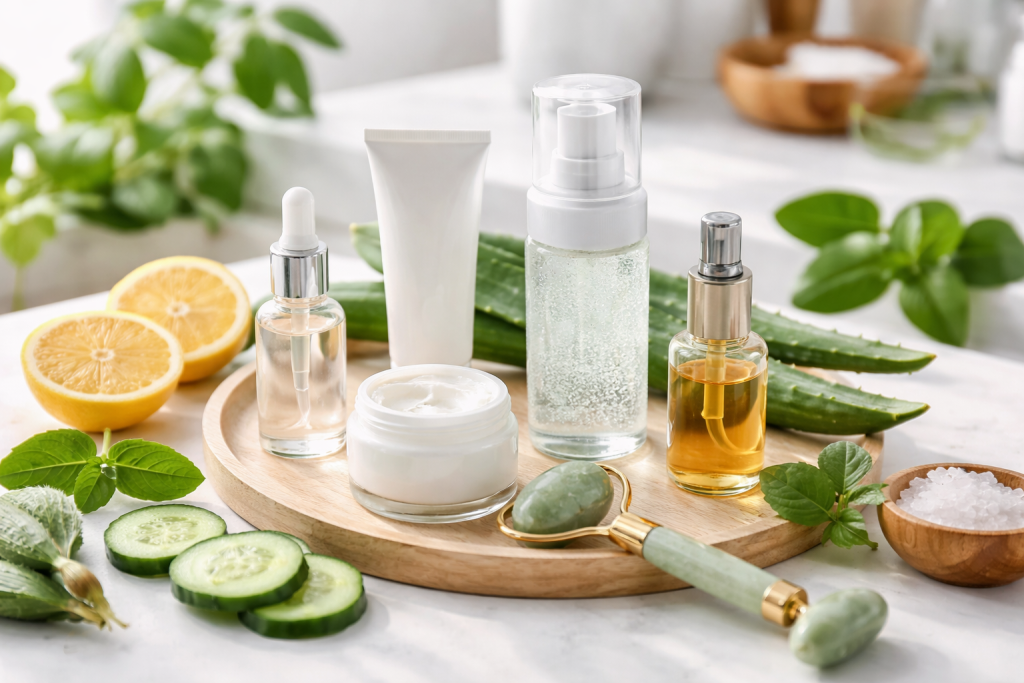
    Skincare Ingredients
    Skincare Ingredients

    Many ingredients, often used for their preservative or scent properties, can be the silent saboteurs of a clear and calm complexion. For beginners, understanding these common irritants is the first step toward building a truly beneficial skincare routine. These are not necessarily “toxic” in a broad sense, but for sensitive or reactive skin, they can trigger inflammation, redness, acne, and itching. Recognizing that what works for one person’s skin might be detrimental to another’s is crucial, and as a beginner, it’s wise to exercise caution.

    Fragrance: The Double-Edged Sword of Scent

    The pleasant aroma of a skincare product can be immediately appealing, transforming a routine into a sensory experience. However, the “fragrance” or “parfum” listed on ingredient labels is often a complex cocktail of numerous individual chemical compounds. These can include natural essential oils, which, despite their natural origin, can still be highly allergenic for many individuals. Synthetic fragrances, on the other hand, are a known source of contact dermatitis and can exacerbate conditions like eczema and rosacea. For beginners, especially those with any history of scent sensitivities or skin reactivity, opting for fragrance-free products is a wise preventative measure. Even if you don’t currently experience a reaction, consistent exposure to fragrance can sensitize your skin over time, making it more prone to irritation in the future.

    Natural vs. Synthetic Fragrances: A Nuance to Consider

    While the term “natural fragrance” might sound inherently safer, this is not always the case. Essential oils, derived from plants, possess potent chemical compounds that can be highly concentrated and irritating. Lavender oil, for instance, while popular for its calming scent, can trigger allergic reactions in some individuals. Similarly, citrus-based oils can increase photosensitivity, making the skin more vulnerable to sun damage. Synthetic fragrances, while engineered to be broadly appealing, are still complex chemical mixtures with a high potential for causing contact allergies. The overarching advice for beginners remains consistent: if fragrance is listed, and you have delicate skin or are unsure of your sensitivities, it’s best to avoid it.

    Alcohols: The Drying Dilemma

    Not all alcohols in skincare are created equal. While some fatty alcohols, like cetyl alcohol or stearyl alcohol, are beneficial for their emollient and moisturizing properties, certain simpler alcohols can be extremely drying and irritating. These include denatured alcohol, ethanol, and isopropyl alcohol. These types of alcohols work by quickly evaporating off the skin, which can strip away natural oils and disrupt the skin’s protective barrier. This barrier is essential for retaining moisture and protecting against environmental aggressors. For beginners, a compromised skin barrier can lead to increased sensitivity, redness, flakiness, and even breakouts as the skin tries to compensate for the dryness by overproducing oil.

    Drying Alcohols: A Sign of Potential Concern

    Look for alcohols listed high up on the ingredient list, as this indicates a higher concentration. Ingredients like SD alcohol, alcohol denat., or simply “alcohol” are the ones to watch out for. Their presence can be a red flag, especially in products marketed for acne-prone or oily skin, where they might be used to create a mattifying effect, but at the cost of severe dehydration. In the long run, this dehydration can paradoxically increase oil production as the skin desperately attempts to replenish its lost moisture.

    Preservatives are essential in skincare to prevent the growth of bacteria, mold, and yeast, which can contaminate products and cause infections. However, some common preservatives, particularly those used in higher concentrations or in products designed to be left on the skin, can be a source of irritation for sensitive individuals. Beginners often come across these preservatives without fully understanding their potential impact.

    Parabens: A Widespread Concern

    Parabens, such as methylparaben, propylparaben, and butylparaben, have been widely used as preservatives in cosmetic and personal care products for decades. While regulatory bodies have generally deemed them safe for use at regulated levels, concerns persist regarding their potential endocrine-disrupting properties. For beginners, the primary concern with parabens lies in their potential to cause allergic reactions and skin sensitivity. While the debate surrounding their systemic effects continues, their presence in a product can be a trigger for redness, itching, and dermatitis in susceptible individuals. Many brands now offer “paraben-free” formulations, making it easier for consumers to avoid them.

    Understanding “Paraben-Free” Labels: A Consumer’s Advantage

    The rise in consumer awareness has led many manufacturers to reformulate their products to exclude parabens. When you see a “paraben-free” label, it’s a positive indicator that the brand is catering to consumers who are concerned about this ingredient. However, it’s still important to examine the full ingredient list, as other preservatives might be used, and their suitability for your skin should be considered.

    Formaldehyde Releasers: A Lingering Threat

    Formaldehyde is a known carcinogen, and while it is not directly added to most skincare products, certain ingredients can slowly release it over time. These “formaldehyde releasers” are employed as preservatives. Examples include DMDM hydantoin, imidazolidinyl urea, quaternium-15, and diazolidinyl urea. These ingredients can cause allergic contact dermatitis and eczema flare-ups and also have the potential for systemic absorption and associated health concerns. For beginners, avoiding these ingredients is a prudent step toward minimizing exposure to potentially harmful substances. Their gradual release mechanism means that even if the immediate effect isn’t noticeable, the skin is continuously exposed to a low level of formaldehyde.

    The Subtle Nature of Formaldehyde Releasers

    The danger with formaldehyde releasers lies in their insidious nature. They are not overtly listed as “formaldehyde” but are hidden within more complex chemical names. Being aware of these specific names is crucial for making informed purchasing decisions. Many dermatologists recommend avoiding products containing these ingredients altogether, especially for individuals with sensitive skin or a history of allergies.

    Exfoliation is a vital part of any skincare regimen, helping to remove dead skin cells, improve texture, and promote cell turnover. However, for beginners, diving into potent exfoliating ingredients without proper understanding or gradual introduction can lead to over-exfoliation, resulting in a damaged skin barrier, increased sensitivity, and breakouts.

    Sulfates: The Stripping Cleansers

    Sulfates, most notably Sodium Lauryl Sulfate (SLS) and Sodium Laureth Sulfate (SLES), are powerful surfactants commonly found in cleansers and body washes. They are excellent at creating lather and effectively removing dirt and oil. However, their potency means they can also strip the skin of its natural oils, leading to dryness, irritation, and a compromised skin barrier. For beginners, especially those with dry or sensitive skin, using sulfate-based cleansers can significantly worsen existing issues or create new ones. The feeling of a “squeaky clean” face after using a sulfate cleanser is often a sign of excessive oil removal, not healthy, balanced skin.

    Gentle Alternatives to Sulfates: Cultivating a Calmer Canvas

    Fortunately, there are many sulfate-free cleansing options available. Look for cleansers that use milder surfactants like Sodium Cocoyl Isethionate, Coco-Glucoside, or Decyl Glucoside. These ingredients offer effective cleansing without the harsh stripping effect, making them ideal for beginners and those with sensitive or dry skin types. The goal is to clean the skin without disrupting its natural protective mechanisms.

    Synthetic Dyes: A Splash of Unnecessary Irritation

    Synthetic dyes are incorporated into skincare products primarily for aesthetic purposes, to give them a vibrant or appealing color. While they might make a product look more attractive on the shelf, they offer no therapeutic benefit to the skin. In fact, these artificial colorants are common culprits for allergic reactions and skin sensitivities. They can cause itching, redness, and rashes, especially in individuals prone to allergies. Beginners seeking to establish a gentle and effective routine should prioritize products with minimally added ingredients, and synthetic dyes are an easy category to avoid entirely.

    Uncolored or Naturally Colored Products: A Simpler Approach

    Opting for products that are either uncolored or colored with natural pigments like iron oxides is a straightforward way to bypass the potential irritation caused by synthetic dyes. Many effective skincare formulations do not require artificial coloring to achieve their desired results. A clear, white, or subtly pigmented product is often a positive sign that the focus is on efficacy rather than superficial appearance.

    Moving beyond common irritants, certain ingredients are actively advised against for beginners due to their potential for significant skin harm or the complex nature of their effects. Understanding these specific ingredients can protect you from beginning your skincare journey incorrectly.

    Phthalates: The Unseen Chemical Compromise

    Phthalates are a group of chemicals often used to make plastics more flexible and to help fragrances last longer in cosmetic products. They are commonly found in synthetic fragrances but can also be present in other formulations. Concerns about phthalates revolve around their potential to act as endocrine disruptors, interfering with the body’s hormonal system. For skin health, they can be irritating and have been linked to allergic reactions. Because they are often hidden within the “fragrance” component, beginners should be particularly vigilant in choosing fragrance-free products to minimize their exposure to phthalates.

    Seeking Transparency in Your Products: Reading Between the Lines

    The lack of mandatory disclosure for specific fragrance components can make identifying phthalates challenging. This makes the universal advice to avoid synthetic fragrances even more pertinent for beginners. By choosing products that explicitly state they are free from phthalates or by sticking to fragrance-free options, you can significantly reduce your exposure to these potentially harmful chemicals.

    Triclosan: An Antibacterial Ingredient with Downsides

    Triclosan is an antibacterial and antifungal agent that has been used in various consumer products, including skincare. While it was initially promoted for its germ-killing properties, research has raised concerns about its potential to disrupt thyroid hormones and contribute to antibiotic resistance. In skincare, it can cause skin dryness and irritation. Regulatory bodies have begun to restrict its use in certain products, but it can still be found in some formulations. Beginners looking for a gentle and safe skincare routine are advised to avoid products containing triclosan.

    The Importance of Gentle Cleansing: Antibacterial vs. Beneficial

    While the idea of antibacterial ingredients might seem appealing, especially for acne-prone skin, it’s important to remember that the skin has its own natural microbiome that plays a crucial role in its health. Harsh antibacterial agents can disrupt this delicate balance. Gentle cleansing with mild ingredients is often sufficient for maintaining good hygiene without resorting to potentially problematic chemicals like triclosan.

    By arming yourself with this knowledge, you’re well on your way to making informed decisions about your skincare. Remember, the goal is to nourish and protect your skin, and understanding the ingredients in your products is a vital step in achieving that. A simplified approach, focusing on gentle, effective formulations, will set a strong foundation for a lifelong journey of healthy skin.

    FAQs

    1. What are some common harmful skincare ingredients that beginners should avoid?

    2. How can beginners identify harsh chemicals and common irritants in skincare products?

    3. Why should beginners be cautious of certain ingredients in skincare products?

    4. What are some essential tips for beginners to avoid toxic skincare ingredients?

    5. Can you provide a list of the top 5 skincare ingredients that beginners should steer clear of?

  • The Secret to Achieving Natural Beauty: 7 Lifestyle Habits to Adopt

    The Secret to Achieving Natural Beauty: 7 Lifestyle Habits to Adopt

    The quest for natural beauty isn’t about chasing fleeting trends or masking imperfections; it’s about cultivating a harmonious relationship with your body, mind, and spirit. True radiance emanates from within, a reflection of your overall well-being. This journey towards natural beauty is a comprehensive one, which involves making conscious choices and engaging in consistent practices that nurture your inner beauty. It’s about embracing a lifestyle that supports your inherent glow, rather than a superficial fix.

    The Secret to Achieving Natural Beauty: 7 Lifestyle Habits to Adopt
    The Secret to Achieving Natural Beauty: 7 Lifestyle Habits to Adopt

    The foundation of natural beauty lies in what you consume. Your skin, hair, and nails are outward indicators of your internal health, and a nutrient-rich diet is paramount to their vitality.

    The Power of Hydration: Water as Your Beauty Elixir

    Often overlooked, adequate hydration is a cornerstone of radiant skin. Water plumps up skin cells, improves elasticity, and helps flush out toxins, leading to a clearer, more supple complexion. Imagine your skin like a grape; well-hydrated, it’s firm and smooth; dehydrated, it becomes shriveled and dull. Aim for at least eight glasses of clean, filtered water daily, and consider incorporating hydrating foods like cucumbers, watermelon, and leafy greens into your diet. Herbal teas, especially those rich in antioxidants like green tea, can also contribute to your daily fluid intake and offer additional beauty benefits.

    Eating for Radiance: Fueling Your Skin with Essential Nutrients

    Your diet is a powerful tool for achieving a glowing complexion. Focus on whole, unprocessed foods that are packed with vitamins, minerals, and antioxidants.

    Antioxidant-Rich Foods for Cellular Protection

    Berries, dark leafy greens, colorful vegetables, and nuts are brimming with antioxidants that combat free radical damage, a major contributor to premature aging. These powerful compounds protect your skin cells from environmental stressors like pollution and UV radiation, helping to maintain youthful elasticity and a vibrant tone. Think of antioxidants as tiny shields protecting your skin from within.

    Healthy Fats for Supple Skin

    Don’t shy away from healthy fats! Omega-3 fatty acids found in fatty fish (salmon, mackerel), flaxseeds, chia seeds, and walnuts are important for preserving skin barrier function and reducing inflammation. They keep your skin moisturized from the inside, preventing dryness and promoting a smooth texture. Avocado, with its abundance of monounsaturated fats and vitamin E, is another fantastic addition to your beauty-boosting diet.

    Protein for Collagen Production and Tissue Repair

    Protein is the building block of collagen and elastin, the two essential proteins that give your skin its structure and firmness. Include lean protein sources like chicken, fish, legumes, eggs, and tofu in your meals to support healthy skin cell regeneration and repair. Without adequate protein, your skin can become less resilient and more prone to sagging.

    Beyond what you eat, how you care for your skin externally plays a significant role. However, a holistic approach moves beyond merely applying products; it considers the inherent connection between your skin’s health and your overall well-being.

    Understanding Your Skin’s Unique Needs

    OvertreatingThere’s no one-size-fits-all solution when it comes to skincare. Take the time to understand your skin type – whether it’s oily, dry, combination, sensitive, or mature—and address its specific concerns. This understanding will guide you toward choosing the most appropriate products and routines. Over-treating or using products not suited for your skin can do more harm than good, leading to irritation and imbalance.

    Gentle Cleansing and Toning for a Balanced Canvas

    A gentle cleansing routine is vital to remove impurities and prepare your skin for subsequent treatments. Avoid harsh cleansers that strip your skin of its natural oils, as this can disrupt its protective barrier and lead to dryness or increased oil production. Follow with a toner to balance your skin’s pH, remove any remaining residue, and prepare it to absorb serums and moisturizers more effectively. Think of cleansing as clearing the path for nourishment.

    Targeted Treatment and Deep Hydration

    Once your skin is clean and balanced, address specific concerns with targeted serums. Whether you’re aiming to brighten, firm, reduce breakouts, or diminish fine lines, there’s a natural serum out there for you. Always follow with a good quality moisturizer to lock in hydration and protect your skin throughout the day and night. For an extra boost, incorporate a weekly face mask tailored to your skin’s needs.

    The connection between sleep and beauty is undeniable. During sleep, your body enters a repair and regeneration mode, and your skin is no exception. This “beauty sleep” is vital to maintaining a fresh and youthful appearance.

    The Science Behind Beauty Sleep: Cellular Regeneration

    While you sleep, your skin’s blood flow increases, allowing it to receive more oxygen and nutrients. This is also when collagen production is boosted, helping to repair damage and maintain skin elasticity. Lack of sleep can lead to dullness, dark circles, puffiness, and a compromised skin barrier, making you more susceptible to breakouts and sensitivity. Aim for 7-9 hours of quality sleep each night to allow your skin ample time for rejuvenation.

    Managing Stress for a Clearer Complexion

    Stress silently undermines natural beauty. When you’re stressed, your body produces cortisol, a hormone that can trigger inflammation, increase oil production, and exacerbate conditions like acne, eczema, and psoriasis.

    Incorporating Stress-Reducing Practices

    Finding healthy ways to manage stress is paramount. This can include practices such as meditation, yoga, deep breathing exercises, spending time in nature, or engaging in hobbies you enjoy. Even just a few minutes of quiet contemplation can significantly reduce stress levels and, in turn, contribute to a calmer, clearer complexion. Prioritizing self-care is not selfish; it’s essential for your overall health and beauty.

    Exercise isn’t just for physical fitness; it’s a powerful tool for achieving a vibrant, healthy glow. The benefits extend far beyond muscle tone, directly impacting your skin’s vitality.

    Boosting Circulation for a Natural Radiance

    —aWhen you engage in physical activity, your heart rate increases, pumping more blood to your skin. This increased circulation delivers essential nutrients and oxygen to skin cells while simultaneously carrying away waste products and toxins. The result is that coveted post-workout glow – a natural blush and an invigorated complexion. Regular exercise contributes to this sustained radiance.

    Detoxification Through Perspiration

    Sweating is your body’s natural way of eliminating toxins. When you perspire during exercise, you help to cleanse your skin from within, clearing out pores and potentially reducing breakouts. Just remember to cleanse your skin thoroughly after a workout to prevent sweat and impurities from lingering.

    Reducing Stress Hormones Through Movement

    Similar to mindfulness practices, exercise is a phenomenal stress reliever. Physical activity helps to lower cortisol levels and release endorphins, natural mood elevators. By reducing stress, exercise indirectly contributes to clearer skin and a more harmonious internal environment, preventing stress-induced skin flare-ups.

    True beauty radiates from within, and a positive mindset is its most powerful amplifier. How you perceive yourself and the world around you profoundly impacts your natural glow.

    The Mind-Body Connection in Skincare

    and tensionYour thoughts and emotions have a direct impact on your physical well-being, including your skin. Chronic negativity and self-criticism and anxiety can manifest as dullness, tension, and even accelerate the aging process. Conversely, joy, gratitude, and confidence illuminate your features and create an undeniable magnetism.

    Practicing Self-Compassion and Acceptance

    Embracing your authentic self, flaws and all, is liberating and beautiful. Stop comparing yourself to others and focus on nurturing your unique qualities. Self-compassion involves treating yourself with the same kindness and understanding you would offer a dear friend. This internal acceptance promotes a peaceful attitude that naturally translates into a more radiant and confident exterior.

    The Power of Gratitude and Optimism

    Cultivating an attitude of gratitude can shift your perspective and brighten your outlook. When you focus on what you appreciate, you invite more positive experiences into your life. Similarly, an optimistic view fosters resilience and a joyful spirit, both of which are key ingredients for true inner and outer beauty. Start each day with a moment of gratitude, and notice how your inner light begins to shine brighter.

    The products you apply to your skin are just as important as what you put into your body. Opting for clean and natural beauty products minimizes your exposure to potentially harmful chemicals and supports your skin’s natural balance.

    Understanding Ingredient Labels: What to Look For and Avoid

    Become an ingredient detective. Educate yourself on common synthetic ingredients to avoid, such as parabens, phthalates, sulfates, artificial fragrances, and synthetic dyes. These can irritate the skin, disrupt hormones, and potentially have long-term health implications. Instead, prioritize products with recognizable, plant-derived ingredients, essential oils, and natural extracts.

    The Benefits of Botanical Extracts and Plant-Based Formulations

    Mother Nature offers a bounty of ingredients with incredible skin-loving properties. Botanical extracts like aloe vera, chamomile, green tea, rose, and calendula possess soothing, anti-inflammatory, and antioxidant benefits. Plant-based oils such as argan, jojoba, and rosehip are rich in vitamins and fatty acids that nourish and protect the skin without clogging pores. These natural formulations work in harmony with your skin’s biology, supporting its innate health.

    Supporting Sustainable and Ethical Brands

    Beyond personal benefits, choosing clean and natural beauty products often aligns with supporting brands that prioritize sustainability and ethical practices. Many natural beauty companies are committed to environmentally friendly sourcing, cruelty-free testing, and recyclable packaging, contributing to a more beautiful world as a whole.

    Self-care isn’t a luxury; it’s a necessity for maintaining physical, mental, and emotional well-being, all of which contribute to your natural beauty. It’s about consciously nurturing yourself to thrive.

    Creating a Personalized Self-Care Ritual

    Identify what truly rejuvenates and nourishes you. Whether it’s a quiet morning with a cup of tea, a relaxing bath, a walk in nature, reading a book, or listening to music, dedicate time for these activities regularly. These moments of respite allow you to recharge and return to your daily life with renewed energy and a more balanced perspective. Consistency is key to experiencing the cumulative benefits.

    The Importance of Boundaries and Saying “No”

    Learning to set healthy boundaries and kindly decline requests that drain your energy is a profound act of self-care. Overextending yourself leads to stress and burnout, which directly impacts your health and appearance. Prioritize your well-being, and only commit to activities and obligations that genuinely align with your values and capacity.

    Connecting with Nature for Rejuvenation

    park,Spending time outdoors, breathing fresh air, and being exposed to natural light can have a remarkably positive effect on your mood, energy levels, and overall vitality. “Forest bathing,” or simply a walk in a park can reduce stress, improve focus, and even boost your immune system. This connection to the natural world reminds us of our own inherent beauty and place within it.

    By integrating these seven lifestyle habits into your daily life, you embark on a transformative journey towards natural beauty that transcends superficial appearances. It’s about honoring your body, nurturing your mind, and embracing the holistic interconnectedness of your well-being. The result is not just a glowing complexion but a vibrant, balanced, and truly beautiful life.

    FAQs

    1. What are some lifestyle habits that can help achieve natural beauty?

    Some lifestyle habits that can help achieve natural beauty include nourishing your body from the inside out, embracing a holistic approach to skincare, prioritizing rest and relaxation for radiant skin, harnessing the power of exercise for a healthy glow, cultivating a positive mindset for inner beauty, choosing clean and natural beauty products, and practicing self-care for a beautiful and balanced life.

    2. How can nourishing your body from the inside out contribute to natural beauty?

    Consuming a balanced diet rich in fruits, vegetables, lean proteins, and healthy fats is a key component of nourishing your body from within. This can help improve the health of your skin, hair, and nails, leading to a natural and radiant appearance.

    3. What is a holistic approach to skincare, and how does it contribute to natural beauty?

    A holistic approach to skincare involves considering the overall well-being of the body, mind, and spirit. This approach emphasizes using natural and non-toxic skincare products, as well as incorporating practices such as mindfulness and stress reduction to promote healthy and glowing skin.

    4. How does prioritizing rest and relaxation contribute to achieving radiant skin?

    Prioritizing rest and relaxation allows the body to repair and regenerate, which can lead to healthier and more radiant skin. Adequate sleep and stress reduction techniques can help improve skin tone and texture, contributing to a natural and youthful appearance.

    5. Why is it important to choose clean and natural beauty products for achieving natural beauty?

    Choosing clean and natural beauty products is important because it reduces the exposure to potentially harmful chemicals and toxins that can be found in conventional beauty products. Natural beauty products often incorporate nourishing and non-irritating ingredients to promote healthier and more beautiful skin.

  • Quick and Easy Skin Care Hacks for the On-the-Go Lifestyle

    Quick and Easy Skin Care Hacks for the On-the-Go Lifestyle

    The fast-paced modern world often necessitates the sacrifice of valuable routines, particularly in the realm of skincare. Yet, a healthy complexion doesn’t require hours in front of a mirror. Embracing quick and easy skin care hacks for the on-the-go lifestyle is not about compromise but about intelligent choices and efficiency. It’s about understanding what your skin truly needs and finding streamlined ways to deliver it, no matter how packed your schedule. Whether you’re a seasoned commuter, a frequent flyer, or simply someone who hits snooze one too many times, there are effective strategies to ensure your skin remains radiant and cared for.

    Skin Care Hacks
    Skin Care Hacks

    The alarm blares, and the first thought is often “How much time do I really have?” A lengthy skincare ritual may seem unattainable for individuals with hectic morning schedules.skincare However, simplifying your morning routine doesn’t mean skipping essential steps; it means making them more efficient and impactful. The goal is to cleanse, hydrate, and protect, all within a significantly reduced timeframe.

    Embracing the Power of a Multi-Tasking Cleanser

    The traditional two-step cleansing process—an oil cleanser followed by a water-based one—is effective but time-consuming. For busy mornings, consider a high-quality

    cleansing balm or micellar water that can effectively remove impurities and light makeup in a single step. Look for formulations that are gentle yet thorough, leaving your skin feeling clean without stripping it of essential moisture. Micellar water, in particular, is a godsend for quick refreshes, acting as a cleanser, toner, and makeup remover all in one. Simply swipe a cotton pad soaked in micellar water across your face, and you’re good to go. Cleansing balms, when massaged onto dry skin and then emulsified with water, offer a similar one-and-done benefit, effectively melting away the day’s grime. The key here is to choose a product that suits your skin type; oily skin might prefer a lighter micellar water, while drier skin could benefit from the more nourishing properties of a balm.

    The Two-Minute Moisturizer and SPF Blitz

    Hydration and sun protection are non-negotiable, even on the busiest mornings. The trick to achieving this quickly lies in choosing the right products. Opt for a lightweight, fast-absorbing moisturizer that also contains SPF. Many modern formulations are designed to provide both benefits without leaving a greasy residue. This eliminates the need for two separate applications, effectively halving your time. When applying, don’t overthink it. A quick, even sweep across your face and neck is sufficient. If your moisturizer doesn’t have SPF, then a separate, quick-drying sunscreen is essential. Look for spray sunscreens for the body for rapid application. The aim is to seal in moisture and shield your skin from harmful UV rays before you head out the door. For dehydrated skin, consider a hydrating serum applied before your moisturizer. While this adds an extra step, a few drops of a hyaluronic acid serum are absorbed almost instantly, providing a significant boost of hydration without adding much time.

    Strategic Spot Treatments for Targeted Care

    Instead of applying a general serum all over, consider using spot treatments for specific concerns. If you have a rogue zit or a dry patch, a targeted treatment applied directly to the area takes mere seconds. Many effective spot treatments, like those containing salicylic acid for acne or ceramides for dryness, are potent and require only a small amount. This individualized approach ensures you address your skin’s immediate needs without indulging in a full-blown serum application. This also allows for personalized care without committing to a large product inventory that takes time to navigate.

    The idea of a glowing complexion in just five minutes might sound like a myth, but it’s entirely achievable with the right strategy. The key is to choose products that are effective and to minimize steps without compromising their efficacy. This regime focuses on immediate impact and a healthy, dewy finish that looks like you’ve spent far longer on your skin.

    The Power of a Tinted Moisturizer with SPF

    This is the ultimate multitasker for a quick glow. A tinted moisturizer with SPF provides lightweight coverage to even out skin tone, hydration to keep your skin plump, and sun protection—all in one. The ‘tint’ aspect is crucial as it offers a hint of color and radiance, eliminating the need for separate foundation or concealer. Apply it with your fingertips for a natural, blended finish. The warmth of your fingers helps the product melt into the skin seamlessly. If you need a bit more coverage, you can target specific areas with a tiny amount of concealer, but for most, the tinted moisturizer is sufficient for a healthy, everyday glow. The SPF component is particularly vital for mornings when you might be rushed and forget to apply sunscreen separately.

    A Touch of Cream Blush for Instant Vitality

    A pop of color on the cheeks instantly brings life and dimension to the face. Cream blushes are ideal for quick application as they blend effortlessly with your fingertips. They offer a natural flush and a dewy finish that complements the glow from your tinted moisturizer. Simply tap a small amount onto the apples of your cheeks and blend outwards. You can even use the same cream blush on your lips for a cohesive, monochromatic look, further streamlining your routine. This adds a touch of polish without the commitment of multiple products.

    Lip Balm with a Hint of Tint for a Fresh Finish

    No makeup look is complete without hydrated, nourished lips. A tinted lip balm provides moisture and a subtle hint of color, enhancing your natural lip tone. This process avoids the fuss of lip liner, lipstick, and gloss. Many tinted lip balms offer SPF protection as well, ensuring your lips are also shielded from the sun. Simply swipe it on, and you’re ready to face the day. It’s the perfect finishing touch to tie your entire quick routine together.

    For those who spend significant time commuting or traveling, maintaining healthy skin requires products and habits that are portable, effective, and resilient to environmental changes. The challenges can range from dry, recycled airplane air to the pollution of city streets.

    The Importance of a Travel-Sized Cleansing Balm or Micellar Wipes

    Bulky bottles should be avoided when traveling. Opt for travel-sized versions of your favorite cleansing balm or, even better, micellar water cleansing wipes. These are invaluable for refreshing your skin during long journeys. After a long flight or a sweaty commute, gently wiping your face with these can remove accumulated grime and pollutants, preventing breakouts and leaving your skin feeling clean and comfortable. Look for wipes that are alcohol-free and infused with soothing ingredients like chamomile or cucumber to minimize irritation. It’s a little touch of self-care that can make a big difference in how you feel.

    Hydrating Face Mists: Your Pocket-Sized Oasis

    Dry air, whether from a plane or an office, can severely damage your skin, leaving it feeling parched and tight. A hydrating face mist serves as your go-to solution. These come in convenient spray bottles and can be spritzed throughout the day to replenish moisture. Look for mists containing ingredients like hyaluronic acid, rosewater, or glycerin. They can be used over makeup, making them perfect for a midday refresh. Keep one in your purse or carry-on for an instant burst of hydration whenever your skin feels dry or tired. This item is particularly helpful during flights where cabin humidity is exceptionally low.

    Hand Cream and Lip Balm: Essential for Comfort

    Your hands and lips are often the first to show signs of dryness when you’re on the go. Always carry a travel-sized hand cream and a good-quality lip balm. Frequent hand washing and exposure to different climates can lead to rough, dry skin on your hands. A rich, nourishing hand cream will keep them soft and prevent cracking. Similarly, a hydrating lip balm will protect your lips from becoming chapped and uncomfortable. These small essentials can significantly enhance your comfort throughout your travels or daily commute.

    The beauty industry has embraced the demand for efficiency, leading to a surge in multitasking products. These are game-changers for anyone seeking to simplify their routine without sacrificing results. By combining several steps into one product, you save time, space, and money.

    The SPF-Infused Moisturizer: A Double-Duty Delight

    As mentioned earlier, a moisturizer with built-in SPF is a cornerstone of any streamlined routine. This single product addresses two critical needs: hydration and sun protection. It ensures that you’re keeping your skin moisturized and safeguarding it from the damaging effects of UV radiation, which is crucial for preventing premature aging and skin cancer. The convenience of applying just one product for these benefits is undeniable, especially on busy mornings or when traveling light. Look for formulas that cater to your specific skin type, whether it’s oil-free for acne-prone skin or richer for dry, mature skin.

    Tinted Sunscreen as Foundation Substitute

    A tinted sunscreen is an excellent option for those who prefer more coverage than a tinted moisturizer while avoiding a separate foundation step. These products offer the sun protection of sunscreen combined with the coverage of a light-to-medium foundation. They even out skin tone, mask minor imperfections, and provide a fresh, natural-looking finish. This option eliminates the need for both a separate sunscreen and a foundation, significantly cutting down your application time. The range of shades available means you can often find a perfect match for your skin tone, offering a seamless finish.

    Cleansing Balms that Remove Makeup and Treat Skin

    High-quality cleansing balms can do more than just remove makeup and impurities. Many are formulated with nourishing ingredients that also cleanse and condition the skin. This means you can effectively remove stubborn mascara and lipstick while simultaneously treating your skin to beneficial oils and emollients. This dual action makes them a powerful tool for simplifying your cleansing routine, especially if you wear makeup regularly. After massaging the balm onto dry skin, the emulsification process with water lifts away everything, leaving your skin feeling clean, soft, and prepped for any subsequent steps, or ready for bed.

    The office environment, with its air conditioning, heating, and constant screen time, can leave your skin feeling tired, dull, and dehydrated. Maintaining a refreshed complexion throughout the workday is possible with a few simple, discreet adjustments.

    The Midday Hydration Boost: Face Mists and Serums

    As mentioned previously, a hydrating face mist is a lifesaver for combating office dryness. Keep a small bottle on your desk and spritz it whenever your skin feels tight or weary. For a more targeted boost, consider a travel-sized hydrating serum. A few drops of a hyaluronic acid serum applied to your damp skin can significantly plump up and rehydrate it. This action can be done discreetly at your desk, providing an immediate sense of comfort and revitalization. The cool mist or the light serum application can also offer a refreshing mental break during a demanding workday.

    Blotting Papers for Shine Control

    Oily T-zones are a common concern, especially under harsh office lighting. Instead of layering on more powder, which can look cakey and clog pores, reach for blotting papers. These thin, absorbent sheets gently soak up excess oil without disturbing your makeup. They offer a quick and effective way to mattify your skin, leaving you looking fresh and polished. Keep a pack in your desk drawer or purse for immediate touch-ups throughout the day.

    A Quick Hand and Lip Rejuvenation

    Just like during travel, your hands and lips can suffer from the dry office air. A quick application of hand cream and lip balm can make a world of difference. This simple act can help alleviate discomfort and prevent dryness. It also serves as a mini-ritual, a brief moment to focus on self-care amidst a busy work schedule. The subtle scent of a hand cream can also be a pleasant pick-me-up.

    The last thing you want after a long day is a complicated bedtime skincare routine. However, a few smart shortcuts can ensure your skin receives essential care without demanding much time or energy. The focus here is on effective cleansing and targeted nourishment.

    The Power of a Double Cleanse (Simplified)

    Even if you’re worn out, proper cleansing is crucial to remove the day’s buildup of makeup, pollutants, and excess oil. The good news is that this can be done efficiently. Start with a micellar water-soaked cotton pad to remove makeup, especially around the eyes and lips. Then, follow up with a gentle cleansing balm or a creamy cleanser to ensure all impurities are gone. The key to speed is to use products that emulsify easily and rinse off cleanly. Many cleansing balms, when massaged in, break down makeup effectively. A quick rinse and pat dry are all that’s needed. This two-step approach is far more effective than a single cleanse, especially if you wear makeup or live in a polluted area.

    Targeted Serums for Overnight Repair

    Instead of a lengthy multi-serum application, opt for one potent overnight treatment. A serum containing ingredients like retinol, peptides, or niacinamide can work wonders while you sleep. These ingredients provide targeted benefits such as cell turnover, collagen production, or barrier repair. Apply it to clean, dry skin after cleansing, and let it work its magic overnight. This concentrated approach ensures your skin receives intensive care without requiring multiple steps. Choose a serum that addresses your primary skin concern, such as fine lines, dullness, or uneven texture.

    Overnight Masks as Hydration Boosters

    For an extra boost of hydration and nourishment, consider using an overnight mask a few times a week. These masks are designed to be left on overnight, providing sustained hydration and delivering active ingredients to your skin. Many are lightweight and non-greasy, so they won’t transfer onto your pillow. Simply apply a thin layer after your serum, and wake up to plumper, more radiant skin. The above method is a fantastic shortcut for achieving a dewy complexion with minimal effort.

    Weekends offer a golden opportunity to dedicate a little more time to your skin, transforming your usual quick routine into a more focused and restorative experience. While you still might not have hours, the extra minutes can make a significant difference in addressing specific concerns and giving your skin an extra pamper.

    The Indulgence of a Weekly Mask Treatment

    Weekends are the perfect time to incorporate a more intensive mask treatment. Whether it’s a clay mask for deep-cleaning pores, a hydrating sheet mask for an instant moisture surge, or an exfoliating mask to remove dead skin cells, a weekly mask can significantly improve your skincare routine. These masks often require a bit more dwell time, but the results are worth the small investment of your weekend. Follow the mask instructions carefully, and enjoy the relaxing ritual. This getaway is your chance to pamper and treat your skin to something a little extra.

    Targeted Exfoliation for Smoother, Brighter Skin

    While daily exfoliation isn’t recommended for most skin types, dedicating a portion of your weekend to a gentle exfoliating treatment can reveal brighter, smoother skin. This could be a mild chemical exfoliant like an AHA or BHA toner or a gentle physical scrub. The key is to use a product that suits your skin type and to follow up with ample hydration. Exfoliation helps remove dull, dead skin cells, allowing your other skincare products to penetrate more effectively and giving your complexion a noticeable glow. This will make your skin feel incredibly soft and look more vibrant.

    A Focus on Serums and Treatments for Deeper Repair

    With a little more time, you can explore using a broader range of serums or treatments that might be too time-consuming for weekdays. This could involve layering a hydrating serum with an antioxidant serum or a targeted treatment for a specific concern. For example, you might incorporate a vitamin C serum in the morning for brightening and antioxidant protection and then use a more potent treatment serum at night. This weekend approach allows you to address deeper skin concerns and invest in long-term skin health, setting you up for a week of radiant skin.

    FAQs

    1. What are some quick and easy skincare hacks for the on-the-go lifestyle?

    Some quick and easy skincare hacks for the on-the-go lifestyle include using multitasking products, streamlining your skincare routine, and finding office-friendly skincare tips for refreshing your skin at work.

    2. How can I simplify my morning skincare routine and save time on busy mornings?

    You can opt for a 5-minute skincare routine to simplify your morning routine and save time on busy mornings, while also utilizing time-saving tips for travelers and commuters.

    3. How can a 5-minute skincare routine help you achieve a healthy glow quickly?

    Some tips for achieving a healthy glow in a hurry with a 5-minute skincare routine include using quick and simple bedtime rituals, maximizing your skincare routine on the weekends, and finding nighttime skincare shortcuts.

    4. How can I maintain a skincare routine while traveling or commuting?

    To maintain a skincare routine while traveling or commuting, you can utilize on-the-go beauty skincare tips, as well as find office-friendly skincare tips for refreshing your skin at work.

    5. What are some ways to streamline my skincare routine and use multitasking products?

    Some ways to streamline your skincare routine and use multitasking products include finding quick and easy skincare hacks for the on-the-go lifestyle, simplifying your morning routine with time-saving tips, and maximizing your skincare routine on the weekends.

  • Beauty Nutrition 101: A Beginner’s Roadmap to Glowing Skin and Healthy Hair

    Beauty Nutrition 101: A Beginner’s Roadmap to Glowing Skin and Healthy Hair

    Embarking on a journey toward radiant skin and lustrous hair often begins with a deeper understanding of what we consume. While topical treatments and elaborate skincare routines play a significant role, the true foundation of beauty is often built from within. Beauty nutrition, a concept that bridges the gap between diet and appearance, emphasizes that the foods we eat are not just fuel for our bodies but also vital building blocks for our skin and hair. This guide provides a comprehensive overview of beauty nutrition, enabling you to cultivate your most vibrant self from within.

    Beauty Nutrition 101: A Beginner's Roadmap to Glowing Skin and Healthy Hair
    Beauty Nutrition 101: A Beginner’s Roadmap to Glowing Skin and Healthy Hair

    Fundamentally, beauty nutrition acknowledges that our skin and hair cells, akin to all other cells in our body, necessitate a continuous flow of specific nutrients for optimal function, self-repair, and regeneration. When these needs are met, the results are often visible: smoother, clearer skin, reduced inflammation, stronger, shinier hair, and healthier nails. Conversely, deficiencies can manifest as dullness, dryness, breakouts, brittle hair, and slow growth. It’s not about quick fixes or magic pills, but rather a holistic approach that prioritizes long-term health and vitality, which naturally reflects in our outward appearance.

    The Ecosystem of Our Skin and Hair

    Our skin, the largest organ in our body, is a dynamic and complex ecosystem. It’s constantly shedding, renewing, and protecting us from external aggressors. For this intricate renewal process to occur efficiently, it requires a steady intake of proteins, vitamins, minerals, and healthy fats. Similarly, our hair follicles are active sites of production, constantly growing new strands. This growth is fueled by the same fundamental nutrients that support our overall health, with specific ones playing more pronounced roles in hair structure and strength.

    The Mind-Body Connection in Beauty

    It’s crucial to acknowledge that beauty nutrition isn’t solely about physical consumption; it’s also deeply intertwined with our mental and emotional well-being. Chronic stress, for instance, can wreak havoc on our skin and hair by disrupting hormonal balance and increasing inflammation. Therefore, a holistic beauty nutrition approach often incorporates stress management techniques and mindful eating practices, recognizing that a calm and balanced mind contributes significantly to a radiant appearance.

    Certain nutrients stand out as particularly crucial for cultivating a healthy, vibrant complexion and strong, lustrous locks. These are the workhorses of beauty from within, participating in everything from collagen production to cellular repair. Understanding their roles will help you make informed dietary choices.

    The Power of Protein for Structure and Repair

    Protein is the fundamental building block for both skin and hair. Keratin, the primary protein that makes up hair and nails, and collagen and elastin, which give skin its structure and elasticity, are all synthesized from amino acids, the components of protein. Adequate protein intake ensures that your body has the raw materials to repair damaged skin cells and build new, healthy hair.

    Sources of High-Quality Protein

    Prioritize lean proteins like chicken, turkey, fish, eggs, and legumes such as lentils and beans. For vegetarians and vegans, incorporating a variety of plant-based protein sources helps ensure you receive all the essential amino acids.

    Vitamins: The Multifaceted Beautifiers

    Vitamins are micronutrients that perform a vast array of functions essential for beauty. Different vitamins play distinct yet complementary roles in maintaining skin and hair health.

    Vitamin A: The Cell Turnover Champion

    Vitamin A, particularly in its beta-carotene form found in many plant foods, is vital for cell turnover and renewal. It helps to slough off old, dead skin cells and promotes the growth of new ones, contributing to a smoother, brighter complexion. It also plays a role in sebum production, which helps to keep skin and hair moisturized.

    Vitamin C: The Antioxidant and Collagen Builder

    Vitamin C is a potent antioxidant that helps to protect skin cells from damage caused by free radicals, which can accelerate aging. Furthermore, it is absolutely essential for the synthesis of collagen, the protein responsible for skin’s firmness and elasticity. Its antioxidant properties also benefit hair by protecting follicles from damage.

    Vitamin E: The Protective Shield

    Vitamin E is another powerful antioxidant that helps to protect skin cells and the scalp from oxidative stress. It can also improve blood circulation to the scalp, promoting healthier hair growth. Its moisturizing properties can also help to combat dryness in both skin and hair.

    B Vitamins: The Energy and Growth Catalysts

    The B vitamin complex, particularly biotin (B7), plays a significant role in hair and nail growth and strength. Other B vitamins, like B12 and folate, are crucial for red blood cell formation, which ensures oxygen and nutrient delivery to hair follicles and skin cells.

    Minerals: The Structural Supports and Regulators

    Minerals, though required in smaller amounts than macronutrients, are equally critical for unlocking your beauty potential.

    Zinc: The Repair and Growth Enabler

    Zinc is vital for cell growth and repair, making it indispensable for healthy skin and hair. It plays a role in wound healing, helps to regulate oil production, and is essential for the proper functioning of hair follicles. Its deficiency can lead to hair loss and skin issues like acne.

    Iron: The Oxygen Carrier for Vitality

    Iron is crucial for transporting oxygen throughout the body, including to hair follicles and skin cells. Iron deficiency anemia can lead to dull skin and hair thinning, as the cells are not receiving sufficient oxygen to function optimally.

    Selenium: The Antioxidant Powerhouse

    Selenium is a mineral with potent antioxidant properties that helps protect cells from damage. It’s also involved in thyroid hormone metabolism, which can indirectly impact hair growth.

    Healthy Fats: The Moisture Keepers and Anti-inflammatories

    Don’t shy away from healthy fats; they are the unsung heroes of supple skin and strong hair.

    Omega-3 Fatty Acids: The Hydration and Inflammation Fighters

    Omega-3 fatty acids, found in fatty fish, flaxseeds, and walnuts, are important for preserving skin hydration and reducing inflammation. This can lead to calmer, less irritated skin and may contribute to shinier, more resilient hair.

    Monounsaturated and Polyunsaturated Fats: The Cell Membrane Supporters

    These healthy fats are integral components of cell membranes, ensuring that skin and hair cells remain supple and functional. They also aid in the absorption of fat-soluble vitamins.

    Often overlooked in the pursuit of specific nutrients, water is arguably the most fundamental element of beauty nutrition. Our bodies are composed of a significant percentage of water, and every cell, including those in our skin and hair, relies on it for optimal function.

    Water: The Internal Moisturizer

    Proper hydration ensures that your skin remains supple, elastic, and less prone to dryness and fine lines. Dehydrated skin can appear dull, worn out, and accentuated by existing imperfections. Internally, water helps to flush out toxins that can contribute to skin congestion and breakouts.

    Hydration and Hair Health

    For hair, water is essential for maintaining its structure and shine. When you’re dehydrated, your hair can become brittle, dry, and more susceptible to breakage. Adequate water intake supports the scalp’s health, which in turn promotes robust hair growth.

    Signs of Dehydration

    Beyond thirst, key indicators of dehydration affecting your beauty can include dry, flaky skin, dull-looking hair, brittle nails, and even chapped lips. Upping your water intake can address these concerns remarkably.

    While maintaining a balanced diet is crucial, some “superfoods” offer an especially potent dose of nutrients that enhance beauty. Incorporating these nutrient-dense powerhouses into your diet can accelerate your journey to glowing skin and healthy hair.

    Berries: Antioxidant Powerhouses for Skin Protection

    Berries, such as blueberries, strawberries, and raspberries, are loaded with antioxidants, particularly vitamin C and anthocyanins. These compounds combat free radical damage, which contributes to premature aging and skin dullness, while also supporting collagen production.

    Leafy Greens: Vitamin and Mineral Rich for Overall Vitality

    Dark leafy greens like spinach, kale, and collard greens are nutritional giants, providing a wealth of vitamins A, C, E, and K, as well as iron and zinc. This potent combination supports cell regeneration, antioxidant defense, and oxygen transport, all crucial for vibrant skin and strong hair.

    Fatty Fish: Omega-3s for Hydration and Anti-inflammation

    Salmon, mackerel, and sardines are excellent sources of omega-3 fatty acids. These essential fats help to keep skin moisturized from within, reduce inflammation that can trigger skin conditions, and contribute to hair’s natural shine and resilience.

    Avocados: Healthy Fats and Vitamins for Nourishment

    Avocados are a fantastic source of monounsaturated fats, vitamin E, and vitamin C. The healthy fats contribute to skin hydration and elasticity, while the vitamins act as antioxidants and support collagen synthesis, leading to smoother, more youthful-looking skin.

    Nuts and Seeds: Minerals and Healthy Fats for Strength

    Almonds, walnuts, chia seeds, and flaxseeds are packed with vitamin E, zinc, selenium, and omega-3 fatty acids. These nutrients work synergistically to protect skin against damage, promote hair strength, and contribute to a healthy scalp.

    Understanding the principles of beauty nutrition is the first step; the next is to integrate them practically into your daily life. This doesn’t require a drastic overhaul but rather thoughtful, sustainable adjustments.

    Assessing Your Current Diet and Needs

    Before making changes, take an honest look at your current eating habits. Are you consistently meeting your protein needs? Are you getting enough fruits and vegetables? Are you drinking enough water? Identifying gaps will help you target specific areas for improvement. Consider if you have any specific concerns, such as acne, hair thinning, or dry skin, and research the nutrients that can best address them.

    Gradual Integration, Not Overhaul

    The most effective approach is to make gradual, sustainable changes. Instead of cutting out entire food groups, focus on adding more nutrient-dense foods. Swap a processed snack for a handful of almonds, or add extra spinach to your morning smoothie. Small, consistent additions are more likely to stick than drastic, overwhelming shifts.

    Meal Planning and Preparation Strategies

    Organizing your meals in advance can significantly improve your health. Dedicate a small amount of time each week to outline your meals and snacks. This reduces the likelihood of impulsive unhealthy choices and ensures you have nutrient-rich options readily available. Prepping ingredients, like chopping vegetables or cooking a batch of lean protein, can save time during busy weekdays.

    Understanding Your Body’s Cues and Adjusting

    Pay attention to how your body responds to different foods. Some individuals might find that certain foods exacerbate skin issues, while others might notice a significant improvement in their hair after increasing their intake of specific nutrients. Learning to listen to your body is an integral part of personalized beauty nutrition.

    Making beauty nutrition a natural part of your day doesn’t have to be complicated. Here are some simple, actionable tips to help you weave these healthy habits into your life seamlessly.

    Start Your Day with a Nutrient Boost

    Begin your morning with a breakfast that prioritizes protein and healthy fats. A smoothie with protein powder, spinach, berries, and a tablespoon of chia seeds is a fantastic example. Alternatively, opt for scrambled eggs with avocado and whole-grain toast.

    Smart Snacking for Sustained Beauty

    Midday energy dips can lead to poor food choices. Stock up on healthy snacks like a small handful of nuts, a piece of fruit with a spoonful of nut butter, or Greek yogurt with berries. These options provide sustained energy and valuable nutrients.

    Hydration Stations Everywhere

    Keep a reusable water bottle with you at all times. Make it a habit to refill it throughout the day. You can also infuse your water with fruits like lemon, cucumber, or mint for added flavor and a touch of visual appeal.

    Sneak in Veggies and Fruits Whenever Possible

    Add spinach or kale to smoothies, stir-fries, or pasta sauces. Top your meals with fresh herbs and colorful vegetables. Keep a fruit bowl visible as a constant reminder to grab a healthy snack.

    Mindful Eating and Digestion

    Practice mindful eating by savoring your food and paying attention to your body’s hunger and fullness cues. This not only aids digestion but also helps you appreciate the nourishing qualities of the foods you are consuming.

    The pursuit of glowing skin and healthy hair through nutrition is not an isolated endeavor; it is inextricably linked to your overall health and well-being. What nourishes your body from the inside out for cosmetic benefits also fundamentally supports your internal systems.

    A Foundation for Energy and Vitality

    The same nutrients that promote healthy skin and hair—vitamins, minerals, protein, and healthy fats—are also essential for energy production, immune function, and mood regulation. When your body is well-nourished, you inherently feel better, have more energy, and are better equipped to handle daily challenges.

    Reduced Inflammation and Disease Prevention

    Many of the foods that contribute to beauty, such as fruits, vegetables, and fatty fish, are rich in anti-inflammatory compounds. Chronic inflammation is a root cause of many diseases, so by adopting a beauty-focused diet, you are inadvertently contributing to your long-term health and potentially reducing your risk of developing chronic conditions.

    Improved Mood and Self-Confidence

    There is a powerful psychological link between how we look and how we feel. When our skin is clear, our hair is healthy, and our bodies are functioning well, our self-confidence naturally increases. This positive feedback loop can lead to a more optimistic outlook and a greater sense of overall well-being, creating a harmonious synergy between your inner health and outer radiance. Embracing beauty nutrition is not just about aesthetics; it’s about cultivating a holistic sense of health that shines from the inside out.

    FAQs

    1. What is beauty nutrition, and why is it important?

    Beauty nutrition refers to the practice of consuming specific nutrients and foods that promote healthy skin, hair, and overall well-being. It is important because the nutrients we consume play a crucial role in the health and appearance of our skin and hair.

    2. What are some essential nutrients for glowing skin and healthy hair?

    Essential nutrients for glowing skin and healthy hair include vitamins A, C, and E, as well as omega-3 fatty acids, biotin, and zinc. These nutrients support collagen production, protect against oxidative damage, and promote hair strength and growth.

    3. How does hydration contribute to beauty nutrition?

    Hydration is essential for maintaining the health and appearance of the skin and hair. Adequate water intake helps to keep the skin hydrated, plump, and radiant, while also supporting the delivery of nutrients to the hair follicles.

    4. What are some superfoods that promote radiant skin and lustrous hair?

    Superfoods for radiant skin and lustrous hair include avocados, berries, fatty fish, nuts and seeds, and leafy greens. These foods are rich in essential nutrients and antioxidants that support skin and hair health.

    5. How can I incorporate beauty nutrition into my daily routine?

    You can incorporate beauty nutrition into your daily routine by including various nutrient-dense foods in your meals, staying hydrated, and minimizing the consumption of processed and sugary foods. Additionally, you can consider taking supplements to fill any nutrient gaps in your diet.

  • The Ultimate Guide to Self-Care: Habits for a Healthy Lifestyle

    The Ultimate Guide to Self-Care: Habits for a Healthy Lifestyle

    The concept of self-care has become an absolute necessity in the relentless pace of modern life, where work, family, and social obligations often pull us in countless directions. It’s not about being selfish; it’s about recognizing our inherent worth and investing in our well-being to better show up for ourselves and others. A healthy lifestyle isn’t solely defined by what we consume or how often we exercise; it’s intricately woven with the deliberate practice of self-care, a holistic approach that nurtures our mind, body, and spirit. This guide will teach readers the profound importance of self-care, provide actionable steps for establishing a sustainable routine, and explore various facets of self-care, from the physical to the emotional, social, and professional domains, ultimately contributing to a more balanced and fulfilling life.

    The Ultimate Guide to Self-Care: Habits for a Healthy Lifestyle
    The Ultimate Guide to Self-Care: Habits for a Healthy Lifestyle

    The Indispensable Value of Prioritizing Your Well-being

    The notion that we must constantly strive and push ourselves to the brink often overshadows the fundamental truth that restoration and rejuvenation are crucial for sustained optimal performance and happiness. Self-care acts as a vital buffer against the pervasive stressors of life, preventing burnout, reducing the risk of chronic illnesses, and enhancing overall resilience. It acknowledges that our well-being is not a passive state but an active pursuit, requiring conscious effort and dedication. Without prioritizing ourselves, we risk depleting our reserves, leading to diminished productivity, strained relationships, and a pervasive sense of discontent. Embracing self-care is a proactive measure, safeguarding our mental and physical health, allowing us to navigate life’s challenges with greater strength and clarity.

    Preventing Burnout and Enhancing Resilience

    The ever-increasing demands of contemporary existence can easily lead to a state of chronic stress, culminating in burnout. This insidious condition, characterized by emotional exhaustion, cynicism, and a reduced sense of personal accomplishment, severely impairs our ability to function effectively. Regular self-care practices serve as a powerful preventative measure, allowing us to replenish our energy stores and maintain a healthy emotional equilibrium. By consciously disengaging from stressors and engaging in restorative activities, we build our resilience, the capacity to bounce back from adversity, thereby navigating life’s inevitable ups and downs with greater fortitude.

    Boosting Mood and Cognitive Function

    A direct correlation exists between consistent self-care and an elevated sense of well-being. Engaging in activities that bring us joy and relaxation releases endorphins, natural mood elevators, which combat feelings of anxiety and depression. Furthermore, self-care practices, particularly those involving mindfulness and cognitive rest, significantly improve our cognitive function. We experience enhanced focus, improved problem-solving abilities, and greater creativity when we don’t constantly overwhelm our minds. A well-rested and cared-for mind is a powerful asset in all aspects of life.

    Cultivating a Sustainable Self-Care Regimen

    Establishing a self-care routine is not about imposing rigid rules but about creating a flexible framework that integrates seamlessly into your daily life. It’s a journey of self-discovery, where you identify what truly nourishes you and then consistently make time for those activities. The key is to start small, be consistent, and gradually build upon your successes. Remember that self-care is not a one-time event but an ongoing commitment to your well-being. It requires mindful awareness of your needs and the courage to meet them.

    Identifying Your Unique Needs and Preferences

    The first and most crucial step in establishing a self-care routine is to understand what truly constitutes “care” for you. What activities truly rejuvenate your energy and instill a sense of tranquility within you? This deeply personal exploration may involve experimenting with various approaches until you discover what resonates most. Some might find solace in quiet contemplation, while others thrive on physical activity or creative expression. There is no universally applicable self-care formula; it’s about tailoring a strategy that perfectly aligns with your individual temperament and lifestyle. Regularly checking in with yourself to assess your current mental, emotional, and physical states can offer helpful clues about what your body and mind are truly craving.

    Integrating Self-Care into Your Daily Schedule

    Once you’ve identified your preferred self-care activities, the next step is to intentionally weave them into the fabric of your daily life. This often requires a degree of planning and prioritization. Even allocating small pockets of time—15 minutes for meditation in the morning, a short walk during lunch, or reading a chapter before bed—can make a significant difference. Scheduling these activities as non-negotiable appointments with yourself reinforces their importance. Beginning and ending your day with a self-care practice can set a positive tone and ensure a restful conclusion, respectively. Over time, these small, consistent actions accumulate into substantial improvements in your overall well-being.

    Holistic Self-Care: Nourishing Body, Mind, and Soul

    Self-care encompasses a wide spectrum of practices, each designed to address different aspects of our well-being. A truly holistic approach acknowledges the interconnectedness of our physical, mental, emotional, and social selves, recognizing that neglect in one area can ripple across the others. By actively nurturing each of these dimensions, we build a more robust and resilient foundation for a healthy and fulfilling life.

    Physical Self-Care Habits: Fueling Your Vessel

    Our bodies are the vehicles through which we experience the world, and their well-being is fundamental to our overall health. Physical self-care involves conscious efforts to provide our bodies with the nourishment, movement, and rest they require to function optimally. Neglecting these basic needs can lead to a cascade of negative effects, impacting our energy levels, mood, and cognitive abilities.

    Prioritizing Quality Sleep

    Adequate and restorative sleep is perhaps the single most impactful physical self-care practice. It’s when our bodies repair themselves, our minds consolidate memories, and our immune systems strengthen. Establishing a consistent sleep schedule, creating a relaxing bedtime routine, and optimizing your sleep environment are crucial steps toward ensuring you get the seven to nine hours of quality sleep essential for optimal health.

    Engaging in Regular Movement

    Physical activity, in any form, is a powerful antidote to stress and a cornerstone of positive health. Whether it’s a brisk walk, a rigorous gym session, yoga, or dancing, moving your body releases endorphins, reduces tension, and improves cardiovascular health. Finding an activity you genuinely enjoy makes it easier to sustain this vital habit.

    Consuming Nutritious Foods

    Our diet profoundly impacts our energy levels, mood, and physical health. Prioritizing whole, unprocessed foods, staying hydrated, and being mindful of what we consume provides our bodies with essential nutrients, enhancing our physical and mental vitality. Viewing food as fuel rather than merely gratification can transform our approach to eating.

    Mental and Emotional Self-Care Practices: Cultivating Inner Peace

    Our mental and emotional landscapes are equally important and require deliberate care to thrive. Unaddressed stress, anxiety, and negative thought patterns can significantly impair our quality of life. Mental and emotional self-care practices focus on fostering clarity, resilience, and a positive outlook.

    Practicing Mindfulness and Meditation

    Mindfulness, the practice of being present in the moment without judgment, is a powerful tool for reducing stress and cultivating inner peace. Regular meditation, even for just a few minutes a day, can train the mind to be less reactive and more observant, leading to greater emotional regulation and a deeper sense of calm.

    Engaging in Creative Expression

    Creative outlets, whether it’s painting, writing, playing music, or gardening, provide a valuable means of emotional release and self-expression. Engaging in creative activities taps into a different part of our brain, encouraging a relaxed attitude and allowing us to process emotions in a healthy and constructive way.

    Limiting Exposure to Negative Influences

    Just as we nourish our bodies with healthy food, we must also nourish our minds with positive input and limit exposure to negativity. This could mean curating your social media feed, setting boundaries with challenging individuals, or consciously choosing uplifting entertainment. Protecting your mental space is a vital act of self-preservation.

    The Interconnectedness of Social Well-being and Self-Care

    Humans are inherently social creatures, and our connections with others play a crucial role in our overall well-being. Social self-care involves nurturing meaningful relationships and fostering a sense of belonging, and understanding the importance of healthy boundaries.

    Nurturing Meaningful Connections

    Investing time and energy in fostering genuine connections with friends, family, and community members is a powerful form of self-care. These relationships provide emotional support, a sense of belonging, and opportunities for shared joy and experience. Actively reaching out, offering support, and being present for loved ones can significantly enhance our emotional resilience.

    Setting Healthy Boundaries

    While social connection is vital, it’s equally important to establish and maintain healthy boundaries. This means learning to say no when necessary, protecting your time and energy, and disengaging from relationships that are consistently draining or unsupportive. Healthy boundaries are an act of self-respect that ultimately strengthens authentic connections by ensuring they are mutually beneficial.

    Achieving Equilibrium: Self-Care for a Harmonious Work-Life Balance

    The demands of modern professional life can often blur the lines between work and personal time, leading to an imbalance that negatively impacts our well-being. Integrating self-care into our professional lives is essential for preventing burnout and maintaining productivity.

    Disconnecting from Work After Hours

    In an increasingly connected world, the temptation to constantly check emails and respond to messages outside of work hours is pervasive. However, establishing clear boundaries and consciously disconnecting from work-related tasks allows for essential mental and emotional rest. This could involve designating specific “no-work” zones or times in your day.

    Incorporating Micro-Breaks Throughout the Day

    Even during busy workdays, incorporating short self-care breaks can significantly boost productivity and reduce stress. Stepping away from your screen for a few minutes, taking a short walk, stretching, or engaging in a brief meditation can help to clear your mind, renew your focus, and prevent mental fatigue.

    The Cumulative Impact: Self-Care for Overall Well-being

    Ultimately, self-care is not a fragmented collection of isolated habits but rather a holistic and integrated approach to living. Each individual practice, whether physical, mental, emotional, or social, contributes to a larger symphony of well-being. By consistently prioritizing and engaging in these deliberate acts of self-nurturing, we cultivate a life characterized by greater health, happiness, and fulfillment. It is a continuous journey of self-discovery and intentional living, where we empower ourselves to be the best versions of ourselves, capable of navigating life’s complexities with grace and resilience, and contributing positively to the world around us. Embracing self-care is not a luxury; it is the fundamental cornerstone of a truly healthy and vibrant existence.

    FAQs

    What is self-care, and why is it important?

    Self-care refers to the practice of taking care of one’s own physical, mental, and emotional well-being. It is important because it helps reduce stress, improve overall health, and enhance one’s quality of life.

    How can I establish a self-care routine?

    To establish a self-care routine, it is important to identify activities that bring you joy and relaxation, prioritize self-care in your daily schedule, and be consistent with practicing self-care habits.

    What are some physical self-care habits I can incorporate into my routine?

    Physical self-care habits include regular exercise, getting enough sleep, maintaining a balanced diet, staying hydrated, and practicing excellent hygiene.

    What are some mental and emotional self-care practices I can engage in?

    Mental and emotional self-care practices include mindfulness meditation, journaling, seeking therapy or counseling, setting boundaries, and engaging in activities that bring joy and relaxation.

    How can I practice self-care for a healthy work-life balance?

    To practice self-care for a healthy work-life balance, it is important to set boundaries between work and personal life, take regular breaks, prioritize leisure activities, and seek support from colleagues or supervisors when needed.

  • From Comfort Food to Self-Care: How Your Eating Habits Impact Your Well-Being

    From Comfort Food to Self-Care: How Your Eating Habits Impact Your Well-Being

    The journey of food, from its comforting embrace to its role as a cornerstone of self-care, is a complex and deeply personal one. What we choose to put on our plates, and why we choose it, directly shapes our physical health, our emotional landscape, and our overall sense of well-being. This intricate dance between sustenance and sentiment is often what differentiates fleeting gratification from lasting nourishment, and it’s a connection we’re increasingly recognizing the importance of understanding.

    From Comfort Food to Self-Care: How Your Eating Habits Impact Your Well-Being
    From Comfort Food to Self-Care: How Your Eating Habits Impact Your Well-Being

    For many, the phrase “comfort food” evokes a powerful sense of nostalgia and solace. These are the dishes that whisper of childhood memories, family gatherings, or moments of warmth and security. They are often rich, indulgent, and associated with positive emotional experiences. However, beneath this surface of familiar pleasure lies a profound connection to our emotional state. When we reach for comfort food, it’s rarely just about satisfying hunger. It’s often an attempt to regulate our emotions, to soothe anxiety, alleviate sadness, or even celebrate happiness.

    The Psychological Triggers for Comfort Food Consumption

    Understanding what triggers our reliance on comfort food is the first step toward a healthier relationship with it. Stress and anxiety are undeniably powerful drivers. When faced with overwhelming pressures, our brains can seek out familiar and pleasurable sensations as a form of immediate relief. This can manifest as cravings for sugary, fatty, or salty foods, which often release endorphins, natural mood boosters, offering a temporary escape from difficult feelings. Loneliness and a lack of social connection can also lead to seeking solace in food, as it can provide a sense of company or self-affirmation, however brief. Boredom is another significant factor. When we lack engaging activities or feel a sense of emptiness, food can become a coping mechanism to fill that void and provide a distraction. Even positive emotions, like joy and celebration, can be associated with food, leading to a pattern where certain foods become synonymous with special occasions and happiness. This can create a positive feedback loop, where we associate specific tastes and textures with good feelings, reinforcing the habit of seeking them out.

    The Double-Edged Sword: Temporary Relief vs. Long-Term Consequences

    While the immediate gratification offered by comfort food can be undeniable, it’s crucial to acknowledge its potential drawbacks. The “comfort” is often fleeting, and the underlying emotional issues remain unaddressed. Furthermore, a consistent reliance on high-calorie, low-nutrient comfort foods can contribute to weight gain, fatigue, and a range of physical health problems. This can, in turn, exacerbate feelings of guilt, shame, and low self-esteem, creating a vicious cycle. The temporary dopamine hit from sugary treats is ultimately unsustainable as a method for long-term emotional regulation. It’s like applying a bandage to a deeper wound; it provides immediate relief but doesn’t address the root cause. Recognizing this imbalance is key to shifting our approach.

    The concept of mindful eating moves us away from impulsive consumption and toward intentional engagement with our food. It’s about bringing awareness to the entire experience of eating, from the moment we select our food to the last bite. This practice actively challenges the automatic pilot mode that often governs our eating habits, especially when we’re stressed or distracted.

    The Pillars of Mindful Eating Practice

    At its core, mindful eating involves several key principles. Firstly, it encourages us to pay attention to our hunger and fullness cues. Instead of eating until a plate is finished or until we feel uncomfortably full, we learn to listen to our bodies and stop when we are satisfied. Secondly, it emphasizes engaging all our senses. This means observing the colors, textures, and aromas of our food before we even take a bite. During eating, we focus on the taste, the feel of the food in our mouths, and the sounds of chewing. Thirdly, mindful eating involves acknowledging our thoughts and emotions around food without judgment. This means recognizing when we are eating out of boredom, stress, or other emotions, and making a conscious choice about whether or not to engage with those feelings through food. Finally, it’s about appreciating the journey of our food, from its origin to its preparation. This can increase our appreciation and respect for what we are consuming.

    How Food Choices Influence Your Mental Well-Being

    The connection between what we eat and how we feel mentally is increasingly well-documented. The gut-brain axis, a bidirectional communication pathway between the gastrointestinal tract and the brain, plays a significant role in this relationship. The types of foods we consume directly influence the bacteria in our gut microbiome, which in turn can impact neurotransmitter production, mood regulation, and cognitive function. A diet rich in processed foods, sugar, and unhealthy fats has been linked to increased inflammation, which can contribute to symptoms of depression and anxiety. Conversely, a diet rich in whole foods, fruits, vegetables, and healthy fats can support a healthy gut microbiome, reduce inflammation, and promote the production of neurotransmitters like serotonin, which is crucial for mood stability. This implies that the concept of “food for thought” is not merely a metaphor, but rather a genuine physiological relationship.

    Nutrition is not merely about fueling our bodies; it’s a fundamental aspect of self-care. Our dietary choices have a cascading effect on every system in our body, influencing our energy levels, immune function, cognitive clarity, and emotional resilience. Prioritizing nutrient-dense foods is an act of profound self-compassion and a proactive investment in our long-term well-being.

    Building a Nourishing Plate for Physical Health

    A balanced diet forms the bedrock of physical health. This means ensuring adequate intake of macronutrients (carbohydrates, proteins, and fats) and micronutrients (vitamins and minerals). Complex carbohydrates, found in whole grains, fruits, and vegetables, provide sustained energy. Lean proteins, from sources like fish, poultry, beans, and lentils, are essential for building and repairing tissues and supporting metabolic processes. Healthy fats, present in avocados, nuts, seeds, and olive oil, are crucial for hormone production, nutrient absorption, and brain health. Beyond these, a diverse array of vitamins and minerals from a colorful plate of fruits and vegetables supports countless bodily functions, from immune defense to cellular repair.

    The Impact of Nutrition on Mental Acuity and Emotional Stability

    The influence of nutrition extends beyond physical health to our mental and emotional states. Deficiencies in certain nutrients can directly impact brain function and mood. For instance, omega-3 fatty acids, found in fatty fish and flaxseeds, are vital for brain cell structure and function and have been linked to improved mood and reduced risk of depression. B vitamins are essential for neurotransmitter synthesis, and their deficiency can lead to fatigue and irritability. Iron deficiency anemia can cause lethargy and affect cognitive performance. Conversely, a diet rich in antioxidants, found in berries, dark leafy greens, and nuts, can help protect brain cells from damage and reduce inflammation, promoting better cognitive function and a more stable mood. It’s also worth noting that the impact of blood sugar fluctuations, often influenced by refined carbohydrate intake, can lead to mood swings and energy crashes, further illustrating the importance of balanced nutrition in emotional stability.

    Stress is an almost unavoidable byproduct of modern life, and it often triggers a complicated relationship that includes our eating habits. When we’re stressed, our bodies release hormones like cortisol, which can influence appetite and cravings, often pushing us toward unhealthy food choices in an attempt to find solace or a quick energy boost. Understanding this connection is vital for developing strategies to manage both stress and our eating patterns effectively.

    The Physiological and Psychological Roots of Stress-Induced Eating

    The physiological response to stress involves the activation of the “fight or flight” response. Cortisol, released during this period, can increase appetite, particularly for high-sugar and high-fat foods. This phenomenon is a primal protective mechanism, designed to provide quick energy in times of perceived danger. Psychologically, eating can become a coping mechanism to self-soothe and distract from stressful thoughts and feelings. The act of eating, especially pleasurable foods, can provide a temporary sense of control and comfort when other aspects of our lives feel chaotic. Such behaviors can lead to emotional eating, where food is used as a tool to manage or escape difficult emotions, rather than address them directly. The cycle can be self-perpetuating, as the temporary relief provided by stress-eating is often followed by guilt and further stress, which then fuels more unhealthy eating.

    Breaking the Cycle: Strategies for Managing Stress and Food Cravings

    Breaking the cycle of stress-induced eating requires a multi-pronged approach. Firstly, identifying and addressing the root causes of stress is paramount. This can involve time management techniques, setting boundaries, seeking support from friends or family, or engaging in stress-reducing activities like meditation, yoga, or deep breathing exercises. Secondly, developing alternative coping mechanisms for stress that do not involve food is crucial. This could include journaling, spending time in nature, listening to music, or engaging in hobbies. When cravings strike, it’s important to pause and ask yourself if you are truly hungry or seeking emotional comfort. If it’s the latter, try one of your alternative coping strategies before resorting to food. Hydration can also play a role; sometimes, thirst can be mistaken for hunger. Keeping a water bottle handy and sipping throughout the day can be beneficial. Finally, creating a supportive environment, both physically and socially, can make a significant difference. This includes having healthy foods readily available and seeking out supportive relationships where you can express your feelings openly.

    Developing a healthy relationship with food is an ongoing process, not a final destination. It involves moving beyond restrictive diets and a mentality of good versus bad foods, and instead cultivating an atmosphere of equilibrium, enjoyment, and respect for nourishment. This journey is about understanding your body’s needs and honoring its signals, while also allowing for flexibility and pleasure.

    The Psychology of Restriction and Its Detrimental Effects

    The very act of strict food restriction, often driven by a desire for quick results or adherence to rigid dietary rules, can paradoxically lead to an unhealthy obsession with food. When certain foods are deemed “forbidden,” they often become more desirable. These factors can lead to cycles of deprivation followed by overindulgence, fueling feelings of guilt and failure. The resultant mental tug-of-war can create significant anxiety around mealtimes and detract from the simple pleasure of eating. The psychological burden of constant vigilance and self-denial can be exhausting and counterproductive to overall well-being. Instead of fostering a positive connection with food, this approach can create an adversarial relationship.

    Embracing Food Freedom and Intuitive Eating

    Food freedom, often achieved through intuitive eating principles, encourages listening to your body’s innate wisdom. It’s about giving yourself unconditional permission to eat the foods you enjoy while also learning to recognize your body’s signals of hunger, fullness, and satisfaction. This approach moves away from external rules and toward internal guidance. It involves honoring your hunger, respecting your fullness, and finding pleasure in your food. Rather than labeling foods as “good” or “bad,” the focus shifts to how different foods make you feel, both physically and emotionally. This process involves self-compassion, patience, and a willingness to experiment and learn about your unique needs and preferences. It’s about making peace with food, and in doing so, making peace with yourself.

    Emotional eating, the practice of using food to cope with feelings, can have profound implications for both our physical and mental well-being. While it may offer temporary respite, its long-term consequences can be detrimental, impacting our health, our self-esteem, and our overall quality of life.

    The Physical Toll of Emotional Eating and Unhealthy Food Choices

    The physical ramifications of consistently turning to unhealthy foods for emotional comfort can be significant. Diets high in sugar, unhealthy fats, and processed ingredients can contribute to weight gain, which in turn increases the risk of chronic diseases such as type 2 diabetes, heart disease, and certain cancers. Poor nutrition can also lead to fatigue, digestive issues, skin problems, and a weakened immune system. The cycle of emotional eating can create a physiological imbalance, making it harder for the body to function optimally. Furthermore, the lack of essential nutrients can negatively impact energy levels, cognitive function, and overall vitality, creating a lower baseline of physical well-being.

    Reclaiming Your Well-Being: Towards a Balanced Approach

    Reclaiming your well-being from the grip of emotional eating requires a conscious and compassionate effort. It begins with awareness: recognizing the patterns and triggers that lead to emotional eating. This might involve keeping a food and mood journal to identify specific emotions associated with certain eating behaviors. Once aware, the next step is to develop healthier coping mechanisms for managing emotions. This could involve mindfulness practices, engaging in physical activity, spending time with loved ones, pursuing creative outlets, or seeking professional support from a therapist or counselor. It’s also about reframing your relationship with food, moving away from viewing it as a reward or a punishment and towards seeing it as nourishment and a source of pleasure. This journey is about self-discovery and self-acceptance, learning to treat yourself with kindness and understanding, even when navigating challenging emotions.

    Transforming your eating habits to support self-care and overall well-being is an attainable goal. It doesn’t necessarily require drastic overhauls, but rather a series of mindful and consistent adjustments. The focus is on incremental changes that foster sustainability and build a positive relationship with food.

    Simple Strategies for Weekday Nourishment

    Starting your day with a nourishing breakfast can set a positive tone for the entire day. Opt for whole grains, lean protein, and fruits to provide sustained energy. Throughout the day, make an effort to incorporate various colorful fruits and vegetables into your meals and snacks. Planning your meals in advance can help prevent impulsive unhealthy choices when hunger strikes. Keep healthy snacks readily available, such as fruits, nuts, or yogurt, to combat mid-afternoon energy dips. Hydration is also key; aim to drink plenty of water throughout the day, as thirst can sometimes be mistaken for hunger. When dining out or preparing meals, prioritize whole, unprocessed foods whenever possible. Small, consistent choices add up significantly over time.

    Building Sustainable Habits for Long-Term Success

    Sustainability is the cornerstone of lasting change. Instead of striving for perfection, focus on progress. Celebrate small victories and be kind to yourself when you have a less-than-ideal day. Experiment with different healthy recipes and cooking methods to find what you genuinely enjoy. Involve yourself in the process of food preparation; cooking can be a therapeutic and rewarding activity. Educate yourself about nutrition and how different foods impact your body and mind. Consider seeking guidance from a registered dietitian or nutritionist who can provide personalized advice and support. Ultimately, cultivating a healthy relationship with food is an ongoing journey of self-discovery and self-care, one that nourishes both your body and your spirit.

    FAQs

    1. How do eating habits impact overall well-being?

    Eating habits can significantly impact overall well-being, as they can affect physical health, mental wellness, and emotional stability. Consuming a balanced diet with nutritious foods can contribute to better energy levels, improved mood, and overall health. On the other hand, unhealthy eating habits, such as consuming excessive amounts of processed foods, sugary snacks, or comfort foods, can lead to negative effects on both physical and mental well-being.

    2. What is the connection between comfort food and emotional well-being?

    Comfort food is often associated with emotional well-being, as it can provide a sense of familiarity, nostalgia, and temporary relief from stress or negative emotions. However, using comfort food as a primary coping mechanism for emotional distress can lead to unhealthy eating patterns and potential negative impacts on overall well-being. It’s important to find a balance and incorporate healthier alternatives for emotional support.

    3. How does mindful eating affect mental health?

    Mindful eating involves being present and aware of the food choices, sensations, and emotions associated with eating. Practicing mindful eating can positively impact mental health by promoting a healthier relationship with food, reducing stress-related eating, and fostering a greater appreciation for nourishing the body. It can also help individuals become more attuned to their body’s hunger and fullness cues, leading to better overall well-being.

    4. What role does nutrition play in self-care and overall wellness?

    Nutrition plays a crucial role in self-care and overall wellness by providing the body with essential nutrients, supporting physical health, and influencing mental well-being. A well-balanced diet that includes various fruits, vegetables, lean proteins, and whole grains can contribute to improved energy levels, better mood regulation, and overall health. Prioritizing nutrition as part of self-care can lead to long-term benefits for overall wellness.

    5. How can individuals cultivate a healthy relationship with food for better well-being?

    Cultivating a healthy relationship with food involves practicing mindful eating, being aware of emotional triggers for unhealthy eating habits, and seeking support if needed. It also involves incorporating various nutritious foods into the diet, practicing moderation, and finding alternative ways to cope with emotions or stress. Seeking guidance from a healthcare professional or registered dietitian can also be beneficial in developing a healthier relationship with food for better overall well-being.

  • Effortless Beauty: A Beginner’s Realistic Guide to a Simple Routine

    Effortless Beauty: A Beginner’s Realistic Guide to a Simple Routine

    The phrase “effortless beauty” often conjures images of models with perfect skin and perfectly tousled hair, seemingly untouched by the woes of daily life. For many, it feels like an unattainable ideal, requiring a team of professionals and a dedicated lifestyle that is far from realistic. However, the true essence of effortless beauty lies not in perfection, but in a deliberate simplicity that enhances your natural features and builds confidence from within. This guide aims to demystify effortless beauty, offering beginners a practical, achievable path to a routine that celebrates authenticity and minimizes fuss.

    Effortless Beauty
    Effortless Beauty

    Understanding the Concept of Effortless Beauty

    Effortless beauty is a philosophy, not a fleeting trend. It champions the idea that true radiance stems from a well-cared-for self, rather than a meticulously constructed facade. It’s about working with your natural assets, embracing your unique qualities, and cultivating a routine that feels nourishing and sustainable, not burdensome.

    Beyond elaborate rituals

    Ditch the notion that more steps equal better results. Effortless beauty thrives on intentionality and efficacy. It’s about identifying what truly benefits your skin and hair and eliminating unnecessary layers or products that offer little to no real value. This approach frees up time, reduces product clutter, and often leads to healthier, more resilient skin as it’s not constantly bombarded with various ingredients.

    The power of a natural glow

    At its core, effortless beauty emphasizes a healthy, natural glow. This isn’t about perfectly airbrushed skin, but rather skin that is hydrated, even-toned, and subtly radiant. It prioritizes skin health over heavy makeup, allowing your natural complexion to shine through, perhaps with a touch of strategic enhancement. This shift in focus drastically simplifies the daily routine and fosters a deeper appreciation for one’s inherent beauty.

    The Importance of a Simple Beauty Routine for Beginners

    Starting a beauty routine can feel overwhelming. The sheer volume of products, techniques, and advice available online can be dizzying. A simple routine offers a clear, manageable starting point, preventing burnout and fostering consistent habits.

    Building sustainable habits

    When a routine is straightforward and takes minimal time, beginners are far more likely to stick with it. This consistency is paramount for seeing real, lasting results. While overly complex routines may promise impressive outcomes, their demands often lead to their abandonment. A simple routine establishes a solid base of positive habits, allowing for future expansion while maintaining a focus on simplicity.

    Reducing product paralysis

    The beauty industry is a multi-billion dollar enterprise, constantly introducing new products and “must-haves.” For beginners, this can lead to “product paralysis”—an inability to choose or a tendency to buy too many products without truly understanding their purpose. A simple routine cuts through this noise, focusing on essential, multi-functional items that deliver core benefits. This not only saves money but also minimizes confusion and prevents potential irritation from over-applying different formulations.

    Boosting confidence through clarity

    When you understand what you’re using and why, you feel more in control. A simple routine eliminates guesswork and provides clarity, which in turn boosts confidence. Knowing that you’re nourishing your skin with a few key, effective products is far more empowering than endlessly experimenting with a vast array of items. This confidence extends beyond the mirror, positively impacting other areas of your life.

    Choosing the Right Products for an Effortless Beauty Routine

    The cornerstone of an effortless beauty routine lies in selecting products that are effective, gentle, and multi-purpose. Quality over quantity is the guiding principle here.

    Focusing on core essentials

    For most beginners, a truly fundamental routine consists of three main steps: cleansing, moisturizing, and sun protection. These three pillars address the basic needs of the skin, removing impurities, providing hydration, and shielding against environmental damage. Everything else, initially at least, is supplementary. Start with these and observe how your skin responds before introducing additional items.

    Prioritizing gentle formulations

    Especially for beginners, opting for gentle, fragrance-free, and non-comedogenic (non-pore-clogging) formulas is crucial. Harsh ingredients can strip the skin, disrupt its natural barrier, and lead to irritation or breakouts. Look for products designed for sensitive skin or those with minimal ingredient lists to reduce the risk of adverse reactions. This approach enables your skin to flourish without continuous challenges.

    The magic of multi-tasking products

    Embrace products that serve multiple functions. A tinted moisturizer with SPF, for example, combines coverage, hydration, and sun protection in one step. A lip and cheek tint offers a pop of color with minimal effort. These multitasking heroes significantly streamline your routine, saving time and space in your beauty bag. They embody the very spirit of effortless beauty by simplifying and optimizing each step.

    Step-by-Step Guide to a Minimalist Beauty Routine

    This simple yet effective routine is designed for beginners to lay a strong foundation for healthy skin and a polished appearance with minimal effort.

    The morning refresh: awaken and protect

    Your morning routine should be quick and focused on preparing your skin for the day ahead. Begin with a gentle cleanse using warm water or a very mild cleanser. This removes any overnight impurities without stripping your skin. Follow with a lightweight moisturizer to hydrate and create a smooth canvas. The final, non-negotiable step is applying a broad-spectrum SPF 30 or higher. This protects your skin from harmful UV rays, preventing premature aging and maintaining skin health. If you wish, a swipe of mascara, a hint of brow gel, and a tinted lip balm can complete your look for a fresh, natural glow.

    The evening cleanse: repair and restore

    The evening routine focuses on cleansing away the day’s grime and nourishing your skin for overnight repair. Thoroughly cleanse your face to remove makeup, dirt, and pollutants. A double cleanse, using an oil-based cleanser first followed by a water-based cleanser, can be particularly effective if you wear makeup or sunscreen. After cleansing, apply your chosen moisturizer or a simple facial oil to replenish hydration and support skin regeneration while you sleep. Keep it simple and consistent for optimal overnight benefits.

    Weekly treats: targeted care

    While the daily routine is minimalist, incorporating a weekly treatment can address specific concerns and boost overall skin health without overcomplicating things. Once a week, consider using a gentle exfoliating product to slough off dead skin cells, promoting a brighter complexion. A hydrating face mask can also provide an extra boost of moisture when your skin feels parched. These weekly additions should be chosen carefully based on your skin’s individual needs.

    Tips for Maintaining Effortless Beauty on a Daily Basis

    Effortless beauty isn’t a one-time achievement; it’s a lifestyle. Integrating small, consistent habits into your daily life can make a significant difference.

    Prioritizing sleep and hydration

    No beauty product can replicate the glow that comes from adequate sleep and proper hydration. Aim for 7-9 hours of quality sleep each night. Drink plenty of water throughout the day to keep your skin plump and radiant from within. These fundamental health practices are arguably the most effective “beauty products” you can invest in. They contribute significantly to skin health, mental clarity, and overall well-being.

    Embracing natural hair styling

    Step away from heat styling tools whenever possible. Air-drying your hair, experimenting with braids overnight, or using simple scrunchies can create beautiful, low-maintenance styles that don’t damage your hair. Invest in good-quality hair ties and clips that are gentle on your strands. Healthy hair that is minimally styled naturally exudes an effortless charm.

    A less-is-more approach to makeup

    The goal of effortless beauty makeup is to enhance, not conceal. Focus on evening out your skin tone with tinted moisturizer or a light foundation, defining your brows, adding a touch of color to your cheeks and lips, and perhaps adding a subtle mascara. Avoid heavy contouring or intricate eye makeup on a daily basis. The aim is to look like “you, but better,” allowing your natural features to shine through.

    Embracing Natural Beauty and Confidence

    The journey to effortless beauty is as much about mindset as it is about products and routines. It’s about cultivating self-acceptance and recognizing your inherent worth.

    Cultivating self-acceptance

    True beauty emanates from within. Learn to appreciate your unique features and embrace what makes you, you are. Every individual possesses a distinct beauty that doesn’t need to conform to external ideals. This acceptance builds a strong foundation for confidence that no amount of makeup can replicate. Celebrate your quirks and imperfections; they are part of your authentic self.

    The power of a positive mindset

    A positive mindset can dramatically impact how you perceive yourself and how others perceive you. When you feel good about yourself, it radiates outward. Practice gratitude, engage in activities that bring you joy, and challenge negative self-talk. This internal work is crucial for feeling beautiful, regardless of your external appearance. Confidence is an inner glow that no product can bottle.

    Letting your personality shine

    Ultimately, effortless beauty is about allowing your authentic self to shine through. Don’t be afraid to express your personality, whether through your style, your hobbies, or your humor. When you are genuinely happy and comfortable in your skin, that is the most captivating form of beauty there is. Let your personality be your best accessory.

    Overcoming Common Challenges in Simplifying Your Beauty Routine

    Embarking on a simplified beauty journey can present a few hurdles. Recognizing and addressing these challenges proactively will ensure a smoother transition.

    Resisting the urge to overbuy

    The allure of new products is strong. To combat this, unsubscribe from marketing emails from beauty brands and unfollow influencers who promote excessive consumption. Adopt a “one in, one out” policy: buy a new item, get rid of an old one. This helps control clutter and encourages mindful purchasing. Remind yourself that a simpler routine is more effective and less wasteful.

    Dealing with initial skin adjustments

    When you switch to a new, simpler routine, your skin might take some time to adjust. You might experience a temporary breakout or feel that your skin is not responding as quickly as you’d like. This is a normal part of the adjustment period. Be patient, stick to your gentle routine, and avoid introducing too many new products at once. If irritation persists, consult a dermatologist. Consistency is key during this phase.

    Managing societal pressures and comparisons

    In a world saturated with idealized images, it’s easy to fall into the trap of comparing ourselves to others. Remember that social media often presents a carefully curated, heavily filtered version of reality. Focus on your journey and celebrate your progress. Limit your exposure to content that makes you feel inadequate, and seek out communities that champion authenticity and self-love. Your beauty is unique and doesn’t need to be validated by external standards.

    FAQs

    1. What is the concept of effortless beauty, and why is it important for beginners?

    Effortless beauty is about embracing natural beauty and confidence through a simple and minimalist beauty routine. It is important for beginners, as it allows them to ease into a beauty routine without feeling overwhelmed or pressured to use excessive products.

    2. How can beginners choose the right products for an effortless beauty routine?

    Beginners can choose the right products for an effortless beauty routine by opting for multi-purpose products, focusing on quality over quantity, and selecting products that enhance their natural features without heavy coverage.

    3. What are the steps in a minimalist beauty routine for beginners?

    A minimalist beauty routine for beginners typically includes cleansing, moisturizing, applying sunscreen, enhancing natural features with minimal makeup, and practicing self-care habits such as staying hydrated and getting enough sleep.

    4. What are some tips for maintaining effortless beauty on a daily basis?

    Some tips for maintaining effortless beauty on a daily basis include sticking to a consistent routine, embracing imperfections, prioritizing skincare, incorporating natural and minimal makeup looks, and practicing self-love and confidence.

    5. How can we overcome common challenges in simplifying a beauty routine?

    Common challenges in simplifying a beauty routine include feeling pressured by societal beauty standards, struggling to find the right products, and feeling insecure about embracing natural beauty. Focusing on individual preferences, seeking guidance from beauty experts, and practicing self-acceptance and confidence can overcome these challenges.

  • The Ultimate Guide to Achieving Clear Skin the Natural Way

    The Ultimate Guide to Achieving Clear Skin the Natural Way

    The journey to luminous, healthy skin is a nuanced path, often riddled with conflicting advice and overwhelming product choices. However, at its core, achieving and maintaining clear skin is a holistic endeavor, deeply intertwined with our internal health and daily habits. Understanding this fundamental truth is the first step toward a radiant complexion.

    Clear Skin the Natural Way
    Clear Skin the Natural Way

    Beyond mere aesthetics, clear skin plays a significant role in our overall well-being. It’s often a reflection of our internal health, a barometer indicating how our body is functioning. When our skin is clear, it suggests a healthy diet, adequate hydration, balanced hormones, and effective stress management. Conversely, persistent breakouts, dullness, or inflammation can signal underlying issues that warrant attention.

    The Psychological Impact of Skin Health

    For many, skin concerns can significantly impact self-esteem and confidence. Blemishes, acne, or uneven skin tone can lead to feelings of self-consciousness, anxiety, and even social withdrawal. The psychological burden of skin issues is profound, emphasizing the importance of finding effective solutions. Achieving clear skin can empower individuals, fostering a greater sense of self-acceptance and improving their quality of life. The ability to face the world with confidence, free from the worry of skin imperfections, is an invaluable benefit that goes far beyond surface-level beauty.

    Skin as a Protective Barrier

    Our skin is the body’s largest organ and its primary defense against environmental aggressors. Clear, healthy skin maintains an intact barrier function, preventing the penetration of harmful bacteria, pollutants, and allergens. Inflammation or damage compromise this barrier, making the skin more vulnerable to infections, irritation, and premature aging. Therefore, prioritizing clear skin is not just about appearance; it’s about protecting our body’s primary defense system. A strong, healthy skin barrier is crucial for overall health and resilience.

    In a world saturated with synthetic ingredients and complex chemical formulations, the appeal of natural skincare has grown exponentially. Returning to nature’s bounty for our skin’s needs offers a multitude of advantages that synthetic alternatives often cannot replicate.

    Gentler on the Skin

    Natural skincare products are typically free from harsh chemicals, synthetic fragrances, parabens, and sulfates, which can strip the skin of its natural oils, disrupt its pH balance, and trigger irritation or allergic reactions. Ingredients derived from plants, such as aloe vera, chamomile, and green tea, possess inherent soothing and anti-inflammatory properties, making them ideal for sensitive or reactive skin types. This gentle approach minimizes the risk of adverse reactions, allowing the skin to heal and thrive without unnecessary stress.

    Rich in Nutrients and Antioxidants

    —Essential Nature’s offerings are abundant in vitamins, minerals, and antioxidants, which are essential components for healthy skin. For instance, vitamin C found in many fruits brightens the complexion and stimulates collagen production. Vitamin E, present in nourishing oils like argan and jojoba, protects against free radical damage. These naturally occurring compounds work synergistically to repair cellular damage, reduce inflammation, and promote a youthful glow. Synthetic formulations often attempt to mimic these benefits, but the complete spectrum of nutrients found in whole plant extracts is often unparalleled.

    Environmentally Friendly

    Choosing natural skincare products often extends to a commitment to environmental sustainability. Many natural brands prioritize ethically sourced ingredients, sustainable farming practices, and eco-friendly packaging. By opting for products derived from renewable resources and minimizing chemical runoff, consumers can contribute to a healthier planet while also nurturing their skin. This holistic benefit resonates with a growing awareness of our ecological footprint and the desire to make responsible choices.

    Consistency and understanding your skin’s unique needs are paramount to establishing an effective natural skincare routine. It’s not about a plethora of products, but rather a thoughtful selection and consistent application.

    The Cornerstones of Daily Care

    A solid foundational routine typically involves three main steps, performed both morning and night. First, cleansing is essential to remove impurities, makeup, and excess oil without stripping the skin. Look for gentle, sulfate-free cleansers with natural ingredients like colloidal oatmeal or honey. Second, toning helps to balance the skin’s pH, remove any remaining traces of cleanser, and prepare the skin for subsequent treatments. Hydrating toners with ingredients like rose water or witch hazel are excellent choices. Finally, moisturizing is crucial to replenish hydration and lock in moisture, strengthening the skin barrier. Opt for moisturizers rich in natural oils like avocado, shea butter, or squalane.

    Targeted Treatments for Specific Concerns

    Beyond the daily essentials, incorporating targeted treatments can address specific skin concerns. For acne-prone skin, clay masks with ingredients like bentonite or kaolin can draw out impurities and reduce inflammation. Essential oils like tea trees, diluted appropriately, possess potent antimicrobial properties. For dullness or uneven texture, natural exfoliants such as fruit enzymes (papaya, pineapple) or finely ground oats can gently slough off dead skin cells. Serums packed with concentrated botanical extracts can provide a potent boost of nutrients for anti-aging or brightening. The key is to introduce new products gradually and observe how your skin responds.

    True skin health originates not only from topical applications but also significantly from our dietary choices. The food and drinks we put into our bodies directly impact our complexion.

    The Power of a Balanced Diet

    A diet rich in whole, unprocessed foods is the bedrock of clear skin. Focus on incorporating plenty of fresh fruits and vegetables, particularly those high in antioxidants like berries, leafy greens, and bell peppers. Omega-3 fatty acids, found in fatty fish, flaxseeds, and walnuts, are crucial for reducing inflammation and maintaining skin elasticity. Lean proteins support collagen production and cell repair. Minimizing processed sugars, refined carbohydrates, and unhealthy fats can dramatically improve skin clarity, as these often contribute to inflammation and breakouts. Hydration is also key; drinking ample water throughout the day helps flush out toxins and keeps skin plump and supple.

    The Gut-Skin Connection

    Emerging research continues to highlight the profound connection between gut health and skin health. An imbalanced gut microbiome, often caused by poor diet, stress, or antibiotic use, can manifest as skin conditions like acne, eczema, and psoriasis. Incorporating probiotic-rich foods such as yogurt, kefir, kimchi, and sauerkraut can help cultivate a healthy gut flora, which in turn can lead to clearer, calmer skin. Prebiotic foods like garlic, onions, and bananas also support beneficial gut bacteria. Addressing the gut is often a pivotal step in resolving stubborn skin issues.

    Beyond diet and direct skincare, our daily habits and environment play an enormous role in maintaining a clear complexion. Small, consistent changes can yield significant long-term benefits.

    Prioritizing Sleep and Stress Management

    Lack of adequate sleep can trigger hormonal imbalances, which lead to increased sebum production and breakouts. Aim for 7-9 hours of quality sleep per night to allow your skin cells to repair and regenerate. Similarly, chronic stress can exacerbate skin conditions by increasing cortisol levels, which in turn can lead to inflammation and acne. Incorporating stress-reducing practices like meditation, yoga, deep breathing exercises, or spending time in nature can significantly improve skin health. Finding healthy outlets for stress is not just good for your mind, but also for your skin.

    Environmental Awareness and Protection

    Protecting your skin from environmental aggressors is non-negotiable. Daily use of a natural, broad-spectrum sunscreen is crucial to prevent sun damage, premature aging, and hyperpigmentation. Even on cloudy days or when indoors near windows, UV rays can impact the skin. Furthermore, minimizing exposure to pollutants, such as those found in urban environments, can prevent skin dullness and inflammation. Regular cleansing helps remove these particles, but avoiding prolonged exposure when possible is beneficial. Cleanliness extends to indirect contact as well; regularly changing pillowcases and cleaning phone screens can prevent the transfer of bacteria and oils to your face.

    Achieving clear skin is a victory, but sustaining it requires ongoing commitment and adaptability. Skin’s needs can change with age, seasons, and hormonal fluctuations, so flexibility in your routine is essential.

    Consistency and Patience

    The phrase “Rome wasn’t built in a day” applies perfectly to skincare. Natural methods, while effective, often require more time to show significant results compared to aggressive chemical treatments. Patience and consistent application of your chosen routine are vital. Avoid constantly switching products, as such changes can confuse and irritate the skin. Give new products at least 4–6 weeks to demonstrate their efficacy before making a judgment. Tracking your progress, perhaps with a skin journal, can help you identify what works best and stay motivated.

    Listening to Your Skin and Adapting

    Your skin will communicate its needs through various signals, such as dryness, oiliness, breakouts, or sensitivity. Learning to interpret these signals is key to long-term skin health. For example, during colder months, your skin might require richer moisturizers and more hydrating serums. In warmer, humid climates, lighter formulations might be more appropriate. Hormonal shifts, such as during puberty, pregnancy, or menstruation, can also dictate temporary adjustments to your routine. Consulting with a dermatologist or an esthetician can provide personalized guidance as your skin’s needs evolve, ensuring your approach remains effective and tailored. By embracing a holistic, natural approach and committing to consistent care, clear, radiant skin is not just a dream, but an achievable reality for the long term.

    FAQs

    1. What are the benefits of natural skincare for achieving clear skin?

    Natural skincare products are free from harsh chemicals and synthetic ingredients that can irritate the skin. They are often rich in antioxidants, vitamins, and minerals that nourish and protect the skin, promoting a healthy and clear complexion.

    2. How can lifestyle changes contribute to clearer skin?

    Lifestyle changes such as managing stress, getting enough sleep, staying hydrated, and following a balanced diet can all contribute to clearer skin. These factors can help reduce inflammation, balance hormone levels, and support the skin’s natural healing processes.

    3. What are some natural ingredients that are beneficial for achieving clear skin?

    Natural ingredients such as tea tree oil, aloe vera, witch hazel, and green tea have been shown to have antibacterial, anti-inflammatory, and antioxidant properties that can help combat acne, reduce redness, and promote clear skin.

    4. How important is it to nourish the skin from the inside out for clear skin?

    Nourishing the skin from the inside out is crucial for achieving clear skin. A healthy diet rich in fruits, vegetables, healthy fats, and lean proteins provides essential nutrients that support skin health while also reducing inflammation and promoting a balanced complexion.

    5. What are some key steps for maintaining clear skin for the long term?

    Maintaining clear skin for the long term involves establishing a consistent skincare routine, protecting the skin from sun damage, avoiding harsh chemicals and irritants, and making healthy lifestyle choices. Regular exfoliation, moisturizing, and using sunscreen are also important for long-term skin clarity.

  • Beauty Made Easy: 5 Must-Know Habits for Effortless Glamour

    Beauty Made Easy: 5 Must-Know Habits for Effortless Glamour

    In a world saturated with complex beauty routines and ever-changing trends, the allure of effortless glamour resonates deeply. True elegance isn’t about caking on makeup or spending hours meticulously styling every strand; it’s about cultivating a sophisticated simplicity that radiates from within. It’s about understanding what works for you, enhancing your natural assets, and projecting an understated confidence. This article explores the fundamental pillars of achieving that coveted, easy glamour, from the foundational aspects of skincare to the subtle art of scent, and the powerful impact of inner grace.

    Effortless Glamour
    Effortless Glamour

    The cornerstone of any beautiful look is healthy, glowing skin. Forget the twenty-step routines and endless product promises; true skincare simplified focuses on consistency and understanding your skin’s basic needs.

    The Holy Trinity: Cleanse, Treat, Moisturize

    At its core, effective skincare revolves around three fundamental steps. Cleansing removes impurities and prepares your skin for subsequent products. Opt for a gentle cleanser that doesn’t strip your skin of its natural oils. Following cleansing, a targeted treatment addresses specific concerns such as acne, hyperpigmentation, or fine lines. This is where active ingredients like serums containing vitamin C, hyaluronic acid, or retinoids come into play. Finally, moisturizing locks in hydration and protects the skin barrier. A good moisturizer is non-negotiable, regardless of your skin type.

    Sun Protection: Your Non-Negotiable Shield

    Perhaps the most crucial, yet often overlooked, step in any skincare regimen is daily sun protection. UV rays are the primary culprits behind premature aging, sunspots, and even skin cancer. Applying a broad-spectrum sunscreen with an SPF of 30 or higher, even on cloudy days, is the single most impactful habit you can adopt for long-term skin health and radiance. It’s an investment in the future of your skin and a powerful deterrent against dullness and uneven texture.

    Listen to Your Skin: Adapt and Adjust

    Skincare isn’t a one-size-fits-all endeavor. Your skin’s needs can change with seasons, hormones, and environmental factors. Pay attention to how your skin reacts to products and adjust accordingly. If your skin feels dry, increase hydration. If it’s breaking out, consider simplifying your routine or introducing targeted treatments. Understanding your skin’s language is key to maintaining its optimal health and achieving that effortless, natural glow.

    Effortless glamour often translates into a “less is more” approach when it comes to makeup. The goal isn’t to disguise, but to enhance, creating a polished and refined appearance that feels authentic and natural.

    The Five-Minute Face: Strategic Application

    A minimalist makeup look can be achieved in just a few minutes with strategic product choices and application. Focus on perfecting your base with a light foundation, BB cream, or tinted moisturizer that evens out skin tone without masking it. Conceal any imperfections where needed, rather than covering your entire face. A touch of blush or bronzer adds a healthy glow and defines your features subtly.

    Eyes That Pop, Naturally

    For the eyes, forgo heavy eyeshadows and intricate liners. A swipe of mascara to open up the eyes, and well-groomed brows, can make a significant difference. Filling in sparse areas of your eyebrows creates a polished framework for your face and instantly elevates your look. Consider a neutral eyeshadow if you desire a touch more definition, but keep it light and blended.

    The Perfect Pout: A Hint of Color

    A minimalist approach to lips doesn’t mean neglecting them. A tinted lip balm, a sheer lipstick, or even just a touch of clear gloss can complete your look. Choose shades that complement your natural lip color or add a subtle pop of healthy color. The key is to keep it fresh and natural, avoiding overly dramatic or heavy lip applications.

    Beautiful hair doesn’t demand hours of styling; it thrives on good health and simple, effective care. Effortless elegance often comes from hair that looks natural, vibrant, and well-maintained.

    Healthy Scalp, Healthy Hair: The Foundation

    Just like skincare starts with a healthy canvas, beautiful hair begins with a healthy scalp. Regular gentle cleansing and conditioning are essential. Consider incorporating scalp massages to stimulate blood flow and an occasional scalp scrub to remove product buildup. A healthy scalp environment encourages strong, shiny hair growth.

    Strategic Styling: Embrace Your Natural Texture

    One of the greatest secrets to effortless hair is embracing your natural texture. Instead of fighting your waves, curls, or straight strands, learn to enhance them. Use products designed for your hair type to define curls, smooth frizz, or add volume. Learning a few simple styling techniques, like air-drying with a texturizing spray or using a silk pillowcase to prevent tangles, can go a long way in achieving an effortlessly chic look.

    Timely Trims and Treatments: Maintain and Protect

    Regular trims are vital for maintaining healthy hair, preventing split ends, and ensuring your style looks fresh. Even if you’re growing your hair out, small trims every few months can make a significant difference. Incorporate hair masks or deep conditioning treatments into your routine weekly or bi-weekly to nourish and protect your strands from environmental damage and heat styling.

    A signature scent is an invisible accessory that leaves a lasting impression and can profoundly impact your overall aura of effortless glamour. It’s a personal statement that speaks volumes without uttering a single word.

    Discovering Your Olfactory Identity: Personal Preference

    Choosing a signature scent is a deeply personal journey. There are no hard and fast rules, only guidance. Consider the fragrance families that appeal to you: floral, woody, oriental, fresh, or gourmand. Think about the emotions and memories different scents evoke. Don’t rush the process; sample perfumes on your skin and allow them to evolve over several hours before making a decision. The scent that truly resonates with you and feels like an extension of your personality is the one to embrace.

    The Art of Application: Less is More

    When it comes to perfume, subtlety is key. Over-applying can be overwhelming and detract from your sophisticated image. Focus on pulse points where your body heat will naturally diffuse the fragrance throughout the day: wrists, neck, décolletage, and behind the ears. A light spritz or two is often all that’s needed. For an even more diffused effect, spray a “cloud” of perfume in front of you and walk through it, allowing the scent to subtly settle on your hair and clothes.

    Layering and Longevity: Maximizing Your Signature Scent

    To enhance longevity and create a more nuanced fragrance experience, consider layering. Many perfume brands offer matching body lotions, shower gels, and hair mists. Using these complementary products allows the scent to build subtly on your skin, making it last longer and deepening its complexity. Storing your perfume correctly, away from direct sunlight and extreme temperatures, also helps maintain its integrity and potency.

    Effortless glamour extends beyond beauty products to the clothes you choose. A well-curated wardrobe built on timeless essentials empowers you to dress elegantly and confidently with minimal effort.

    The Foundation of Versatility: Quality Over Quantity

    Building an effortless wardrobe means investing in high-quality, versatile pieces that can be mixed and matched to create numerous outfits. Think classic staples: a well-fitting pair of jeans, a crisp white shirt, a tailored blazer, a little black dress, and comfortable yet stylish shoes. These pieces serve as the foundation upon which you can build, adding personality with accessories or seasonal items. Focus on fabrics that feel good against your skin and drapes well.

    Understanding Your Personal Style: Defining Your Aesthetic

    While classic pieces are universally appealing, incorporating your unique personal style is what truly elevates your wardrobe. What colors do you gravitate towards? What silhouettes flatter your body type? Do you prefer a bohemian vibe, a minimalist aesthetic, or something in between? Understanding your personal style helps you make intentional shopping choices, ensuring every piece you own truly resonates with you and contributes to your effortless look.

    Strategic Accessorizing: The Finishing Touch

    Accessories are the unsung heroes of effortless style. They can transform a simple outfit into something significant. A statement necklace, elegant earrings, a chic scarf, or a well-chosen handbag can add personality and polish. The trick is not to overdo it; choose one or two key accessories that complement your outfit rather than competing with it. A few carefully selected, high-quality accessories will always trump a multitude of trendy, inexpensive ones.

    Ultimately, true effortless glamour transcends external appearances. It’s an emanation of inner poise, self-acceptance, and a quiet confidence that lights up a room. No amount of makeup or designer clothes can truly replicate the glow of a woman who feels comfortable and confident in her own skin.

    Self-Acceptance: Embracing Your Unique Beauty

    The journey to effortless glamour begins with accepting and celebrating your unique self. Understand that perfection is an illusion, and true beauty lies in individuality. Rather than striving to conform to external ideals, focus on highlighting your best features and embracing what makes you, you. This authentic self-love is the most powerful beauty enhancer of all.

    Presence and Poise: The Art of Carrying Yourself

    How you carry yourself speaks volumes. Good posture, a confident stride, and purposeful movements all contribute to an aura of grace and elegance. Be present in your interactions, make eye contact, and listen actively. These subtle cues project an inner strength and sophistication that is undeniably glamorous. Practicing mindfulness and engaging in activities that boost your self-esteem, such as learning a new skill or pursuing a passion, can significantly enhance your inner poise.

    Kindness and Empathy: Beauty from Within

    Perhaps the most radiant aspect of effortless glamour is kindness. A genuine smile, a compassionate demeanor, and an empathetic heart are far more attractive than any physical attribute. Cultivating these qualities not only enriches your own life but also makes you a joy to be around, radiating a warmth and beauty that is truly unforgettable. Remember, true glamour isn’t just about looking good; it’s about feeling good, and spreading that goodness to the world around you.

    FAQs

    1. What are some key habits for achieving effortless glamour in beauty and skincare?

    Some key habits for achieving effortless glamour in beauty and skincare include simplifying your skincare routine, mastering a minimalist makeup look, embracing natural beauty, and cultivating confidence and grace.

    2. What are some hair care hacks for achieving effortless elegance?

    Some hair care hacks for achieving effortless elegance include using dry shampoo to add volume and texture, incorporating regular deep conditioning treatments, embracing natural hair texture, and opting for low-maintenance hairstyles.

    3. How can one choose and apply a signature scent for effortless glamour?

    When choosing and applying a signature scent for effortless glamour, it’s important to consider your personal preferences, body chemistry, and the occasion. Applying perfume to pulse points and layering scents can also enhance the longevity and impact of your chosen fragrance.

    4. What are some wardrobe essentials for building a timeless and effortless style?

    Some wardrobe essentials for building a timeless and effortless style include a well-fitting pair of jeans, a classic white button-down shirt, a versatile blazer, a little black dress, comfortable yet stylish shoes, and quality accessories that can elevate any outfit.

    5. How can one enhance their features with simple techniques to embrace natural beauty?

    To enhance their features with simple techniques and embrace natural beauty, individuals can focus on skincare, enhance their natural brows and lashes, use minimal makeup to accentuate their features, and prioritize self-care and confidence-building practices.

  • Embrace Your Natural Beauty: The Benefits of Chemical-Free Hair Care

    Embrace Your Natural Beauty: The Benefits of Chemical-Free Hair Care

    Embracing the inherent splendor of your hair often involves a conscious decision to move away from the synthetic and toward the authentic. In a world saturated with conventional beauty standards and quick fixes, the journey to natural hair care is a powerful declaration of self-acceptance and a commitment to overall well-being. It’s a movement that celebrates the unique qualities of each strand, fosters long-term hair health, and respects the delicate balance of our planet.

    Embrace Your Natural Beauty: The Benefits of Chemical-Free Hair Care
    Embrace Your Natural Beauty: The Benefits of Chemical-Free Hair Care

    For decades, the beauty industry has promoted a swift approach to hair transformation, frequently utilizing a mixture of harsh chemicals. While these products may offer immediate, albeit superficial, results, their long-term consequences can be detrimental to hair health and even broader well-being. Unpacking these effects is the first step toward a more mindful approach to hair care.

    The Assault on Hair Structure

    Many conventional hair products contain ingredients designed to chemically alter the hair’s natural structure. Straighteners, perms, and even some dyes achieve their effects by breaking down and reforming the disulfide bonds within the hair shaft. This process, while seemingly effective, leaves the hair vulnerable to damage. It can lead to extreme dryness, brittleness, and a significant reduction in elasticity, making hair more prone to breakage and frizz. Over time, repeated chemical treatments can severely compromise the hair’s integrity, leading to a dull, lifeless appearance.

    Scalp Irritation and Sensitization

    The scalp, often overlooked, is a delicate ecosystem that can be easily disrupted by harsh chemicals. Sulfates, commonly found in shampoos, are powerful detergents that can strip the scalp of its natural oils, leading to dryness, itchiness, and irritation. Parabens, used as preservatives, have been linked to allergic reactions and contact dermatitis. Fragrances, while pleasant to the nose, are often complex mixtures of chemicals that can trigger sensitivities, resulting in redness, inflammation, and even hair loss in extreme cases.

    Systemic Health Concerns

    The skin, including the scalp, is a highly permeable organ. This means that chemicals applied to the hair and scalp can be absorbed into the bloodstream. While the long-term effects of many cosmetic ingredients are still being studied, concerns have been raised about potential links between certain chemicals and broader health issues. Phthalates, for instance, found in some hair sprays and styling products, have been associated with hormonal disruptions. Formaldehyde-releasing preservatives, common in some shampoos, are known carcinogens. While direct causation is complex and research is ongoing, the potential for systemic absorption warrants a cautious approach.

    In stark contrast to their chemical counterparts, natural ingredients offer a wealth of benefits that nourish, strengthen, and protect hair without compromise. Drawing from nature’s pharmacy, these potent botanicals and minerals provide holistic care that addresses underlying issues rather than just masking symptoms.

    Gentle Cleansing and Nourishment

    Natural shampoos, often formulated with saponins from plants like soapnut or shikakai, cleanse the hair and scalp gently without stripping away beneficial oils. Botanical extracts deliver essential vitamins, minerals, and antioxidants directly to the hair follicles, promoting healthy growth and vibrant shine. Ingredients like aloe vera soothe the scalp, reducing irritation, while essential oils such as lavender and rosemary stimulate circulation, fostering a healthy environment for hair to thrive.

    Restoring and Enhancing Hair’s Natural Integrity

    Unlike chemical treatments that force hair into a uniform state, natural ingredients work in harmony with your hair’s unique structure. Plant-based oils like coconut, argan, and jojoba deeply moisturize and condition, repairing damage from within. They help to seal the hair cuticle, reducing frizz and enhancing natural luster. Protein-rich ingredients like egg yolks or yogurt can strengthen the hair shaft, improve elasticity, prevent breakage, and allow your natural hair texture to truly flourish.

    Long-Term Hair Health and Vitality

    The continuous use of natural ingredients fosters a cycle of sustained hair health. By avoiding harsh chemicals, the hair’s natural oil production normalizes, leading to less greasiness and dryness. The scalp becomes balanced and healthy, reducing issues like dandruff and itchiness. Over time, naturally treated hair becomes more resilient, vibrant, and effortlessly beautiful, reflecting its inherent strength and vitality rather than being propped up by artificial means.

    One of the most liberating aspects of transitioning to chemical-free hair care is the opportunity to truly embrace and celebrate the unique texture and type of hair you were born with. Society often pushes a narrow definition of beauty, leading many to chemically alter their hair to fit an idealized image. Chemical-free care encourages us to shed those external pressures and fall in love with our natural selves.

    Deconstructing Beauty Standards

    Media and advertising have disproportionately glorified certain hair textures, such as straight or loosely wavy, for too long. This has led to countless individuals feeling the need to chemically straighten, relax, or otherwise manipulate their hair to conform. Embracing your natural texture is a powerful act of defiance against these restrictive norms. It’s about recognizing that every curl, wave, and coil possesses its own unique charm and beauty.

    Understanding Your Hair’s Needs

    When you move away from chemical treatments, you create space to truly understand your hair’s inherent needs. Is it fine and prone to oiliness, or thick and prone to dryness? Does it have a loose wave, tight curl, or bouncy coil? Natural hair care involves learning what works best for your specific hair, rather than applying a generic product designed for a generalized “perfect” hair type. This understanding allows you to select ingredients and techniques that genuinely nourish and support your hair’s specific characteristics, enhancing its natural beauty rather than trying to change it.

    Cultivating Self-Acceptance and Confidence

    Embracing your natural hair often involves a deeper journey of self-acceptance. It can be challenging at first to let go of old habits and expectations. However, as your hair begins to heal and flourish in its natural state, a profound sense of confidence can emerge. This confidence isn’t just about your hair; it radiates into other aspects of your life, reinforcing the idea that your authentic self is beautiful and worthy of love and admiration, exactly as it is.

    The benefits of chemical-free hair care extend far beyond the aesthetic appeal of healthy hair. It’s an integral component of a holistic approach to wellness, influencing not only physical health but also mental and emotional well-being.

    Minimizing Toxin Exposure

    As previously discussed, chemicals applied to the scalp can be absorbed into the bloodstream. By eliminating these harsh ingredients, you significantly reduce your body’s toxic load. This reduction can have a myriad of positive effects, from potentially lessening allergic reactions and skin sensitivities to supporting overall organ health. Our bodies are constantly bombarded with environmental toxins; choosing chemical-free hair care is one simple yet impactful way to mitigate this burden and support our internal detoxification processes.

    Reducing Allergic Reactions and Sensitivities

    Many individuals experience unexplained itching, redness, or irritation on their scalp and skin. Often, the culprits are synthetic fragrances, preservatives, or dyes in conventional hair products. Transitioning to natural alternatives, which often feature simpler ingredient lists and rely on plant-based compounds, can dramatically reduce the likelihood of such reactions. For those with sensitive skin or existing allergies, this shift can bring immense relief and comfort, allowing the scalp to heal and function optimally without constant irritation.

    Fostering a Mindful Self-Care Ritual

    The act of choosing and using natural hair care products often encourages a more mindful approach to self-care. It moves beyond a quick shower routine to a more deliberate process of researching ingredients, understanding your hair’s needs, and appreciating the benefits nature provides. This intentionality can be deeply therapeutic, transforming a mundane task into a nurturing ritual. The sensory experience of natural scents from essential oils, for example, can contribute to relaxation and reduce stress, further enhancing overall well-being. This conscious engagement with your hair and body cultivates a deeper connection to self and promotes a more holistic sense of health.

    Embarking on a chemical-free hair care journey is an exciting step, but it often requires a period of adjustment. The “detox” phase can be challenging, but with patience and the right strategies, you can successfully transition to a routine that nurtures your natural beauty.

    Gradual Product Replacement

    It’s often best not to overhaul your entire hair care routine overnight. Instead, introduce new chemical-free products one at a time. Start with a chemical-free shampoo, using it consistently for a few weeks before introducing a natural conditioner. This allows your hair and scalp to adjust gradually and helps you identify which natural ingredients work best for you without overwhelming your system. Replacing products incrementally helps to minimize the “detox” period’s initial discomfort and allows for easier troubleshooting.

    The “Detox” Period and What to Expect

    When you switch from chemical-laden products to natural ones, your hair and scalp may go through a “detox” phase. Your scalp might overproduce oil initially as it rebalances from being constantly stripped by sulfates. Your hair might feel greasier, heavier, or even a bit waxy. This stage is often due to the removal of silicone buildup from previous products and the adjustment of your scalp’s natural oil production. Be patient; this phase can last anywhere from a few days to several weeks. During this time, gentle brushing can help distribute natural oils, and rinsing thoroughly is crucial.

    Educate Yourself on Ingredients

    A key aspect of a successful transition is becoming an ingredient detective. Learn to read product labels and identify common harmful chemicals like sulfates (SLS, SLES), parabens, phthalates, synthetic fragrances, and silicones. Familiarize yourself with beneficial natural ingredients such as aloe vera, argan oil, jojoba oil, shea butter, and various essential oils. The more you know, the more empowered you will be to make informed choices and select products that genuinely support your hair’s health and your overall well-being. This knowledge empowers you to confidently navigate the natural beauty market and select products that align with your values.

    Simple DIY Solutions for Nourishment

    You don’t always need to buy expensive natural products. Your kitchen contains many effective hair remedies. Apple cider vinegar rinses can help rebalance scalp pH and add shine. Egg masks provide protein for strength, while avocado and banana masks offer deep conditioning. Herbal infusions like rosemary or nettle tea can be used as hair rinses to stimulate growth and improve scalp health. Experiment with these simple, cost-effective DIY solutions to further support your chemical-free journey and truly embrace the power of nature.

    Ultimately, the chemical-free hair care journey is about more than just avoiding harmful substances; it’s about a profound appreciation for your inherent beauty and a commitment to nurturing it. It’s an ongoing process of learning, listening, and loving your unique self.

    Redefining Beauty Standards

    Moving away from the pursuit of chemically altered hair is a bold statement. It’s a rejection of manufactured ideals and an embrace of authenticity. This redefinition of beauty extends beyond your hair, influencing how you perceive yourself and others. It fosters a confidence that stems from within, celebrating natural diversity and the inherent beauty of all forms. When you embrace your natural hair, you become a beacon for others to do the same, inspiring a culture of acceptance and self-love.

    Creating a Sustainable Hair Care Routine

    Nurturing your natural hair is not a one-time event but a continuous process. It involves establishing a sustainable routine that respects your hair’s needs and evolves with it. This might mean adjusting products with seasonal changes, incorporating regular deep conditioning treatments with natural ingredients, or learning gentle styling techniques that minimize heat and friction. It’s about being attuned to your hair’s signals and responding with ingredients and practices that promote its health and vitality in the long term. This sustained approach ensures that your hair remains vibrant, resilient, and beautiful for years to come.

    Connecting with a Community

    The natural hair movement has blossomed into a supportive and vibrant community. Engaging with others who share your journey can provide invaluable advice, encouragement, and inspiration. Online forums, social media groups, and local meetups offer platforms to share experiences, discover new products and techniques, and celebrate victories together. This sense of community reinforces the idea that you are not alone in your pursuit of natural beauty, fostering a shared sense of empowerment and collective appreciation for the diverse tapestry of natural hair textures and types.

    FAQs

    1. What are the benefits of chemical-free hair care?

    Chemical-free hair care products are beneficial because they do not contain harsh chemicals that can strip the hair of its natural oils, cause irritation to the scalp, or lead to long-term damage. Natural ingredients can nourish and strengthen the hair, promoting overall health and wellness.

    2. What are the harmful effects of chemical hair products?

    Chemical hair products can have harmful effects such as dryness, breakage, and damage to the hair and scalp. Ingredients like sulfates, parabens, and synthetic fragrances can also have negative impacts on overall health and the environment.

    3. How does chemical-free hair care promote overall health and wellness?

    Chemical-free hair care promotes overall health and wellness by using natural ingredients that nourish the hair and scalp without the use of harsh chemicals. This can lead to healthier, stronger hair and a balanced scalp, contributing to a sense of well-being.

    4. What is the environmental impact of chemical hair products?

    Chemical hair products can have a negative environmental impact due to the production and disposal of synthetic chemicals. These chemicals can also pollute water sources and harm ecosystems. Choosing natural, biodegradable hair care products can help reduce this impact.

    5. What are some tips for transitioning to a chemical-free hair care routine?

    Some tips for transitioning to a chemical-free hair care routine include gradually phasing out chemical products, researching and selecting natural hair care alternatives, and seeking professional advice if needed. It’s also important to embrace and celebrate your unique hair texture and type throughout the transition process.