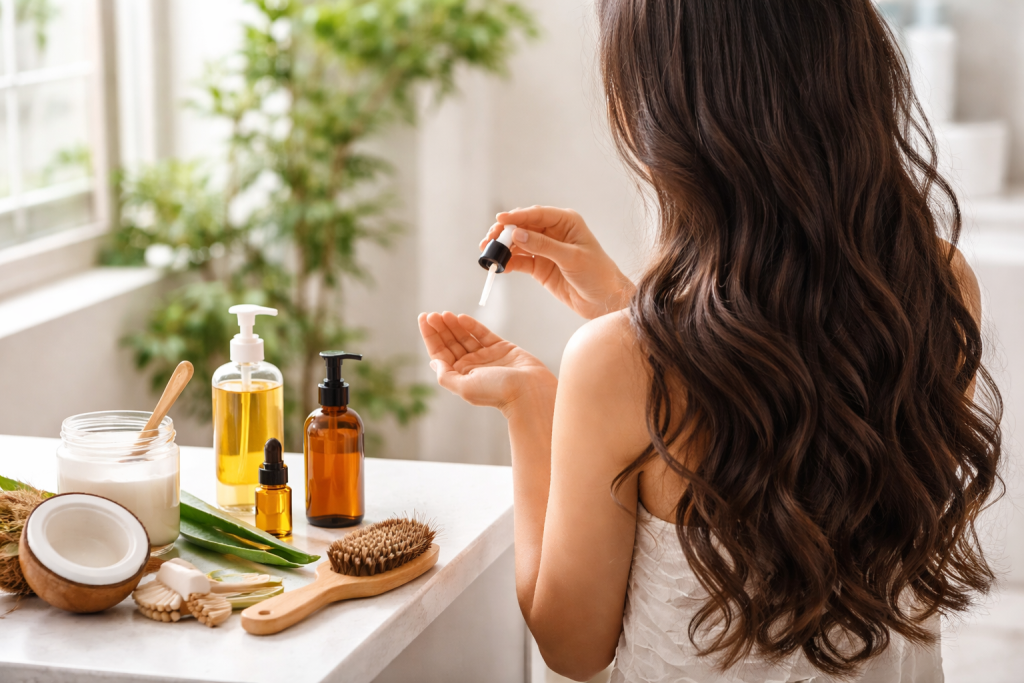
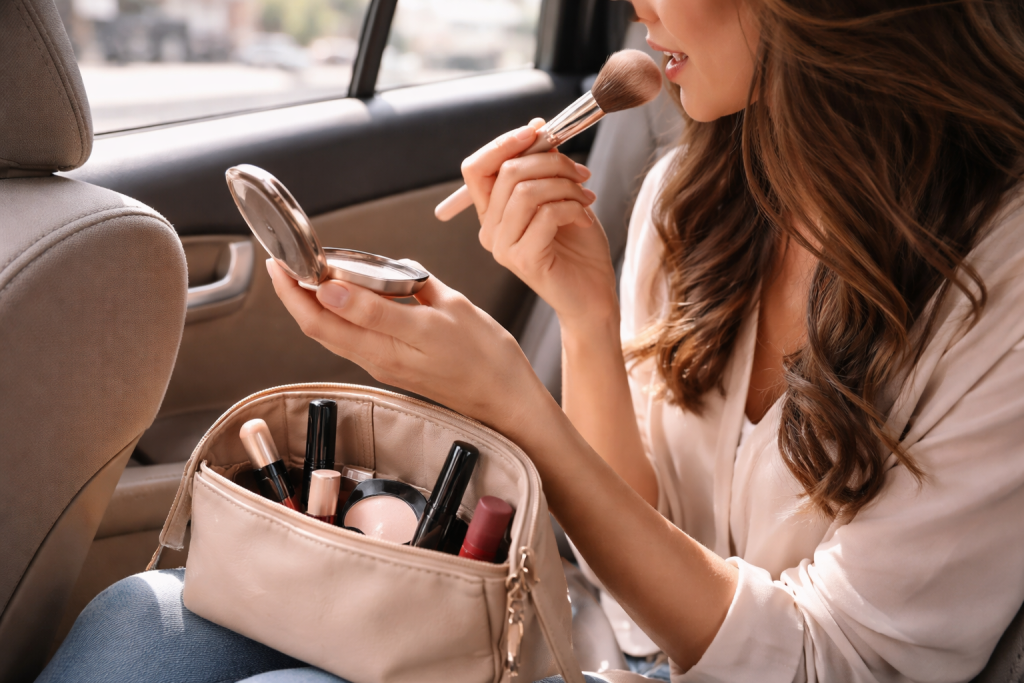
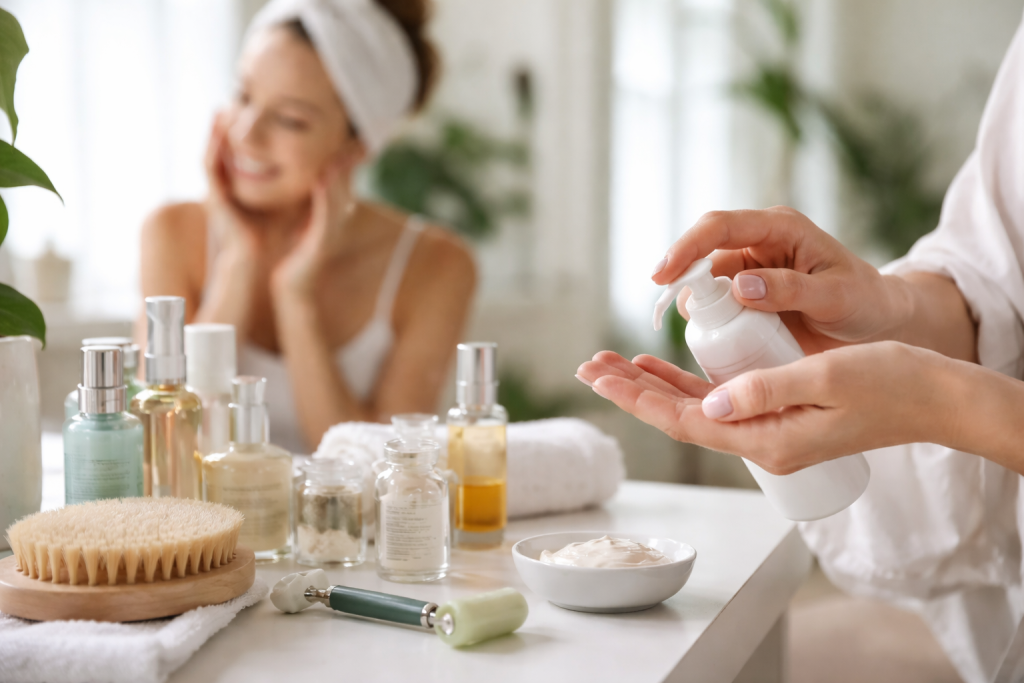
Author: Usman Ali

  • Self-Care Made Simple: A Beginner’s Guide to Prioritizing Your Well-Being

    Self-Care Made Simple: A Beginner’s Guide to Prioritizing Your Well-Being

    In our increasingly demanding world, the concept of self-care has evolved from a luxury to an absolute necessity. It’s not about pampering oneself occasionally, but rather a deliberate practice of nurturing one’s mental, emotional, and physical health to navigate life’s challenges with resilience. For many, the idea of integrating self-care into an already packed schedule can seem daunting, but it doesn’t have to be. This guide aims to demystify self-care, offering a straightforward approach for beginners to cultivate a sustainable practice that truly prioritizes their well-being.

    Self-Care Made Simple: A Beginner's Guide to Prioritizing Your Well-Being
    Self-Care Made Simple: A Beginner’s Guide to Prioritizing Your Well-Being

    Before embarking on the journey of self-care, it’s crucial to grasp its profound significance. We often operate under the misguided belief that constantly pushing ourselves, neglecting our own needs, and sacrificing personal well-being for productivity is a badge of honor. However, this unsustainable approach inevitably leads to burnout, stress, diminished mental clarity, and even physical illness. Self-care, on the other hand, is a proactive investment in our overall health, equipping us with the stamina and mental fortitude required to thrive in all aspects of life.

    The Detrimental Effects of Neglecting Self-Care

    Ignoring your basic human needs for rest, emotional processing, and physical activity has a cumulative negative impact. Chronic stress, a direct consequence of inadequate self-care, can lead to a weakened immune system, making you more susceptible to illness. It can also manifest as persistent fatigue, irritability, difficulty concentrating, and even anxiety and depression. Professionally, neglecting self-care can result in decreased productivity, poor decision-making, and strained relationships with colleagues. Personally, it can erode your capacity for joy, empathy, and meaningful connections.

    The Transformative Power of Prioritizing Self-Care

    Conversely, embracing self-care unlocks a cascade of positive outcomes. When you intentionally carve out time for activities that replenish your energy and soothe your spirit, you experience enhanced emotional regulation, improved cognitive function, and greater resilience in the face of adversity. Self-care fosters a sense of self-worth and self-compassion, leading to healthier relationships with yourself and others. It allows you to approach life with greater clarity, creativity, and a renewed sense of purpose, moving beyond merely surviving to truly flourishing.

    The journey to effective self-care begins with a deep, honest introspection into what truly nourishes and depletes you. Self-care is inherently personal; what works wonders for one individual might not resonate with another. There’s no one-size-fits-all solution, making self-awareness the cornerstone of a successful self-care practice.

    Reflecting on Your Current State of Well-Being

    Take a moment to pause and assess your current mental, emotional, and physical landscape. Are you constantly feeling overwhelmed, anxious, or irritable? Do you frequently experience fatigue despite adequate sleep? Are you struggling to concentrate or finding joy in activities you once loved? Identifying these red flags is the first step towards understanding where your most urgent self-care needs lie. Consider different domains of your life: work, relationships, personal goals, and leisure. How are you feeling in each of these areas?

    Recognizing Your Unique Stressors and Replenishers

    Beyond general well-being, pinpoint the specific triggers that contribute to your stress and the activities that genuinely revitalize you. Does social interaction energize you or drain you? Do long hours at work leave you feeling depleted, or is it the lack of challenging tasks? Conversely, what activities make you feel alive, calm, or content? This could range from spending time in nature, reading a good book, engaging in a creative hobby, or simply enjoying a quiet cup of tea. Be specific in your observations, as this detailed understanding will guide your self-care choices.

    Once you have a clear understanding of your needs, the next step is to translate that awareness into tangible action by creating a personalized self-care routine. The key here is not perfection, but consistency and flexibility. A routine provides structure and ensures that self-care doesn’t become an afterthought.

    Incorporating Small, Sustainable Self-Care Practices

    Don’t feel pressured to overhaul your entire life overnight. Start small. Even five to ten minutes dedicated to a self-care activity can make a significant difference. This could be a few minutes of deep breathing in the morning, a short walk during your lunch break, or listening to a calming podcast before bed. The goal is to build momentum and integrate these practices seamlessly into your day, making them feel less like an obligation and more like a natural part of your rhythm. Gradually, as these small habits solidify, you can expand upon them.

    Scheduling Self-Care as a Non-Negotiable Appointment

    Treat your self-care time with the same importance as any other crucial appointment. Block out specific times in your calendar, whether it’s for a daily meditation, a weekly hobby, or a monthly massage. This intentional scheduling helps prevent self-care from being sidelined by other demands. When you commit to these appointments, you send a powerful message to yourself that your well-being is a priority. Remember, consistency is more impactful than sporadic bursts of intense self-care.

    One of the most challenging, yet vital, aspects of effective self-care is establishing clear boundaries. Boundaries are not about being selfish; they are about protecting your energy, time, and mental space so that you can show up as your best self for others and, more importantly, for yourself.

    Learning to Say “No” Gracefully and Firmly

    “No” is a complete sentence. While it can feel uncomfortable initially, learning to decline requests or invitations that deplete you is a powerful act of self-care. You don’t need elaborate excuses; a simple, “Thank you for thinking of me, but I’m unable to commit to that right now,” is perfectly acceptable. Remember, saying no to something that doesn’t serve your well-being allows you to say yes to opportunities and activities that genuinely nourish you. This also applies to digital boundaries, such as limiting screen time or disconnecting from work emails after hours.

    Protecting Your Time and Energy from External Demands

    Beyond saying no, actively protect your precious resources. This might involve setting specific “do not disturb” times, muting notifications, or delegating tasks when appropriate. At work, clearly define your working hours and resist the urge to constantly check emails or take calls outside of them. In personal relationships, communicate your needs and limitations respectfully. If you find certain interactions consistently draining, evaluate how you can modify them, perhaps by limiting their frequency or duration. Your time and energy are finite, and it’s your responsibility to be their steward.

    In our fast-paced lives, the ability to calm the mind and body is an indispensable self-care tool. Mindfulness and various relaxation techniques offer powerful pathways to reduce stress, enhance focus, and cultivate inner peace. They are not esoteric practices but accessible skills that anyone can learn to improve their daily well-being.

    Integrating Mindful Moments Throughout Your Day

    Mindfulness doesn’t require hours of meditation; it’s about paying attention to the present moment without judgment. You can integrate mindful moments into virtually any activity. When eating, truly savor each bite, noticing the flavors, textures, and aromas. While walking, feel your feet on the ground and observe your surroundings. During a mundane task, focus entirely on the movements and sensations. These brief pauses throughout the day can break the cycle of automatic thinking and bring a sense of calm and clarity, helping you to feel more grounded and present.

    Exploring Different Relaxation Techniques

    Beyond mindfulness, a variety of simple yet effective relaxation techniques can be incorporated into your self-care repertoire. Deep breathing exercises, for instance, can quickly activate your body’s relaxation response. Progressive muscle relaxation, where you systematically tense and then relax different muscle groups, helps release physical tension. Guided imagery, listening to calming music, or engaging in gentle stretching or yoga can also be incredibly soothing. Experiment with different techniques to discover what resonates most with you, and then practice them regularly to build their effectiveness.

    While often overlooked in the broader conversation about self-care, the foundation of a robust well-being practice rests firmly on physical health. Our bodies and minds are intrinsically linked; caring for one directly impacts the other. Prioritizing physical well-being is not about chasing an ideal body image, but about empowering your body to function optimally.

    Fueling Your Body with Nourishing Foods and Hydration

    A balanced diet plays a critical role in mood regulation, energy levels, and cognitive function. Focus on consuming whole, unprocessed foods rich in fruits, vegetables, lean proteins, and healthy fats. Minimize your intake of sugary drinks, processed snacks, and excessive caffeine, which can lead to energy crashes and anxiety. Equally important is adequate hydration. Drinking enough water throughout the day can prevent fatigue, headaches, and improve overall bodily function. Think of your body as a high-performance machine that requires quality fuel to run efficiently.

    Prioritizing Restful Sleep and Regular Movement

    Sleep is not a luxury; it’s a biological imperative. Chronic sleep deprivation severely impairs cognitive function, emotional regulation, and physical health. Establish a consistent sleep schedule, create a relaxing bedtime routine, and optimize your sleep environment for darkness, quiet, and a comfortable temperature. Similarly, regular physical activity is a potent mood booster and stress reliever. You don’t need to train for a marathon; even moderate activities like walking, dancing, or gardening can significantly improve your mental and physical health. Find activities you genuinely enjoy and integrate them into your routine.

    Self-care, while deeply personal, doesn’t have to be a solitary endeavor. Building a support system and fostering accountability can significantly strengthen your commitment and success in prioritizing your well-being. Recognizing that you don’t have to navigate challenges alone is a powerful act of self-compassion.

    Communicating Your Self-Care Goals to Trusted Individuals

    Share your self-care goals and challenges with a trusted friend, family member, or partner. Explicitly communicate what self-care means to you and why it’s important. This open dialogue can help them understand your needs and respect your boundaries. They might even offer encouragement or gentle reminders when you seem to be slipping. This transparency fosters a supportive environment where your well-being is acknowledged and valued by those closest to you. Hearing your goals out loud can also solidify your commitment.

    Considering Professional Guidance or Peer Support Networks

    For those facing significant challenges in implementing self-care or managing high levels of stress, professional guidance can be invaluable. A therapist or counselor can provide tailored strategies, coping mechanisms, and a safe space to explore underlying issues. Additionally, peer support groups, whether formal or informal, can offer a sense of community and shared experience. Connecting with others who are also prioritizing their well-being can provide motivation, new ideas, and a sense of belonging, reinforcing the idea that self-care is a journey we can all embark on, often with the collective strength of others.

    FAQs

    What is self-care and why is it important?

    Self-care refers to the practice of taking deliberate action to preserve or improve one’s own health. It is important because it helps to reduce stress, improve overall well-being, and prevent burnout.

    How can I identify my self-care needs?

    Identifying your self-care needs involves paying attention to your physical, emotional, and mental well-being. It requires self-reflection and understanding what activities or practices make you feel rejuvenated and balanced.

    How do I create a self-care routine?

    Creating a self-care routine involves setting aside dedicated time for self-care activities, such as exercise, meditation, or hobbies. It is important to prioritize self-care and make it a regular part of your schedule.

    What are some ways to practice mindfulness and relaxation techniques?

    Practicing mindfulness and relaxation techniques can include activities such as meditation, deep breathing exercises, yoga, or spending time in nature. These practices help to reduce stress and promote a sense of calm and well-being.

    How can I seek support and accountability for self-care?

    Seeking support and accountability for self-care can involve reaching out to friends, family, or a therapist for encouragement and guidance. It can also involve joining a support group or finding a self-care buddy to help keep you accountable.
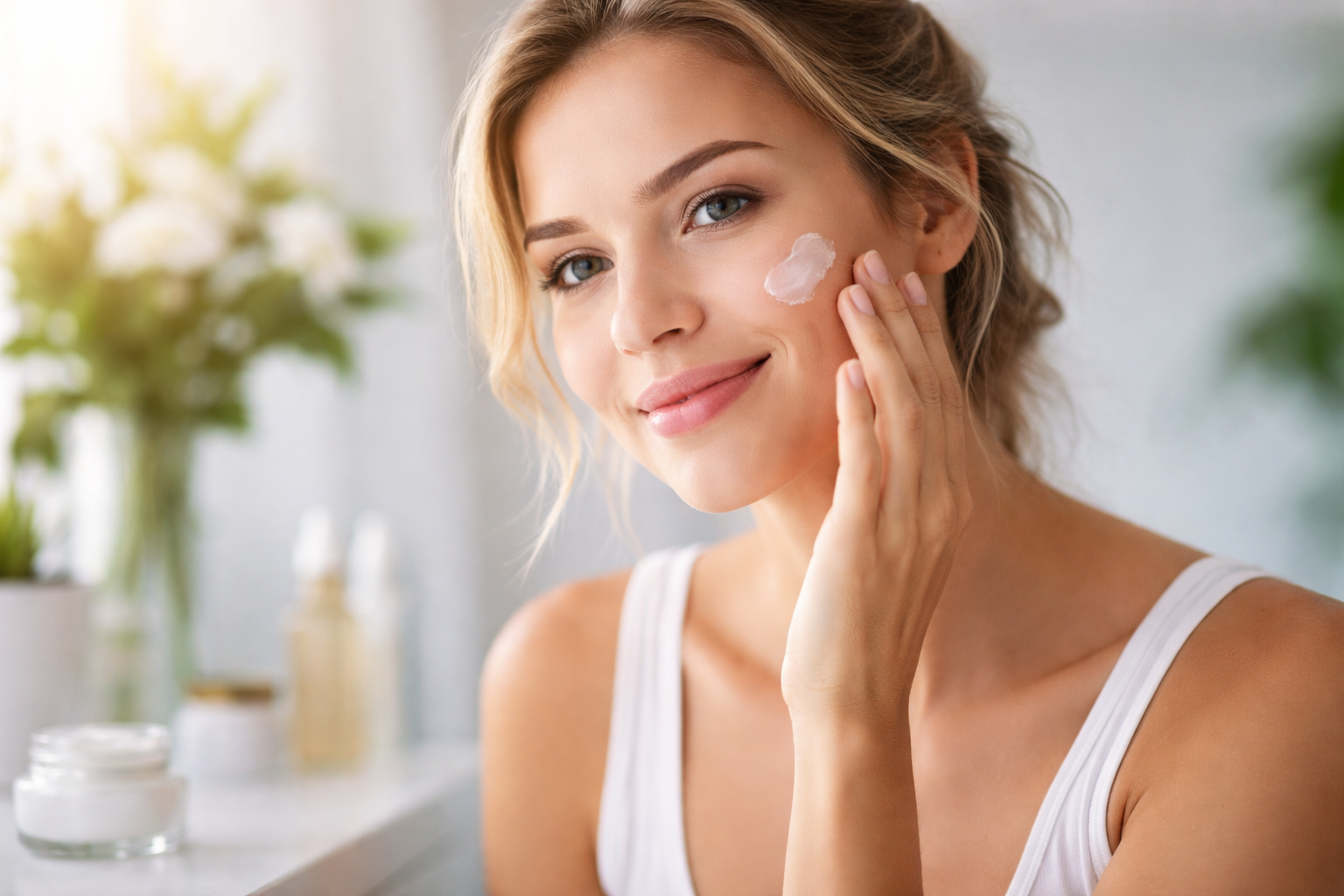
  • Avoid These 5 Lifestyle Mistakes to Maintain a Youthful Appearance

    Avoid These 5 Lifestyle Mistakes to Maintain a Youthful Appearance

    The pursuit of a youthful appearance is a deeply ingrained human desire, a quest that transcends mere vanity and goes deeper than our fundamental wanting to feel vibrant, energetic, and confident. While genetics play a significant role in how we age, our daily habits and lifestyle choices wield immense power in shaping our outward presentation. The passage of time is inevitable, but the way we navigate it, the choices we make concerning our well-being, can profoundly impact how gracefully we age and how well we maintain a youthful glow. This article will delve into five critical lifestyle mistakes that can accelerate the aging process and detract from a youthful appearance, offering insights on how to steer clear of these detrimental habits.

    Youthful Appearance
    Youthful Appearance

    Sleep is not merely a period of rest; it is a vital regenerative state for our bodies and minds, and its absence in sufficient quantities can manifest visibly on our faces. When we skimp on sleep, we rob our skin of crucial repair mechanisms, leading to a cascade of negative effects that betray our age. Busy schedules and late-night activities often sacrifice this fundamental biological need, which can have a profound and sometimes irreversible impact on our appearance.

    How Insufficient Sleep Accelerates Aging

    Our bodies are actively engaged in healing and rebuilding during sleep. This includes the production of collagen and elastin, the essential proteins that maintain skin’s firmness, elasticity, and smooth texture. Inadequate sleep hinders this restorative process.

    The Dark Circles and Puffiness Conundrum

    One of the most common and telltale signs of sleep deprivation is the appearance of dark circles and puffy eyes. Lack of sleep can cause blood vessels under the delicate eye area to dilate, making them more prominent and contributing to a bruised, tired look. Furthermore, fluid retention can increase, leading to that characteristic puffiness that adds years to our perceived age. This type of condition isn’t just about aesthetics; it’s a clear signal that the body is not functioning optimally.

    Compromised Skin Barrier and Dullness

    A consistent lack of sleep weakens the skin’s natural barrier function. This barrier is our first line of defense against environmental stressors and moisture loss. When compromised, the skin becomes more susceptible to damage, irritation, and dehydration. Dehydrated skin appears dull and lackluster, and fine lines become more pronounced, creating an aged and weary complexion. The skin loses its natural radiance and vibrancy.

    Increased Inflammation and Breakouts

    Sleep deprivation also triggers an increase in the body’s inflammatory response. This generalized inflammation can manifest on the skin, exacerbating conditions like acne, rosacea, and eczema. Inflamed skin is often red, sensitive, and prone to breakouts, all of which contribute to an unhealthy and older appearance. The skin’s ability to regulate itself is significantly impaired.

    Reclaiming Your Rest for a Radiant Face

    Prioritizing sleep is not a luxury; it is a necessity for maintaining a youthful appearance. Aiming for seven to nine hours of quality sleep each night might seem like a lofty goal in our hyper-connected world, but the benefits for your skin and overall well-being are immeasurable. Establishing a consistent sleep schedule, creating a relaxing bedtime routine, and ensuring your bedroom environment is conducive to sleep are all crucial steps in reclaiming your lost hours of rejuvenation.

    The sun, a source of life and warmth, is also a formidable adversary to youthful skin. Premature aging is primarily caused by the sun’s powerful ultraviolet (UV) rays, which cause a spectrum of damage that can prematurely age our skin. Ignoring the importance of sun protection is akin to inviting a relentless enemy to systematically erode your skin’s vitality.

    Understanding the Impact of UV Radiation

    UV radiation, both UVA and UVB rays, penetrates the skin and wreaks havoc at a cellular level. UVA rays are the primary culprits behind premature aging, penetrating deeper into the skin to damage collagen and elastin. UVB rays are responsible for sunburn but also contribute significantly to skin aging.

    Photoaging: The Visible Scars of Sun Exposure

    The cumulative effects of sun exposure over years lead to a condition known as photoaging. This is distinct from intrinsic aging (the natural aging process) and is characterized by the development of wrinkles, fine lines, sunspots (hyperpigmentation), uneven skin tone, and a loss of skin elasticity. These are the visible hallmarks of a life spent unprotected under the sun’s rays. The skin loses its youthful plumpness and develops a leathery texture.

    Increased Risk of Skin Cancer

    Beyond aesthetics, chronic sun exposure significantly increases the risk of developing skin cancer, the most common form of cancer worldwide. This is a grave consequence that far outweighs any perceived inconvenience of applying sunscreen. A youthful appearance is a fleeting concern compared to the life-threatening ramifications of unchecked sun damage.

    Your Shield Against the Sun’s Assault

    Diligent sun protection is non-negotiable for anyone seeking to maintain a youthful appearance. This involves more than just occasional sunscreen application; it’s a lifestyle commitment.

    The Power of Broad-Spectrum Sunscreen

    Applying a broad-spectrum sunscreen with an SPF of 30 or higher daily, regardless of the weather or season, is paramount. “Broad-spectrum” means it protects against both UVA and UVB rays. Reapplication every two hours, especially after swimming or sweating, is critical for guaranteeing continuous protection. Don’t forget often-overlooked areas like your ears, neck, and the tops of your feet.

    Seeking Shade and Protective Clothing

    Beyond sunscreen, actively seeking shade during peak sun hours (typically between 10 a.m. and 4 p.m.) is a simple yet effective strategy. Wearing wide-brimmed hats and UV-protective clothing provides an additional layer of defense, shielding your skin from direct sun exposure. These measures can significantly reduce the cumulative damage over time.

    The adage “you are what you eat” holds profound truth when it comes to maintaining a youthful appearance. Our diet is the fuel that powers our cellular processes, and its quality directly impacts the health and vitality of our skin and overall body, influencing how we age internally and externally. Consuming a diet rich in processed foods and devoid of essential nutrients can accelerate the aging process.

    The Biochemical Assault of a Nutrient-Poor Diet

    What we consume has a direct biochemical impact on our cells. A diet high in sugar, unhealthy fats, and processed ingredients can trigger inflammation, cause oxidative stress, and deplete the body of vital nutrients required for skin repair and regeneration.

    Sugar’s Sweet but Destructive Embrace: Glycation

    One of the most insidious impacts of a high-sugar diet is glycation. This is a process where excess sugar molecules in the bloodstream attach to proteins, including collagen and elastin. This process creates advanced glycation end products (AGEs), which are damaging and inflexible. AGEs degrade collagen and elastin, leading to a loss of skin elasticity, increased wrinkles, and a sallow complexion. The sugar literally hardens and damages the scaffolding of your skin.

    The Inflammation Connection

    Processed foods, refined carbohydrates, and unhealthy fats are notorious for promoting chronic inflammation throughout the body. Inflammation silently erodes youthfulness. It damages cells, disrupts cellular function, and can contribute to a wide range of skin issues, including redness, puffiness, and premature aging. Think of it as your body constantly being under attack from within.

    Antioxidant Deficiency and Oxidative Stress

    A diet lacking in fruits, vegetables, and whole grains is often deficient in antioxidants. Antioxidants are crucial for neutralizing free radicals, unstable molecules that damage cells and contribute to aging through oxidative stress. When our bodies are overwhelmed by free radicals and lack sufficient antioxidants to combat them, our cells, including skin cells, deteriorate more rapidly.

    Cultivating a Youthful Diet

    Eating a diet that prioritizes whole, unprocessed foods is one of the most powerful strategies for maintaining a youthful appearance from within.

    Embracing the Power of Fruits and Vegetables

    A diet abundant in colorful fruits and vegetables is packed with vitamins, minerals, and most importantly, antioxidants. These nutrients work synergistically to protect your cells from damage, promote collagen production, and keep your skin hydrated and plump. Aim for a wide variety of colors to ensure you’re getting a broad spectrum of beneficial compounds.

    The Importance of Healthy Fats and Lean Proteins

    Healthy fats, found in sources like avocados, nuts, seeds, and fatty fish, are essential for maintaining skin hydration and suppleness. Lean proteins are the building blocks for collagen and elastin, crucial for skin structure and elasticity. Opting for these overprocessed meats and excessive saturated fats will make a significant difference.

    While certain lifestyle habits may provide temporary pleasure or coping mechanisms, they can significantly impact our appearance and accelerate the aging process at an alarming rate. Among the most detrimental are excessive alcohol consumption and smoking. These habits are like a slow-motion assault on the very essence of youthful skin.

    Alcohol’s Dehydrating Grip and Smoking’s Toxic Cloud

    Both alcohol and tobacco introduce toxins into the body and disrupt vital biological processes, leading to visible signs of aging. Their cumulative effects are often profound and difficult to reverse.

    Alcohol: The Dehydrating Drain

    Alcohol is a diuretic, meaning it causes your body to lose fluid. This dehydration is particularly evident on the skin. When skin is dehydrated, it loses its plumpness, fine lines and wrinkles become more pronounced, and the complexion can appear dull and sallow. Furthermore, alcohol can dilate blood vessels, contributing to redness and a ruddy complexion, a common characteristic of aged skin. Excessive alcohol consumption can also interfere with nutrient absorption, further hindering the body’s ability to repair and regenerate skin cells.

    Smoking: A Toxic Cocktail for the Skin

    Smoking exposes the skin to a multitude of toxins. The chemicals in cigarette smoke narrow blood vessels, reducing blood flow to the skin. This diminished blood flow deprives skin cells of oxygen and essential nutrients, leading to a dull, uneven, and tired-looking complexion. Smoking also significantly damages collagen and elastin, the proteins responsible for skin’s firmness and elasticity, leading to premature wrinkles, sagging, and a leathery texture. The characteristic “smoker’s lines” around the mouth are a direct result of this. Furthermore, smoking increases oxidative stress, further accelerating the aging process.

    Breaking Free from These Detrimental Habits

    Eliminating or significantly reducing alcohol intake and quitting smoking are among the most impactful steps you can take to preserve and restore a youthful appearance.

    Moderation and Hydration in Alcohol Consumption

    If you choose to consume alcohol, moderation is key. Opt for lower-sugar alcoholic beverages and ensure you stay well-hydrated by drinking plenty of water alongside your alcoholic drinks. These steps can help mitigate some of the dehydrating effects. However, even moderate consumption can have some negative impacts, and for maximum benefits to your appearance, complete abstinence is ideal.

    The Immense Benefits of Quitting Smoking

    Quitting smoking is a powerful act of self-care that yields remarkable benefits for your skin and overall health. Within weeks of quitting, blood flow to the skin improves, and within months, the skin begins to regain its natural color and resilience. Reducing the risk of further collagen and elastin damage significantly allows your skin to initiate its healing process. The long-term health benefits are equally transformative.

    While often viewed through the lens of weight management and physical fitness, regular exercise plays a crucial, albeit sometimes indirect, role in maintaining a youthful appearance. A sedentary lifestyle takes away important benefits that help keep skin healthy and the body healthy in general. Neglecting this fundamental aspect of a healthy lifestyle can lead to a visible decline in both internal and external youthfulness.

    How Inactivity Undermines Youthful Radiance

    The benefits of exercise extend far beyond the gym. Regular physical activity impacts our skin and overall appearance in several key ways.

    Improved Circulation and Nutrient Delivery

    Exercise enhances blood circulation, delivering vital oxygen and nutrients to skin cells. This improved flow promotes cellular repair, boosts collagen production, and contributes to a healthy, radiant complexion. Conversely, a lack of exercise leads to sluggish circulation, leaving the skin looking dull and less vibrant. Think of it as giving your skin a regular internal cleansing and nourishment.

    Stress Reduction and Hormonal Balance

    Regular physical activity is a powerful stress reliever. Chronic stress, as we will discuss, can accelerate aging. By effectively managing stress through exercise, you can mitigate its negative impact on your skin. Additionally, exercise helps regulate hormones, including those that play a role in skin health and aging. Imbalances can lead to various skin issues.

    Enhanced Cellular Regeneration and Detoxification

    During exercise, your body’s cells work more efficiently, promoting cellular regeneration. Furthermore, increased physical activity can aid in the body’s natural detoxification processes, helping to eliminate waste products that can contribute to dull skin and premature aging. Sweating, a natural byproduct of exercise, also helps to cleanse pores.

    Incorporating Movement for a Youthful Glow

    Making exercise a consistent part of your lifestyle is an investment in your youthful appearance and overall well-being. It doesn’t require extreme workouts; consistency is key.

    Finding Activities You Enjoy

    The most effective exercise routine is one you can stick with. Whether it’s brisk walking, swimming, dancing, yoga, or strength training, find activities that you genuinely enjoy. This will make it easier to integrate them into your daily or weekly schedule. Aim for a mix of cardiovascular exercise and strength training for optimal benefits.

    Consistency Over Intensity

    While intense workouts can be beneficial, consistent moderate exercise often yields more sustainable results for overall health and appearance. Aim for at least 150 minutes of moderate-intensity aerobic activity or 75 minutes of vigorous-intensity aerobic activity per week, along with muscle-strengthening activities at least two days a week, as recommended by health organizations.

    In our modern world, stress has become an almost ubiquitous companion. While acute stress can be a useful survival mechanism, chronic stress acts as a silent thief, relentlessly chipping away at our youthfulness and contributing to visible signs of aging. The constant mental and emotional strain takes a significant physical toll on our bodies, including our skin.

    The Physiological Cascade of Chronic Stress

    When we experience chronic stress, our bodies release a surge of hormones, primarily cortisol. While essential in small doses, prolonged elevated levels of cortisol can have detrimental effects on virtually every system in the body, including our skin.

    Cortisol’s Collagen-Destroying Tendencies

    One of the most significant impacts of elevated cortisol on the skin is its ability to break down collagen. As mentioned earlier, collagen is the structural protein that keeps our skin firm, elastic, and smooth. When collagen is degraded by chronic stress, it leads to increased wrinkles, fine lines, and a loss of skin laxity, all contributing to an older appearance. Stress hormones literally corrode the scaffolding of your skin.

    Inflammation and Impaired Healing

    Chronic stress significantly exacerbates inflammation throughout the body. This constant state of inflammation can manifest on the skin, leading to redness, breakouts, and an exacerbation of existing skin conditions. Furthermore, stress impairs the skin’s natural healing processes. This means that any damage, whether from environmental factors or minor injuries, takes longer to repair, making the skin appear older and less resilient.

    Sleep Disruption and Poor Choices

    As we’ve already discussed, stress is a major disruptor of sleep. This creates a vicious cycle: stress leads to poor sleep, which in turn exacerbates stress and its negative effects on appearance. Additionally, when under chronic stress, individuals are more prone to making poor lifestyle choices, such as indulging in unhealthy foods, smoking, or drinking more alcohol, all of which further contribute to premature aging.

    Cultivating Calm for a Youthful Demeanor

    Effectively managing stress is not just about mental well-being; it’s a critical component of maintaining a youthful appearance. Developing healthy stress-management techniques is an investment in your physical and emotional health.

    Mindfulness and Meditation Practices

    Engaging in mindfulness and meditation practices can significantly reduce stress levels. These techniques train the mind to be present, encouraging a state of equilibrium and reducing the chronic activation of the body’s stress response. Even a few minutes of daily practice can make a noticeable difference.

    Engaging in Relaxing Activities and Hobbies

    Making time for activities that bring you joy and relaxation is essential. This could include spending time in nature, listening to music, spending time with loved ones, engaging in creative hobbies, or simply taking time for yourself to unwind. These activities act as a buffer against the negative effects of stress.

    While lifestyle factors form the bedrock of a youthful appearance, the role of a dedicated skincare routine cannot be overstated. Neglecting this aspect of self-care can mean missing out on crucial preventative measures and opportunities for repair, leaving skin vulnerable to the ravages of time and environmental damage. A consistent and appropriate skincare routine acts as a protective shield and a restorative agent, working in tandem with healthy habits.

    The Multifaceted Benefits of a Dedicated Skincare Routine

    A well-structured skincare routine goes beyond simply cleaning and moisturizing. It addresses specific concerns and provides the skin with the necessary support to maintain its youthfulness.

    Cleansing: The Foundation of Healthy Skin

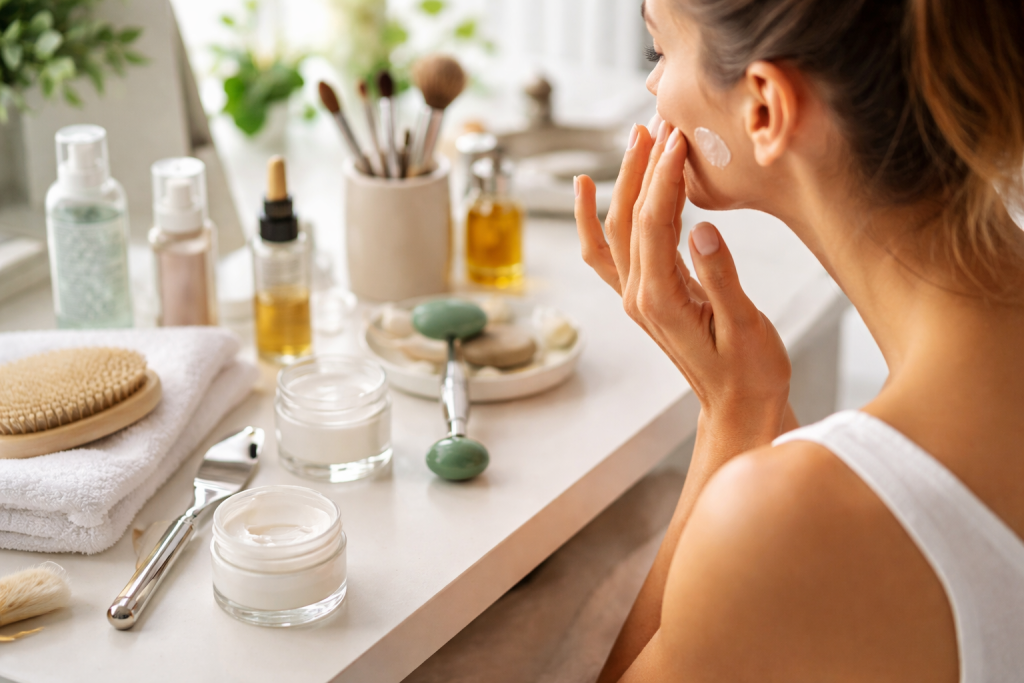
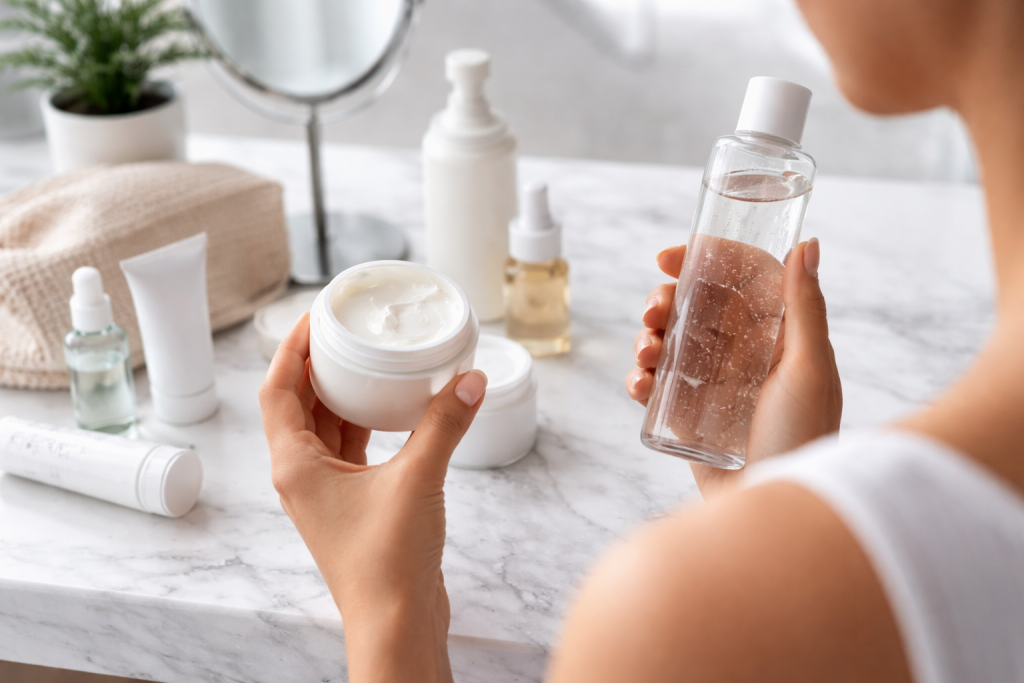
    A gentle yet effective cleansing routine is the essential first step. It removes dirt, oil, pollutants, and makeup that can clog pores, contribute to breakouts, and dull the complexion. Using a cleanser appropriate for your skin type ensures you’re not stripping your skin of its natural oils, which can lead to dryness and irritation, both of which make skin appear older.

    The Power of Hydration and Moisturization

    Hydrated skin is plump, smooth, and radiant. Moisturizers work by replenishing lost moisture and creating a barrier to prevent further water loss. Well-hydrated skin makes fine lines and wrinkles less noticeable and contributes to a healthy, youthful glow. Choosing a moisturizer that suits your skin type and incorporates ingredients like hyaluronic acid can significantly enhance skin hydration.

    Targeted Treatments for Anti-Aging

    Beyond basic cleansing and moisturizing, incorporating targeted treatments can provide significant anti-aging benefits. Serums containing ingredients like antioxidants (e.g., Vitamin C), retinoids, and peptides can help stimulate collagen production, reduce the appearance of wrinkles and fine lines, improve skin tone and texture, and protect against environmental damage. These potent ingredients work to actively combat the signs of aging at a cellular level.

    Protecting with Sunscreen: The Ultimate Anti-Aging Shield

    As previously emphasized, consistent sunscreen application is the single most effective step in preventing premature aging. Apply a broad-spectrum sunscreen with an SPF of 30 or higher as the final step in your morning skincare routine, regardless of the weather conditions. This protects your skin from the damaging effects of UV radiation, preventing sunspots, wrinkles, and loss of elasticity.

    Tailoring Your Routine for Lasting Youthfulness

    The key to an effective skincare routine is consistency and tailoring it to your individual skin needs. What works for one person may not work for another.

    Understanding Your Skin Type

    Identifying your skin type—oily, dry, combination, or sensitive—is crucial for selecting the right products. Irritation, breakouts, and a less youthful appearance can result from using products not suitable for your skin type. Consult a dermatologist or skincare professional if you are unsure of your skin type.

    Consistency is Key

    Skipping your skincare routine, even for a day or two, can disrupt its effectiveness. Consistency allows the active ingredients in your products to work optimally, providing cumulative benefits over time. Make your skincare routine a non-negotiable part of your day, dedicating time in the morning and evening to nurture your skin.

    By consciously addressing these five lifestyle mistakes—skimping on sleep, neglecting sun protection, making poor diet choices, overindulging in alcohol and smoking, not prioritizing exercise, and managing stress—and by embracing a consistent and appropriate skincare routine, you empower yourself to navigate the aging process with grace and maintain a vibrant, youthful appearance that reflects your inner vitality. The journey to looking youthful is an ongoing commitment to a holistic approach to self-care, where every healthy choice contributes to a more radiant future.

    FAQs

    1. Why is skimping on sleep a lifestyle mistake that can affect your appearance?

    Skimping on sleep can lead to dark circles, puffy eyes, and dull skin. Lack of sleep can also contribute to premature aging and the formation of wrinkles.

    2. How does neglecting sun protection impact your youthful appearance?

    Neglecting sun protection can lead to sun damage, including sun spots, fine lines, and wrinkles. Prolonged sun exposure without protection can also increase the risk of skin cancer.

    3. What role does diet play in maintaining a youthful appearance?

    Poor diet choices, such as consuming excessive sugar and processed foods, can contribute to inflammation and skin issues. A diet lacking in essential nutrients can also lead to dull, dry skin and premature aging.

    4. How does overindulging in alcohol and smoking affect your appearance?

    Overindulging in alcohol and smoking can lead to skin dehydration, loss of elasticity, and the formation of wrinkles. These habits can also contribute to a dull complexion and premature aging.

    5. Why is prioritizing exercise important for maintaining a youthful appearance?

    Regular exercise helps improve circulation, which can promote a healthy glow and youthful-looking skin. Exercise also helps reduce stress, which can have a positive impact on aging and overall appearance.

  • Unlocking Confidence: The Daily Beauty Habits You Need to Know

    Unlocking Confidence: The Daily Beauty Habits You Need to Know

    In the intricate tapestry of modern life, where self-image often intertwines with self-worth, the pursuit of confidence takes many forms. While true confidence undeniably blossoms from within, the external steps we take, particularly in the realm of daily beauty habits, play a surprisingly significant role in cultivating and projecting that inner strength. It’s not about conforming to unattainable ideals, but rather about a conscious, consistent effort to nurture ourselves, both physically and mentally. This journey through daily beauty practices isn’t just about superficial changes; it’s a profound commitment to self-care, a powerful tool for bolstering self-esteem, and ultimately, a pathway to unlocking genuine, lasting confidence.

    Daily Beauty Habits
    Daily Beauty Habits

    The concept of daily beauty habits extending beyond mere aesthetics is a transformative insight. These routines, meticulously woven into the fabric of our day, serve as powerful rituals that foster a sense of control, discipline, and ultimately, self-respect. They are not simply tasks to be ticked off a list, but rather opportunities for mindful engagement with our bodies and minds. The consistency of these practices instills a feeling of accomplishment, however small, contributing to a broader sense of self-efficacy which is a cornerstone of confidence.

    Establishing a Foundation: The Ritual of Consistency

    Think of your daily beauty routine as a foundational ritual, a sacred time dedicated solely to you. This consistent engagement, whether it’s a morning skincare regimen or an evening hair treatment, signals to your subconscious that you are worthy of dedicated time and attention. Over time, this consistent self-investment translates into a more positive self-perception, where you begin to see yourself as someone who actively cares for their well-being. This consistency also allows for the gradual observation of positive changes, from clearer skin to healthier hair, which in turn reinforces the benefits of your efforts, creating a virtuous cycle of positive reinforcement and increased confidence.

    Beyond the Surface: The Psychological Impact of Nurturing Yourself

    The psychological impact of nurturing oneself through daily beauty habits extends far beyond the tangible results. The act of applying a serum, brushing your hair, or even selecting an outfit becomes a form of self-expression and self-acknowledgment. These moments, often enjoyed in solitude, provide an opportunity for introspection and a quiet connection with one’s inner self. It’s during these reflective moments that a deeper appreciation for one’s unique features and personal style begins to emerge, fostering a sense of authenticity that is critical for genuine confidence. When we consciously choose to invest in our appearance, it’s a statement that we believe in our own value and are willing to dedicate resources to enhancing it, a powerful message to both ourselves and the world.

    Skincare is often the cornerstone of any effective beauty regimen, and for good reason. The condition of our skin directly impacts how we feel about our appearance, and therefore, our overall confidence. A clear, radiant complexion can make us feel polished and put-together, ready to face the world with a sense of calm assurance. Conversely, skin concerns can become a source of anxiety and self-consciousness, detracting from our innate confidence.

    The Science of Self-Acceptance: Understanding Your Skin’s Needs

    The journey to confident skin begins with understanding its unique needs. This isn’t about chasing flawless perfection, but rather about identifying what makes your skin healthy and happy. Whether it’s oiliness, dryness, sensitivity, or acne, acknowledging these characteristics is the first step towards effective care. Investing time in researching ingredients, understanding skin types, and seeking professional advice when needed empowers you to make informed decisions about your skincare routine. This proactive approach to understanding and addressing your skin’s individual requirements fosters a sense of agency and control, which directly contributes to a stronger sense of self-acceptance and, subsequently, confidence.

    Beyond the Glow: The Feel-Good Factor of Healthy Skin

    Beyond the visible improvements, the feel-good factor of healthy skin is undeniable. The sensation of smooth, hydrated skin, free from irritation or discomfort, contributes to a profound sense of well-being. This comfort translates into a more relaxed demeanor and a greater ease in social interactions. When we feel good in our skin, we are less preoccupied with perceived flaws and more present in the moment, allowing our true personality to shine through. The subtle massage involved in applying products, the refreshing scent of a toner, these small sensory experiences can transform mundane tasks into moments of self-pampering, enhancing mood and boosting overall confidence.

    Our hair, often referred to as our crowning glory, plays a crucial role in how we perceive ourselves and how others perceive us. A good hair day can instantly elevate our mood and confidence, while a bad hair day can leave us feeling less than optimal. Therefore, establishing a consistent and effective haircare routine is an invaluable tool for boosting self-esteem.

    The Art of Hair Management: Tailoring Your Routine to Your Strands

    Just as with skincare, the art of hair management lies in understanding your hair type and tailoring your routine accordingly. Whether you have fine, thick, curly, straight, color-treated, or oily hair, each type requires specific attention and products. From gentle shampoos and conditioning treatments to protective styling and regular trims, a thoughtful approach to haircare can transform the health and appearance of your locks. When you understand how to care for your specific hair needs, you gain a sense of mastery and control, which translates into a more confident approach to your overall look. This isn’t about replicating celebrity styles, but rather about making your own hair look and feel its best.

    Beyond the Mirror: The Freedom of a Confident Mane

    The freedom that comes with a confident mane is truly liberating. When your hair is healthy, manageable, and styled in a way that makes you feel good, it frees up mental energy that might otherwise be spent worrying about its appearance. This liberation allows you to focus on other aspects of your life with less distraction and more enthusiasm. A confident hairstyle can act as a personal statement, reflecting your individuality and personality, further reinforcing your self-esteem. The simple act of having well-cared-for hair can change your posture, your gait, and even your eye contact, all contributing to an outward projection of inner confidence.

    For many, makeup is more than just cosmetics; it’s a creative outlet, a tool for self-expression, and a powerful enhancer of self-confidence. When applied thoughtfully, makeup can accentuate our best features, subtly conceal areas of concern, and empower us to present our desired image to the world.

    The Art of Subtlety: Enhancing, Not Masking

    The most effective approach to using makeup for confidence is one of enhancement, not masking. It’s about recognizing and celebrating your natural beauty while strategically using makeup to highlight your favorite features. A touch of mascara to open up the eyes, a subtle blush to add warmth to the complexion, or a lip color that brightens your face can make a significant difference in how you feel. The goal isn’t to erase who you are, but to bring forth the best version of yourself, a version that feels authentic and comfortable. This approach to makeup fosters a healthier relationship with your reflection, where you appreciate your inherent beauty rather than constantly striving for an unrealistic ideal.

    From Canvas to Confidence: The Transformative Power of a Well-Applied Look

    The transformative power of a well-applied makeup look extends beyond mere aesthetics; it can significantly impact how you carry yourself and interact with the world. When you take the time to apply makeup, you’re engaging in an act of mindful preparation, stepping into your day with intention. This ritual can create a sense of being “ready” for anything, whether it’s a demanding work presentation or a casual social gathering. The feeling of looking polished and put-together can translate into increased assertiveness, better eye contact, and a more open demeanor. It’s an external affirmation of your internal desire to present yourself confidently and capable.

    While external beauty habits play an important role, true and lasting confidence is deeply rooted in embracing our natural beauty and cultivating inner well-being. This involves a holistic approach that integrates physical care with mental and emotional nurturing.

    Beyond the Surface: The Importance of Self-Care in Cultivating Confidence

    The importance of self-care in cultivating confidence cannot be overstated. It encompasses a wide range of activities that prioritize our physical, mental, and emotional health. This could be anything from ensuring adequate sleep and nutritious meals to engaging in stress-reducing activities like meditation, reading, or spending time in nature. When we consistently nourish our bodies and minds, we build a resilient foundation for confidence. Self-care is an act of self-respect, sending a clear message to ourselves that our well-being is a priority, and this intrinsic value is a powerful driver of self-confidence. It enables us to approach challenges with greater clarity and bounce back from setbacks with more resilience.

    Daily Beauty Habits for a Positive Body Image

    Developing a positive body image is a crucial component of inner confidence, and daily beauty habits can contribute significantly to this. It’s about shifting focus from perceived flaws to appreciating the unique functionality and beauty of your body. This can involve simple acts like daily moisturizing with a focus on mindful touch, acknowledging the strength of your limbs, or looking at your reflection with kindness rather than criticism. Choosing clothes that fit well and make you feel comfortable and confident, regardless of current fashion trends, also plays a vital role. These habits encourage a harmonious relationship with your physical self, transforming self-criticism into self-appreciation. The goal is to move beyond societal pressures and cultivate an internal dialogue that celebrates your individual form, understanding its capabilities and cherishing its journey, ultimately fostering a deep and unshakeable inner confidence that radiates outward.

    FAQs

    1. What are some daily beauty habits that can help build confidence?

    Some daily beauty habits that can help build confidence include skincare routines, haircare routines, makeup tips, and embracing natural beauty. These habits can help individuals feel more comfortable and confident in their own skin.

    2. How can skincare routines contribute to building confidence?

    Skincare routines can contribute to building confidence by improving the overall appearance and health of the skin. When individuals take care of their skin through regular cleansing, moisturizing, and using sunscreen, they can feel more confident in their appearance.

    3. What are some haircare routines that can boost self-esteem?

    Haircare routines that can boost self-esteem include regular washing and conditioning, using products that cater to specific hair needs, and styling hair in a way that makes individuals feel good about themselves.

    4. How can makeup tips enhance self-confidence?

    Makeup tips can enhance self-confidence by allowing individuals to highlight their favorite features and express their personal style. Using makeup to enhance natural beauty can help individuals feel more confident in their appearance.

    5. Why is self-care important in cultivating confidence?

    Self-care is important in cultivating confidence because it allows individuals to prioritize their physical and mental well-being. Taking time for self-care activities, such as daily beauty habits, can help individuals feel more positive about themselves and their bodies, leading to increased confidence.

  • Avoid These 5 Common Beauty Mistakes Every Beginner Makes

    Avoid These 5 Common Beauty Mistakes Every Beginner Makes

    The dazzling world of beauty can be both exhilarating and overwhelming for a beginner. With countless products, techniques, and trends vying for attention, it’s easy to fall prey to common pitfalls that can hinder your progress and even damage your skin. This comprehensive guide will illuminate the most frequent mistakes newcomers make, offering practical advice to cultivate a beauty routine that genuinely enhances your natural radiance. From the fundamental importance of skincare to the subtle art of makeup application, we’ll explore how to avoid these faux pas and embark on a journey towards a more confident and beautiful you.

    Common Beauty Mistakes
    Common Beauty Mistakes

    Many beauty enthusiasts, especially those just starting, are eager to experiment with makeup, often overlooking the critical role of skincare. This is perhaps the most significant oversight a beginner can make. Think of your skin as the canvas; no matter how skilled the artist, a flawed canvas will always compromise the final masterpiece.

    Skimping on Skincare: The Importance of a Solid Skincare Routine

    It’s a common misconception that skincare is only for those with “problem” skin or for advanced beauty routines. In reality, a consistent skincare regimen is the bedrock of healthy, vibrant skin for everyone, regardless of age or existing concerns. Neglecting this crucial step can lead to a host of issues, from premature aging and breakouts to dullness and uneven texture. Starting with a basic, yet effective, routine early on will pay dividends in the long run. This typically involves cleansing, moisturizing, and sun protection – the holy trinity of skincare. Cleansing removes impurities, makeup, and excess oil, preventing clogged pores and breakouts. Moisturizing replenishes hydration, keeping the skin supple, soft, and protected from environmental aggressors. While sun protection will be discussed in further detail, it’s imperative to include it in your daily regimen from the outset.

    Using the Wrong Products for Your Skin Type: Understanding Your Skin’s Needs

    The beauty aisle is a bewildering array of products, each promising miraculous results. However, not all products are created equal, and more importantly, not all products are right for your skin. A common beginner mistake is to simply grab whatever is popular or recommended by a friend, without considering their own unique skin type. Oily skin, for instance, requires non-comedogenic (pore-clogging) and oil-free formulations, while dry skin thrives on rich, hydrating creams that seal in moisture. Sensitive skin needs gentle, fragrance-free products that won’t cause irritation. Understanding whether you have oily, dry, combination, normal, or sensitive skin is the first crucial step in building an effective skincare routine. Taking a quick online quiz or, even better, consulting a dermatologist or esthetician can help you identify your skin type and select products that truly cater to its specific needs, ultimately preventing frustration, wasted money, and potential skin damage.

    While makeup can be a powerful tool for self-expression and enhancement, there’s a fine line between looking polished and looking painted. Beginners often fall into the trap of applying too much, too soon, resulting in a heavy, artificial look that detracts from their natural beauty.

    Overdoing It: The Dangers of Too Much Makeup

    The allure of makeup can be so strong that beginners, in their enthusiasm, might pile on multiple layers of foundation, concealer, powder, contour, blush, and highlighter, all at once. This “more is more” approach often backfires, creating a mask-like effect that can settle into fine lines, appear cakey, and even clog pores. The intention might be to cover perceived imperfections or define features, but the result is often the opposite: a flat, unnatural complexion that obscures your natural bone structure. Instead of reaching for every product in your arsenal, focus on understanding the purpose of each item and applying them strategically and sparingly. A light hand and careful blending are far more effective than heavy layers. Start with a minimal approach and gradually build up your routine as you gain confidence and skill, remembering that the goal is to enhance, not obscure.

    Not Matching Your Makeup to Your Skin Tone: Tips for Finding the Right Shades

    One of the most disheartening experiences for a beauty beginner is applying foundation or concealer only to find it looks completely off, either too orange, too pink, or simply ghostly pale. This mismatch is a glaring common mistake. The wrong shade of foundation can make your face look disconnected from your neck and body, creating an obvious line that screams “makeup.” Similarly, blush that’s too vibrant or a bronzer that’s too muddy can clash with your natural undertones. To avoid this, it’s crucial to understand your skin’s undertones – whether they are warm (golden, peachy), cool (pink, blue, red), or neutral. A good way to test foundation is to swatch a few shades along your jawline in natural light and see which one seamlessly disappears into your skin. For other products like blush, consider shades that complement your natural flush. Don’t be afraid to ask for assistance from beauty advisors in stores, and always test products in natural light before committing to a purchase.

    While makeup can momentarily mask imperfections, it cannot reverse the damage caused by neglecting fundamental skin protection. One of the most critical, yet frequently overlooked, aspects of beauty is sun protection.

    Ignoring Sun Protection: The Key to Healthy, Youthful Skin

    It’s almost impossible to overstate the importance of sun protection, yet it remains one of the most disregarded aspects of a beauty routine, especially among beginners. Many assume sunscreen is only for beach days or extended outdoor activities. This couldn’t be further from the truth. Everyday exposure to harmful UV rays, even on cloudy days or when indoors near windows, contributes to photoaging – the premature aging of the skin caused by sun damage. This manifests as fine lines, wrinkles, sun spots, uneven skin tone, and a loss of elasticity. More alarmingly, unprotected sun exposure significantly increases the risk of skin cancer. Incorporating a broad-spectrum sunscreen with an SPF of 30 or higher into your daily routine, rain or shine, is the single most effective anti-aging measure you can take. Make it the last step of your morning skincare routine, and reapply throughout the day if you are outdoors for extended periods. Your future self will thank you.

    The allure of new products often overshadows the more mundane, yet equally vital, aspects of beauty: hygiene and proper application techniques. Neglecting these areas can not only compromise your look but also health.

    Neglecting Proper Hygiene: How to Keep Your Beauty Tools Clean

    In the excitement of experimenting with different makeup looks, beginners often overlook the fundamental importance of keeping their beauty tools clean. Makeup brushes, sponges, and even your hands, can become breeding grounds for bacteria, dead skin cells, and old product residue if not regularly cleaned. Applying makeup with dirty tools can lead to breakouts, skin irritation, and even infections, rendering all your other skincare efforts futile. Furthermore, unclean brushes won’t apply product smoothly or blend effectively, resulting in a streaky or uneven finish. It’s recommended to wash your makeup brushes at least once a week using a gentle soap or a specialized brush cleanser. Sponges, due to their porous nature, should be cleaned even more frequently, ideally after every few uses. This simple habit will not only improve your skin health but also extend the life of your precious beauty tools and ensure a flawless application every time.

    Rushing Through Your Beauty Routine: The Benefits of Taking Your Time

    In our fast-paced world, it’s tempting to rush through a beauty routine to save time. However, especially for beginners, this hurried approach can lead to several common mistakes. Impatient application of skincare products means they may not fully absorb, reducing their efficacy. Similarly, hastily applied makeup often results in uneven blending, harsh lines, and a less polished look. When you rush, you’re more prone to making errors, such as smudged eyeliner or uneven foundation, which then require more time to correct. Taking a few extra minutes allows each product to properly sink into the skin before the next layer is applied, ensuring optimal performance. It also provides an opportunity for mindful application, allowing for meticulous blending, precise lines, and an overall more refined finish. Think of your beauty routine as a ritual, not a race. The deliberate act of pampering yourself can also be a calming and meditative experience, setting a positive tone for your day.

    By consciously avoiding these common beginner beauty mistakes, you’ll not only protect your skin and enhance your appearance but also build a foundation of good habits that will serve you well on your ongoing beauty journey. Remember, beauty is a marathon, not a sprint, and patience, practice, and proper knowledge are your greatest allies.

    FAQs

    1. What are some common beauty mistakes that beginners often make?

    Some common beauty mistakes that beginners often make include skimping on skincare, overdoing makeup, ignoring sun protection, neglecting proper hygiene, and not matching makeup to their skin tone.

    2. Why is a solid skincare routine important?

    A solid skincare routine is important because it helps to maintain the health and appearance of the skin. It can prevent issues such as acne, premature aging, and uneven skin tone, and can also improve the effectiveness of makeup application.

    3. What are the dangers of using too much makeup?

    Using too much makeup can lead to clogged pores, breakouts, and skin irritation. It can also contribute to premature aging and make the skin appear dull and unhealthy.

    4. Why is sun protection important for healthy, youthful skin?

    Sun protection is important for healthy, youthful skin because it helps to prevent sun damage, such as wrinkles, sun spots, and skin cancer. It also helps to maintain the skin’s overall health and appearance.

    5. How can neglecting proper hygiene impact beauty tools?

    Neglecting proper hygiene can lead to the buildup of bacteria and germs on beauty tools, which can then be transferred to the skin during use. This can lead to skin irritation, breakouts, and other skin issues. Regular cleaning of beauty tools is important for maintaining skin health.

  • Say Goodbye to Frizz: Natural Ways to Improve Hair Texture

    Say Goodbye to Frizz: Natural Ways to Improve Hair Texture

    Many people struggle with frizzy hair, which often defies attempts at sleekness and shine. While the market is flooded with quick-fix solutions often laden with harsh chemicals, the path to truly beautiful, manageable hair lies in understanding and embracing its natural texture. This comprehensive guide will equip you with the knowledge and natural methods to transform your frizzy hair into a luscious, healthy mane, all while celebrating your unique beauty.

    Frizz
    Frizz

    Before we can conquer frizz, we must first understand its origins. Frizz essentially signals a need for moisture in your hair.

    The Role of Cuticle Lift

    Your hair is composed of a protective outer layer called the cuticle, made up of overlapping, scale-like cells. When your hair is healthy and well-hydrated, these cuticles lie flat, reflecting light and creating that coveted smooth, shiny appearance. However, when your hair is dry or damaged, these cuticles lift and open, allowing moisture from the air to penetrate the hair shaft. This influx of external moisture causes the hair to swell unevenly, leading to the rough, unruly texture we know as frizz.

    Environmental Factors and Their Impact

    Humidity is often cited as the primary culprit behind frizz, and for good reason. Humid air is rich in water molecules, which readily enter parched hair shafts, causing them to balloon and become frizzy. Beyond humidity, other environmental factors play a significant role. Dry climates, for instance, can strip moisture from your hair, making it more susceptible to frizz when exposed to any moisture at all. Sun exposure can also damage the hair shaft, weakening its protective cuticle and increasing its vulnerability to frizz. Wind, too, can rough up the hair cuticle, contributing to a frizzy appearance.

    Hair Damage and Processing

    Chemical treatments like dyeing, bleaching, perming, and relaxing can severely compromise the integrity of your hair’s cuticle. These processes force open the cuticle layers, often causing permanent damage and leaving the hair porous and highly susceptible to frizz. Similarly, excessive heat styling from blow dryers, straighteners, and curling irons can strip the hair of its natural oils, leading to dehydration and cuticle damage, which in turn manifests as frizz. Even vigorous towel drying can rough up the cuticles, disrupting their smooth alignment.

    Beyond simply battling frizz, there’s a powerful transformation that occurs when you learn to love and nourish your natural hair texture. It’s not just about aesthetics; it’s about hair health and a deeper connection to your authentic self.

    Enhanced Hair Health and Vitality

    When you stop fighting your natural hair, you stop subjecting it to harsh chemicals and excessive heat that attempt to force it into an unnatural state. Embracing your natural texture means working with your hair’s inherent structure, allowing it to thrive. This leads to remarkably healthier hair, characterized by reduced breakage, increased elasticity, and a vibrant, natural luster. Your hair will be less stressed, less prone to split ends, and ultimately, more resilient.

    Reduced Dependence on Heat and Chemicals

    One of the most significant benefits of embracing your natural hair is the diminished need for heat styling tools and chemical treatments. This translates to less damage from high temperatures and fewer exposures to harmful ingredients found in many styling products. Over time, you’ll notice a remarkable improvement in your hair’s strength and overall condition, as it’s no longer constantly battling external stressors.

    A Deeper Connection to Your Authentic Self

    Learning to appreciate and care for your natural hair is an act of self-acceptance. It’s a journey that can boost confidence and foster a stronger sense of identity. Instead of conforming to societal ideals of “perfect” hair, you embrace the unique beauty of your own locks. This self-love extends beyond your hair, impacting your overall well-being and empowering you to express your true self.

    The cornerstone of frizz control lies in providing abundant hydration and moisture to your hair. Think of your hair as a thirsty plant; it needs consistent watering to flourish.

    The Difference Between Hydration and Moisture

    While often used interchangeably, hydration and moisture are distinct yet interconnected concepts crucial for hair health. Hydration refers to the water content within the hair shaft, making it pliable and elastic. Moisture, on the other hand, refers to the oils and emollients that seal in that hydration, preventing it from evaporating. For truly frizz-free hair, you need both: sufficient water and a protective barrier to keep it there.

    The Importance of Water-Based Products

    To effectively hydrate your hair, prioritize water-based products. Look for shampoos, conditioners, and styling products where “aqua” or “water” is listed as the first ingredient. These products deliver water molecules directly to your hair, preparing it to absorb and retain subsequent moisturizing agents. Avoid products primarily composed of silicones or heavy oils, as these can create a superficial barrier that locks out beneficial hydration over time.

    Deep Conditioning and Hair Masks

    Regular deep conditioning treatments and hair masks are vital for infusing intense hydration and nutrients into your hair shaft. These treatments typically contain a higher concentration of beneficial ingredients than regular conditioners, delivering a powerful surge of moisture that can significantly reduce frizz. Aim for a deep conditioning treatment once a week, or at least every two weeks, adjusting the frequency based on your hair’s needs. Leave the mask on for the recommended time, allowing the ingredients to penetrate deeply.

    Nature provides an abundance of potent ingredients that can nourish your hair and combat frizz effectively. Incorporating these into your routine can yield remarkable results.

    Carrier Oils for Deep Conditioning and Sealing

    Carrier oils serve a dual purpose: they can be used as pre-shampoo treatments to protect and nourish and as post-wash sealants to lock in moisture.

    Coconut Oil: A Penetrating Powerhouse

    Coconut oil is a beloved natural remedy for frizz, renowned for its ability to penetrate the hair shaft due to its unique molecular structure. This allows it to deeply moisturize and reduce protein loss, strengthening the hair from within. Apply warm coconut oil to your hair as a pre-shampoo treatment, leaving it on for at least 30 minutes or even overnight for intense conditioning.

    Argan Oil: Liquid Gold for Luster

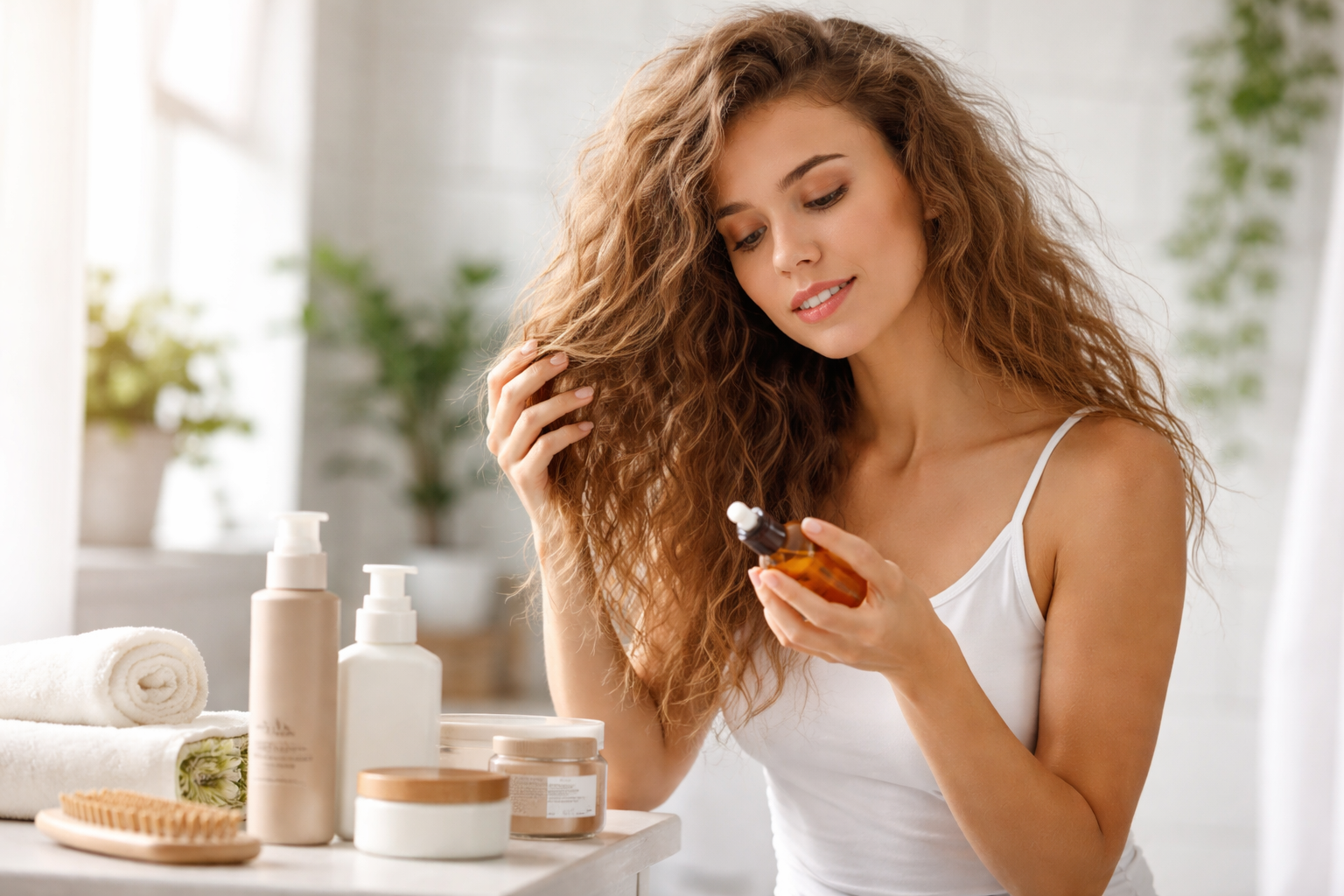
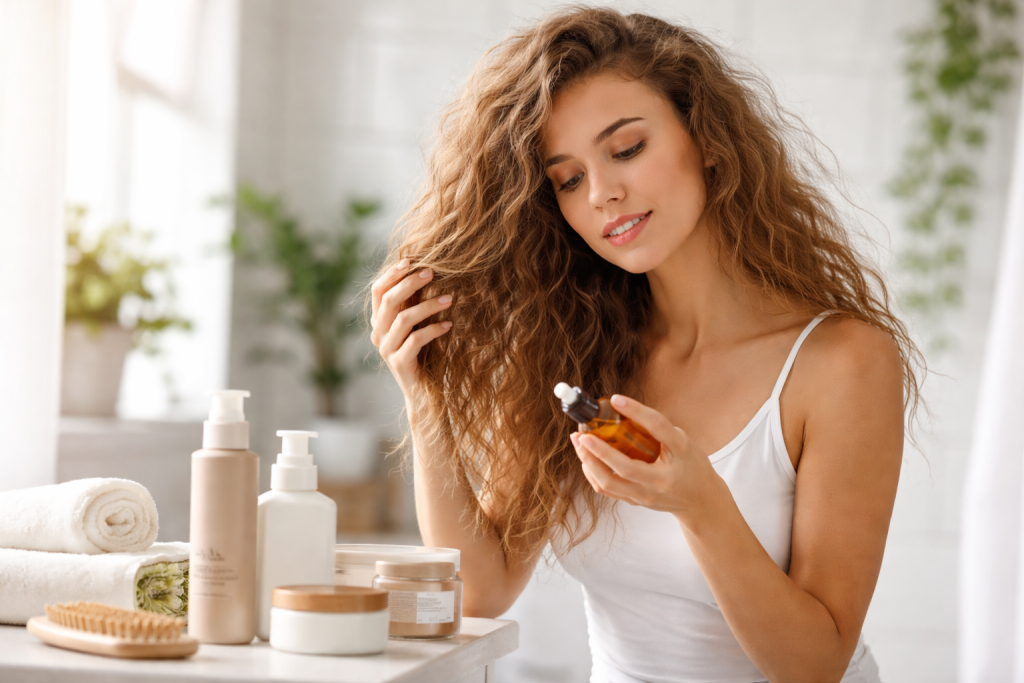
    Often called “liquid gold,” argan oil is rich in antioxidants, vitamin E, and essential fatty acids, making it incredibly beneficial for hair health. It’s lightweight and readily absorbed, providing excellent moisturization without weighing hair down. A few drops of argan oil applied to damp hair can tame frizz, add shine, and protect against environmental damage.

    Jojoba Oil: Mimicking Natural Sebum

    Jojoba oil closely resembles the natural sebum produced by your scalp, making it an excellent choice for balancing oil production and providing lightweight moisture. It’s particularly beneficial for oily scalps that still experience frizzy ends. Apply a small amount to your scalp and ends to nourish without clogging pores.

    Soothing and Smoothing Natural Extracts

    Beyond oils, various plant extracts offer unique benefits for taming frizz and improving hair texture.

    Aloe Vera: The Ultimate Hydrator

    Aloe vera is a hydrating powerhouse, packed with vitamins, minerals, and enzymes that promote healthy hair growth and soothe the scalp. Its gel-like consistency helps to seal the cuticle and provide a gentle hold, making it an excellent natural styling agent. Apply fresh aloe vera gel to damp hair as a leave-in conditioner, or mix it with water for a hydrating spray.

    Honey: A Natural Humectant

    Honey is a natural humectant, meaning it attracts and retains moisture from the air, making it an excellent ingredient for combating frizz. Its emollients also help to smooth the hair shaft, adding shine and softness. Add a tablespoon of honey to your deep conditioning mask for an extra boost of hydration.

    Apple Cider Vinegar: Balancing pH and Sealing Cuticles

    Apple cider vinegar (ACV) is a fantastic natural rinse for balancing the pH of your scalp and hair, which in turn helps to close and flatten the hair cuticles. This results in smoother, shinier hair with less frizz. Dilute ACV with water (1 part ACV to 3-4 parts water) and use it as a final rinse after shampooing and conditioning.

    Even with the best natural treatments, proper styling techniques are crucial for maintaining frizz-free hair and enhancing your natural texture.

    Gentle Drying Techniques

    How you dry your hair can significantly impact frizz levels. Instead of rough towel drying, which can disrupt the cuticle, gently blot your hair with a microfiber towel or a soft cotton t-shirt. These materials absorb excess water without creating friction. If you use a blow dryer, always apply a heat protectant and use a diffuser attachment on a low heat setting. A diffuser disperses the air gently, preventing the hair from being tossed around and minimizing frizz.

    Product Application for Definition and Hold

    The way you apply your styling products can make a huge difference. Apply products to damp, not soaking wet, hair. This ensures proper absorption and even distribution. For curly or wavy hair, scrunching products upwards can help to define curls and reduce frizz. For straighter hair, apply products evenly from mid-lengths to ends, focusing on smoothing the cuticle. Don’t overload your hair with too much product, as this can lead to buildup and dullness.

    Protective Hairstyles for Overnight and Daily Wear

    Protective hairstyles minimize friction and exposure to environmental elements, thereby reducing frizz. For overnight protection, consider sleeping with your hair in a loose bun, a satin bonnet, or on a silk pillowcase. These materials reduce friction and prevent moisture loss. During the day, styles like braids, twists, or updos can protect your hair from wind and humidity, keeping frizz at bay.

    A holistic approach to hair care, beyond just addressing frizz, is vital for long-term health and vibrance. Consistency and awareness are key.

    Regular Trims to Remove Split Ends

    Split ends are a major contributor to frizz, as the damaged ends can travel up the hair shaft, causing more breakage and frizz. Regular trims, ideally every 8-12 weeks, are essential for removing these damaged ends and maintaining the overall health and appearance of your hair. Even if you’re trying to grow your hair long, consistent micro-trims will prevent more significant damage down the line.

    Choosing Sulfate- and Silicone-Free Products

    Sulfates, commonly found in shampoos, are harsh detergents that can strip the hair of its natural oils, leading to dryness and increased frizz. Silicones, while initially giving a shiny appearance, can build up on the hair, preventing moisture from penetrating and ultimately leading to dullness and more frizz. Opt for sulfate-free and silicone-free shampoos and conditioners to ensure gentle cleansing and effective hydration.

    The Role of Diet and Internal Hydration

    True hair health starts from within. A balanced diet rich in vitamins, minerals, and healthy fats is crucial for strong, vibrant hair. Ensure you’re consuming adequate protein, biotin, iron, and omega-3 fatty acids. Just as important is internal hydration; drinking plenty of water throughout the day keeps your entire body, including your hair, well-hydrated. This internal nourishment directly translates to healthier, less frizzy hair.

    The journey to frizz-free, beautiful hair culminates in a place of self-acceptance and appreciation for your natural texture.

    Understanding Your Hair Type and Its Needs

    Every hair type is unique, with its own specific needs and characteristics. Take the time to understand your curl pattern, porosity, and density. This knowledge will empower you to choose the right products and techniques that truly work for your hair, rather than trying to force it into a mold that doesn’t fit. Embrace the individuality of your hair.

    Patience and Consistency in Your Routine

    Transforming frizzy hair into a healthy, smooth mane is not an overnight process. It requires patience, consistency, and a willingness to experiment. Stick with your natural haircare routine for a sustained period before evaluating its effectiveness. Small, consistent changes over time lead to significant improvements. Trust the process and celebrate every small victory.

    Celebrating Your Unique Beauty

    Ultimately, embracing your natural hair texture is about celebrating your unique beauty. Let go of societal pressures to achieve a certain look, and instead, revel in the gorgeous texture you were born with. Your natural hair reflects you, and when you love and care for it, it will shine with health, confidence, and beauty. This journey is not just about hair; it’s about self-love and empowerment.

    FAQs

    1. What are the common causes of frizzy hair?

    Frizzy hair can be caused by a variety of factors, including humidity, heat damage, over-washing, and using harsh hair products. Understanding the causes of frizz can help in finding natural ways to improve hair texture.

    2. How can hydration and moisture help in reducing frizz?

    Hydration and moisture are essential for frizz-free hair. Properly moisturized hair is less prone to frizz, as it helps to smooth the hair cuticle and prevent moisture from entering the hair shaft and causing frizz.

    3. What natural oils and ingredients are beneficial for smoother hair?

    Natural oils such as argan oil, coconut oil, and jojoba oil can help to smooth and nourish the hair, reducing frizz. Ingredients like aloe vera, shea butter, and honey also have moisturizing and smoothing properties that can improve hair texture.

    4. What are some styling tips for managing frizz?

    Styling tips for managing frizz include using a wide-tooth comb to detangle hair, avoiding heat styling tools, using a microfiber towel to dry hair, and opting for hairstyles that minimize manipulation and friction on the hair.

    5. How can one embrace their natural hair texture with confidence and care?

    Embracing natural hair texture involves adopting a healthy hair care routine, using products specifically designed for your hair type, and seeking hairstyles and techniques that enhance your natural texture. Confidence in your natural hair can be cultivated through self-care and positive affirmations.

  • Mastering the Art of Daily Hair Care: Essential Steps for Gorgeous Tresses

    Mastering the Art of Daily Hair Care: Essential Steps for Gorgeous Tresses

    Achieving lustrous, healthy hair isn’t a stroke of luck; it’s the result of consistent, intelligent daily hair care. Like a meticulously cultivated garden, your hair thrives with the right attention, understanding, and nourishment. This comprehensive guide will delve into the multifaceted world of daily hair care, providing you with the knowledge and actionable steps to transform your tresses from ordinary to extraordinary.

    Mastering the Art of Daily Hair Care: Essential Steps for Gorgeous Tresses
    Mastering the Art of Daily Hair Care: Essential Steps for Gorgeous Tresses

    Before embarking on any hair care journey, the foundational step lies in truly understanding your hair. Just as you wouldn’t use a moisturizer designed for oily skin on dry skin, the same principle applies to your hair. Identifying your hair type unlocks the secrets to selecting the most effective products and routines.

    Decoding Your Hair’s Characteristics

    Hair types are broadly categorized by several factors: texture, structure, and porosity. Texture refers to the circumference of individual strands, ranging from fine to medium to thick. Fine hair is delicate and prone to breakage, while thick hair often requires more conditioning. Hair structure defines its shape—straight, wavy, curly, or coily. Each structure has unique needs; straight hair can become greasy quickly, whereas curly and coily hair tend to be drier due to the difficulty of natural oils traveling down the hair shaft. Porosity, perhaps the most crucial characteristic, indicates your hair’s ability to absorb and retain moisture. Low porosity hair has tightly bound cuticles, resisting moisture penetration but also retaining it well once absorbed. High porosity hair, with its raised cuticles, easily absorbs moisture but loses it just as quickly. Understanding these nuances will guide your product choices and application techniques.

    The Impact of Scalp Type

    Beyond the hair itself, the condition of your scalp significantly influences your hair’s health. Is your scalp oily, dry, sensitive, or a combination? An oily scalp might necessitate more frequent washing with clarifying shampoos, while a dry scalp could benefit from moisturizing treatments and gentler formulations. Dandruff, flakiness, or itchiness are all indicators of an underlying scalp issue that needs to be addressed with targeted products designed to restore balance and comfort. Addressing your scalp’s specific needs is paramount, as a healthy scalp is the fertile ground from which healthy hair grows.

    The core of any effective daily hair care routine revolves around consistent cleansing and conditioning. These seemingly simple steps are the bedrock upon which strong, vibrant hair is built. Skipping these fundamental practices can lead to product buildup, an unhealthy scalp environment, and ultimately, dull, lifeless hair.

    The Art of Cleansing: Beyond Just Shampooing

    Washing extends beyond simply lathering up. The frequency of washing depends heavily on your hair type, activity level, and product usage. For oily scalps or active individuals, daily or every-other-day washing might be necessary. Those with dry, curly, or coily hair might find washing once or twice a week sufficient, using co-washing (conditioner-only washing) in between to refresh and moisturize. When shampooing, focus the product primarily on your scalp, gently massaging to dislodge dirt, oil, and product buildup. Allow the lather to run down the length of your hair, but avoid aggressively scrubbing the fragile ends.

    The Vital Role of Conditioning

    Conditioning is non-negotiable. After cleansing, shampoo leaves the hair cuticles slightly raised, making them vulnerable to damage and tangling. Conditioner works to smooth those cuticles, replenish moisture, and improve manageability. Always apply conditioner to the mid-lengths and ends of your hair, as applying it directly to the scalp can weigh down fine hair and lead to greasiness. The duration you leave the conditioner in can vary; some formulations require only a minute or two, while deeper conditioning treatments may need longer. Consistent conditioning not only makes your hair softer and shinier but also provides a protective barrier against environmental aggressors.

    The sheer volume of hair care products available can be overwhelming, but armed with knowledge of your hair type and needs, you can navigate the aisles with confidence. Investing in the right products is an investment in your hair’s health and beauty.

    Tailoring Your Shampoo and Conditioner

    Once you’ve identified your hair type and concerns, selecting the appropriate shampoo and conditioner becomes straightforward. For oily hair, look for clarifying or volumizing shampoos that remove excess oil without stripping too much moisture. Dry hair benefits from moisturizing or hydrating formulations enriched with ingredients like hyaluronic acid, argan oil, or shea butter. Fine hair might require volumizing shampoos and lightweight conditioners, while thick, coarse hair can handle richer, more intense treatments. Color-treated hair demands sulfate-free products to preserve color vibrancy and prevent premature fading. Always read ingredient lists and product descriptions carefully to ensure they align with your specific requirements.

    The Power of Specialized Treatments

    Beyond your daily shampoo and conditioner, specialized treatments can provide targeted solutions for various hair concerns. Hair masks, applied once or twice a week, offer an intensive boost of hydration, repair, or strengthening. Leave-in conditioners provide continuous moisture and protection, particularly beneficial for dry, damaged, or curly hair. Hair oils can add shine, tame frizz, and offer heat protection when used judiciously. Scalp treatments, including clarifying scrubs or nourishing serums, address issues like dryness, flakiness, or excessive oil production, fostering a healthier foundation for hair growth. Incorporating these treatments strategically can significantly enhance your hair’s resilience and appearance.

    Styling is often where hair can suffer the most damage, yet with mindful practices, you can achieve your desired look while maintaining your hair’s health. The key lies in minimizing stress and selecting appropriate techniques and tools.

    Gentle Detangling Techniques

    After washing, hair is at its most fragile. Aggressive brushing or combing can lead to breakage. Always detangle your hair gently, starting from the ends and working your way up to the roots using a wide-tooth comb or a detangling brush. For curly or coily hair, detangling while wet and saturated with conditioner is often the most effective method, minimizing friction and snagging. Never rip through knots; instead, work them out patiently with a gentle hand.

    Strategic Heat Styling Practices

    Heat tools, such as blow dryers, flat irons, and curling wands, can create stunning styles but are a leading cause of hair damage. If you frequently use heat, always apply a heat protectant spray beforehand. This creates a barrier that minimizes direct heat exposure. Opt for ceramic or tourmaline tools that distribute heat more evenly and have adjustable temperature settings. Using the lowest effective temperature for your hair type is crucial. Whenever possible, allow your hair to air dry partially before blow-drying to reduce overall heat exposure time.

    Your hair faces a constant barrage of potential damage from various sources. Proactive protection is essential to maintain its integrity and vibrancy in the long run.

    Shielding Against Heat and Mechanical Stress

    Beyond heat styling, everyday actions can cause mechanical stress. Tight hairstyles, such as high ponytails or braids worn continuously in the same spot, can lead to traction alopecia (hair loss due to constant pulling). Opt for looser styles and vary your hairstyles to distribute stress evenly. Sleeping on a silk or satin pillowcase can also reduce friction and prevent tangles and breakage compared to cotton. When drying your hair with a towel, gently blot and squeeze out excess water instead of vigorously rubbing, which can disrupt the cuticle and cause frizz.

    Environmental Guardianship: Sun and Pollution

    Just like your skin, your hair needs protection from the sun’s harmful UV rays. Prolonged sun exposure can dry out hair, fade color, and degrade protein structures. On sunny days, consider wearing a hat or using hair products with UV filters. Chlorine from swimming pools can strip hair of its natural oils and color. Wetting your hair with clean water and applying a leave-in conditioner before swimming can help create a barrier. Similarly, environmental pollution can deposit damaging particles on your hair, making regular washing even more important to remove these impurities.

    True hair health radiates from within. What you consume plays a significant role in the strength, shine, and growth of your hair. A holistic approach includes both topical care and internal nourishment.

    Fueling Your Follicles: Essential Nutrients

    A balanced diet rich in vitamins, minerals, and proteins is fundamental for healthy hair. Protein is the building block of hair, so ensure adequate intake from sources like lean meats, fish, eggs, legumes, and nuts. Biotin, found in eggs, nuts, and sweet potatoes, is widely recognized for its role in hair health. Vitamins A, C, and E are powerful antioxidants that protect hair follicles from damage and promote scalp health. Iron is crucial for oxygen transport to hair follicles, and a deficiency can lead to hair loss. Zinc, omega-3 fatty acids, and selenium also contribute to optimal hair growth and vibrancy. Incorporate a variety of colorful fruits, vegetables, and whole grains into your diet to provide your body with the essential nutrients it needs for gorgeous hair.

    The Power of Water: Internal Hydration

    Hydration extends beyond topical conditioners. Drinking an adequate amount of water throughout the day is vital for overall health, including the health of your hair. Well-hydrated cells contribute to a healthy scalp and adequately moisturized hair strands. Dehydration can manifest as dry, brittle hair that is more prone to breakage. Aim for at least eight glasses of water daily, and consider herbal teas or electrolyte-rich drinks to further support your body’s hydration levels.

    Synthesizing all these elements into a manageable and effective daily routine is the ultimate goal. Consistency is key; even small, consistent efforts yield remarkable results over time.

    Tailoring Your Personalized Regimen

    Begin by assessing your hair’s current state and your lifestyle. For example, someone with fine, oily hair who exercises daily will have a different routine than someone with thick, dry, curly hair who washes weekly. A basic routine might involve a gentle shampoo and conditioner every 2-3 days, followed by a leave-in conditioner or styling cream, and a heat protectant if styling with heat. Once a week, incorporate a hair mask for deep conditioning. Listen to your hair; if it feels dry, condition more frequently or use richer products. If it feels weighed down, scale back on heavy products.

    The Iterative Process of Hair Care

    Hair care is not a one-size-fits-all solution; it’s an ongoing, iterative process. Your hair’s needs can change due to seasonal shifts, hormonal fluctuations, diet, or environmental exposure. Be observant and willing to adjust your products and techniques accordingly. Experiment with different formulations and application methods until you discover what truly makes your hair thrive. With patience, understanding, and consistent dedication to these essential steps, you too can master the art of daily hair care and unlock the full potential of your gorgeous tresses.

    FAQs

    1. What are the essential steps for daily hair care?

    2. How does understanding your hair type contribute to effective daily hair care?

    3. Why is regular washing and conditioning important for maintaining healthy hair?

    4. How can one choose the right products, such as shampoos, conditioners, and treatments, for their hair?

    5. What are some tips for styling and protecting hair from damage on a daily basis?

  • Self-Care Made Simple: A Beginner’s Guide to Nurturing Your Mind, Body, and Soul

    Self-Care Made Simple: A Beginner’s Guide to Nurturing Your Mind, Body, and Soul

    Self-care is not a luxury; it is a necessity for a fulfilling and healthy life. In our fast-paced world, it’s easy to get caught up in the demands of work, family, and social obligations, often leaving our own well-being at the bottom of the priority list. This guide is designed for beginners, offering simple yet effective strategies to nurture your mind, body, and soul. We’ll explore why self-care is crucial, how to build a routine that suits your individual needs, and practical tips for each aspect of your well-being.

    Self-Care Made Simple: A Beginner's Guide to Nurturing Your Mind, Body, and Soul
    Self-Care Made Simple: A Beginner’s Guide to Nurturing Your Mind, Body, and Soul

    The concept of self-care has gained considerable traction in recent years, but its significance runs much deeper than a trendy buzzword. At its core, self-care is about actively taking steps to protect and improve your own health and happiness. It’s a proactive approach to managing stress, preventing burnout, and fostering resilience. When we consistently neglect our own needs, we deplete our resources, making it harder to cope with life’s challenges and to be present for others. Understanding this fundamental truth is the first step towards making self-care a non-negotiable part of your life.

    The Ripple Effect of Neglect

    When you don’t prioritize your own well-being, the consequences can be far-reaching. Physical ailments, increased susceptibility to illness, mental fatigue, irritability, and a general sense of dissatisfaction are all common outcomes. This depletion doesn’t just affect you; it can strain your relationships and diminish your capacity to contribute meaningfully in other areas of your life. Consider an uncharged phone; it cannot serve its purpose. Similarly, an uncharged you cannot fully engage with the world.

    Self-Care as an Investment, Not an Indulgence

    It’s common to perceive self-care as selfish or a frivolous use of time. However, this perspective is a misconception. Think of self-care as an investment in your most valuable asset: yourself. By dedicating time and energy to your well-being, you are building a stronger foundation for everything else. This allows you to be more effective, more compassionate, and more joyful in all your endeavors. It enables you to show up as your best self for your loved ones and to tackle your responsibilities with greater energy and clarity.

    The idea of a “self-care routine” can sometimes feel daunting, conjuring images of elaborate rituals and time-consuming activities. The reality is that a truly effective self-care routine is one that is personalized and sustainable. It’s not about copying what others do; it’s about discovering what genuinely nourishes you and integrating it into your life in a way that feels manageable and enjoyable.

    Identifying Your Non-Negotiables

    The first step in creating a personalized routine is to understand your individual needs. What are the things that make you feel truly refreshed and grounded? This might involve quiet reflection, physical activity, creative expression, or social connection. Reflect on times when you’ve felt happiest and most energized. What were you doing? These can be clues to your personal self-care anchors. Prioritize activities that address your unique stressors and bring you a sense of peace or rejuvenation.

    The Power of Small, Consistent Steps

    You don’t need to block out hours for self-care to make a difference. Often, small, consistent actions have a more profound impact than sporadic, grand gestures. This might mean incorporating a five-minute meditation into your morning, taking a brisk walk during your lunch break, or spending ten minutes reading a book before bed. The key is consistency. By weaving these small moments of care into the fabric of your day-to-day life, they become habits rather than chores.

    Flexibility and Adaptability

    Life is unpredictable, and so should your self-care routine be. There will be days when your planned activity isn’t feasible. Instead of abandoning your efforts, be flexible. Have a few backup options in mind. If your usual yoga class is cancelled, perhaps a short walk in nature or listening to calming music can serve a similar purpose. The goal is to maintain the spirit of self-care, even if the specific action needs to change. This adaptability prevents your routine from becoming rigid and prone to failure.

    Our mental well-being is as vital as our physical health, yet it often receives less attention. Nurturing your mind involves practices that promote emotional resilience, reduce stress, and foster a sense of inner peace. These are simple but powerful ways to protect your mental state and enhance your overall quality of life.

    The Practice of Mindfulness and Meditation

    Mindfulness is the practice of being fully present in the moment, without judgment. Meditation is a technique that helps cultivate mindfulness. Even a few minutes of deep breathing or focused awareness each day can make a significant difference. It helps to quiet the mental chatter, reduce anxiety, and improve focus. There are numerous guided meditations available online and through apps, making it accessible for beginners.

    Setting Healthy Boundaries

    Learning to say “no” is a crucial aspect of mental self-care. Overcommitting yourself or allowing others to encroach on your personal time can lead to overwhelm and resentment. Setting clear boundaries in your personal and professional life is essential for protecting your energy and mental space. This involves communicating your limits respectfully and consistently enforcing them.

    Engaging in Activities That Spark Joy

    Engaging in hobbies and activities that you genuinely enjoy is a powerful antidote to stress and a significant boost to your mental well-being. Whether it’s painting, gardening, playing a musical instrument, or spending time with pets, these activities allow you to tap into a sense of flow and creativity. They provide a much-needed escape from your daily pressures and contribute to a more balanced and fulfilling life.

    Seeking Professional Support When Needed

    It is important to recognize that self-care also includes knowing when to seek professional help. If you are struggling with persistent feelings of sadness, anxiety, or overwhelming stress, talking to a therapist or counselor can provide invaluable support and coping strategies. There is no shame in seeking professional guidance; it is a sign of strength and self-awareness.

    Our physical bodies are the vessels that carry us through life. Attending to their needs is fundamental to our overall health and ability to function optimally. Physical self-care encompasses a range of practices that promote energy, vitality, and a sense of physical well-being.

    The Importance of Movement and Exercise

    Regular physical activity is one of the most powerful forms of self-care for your body. It doesn’t require grueling workouts or gym memberships. Even a brisk walk for 30 minutes most days of the week can have profound benefits for your cardiovascular health, mood, and energy levels. Find an activity you enjoy, whether it’s dancing, swimming, cycling, or hiking, and make it a consistent part of your routine.

    Prioritizing Sleep and Rest

    Sleep is not a luxury; it is a biological necessity. Adequate sleep is crucial for physical repair, cognitive function, and emotional regulation. Aim for 7-9 hours of quality sleep per night. Establish a relaxing bedtime routine, create a conducive sleep environment, and try to maintain a consistent sleep schedule, even on weekends. Rest periods throughout the day, even short ones, can also help combat fatigue.

    Nourishing Your Body with Healthy Food

    The food we consume directly impacts our energy levels, mood, and overall health. Focus on a balanced diet rich in fruits, vegetables, whole grains, and lean proteins. While occasional treats are perfectly fine, making nutritious choices most of the time will help you feel better both physically and mentally. Hydration is also key; ensure you are drinking enough water throughout the day.

    Listening to Your Body’s Signals

    Your body constantly communicates with you. Paying attention to these signals is a vital aspect of physical self-care. Whether it’s fatigue, pain, or discomfort, these are indicators that something needs attention. Learn to recognize these signals and respond accordingly. This might mean resting, adjusting your activity levels, or seeking medical advice when necessary.

    Nourishing your soul goes beyond the physical and mental. It involves connecting with your inner self, fostering a sense of purpose, and cultivating emotional well-being. These practices help you feel more grounded, connected, and resilient.

    Cultivating Gratitude and Appreciation

    Practicing gratitude is a simple yet profound way to shift your perspective and boost your emotional well-being. Take time each day to reflect on the things you are thankful for, no matter how small. This could be the warmth of the sun, a good cup of coffee, or the support of a friend. Keeping a gratitude journal can be an effective way to nurture this practice.

    Connecting with Nature

    Spending time in nature has a remarkably restorative effect on the soul. Whether it’s a walk in a park, a hike in the mountains, or simply sitting by a body of water, nature provides a sense of peace and grounding. The fresh air, natural sounds, and visual beauty can help to reduce stress and promote a feeling of connection to something larger than yourself.

    Engaging in Creative Expression

    Engaging in creative activities, even if you don’t consider yourself an artist, can be deeply soul-nourishing. This could involve writing, painting, drawing, dancing, singing, or any other form of self-expression. Creativity allows you to tap into your imagination, process emotions, and experience a sense of flow. It’s a way to connect with your inner world and express yourself authentically.

    Practicing Self-Compassion and Forgiveness

    Be kind to yourself. We are often our own harshest critics. Practicing self-compassion means treating yourself with the same kindness and understanding you would offer to a dear friend. This includes acknowledging your mistakes without judgment and extending forgiveness. Forgiving yourself and others is a powerful act of emotional liberation.

    Embarking on a self-care journey is not always smooth sailing. There are common obstacles that can hinder our progress. Recognizing these challenges is the first step towards navigating them effectively.

    The Busyness Barrier

    Many people cite lack of time as their primary reason for not practicing self-care. As we’ve discussed, self-care doesn’t have to be time-consuming. It’s about making intentional choices to integrate it into your existing schedule, even in small increments.

    Guilt and Self-Doubt

    A feeling of guilt can arise when we prioritize our own needs over perceived obligations. Remind yourself that self-care is not selfish. It’s about ensuring you have the energy and capacity to fulfill your responsibilities and to be present for yourself and others. Self-doubt can also creep in, making you question if you “deserve” to take time for yourself. Challenge these negative thought patterns.

    Lack of Motivation

    Sometimes, the sheer effort of initiating a self-care practice can feel overwhelming. Start small. Choose one or two simple activities that feel achievable. The positive feelings you experience from these small acts can be a powerful motivator to continue.

    Transforming self-care from an occasional thought to a consistent habit requires intention and strategy. By making it a priority, you invest in your long-term well-being and create a more fulfilling life.

    Schedule It In

    Just as you would schedule a doctor’s appointment or a meeting, schedule your self-care activities. Block out time in your calendar for your chosen practices, and treat these appointments with yourself as non-negotiable.

    Start Small and Build Momentum

    Don’t try to overhaul your entire life overnight. Begin with one or two simple self-care practices that appeal to you. As you experience the benefits, you’ll be more motivated to incorporate additional activities. Celebrate your small wins along the way.

    Integrate It into Existing Routines

    Look for opportunities to weave self-care into your current daily activities. For example, practice deep breathing while commuting, listen to a podcast while doing chores, or enjoy a mindful meal during your lunch break.

    Be Accountable

    Share your self-care goals with a trusted friend or family member. Having someone to check in with can provide accountability and encouragement. You can also explore online communities or accountability partners.

    Reassess and Adjust Regularly

    Your needs will change over time. Periodically review your self-care routine to ensure it’s still serving you. Don’t be afraid to make adjustments as needed. This ongoing assessment keeps your self-care practices relevant and effective. Embracing self-care is a journey, not a destination. By understanding its importance, creating a personalized approach, and consistently nurturing your mind, body, and soul, you can build a life filled with greater balance, resilience, and joy.

    FAQs

    What is self-care and why is it important?

    Self-care refers to the practice of taking deliberate action to preserve or improve one’s own health. It is important because it helps to reduce stress, improve overall well-being, and prevent burnout.

    How can I create a self-care routine that works for me?

    Creating a self-care routine that works for you involves identifying activities that bring you joy, relaxation, and fulfillment. It’s important to experiment with different self-care practices and tailor them to fit your individual needs and preferences.

    What are some mental health self-care tips for nurturing the mind?

    Some mental health self-care tips for nurturing the mind include practicing mindfulness, engaging in activities that bring joy, seeking professional help when needed, setting boundaries, and practicing self-compassion.

    What are some physical self-care practices for caring for the body?

    Physical self-care practices for caring for the body include getting regular exercise, eating a balanced diet, getting enough sleep, practicing good hygiene, and seeking medical care when necessary.

    How can I overcome common self-care challenges and make self-care a priority in my daily life?

    To overcome common self-care challenges and make self-care a priority, it’s important to identify and address any barriers to self-care, set realistic goals, establish boundaries, seek support from others, and practice self-compassion. Additionally, incorporating self-care into your daily routine and scheduling time for self-care activities can help make it a priority.

  • 5 Essential Natural Hair Care Habits for Long-Term Growth and Health

    5 Essential Natural Hair Care Habits for Long-Term Growth and Health

    Growing and maintaining healthy natural hair is a journey that requires dedication, understanding, and consistent care. While genetics play a role, the right habits can significantly influence hair growth, strength, and overall vitality. This comprehensive guide outlines the five essential natural hair care habits crucial for achieving long-term growth and maintaining enviable health.

     Natural Hair Care Habits for Long
    Natural Hair Care Habits for Long

    The way you cleanse and detangle your natural hair sets the stage for its overall health. Aggressive washing or harsh manipulation can lead to breakage, frizz, and stunted growth. Understanding and implementing gentle techniques is paramount.

    Understanding Your Hair’s Needs for Cleansing

    Natural hair, particularly textured hair, tends to be drier than straight hair types due to the way its coils or curls prevent natural oils from traveling down the hair shaft effectively. This characteristic means that traditional, sulfate-heavy shampoos, designed to strip away oil, can be incredibly detrimental. Instead, focus on cleansing methods that prioritize moisture and minimize stripping.

    Co-washing vs. Low-Poo Shampoos

    For many with natural hair, co-washing (conditioning washing) has become a staple. This involves using a conditioning cleanser instead of a traditional shampoo, which gently cleanses the scalp and hair without removing essential moisture. Co-washes typically contain mild surfactants and a high concentration of conditioning agents, leaving hair feeling soft and moisturized. However, co-washing exclusively might lead to product buildup over time, especially if you use heavier styling products. This is where low-poo shampoos come in. These shampoos contain gentle, sulfate-free cleansers that effectively remove dirt and buildup without stripping the hair’s natural oils. These shampoos are an excellent alternative for individuals who find that co-washing alone does not provide sufficient cleansing or for those who occasionally need a deeper clean.

    Pre-Poo Treatments for Added Protection

    Before even stepping into the shower, consider incorporating a pre-poo treatment. This involves applying a conditioning treatment—often a natural oil like coconut or olive oil, or a specialized pre-shampoo product—to dry hair before cleansing. The pre-poo acts as a protective barrier, reducing friction during the shampooing process and preventing the shampoo from stripping too much moisture. It helps to soften the hair, making it easier to detangle and less prone to breakage. Leaving a pre-poo on for 15-30 minutes, or even overnight for a deeper treatment, can make a significant difference in how your hair feels after washing.

    Mastering Detangling for Minimal Breakage

    Detangling is often the most dreaded part of a natural hair routine, but it doesn’t have to be. With the right technique and tools, you can minimize breakage and stress on your strands.

    Always Detangle on Wet or Damp, Conditioned Hair

    Never attempt to detangle dry natural hair. Dry hair is rigid and prone to snapping. The optimal time for detangling is when your hair is wet or damp and saturated with a generous amount of conditioner or a dedicated detangling product. The conditioner provides slip, allowing your fingers or tools to glide through knots more easily. Work in small sections to ensure thorough and gentle detangling.

    The Finger Detangling Advantage

    While combs and brushes have their place, finger detangling offers a level of sensitivity that tools cannot replicate. Your fingers can feel knots and tangles, allowing you to gently work them out without blindly ripping through your hair. Untangle your hair from the ends to the roots. Once major tangles are removed, you can follow up with a wide-tooth comb or a detangling brush for a smoother finish, always ensuring to hold the hair at the root to minimize tension on the scalp.

    Moisture is the lifeblood of natural hair. Without adequate hydration, hair becomes dry, brittle, and susceptible to breakage, hindering growth. Prioritizing moisture retention is non-negotiable.

    The LOC/LCO Method for Optimal Hydration

    The LOC (Liquid, Oil, Cream) or LCO (Liquid, Cream, Oil) method is a popular and effective technique for layering products to seal in moisture. The principle behind both methods is to apply products in an order that maximizes moisture retention.

    Understanding the Layers of Hydration

    The “liquid” component typically refers to water, a water-based leave-in conditioner, or a hydrating mist. This is the primary source of hydration for your hair. The “oil” layer acts as a sealant, creating a barrier that locks in the moisture from the liquid. Jojoba, argan, grapeseed, or olive oil are excellent choices for this step, chosen based on their molecular size and how well they penetrate or seal the hair shaft. Finally, the “Cream” component provides extra moisture and helps to further seal everything in. This ingredient could be a curl cream, styling cream, or a thicker leave-in conditioner. The difference between LOC and LCO lies in whether the oil or cream is applied first after the liquid. Experiment to see which order works best for your hair’s porosity and texture. Low porosity hair might prefer LCO, as creams can penetrate better than oils, while high porosity hair might benefit from LOC to seal in moisture more effectively.

    Deep Conditioning for Intensive Nourishment

    Beyond regular conditioning, deep conditioning treatments are vital for infusing intense moisture and nutrients into your hair strands. These treatments help to repair damage, improve elasticity, and strengthen the hair.

    Harnessing the Power of Heat for Deeper Penetration

    Applying heat during your deep conditioning treatment significantly enhances its effectiveness. Heat opens up the hair cuticles, allowing the conditioning ingredients to penetrate deeper into the hair shaft. This can be achieved using a hooded dryer, a steamer, or even just by covering your hair with a plastic cap and wrapping a warm towel around it. Aim to deep condition at least once a week, or more frequently if your hair is particularly dry or damaged. Look for deep conditioners rich in natural oils, butters, proteins (if your hair needs them), and humectants to draw moisture from the air.

    Constant manipulation, pulling, and rubbing can lead to friction and breakage. Protective styles offer a reprieve for your hair, promoting growth by reducing external stress.

    The Philosophy Behind Protective Styles

    A true protective style tucks away your delicate ends, which are the oldest and most fragile parts of your hair. This minimizes exposure to environmental aggressors, reduces tangling, and prevents over-manipulation. Examples include braids, twists, buns, and updos.

    The Importance of Not Over-styling

    While protective styles are beneficial, it’s especially important that they are not too tight, as this can cause tension alopecia and breakage along the hairline. Give your edges some rest. Furthermore, leaving protective styles in for too long without proper cleansing and moisturizing can lead to buildup and dryness. The goal is to protect, not neglect. Ensure your hair and scalp are clean and moisturized before installing a protective style, and gently cleanse and moisturize regularly while it’s in. Give your hair a break between styles to breathe and receive direct moisture.

    Low Manipulation as a Daily Practice

    Even when not in a full protective style, practicing low manipulation in your daily routine is key. This means avoiding excessive brushing, combing, or touching your hair throughout the day.

    Gentle Styling and Sleep Habits

    Opt for styles that require minimal effort to maintain daily, such as simple puffs, buns, or twists. When styling, be gentle and use seamless hair ties to prevent snagging. At night, protect your hair by sleeping on a silk or satin pillowcase or by wearing a silk or satin bonnet or scarf. Cotton absorbs moisture from your hair and creates friction, leading to frizz and breakage, whereas silk and satin allow your hair to glide without resistance, preserving moisture and preventing tangles.

    While counterintuitive to growth, regular trims are absolutely essential for maintaining healthy ends and facilitating long-term growth. Neglecting trims leads to split ends traveling up the hair shaft, causing more significant damage and requiring a larger trim in the long run.

    The Role of Trims in Healthy Hair Growth

    You might be growing hair from your scalp, but if the ends are constantly breaking off, you’ll never see the length you desire. Trims remove damaged, split, or thinning ends, which are prone to tangling and breaking.

    Identifying When a Trim is Needed

    Look for signs such as excessive tangles, rough-feeling ends, ends that are thinner than the rest of your hair, or visible split ends. While there’s no set schedule, many natural hair enthusiasts trim every 3–6 months. However, listen to your hair; some may need more frequent trims, others less. Seek a stylist who is experienced in natural hair and understands the importance of dusting versus significant cuts. A good “dusting” only removes the absolute minimum needed to eliminate damaged ends.

    True hair health extends beyond topical products. What you put into your body and how you care for your scalp are fundamental to healthy hair growth.

    Fueling Hair Growth from Within

    Your hair is a reflection of your overall health. A diet rich in essential nutrients is critical for strong, vibrant hair.

    Essential Nutrients for Hair Health

    Ensure your diet includes adequate protein, as hair is primarily made of protein. Biotin, found in eggs, nuts, and sweet potatoes, is known for its role in hair strength. Iron-rich foods like spinach and lean meats prevent anemia, which can lead to hair shedding. Omega-3 fatty acids, found in fatty fish and flaxseeds, contribute to a healthy scalp and shiny hair. Vitamins A, C, D, and E also play crucial roles in hair follicle health and cell regeneration. Staying well-hydrated by drinking plenty of water also contributes to the overall health and elasticity of your hair.

    Consistent Scalp Care and Massage

    A healthy scalp is the foundation for healthy hair growth. Neglecting your scalp can lead to issues like dryness, irritation, and clogged follicles that impede growth.

    Promoting Blood Circulation Through Massage

    Regular scalp massages promote blood circulation, which delivers vital nutrients and oxygen to the hair follicles and stimulates growth. You can incorporate scalp massages into your routine using your fingertips, either during shampooing or by using a specialized scalp massager. Adding a few drops of a stimulating essential oil like peppermint or rosemary (diluted in a carrier oil like jojoba or almond) can further enhance the benefits of a scalp massage.

    Incorporating Natural Oils for Scalp Health

    Natural oils offer numerous benefits for the scalp. Jojoba oil closely mimics the scalp’s natural sebum, making it an excellent moisturizer. Tea tree oil has antifungal and antibacterial properties, helpful for addressing scalp issues. Castor oil is known for its hair growth-promoting properties. Apply these oils directly to the scalp and gently massage them in. Leave them on for at least an hour or overnight before washing for maximum benefit. Regular, gentle exfoliation of the scalp can also help remove dead skin cells and product buildup, encouraging healthier growth.

    FAQs

    1. What are the essential natural hair care habits for long-term growth and health?

    The essential natural hair care habits for long-term growth and health include gentle cleansing and detangling techniques, moisture retention and hydration, protective styling and low manipulation, regular trimming and maintenance, proper nutrition and hydration for hair health, incorporating natural oils and ingredients, and consistent scalp care and massage techniques.

    2. How can I gently cleanse and detangle my natural hair?

    To gently cleanse and detangle natural hair, it is important to use sulfate-free shampoos, detangle with a wide-tooth comb or fingers while hair is wet and conditioned, and avoid using heat tools or harsh brushing techniques. Additionally, using a pre-poo treatment and deep conditioning regularly can help with detangling and maintaining moisture.

    3. What are some tips for moisture retention and hydration for natural hair?

    To retain moisture and keep natural hair hydrated, it is important to use water-based moisturizers, seal in moisture with natural oils such as coconut oil or jojoba oil, deep condition regularly, and use a satin or silk scarf or pillowcase to prevent moisture loss while sleeping.

    4. How can I protect my natural hair and minimize manipulation for long-term growth?

    To protect natural hair and minimize manipulation, it is recommended to use protective styles such as braids, twists, or buns; avoid excessive heat styling and tight hairstyles; and limit the use of hair accessories that can cause breakage. Additionally, using satin or silk scrunchies and avoiding constant touching or pulling of the hair can help minimize manipulation.

    5. What role do proper nutrition and hydration play in maintaining healthy natural hair?

    Proper nutrition and hydration play a crucial role in maintaining healthy natural hair. Consuming a balanced diet rich in vitamins, minerals, and protein; staying hydrated by drinking plenty of water; and incorporating foods that promote hair health, such as avocados, nuts, and leafy greens, can all contribute to the overall health and growth of natural hair.

  • Beauty on the Go: How to Look Polished in Minutes

    Beauty on the Go: How to Look Polished in Minutes

    In today’s fast-paced world, the pursuit of a polished appearance often feels like a luxurious indulgence reserved for those with endless time. Yet, the reality is that looking put-together doesn’t require hours of meticulous effort. Even with limited time, anyone can achieve a sophisticated and refined look with the right strategies, multitasking products, and a few clever hacks. This guide delves into the art of “beauty on the go,” offering practical advice for busy individuals to maintain an elegant demeanor from dawn until dusk.

    Beauty on the Go
    Beauty on the Go

    multitaskingCreating a polished aesthetic is less about applying layers of makeup and more about strategic enhancement. It’s about highlighting your best features and ensuring a fresh, well-groomed overall impression that exudes confidence. The key lies in efficiency and effectiveness—choosing products and techniques that deliver maximum impact with minimal fuss.

    Achieving a polished makeup look in mere minutes is entirely possible with a focused approach. The goal is to enhance, not mask, your natural beauty. By prioritizing a few key areas, you can create a fresh and refined face that looks effortlessly put-together.

    The Foundation of Freshness: Skin Prep and Base

    Before any makeup application, a clean and hydrated canvas is crucial. Begin with a quick splash of cold water or a gentle swipe of micellar water to awaken your skin. Follow with a lightweight moisturizer that absorbs quickly, providing a smooth base for subsequent products. For an added boost of radiance and a protective barrier, consider a tinted moisturizer or a CC cream. These multitasking wonders offer light coverage, hydration, and often SPF, addressing several needs simultaneously. They even out skin tone without feeling heavy, allowing your natural skin to shine through. If you have areas requiring more coverage, a targeted dab of concealer on blemishes or under-eye circles is far more effective and time-saving than a full-face foundation. Blend seamlessly with your fingertips or a damp beauty sponge for a natural finish.

    Eyes That Sparkle: Simple Yet Striking

    The eyes are often the focal point of a polished look. Even with limited time, you can make them appear bright and alert. Start with a quick curl of your eyelashes—this simple step instantly opens up the eyes. Follow with one or two coats of a lengthening or volumizing mascara. Brown or black mascara offers a classic, defined look. For an extra touch of sophistication, a neutral eyeshadow shade, such as a shimmery champagne or a matte taupe, swept across the lid can add depth and brightness without demanding precise application. If you have a few extra seconds, a finely tipped eyeliner pencil or a brown eyeshadow applied with an angled brush can subtly define the lash line, creating the illusion of fuller lashes without the commitment of a winged liner. Remember, the goal is enhancement, not elaborate artistry.

    Brows and Lips: The Finishing Touches

    Well-groomed brows frame the face beautifully and contribute significantly to a polished appearance. A quick brush through with a spoolie brush is often enough to tame unruly hairs. If your brows need a little extra definition, a brow gel or a tinted brow mascara can fill in sparse areas and hold them in place. For a subtle yet impactful lip, opt for a tinted lip balm or a nude lipstick that complements your natural lip color. These options add a touch of color and hydration without requiring meticulous application or frequent touch-ups. If you’re feeling adventurous, a pop of a classic red or berry lipstick can instantly elevate your entire look, transforming a casual outfit into something more chic.

    Optimizing your morning routine is paramount for achieving a polished look without sacrificing precious sleep. The key is to streamline, repurpose, and embrace efficient techniques that deliver maximum impact.

    Skincare Shortcuts for a Radiant Glow

    A robust skincare routine doesn’t have to be a lengthy affair. Invest in products that serve multiple purposes. Overnight masks, for example, allow you to wake up to hydrated and glowing skin with zero morning effort. You can complete a simple three-step routine of cleansing, toning, and moisturizing in under five minutes in the morning. For cleansers, opt for gentle formulas that don’t strip your skin, reducing the need for extensive post-cleansing steps. A hydrating toner mist can refresh and prepare your skin for subsequent products. Finally, a broad-spectrum SPF moisturizer is non-negotiable, protecting your skin while providing essential hydration. Consider serums that target multiple concerns, such as a vitamin C serum that brightens and protects or a hyaluronic acid serum that deeply hydrates. These concentrated formulas deliver potent ingredients quickly.

    Hair Hacks for Effortless Style

    When time is short, intricate hairstyles are out. Embrace styles that require minimal effort but look intentionally chic. Dry shampoo is your best friend on non-wash days; it absorbs oil, adds volume, and refreshes your hair in an instant. A sleek low ponytail or bun can be created in less than a minute and always looks sophisticated. For a softer look, a loose braid or half-up style can be achieved quickly. Invest in heat protectant sprays that also offer hold or shine, combining multiple steps into one. If you must use heat tools, focus on the areas that frame your face, such as your fringe or the top layers of your hair, rather than an entire head of curls or straightening. For those with naturally wavy or curly hair, a leave-in conditioner or a styling cream can define your curls with minimal work, allowing them to air dry beautifully.

    The secret to maintaining a polished appearance throughout the day lies in the strategic use of multitasking products. These versatile heroes save space in your bag and offer quick fixes for various beauty woes.

    The Power of Dual-Purpose Products

    Look for items that can serve more than one function. A tinted lip and cheek balm, for instance, adds a healthy flush to both areas, instantly brightening your complexion. A cream eyeshadow stick can be used as an eyeliner or a subtle eyeshadow. Bronzer can double as an eyeshadow, adding warmth and definition to the eyes. A clear brow gel can not only tame brows but also smooth flyaways or give a natural sheen to lashes. Even a simple face mist can refresh your makeup, rehydrate your skin, and provide a quick energy boost. These products are your travel companions, ensuring you’re always ready for anything.

    Emergency Touch-Up Essentials

    Beyond multi-taskers, a small pouch of emergency touch-up essentials can be a lifesaver. Blotting papers are invaluable for absorbing excess oil without disturbing your makeup, preventing shine, and maintaining a fresh look. A mini concealer stick can quickly address any unexpected blemishes or touch up under-eye circles that may appear throughout the day. A travel-size dry shampoo can rescue hair that’s gone flat or greasy. Of course, a quick color refresh can be achieved with your carefully chosen lip product. These carefully chosen items ensure you can face any challenge with confidence and composure.

    Looking polished isn’t solely about makeup and hair; your clothing plays a significant role. Even the most basic outfit can be transformed into a sophisticated ensemble with a few strategic adjustments.

    The Impact of Accessories

    Accessories play a crucial role in creating a polished look. A well-chosen scarf can add a pop of color and texture, instantly elevating a simple top. A classic watch or a delicate necklace can convey an air of refinement. A structured handbag, even a small one, looks more polished than a worn backpack. The key is quality over quantity; a few well-made accessories will go further than many cheap ones. Ensure your accessories are clean, in good repair, and complement your outfit rather than competing with it. Remember that shoes also fall under accessories, and clean, well-maintained footwear can make a significant difference to your overall presentation.

    The Power of Understated Elegance

    A polished appearance often stems from understated elegance. This means choosing clean lines, well-fitting clothes, and neutral colors or classic patterns. Avoid garments that are too baggy or too tight, as they can detract from a sophisticated impression. Ironed or steamed clothes instantly look more put-together than wrinkled ones. Pay attention to details such as buttons, seams, and hems; ensuring these are neat and tidy contributes to a refined aesthetic. A simple blazer or a tailored jacket can instantly elevate any outfit, from jeans to a dress, providing structure and sophistication. The overall impression should be one of thoughtful simplicity, not over-the-top extravagance.

    The challenge isn’t just about achieving a polished look initially but also about maintaining it as the day progresses. With a few proactive measures and smart habits, you can keep that fresh, put-together impression going strong.

    Strategic Touch-Ups and Preventative Measures

    Preparation is key. Before leaving the house, ensure your makeup is set with a setting spray, which locks everything in place and extends wear. Throughout the day, avoid touching your face excessively, as your skin can transfer oils and smudges. If you tend to get shiny, a quick blot with blotting papers or a light dusting of translucent powder in your T-zone can keep oil at bay. For lipstick, reapply as needed, perhaps opting for a slightly more pigmented shade in the afternoon to refresh your overall look. Carry a small hairbrush or comb to smooth out any flyaways that appear. A small spritz of a face mist can revive tired-looking makeup and hydrate your skin.

    Hydration and Posture: The Unsung Heroes

    Beyond products, two non-negotiable habits contribute significantly to a polished appearance: hydration and good posture. Drinking plenty of water throughout the day keeps your skin looking plump and radiant from within. Dehydration can lead to dull skin and overall fatigue. Good posture, on the other hand, instantly makes you look more confident, alert, and put-together. Stand tall with your shoulders back and head held high. This not only projects an image of self-assurance but also can make your clothes hang better. These simple, often overlooked habits are fundamental to maintaining an effortlessly polished presence and truly embody the essence of beauty on the go.

    FAQs

    1. What are some time-saving hair and skincare routines for busy mornings?

    Some time-saving hair and skincare routines for busy mornings include using dry shampoo to refresh hair, opting for a tinted moisturizer with SPF for a quick and easy skincare routine, and using multi-tasking beauty products like a 2-in-1 cleanser and toner.

    2. What are the best multi-tasking beauty products for on-the-go touch-ups?

    The best multi-tasking beauty products for on-the-go touch-ups include a tinted lip balm that adds color and hydration, a cream blush that can also be used on the lips, and a concealer that can double as a highlighter.

    3. How can I elevate my outfit for a polished appearance in a quick and effortless way?

    You can elevate your outfit for a polished appearance by adding a statement accessory like a bold necklace or scarf, opting for tailored pieces like a blazer or structured pants, and choosing classic, neutral colors for a sophisticated look.

    4. What are some beauty hacks for looking polished when you’re short on time?

    Some beauty hacks for looking polished when you’re short on time include using a tinted moisturizer with SPF for quick coverage and sun protection, applying a coat of mascara to open up the eyes, and using a tinted brow gel to define and shape the brows.

    5. How can I maintain a polished look throughout the day?

    You can maintain a polished look throughout the day by carrying blotting papers to control shine, using a setting spray to keep makeup in place, and doing quick touch-ups like reapplying lipstick or refreshing your hairstyle.

  • Beauty Care 101: Step-by-Step Tips for a Simple and Effective Routine

    Beauty Care 101: Step-by-Step Tips for a Simple and Effective Routine

    Embarking on the journey of beauty care can feel daunting, especially when faced with an overwhelming array of products and conflicting advice. However, achieving healthy, radiant skin and hair doesn’t require a complicated, time-consuming regimen. At its core, effective beauty care is about understanding your individual needs and employing simple, consistent practices. This guide is designed to demystify the process, offering a foundational understanding and actionable steps for beginners to build a simple yet powerful routine that enhances your natural beauty and promotes overall well-being.

    Beauty Care
    Beauty Care

    The first step in any successful beauty regimen is to learn the basic principles that govern healthy skin and hair. This isn’t about chasing fleeting trends; it’s about establishing a solid foundation that supports your body’s natural processes. Think of it as building a house—you need a strong base before you can add the decorative elements. Understanding your skin type is paramount. Is it oily, dry, combination, or sensitive? Knowing this will dictate the types of products you choose. Oily skin may benefit from lightweight, oil-free formulations, while dry skin will crave richer, more emollient products. Combination skin requires a dual approach, often addressing different areas with specialized treatments. Sensitive skin demands gentle, fragrance-free ingredients to avoid irritation. Similarly, understanding your hair type—fine, coarse, straight, wavy, curly, or coily—is crucial for selecting appropriate shampoos, conditioners, and styling products.

    Identifying Your Skin Type: The Foundation of Effective Care

    The process of identifying your skin type is a detective game. After cleansing your face, wait about an hour without applying any products. Observe how your skin feels and looks. If it feels tight and flaky, you likely have dry skin. If it appears shiny all over, especially in the T-zone (forehead, nose, and chin), it’s probably oily. If your T-zone is oily but your cheeks are dry or normal, you have combination skin. If your skin feels comfortable and balanced, you’re likely blessed with normal skin. For sensitive skin, you might notice redness, itching, or stinging reactions to products or environmental factors.

    Understanding Hair Types and Needs

    Much like skin, hair exhibits a diverse range of types, each with unique requirements. Fine hair can easily be weighed down, necessitating volumizing products. Coarse hair often benefits from moisturizing treatments to combat dryness and frizz. Straight hair tends to be more oily, while wavy, curly, and coily hair patterns can be prone to dryness due to the natural oils having a harder time traveling down the hair shaft. Recognizing these characteristics will help you make informed choices about your hair care arsenal.

    Cleansing is the bedrock of any skincare routine. It’s about removing dirt, oil, makeup, and impurities that accumulate on your skin throughout the day. Neglecting this crucial step can lead to clogged pores, breakouts, and dull-looking skin. Exfoliation, when done correctly, complements cleansing by removing dead skin cells that can prevent newer, healthier cells from reaching the surface.

    The Art of Cleansing: Removing Impurities Effectively

    The primary goal of cleansing is to purify the skin without stripping it of its natural moisture barrier. For most people, a gentle cleanser used twice daily—once in the morning and once before bed—is sufficient. If you wear makeup, a double-cleansing method is highly recommended. This involves using an oil-based cleanser or micellar water first to break down makeup and SPF, followed by a water-based cleanser to remove any remaining residue. Always use lukewarm water, as hot water can be drying and irritating. Gently massage the cleanser into your skin, moving in upward, circular motions. Rinse thoroughly and pat your face dry with a clean, soft towel. Avoid rubbing, which can cause friction and irritation.

    Exfoliation: Unveiling Smoother, Brighter Skin

    Exfoliation helps to slough away dead skin cells, revealing a smoother, brighter complexion and improving the absorption of other skincare products. There are two main types of exfoliants: physical and chemical. Physical exfoliants, like scrubs containing finely ground particles, provide a more immediate, tactile exfoliation. Chemical exfoliants, which often contain ingredients like alpha-hydroxy acids (AHAs) or beta-hydroxy acids (BHAs), work by dissolving the bonds between dead skin cells. For beginners, it’s best to start with gentle exfoliants, using them only once or twice a week. Over-exfoliation can damage the skin barrier, leading to increased sensitivity, redness, and breakouts. Pay attention to your skin’s response; if you experience any irritation, reduce the frequency or switch to a milder formula.

    Once your skin is cleansed and free of impurities, it’s time to replenish and protect it. Moisturizing is essential for all skin types, as it helps to maintain hydration and support the skin’s natural barrier function. Serums, on the other hand, are potent formulations designed to target specific skin concerns with concentrated active ingredients.

    The Importance of Hydration: Choosing Your Perfect Moisturizer

    A good moisturizer acts like a protective shield, preventing water loss and keeping your skin supple and comfortable. For oily or acne-prone skin, look for lightweight, oil-free, non-comedogenic lotions or gels. These formulations provide hydration without feeling heavy or clogging pores. Dry skin will benefit from richer creams and ointments that are packed with emollients and humectants to deeply hydrate and nourish. Combination skin might do well with a lighter moisturizer for the T-zone and a slightly richer one for drier areas. Sensitive skin requires moisturizers with minimal ingredients, free of fragrance, parabens, and harsh chemicals. Always apply moisturizer to slightly damp skin to maximize its hydrating benefits.

    Unlocking Potency: The World of Serums

    Serums are your concentrated shot of skincare goodness. Their lightweight texture allows them to penetrate deeper into the skin, delivering active ingredients where they are most needed. Vitamin C serums are popular for their antioxidant and brightening properties. Hyaluronic acid serums are excellent for boosting hydration. Niacinamide serums can help improve pore appearance, regulate oil production, and strengthen the skin barrier. Retinol (a form of vitamin A) is a powerful ingredient for anti-aging and acne treatment, but it requires a gradual introduction due to its potential for irritation. When incorporating serums, apply them after cleansing and before moisturizing. Start with one or two key ingredients that address your primary concerns and introduce new serums slowly to gauge your skin’s reaction.

    Sun protection is arguably the most critical step in any beauty care routine. The sun’s ultraviolet (UV) rays are a primary cause of premature aging, hyperpigmentation, and, most importantly, skin cancer. Consistent sun protection goes far beyond preventing sunburn.

    The Daily Shield: Mastering Sunscreen Application

    Wearing sunscreen every single day, regardless of the weather or whether you’re indoors, is non-negotiable. Opt for a broad-spectrum sunscreen with an SPF of 30 or higher. “Broad-spectrum” means it protects against both UVA (aging) and UVB (burning) rays. Apply it generously as the last step in your morning skincare routine, at least 15 minutes before sun exposure. Don’t forget often-missed areas like your ears, neck, and the backs of your hands. Reapply sunscreen every two hours when outdoors, or more frequently if you’re swimming or sweating. There are various formulations available, including chemical and mineral sunscreens, as well as tinted options that can offer light coverage. Experiment to find one that suits your skin type and preference.

    Beyond Sunscreen: Additional Protective Strategies

    While sunscreen is paramount, other measures further safeguard your skin. Protective clothing, such as wide-brimmed hats and UV-protective clothing, offers an additional layer of defense. Seeking shade during peak sun hours (typically between 10 am and 4 pm) is also a wise strategy. Antioxidant-rich skincare ingredients, like Vitamin C in your serums, can help neutralize free radical damage caused by UV exposure, offering an internal boost to your skin’s resilience. Avoiding tanning beds altogether is crucial, as they emit harmful UV radiation that significantly increases the risk of skin cancer.

    Makeup, when used thoughtfully, can enhance your natural features and boost your confidence. The key to a simple and polished look is to focus on enhancing what you have, rather than masking it. This approach favors a “less is more” philosophy.

    The Everyday Canvas: Preparing Your Skin for Makeup

    Before applying any makeup, ensure your skin is clean, moisturized, and has sunscreen applied. A well-prepped canvas is crucial for smooth makeup application and longevity. If you have uneven skin tone or redness, a primer can help create a uniform base and improve makeup adherence. For those with dry skin, a hydrating primer can add an extra layer of moisture. An illuminating primer can impart a subtle glow for a dewy finish.

    Effortless Elegance: Building a Minimalist Makeup Routine

    Start with a lightweight foundation or tinted moisturizer to even out your skin tone without feeling heavy. If you prefer more coverage, a concealer can be used strategically to cover blemishes or under-eye circles. For blush, opt for cream or liquid formulations for a natural, dewy flush of color. A touch of bronzer can add warmth to the complexion, while a subtle highlighter can bring light to the high points of your face. For eyes, a simple coat of mascara can open up your eyes. Consider a neutral eyeshadow or a subtle winged eyeliner for added definition. For lips, a tinted balm or a neutral lipstick can complete the look. The goal is to look like a more polished, refreshed version of yourself.

    Just like your skin, your hair requires consistent care to remain healthy, strong, and vibrant. The right hair care routine can prevent damage, promote growth, and enhance your hair’s natural texture and shine.

    The Foundation of Cleanliness: Washing and Conditioning Wisely

    The frequency of washing your hair depends on your individual needs. Overwashing can strip the hair of its natural oils, leading to dryness and breakage. Under-washing can result in a greasy scalp and buildup. Experiment to find what works best for you. When you do wash, choose a shampoo and conditioner formulated for your hair type. For example, color-treated hair needs sulfate-free shampoos to prevent the color from fading. Curly hair often benefits from moisturizing conditioners and co-washing (washing with conditioner only). Always rinse your conditioner thoroughly to prevent any residue buildup.

    Beyond the Wash: Treatments and Styling for Healthy Strands

    Deep conditioning treatments and hair masks can provide intense nourishment and repair damaged hair. These are typically used once a week or as needed. Heat styling—blow-drying, straightening, or curling—can cause significant damage. Always use a heat protectant spray before applying any heat. Air-drying when possible is ideal. Avoid excessive brushing, especially when hair is wet, as this can lead to breakage. Gentle styling techniques, like using wide-tooth combs and satin scrunchies, can minimize damage. Regular trims are also essential to remove split ends and keep your hair looking healthy and well-maintained.

    True beauty radiates from within, and this interconnectedness between our internal state and external appearance cannot be overstated. Integrating self-care and mindfulness into your beauty routine elevates it from a superficial task to a ritual of self-love and rejuvenation.

    The Power of Presence: Mindfulness in Your Routine

    Mindfulness involves paying attention to the present moment without judgment. When you’re cleansing your face, focus on the sensation of the water, the lather of the cleanser, and the feel of your skin. When applying moisturizer, take a moment to appreciate the texture and aroma. This practice transforms mundane tasks into opportunities for sensory awareness and stress reduction. It allows you to disconnect from external pressures and reconnect with yourself.

    Nourishing the Soul: Relaxation Techniques for Beauty

    Beyond mindfulness, actively incorporating relaxation techniques can significantly impact your overall well-being and, consequently, your appearance. This could involve deep breathing exercises before bed, a warm bath with Epsom salts, gentle stretching, or listening to calming music while you do your hair. Even a few minutes of quiet reflection can help to de-stress, which can manifest in calmer, more radiant skin. Consider dedicating specific times for these activities, making them a non-negotiable part of your week. These practices are not just about physical pampering; they are fundamental to nurturing a healthy mind and body, which ultimately underpins your natural beauty.

    FAQs

    What are the basic steps of a beauty care routine?

    A basic beauty care routine typically includes cleansing, exfoliating, moisturizing, and protecting the skin, as well as incorporating hair care and self-care practices.

    How do I choose the right moisturizer and serums for my skin?

    When choosing a moisturizer and serum, it’s important to consider your skin type and any specific concerns you may have, such as dryness, aging, or acne. Look for products with ingredients that address your specific needs, and consider consulting with a dermatologist for personalized recommendations.

    Why is sunscreen important for skin health?

    Sunscreen is important for protecting the skin from harmful UV rays, which can lead to sunburn, premature aging, and an increased risk of skin cancer. It’s essential to use sunscreen daily, even on cloudy days, and to reapply it every two hours when spending time outdoors.

    What are some simple makeup tips for enhancing natural beauty?

    Simple makeup tips for enhancing natural beauty include using a tinted moisturizer or BB cream for light coverage, defining the eyebrows, adding a touch of blush for a healthy glow, and applying a natural-looking lipstick or lip gloss.

    How can I maintain healthy and beautiful hair?

    To maintain healthy and beautiful hair, it’s important to use a gentle shampoo and conditioner suitable for your hair type, minimize heat styling and use heat protectant products when styling, and incorporate regular deep conditioning treatments and trims to keep hair looking its best.