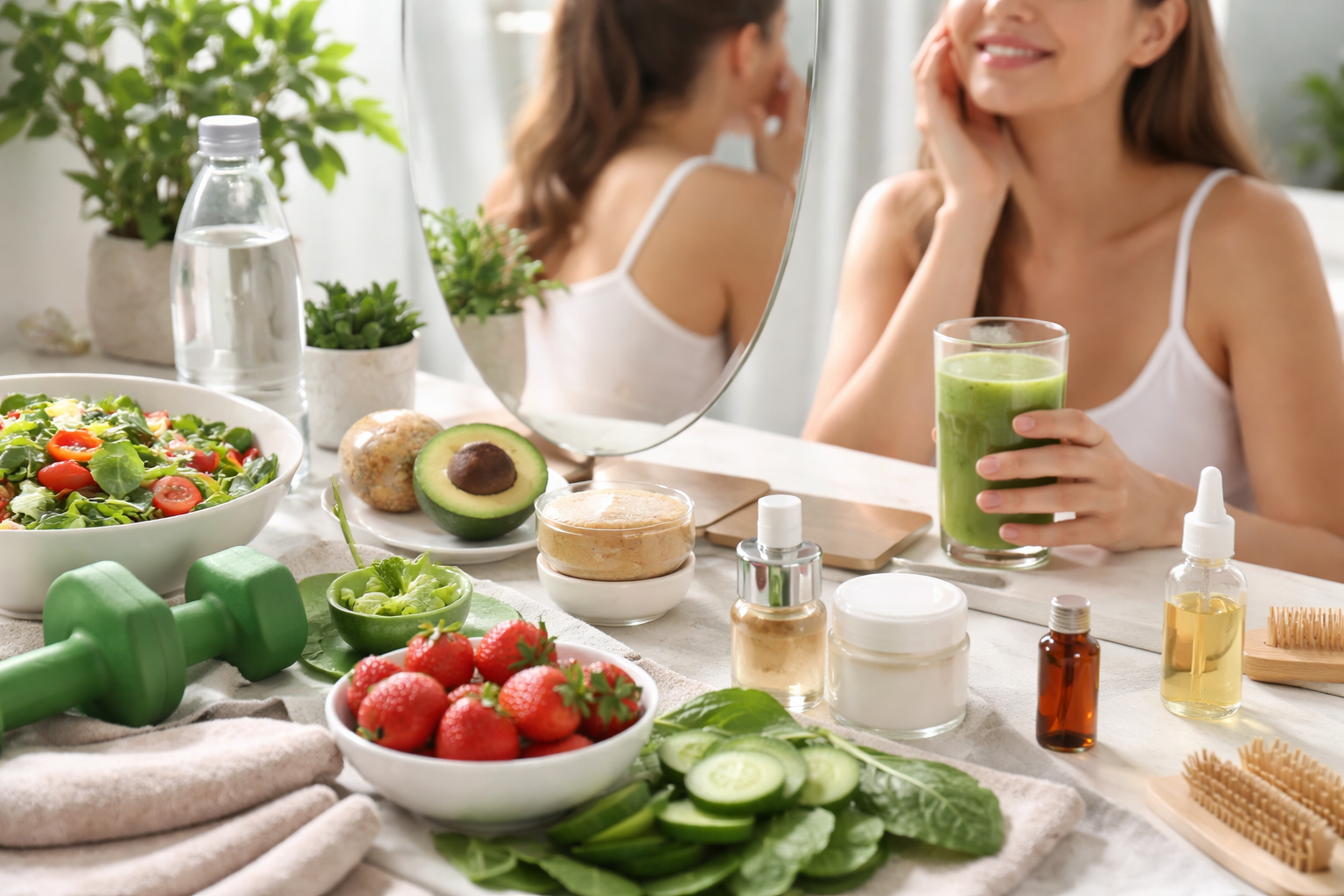
The pursuit of vibrant skin and lustrous hair often leads us into a maze of endless products and fleeting trends. However, the most profound and lasting transformations don’t come from a bottle or a quick fix; they are cultivated from within, woven into the fabric of our daily lives. This comprehensive guide will explore the symbiotic relationship between our overall well-being and the health of our skin and hair, emphasizing how conscious lifestyle choices can unlock their inherent radiance.

Our skin, the body’s largest organ, and our hair, a visible indicator of internal health, are far more than just aesthetic features. They are dynamic organs that reflect our internal state, acting as mirrors to our overall health. The food we consume, the sleep we get, the amount of stress we endure, and even our daily activity levels all play a significant role in their appearance and resilience. When our bodies are thriving, our skin radiates a natural glow, and our hair boasts strength and shine. Conversely, a disturbed internal environment often manifests as dull skin, breakouts, hair loss, or brittleness. This complex partnership underscores the importance of a holistic approach, recognizing that true beauty emanates from a foundation of robust health.
The Skin as a Barometer of Internal Health
Our skin acts as a protective barrier against the external world, but it also reflects the turmoil within. Chronic inflammation, for instance, often appears as redness, rosacea, or persistent acne. Dehydration, regardless of topical moisturization, can lead to flaky, tight skin. Imbalances in gut microbiome are increasingly linked to dermatological conditions such as eczema and psoriasis. Similarly, hormonal fluctuations can trigger a host of skin issues, from excessive oiliness to dryness and sensitivity. Understanding these internal signals is crucial for addressing the root cause of skin concerns rather than merely treating the symptoms.
Hair as an Indicator of Nutritional Status
Keratin makes up most of hair, and it needs a steady supply of certain nutrients to grow and stay healthy. Any deficiencies in vitamins, minerals, or proteins can quickly manifest as brittle strands, excessive shedding, or a lack of luster. For example, iron deficiency is a common cause of hair loss, while a lack of B vitamins can lead to dullness and weakness. Protein, the building block of hair, is essential for its strength and elasticity. Therefore, promoting healthy hair isn’t just about what we apply to it, but what we feed our bodies.
The adage “you are what you eat” holds profound truth when it comes to the health of our skin and hair. Our diet provides the essential building blocks, antioxidants, and anti-inflammatory compounds necessary for cellular regeneration, collagen production, and hair follicle strength. Consuming a diet rich in whole, unprocessed foods can significantly improve the health of our skin and hair, promoting a vibrant complexion and strong, lustrous locks from within.
The Power of Antioxidants and Anti-Inflammatory Foods
Antioxidants, found abundantly in colorful fruits and vegetables, combat free radical damage, which is a major contributor to premature aging of the skin and hair. Think berries, leafy greens, and citrus fruits. Anti-inflammatory foods, such as fatty fish rich in omega-3s, turmeric, and ginger, help to soothe internal inflammation, reducing redness, swelling, and breakouts in the skin, and potentially mitigating hair loss caused by inflammatory conditions. Incorporating these foods regularly can significantly improve cellular health and resilience.
Essential Vitamins and Minerals for Radiance
A balanced intake of specific vitamins and minerals is paramount. Vitamin C is crucial for collagen synthesis, giving skin its firmness and elasticity. Vitamin E, a powerful antioxidant, protects skin cells from damage and supports healthy hair growth. Biotin, a B vitamin, is often celebrated for its role in hair and nail strength. Zinc plays a vital role in wound healing and immune function, benefiting both skin clarity and hair follicle health. Iron, particularly for women, is essential to prevent hair loss. Ensuring these nutrients are present in our diet through various whole foods is a cornerstone of healthy skin and hair.
The Gut-Skin-Hair Axis
Emerging research highlights the critical connection between gut health and the appearance of our skin and hair. A healthy gut microbiome, teeming with beneficial bacteria, aids in nutrient absorption and reduces systemic inflammation. Conversely, an imbalanced gut can contribute to inflammatory skin conditions and poor nutrient assimilation, impacting hair health. Probiotic-rich foods like yogurt, kefir, and fermented vegetables, along with prebiotic fibers from fruits, vegetables, and whole grains, can significantly support a flourishing gut environment, which in turn reflects positively on our outer appearance.
Beyond its well-known benefits for cardiovascular health and weight management, regular physical activity plays a surprisingly significant role in fostering healthy skin and hair. Exercise increases blood flow, delivers vital nutrients and oxygen to cells, and helps in the detoxification process, all of which contribute to a radiant complexion and robust hair growth.
Enhanced Blood Circulation and Nutrient Delivery
During exercise, our heart rate increases, pumping blood more efficiently throughout the body. This increased circulation ensures that skin cells receive a fresh supply of oxygen and nutrients, while simultaneously assisting in the removal of waste products and toxins. This enhanced delivery system contributes to a healthy, vibrant glow and supports the optimal functioning of hair follicles, promoting stronger growth and reducing their susceptibility to damage.
Detoxification Through Sweat and Lymphatic Drainage
Sweating during exercise is a natural way for the body to expel toxins, which can directly benefit skin health by preventing clogged pores and reducing breakouts. Furthermore, muscle contractions during physical activity stimulate the lymphatic system, which is crucial for waste removal and immune function. A well-functioning lymphatic system helps reduce puffiness and promote a clearer, healthier complexion while also supporting overall systemic health, which impacts hair vitality.
In our fast-paced modern world, stress has become an almost constant companion. Unfortunately, chronic stress can wreak havoc on our bodies, and its negative effects are often visibly manifested in our skin and hair. Hormonal imbalances triggered by stress can lead to breakouts, increased oil production, premature aging, and even hair loss. Learning to effectively manage stress is therefore not just a matter of mental well-being but a vital component for achieving and maintaining healthy skin and hair.
The Fight-or-Flight Response and Its Dermatological Impact
When we experience stress, our bodies enter a “fight-or-flight” response, releasing hormones like cortisol. While essential for acute threats, chronic elevation of cortisol can lead to inflammation, disrupt the skin barrier, impair collagen production, and suppress the immune system, making skin more susceptible to infections and slower to heal. This hormonal surge can also push hair follicles into a resting phase prematurely, leading to increased shedding. Understanding this physiological response empowers us to mitigate its effects.
Incorporating Mindfulness and Relaxation Practices
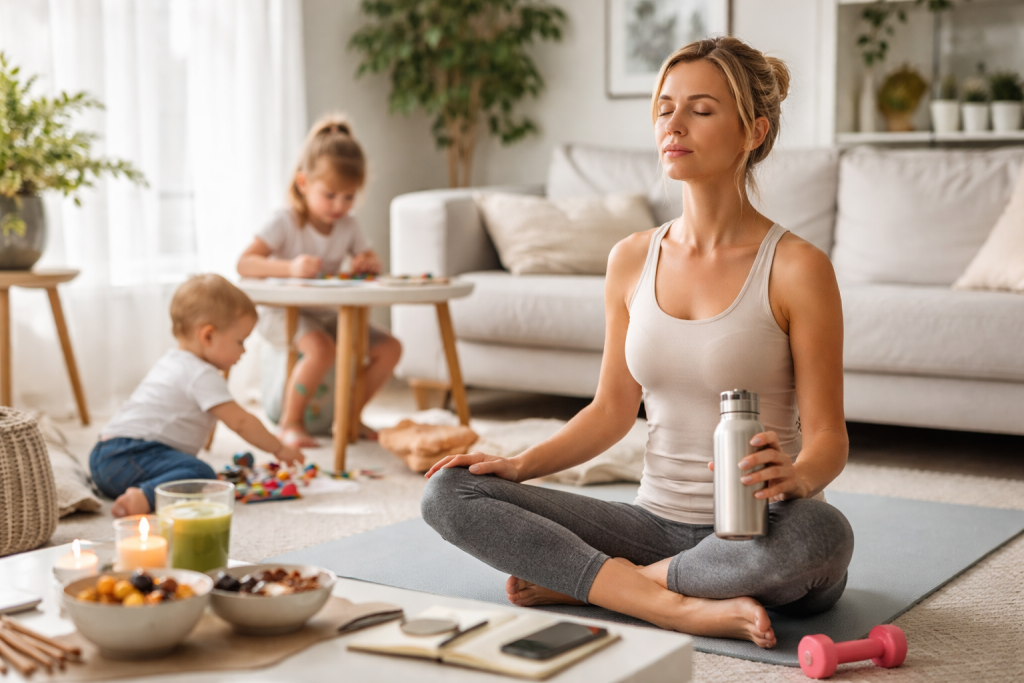
Techniques such as meditation, deep breathing exercises, and yoga can significantly lower stress levels by activating the parasympathetic nervous system, promoting relaxation, and reducing cortisol production. Even a few minutes of daily mindfulness can make a noticeable difference, calming the mind and allowing the body to redirect its energy toward repair and regeneration. These practices cultivate a sense of inner peace that often translates to a more serene and healthy external appearance.
The Importance of Adequate Sleep
Sleep is incredibly restorative for both our minds and bodies. During sleep, our bodies repair cells, produce collagen, and regulate hormones. Chronic sleep deprivation elevates cortisol, leading to many of the skin and hair issues mentioned earlier. Aiming for 7-9 hours of quality sleep each night allows the body to complete these vital processes, resulting in a fresher complexion, reduced dark circles, and healthier hair growth cycles. Creating a calming bedtime routine can significantly improve sleep quality.
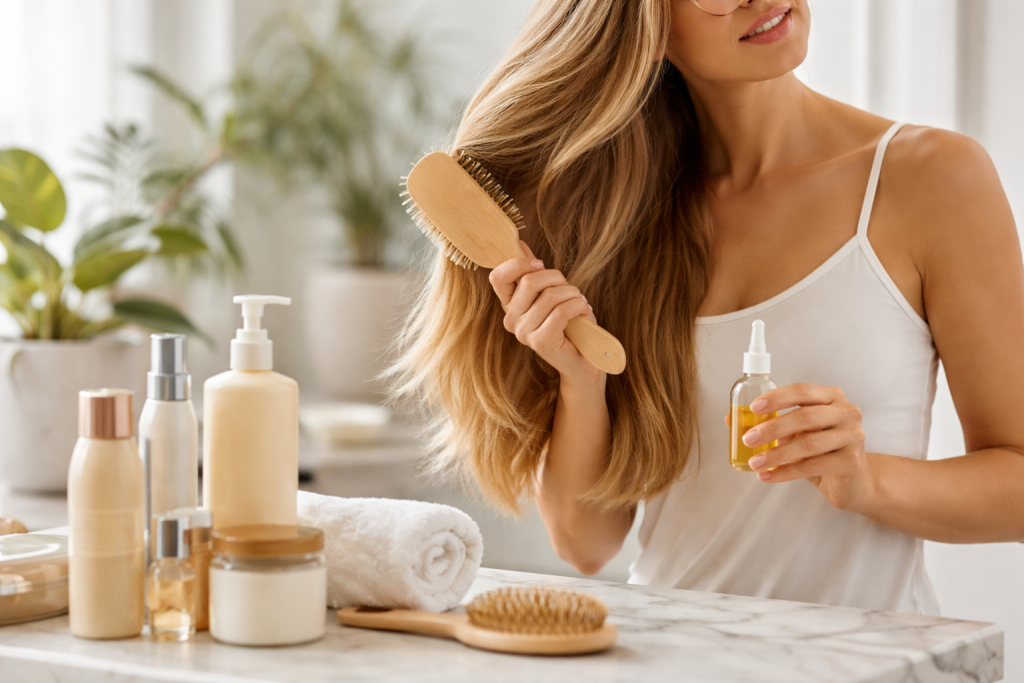
While internal health forms the foundation, external care plays a crucial role in protecting, nourishing, and enhancing the appearance of our skin and hair. A consistent and mindful routine, tailored to individual needs and concerns, can significantly improve results by supporting the natural processes that keep them healthy and vibrant.
Gentle Cleansing and Moisturization for Skin
The cornerstone of any good skincare routine is gentle cleansing and consistent moisturization. Harsh cleansers can strip the skin of its natural oils, compromising the skin barrier and leading to dryness and irritation. Opt for sulfate-free, pH-balanced cleansers. Following cleansing, apply a moisturizer appropriate for your skin type to lock in hydration and support the skin’s protective function. Look for ingredients like hyaluronic acid, ceramides, and glycerin.
Protective Measures Against Environmental Damage
Our skin is constantly exposed to environmental aggressors like UV radiation and pollution, which contribute to premature aging and damage. Daily use of a broad-spectrum sunscreen with an SPF of 30 or higher is non-negotiable, even on cloudy days. Antioxidant serums containing vitamin C can further protect the skin from free radical damage caused by environmental pollutants. For hair, protecting it from excessive heat styling and UV exposure (hats or UV protective sprays) is equally important.
Water is essential for life, and its critical role in maintaining healthy skin and hair cannot be overstated. Dehydration, both internal and external, directly impacts the plumpness, elasticity, and overall vitality of these tissues. Ensuring adequate hydration is one of the simplest yet most effective steps toward radiance.
Internal Hydration: Drinking Enough Water
Our bodies are composed primarily of water, and every cellular function depends on it. Drinking sufficient amounts of water throughout the day helps maintain skin turgor, keeping it supple and elastic. It also aids in circulating nutrients to hair follicles and flushing out toxins, contributing to both skin clarity and healthy hair growth. Aim for at least 8 glasses of water daily, adjusting for activity level and climate. Herbal teas and water-rich fruits and vegetables can also contribute to overall hydration.
External Hydration: Topical Application
While drinking water is crucial, topical hydration also plays a significant role, especially for the outermost layers of the skin and hair. Moisturizing products help create a barrier that prevents water loss from the skin. Humectant ingredients like hyaluronic acid and glycerin draw moisture from the air to the skin. For hair, leave-in conditioners and hair masks can provide external hydration, preventing dryness and brittleness, and improving flexibility and shine.
Achieving truly healthy skin and hair is not about implementing temporary fixes but rather about cultivating a sustainable lifestyle that consistently supports our well-being. These changes are not just about superficial beauty; they are about fostering overall health, which naturally reflects in our external appearance.
Embracing a Holistic Wellness Philosophy
The most impactful and lasting changes arise from a holistic approach. This means recognizing the interconnectedness of our physical, mental, and emotional health. Prioritizing nutritious eating, active living, mindful stress management, and restorative sleep forms the bedrock of this philosophy. When we care for our bodies in this comprehensive way, our skin glows, and our hair thrives as a natural consequence.
Consistency Over Intensity
Often, people seek dramatic, instantaneous results, leading to unsustainable routines. Instead, focus on consistency. Small, daily improvements in diet, exercise, and stress management will yield far greater long-term benefits than sporadic, intensive efforts. A consistent dedication to gentle, nourishing care, both internally and externally, will gradually transform your skin and hair, allowing them to showcase their inherent health and beauty over time.
FAQs
1. How does nutrition impact skin and hair health?
Nutrition plays a crucial role in maintaining healthy skin and hair. A balanced diet rich in vitamins, minerals, and antioxidants can promote skin and hair health, while deficiencies in certain nutrients can lead to issues such as dry skin, hair loss, and dullness.
2. What is the connection between exercise and healthy skin and hair?
Regular exercise can improve blood circulation, which in turn delivers more oxygen and nutrients to the skin and scalp. This can result in a healthier complexion, improved skin elasticity, and stronger, shinier hair.
3. What are some stress management techniques that can benefit skin and hair health?
Stress can negatively impact skin and hair, leading to issues such as acne, eczema, and hair loss. Techniques such as meditation, deep breathing, and regular exercise can help manage stress levels, promoting healthier skin and hair.
4. What are some sustainable lifestyle changes that can improve long-term skin and hair health?
Sustainable lifestyle changes such as reducing exposure to environmental pollutants, using natural skincare and haircare products, and adopting a balanced and nutritious diet can contribute to long-term skin and hair health.
5. How important is hydration for skin and hair health?
Proper hydration is essential for maintaining healthy skin and hair. Drinking an adequate amount of water helps to keep the skin and scalp hydrated, leading to a more radiant complexion and healthier, shinier hair.