Author: Usman Ali

  • The Ultimate Guide to Avoiding Beginner Skincare Mistakes

    The Ultimate Guide to Avoiding Beginner Skincare Mistakes

    Embarking on the journey of skincare can feel overwhelming, a labyrinth of serums, cleansers, and toners promising miraculous results. For the uninitiated, the sheer volume of information and product options can lead to a cascade of errors, often resulting in frustration, irritation, and a setback in achieving the healthy, radiant skin we all desire. This guide aims to demystify the process, equipping you with the knowledge to navigate the world of skincare with confidence and avoid common pitfalls. By understanding your skin, selecting appropriate products, and adopting a consistent, mindful approach, you’ll be well on your way to a flourishing complexion.

    Skincare Mistakes
    Skincare Mistakes

    The cornerstone of any effective skincare regimen lies in a thorough understanding of your individual skin type. This isn’t a superficial categorization; it’s a fundamental insight that dictates how your skin will react to different ingredients and environmental factors. Without this knowledge, you’re essentially playing a guessing game, and the odds are stacked against you.

    Identifying Your Dominant Skin Type

    There are generally accepted categories of skin types, each with its distinct characteristics. Recognizing which one applies to you is the crucial first step.

    Oily Skin

    Oily skin is characterized by an overproduction of sebum, the natural oil produced by your skin’s sebaceous glands. This often manifests as a shiny complexion, particularly in the T-zone (forehead, nose, and chin). Pores may appear enlarged, and individuals with oily skin are often more prone to blackheads, whiteheads, and acne. The excess oil can make makeup slide off quickly and can sometimes feel heavy or greasy.

    Dry Skin

    Conversely, dry skin lacks sufficient moisture and sebum. It often appears dull, may feel tight, and can be prone to flakiness and irritation. Fine lines can become more pronounced on dry skin, and it can feel rough to the touch. People with dry skin might experience redness or discomfort, especially after cleansing or in harsh weather conditions.

    Combination Skin

    Combination skin, as the name suggests, is a blend of oily and dry characteristics. Typically, the T-zone will be oily, exhibiting shine and enlarged pores, while the cheeks and other areas of the face may be normal or dry. This can present a unique challenge, requiring a nuanced approach to product selection to address both concerns without exacerbating either.

    Normal Skin

    Normal skin is well-balanced, neither too oily nor too dry. It typically has small pores, a smooth texture, and is not prone to significant issues like breakouts or excessive dryness. This skin type is often considered the ideal, but even normal skin benefits from a consistent and appropriate skincare routine to maintain its health and prevent future problems.

    Sensitive Skin

    Sensitive skin is more of an adjective that can accompany any of the above skin types, rather than a distinct category itself. It is characterized by a heightened reactivity to certain ingredients, environmental stimuli, or even the physical act of touching. This can result in redness, itching, burning, stinging, or a rash. Identifying and avoiding triggers is paramount for sensitive skin.

    Factors Influencing Your Skin Type

    It’s important to remember that skin type is not static. Several factors can influence its characteristics over time.

    Hormonal Changes

    Fluctuations in hormones, particularly during puberty, menstruation, pregnancy, and menopause, can significantly impact sebum production. This can lead to a shift from one skin type to another, for example, experiencing oilier skin during certain hormonal periods.

    Environment

    Climate plays a major role. Humid environments can exacerbate oiliness, while dry, cold air can worsen dryness and sensitivity. Exposure to pollution can also contribute to various skin concerns.

    Lifestyle Choices

    Diet, stress levels, sleep patterns, and smoking can all have a profound effect on your skin’s health and appearance, potentially altering its perceived type.

    Once you’ve accurately identified your skin type, the next critical step is to select products that are formulated to address its specific needs. This is where many beginners falter, blindly following trends or purchasing products based solely on attractive packaging or celebrity endorsements.

    Formulations Matter: Understanding Ingredients

    The ingredients list on a skincare product is your most valuable guide. Understanding common ingredient functions will empower you to make informed choices.

    Cleansers: The Foundation of Your Routine

    Cleansers are designed to remove dirt, oil, makeup, and impurities from the skin. For oily or acne-prone skin, look for gentle, foaming cleansers that contain ingredients like salicylic acid, which can penetrate pores and exfoliate. For dry or sensitive skin, opt for cream or oil-based cleansers that are hydrating and non-stripping, often containing ingredients like hyaluronic acid or glycerin. Avoid harsh sulfates, which can strip the skin of its natural oils.

    Serums: Targeted Treatments

    Serums are highly concentrated formulations designed to address specific concerns. For hydration, vitamin C serums can brighten and protect against free radicals, while hyaluronic acid serums are excellent for plumping and retaining moisture. Niacinamide is a versatile ingredient that can help minimize pores, regulate oil production, and reduce redness, making it suitable for various skin types.

    Moisturizers: Sealing in Hydration

    Moisturizers are essential for all skin types, even oily skin. They help to replenish and retain moisture, fortify the skin’s barrier, and protect it from environmental stressors. For oily skin, oil-free, lightweight gel or lotion formulations are ideal. Dry skin will benefit from richer creams and lotions containing ingredients like ceramides and shea butter. Sensitive skin should opt for fragrance-free, hypoallergenic moisturizers.

    Sunscreen: The Non-Negotiable Defense

    Sunscreen is not optional; it’s the most important step in preventing premature aging, hyperpigmentation, and skin cancer. Look for broad-spectrum sunscreens that offer protection against both UVA and UVB rays. The SPF (Sun Protection Factor) indicates the level of protection against UVB rays. An SPF of 30 or higher is generally recommended. Mineral sunscreens containing zinc oxide and titanium dioxide are often well-tolerated by sensitive skin.

    Decoding Product Labels

    Beyond understanding individual ingredients, learning to decipher product labels will save you time, money, and potential irritation.

    “Non-Comedogenic”

    This label indicates that a product is formulated not to clog pores, which is particularly important for those prone to acne.

    “Hypoallergenic”

    This suggests that a product is less likely to cause an allergic reaction, a valuable reassurance for sensitive individuals.

    “Fragrance-Free” vs. “Unscented”

    Be aware of the distinction. “Fragrance-free” means no added fragrances, while “unscented” may contain masking fragrances that simply cover up chemical odors, which can still be irritating to some.

    The most effective skincare products are only as good as the consistency with which they are applied. Skipping steps or altering your routine too frequently will prevent your skin from adapting and responding optimally. A consistent routine allows your skin to benefit from the cumulative effects of the products over time.

    The Basic Daily Ritual: Morning and Night

    A simple yet effective routine can be divided into two main sessions: morning and evening.

    Morning Routine: Preparation and Protection

    The morning routine is focused on preparing your skin for the day ahead and protecting it from environmental damage.

    Cleansing

    A gentle cleanse in the morning can remove any residual oil or product from the night before. For some, a splash of water may be sufficient, especially if they have dry or sensitive skin.

    Toning (Optional)

    Toners can help balance the skin’s pH and prepare it for subsequent products. Choose a hydrating or balancing toner based on your skin type.

    Treatment Serums

    Apply any targeted serums, such as vitamin C for antioxidant protection and brightening.

    Eye Cream

    The skin around the eyes is delicate and often shows signs of aging first. A gentle eye cream can hydrate and address specific concerns.

    Moisturizer

    Apply a lightweight moisturizer to keep your skin hydrated throughout the day.

    Sunscreen

    This is the non-negotiable final step in your morning routine. Apply generously to all exposed skin.

    Evening Routine: Repair and Renewal

    The evening routine is dedicated to removing the day’s buildup and allowing your skin to repair and regenerate overnight.

    Double Cleansing (If Wearing Makeup or Heavy Sunscreen)

    This involves using an oil-based cleanser or micellar water first to break down makeup and sunscreen, followed by a water-based cleanser to thoroughly cleanse the skin.

    Toning (Optional)

    Similar to the morning routine, a toner can be used to rebalance the skin.

    Treatment Serums

    This is often the time to apply more potent treatment serums, such as those containing retinoids (if prescribed or introduced gradually) or exfoliating acids.

    Eye Cream

    Reapply your eye cream to provide overnight nourishment.

    Moisturizer

    Use a slightly richer moisturizer in the evening to support skin repair and hydration while you sleep.

    The Importance of Patience and Observation

    Skincare is not an overnight fix. It takes time for products to show results and for your skin to adapt.

    Give Products Time to Work

    Most products require several weeks of consistent use to demonstrate noticeable improvements. Resist the urge to switch products too frequently based on a lack of immediate results.

    Listen to Your Skin

    Pay attention to how your skin responds. Redness, itching, excessive dryness, or increased breakouts are all signals that something in your routine may not be working for you. Adjust accordingly.

    One of the most common and detrimental mistakes beginners make is the aggressive use of exfoliating products and harsh cleansing agents. While exfoliation is crucial for cell turnover and a brighter complexion, too much of a good thing can wreak havoc on your skin’s barrier function.

    The Dual Nature of Exfoliation

    Exfoliation removes dead skin cells, revealing smoother, brighter skin underneath. However, overdoing it can strip away essential oils, disrupt the skin barrier, and lead to increased sensitivity, redness, inflammation, and even breakouts.

    Physical Exfoliation

    This involves using products with abrasive particles, such as scrubs with sugar, salt, or microbeads. While effective for some, these can be too harsh for many, especially those with sensitive or acne-prone skin, as they can create micro-tears.

    Chemical Exfoliation

    This uses acids like AHAs (alpha hydroxy acids, such as glycolic and lactic acid) and BHAs (beta hydroxy acids, such as salicylic acid). These acids dissolve the bonds between dead skin cells. They are generally considered gentler than physical exfoliants when used correctly.

    Signs of Over-Exfoliation

    Recognizing the signs of over-exfoliation is crucial for intervening before significant damage occurs.

    Increased Redness and Irritation

    Your skin may appear flushed, feel warm, and become more sensitive to touch or temperature changes.

    Dryness and Tightness

    Your skin might feel perpetually tight, even after moisturizing, and may start to flake.

    Increased Breakouts

    Paradoxically, over-exfoliation can lead to more acne as the protective skin barrier is compromised, making it more susceptible to bacteria.

    A Burning or Stinging Sensation

    This is a clear indication that your skin is compromised and needs a break from exfoliating agents.

    The Pitfalls of Harsh Ingredients

    Beyond exfoliation, certain ingredients are notoriously harsh and should be avoided, especially by beginners.

    Alcohol

    High concentrations of alcohol in skincare products can be extremely drying and irritating, stripping the skin of its natural oils and disrupting its barrier.

    Fragrances and Dyes

    These are common culprits for allergic reactions and sensitivities, particularly for those with reactive skin.

    Harsh Sulfates (e.g., Sodium Lauryl Sulfate)

    Found in many foaming cleansers, these can be overly stripping, leading to dryness and irritation.

    Sun damage is arguably the most significant external factor contributing to premature aging, hyperpigmentation (dark spots), and, most importantly, an increased risk of skin cancer. Neglecting sun protection is one of the most critical skincare mistakes a beginner can make.

    The Unseen Threat: UVA and UVB Rays

    The sun emits two main types of ultraviolet radiation that affect the skin: UVA and UVB.

    UVA Rays: The Aging Rays

    UVA rays penetrate deeper into the skin and are primarily responsible for premature aging, including wrinkles, fine lines, and loss of elasticity. They are present year-round and can penetrate clouds and glass.

    UVB Rays: The Burning Rays

    UVB rays are the primary cause of sunburns and play a significant role in developing skin cancer. Their intensity varies throughout the year and is strongest during the summer months.

    The Indispensable Role of Sunscreen

    Sunscreen acts as a shield, absorbing or reflecting harmful UV radiation. This is not just for beach days; daily application is essential, even on cloudy days.

    Broad-Spectrum Protection

    Always choose a sunscreen labeled “broad-spectrum,” meaning it protects against both UVA and UVB rays.

    SPF: Understanding the Numbers

    SPF stands for Sun Protection Factor, and it primarily indicates protection against UVB rays. An SPF of 30 blocks approximately 97% of UVB rays, while an SPF of 50 blocks about 98%. While higher SPFs offer slightly more protection, consistent and proper application is more critical than chasing the highest number.

    Application is Key

    Apply sunscreen generously to all exposed skin at least 15-20 minutes before going outdoors. Reapply every two hours, or more frequently if swimming or sweating heavily. Don’t forget often-missed areas like the tops of your ears, the back of your neck, and the tops of your feet.

    Beyond Sunscreen: Additional Protective Measures

    While sunscreen is paramount, other measures can further safeguard your skin.

    Seeking Shade

    During peak sun hours (typically between 10 am and 4 pm), seek shade whenever possible.

    Protective Clothing

    Wearing wide-brimmed hats, sunglasses, and clothing that covers your skin can provide an additional layer of defense.

    Avoiding Tanning Beds

    Tanning beds emit harmful UV radiation and significantly increase the risk of skin cancer and premature aging. They should be avoided entirely.

    Hydration and moisturization are often used interchangeably, but they refer to slightly different, yet equally vital, aspects of skin health. Understanding this distinction is key to achieving a plump, supple, and healthy complexion.

    The Nuance Between Hydration and Moisturization

    Hydration refers to the water content within the skin cells. Proper hydration keeps the skin looking plump and supple. Moisturization, on the other hand, refers to the barrier created by emollients and humectants that prevent water loss from the skin.

    Humectants: Drawing in Moisture

    Humectants are ingredients that attract water from the environment and deeper layers of the skin, bringing it to the surface.

    Hyaluronic Acid

    This is a superstar humectant, capable of holding up to 1000 times its weight in water. It’s suitable for all skin types and helps to plump the skin and reduce the appearance of fine lines caused by dehydration.

    Glycerin

    A common and effective humectant, glycerin helps to improve skin hydration and barrier function.

    Sodium PCA

    A naturally occurring component of the skin’s moisturizing factor, it helps to bind water to the skin.

    Emollients: Smoothing and Softening

    Emollients work by filling in the spaces between skin cells, creating a smoother surface and improving the skin’s texture. They can also help to repair and fortify the skin’s natural barrier.

    Ceramides

    These are naturally occurring lipids (fats) in the skin that are essential for maintaining a healthy skin barrier. They help to prevent water loss and protect the skin from external aggressors.

    Shea Butter and Cocoa Butter

    These plant-based emollients are rich in fatty acids and vitamins, providing deep nourishment and softening dry skin.

    Occlusives: Sealing the Deal

    Occlusives form a physical barrier on the skin’s surface, creating a seal that prevents Trans-Epidermal Water Loss (TEWL). They are particularly beneficial for very dry or compromised skin.

    Petrolatum (Petroleum Jelly)

    A highly effective occlusive, it forms a protective barrier that prevents moisture evaporation.

    Mineral Oil

    Another highly effective occlusive that is well-tolerated by many.

    Dimethicone

    A silicone-based ingredient that provides a smooth feel and helps to create a protective barrier.

    When and How to Hydrate and Moisturize

    The timing and method of application significantly impact the efficacy of hydration and moisturization.

    Post-Cleansing Application

    Applying hydrating and moisturizing products immediately after cleansing is crucial. Damp skin is more receptive to absorbing these ingredients.

    Layering for Optimal Results

    For dry or dehydrated skin, consider layering your products. Start with a hydrating serum or essence, followed by a moisturizer, and then, if necessary, an occlusive to seal everything in, especially at night.

    Considering Your Skin Type

    As mentioned earlier, oily skin can also be dehydrated. Opt for lightweight, oil-free hydrators and moisturizers that won’t clog pores. Dry skin will benefit from richer textures and more emollient ingredients.

    While this guide provides a solid foundation for understanding and implementing a beginner-friendly skincare routine, there are instances where professional guidance is not just beneficial but essential. Don’t hesitate to consult a dermatologist or a licensed esthetician when you encounter persistent issues or are seeking more advanced treatments.

    When to See a Dermatologist

    Dermatologists are medical doctors specializing in skin health. They can diagnose and treat a wide range of skin conditions, from common acne to rarer diseases.

    Persistent Acne or Breakouts

    If over-the-counter products and a consistent routine aren’t resolving your acne, a dermatologist can prescribe stronger treatments like topical retinoids, oral antibiotics, or hormonal therapies.

    Skin Rashes and Irritations

    Unexplained rashes, persistent itching, or severe redness can indicate underlying skin conditions that require professional diagnosis and treatment.

    Concerns About Moles or Skin Lesions

    Any new or changing moles, or unusual skin growths, should be evaluated by a dermatologist to rule out skin cancer.

    Hyperpigmentation and Discoloration

    While some mild hyperpigmentation can be addressed with topical treatments, persistent or severe discoloration might require prescription-strength products or professional procedures.

    Signs of Aging

    If you are concerned about significant wrinkles, sagging skin, or sun damage, a dermatologist can discuss more advanced treatment options.

    Treatment Options Available Through Professionals

    Dermatologists and estheticians offer a range of treatments that go beyond at-home care.

    Prescription Medications

    These include potent topical and oral medications designed to treat specific skin conditions.

    Chemical Peels

    Professional-grade chemical peels can address concerns like acne scars, hyperpigmentation, and fine lines by deeply exfoliating the skin.

    Microdermabrasion

    This procedure exfoliates the skin mechanically to improve texture and reduce the appearance of minor imperfections.

    Laser Treatments

    Various laser technologies can target issues like redness, hyperpigmentation, acne scars, and signs of aging.

    Injectables (Botox, Fillers)

    These cosmetic treatments can address wrinkles and volume loss, often used in conjunction with a comprehensive skincare strategy.

    Professional Facials

    Licensed estheticians offer personalized facials that can incorporate targeted treatments, extractions, and specialized product application for a deeper clean and rejuvenation.

    By following these guidelines, understanding your skin’s unique needs, and knowing when to seek expert advice, you can build a skincare routine that is not only effective but also sustainable, leading you towards your healthiest, most radiant skin. Remember that consistency, patience, and a mindful approach are your greatest allies on this journey.

    FAQs

    1. What are some common beginner skincare mistakes to avoid?

    Some common beginner skincare mistakes to avoid include over-exfoliating, using harsh products, not understanding your skin type, neglecting sun protection, and not staying consistent with a skincare routine.

    2. How can I understand my skin type and choose the right products for it?

    Understanding your skin type involves identifying whether you have oily, dry, combination, or sensitive skin. Once you know your skin type, you can choose products specifically formulated for it, such as oil-free moisturizers for oily skin and gentle, hydrating products for dry skin.

    3. What is the importance of establishing a consistent skincare routine?

    Establishing a consistent skincare routine is important for maintaining healthy skin. Consistency allows your skin to adapt to the products you’re using and helps address specific skin concerns over time.

    4. How can I protect my skin from sun damage?

    To protect your skin from sun damage, it’s important to use a broad-spectrum sunscreen with at least SPF 30, seek shade during peak sun hours, wear protective clothing, and reapply sunscreen every two hours when outdoors.

    5. When should I seek professional advice and treatment options for my skincare concerns?

    If you’re experiencing persistent skin issues or have specific concerns about your skin, it’s best to seek professional advice from a dermatologist or skincare specialist. They can provide personalized recommendations and treatment options tailored to your skin’s needs.
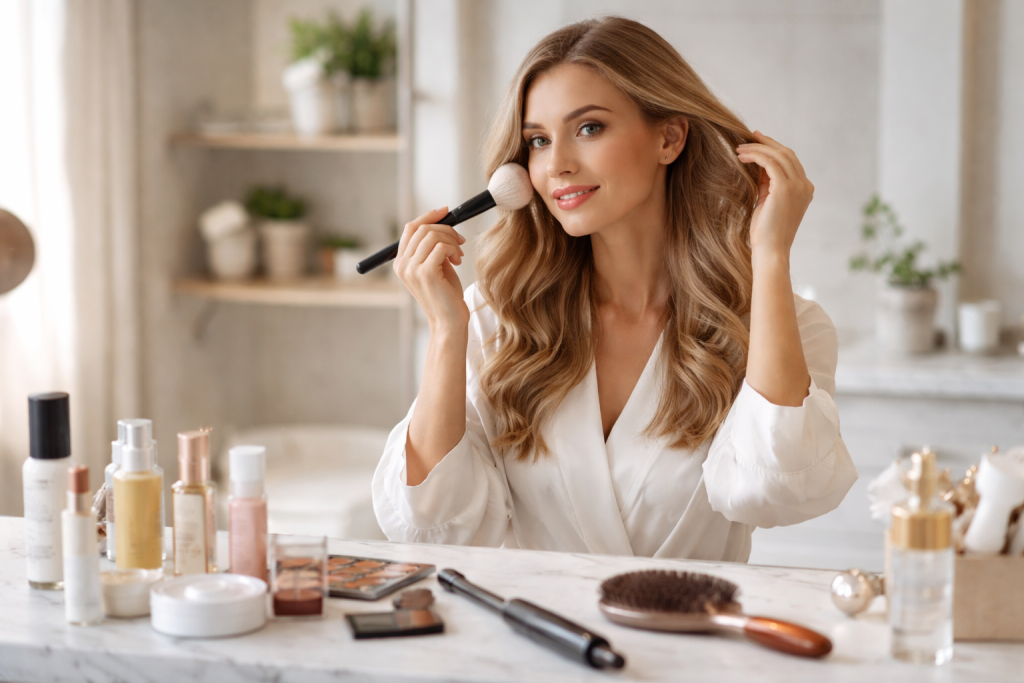
  • Elevate Your Beauty Care Routine: A Lifestyle Guide for Flawless Skin and Hair

    Elevate Your Beauty Care Routine: A Lifestyle Guide for Flawless Skin and Hair

    True radiance emanates from a holistic approach to beauty, one that integrates mindful practices with informed care. It’s not just about using products; it’s about knowing your skin and hair’s needs and developing habits that nurture them from within. This guide explores both the art and science of creating a truly elevated beauty care routine, transforming it from a chore into a cherished ritual that fosters enduring health and breathtaking beauty.

    Lifestyle Guide for Flawless Skin and Hair
    Lifestyle Guide for Flawless Skin and Hair

    The journey to flawless skin and lustrous hair begins with a deep and honest assessment of what you’re working with. Generic advice can only go so far; true efficacy lies in recognizing the individual characteristics of your skin and hair type. This self-awareness is the cornerstone upon which all successful beauty care routines are built, preventing wasted effort and ensuring that your chosen methods yield the best possible results.

    Decoding Your Skin Type: Oily, Dry, Combination, or Sensitive?

    The diversity of our skin necessitates a personalized approach to its care. Is your skin prone to a midday shine, leaving you feeling greasy and congested? You might have oily skin, which requires a focus on balancing sebum production and preventing clogged pores. Perhaps you experience tightness, flakiness, and a lack of suppleness, pointing towards dry skin; in this case, hydration and barrier reinforcement are paramount. Many individuals find themselves a blend of both, with an oily T-zone (forehead, nose, and chin) and drier cheeks—this is combination skin, demanding a nuanced application of products to address disparate needs. Lastly, some skin is inherently reactive, prone to redness, itching, and irritation with even mild stimuli. This sensitive skin requires gentle formulations and a mindful avoidance of common triggers. Taking the time to observe your skin’s behavior throughout the day and under different conditions is crucial for accurate identification.

    Unraveling Your Hair’s True Nature: Texture, Porosity, and Concerns

    Similarly, hair is far from uniform. Its texture—whether fine, medium, or coarse—dictates how it responds to styling and the weight of products. Fine hair can easily be weighed down, while coarse hair may benefit from richer, more emollient treatments. Hair porosity, a less commonly understood but vital factor, refers to the hair’s ability to absorb and retain moisture. Low porosity hair has tightly closed cuticles, making it difficult for moisture to penetrate, but once in, it tends to stay. High porosity hair has open cuticles, allowing moisture to enter easily but also escape quickly, leading to dryness. Normal porosity hair falls in between. Beyond these fundamental characteristics, consider your hair’s specific concerns: is it prone to frizz, breakage, thinning, or lack of shine? Identifying these issues will guide your product selection and treatment strategies.

    Once you possess a solid understanding of your skin and hair’s unique profiles, you can begin to construct a beauty care routine that is tailor-made for your needs. This isn’t about following trends; it’s about creating a system that addresses your specific concerns and enhances your natural beauty. A well-designed routine is consistent, considerate of your lifestyle, and ultimately, effective.

    The Pillars of a Daily Regimen: Cleansing, Toning, Moisturizing

    At the core of any effective beauty care routine lie three fundamental steps. Cleaning is an essential step that removes impurities, excess oil, and environmental pollutants that can cause significant damage to your skin. The choice of cleanser is critical; a harsh, stripping formula can exacerbate dryness and even trigger increased oil production in an attempt to compensate. Toning, often overlooked, plays a vital role in rebalancing the skin’s pH, preparing it to better absorb subsequent treatments. For hair, this stage might involve a fortifying or moisturizing rinse. Moisturizing is the final, crucial step, replenishing lost hydration and creating a protective barrier to seal in moisture and shield the skin from external aggressors. For hair, this phase translates to conditioners, leave-in treatments, and oils.

    Introducing Targeted Treatments: Serums, Masks, and Exfoliants

    Beyond the daily essentials, incorporating targeted treatments can significantly amplify your results. Serums, with their concentrated active ingredients, are designed to address specific concerns like fine lines, hyperpigmentation, or dehydration. These potent formulations penetrate deeper into the skin, delivering powerful benefits. Masks offer a more intensive, episodic treatment, providing a concentrated boost of hydration, nourishment, or purification. Exfoliants, whether physical or chemical, are essential for shedding dead skin cells, revealing brighter, smoother skin, and promoting better product absorption. For hair, such therapies might involve deep conditioning treatments, protein masks, or scalp scrubs to invigorate the scalp and improve hair health.

    Navigating the vast landscape of beauty products can feel overwhelming. The key to success lies not in possessing the most expensive items, but in selecting those that are formulated with ingredients beneficial to your specific skin and hair type and concerns. This requires a discerning eye and a willingness to do a little research.

    Ingredient Intelligence: What Your Skin and Hair Crave

    Understanding key ingredients is paramount. For oily or acne-prone skin, look for salicylic acid, niacinamide, and tea tree oil, known for their clarifying and anti-inflammatory properties. Dry skin will benefit from hyaluronic acid, ceramides, glycerin, and shea butter, which attract and retain moisture and strengthen the skin barrier. Mature skin can be revitalized with retinoids, vitamin C, and peptides, which promote collagen production and fight free radical damage. For hair, ingredients like keratin, biotin, argan oil, and various botanical extracts can address issues like damage, dryness, and thinning. Conversely, be mindful of ingredients that might irritate your skin or hair, such as sulfates, parabens, and artificial fragrances, especially if you have sensitive skin or a delicate scalp.

    Beyond the Shelf: Considering Formulations and Lifestyle

    The formulation of a product matters as much as its ingredients. Lightweight, oil-free lotions might be ideal for oily skin, while richer creams are perfect for dry skin. For hair, consider the texture of your chosen products; a heavy cream might be too much for fine hair, while a light serum might not provide enough hydration for coarse, dry strands. Your lifestyle also plays a role. If you’re constantly on the go, you’ll want products that are quick and easy to use. If you have more time, you might enjoy longer, more elaborate routines. Consider your budget, too. Effective beauty care doesn’t always equate to high prices; many affordable brands offer excellent, ingredient-driven formulations.

    The beauty of your skin and hair is a reflection of your internal well-being. While topical treatments are important, they are only part of the equation. Embracing a holistic approach that prioritizes healthy habits is essential for achieving and maintaining that coveted, luminous glow.

    The Power of Nutrition: Fueling Your Beauty from Within

    What you eat directly impacts the health of your skin and hair. A diet rich in antioxidants, found in fruits and vegetables, helps combat cellular damage and inflammation, promoting a clearer complexion and stronger hair. Healthy fats, present in avocados, nuts, and fatty fish, are key to preserving skin hydration and suppleness while also supporting hair growth. Adequate protein intake is vital for building and repairing tissues, including the keratin that forms your hair. Staying hydrated by drinking plenty of water is paramount for both skin and hair, ensuring they remain plump, supple, and well-nourished. Limiting processed foods, excessive sugar, and unhealthy fats can significantly reduce inflammation and contribute to a clearer, more radiant appearance.

    The Importance of Sleep and Stress Management

    Sleep’s restorative power is undeniable for your skin, hair, and physical and mental health. During sleep, your body repairs and regenerates cells, a process that is crucial for healthy skin renewal and hair growth. Chronic stress, on the other hand, can trigger hormonal imbalances that lead to breakouts, dull skin, and even hair loss. Incorporating stress-reducing practices into your daily life is therefore not just beneficial for your mental health but also for your aesthetic goals. Techniques like meditation, yoga, deep breathing exercises, or simply spending time in nature can help mitigate the damaging effects of stress.

    The most sophisticated beauty routine is rendered ineffective if it’s not practiced consistently. Building habits that you can realistically maintain is the secret to unlocking the full potential of your efforts and achieving lasting, visible improvements in your skin and hair health.

    Setting Realistic Goals and Scheduling Your Rituals

    It’s important to be honest with yourself about how much time and energy you can realistically dedicate to your beauty care routine. Instead of aiming for an overly ambitious, multi-step regimen that you’ll quickly abandon, start small and gradually introduce new steps. Schedule your morning and evening routines like any other important appointment. Even dedicating just a few minutes each day to mindful skincare and hair care can yield significant results over time.

    The Power of Small Wins and Adaptability

    Celebrate the small victories. Notice how your skin feels softer after consistent moisturizing or how your hair appears shinier after regular conditioning. These positive reinforcements can be powerful motivators. Furthermore, acknowledge that your needs may change. Lifestyle shifts, seasonal changes, or even hormonal fluctuations can necessitate minor adjustments to your routine. Be prepared to adapt, but maintain the core principles of cleansing, moisturizing, and targeted treatments. Embrace occasional slip-ups and simply recommit to your routine the next day.

    True beauty care is more than just applying products; it’s a chance to reconnect with yourself and rejuvenate. Integrating self-care practices deeply into your routine transforms it from a task into a cherished act of self-love, enhancing both your inner state and your outer radiance.

    The Mindful Application: Turning Routine into Ritual

    Approach the application of your skincare and haircare products with intention. Instead of rushing, take a moment to appreciate the products’ textures, scents, and sensations on your skin and hair. Gentle massage techniques during application can boost circulation, promote lymphatic drainage, and foster a deeper connection with your body. This mindful approach transforms a mundane task into a calming, sensory experience.

    Beyond the Bathroom: Holistic Self-Care Practices

    Extend self-care beyond your beauty rituals. Engage in activities that bring you joy and relaxation, such as reading, listening to music, spending time with loved ones, or pursuing a hobby. Regular exercise benefits your physical health and improves circulation, which is essential for healthy skin and hair. Adequate hydration, mindful eating, and sufficient sleep are also fundamental pillars of self-care that directly impact your external appearance.

    While self-education and a personalized routine are invaluable, there are times when professional advice can unlock remarkable improvements in your skin and hair health. Dermatologists and trichologists possess specialized knowledge that can address persistent concerns and optimize your care.

    When to Consult a Dermatologist

    A dermatologist is your go-to expert for a wide range of skin concerns, from persistent acne and rosacea to eczema and suspicious moles. They can diagnose underlying dermatological conditions, prescribe topical or oral medications, and recommend advanced treatments like chemical peels or laser therapy. If you’re experiencing significant breakouts, changes in moles, or persistent skin irritation, seeking professional guidance is a crucial step towards achieving healthy, clear skin.

    Understanding the Role of a Trichologist

    For hair-related concerns, a trichologist is an invaluable resource. They specialize in the health of the scalp and hair, diagnosing and treating issues such as hair loss, thinning hair, dandruff, and scalp conditions. A trichologist can help identify the root cause of your hair problems, whether it’s genetic, hormonal, nutritional, or stress-related, and develop a targeted treatment plan to restore your hair’s vitality and promote healthy growth. Investing in professional advice can elevate your beauty care routine from satisfactory to truly exceptional, ensuring you achieve your desired results with confidence and expertise.

    FAQs

    1. What is the importance of understanding your skin and hair type in creating a personalized beauty care routine?

    Understanding your skin and hair type is crucial in creating a personalized beauty care routine because different skin and hair types have different needs. Knowing your specific type allows you to choose products and treatments that are most effective for your individual needs, resulting in healthier and more radiant skin and hair.

    2. How can I choose the right products for my skin and hair?

    When choosing products for your skin and hair, it’s important to consider your specific skin and hair type, as well as any specific concerns or issues you may have. Look for products that are formulated for your type, and consider seeking professional advice if you’re unsure. Additionally, reading product labels and understanding the ingredients can help you make informed choices.

    3. What are some healthy habits that can enhance the health of my skin and hair?

    Incorporating healthy habits into your daily routine can greatly enhance the health of your skin and hair. This includes staying hydrated, eating a balanced diet rich in vitamins and nutrients, getting enough sleep, and protecting your skin and hair from sun damage. Regular exercise and managing stress levels can also contribute to overall skin and hair health.

    4. What are some self-care practices that can enhance my beauty care routine?

    Self-care practices can enhance your beauty care routine by promoting relaxation and reducing stress, which can have a positive impact on your skin and hair. Practices such as meditation, aromatherapy, and indulging in a skincare or haircare routine can help you unwind and improve your overall well-being, which can reflect in the health of your skin and hair.

    5. When should I seek professional advice for optimal skin and hair health?

    If you have specific skin or hair concerns that you’re unable to address with over-the-counter products, it’s advisable to seek professional advice. Dermatologists and hair specialists can provide personalized recommendations and treatments tailored to your individual needs, helping you achieve optimal skin and hair health. Additionally, if you experience any persistent or concerning issues with your skin or hair, it’s important to consult a professional for proper evaluation and guidance.

  • The Ultimate Guide to Maintaining Healthy Hair Without Using Products

    The Ultimate Guide to Maintaining Healthy Hair Without Using Products

    The pursuit of healthy, vibrant hair often leads us into a maze of chemical-laden products, each promising a miraculous cure. But what if the secret to gorgeous locks lay not in bottles and jars, but in a deeper understanding of our hair’s natural needs? This comprehensive guide explores the art of maintaining healthy hair without relying on commercial products, focusing instead on fundamental principles, natural remedies, and lifestyle choices that foster true hair health from within.

    Healthy Hair Without Using Products
    Healthy Hair Without Using Products

    Before we discuss product-free care, it’s crucial to grasp the fundamental science behind healthy hair. Our hair, at its core, is made of a protein called keratin. Each strand emerges from a follicle in the scalp, and its life cycle involves growth, rest, and shedding. The health of our hair is intrinsically linked to the health of our scalp, which acts as the foundation.

    The Anatomy of a Hair Strand

    A hair strand consists of three main layers: the medulla (innermost, not always present), the cortex (responsible for strength and color), and the cuticle (outermost, protective layer). When the cuticle is smooth and intact, hair appears shiny and feels soft. Damage, whether from environmental factors, harsh styling, or poor nutrition, can lift and disrupt the cuticle, leading to frizz, dullness, and breakage.

    The Scalp: The Root of All Hair Health

    The scalp is a living ecosystem, rich in sebaceous glands that produce sebum, a natural oil essential for moisturizing hair and protecting it from environmental stressors. An imbalance in sebum production can lead to either an oily scalp and greasy hair or a dry, flaky scalp. Proper scalp hygiene and nourishment are paramount to encouraging strong, healthy hair growth. Understanding your scalp type—oily, dry, normal, or combination—is the first step in tailoring a product-free hair care routine.

    The conventional wisdom dictates that commercial shampoos and conditioners are essential for cleaning and nourishing hair. However, many of these products contain sulfates, parabens, and synthetic fragrances that can strip hair of its natural oils, leading to dryness, irritation, and even hair loss. Embracing natural alternatives can revolutionize your hair’s health.

    Gentle Cleansing with Natural Ingredients

    The ‘no-poo’ movement, while sometimes misinterpreted as simply not washing hair, advocates for cleansing methods that prioritize natural ingredients. Shikakai and reetha pods, traditionally used in India for centuries, are excellent natural cleansers. They produce a mild lather that effectively removes dirt and excess oil without stripping the hair’s natural moisture. Other options include rinses made with apple cider vinegar, which gently clarify the scalp and help balance its pH. Baking soda, used sparingly and diluted, can also be an effective cleanser for some hair types, though it’s important to follow up with an acidic rinse to restore pH.

    Nourishing and Conditioning Naturally

    Instead of silicone-laden conditioners, nature offers a wealth of emollients and humectants. Aloe vera gel is a fantastic natural conditioner, providing hydration and soothing the scalp. Coconut milk is rich in vitamins and proteins, deeply nourishing the hair shaft. For dry or damaged hair, unrefined oils like coconut oil, olive oil, and argan oil can be used as pre-shampoo treatments or leave-in conditioners in small amounts. These oils penetrate the hair shaft, providing protection and imparting a natural shine. Herbal infusions, such as chamomile for blonde hair or rosemary for darker tones, can also be used as conditioning rinses, adding subtle benefits and a pleasant aroma.

    Healthy hair isn’t just about growth; it’s about retaining that growth and preventing premature breakage. A holistic approach that addresses both internal and external factors is key to achieving long, strong strands.

    Scalp Stimulation and Blood Flow

    Regular scalp massage is a simple yet powerful technique. Massaging the scalp with your fingertips for a few minutes daily increases blood circulation to the hair follicles, delivering essential nutrients and oxygen. You can enhance the experience by incorporating a few drops of essential oils known for promoting hair growth, such as rosemary or peppermint oil, diluted in a carrier oil like jojoba or almond oil. Gently brushing your hair with a wide-tooth comb also stimulates the scalp and distributes natural oils from the roots to the ends, preventing dryness and breakage.

    Minimizing Mechanical Stress

    Our daily habits often contribute significantly to hair breakage. Avoid aggressive towel drying; instead, gently squeeze excess water from your hair with a soft cotton t-shirt or microfiber towel. Detangle hair when it’s damp, not soaking wet, using a wide-toothed comb and working from the ends upwards. Tight hairstyles that pull on the roots can cause traction alopecia, so opt for loose braids, buns, or ponytails. Sleeping on a silk or satin pillowcase reduces friction, preventing tangles and breakage overnight.

    The old adage, “You are what you eat,” holds immense truth for hair health. Hair is a reflection of our internal well-being, and a nutrient-rich diet is the cornerstone of strong, shiny locks.

    Essential Nutrients for Hair Growth

    Protein is the building block of hair, so ensure your diet includes lean protein sources like eggs, fish, poultry, lentils, and beans. Iron is crucial for red blood cell production, which transports oxygen to hair follicles; deficiency can lead to hair loss. Good sources include spinach, red meat, and fortified cereals. Biotin, a B vitamin, is often lauded for its role in hair health and can be found in nuts, seeds, and sweet potatoes. Omega-3 fatty acids, present in fatty fish like salmon, flaxseeds, and walnuts, nourish the scalp and promote hair shine.

    The Power of Vitamins and Minerals

    Vitamins A, C, and E are powerful antioxidants that protect hair follicles from damage. Vitamin A supports sebum production, keeping hair moisturized. Vitamin C is essential for collagen production, which strengthens hair. Vitamin E improves blood flow to the scalp. Minerals like zinc and selenium also play vital roles in hair tissue growth and repair. A varied diet that is abundant in fruits, vegetables, whole grains, and healthy fats will naturally supply these vital nutrients, thereby promoting overall hair health from within. Hydration is also key; drinking plenty of water ensures cells function optimally, including those in your hair follicles.

    Frizz is often a sign of dry, damaged hair where the cuticles are raised, allowing moisture to enter and swell the hair shaft. While commercial anti-frizz products offer quick fixes, natural methods provide sustainable solutions by addressing the root cause.

    Hydration is Key

    The most effective way to combat frizz is through consistent hydration. As mentioned earlier, natural oils like coconut, argan, or jojoba can be applied to damp hair in small amounts as a leave-in treatment to seal the cuticle and prevent moisture loss. Aloe vera gel can also be used similarly. When air-drying, avoid touching your hair too much, as such actions can disrupt the cuticle and encourage frizz.

    Styling with Care

    Embrace styles that work with your hair’s natural texture rather than against it. Braids, buns, and twists can help to smooth hair and prevent frizz. For curly or wavy hair, finger-coiling or scrunching with a natural gel (like flaxseed gel) can define curls and reduce frizz. Avoid excessive brushing, especially when hair is dry, as this can create static and frizz. If you must brush dry hair, use a natural bristle brush or a wide-tooth comb.

    Humidity Management

    In humid environments, hair is more prone to frizz due to its porous nature, which absorbs moisture from the air. Consider rinsing your hair with cool water at the end of your shower, as this helps to close the hair cuticle. Wearing a silk scarf or hat in humid conditions can also provide a physical barrier, protecting your hair from environmental moisture.

    Various stressors constantly expose our hair, including UV radiation, harsh chemicals in water, and the damaging effects of heat styling. Protecting it without relying on products requires a shift in habits and a deeper appreciation for natural resilience.

    Shielding Against Environmental Aggressors

    Sun protection isn’t just for skin; prolonged exposure to UV rays can damage the hair’s protein structure, leading to dryness, brittleness, and color fading. Wearing a hat or using an umbrella when outdoors for extended periods is the simplest and most effective defense. Saltwater and chlorine can also be very drying. Before swimming, rinse your hair with fresh water and apply a light layer of a natural oil, like coconut oil, to create a protective barrier. After swimming, rinse thoroughly with fresh water again.

    Avoiding Heat Damage Altogether

    The most significant step in preventing heat damage is to minimize or eliminate heat styling. Embrace your natural texture. If you must use heat, always opt for the lowest possible setting and avoid direct contact with the hair for extended periods. Instead of blow-drying, consider air-drying your hair or using a cool setting on your hairdryer. If you use hot tools, ensure your hair is completely dry beforehand, as applying heat to wet hair can cause it to essentially boil from the inside out. Consider heatless styling methods like braids, rollers, or simple air-drying techniques.

    Transitioning to a product-free hair care routine is a journey, not a sprint. It involves experimentation, patience, and a willingness to listen to your hair’s unique needs. The goal is to establish a sustainable system that enhances your hair’s natural health and beauty without external intervention.

    Establishing a Realistic Washing Schedule

    The frequency of washing is highly individual. Some people can go weeks without traditional cleansing, while others with oilier scalps might need to “wash” more frequently with natural alternatives. Start by extending the time between washes gradually. Use dry styling techniques or braids to manage oiliness on off-days. Your scalp will eventually adjust and produce less sebum as it’s no longer constantly stripped by harsh shampoos.

    Listening to Your Hair

    Pay close attention to how your hair responds to different natural methods. Does an apple cider vinegar rinse leave it shiny or dry? Does a coconut oil treatment feel too heavy? Adjust your approach based on what your hair tells you. The beauty of a product-free routine is its flexibility and adaptability to your hair’s changing needs, whether due to seasonal changes, diet, or overall health.

    Embracing the Journey

    The initial transition to a product-free routine might involve an “unlearning” phase, where your hair goes through an adjustment period. It might feel oilier or appear duller as it recalibrates. Patience is crucial during this time. Remember that true, lasting hair health comes from consistent, gentle care that aligns with your body’s natural rhythms, rather than relying on quick fixes from a bottle. By understanding the basics, embracing natural solutions, and cultivating conscious habits, you can unlock the full potential of your hair, allowing its inherent strength and shine to truly flourish.

    FAQs

    1. What are some natural methods for cleansing and conditioning hair without using products?

    Some natural methods for cleansing and conditioning hair include using apple cider vinegar as a clarifying rinse, using aloe vera gel as a moisturizing treatment, and using coconut oil as a deep conditioning treatment.

    2. How can I promote hair growth and prevent breakage without using products?

    To promote hair growth and prevent breakage without using products, you can try scalp massages to stimulate blood flow, incorporate a healthy diet rich in vitamins and minerals, and avoid tight hairstyles and heat styling tools.

    3. What are some techniques for managing frizz and taming unruly hair without using products?

    Techniques for managing frizz and taming unruly hair without using products include using a microfiber towel to dry hair, incorporating a silk pillowcase to reduce friction, and using a wide-tooth comb to detangle hair gently.

    4. How can I protect my hair from environmental damage and heat styling without using products?

    To protect hair from environmental damage and heat styling without using products, you can wear a hat or scarf to shield hair from the sun, use heat styling tools on a low setting, and avoid over-washing hair to maintain its natural oils.

    5. What are some tips for creating a sustainable hair care routine without using products?

    Tips for creating a sustainable hair care routine without using products include reducing water usage during showers, opting for eco-friendly hair accessories, and exploring DIY hair treatments using natural ingredients like honey, avocado, and olive oil.

  • Starting Your Beauty Journey: Must-Know Tips for Beginners

    Starting Your Beauty Journey: Must-Know Tips for Beginners

    Embarking on the world of beauty can feel a little overwhelming with the sheer volume of products, techniques, and advice available. But fear not, aspiring beauty enthusiasts! This comprehensive guide is designed to equip you with the foundational knowledge and practical tips you need to confidently begin your personal beauty journey. From understanding your unique skin to exploring makeup and hair care, and ultimately embracing self-care, we’ll break down each step into manageable, beginner-friendly sections.

    Beauty Journey
    Beauty Journey

    The cornerstone of any effective beauty routine, whether it’s skincare or makeup, lies in a deep understanding of your skin type. Knowing your skin’s inherent characteristics will guide you in selecting the right products that nourish, protect, and enhance its natural beauty. It’s not about chasing trends, but about working with your skin, not against it.

    Identifying Your Dominant Skin Type

    There are typically five main skin types, and understanding which one (or combination) you have is the first crucial step.

    Oily Skin

    Characterized by excess sebum production, oily skin often appears shiny, especially in the T-zone (forehead, nose, and chin). It can be prone to enlarged pores and breakouts.

    Dry Skin

    Dry skin lacks sufficient moisture and natural oils. It often feels tight, flaky, and can appear dull. Fine lines may be more noticeable.

    Combination Skin

    This is perhaps the most common skin type, where different areas of the face exhibit different characteristics. Usually, the T-zone is oily, while the cheeks are normal to dry.

    Normal Skin

    Lucky you! Normal skin is well-balanced, neither too oily nor too dry. It has a smooth texture, small pores, and is generally less prone to imperfections.

    Sensitive Skin

    Sensitive skin is more reactive and prone to irritation, redness, and stinging when exposed to certain ingredients or environmental factors. It often requires gentle, fragrance-free products.

    The Simple Wash-and-Wait Test

    A straightforward method to help determine your skin type involves a simple test after cleansing. Wash your face with a gentle cleanser and pat it dry. Then, wait for about 30 minutes without applying any products. Observe your skin:

    • If your face feels tight and dry all over, you likely have dry skin.
    • If your face appears shiny and oily everywhere, you probably have oily skin.
    • If your T-zone is shiny but your cheeks feel tight, you have combination skin.
    • If your skin feels comfortable and balanced with no noticeable shine or tightness, you likely have normal skin.
    • If your skin becomes red, itchy, or stings during this process or after applying any product, you have sensitive skin.

    Understanding these characteristics will be your compass as you navigate the vast world of skincare and makeup.

    Once you understand your skin type, you can begin to build a foundational skincare routine. This doesn’t need to be complicated or involve dozens of products. A few key steps, consistently followed, can make a significant difference. The goal is to cleanse, treat, and protect your skin, keeping it healthy and well-maintained.

    The Essential Trio: Cleanse, Moisturize, Protect

    These three steps form the bedrock of any effective skincare routine.

    Step 1: Cleansing – The Daily Reset

    Cleansing removes impurities, excess oil, makeup, and environmental pollutants that can clog pores and dull your complexion. The key is to choose a cleanser appropriate for your skin type.

    • For Oily Skin: Look for foaming or gel cleansers that effectively remove excess oil without stripping the skin completely, which can lead to overproduction of oil.
    • For Dry Skin: Opt for cream or lotion cleansers that are hydrating and gentle, avoiding anything that leaves your skin feeling tight.
    • For Combination Skin: A gentle, balancing cleanser will work well. You might consider a mild foaming cleanser.
    • For Sensitive Skin: Fragrance-free, hypoallergenic, and sulfate-free cleansers are your best bet to avoid irritation.

    Step 2: Moisturizing – The Hydration Station

    Moisturizing is vital for all skin types, even oily skin. It replenishes lost moisture, strengthens the skin barrier, and keeps your skin looking plump and healthy.

    • For Oily Skin: Choose lightweight, oil-free, or gel-based moisturizers. Ingredients like hyaluronic acid can provide hydration without greasiness.
    • For Dry Skin: Richer creams or lotions with ingredients like ceramides, shea butter, or glycerin will provide much-needed moisture and nourishment.
    • For Combination Skin: A lightweight lotion or gel moisturizer for the T-zone and a slightly richer one for drier areas can be an option, or a single product that balances well.
    • For Sensitive Skin: Again, fragrance-free, hypoallergenic formulas are paramount. Look for soothing ingredients like aloe vera or chamomile.

    Step 3: Sun Protection – Your Daily Shield

    This is arguably the most crucial step for long-term skin health and preventing premature aging. Sunscreen should be applied every single day, regardless of the weather or whether you’re indoors.

    • Choose a Broad-Spectrum SPF 30 or Higher: Broad-spectrum protects against both UVA (aging) and UVB (burning) rays.
    • Apply Generously: Don’t skimp on sunscreen application.
    • Reapply: If you are spending extended time outdoors, reapply every two hours.

    Expanding Your Routine (Optional for Beginners)

    As you become more comfortable, you can gradually introduce additional steps.

    Serums – Targeted Treatments

    Serums are concentrated treatments with potent active ingredients designed to address specific concerns like acne, fine lines, dark spots, or dullness. For beginners, a hydrating serum with hyaluronic acid or a vitamin C serum for brightening can be excellent starting points.

    Exfoliation – The Renewal Process

    Exfoliation sloughs off dead skin cells, revealing brighter, smoother skin. This can be done with chemical exfoliants (like AHAs or BHAs) or physical exfoliants (gentle scrubs). It’s important not to over-exfoliate, especially for beginners. Start once or twice a week and see how your skin responds.

    Remember, consistency is key. Stick to your basic routine for at least several weeks to see tangible results before considering major changes.

    Stepping into the realm of makeup can be exciting, and a few well-chosen essentials will set you up for success without creating an overwhelming collection. The goal is to enhance your natural features and learn the basics of application.

    The Non-Negotiable Basics

    These are the foundational products that will allow you to create a polished look for everyday wear.

    Foundation or Tinted Moisturizer – Your Base

    Choosing the right base product is important for creating an even complexion.

    • Tinted Moisturizer: Offers a sheer wash of color and hydration, perfect for a natural, dewy finish. It’s a fantastic starting point for beginners.
    • Lightweight Foundation: Provides a bit more coverage than a tinted moisturizer, but still looks natural. Look for formulas described as “sheer-to-medium coverage” or “natural finish.”

    When selecting your shade, test it on your jawline in natural light to ensure it blends seamlessly with your skin tone.

    Concealer – The Spot Corrector

    Concealer is your secret weapon for targeting specific areas, like under-eye circles or blemishes. Choose a shade that closely matches your foundation or is slightly lighter for brightening the under-eye area. A creamy formula is often easiest for beginners to blend.

    Blush – Adding a Healthy Flush

    Blush brings life and color back to your face, mimicking a natural flush. Cream blushes are often more forgiving and easier for beginners to blend into the skin for a seamless look. Powder blushes can also work well, but require a slightly different application technique. Experiment with peachy, rose, or berry tones to see what complements your complexion.

    Mascara – Opening Up Your Eyes

    Mascara is a transformative product that instantly makes your eyes appear larger and more awake. Look for a lengthening or volumizing mascara that is easy to apply without clumping. Many beginners start with black mascara to define their lashes.

    Lip Balm or Tinted Lip Balm – Hydration and a Hint of Color

    Keeping your lips hydrated is essential, and a tinted lip balm offers both moisture and a subtle touch of color. This is an effortless way to add a polished feel to your look without the commitment of lipstick. Natural pinks, peaches, or clear balms are excellent beginner choices.

    Essential Tools

    Having a few basic tools will greatly improve your makeup application.

    • Fingers: For many beginners, your clean fingertips are your best makeup tools, especially for blending tinted moisturizers, cream blushes, and concealer.
    • Makeup Sponge: A damp makeup sponge is excellent for applying and blending foundation and concealer for a smooth, airbrushed finish.
    • Blush Brush: A soft, fluffy brush is ideal for applying powder blush. For cream blushes, your fingers or a dense brush can work.

    Start with these essentials, and as you gain confidence, you can explore other products like eyeshadow, eyeliner, and lipstick. Practice makes perfect, so don’t be afraid to experiment!

    We’ve touched on it in skincare, but the importance of sun protection cannot be overstated, especially when you’re beginning your beauty journey. It’s an investment in your skin’s future, preventing not only sunburns but also the visible signs of aging and significantly reducing the risk of skin cancer.

    Understanding the Threats: UVA and UVB Rays

    The sun emits ultraviolet (UV) radiation, which is broadly categorized into two types that affect your skin differently:

    UVB Rays – The Burners

    These rays are the primary cause of sunburn. They penetrate the outer layer of your skin and can damage skin cells.

    UVA Rays – The Age Accelerators

    UVA rays penetrate deeper into the skin and are responsible for premature aging, such as wrinkles, fine lines, and sunspots. They also contribute to skin cancer.

    Making Sunscreen Your Daily Ritual

    Integrating sunscreen into your daily routine is the single most effective step you can take to protect your skin.

    Choosing the Right Sunscreen

    • Broad-Spectrum Protection: Always select a sunscreen that states it offers broad-spectrum protection, meaning it guards against both UVA and UVB rays.
    • SPF 30 or Higher: For adequate protection, aim for an SPF of 30 or higher. SPF (Sun Protection Factor) measures how well a sunscreen protects against UVB rays.
    • Consider Your Skin Type: Many brands now offer sunscreens formulated for specific skin types, such as oil-free for oily skin or hydrating for dry skin. Sensitive skin types may benefit from mineral sunscreens containing zinc oxide and titanium dioxide, which are generally less irritating.

    Application is Key

    • Apply Generously: Don’t underestimate the amount of sunscreen needed. A good rule of thumb is about a shot glass full for your entire body. For your face, aim for a nickel-sized amount.
    • Apply Last: In your skincare routine, sunscreen should be the final step before applying makeup.
    • Don’t Forget Hidden Spots: Remember to apply sunscreen to often-missed areas like your ears, neck, the tops of your feet, and the backs of your hands.
    • Reapplication: If you’re swimming, sweating heavily, or spending extended periods outdoors, reapply your sunscreen at least every two hours.

    Beyond Sunscreen: Additional Protective Measures

    While sunscreen is paramount, other measures can further protect your skin from the sun’s harmful rays.

    • Seek Shade: During peak sun hours (typically between 10 a.m. and 4 p.m.), seek natural shade or use umbrellas.
    • Wear Protective Clothing: Wide-brimmed hats, sunglasses that block UV rays, and clothing made from tightly woven fabrics can provide a physical barrier against the sun.

    Making sun protection a non-negotiable part of your routine will pay dividends for your skin’s health and appearance for years to come.

    Just like your skin, your hair has its own unique needs. Navigating the world of shampoos, conditioners, and styling products can seem daunting, but understanding your hair type and following a few basic principles will keep your locks looking their best.

    Understanding Your Hair Type and Texture

    Hair types can vary based on thickness, texture, and how it behaves naturally.

    Hair Thickness: Fine, Medium, or Coarse

    This refers to the diameter of a single strand of hair.

    • Fine hair is thin and can easily become weighed down.
    • Medium hair is the most common and generally behaves well.
    • Coarse hair is thick and resilient, but can sometimes be prone to dryness or frizz.

    Hair Texture: Straight, Wavy, Curly, or Coily

    This describes the natural pattern of your hair.

    • Straight hair falls without any natural bend.
    • Wavy hair has a gentle S-shaped bend.
    • Curly hair forms distinct spirals or ringlets.
    • Coily hair has tight coils or zig-zag patterns.

    Concerns: Dryness, Oiliness, Dandruff, or Damage

    Beyond texture, consider any specific issues you might be experiencing with your scalp or strands.

    The Foundation: Cleansing and Conditioning

    The most fundamental step in hair care is using the right shampoo and conditioner.

    Shampoo – The Cleanse

    Your shampoo’s primary job is to remove dirt, oil, and product buildup from your scalp and hair.

    • For Oily Scalps: Look for clarifying shampoos or those formulated for oily hair to remove excess sebum. Avoid over-shampooing, which can strip your scalp and lead to more oil production.
    • For Dry Scalps/Hair: Opt for moisturizing or hydrating shampoos with ingredients like argan oil, shea butter, or glycerin.
    • For Fine Hair: Volumizing shampoos are designed to lift hair at the root without weighing it down.
    • For Curly/Coily Hair: Sulfate-free and moisturizing shampoos are often preferred to prevent stripping natural oils, which are essential for curl definition and hydration.

    Conditioner – The Nourishment

    Conditioner replenishes moisture, smooths the hair cuticle, and makes hair easier to manage.

    • Apply to Mid-Lengths and Ends: Unless you have a very dry scalp, focus conditioner on the mid-lengths and ends of your hair, as applying it directly to the roots can weigh fine hair down.
    • Rinse Thoroughly: Ensure all product is rinsed out to prevent buildup.

    Beyond the Basics: Styling and Treatment

    As you become more comfortable, you might explore styling products or treatments.

    Heat Styling Protection

    If you use blow dryers, curling irons, or straighteners, heat protectant sprays are essential to minimize damage. Apply before using any heat tool.

    Deep Conditioning Treatments

    For extra hydration and repair, a weekly or bi-weekly deep conditioning treatment can be beneficial, especially for dry or damaged hair.

    Gentle Brushing

    Use a wide-tooth comb or a brush designed for your hair type. Start detangling from the ends and work your way up to the roots to minimize breakage.

    Experimentation is key in hair care. What works for one person may not work for another. Pay attention to how your hair responds to different products and adjust your routine accordingly.

    Beyond the tangible routines of skincare and makeup, the beauty journey is intrinsically linked to self-care. Embracing self-care isn’t about indulgence; it’s a fundamental aspect of well-being that directly impacts your appearance and overall happiness. It’s about nurturing yourself from the inside out.

    Redefining Self-Care

    Self-care encompasses any intentional action you take to care for your physical, mental, and emotional health. For beginners, it means starting small and incorporating moments of intentional rest and rejuvenation into your daily life.

    Linking Self-Care to Your Beauty Routine

    Your beauty routine can become a powerful form of self-care.

    Mindful Moments

    When applying your skincare or makeup, try to be present. Instead of rushing, take a moment to appreciate the ritual. Notice the textures, the scents, and how the products make your skin feel. This mindful approach transforms a task into an act of self-love.

    Creating a Sanctuary

    Designate a space in your home where you feel relaxed and comfortable to perform your beauty rituals. This could be your bathroom, your bedroom, or even a small corner. Making this space inviting can enhance the self-care experience.

    Prioritizing Sleep

    Adequate sleep is crucial for skin rejuvenation. During sleep, your body repairs itself, and your skin cells regenerate. Aim for 7-9 hours of quality sleep per night. A consistent sleep schedule can do wonders for both your appearance and your energy levels.

    Healthy Habits

    A balanced diet rich in fruits, vegetables, and water contributes significantly to healthy skin and hair. Regular physical activity also boosts circulation, which can give your skin a healthy glow. These habits are foundational to your overall well-being and, consequently, your beauty.

    Setting Boundaries

    Learning to say no and setting boundaries in your personal and professional life can reduce stress, which often manifests on your skin. Prioritizing your mental and emotional health is a vital aspect of self-care with visible benefits.

    The Holistic Approach

    Remember, true beauty radiates from within. When you prioritize your well-being, your outer appearance naturally reflects it. Don’t view self-care as an optional extra, but as an integral part of your beauty journey. Even five minutes of intentional self-care each day can make a significant difference.

    While this guide offers a solid foundation, there will be times when you encounter specific concerns, have complex skin issues, or simply want expert guidance. Seeking professional advice is a smart and often necessary step for beginners.

    When to Consult a Professional

    There are several instances where professional input can be invaluable.

    Persistent Skin Concerns

    If you are struggling with acne that doesn’t improve with over-the-counter treatments, persistent redness, eczema, or other chronic skin conditions, a dermatologist is the best resource. They can diagnose the issue and recommend effective medical treatments.

    Personalized Product Recommendations

    While general advice is helpful, a skincare professional can assess your skin in person and provide tailored recommendations for products and routines that are best suited to your unique needs.

    Makeup Application Learning

    If you’re interested in mastering specific makeup techniques, whether it’s winged eyeliner or contouring, consider booking a makeup lesson with a professional artist. They can teach you techniques and recommend products that fit your skill level and desired look.

    Hair Care Solutions

    If you have persistent scalp issues like dandruff, excessive oiliness, or hair loss, a trichologist or a knowledgeable hairstylist can offer expert advice and solutions. They can also help you identify the best cutting and styling techniques for your hair type.

    Who to See

    • Dermatologist: A medical doctor specializing in skin, hair, and nail conditions. They are essential for diagnosing and treating skin diseases and can offer expert skincare advice.
    • Esthetician: A licensed skincare professional who can perform facials, offer advice on skin treatments, and recommend skincare products. Their focus is on cosmetic skincare.
    • Hairstylist: A professional who cuts, styles, colors, and treats hair. A good hairstylist can assess your hair’s health and recommend appropriate care.
    • Makeup Artist: A professional trained in applying makeup for various occasions and individuals. They can provide lessons and personalized recommendations.

    What to Ask

    When visiting a professional, be prepared to share your current routine, any products you’ve used, your concerns, and your goals. Don’t hesitate to ask questions.

    • “What is my skin type, and what products do you recommend for it?”
    • “What ingredients should I look for or avoid?”
    • “Can you recommend a basic skincare routine for me?”
    • “How can I address [specific concern like acne, dryness, wrinkles]?”

    Professional advice is not a sign of weakness but a sign of intelligent self-care. It can save you time, money, and frustration by helping you avoid ineffective products and incorrect techniques.

    FAQs

    1. What are the different skin types and how can beginners identify their own?

    There are five main skin types: normal, dry, oily, combination, and sensitive. Beginners can identify their skin type by observing how their skin feels throughout the day, how it reacts to different products, and any specific concerns they may have such as dryness, oiliness, or sensitivity.

    2. How can beginners build a basic skincare routine and where should they start?

    Beginners can start by cleansing their skin twice a day, using a moisturizer suitable for their skin type, and applying sunscreen in the morning. They can then gradually introduce additional products such as serums, exfoliants, and treatments based on their specific skin concerns.

    3. What are the essential makeup products that beginners should have in their collection?

    Beginners should start with essential makeup products such as foundation or tinted moisturizer, concealer, mascara, neutral eyeshadow palette, blush, and lipstick or lip gloss. These products can help beginners create a natural and polished look.

    4. Why is sun protection important for beginners and what are some tips for incorporating it into a daily routine?

    Sun protection is important for beginners to prevent sun damage, premature aging, and reduce the risk of skin cancer. Beginners can incorporate sun protection into their daily routine by using a broad-spectrum sunscreen with at least SPF 30, seeking shade during peak sun hours, and wearing protective clothing and accessories.

    5. When should beginners seek professional advice for their beauty and skincare journey?

    Beginners should seek professional advice if they have specific skin concerns, persistent skin issues, or if they are unsure about which products or treatments are suitable for their skin type. A dermatologist or skincare professional can provide personalized recommendations and guidance for a successful beauty journey.

  • Unlock Your Hair’s Potential: 10 Natural Habits for Faster Growth

    Unlock Your Hair’s Potential: 10 Natural Habits for Faster Growth

    Unlocking the secrets to vibrant, long hair doesn’t require a cabinet full of expensive, chemical-laden products. Instead, the path to accelerated hair growth often lies in embracing the wisdom of nature and adopting habits that nourish your body from the inside out. This comprehensive guide will explore how simple, natural practices can significantly impact the health and length of your tresses.

    Hair's Potential: 10 Natural Habits for Faster Growth
    Hair’s Potential: 10 Natural Habits for Faster Growth

    Understanding the intricate process of hair growth is the first step toward optimizing it. Our hair isn’t just a static shield; it’s a living part of our body, constantly undergoing cycles of growth, rest, and shedding. Each strand emerges from a follicle embedded in the scalp, powered by nutrients delivered through our bloodstream. The anagen phase, or growth phase, is where hairs actively lengthen, and its duration varies from person to person, often influenced by genetics, diet, and overall health. Following this, the catagen phase is a short transitional period, and finally, the telogen phase sees the hair follicle at rest before the old hair sheds and a new one begins its journey. When we talk about “faster hair growth,” we’re essentially aiming to prolong the anagen phase, ensure optimal follicular health, and minimize premature shedding. Chemical treatments, environmental stressors, and poor nutrition can disrupt this delicate balance, leading to slow growth, thinning, or breakage. Conversely, a holistic approach that prioritizes natural care can foster an environment where hair thrives, reaching its maximum potential in terms of speed and vitality. Embracing natural habits means working with your body, not against it, to support this fundamental biological process.

    Shifting towards natural hair care extends far beyond just fostering growth; it’s an investment in the long-term health and vibrancy of your scalp and strands. The advantages are numerous and often manifest in ways that synthetic products simply cannot replicate.

    Gentle on Your Scalp and Strands

    One of the most immediate benefits of natural habits is the significant reduction in exposure to harsh chemicals. Sulfates, parabens, phthalates, and synthetic fragrances, commonly found in conventional hair products, can strip the scalp of its natural oils, leading to dryness, irritation, and even allergic reactions. Over time, these chemicals can weaken the hair shaft, making it more prone to breakage and hindering growth. Natural alternatives, on the other hand, often utilize plant-derived ingredients that are inherently gentler, respecting the delicate balance of your scalp’s microbiome. This gentle approach translates to less inflammation, a healthier environment for follicles, and ultimately, stronger hair.

    Environmentally Conscious Choices

    Beyond personal benefits, adopting natural hair care habits is also a conscious step toward environmental stewardship. Many synthetic ingredients are not biodegradable and can pollute waterways, harming aquatic ecosystems. Furthermore, the production of these chemicals often involves environmentally intensive processes. Natural ingredients, especially those sourced sustainably, tend to have a lower ecological footprint. Opting for brands that prioritize ethical sourcing and eco-friendly packaging further amplifies this positive impact, allowing you to care for your hair while also caring for the planet.

    Long-Term Health and Sustainability

    While synthetic products might offer immediate, superficial results, natural hair care often focuses on building a foundation of enduring health. Instead of masking issues, natural ingredients work to address underlying imbalances. For instance, essential oils can stimulate circulation, plant extracts provide vital nutrients, and natural oils can deeply moisturize without clogging pores. This sustained nourishment from root to tip leads to hair that is not only growing faster but is also inherently stronger, shinier, and more resilient to damage. It’s about nurturing your hair’s ecosystem for lasting beauty, rather than relying on temporary fixes that can lead to dependency and further issues down the line.

    The old adage “you are what you eat” holds profound truths when it comes to the health of your hair. As a non-essential tissue, hair is often the first to show deficiencies, making a nutrient-rich diet paramount for accelerated growth.

    Protein Power for Hair Structure

    Hair is primarily composed of a protein called keratin. Therefore, ensuring adequate protein intake is absolutely crucial for healthy hair growth. Without sufficient building blocks, your body cannot produce strong keratin, leading to brittle, slow-growing strands. Excellent sources of lean protein include chicken, turkey, fish, eggs, dairy, lentils, beans, and tofu. Incorporating various these into your daily meals will provide the essential amino acids needed to construct robust hair fibers and support the hair growth cycle.

    Vitamins and Minerals for Follicular Health

    Beyond protein, a spectrum of vitamins and minerals plays a pivotal role in maintaining optimal follicular health and stimulating growth. Biotin, a B vitamin, is often highlighted for its role in keratin production and cellular growth and is found in eggs, nuts, and sweet potatoes. Vitamin A is essential for cell growth, including hair cells, and is present in carrots, spinach, and sweet potatoes. Vitamin C, a powerful antioxidant, aids in collagen production, strengthens capillaries that supply hair follicles, and helps with iron absorption; citrus fruits, bell peppers, and strawberries are excellent sources. Vitamin D supports hair follicle cycling, and sun exposure, fatty fish, and fortified foods can provide it. Iron is critical for transporting oxygen to hair follicles, and a deficiency can lead to hair loss; spinach, lentils, and red meat are rich in iron. Zinc is essential for hair tissue growth and repair, and deficiency can lead to hair shedding; oysters, pumpkin seeds, and legumes are excellent sources.

    Healthy Fats and Hydration

    Not all fats are created equal, and healthy fats are indispensable for lustrous hair. Omega-3 fatty acids, found in fatty fish like salmon, flaxseeds, chia seeds, and walnuts, are crucial for scalp health and hair hydration, reducing dryness and promoting shine. These healthy fats also contribute to reducing inflammation, which can otherwise impede hair growth. Equally important is consistent hydration. Water transports nutrients to your cells, including hair follicles, and dehydration can lead to dry, brittle hair and a lackluster scalp. Aim for at least eight glasses of water daily, and consider incorporating hydrating fruits and vegetables into your diet to further support internal moisture levels.

    While what you put into your body is critical, how you live your life also profoundly impacts your hair’s ability to grow long and strong. Integrating these lifestyle adjustments can create an optimal environment for hair vitality.

    Stress Management for Hair Resilience

    Chronic stress is a well-documented enemy of hair health. When the body is under constant stress, it releases hormones like cortisol, which can prematurely push hair follicles into the resting (telogen) phase, leading to increased shedding and slower growth. Furthermore, stress can constrict blood vessels, reducing the nutrient supply to the scalp. Implementing effective stress management techniques is therefore vital. Such strategies could include practices like meditation, yoga, deep breathing exercises, spending time in nature, engaging in hobbies, or ensuring adequate sleep. Prioritizing mental well-being directly translates to physical benefits, including a healthier hair growth cycle.

    Adequate Sleep for Cellular Regeneration

    Sleep is not merely a period of inactivity; it’s a crucial time for cellular repair and regeneration throughout the body, including hair follicles. During deep sleep, the body produces melatonin, a hormone that not only regulates sleep-wake cycles but also has antioxidant properties and may stimulate hair growth. Insufficient or restless sleep can disrupt these regenerative processes, impairing the body’s ability to repair and renew cells, which can slow down hair growth and increase shedding. Aiming for 7-9 hours of quality sleep each night allows your body to perform its vital restorative functions, providing the optimal conditions for hair to thrive. Establishing a consistent sleep schedule and creating a relaxing bedtime routine can significantly improve sleep quality.

    Regular Exercise for Improved Circulation

    Physical activity is beneficial for overall health, and its impact on hair growth is often underestimated. Regular exercise boosts blood circulation throughout the body, including the scalp. This enhanced blood flow ensures that vital nutrients and oxygen reach the hair follicles more efficiently, promoting healthy growth and strengthening the hair shaft. Moreover, exercise helps reduce stress, as mentioned earlier, which indirectly supports hair health. Whether it’s brisk walking, jogging, cycling, or strength training, incorporating consistent physical activity into your routine can contribute significantly to a healthier scalp and more vigorous hair growth. Remember to keep your scalp clean after sweating to prevent clogged pores and product buildup.

    While internal factors are paramount, how you treat your hair externally also plays a significant role in its ability to grow and remain healthy. Adopting mindful care practices can prevent damage and foster an environment conducive to length retention.

    Gentle Washing and Conditioning

    The way you wash your hair can either promote or hinder growth. Aggressive scrubbing and using hot water can strip the scalp of its natural oils, leading to dryness and irritation. Instead, use lukewarm water and a sulfate-free, gentle shampoo, massaging your scalp in circular motions to stimulate blood flow without harsh agitation. Focus the shampoo on the scalp and roots, allowing the suds to run down the length of your hair without excessively scrubbing the ends. Always follow with a natural conditioner, focusing on the mid-lengths to ends, to hydrate and detangle. Avoid over-washing, as these products can dry out your scalp and hair; adjust frequency based on your hair type and activity level. Using a silk or satin pillowcase can also reduce friction on your hair while you sleep, preventing breakage.

    Minimizing Heat Styling and Chemical Treatments

    Excessive heat from styling tools like straighteners, curling irons, and even high-heat blow-dryers severely damages the hair’s outer cuticle, leading to breakage, split ends, and a dull appearance. This damage can counteract any efforts to grow your hair longer by constantly chopping off the ends. Opt for air-drying whenever possible, and if heat styling is necessary, use a heat protectant spray and the lowest effective temperature setting. Similarly, chemical treatments such as permanent dyes, perms, and relaxers can be incredibly harsh on the hair and scalp, weakening the hair structure and potentially damaging follicles. If you choose to color or chemically treat your hair, opt for ammonia-free or gentler formulations and ensure adequate time between treatments to allow your hair to recover. Embracing your natural texture can be a powerful step toward faster, healthier growth.

    Regular Trims for Healthier Ends

    It might seem counterintuitive to cut your hair when you’re trying to grow it longer, but regular trims are key to preserving hair health and longevity. Split ends, if left unchecked, can travel up the hair shaft, causing more extensive damage and breakage that ultimately makes your hair appear shorter and thinner. By getting microtrims every 8-12 weeks, you remove these damaged ends, allowing the healthy hair to continue growing without impediment. This practice preserves the overall integrity of your hair, preventing significant breakage and ensuring that the length you gain from the root is retained at the ends, leading to visibly longer, healthier tresses over time. Think of it as pruning a plant to encourage robust growth.

    Beyond daily habits, certain natural remedies can provide an extra boost to your hair growth journey, tackling specific concerns and enhancing overall scalp health.

    Scalp Massages with Essential Oils

    A regular scalp massage is a simple yet incredibly effective way to stimulate hair growth. The physical act of massaging increases blood circulation to the hair follicles, ensuring a steady supply of nutrients and oxygen. Combining it with essential oils compounds the benefits. Rosemary essential oil is widely recognized for its ability to stimulate new hair growth and improve circulation. Peppermint essential oil can also increase circulation and promote a tingling sensation that signals increased blood flow. Tea tree oil offers antifungal and antibacterial properties, which can help maintain a healthy scalp environment, crucial for growth. Always dilute essential oils in a carrier oil like coconut, jojoba, or almond oil (a ratio of a few drops of essential oil per tablespoon of carrier oil) before applying to the scalp to prevent irritation. Gently massage for 5-10 minutes a few times a week, leaving it on for at least 30 minutes before washing or even overnight for a deeper treatment.

    Aloe Vera and Onion Juice Treatments

    Nature provides powerful ingredients that can directly benefit hair growth. Aloe vera, a succulent plant, is rich in vitamins A, C, and E, known to promote healthy cell growth and shiny hair. Its proteolytic enzymes can repair dead skin cells on the scalp, making it an excellent conditioner and promoting hair growth. Applying fresh aloe vera gel directly to the scalp and leaving it for 30 minutes before rinsing can soothe inflammation, reduce dandruff, and improve overall scalp health. Onion juice, while not the most fragrant option, is a potent remedy due to its high sulfur content. Sulfur is a component of keratin, the protein that makes up hair, and it can stimulate collagen production, which helps in the growth of new hair cells. Applying fresh onion juice to the scalp, letting it sit for 15-30 minutes, and then washing it off thoroughly (perhaps with a fragrant shampoo to mask the scent) a few times a week can significantly improve hair growth.

    Herbal Rinses and Masks

    Herbal remedies have been used for centuries to promote hair health. Rinsing your hair with herbal infusions can add shine, strengthen strands, and stimulate growth. For example, a nettle tea rinse can help reduce hair loss and promote growth due to its rich vitamin and mineral content. Green tea, rich in antioxidants and catechins, can also be used as a stimulating rinse. Fenugreek seeds, when soaked overnight and ground into a paste with water, create a powerful hair mask. Fenugreek contains proteins and nicotinic acid that are known to improve hair quality, stimulate growth, and combat hair loss. Similarly, a hibiscus flower and leaf mask can condition hair, prevent premature graying, and encourage growth. Apply these rinses or masks to your scalp and hair, leave for 20–30 minutes, then rinse thoroughly. Consistent use of these natural treatments can provide your hair with the extra nourishment and stimulation it needs to reach its full potential.

    Embarking on the journey to faster, healthier hair growth is not about finding a magic pill; it is an ongoing commitment to nurturing your body and your tresses with care and consistency. By integrating the ten natural habits discussed, you are not merely seeking superficial change but fostering profound health from within. From understanding the vital phases of hair growth to savoring the myriad benefits of gentle, natural care, each step contributes to a holistic approach. Fueling your body with protein, vitamins, minerals, and healthy fats provides the essential building blocks, while managing stress, ensuring adequate sleep, and maintaining an active lifestyle optimize your body’s overall regenerative capabilities. Conscious hair care practices, such as gentle washing, minimal heat styling, and regular trims, protect and preserve the length you gain. Finally, incorporating natural remedies like essential oil massages, aloe vera, onion juice, and herbal treatments offers targeted nourishment and stimulation. The beauty of these natural habits lies in their synergy; each practice reinforces the others, creating a powerful feedback loop that culminates in vibrant, resilient, and visibly longer hair. Embrace this natural pathway, and watch as your hair unlocks its full, magnificent potential.

    FAQs

    1. What are some natural habits that can promote faster hair growth?

    Some natural habits that can promote faster hair growth include scalp massages, using natural oils like coconut or castor oil, reducing heat and chemical damage, and eating a balanced diet rich in vitamins and minerals.

    2. What are the benefits of natural hair care habits for promoting hair growth?

    Natural hair care habits can help to nourish the scalp, reduce breakage, and improve overall hair health. They can also help to minimize exposure to harsh chemicals and reduce the risk of allergic reactions.

    3. What nutritional habits can contribute to faster hair growth?

    Nutritional habits that can contribute to faster hair growth include consuming foods rich in protein, iron, vitamins A and C, and omega-3 fatty acids. These nutrients help to support healthy hair growth and prevent hair loss.

    4. What lifestyle habits can promote healthy hair and faster growth?

    Lifestyle habits that can promote healthy hair and faster growth include managing stress, getting regular exercise, staying hydrated, and getting enough sleep. These habits can help improve overall health, which in turn supports healthy hair growth.

    5. What are some natural remedies that can help with hair growth?

    Natural remedies for hair growth include using aloe vera, onion juice, and fenugreek seeds. These natural ingredients have been shown to promote hair growth and improve the overall health of the scalp and hair.

  • Mastering the Art of Daily Skincare: Your Go-To Guide for Healthy, Glowing Skin

    Mastering the Art of Daily Skincare: Your Go-To Guide for Healthy, Glowing Skin

    The journey to radiant, healthy skin is not an overnight transformation but a consistent practice of mindful care. Mastering the art of daily skincare is about understanding your skin’s unique needs and implementing a routine that nourishes, protects, and rejuvenates. This comprehensive guide will equip you with the knowledge and tools to achieve that coveted glow, transforming your bathroom into a sanctuary of self-care.

    Healthy, Glowing Skin
    HealHealthy, Glowing Skinthy, Glowing Skin

    At its heart, daily skincare is a commitment to skin health. It’s about more than just applying products; it’s about learning the basic processes that keep your skin functioning optimally and defending it against the daily onslaught of environmental stressors. The skin, our body’s largest organ, acts as a protective barrier, and its health directly influences our overall well-being and appearance. Embracing a consistent routine provides the support this vital organ needs to thrive.

    The Skin’s Natural Defenses and How Skincare Supports Them

    Your skin possesses remarkable natural defenses, including its lipid barrier, which helps retain moisture and prevent irritants from entering. Daily skincare practices aim to work in harmony with these natural mechanisms, reinforcing them rather than disrupting them. Cleansing, when done correctly, removes impurities without stripping away essential oils. Moisturizing replenishes lost hydration, supporting the skin’s natural barrier function. Exfoliation, in moderation, helps shed dead skin cells that can impede cellular turnover and dull the complexion.

    The Science Behind Healthy Skin

    Understanding the basic science of skin is empowering. Skin is composed of three main layers: the epidermis, dermis, and hypodermis. The epidermis is the outermost layer, constantly renewing itself through a process of cell division and shedding. The dermis lies beneath, containing collagen and elastin fibers that provide structure and elasticity. The hypodermis is the deepest layer, composed of fat and connective tissue. Skincare products work on various levels, from superficial exfoliation of the epidermis to deeper penetration that can stimulate collagen production.

    Environmental Factors and Their Impact

    Environmental aggressors constantly battle our skin. Environmental aggressors such as pollution, UV radiation, stress, and even diet can cause premature aging, inflammation, and breakouts. A robust daily skincare routine acts as a shield, mitigating these negative impacts and promoting skin resilience.

    The most effective skincare routine is not a one-size-fits-all prescription but a carefully curated regimen tailored to your individual skin type, concerns, and lifestyle. This personalized approach ensures that you are providing your skin with exactly what it needs to flourish, avoiding unnecessary products or potentially irritating ingredients.

    Identifying Your Skin Type: The Foundation of Personalization

    The first and most crucial step in building a personalized routine is accurately identifying your skin type. This will dictate the types of products and ingredients that will be most beneficial.

    Oily Skin Characteristics

    Oily skin is characterized by excess sebum production, often leading to a shiny appearance, enlarged pores, and a tendency toward breakouts like blackheads and pimples.

    Dry Skin Characteristics

    Dry skin lacks sufficient moisture and oil, resulting in a tight, flaky, or rough texture. It may also appear dull and be more prone to irritation and fine lines.

    Combination Skin Characteristics

    Combination skin presents a mix of oily and dry areas, typically with an oily T-zone (forehead, nose, and chin) and drier cheeks.

    Normal Skin Characteristics

    Normal skin is well-balanced, neither too oily nor too dry, with small pores and a smooth, even texture.

    Sensitive Skin Characteristics

    Sensitive skin reacts easily to products and environmental factors, showing redness, itching, or burning, learning the basics or stinging sensations.

    Setting Realistic Goals for Your Skin

    Before embarking on your skincare journey, define what you hope to achieve. Are you aiming to reduce acne, combat signs of aging, improve hydration, or achieve a more even skin tone? Setting clear, achievable goals will help you select appropriate products and track your progress.

    The Essential Steps: Morning and Evening Rituals

    A comprehensive daily routine typically involves a morning and an evening regimen, each serving distinct purposes.

    The Morning Routine: Protection and Preparation

    The morning routine focuses on preparing your skin for the day ahead and protecting it from environmental damage. This usually involves cleansing, applying targeted treatments, and most importantly, sun protection.

    The Evening Routine: Repair and Renewal

    The evening routine is dedicated to cleansing away the day’s grime and applying treatments that support skin repair and regeneration while you sleep. This often includes more potent treatments.

    These three pillars form the bedrock of any effective daily skincare routine. Neglecting one or more can significantly hinder your progress toward healthy, glowing skin. Understanding their purpose and performing them correctly is paramount.

    The Art of Cleansing: More Than Just Removing Makeup

    Cleansing is the first and arguably most critical step. It removes impurities, pollutants, excess oil, and makeup without stripping your skin of its natural moisture barrier. The goal is to effectively cleanse while maintaining the skin’s delicate balance.

    Choosing the Right Cleanser for Your Skin Type

    • For Oily or Acne-Prone Skin: Look for foaming cleansers or those with salicylic acid, which can help unclog pores.
    • For Dry or Sensitive Skin: Opt for gentle, creamy, or oil-based cleansers that are hydrating and non-stripping.
    • For Combination Skin: You might benefit from a mild foaming cleanser or even different cleansers for different areas.

    The Double Cleansing Method: A Deeper Cleanse

    This popular technique involves using an oil-based cleanser or micellar water first to break down makeup and sunscreen, followed by a water-based cleanser to wash away remaining impurities. It’s particularly effective for those who wear heavy makeup or sunscreen regularly.

    Exfoliation: Unveiling Your Radiant Complexion

    Exfoliation is the process of removing dead skin cells from the surface of your skin, revealing fresher, brighter skin underneath. It can improve skin texture, unclog pores, and enhance the absorption of other skincare products. However, over-exfoliation can lead to irritation and damage.

    Chemical Exfoliation vs. Physical Exfoliation

    • Chemical Exfoliants: These use acids like AHAs (alpha-hydroxy acids, such as glycolic and lactic acid) and BHAs (beta-hydroxy acids, such as salicylic acid) to dissolve the bonds between dead skin cells. They are generally gentler and more effective for many.
    • Physical Exfoliants: These involve using scrubs with small particles like sugar, salt, or microbeads to manually slough off dead skin cells. Care must be taken to avoid harsh scrubbing and opt for finely milled particles.

    Frequency and Considerations for Exfoliation

    The frequency of exfoliation depends on your skin type and the strength of the product. Oily and resilient skin might tolerate exfoliation a few times a week, while dry and sensitive skin might only need it once a week or even less. Always pay attention to how your skin feels.

    Moisturizing: The Hydration Necessity

    Moisturizing is essential for all skin types, even oily skin. It replenishes water content, reinforces the skin’s natural barrier, and prevents it from becoming dry, flaky, or irritated. Well-hydrated skin appears plumper, smoother, and more youthful.

    Understanding Different Moisturizer Formulations

    • Lotions: Lighter in consistency, suitable for normal to oily skin.
    • Creams: Thicker and richer, ideal for dry or normal-dry skin.
    • Ointments: The heaviest, often petrolatum-based, used for extremely dry or compromised skin.
    • Gels: Lightweight and oil-free, perfect for oily or acne-prone skin.

    Key Ingredients to Look For in Moisturizers

    Humectants (like hyaluronic acid and glycerin) draw moisture into the skin, emollients (like ceramides and fatty acids) smooth and soften, and occlusives (like dimethicone and shea butter) create a barrier to seal in moisture.

    Sun protection is not merely a recommendation; it is a cornerstone of healthy aging and skin cancer prevention. UV radiation from the sun is a primary contributor to premature aging, including wrinkles, fine lines, and dark spots, as well as increasing the risk of skin cancer.

    The Spectrum of Sun Protection: UVA and UVB Rays

    It’s crucial to understand that the sun emits different types of ultraviolet (UV) radiation. UVB rays are the primary cause of sunburn, while UVA rays penetrate deeper into the skin and contribute to premature aging and skin cancer. A broad-spectrum sunscreen protects against both.

    Understanding SPF: What Does It Mean?

    Sun Protection Factor (SPF) primarily measures protection against UVB rays. An SPF of 30 blocks about 97% of UVB rays, while SPF 50 blocks about 98%. While higher SPFs offer slightly more protection, consistent application is more important than chasing extremely high numbers.

    Choosing the Right Sunscreen for Your Needs

    The best sunscreen is one you will use consistently.

    Mineral vs. Chemical Sunscreens

    • Mineral Sunscreens (Physical Blockers): Contain zinc oxide and titanium dioxide, which sit on the skin’s surface and physically block UV rays. They are often better tolerated by sensitive skin.
    • Chemical Sunscreens: Absorb UV rays and convert them into heat, which is then released from the skin. They are often more sheer and easier to blend.

    Daily Application: Beyond Beach Days

    Sunscreen should be applied every single day, regardless of the weather or whether you’ll be indoors or outdoors. Even on cloudy days, UV rays can penetrate the clouds. Reapplication is key, especially after sweating or swimming.

    Once you have a solid foundation of cleansing, exfoliating, and moisturizing, you can begin to address specific skincare concerns that may be bothering you. This might involve incorporating targeted treatments into your routine.

    Tackling Acne and Breakouts

    Acne is a common concern, ranging from occasional pimples to more persistent pustules and cysts.

    Key Ingredients for Acne Treatment

    • Salicylic Acid: Helps to unclog pores and reduce inflammation.
    • Benzoyl Peroxide: Kills acne-causing bacteria and helps to reduce redness.
    • Retinoids (Prescription or Over-the-Counter): Promote cell turnover and prevent clogged pores.

    Lifestyle Factors that Influence Acne

    Diet, stress management, and proper hygiene can all play a role in managing acne breakouts. Avoid touching your face unnecessarily.

    Fighting the Signs of Aging: Wrinkles and Fine Lines

    As we age, our skin naturally produces less collagen and elastin, leading to wrinkles and a loss of firmness.

    Powerhouse Anti-Aging Ingredients

    • Retinoids: Stimulate collagen production and improve cell turnover.
    • Vitamin C: A potent antioxidant that brightens the skin and protects against free radical damage.
    • Peptides: Signal the skin to produce more collagen.
    • Hyaluronic Acid: Plumps the skin by attracting and retaining moisture.

    Managing Hyperpigmentation and Uneven Skin Tone

    Specific treatments can address dark spots, sun spots, and general unevenness in skin tone.

    Ingredients for Brightening and Evening Tone

    • Vitamin C: Helps to inhibit melanin production and brighten the complexion.
    • Niacinamide: Reduces inflammation and can help to fade dark spots.
    • Alpha Arbutin and Kojic Acid: Also recognized for their skin-brightening properties.

    Soothing Sensitive and Irritated Skin

    For those with sensitive skin, the focus shifts to gentle, calming ingredients and avoiding potential irritants.

    Calming Ingredients to Seek

    • Chamomile and Green Tea Extract: Possess anti-inflammatory properties.
    • Centella Asiatica (Cica): Known for its healing and soothing benefits.
    • Oat extract can help calm redness and irritation.

    The most effective skincare routine is one that is practiced diligently and consistently. Patience is key, as it takes time for your skin to respond to new treatments and changes.

    The Power of Consistency

    Skipping steps or being inconsistent with your routine will significantly hinder your progress. Think of your daily skincare as a marathon, not a sprint. Regular application of products allows them to work effectively and build up their benefits over time.

    Listening to Your Skin and Making Adjustments

    Your skin’s needs can change due to factors like seasons, hormones, stress, and age. Regularly assess how your skin is feeling and looking, and don’t be afraid to adjust your routine or products accordingly. If a product causes irritation, discontinue use.

    Patience and Realistic Expectations

    It often takes weeks, if not months, to see significant improvements from a new skincare routine. Be patient with yourself and your skin. Celebrate small victories and understand that managing skin health is an ongoing journey.

    Seeking Professional Advice When Needed

    For persistent or severe skin concerns, consulting a dermatologist or a qualified esthetician is invaluable. They can provide expert diagnoses and recommend more targeted treatments and prescription-strength products.

    Embarking on this journey of mastering the art of daily skincare is an investment in your present and future self. By understanding the basics, personalizing your routine, and committing to consistency, you will unlock the potential for healthy, radiant skin that truly glows from within.

    FAQs

    1. What are the basics of daily skincare?

    Daily skincare basics include cleansing, exfoliating, moisturizing, and applying sun protection. These steps help to remove impurities and dead skin cells and protect the skin from environmental damage.

    2. How can I create a personalized skincare routine?

    To create a personalized skincare routine, it’s important to identify your skin type and specific concerns. This will help you choose the right products and establish a routine that addresses your individual needs.

    3. How do I choose the right products for my skin type?

    Choosing the right products for your skin type involves understanding whether you have dry, oily, combination, or sensitive skin. Look for products that are formulated to address your specific skin concerns and avoid ingredients that may irritate your skin.

    4. Why are cleansing, exfoliating, and moisturizing important for skincare?

    Cleansing helps to remove dirt, oil, and makeup, while exfoliating removes dead skin cells and promotes cell turnover. Moisturizing helps to hydrate the skin and maintain its barrier function, keeping it healthy and glowing.

    5. How can I incorporate sun protection into my daily skincare routine?

    Incorporating sun protection into your daily skincare routine involves using a broad-spectrum sunscreen with at least SPF 30 every day, even on cloudy days. This helps to protect the skin from harmful UV rays and prevent premature aging and skin damage.

  • Mastering the Basics of Hair Care: Tips and Tricks for Beautiful Tresses

    Mastering the Basics of Hair Care: Tips and Tricks for Beautiful Tresses

    Achieving magnificent hair isn’t a mystical art; it’s a journey built on understanding, consistency, and intelligent product choices. From battling frizz to boosting shine, the secrets to lustrous locks lie in mastering the fundamental principles of hair care. It’s about more than just washing; it’s about nurturing, protecting, and understanding the unique needs of your hair.

    Basics of Hair Care
    Basics of Hair Care

    Embarking on the path to healthier, more beautiful hair begins with a solid foundation. Often, the allure of elaborate treatments or expensive serums overshadows the simple, yet profoundly effective, practices that truly make a difference. The truth is, exceptional hair doesn’t necessitate a celebrity stylist; it requires dedication to a few core principles.

    Understanding Your Hair Type: A Guide to Customized Care

    The cornerstone of any effective haircare regimen is intimate knowledge of your hair type. Just as no two individuals are identical, no two heads of hair are precisely alike. Neglecting this crucial step is akin to planting a rose in desert soil—it simply won’t flourish. Your hair type dictates everything from the products you should use to the frequency of washing and the styling techniques that will best enhance its natural beauty.

    Consider whether your hair is fine, medium, or thick. Fine hair, while often soft and silky, can lack volume and be prone to oiliness. Medium hair is the most common, offering a balance of strength and manageability. Thick hair is robust and voluminous but can be prone to dryness and takes longer to dry and style.

    Next, assess your hair’s texture: straight, wavy, curly, or coily. Straight hair tends to be smooth and reflects light well, yet it struggles with volume. Wavy hair offers a beautiful, effortless bend but can sometimes battle frizz. Curly hair, with its distinct S-shapes, is often prone to dryness and requires significant moisture. Coily hair, characterized by tight, springy coils, is the most fragile and prone to shrinkage, demanding maximum hydration and gentle handling.

    Finally, evaluate your scalp condition: oily, dry, normal, or combination. An oily scalp produces excess sebum, leading to greasy hair. A dry scalp can be flaky and itchy, while a normal scalp maintains a healthy balance. Combination scalps, common in many people, might experience oiliness at the roots and dryness at the ends. By accurately identifying these characteristics, you empower yourself to make informed decisions that cater to your hair’s specific needs.

    The Importance of a Consistent Hair Care Routine

    Consistency is paramount in any pursuit of excellence, and hair care is no exception. Sporadic efforts yield sporadic results. A well-established routine provides your hair with the regular reinforcement it needs to thrive. This means establishing a flexible schedule that suits your lifestyle and benefits your hair.

    A consistent routine helps maintain the natural oil balance of your scalp, prevents product buildup, and allows your hair cuticle to remain healthy and smooth. When products are applied regularly and appropriately, their benefits accumulate, leading to noticeable improvements in texture, shine, and overall health. Skipping washes or suddenly introducing a barrage of new products can shock your hair and scalp, disrupting their natural equilibrium. Remember, gentle persistence is far more effective than sporadic intensity.

    Selecting the correct shampoo and conditioner is perhaps the most fundamental step in building a successful hair care routine. These two products form the bedrock upon which all other treatments and styling choices rest. Using the wrong formulas can exacerbate existing issues or even create new ones.

    Deciphering Product Labels: Ingredients to Look For and Avoid

    The world of hair care products can be overwhelming, with an endless array of bottles promising miraculous transformations. Learning to decipher ingredient labels is a valuable skill that empowers you to make informed decisions. Look for ingredients that cater to your specific hair type and concerns. For dry hair, ingredients like argan oil, shea butter, hyaluronic acid, and glycerin are excellent hydrators. For oily hair, salicylic acid, tea tree oil, and clay can help control sebum production. Volumizing shampoos often contain ingredients like rice protein or collagen.

    Conversely, be mindful of ingredients that might be detrimental to your hair. Sulfates, while excellent at creating lather, can be overly stripping for dry or color-treated hair. Parabens, a type of preservative, have raised concerns for some, prompting a shift towards paraben-free formulations. Silicones, while providing a temporary smoothing effect, can sometimes build up on the hair, leading to dullness and weighing it down. Alcohol, especially in styling products, can be drying. Understanding these basics allows you to navigate the product aisle with confidence.

    Tailoring Your Choices to Specific Concerns: Dryness, Oiliness, Color-Treated, etc.

    Once you understand your hair type and the implications of various ingredients, you can specifically target your concerns. If you have dry, brittle hair, opt for moisturizing and nourishing shampoos and conditioners designed to infuse hydration. For an oily scalp, clarifying shampoos that gently remove excess oil without stripping the hair are ideal, often paired with a lightweight, hydrating conditioner applied only to the ends.

    Color-treated hair requires specialized formulas that are sulfate-free and pH-balanced to protect the vibrant hues. Fine hair benefits from volumizing products that don’t weigh it down, while coarse or thick hair often thrives with richer, more emollient formulas for added smoothness and control. Those with sensitive scalps should seek out hypoallergenic and fragrance-free options. The goal is to create a harmonious pairing of products that work in tandem to address your hair’s unique challenges.

    The act of washing and conditioning, while seemingly straightforward, holds many nuances that can significantly impact the health and appearance of your hair. It’s not just about applying product; it’s about the technique.

    The Right Water Temperature and Application Techniques

    Begin your wash with lukewarm water. Water that is too hot can strip your scalp of its natural oils, leading to dryness and irritation, and can also fade hair color more quickly. Lukewarm water effectively opens the hair cuticles, allowing the shampoo to thoroughly cleanse and the conditioner to deeply penetrate.

    When applying shampoo, focus primarily on the roots and scalp, where oil and product buildup accumulate. Gently massage the shampoo into your scalp with your fingertips, using circular motions to stimulate blood flow and cleanse thoroughly. There’s no need to vigorously scrub the lengths of your hair; the shampoo will naturally rinse down and cleanse as you rinse. For conditioner, focus on the mid-lengths and ends of your hair, which are typically the driest and most prone to damage. Skip the scalp unless specifically using a scalp treatment conditioner, as conditioner can weigh down the roots and contribute to oiliness. Allow the conditioner to sit for the recommended time to allow its beneficial ingredients to work their magic before rinsing.

    Rinsing Thoroughly and Gently Detangling

    Thorough rinsing is crucial. Any residue left behind from shampoo or conditioner can leave your hair feeling heavy and dull and even contribute to product buildup over time. Rinse until the water runs clear and your hair feels clean, not slippery.

    Once rinsed, gently squeeze excess water from your hair. Never vigorously rub your hair with a towel, as this can cause friction, leading to breakage and frizz. Instead, use a soft microfiber towel or an old cotton t-shirt to gently blot and squeeze the water out. Detangle your hair while it’s still damp, not soaking wet, and ideally with a wide-tooth comb or your fingers. Starting from the ends and working your way up prevents unnecessary tugging and breakage.

    While many aspire to long hair, neglecting regular trims is a common mistake that can actually hinder growth and overall hair health.

    Preventing Split Ends and Promoting Healthy Growth

    Split ends are the nemesis of healthy, lustrous hair. Once the hair cuticle at the end of a strand splits, the damage can travel further up the hair shaft, leading to weaker, frizzier hair that is more prone to breakage. Regular trims, even just a quarter to half an inch every 6-8 weeks, remove these damaged ends before they can wreak havoc. This preventive measure not only maintains a neat appearance but also signals to your hair that it’s healthy, promoting stronger growth from the root. It’s counterintuitive for some, but trimming actually helps hair grow longer and healthier by eliminating the weakest points.

    Maintaining Style and Shape

    Beyond preventing damage, regular trims are essential for maintaining the shape and style of your haircut. Over time, layers can grow out, bangs can become unruly, and blunt cuts can lose their crisp line. A skilled stylist understands how to subtly refresh a haircut, bringing back its original form and making it easier for you to style at home. This regular maintenance ensures your hair always looks its best, whether you’re aiming for a sleek bob or voluminous layers.

    The world around us, and our styling habits, pose significant threats to the integrity of our hair. Taking proactive steps to protect it is crucial.

    The Importance of Heat Protectants and Air-Drying When Possible

    Heat styling tools, while wonderful for achieving desired looks, can cause significant damage if not used cautiously. High temperatures can strip the hair of its natural moisture, leading to dryness, brittleness, and breakage. A heat protectant spray is a non-negotiable step before using any heat styling tool, be it a blow dryer, straightener, or curling iron. These products create a barrier between your hair and the heat, minimizing damage.

    Furthermore, embracing air-drying whenever possible is a fantastic way to give your hair a much-needed break from heat. On days when you don’t need a perfectly sculpted style, allow your hair to air dry naturally. This reduces heat exposure and allows your hair to retain its natural moisture and elasticity.

    Shielding Your Hair from Sun, Wind, and Pollution

    Environmental factors are often overlooked culprits in hair damage. Prolonged exposure to direct sunlight can cause hair to become dry, faded, and brittle, much like how it affects skin. The sun’s UV rays can degrade proteins in the hair, leading to weakness. Wearing hats or using UV-protective hair products can effectively shield your strands.

    Wind, especially when combined with friction, can cause tangles, knots, and ultimately, breakage. Braiding your hair or tying it back in a loose bun on windy days can help minimize this stress. Pollution, with its microscopic particles, can accumulate on the hair and scalp, leading to dullness, irritation, and even hair loss over time. Regular washing and using clarifying treatments periodically can help combat the effects of environmental pollutants. Treating your hair with the same care you would your skin against the elements is key to its long-term health.

    FAQs

    1. What are the different hair types, and how can I determine my hair type?

    There are generally four hair types: straight, wavy, curly, and coily. You can determine your hair type by observing the natural pattern of your hair when it is air-dried and considering factors such as texture, thickness, and elasticity.

    2. Why is it important to have a consistent hair care routine?

    A consistent hair care routine helps maintain the health and appearance of your hair. It allows you to address specific needs of your hair type, prevent damage, and promote overall hair health.

    3. How do I choose the right shampoo and conditioner for my hair?

    When choosing shampoo and conditioner, consider your hair type, texture, and any specific concerns such as dryness or damage. Look for products that are formulated to address your specific needs and avoid ingredients that may be harsh or drying for your hair type.

    4. What are the benefits of regular trimming and maintenance for hair?

    Regular trimming helps prevent split ends and breakage, promotes healthy hair growth, and maintains the overall shape and appearance of your hairstyle. It also helps prevent damage from progressing further up the hair shaft.

    5. How can I protect my hair from heat and environmental damage?

    To protect your hair from heat and environmental damage, use heat protectant products before using hot styling tools, minimize heat exposure, wear protective styles in harsh weather conditions, and use products with UV protection when spending time in the sun.

  • Busting the Top 5 Hair Care Myths: What You Need to Know

    Busting the Top 5 Hair Care Myths: What You Need to Know

    The pursuit of lustrous, healthy hair is a timeless endeavor, but it’s often paved with well-intentioned advice that’s simply not true. We’ve all heard them, the whispered secrets and widely accepted “facts” about hair care passed down through generations. But in the quest for luscious locks, are we inadvertently sabotaging our efforts with outdated and inaccurate beliefs? This article aims to untangle the web of common hair care myths, exposing them for what they are: fiction, not fact. We will expand on the science behind hair, offering practical, expert-backed advice to ensure your hair truly thrives.

    Hair Care Myths
    Hair Care Myths

    One of the most persistent myths in the hair care arsenal is that cutting your hair somehow stimulates faster growth. This idea likely sprouts from the observation that after a trim, your hair often appears fuller and healthier, leading to the erroneous conclusion that growth has accelerated. However, the reality is far more grounded in biology.

    The Science of Hair Growth

    Hair growth originates from the follicle, a tiny structure embedded within the scalp. Each follicle is a living entity responsible for producing hair shafts. The rate at which your hair grows is determined by a complex interplay of genetics, hormones, nutrition, and overall health. This growth cycle, encompassing anagen (growth phase), catagen (transition phase), and telogen (resting phase), is a biological process that unfolds beneath the surface of the scalp.

    The Role of the Cut

    When you cut your hair, you are merely removing the existing hair shaft, the part that extends beyond the scalp. This action has absolutely no impact on the follicle’s activity or the rate at which new hair is produced. A haircut’s perceived effect on growth is purely cosmetic. By removing split ends and uneven lengths, your hair can appear more uniform and therefore fuller. Additionally, less weight from the ends can sometimes give the illusion of more volume and a livelier bounce, further contributing to the perception of faster growth.

    What Actually Influences Hair Growth?

    To truly encourage healthy hair growth, one must focus on nurturing the scalp and the body as a whole.

    Nutritional Foundations for Hair Health

    A balanced diet rich in vitamins and minerals is paramount. Proteins, such as those found in lean meats, fish, eggs, and legumes, are the building blocks of hair. Iron, crucial for oxygen transport to the follicles, can be obtained from red meat, spinach, and lentils. Biotin, often touted as a hair-growth vitamin, plays a vital role in keratin production and can be found in nuts, seeds, and eggs. Omega-3 fatty acids, present in fatty fish and flaxseeds, contribute to scalp health and shine.

    Scalp Care: The Unsung Hero

    A healthy scalp is the bedrock of healthy hair. Regular gentle cleansing to remove product buildup and excess oil is important, but over-stripping the scalp can lead to dryness and irritation, hindering growth. Scalp massages, whether done during shampooing or with a dedicated scalp massager, can improve blood circulation, delivering vital nutrients to the hair follicles.

    Understanding Hair Shedding

    It’s also important to differentiate between actual hair growth and hair shedding. We naturally shed a certain number of hairs each day, typically between 50 and 100, as part of the hair growth cycle. This is a normal process, and increased shedding can be a sign of underlying issues like stress, hormonal changes, or nutritional deficiencies. Focusing on the root cause of excessive shedding, rather than futilely cutting your hair more often, is the key to addressing concerns.

    The question of how often to wash your hair is a perennial topic of discussion, with some advocating for a daily scrub-down while others recommend going days between washes. The truth, as with many hair care matters, lies in a sophisticated understanding of your individual hair type and lifestyle.

    The Function of Shampoo

    Shampoo’s primary purpose is to cleanse. It contains surfactants that bind to dirt, oil, and product residue, allowing them to be washed away with water. This is essential for maintaining scalp hygiene and preventing issues like clogged follicles and dandruff. However, shampoos also contain ingredients that can strip the hair’s natural oils, known as sebum.

    The Consequences of Daily Washing

    Washing your hair every single day, especially with harsh shampoos, can strip away too much of this protective sebum. This can lead to a cascade of problems. For those with naturally dry or chemically treated hair, daily washing can exacerbate dryness, leading to brittle strands, increased frizz, and a lack of shine. The scalp might actually start producing more oil to compensate for the excessive oil removal, creating a cycle of greasy hair despite frequent washing—a phenomenon known as product dependency.

    Tailoring Your Wash Schedule to Your Hair Type

    The ideal washing frequency is highly individual.

    Oily Hair Needs

    Individuals with naturally oily hair might find that washing every other day or even daily is necessary to manage excess sebum and keep their hair looking clean. However, even with oily hair, using a gentler shampoo and focusing the lather on the scalp, rather than scrubbing the entire hair shaft, can help mitigate excessive oil stripping.

    Dry and Damaged Hair Strategies

    Those with dry, curly, or chemically treated hair often benefit from washing their hair less frequently, perhaps every 2–3 days or even once a week. This allows the natural oils to accumulate and moisturize the hair strands, promoting softness and reducing breakage. Co-washing, which involves using only conditioner to cleanse the hair, can also be a beneficial alternative for very dry or curly textures.

    Fine and Thin Hair Considerations

    Fine or thin hair can become weighed down by sebum more quickly, potentially necessitating more frequent washing for those who desire volume and bounce. However, over-washing can still lead to dryness and breakage. Finding a balance with a volumizing or gentle shampoo is key.

    The Importance of Listening to Your Hair

    Ultimately, the best indicator of your hair’s needs is your hair itself. Pay attention to how it looks and feels between washes. If it feels greasy, looks dull, or your scalp feels itchy, it’s time for a wash. If it still feels clean, soft, and manageable, stretching out your wash days can be beneficial for its overall health.

    People often view the kitchen cupboard as a wealth of DIY hair treatments, where popular ingredients for hair repair include mayonnaise and eggs. While these ingredients do offer some nutritional benefits, the idea that they can magically “repair” damaged hair is largely a myth.

    The Limitations of Topical Application

    Mayonnaise, a common emulsification of oil and egg, contains fats and proteins that can coat the hair shaft, providing a temporary smoothing effect and adding shine. Eggs, particularly the yolk, are rich in proteins, fats, and vitamins that can condition and add some body. However, these effects are superficial.

    What Hair Damage Really Entails

    True hair damage, such as split ends, breakage, and compromised cuticle integrity, occurs at a structural level within the hair shaft. This damage is often irreversible without cutting off the affected hair. The proteins and fats from mayonnaise and eggs can temporarily adhere to the surface of the hair, filling in minor imperfections and giving a fleeting look of health. But they do not penetrate the hair shaft to rebuild compromised keratin structures or mend broken bonds.

    The Importance of Protein and Moisture Balance

    While mayonnaise and eggs provide some protein, the hair shaft is primarily composed of keratin, a complex protein. For truly damaged hair, treatments that can help replenish lost protein and seal the cuticle are more effective.

    Professional Treatments for Hair Repair

    Professional salon treatments, like deep conditioning masks with hydrolyzed proteins, ceramides, and other strengthening ingredients, are made to go deep into the hair and fix damage better. These treatments work to rebuild the hair’s internal structure and smooth the cuticle.

    Hydration is Key

    For hair that feels dry and brittle, a deep conditioning treatment focused on hydration is often more beneficial than protein-heavy masks. Ingredients like hyaluronic acid, glycerin, and natural oils like argan or jojoba oil can help replenish moisture levels.

    Potential Downsides of DIY Masks

    While not inherently harmful for most, using mayonnaise or eggs can have drawbacks. The fats in mayonnaise can be difficult to wash out, potentially leaving hair feeling greasy or weighed down. Eggs, if not rinsed thoroughly with cool water, can cook onto the hair, creating a very unpleasant and difficult-to-remove residue. Furthermore, these ingredients can sometimes cause allergic reactions in sensitive individuals.

    The adage that brushing your hair 100 strokes a day will make it healthier is a classic example of a well-intentioned but ultimately misguided piece of advice. While brushing does have its benefits, doing so excessively can actually do more harm than good.

    The Purpose of Brushing

    Brushing your hair serves several valuable purposes. It helps to detangle knots and prevent matting, which can lead to breakage. It also distributes the natural oils produced by the scalp throughout the hair shaft, which gives it shine and helps keep the hair moisturized. Brushing can also stimulate blood circulation in the scalp.

    The Dangers of Over-Brushing

    When you brush your hair 100 times a day, you are subjecting your hair strands to significant friction and tension. This repeated pulling and tugging can weaken the hair shaft, leading to breakage, particularly at the ends. The cuticle, the outermost protective layer of the hair, can become lifted and damaged with excessive brushing, making the hair appear dull, frizzy, and more susceptible to environmental damage. For those with fragile or chemically treated hair, this level of brushing can be particularly detrimental.

    The Right Way to Brush Your Hair

    The key to effective hair brushing lies in technique and tool selection, not sheer quantity.

    Choosing the Right Brush

    The type of brush you use matters. For detangling, a wide-tooth comb or a brush with flexible bristles is often recommended, especially for wet hair. Natural bristle brushes can help distribute oils, while boar bristle brushes are useful for smoothing and adding shine to dry hair. Avoid brushes with sharp or rough bristles that can snag and pull.

    Gentle Detangling Technique

    Always start detangling from the ends of your hair and work your way up towards the roots. This prevents pulling and stretching the hair, and minimizes breakage. If you encounter a knot, be patient and gently tease it out rather than aggressively yanking.

    Brushing Dry Hair Strategically

    For dry hair, brush only when necessary to style or detangle. A few gentle strokes to smooth and distribute oils are sufficient. Overbrushing will only exacerbate damage.

    When to Avoid Brushing

    It’s crucial to remember that brushing wet hair, especially aggressively, can cause significant damage because the hair shaft is more elastic and prone to stretching and breaking when wet. If you must brush wet hair, use a wide-tooth comb and be extremely gentle.

    Another deeply ingrained myth is that frequently trimming your hair will prevent split ends. While trimming is an essential part of hair maintenance, its role in preventing split ends is often misunderstood.

    What Are Split Ends?

    Split ends, or trichoptilosis, happen when the outer layer of the hair, called the cuticle, gets damaged and worn out, leading to the inner part of the hair splitting apart. This typically happens due to a combination of factors, including physical damage from heat styling, chemical treatments, harsh brushing, and environmental stressors.

    How Trimming Works

    Trimming your hair involves cutting away the ends of the hair shaft. When you get a trim, you are essentially removing any existing split ends. This makes your hair appear healthier and more uniform. However, a haircut itself does not have the power to rebuild a compromised hair shaft or prevent future splitting. The damage that leads to split ends originates from the hair shaft itself and its cumulative exposure to damaging factors.

    The Role of Frequent Trims

    Getting frequent trims will remove split ends as they appear, thus maintaining an appearance of healthy hair. However, this approach is similar to ignoring a problem—it addresses the symptom rather than the root cause. If you continue to expose your hair to the same damaging practices, new split ends will inevitably form. Therefore, while regular trims are beneficial for the aesthetic appearance of healthy hair and preventing further damage from existing splits, they are not a preventative measure against the formation of split ends.

    True Split End Prevention

    Genuine split end prevention focuses on minimizing damage and nurturing the hair.

    Minimizing Heat Damage

    Limit your use of hot tools like blow dryers, straighteners, and curling irons. When you do use them, apply a heat protectant spray generously. Use the lowest effective heat setting.

    Gentle Handling and Styling

    Avoid tight hairstyles that pull on the hair. Use gentle hair ties that don’t snag. Be mindful of friction from clothing and accessories.

    Chemical Treatment Caution

    If you color or chemically treat your hair, opt for less frequent treatments and ensure they are performed by a professional using quality products. Deep condition regularly after chemical processes.

    Nourishing Treatments

    Regular deep conditioning treatments and hair masks can help to strengthen the hair shaft and keep the cuticle smooth, making it less prone to splitting.

    The Truth About Prevention

    The best way to “prevent” split ends is to minimize the factors that cause them and to regularly trim away any that do appear to prevent them from traveling further up the hair shaft. A healthy hair care routine that prioritizes gentle handling, minimal damage, and adequate nourishment will go a long way in keeping your ends looking their best.

    Understanding these common hair care myths is the first step towards achieving healthier, more vibrant hair. The truth about hair care lies in consistent, informed practices that address the underlying biology and needs of your hair and scalp.

    Prioritize Scalp Health

    As highlighted earlier, a healthy scalp is fundamental. Cleanse your scalp regularly but gently, using products suited to your scalp type. Consider incorporating scalp massages to improve circulation.

    Embrace a Balanced Diet

    Nourish your body from within. Ensure your diet is rich in proteins, vitamins, and minerals essential for hair growth and strength.

    Invest in Quality Hair Products

    Choose shampoos and conditioners that cater to your specific hair type and concerns. Look for products with nourishing ingredients, and avoid harsh chemicals like sulfates and parabens if your hair is sensitive.

    Practice Gentle Handling

    Be kind to your hair. Avoid excessive heat styling, harsh brushing, and tight hairstyles. Use wide-tooth combs and detangle from the ends up.

    Deep Condition Regularly

    Incorporate deep conditioning treatments or hair masks into your routine, especially if your hair is dry, damaged, or chemically treated. This helps to replenish moisture and strengthen the hair shaft.

    Listen to Your Hair

    Your hair will tell you what it needs. Pay attention to its texture, moisture levels, and overall appearance. Adjust your hair care routine accordingly.

    Seek Professional Guidance

    When in doubt, consult with a qualified hairstylist or trichologist. They can assess your hair and scalp health and provide personalized recommendations.

    By debunking these pervasive hair care myths and embracing evidence-based practices, you empower yourself to make informed decisions that will lead to stronger, healthier, and more beautiful hair. The journey to optimal hair health is one of continuous learning and mindful care, free from the confines of misinformation.

    FAQs

    What is the truth about cutting your hair and its effect on growth?

    Contrary to the myth, cutting your hair does not make it grow faster. Hair growth occurs at the scalp, and regular trims can help maintain the health and appearance of the hair, but they do not affect the rate of growth.

    Is it necessary to wash your hair every day for cleanliness?

    Washing your hair every day is not necessary for cleanliness. In fact, over-washing can strip the hair of its natural oils, leading to dryness and potential damage. The frequency of hair washing should be based on individual hair type and lifestyle.

    Can using mayonnaise or eggs as a hair mask repair damaged hair?

    Using mayonnaise or eggs as a hair mask is a common myth, but there is no scientific evidence to support the claim that it can repair damaged hair. Instead, using products specifically formulated for hair repair and conditioning is recommended.

    Will brushing your hair 100 strokes a day make it healthier?

    The idea of brushing your hair 100 strokes a day for healthier hair is a myth. Overbrushing can actually cause damage and breakage, especially if done with a harsh or improper technique. Gentle brushing when necessary is sufficient for maintaining hair health.

    Does trimming your hair frequently prevent split ends?

    Contrary to the myth, trimming your hair frequently does not prevent split ends. While regular trims can help maintain the overall health and appearance of the hair, they do not prevent split ends from occurring. Proper hair care and avoiding excessive heat and chemical damage are more effective in preventing split ends.

  • How to Maintain Long-Term Beauty with Simple Daily Habits

    How to Maintain Long-Term Beauty with Simple Daily Habits

    Maintaining long-term beauty isn’t about chasing fleeting trends or relying on expensive, quick fixes. True radiance, the kind that emanates from within and endures over decades, stems from a consistent commitment to simple yet powerful daily habits. It’s a holistic approach, a carefully woven tapestry of beneficial choices that nourish your body, mind, and spirit. This journey toward lasting beauty is accessible to everyone, requiring only dedication and a deeper understanding of how our everyday actions profoundly impact our appearance and overall well-being.

     Maintain Long-Term Beauty
    Maintain Long-Term Beauty

    beauty,The foundation of any enduring beauty regimen lies in a consistent and thoughtful skincare routine. It’s not about elaborate, multi-step processes, but rather about understanding your skin’s needs and providing it with the essential care it deserves.

    Cleansing: The First Step to a Clear Canvas

    Proper cleansing is paramount. Throughout the day, our skin accumulates dirt, oil, makeup, and environmental pollutants. Failing to remove these impurities can lead to clogged pores, breakouts, and a dull complexion. Choose a gentle cleanser appropriate for your skin type—a hydrating cream cleanser for dry skin, a foaming wash for oily or combination skin, and a micellar water for sensitive types. Cleanse twice daily, in the morning to remove overnight residue and in the evening to thoroughly remove the day’s accumulation. Avoid harsh scrubbing, which can irritate the skin barrier and lead to premature aging.

    Moisturizing: Hydration is Key

    After cleansing, moisturizing is non-negotiable. A good moisturizer acts as a protective barrier, locking in hydration and preventing moisture loss. Dehydrated skin can appear fine, develop fine lines more readily, and feel tight and uncomfortable. Look for ingredients like hyaluronic acid, glycerin, and ceramides that attract and retain moisture. Even oily skin needs moisturizer; often, oily skin overproduces oil to compensate for a lack of hydration. Choose a lightweight, non-comedogenic formula for oily or acne-prone skin. Applying moisturizer while your skin is still slightly damp after a cleansing helps seal in that extra boost of hydration.

    Targeting with Serums and Treatments

    Serums are concentrated formulations designed to deliver potent active ingredients deep into the skin to address specific concerns. For long-term beauty, incorporating an antioxidant serum, such as one containing vitamin C, is highly beneficial. Vitamin C helps to neutralize free radicals caused by sun exposure and pollution, brightens the complexion, and stimulates collagen production. Retinoids (vitamin A derivatives) are another powerful tool, known for their ability to promote cell turnover, reduce fine lines and wrinkles, and improve skin texture. Introduce retinoids slowly to allow your skin to adjust, and always use them in conjunction with daily sun protection.

    The adage “you are what you eat” holds profound truth when it comes to skin health. What we consume directly impacts the vitality and appearance of our skin. A nutrient-rich diet can make a significant difference in achieving and maintaining a radiant complexion.

    The Power of Antioxidants

    Antioxidants are crucial for protecting skin cells from damage caused by free radicals, which contribute to premature aging. Incorporate a wide variety of colorful fruits and vegetables into your diet. Berries, leafy greens, bell peppers, and tomatoes are excellent sources of vitamin C, vitamin E, and beta-carotene, all powerful antioxidants. These nutrients help to maintain collagen integrity, reduce inflammation, and promote an even skin tone. Think of them as internal shields against environmental stressors.

    Essential Fatty Acids for Supple Skin

    Omega-3 and omega-6 fatty acids are essential for maintaining the skin’s natural oil barrier, keeping it hydrated, plump, and supple. They also have anti-inflammatory properties, which can help to soothe conditions like acne and eczema. Good sources include fatty fish (salmon, mackerel), flaxseeds, chia seeds, walnuts, and avocados. Incorporating these healthy fats into your diet can lead to a noticeable improvement in skin texture and elasticity.

    Hydration from Within: Beyond Water

    While pure water is fundamental, many fruits and vegetables also boast high water content, contributing to your overall hydration levels. Cucumbers, watermelon, celery, and oranges not only provide essential vitamins and minerals but also help to keep your body and skin adequately hydrated. Remember, well-hydrated skin appears plumper and smoother and has a healthy glow. Limit sugary drinks and excessive caffeine, as these can contribute to dehydration.

    Beyond the obvious benefits for physical fitness, regular exercise profoundly impacts long-term beauty. It’s a natural glow enhancer that works from the inside out, improving circulation and promoting cellular rejuvenation.

    Boosting Circulation and Nutrient Delivery

    When you exercise, your heart rate increases, pumping blood more efficiently throughout your body, including to your skin. This enhanced circulation delivers vital oxygen and nutrients to skin cells, promoting their health and vitality. It also helps to carry away waste products and toxins, contributing to a clearer, more radiant complexion. Think of it as an internal detoxification process that leaves your skin looking refreshed and vibrant. Regular physical activity can give your skin a natural, healthy flush that no amount of makeup can truly replicate.

    Reducing Inflammation and Promoting Cell Renewal

    Exercise has anti-inflammatory effects, which can be beneficial for skin conditions like acne and rosacea, reducing redness and swelling. Furthermore, physical activity has been shown to stimulate the production of growth hormones, which play a role in cell renewal and repair. This means older, damaged skin cells are replaced more efficiently with new, healthy ones, leading to a more youthful and even-toned appearance over time. Consistent movement can also help maintain muscle tone, providing structural support beneath the skin.

    Chronic stress is a silent enemy of beauty, manifesting physically in various ways, from accelerated aging to dull skin and breakouts. Learning to manage stress effectively is a vital component of maintaining a youthful and vibrant appearance for the long term.

    The Impact of Cortisol on Skin

    When you’re under stress, your body releases cortisol, the primary stress hormone. Elevated cortisol levels can trigger inflammation, break down collagen and elastin (the proteins responsible for skin firmness and elasticity), and disrupt the skin’s barrier function. This can lead to increased fine lines, wrinkles, dullness, and a greater susceptibility to skin conditions like acne and eczema. Managing stress is not just about feeling better; it’s about protecting your skin from these damaging hormonal effects.

    Practicing Mindfulness and Relaxation

    Incorporating mindfulness and relaxation techniques into your daily routine can significantly mitigate the negative effects of stress. Practices like meditation, deep breathing exercises, and yoga help to calm the nervous system, reducing cortisol levels. Even a few minutes of focused breathing each day can make a difference. Engaging in hobbies, spending time in nature, or connecting with loved ones are also powerful stress-reducers that contribute to a calmer mind and, consequently, more radiant skin.

    Sleep is not a luxury; it’s a biological necessity, and its impact on our appearance is profound. Adequate, quality sleep is often referred to as “beauty sleep” for a very good reason—it’s when our body and skin undergo crucial repair and rejuvenation processes.

    Cellular Repair and Regeneration

    During sleep, your body enters a repair mode. Skin cells regenerate faster, and the production of hormones like human growth hormone, which is essential for collagen production, increases significantly. This cycle is also when your skin’s barrier function strengthens, helping to prevent moisture loss and protect against environmental damage. Deprive yourself of sleep, and you’re essentially robbing your skin of its ability to heal and renew itself, leading to a duller complexion, more prominent dark circles, and an exacerbation of fine lines.

    Reducing Inflammation and Puffiness

    Lack of sleep can lead to increased inflammation throughout the body, which can manifest as puffiness and redness, particularly around the eyes. Sleep deprivation also impairs the body’s ability to regulate fluid balance, contributing to under-eye bags. Aim for 7-9 hours of uninterrupted sleep each night. Establishing a consistent sleep schedule, creating a relaxing bedtime routine, and ensuring your bedroom is dark, quiet, and cool can all contribute to better sleep quality and, in turn, a more rested and youthful appearance.

    Although we discussed hydration through diet, we cannot overstate the importance of directly consuming water. It is the fundamental building block for all bodily functions, and its impact on skin health is undeniable.

    Maintaining Skin Elasticity and Plumpness

    Your skin is approximately 64% water. When you’re adequately hydrated, your skin cells are plump and full, which translates to a smoother, more elastic, and vibrant complexion. Dehydrated skin, on the other hand, appears dull, is more prone to flaking, and can emphasize the appearance of fine lines and wrinkles. Think of grapes versus raisins—proper hydration keeps your skin looking like the former. Drinking sufficient water throughout the day helps your body maintain a healthy moisture balance within the skin.

    Flushing Toxins and Aiding Nutrient Absorption

    Water plays a crucial role in the body’s detoxification processes, helping to flush out waste products and toxins that can negatively impact skin health. It also aids in the efficient transport of nutrients to the skin cells, ensuring they receive the nourishment they need to function optimally. While the exact amount varies based on individual factors like activity level and climate, aiming for at least eight glasses of water daily is a beneficial general guideline. Keep a water bottle handy and sip throughout the day to ensure consistent hydration.

    If there’s one single most important habit for long-term beauty, it is unwavering sun protection. The sun’s rays are the primary external culprit behind premature aging and skin damage.

    Preventing Photoaging and Skin Damage

    Ultraviolet (UV) radiation from the sun is responsible for the vast majority of visible signs of aging, collectively known as photoaging. This includes fine lines, wrinkles, sunspots, uneven skin tone, and a loss of elasticity. UVA rays penetrate deep into the skin, damaging collagen and elastin, while UVB rays are the primary cause of sunburn. Daily, year-round sun protection is non-negotiable, even on cloudy days or when indoors near windows. Without it, all other beauty efforts would be futile.

    Daily Sunscreen Application

    The cornerstone of sun protection is daily application of a broad-spectrum sunscreen with an SPF of 30 or higher. “Broad-spectrum” means it protects against both UVA and UVB rays. Apply it generously as the last step in your morning skincare routine, before makeup, and reapply every two hours if you’re outdoors, swimming, or sweating. Don’t forget often-neglected areas like the neck, chest, and hands. Combining sunscreen with other protective measures, such as wearing wide-brimmed hats, sunglasses, and protective clothing, further enhances your defense against sun damage. This consistent vigilance is the most powerful anti-aging tool at your disposal.

    FAQs

    1. What are some simple daily habits to maintain long-term beauty?

    Some simple daily habits to maintain long-term beauty include following a consistent skincare routine, eating a healthy diet, exercising regularly, managing stress, getting quality sleep, staying hydrated, and protecting your skin from the sun.

    2. What should be included in a skincare routine for long-term beauty?

    A skincare routine for long-term beauty should include cleansing, exfoliating, moisturizing, and applying sunscreen daily. Additionally, using serums and treatments tailored to specific skin concerns can also be beneficial.

    3. How do healthy eating habits contribute to radiant skin?

    Healthy eating habits contribute to radiant skin by providing essential nutrients, antioxidants, and hydration that support skin health. Foods rich in vitamins, minerals, and omega-3 fatty acids can help maintain a youthful and glowing complexion.

    4. What is the importance of regular exercise for beauty?

    Regular exercise is important for beauty as it improves blood circulation, promotes the delivery of oxygen and nutrients to the skin, helps in detoxification, and reduces stress levels, all of which contribute to a healthy and radiant appearance.

    5. How does stress management impact youthful appearance?

    Effective stress management techniques such as meditation, deep breathing, yoga, and mindfulness can help reduce the production of stress hormones like cortisol, which can contribute to premature aging and skin issues. Managing stress can help maintain a youthful appearance.

  • The Ultimate Guide to a Refreshing Self-Care Routine for Mental Clarity

    The Ultimate Guide to a Refreshing Self-Care Routine for Mental Clarity

    In the relentless rhythm of modern life, where demands often feel overwhelming and distractions are omnipresent, the pursuit of mental clarity can seem like an elusive dream. Yet, this clarity is not a luxury; it is a fundamental necessity for navigating our lives with purpose, making sound decisions, and experiencing genuine well-being. The concept of self-care, often misunderstood as mere indulgence, is in fact the bedrock upon which mental clarity is built and sustained. It’s a proactive and intentional approach to nurturing our physical, emotional, and psychological selves, creating a fertile ground for our minds to function at their best. Without a deliberate commitment to self-care, our mental faculties can become clouded, leading to stress, anxiety, reduced concentration, and a general sense of being overwhelmed. Understanding this vital connection is the first crucial step towards cultivating a sharper, more focused, and resilient mind.

    Self-Care Routine for Mental Clarity
    Self-Care Routine for Mental Clarity

    Understanding the Importance of Self-Care for Mental Clarity

    The intricate relationship between our mental state and our overall well-being cannot be overstated. When we neglect ourselves, our cognitive functions, such as attention, memory, and problem-solving abilities, begin to suffer. Think of your mind like a highly sophisticated engine; it requires regular maintenance and the right kind of fuel to operate efficiently. Self-care provides this essential upkeep. It’s about replenishing our internal resources, allowing us to bounce back from challenges, adapt to change, and think more clearly. It’s not about escaping our responsibilities but about equipping ourselves to handle them with greater ease and effectiveness. When we prioritize self-care, we are essentially investing in our capacity to think, feel, and act with clarity and intention, making us more productive, creative, and ultimately, happier individuals.

    The Cognitive Benefits of Prioritizing Yourself

    The benefits of consistent self-care extend directly to our cognitive abilities. When we are stressed and depleted, our prefrontal cortex, the area of the brain responsible for executive functions like planning, decision-making, and impulse control, can be impaired. Self-care practices, by reducing stress hormones and promoting relaxation, allow this vital part of our brain to function optimally. This translates to improved focus, enhanced problem-solving skills, and a greater ability to manage complex tasks without feeling overwhelmed. Furthermore, a well-cared-for mind is more agile and adaptable, capable of learning new information, retaining it effectively, and drawing connections between disparate ideas.

    Recognizing the Signs of Mental Depletion

    It is crucial to be attuned to the signals our bodies and minds send us when we are running on empty. These signs can manifest in various ways, often subtle at first, but growing more pronounced over time. Persistent fatigue, irritability, difficulty concentrating, forgetfulness, feeling overwhelmed by seemingly small tasks, and a general lack of motivation are all indicators that your mental reserves are depleted. Unchecked, these symptoms can escalate into more serious issues like burnout, anxiety disorders, and depression. Learning to recognize these early warning signs is a proactive step towards preventing a complete mental breakdown and a catalyst for incorporating more effective self-care strategies.

    Creating a Personalized Self-Care Routine for Mental Wellness

    The journey to mental clarity begins with the understanding that self-care is not a one-size-fits-all proposition. What revitalizes one person might feel like a chore to another. Therefore, the most effective self-care routine is one that is deeply personalized, attuned to your individual needs, preferences, and lifestyle. It’s about identifying what truly replenishes your energy, calms your mind, and brings you a sense of peace and joy. This might involve exploring a variety of activities and discovering what resonates most with you. The goal is to build a sustainable practice that integrates seamlessly into your daily life, rather than feeling like an additional burden.

    Identifying Your Core Needs and Preferences

    The first step in crafting a personalized routine is introspection. Take time to reflect on what consistently leaves you feeling drained and what activities leave you feeling energized and rejuvenated. Consider your daily schedule, your work demands, your social obligations, and your personal interests. Are you an introvert who thrives on quiet solitude, or an extrovert who gains energy from social interaction? Do you find solace in nature, creativity, physical activity, or intellectual pursuits? Understanding these fundamental preferences will guide you in selecting activities that are genuinely restorative for you.

    Experimenting with Different Self-Care Modalities

    Don’t be afraid to experiment. The beauty of self-care lies in its flexibility. What works today might need adjusting tomorrow. Explore a wide spectrum of activities: perhaps it’s spending time reading a good book, listening to calming music, engaging in a creative hobby like painting or writing, spending time in nature, or simply taking a long, hot bath. The key is to approach this exploration with curiosity and an open mind, looking for those moments and activities that consistently bring about a sense of calm and mental refreshment.

    Setting Realistic Goals and Establishing Boundaries

    A crucial aspect of creating a sustainable self-care routine is setting realistic goals. Don’t aim to overhaul your entire life overnight. Start small, perhaps by dedicating just 15-30 minutes each day to a chosen self-care activity. Consistency is far more important than intensity. Equally important is the ability to set boundaries. This means learning to say no to requests that will overextend you, protecting your time and energy for the practices that nourish your mental well-being. These boundaries are not selfish; they are essential for maintaining your capacity to be present and effective in all areas of your life.

    Incorporating Mindfulness and Meditation into Your Self-Care Practice

    Mindfulness and meditation are powerful tools for cultivating mental clarity, teaching us to anchor ourselves in the present moment and observe our thoughts and feelings without judgment. In a world that constantly pulls our attention in a million directions, the ability to focus, to be present, and to cultivate inner calm is invaluable. These practices offer a direct pathway to quieting the mental chatter, reducing stress, and enhancing our ability to concentrate. They are not about emptying your mind, but rather about gaining a clearer perspective of its contents and choosing where to place your attention.

    Understanding the Principles of Mindfulness

    Mindfulness is the practice of paying attention in a particular way: on purpose, in the present moment, and non-judgmentally. It involves becoming aware of your thoughts, feelings, bodily sensations, and the surrounding environment without getting carried away by them. This conscious awareness allows us to break free from the autopilot mode that often governs our lives, leading to more intentional actions and responses. It’s about experiencing life more fully, rather than being a passive observer of our own thoughts.

    Simple Meditation Techniques for Beginners

    Starting a meditation practice doesn’t require hours of dedicated time or complex rituals. Begin with simple, accessible techniques. Find a quiet space where you won’t be disturbed and sit comfortably. Focus on your breath, observing the sensation of air entering and leaving your body. When your mind wanders, as it inevitably will, gently bring your attention back to your breath without self-criticism. Even just five to ten minutes of daily meditation can yield significant benefits in terms of stress reduction and enhanced focus. Guided meditations, available through numerous apps and online resources, can be particularly helpful for beginners to learn the ropes and maintain consistency.

    Bringing Mindfulness into Everyday Activities

    The practice of mindfulness isn’t confined to formal meditation sessions; it can be woven into the fabric of your daily life. Practice being mindful while eating, truly savoring each bite and noticing the textures and flavors. Be present while walking, observing the feeling of your feet on the ground and the sights and sounds around you. Even mundane tasks like washing dishes can become an opportunity for mindful awareness, focusing on the sensations of the water and the soap. By infusing everyday activities with intentional presence, you cultivate a continuous state of mental clarity.

    The Role of Physical Activity in Maintaining Mental Clarity

    The connection between a healthy body and a sharp mind is a profound and scientifically supported one. Physical activity is not merely about building muscles or improving cardiovascular health; it is a powerful catalyst for enhancing cognitive function, reducing stress, and boosting mood. When we move our bodies, we trigger a cascade of positive physiological changes that directly benefit our brains, clearing away mental fog and improving our overall sense of mental well-being.

    How Exercise Benefits Brain Function

    Engaging in regular physical activity stimulates the production of endorphins, often referred to as “feel-good” hormones, which have mood-boosting and pain-relieving effects. Beyond endorphins, exercise increases blood flow to the brain, delivering essential oxygen and nutrients that are vital for optimal cognitive performance. It also promotes the growth of new brain cells, particularly in areas associated with learning and memory, and improves the connections between existing neurons. This enhanced neural plasticity contributes to improved memory, better problem-solving skills, and increased creativity.

    Finding an Enjoyable and Sustainable Exercise Routine

    The key to harnessing the mental benefits of physical activity lies in finding an exercise that you genuinely enjoy and can sustain consistently. This might mean exploring different forms of movement until you discover what resonates with you. For some, it’s the rhythmic repetition of a jogging path, for others it’s the focused intensity of a yoga class, the camaraderie of team sports, or the liberating feeling of dancing. The goal is not to force yourself into a punishing regimen, but to discover an activity that you look forward to, making it a natural and enjoyable part of your self-care routine.

    Incorporating Movement Throughout Your Day

    Even if you have a demanding schedule, there are numerous ways to incorporate more movement into your day. Take the stairs instead of the elevator, go for a short walk during your lunch break, or do some stretching exercises while watching television. Consider a standing desk if your work allows, or set reminders to get up and move around every hour. Small, consistent bursts of activity throughout the day can add up, contributing significantly to your overall physical and mental well-being.

    Nourishing Your Body and Mind with Healthy Eating Habits

    The adage “you are what you eat” holds a profound truth when it comes to mental clarity. The food we consume directly impacts our brain chemistry, energy levels, and overall cognitive function. A diet rich in whole, unprocessed foods provides the essential nutrients that our brains need to operate efficiently, while a diet high in processed foods and sugar can lead to energy crashes, mood swings, and mental fog. Prioritizing nourishing meals is an integral part of a comprehensive self-care strategy for mental clarity.

    The Brain-Boosting Power of Nutrients

    Certain nutrients are particularly crucial for optimal brain health. Omega-3 fatty acids, found in fatty fish, flaxseeds, and walnuts, are essential for brain cell structure and function. Antioxidants, abundant in fruits and vegetables, protect brain cells from damage. B vitamins play a vital role in energy production and neurotransmitter synthesis, while magnesium is important for nerve function and stress management. Conversely, excessive sugar intake can lead to inflammation and impaired cognitive function.

    Building a Balanced and Sustainable Diet

    Creating a balanced and sustainable diet doesn’t require drastic overhauls or deprivation. Focus on incorporating a variety of nutrient-dense foods into your meals. This includes lean proteins, whole grains, plenty of fruits and vegetables of various colors, and healthy fats. Hydration is also critical; dehydration can lead to fatigue and reduced cognitive function. Aim to drink plenty of water throughout the day. For many, meal prepping on weekends can significantly simplify healthy eating during busy weekdays, ensuring you have nutritious options readily available.

    Mindful Eating for Enhanced Well-Being

    Beyond the nutritional content of our food, the way we eat also impacts our mental state. Practicing mindful eating, as discussed earlier, enhances our appreciation for food, improves digestion, and can help us recognize satiety cues, preventing overeating. This conscious approach to eating transforms a routine necessity into a mindful act of self-care, further contributing to a sense of calm and well-being.

    Prioritizing Sleep and Rest for Mental Rejuvenation

    Sleep is not a passive state of inactivity; it is a dynamic and essential period of restoration for both our bodies and our minds. During sleep, our brains consolidate memories, process information, clear out waste products, and repair cellular damage. Insufficient or poor-quality sleep can have a devastating impact on mental clarity, leading to impaired concentration, poor decision-making, emotional dysregulation, and an increased susceptibility to stress and illness. Prioritizing a consistent and restorative sleep schedule is non-negotiable for maintaining optimal mental function.

    The Undeniable Link Between Sleep and Cognitive Function

    The scientific evidence is overwhelming: adequate sleep is fundamental for a sharp and clear mind. During REM (Rapid Eye Movement) sleep, our brains are highly active, processing emotions and consolidating learning. Non-REM sleep is crucial for physical restoration and memory filing. When we are sleep-deprived, these vital processes are disrupted, leading to a significant decline in our ability to focus, learn, remember, and make sound judgments. Chronic sleep deprivation can even contribute to long-term cognitive impairments.

    Establishing Healthy Sleep Hygiene Practices

    Cultivating good sleep hygiene is paramount for ensuring restful and rejuvenating sleep. This involves creating a consistent sleep schedule, going to bed and waking up around the same time each day, even on weekends. Your bedroom environment should be optimized for sleep: dark, quiet, and cool. Avoid screen time with blue light-emitting devices for at least an hour before bed, as this can interfere with melatonin production. Establishing a relaxing bedtime routine, such as reading a book, taking a warm bath, or listening to calming music, can signal to your body that it’s time to wind down. Limiting caffeine and alcohol intake, especially in the hours leading up to sleep, is also beneficial.

    The Importance of Strategic Rest and Downtime

    Beyond sleep, incorporating periods of intentional rest and downtime throughout your day is vital for preventing burnout and maintaining mental clarity. This isn’t about idleness, but about actively creating moments of respite to recharge. This can include short breaks during work, quiet contemplation, or simply allowing yourself to do nothing for a brief period. These moments of stillness offer the mind an opportunity to process and reset, preventing mental fatigue and fostering a sense of calm rejuvenation.

    Seeking Support and Connection for Mental Well-Being

    While self-care practices are powerful for individual well-being, acknowledging that we are not meant to navigate life’s challenges alone is equally important for mental clarity. Seeking support from others and nurturing meaningful connections are vital components of a holistic approach to mental health. The human need for connection is deeply ingrained, and fostering these relationships can provide emotional resilience, a sense of belonging, and practical assistance when needed, all of which contribute to a clearer and more stable mental state.

    The Power of Social Connection for Mental Health

    Humans are inherently social creatures. Strong social bonds act as a buffer against stress and adversity, providing a sense of belonging and validation. Sharing your thoughts and feelings with trusted friends, family members, or a partner can offer new perspectives, emotional relief, and a feeling of not being alone in your struggles. These connections can also provide practical support, whether it’s a listening ear or tangible help during challenging times.

    When and How to Seek Professional Help

    There are times when self-care and social support may not be sufficient to address persistent mental health challenges. Recognizing when to seek professional help is a sign of strength, not weakness. If you are experiencing prolonged feelings of sadness, anxiety, hopelessness, or are struggling with daily functioning, consider consulting a therapist, counselor, or psychologist. These professionals are trained to provide guidance, coping strategies, and therapeutic interventions that can significantly improve your mental well-being and restore mental clarity.

    Building a Supportive Community

    Actively cultivating a supportive community, whether it’s through shared interests, hobbies, or community involvement, can greatly enhance your mental well-being. This could involve joining clubs, volunteering, or simply making an effort to connect with like-minded individuals. Having a network of people who understand and support you provides a valuable sense of belonging and can be a source of encouragement and inspiration, ultimately contributing to a more resilient and clear mind.

    FAQs

    1. What is self-care and why is it important for mental clarity?

    Self-care refers to the practice of taking care of one’s own physical, emotional, and mental well-being. It is important for mental clarity as it helps reduce stress, improve mood, and enhance overall mental wellness.

    2. How can mindfulness and meditation contribute to a self-care routine for mental wellness?

    Mindfulness and meditation can contribute to a self-care routine by helping individuals become more aware of their thoughts and emotions, reducing stress, and promoting a sense of calm and clarity.

    3. What role does physical activity play in maintaining mental clarity?

    Physical activity plays a crucial role in maintaining mental clarity by reducing stress, improving mood, increasing energy levels, and promoting better sleep, all of which contribute to mental wellness.

    4. How can healthy eating habits nourish the body and mind for mental clarity?

    Healthy eating habits provide the body and mind with essential nutrients that support brain function, energy levels, and overall well-being, contributing to mental clarity and focus.

    5. Why is prioritizing sleep and rest important for mental rejuvenation?

    Prioritizing sleep and rest is important for mental rejuvenation as it allows the brain and body to recharge, repair, and restore, leading to improved cognitive function, mood, and overall mental well-being.